Top 13 Natural Monuments around Yecla
Best natural monuments around Yecla offer diverse landscapes and ecological significance within the Murcia region of Spain. The area features mountainous masses, deep ravines, and unique geological formations shaped by erosion. These sites provide opportunities to explore natural beauty, rich biodiversity, and historical human presence. Yecla's natural monuments are characterized by varied flora and fauna, making them notable for outdoor activities.
Best natural monuments around Yecla
- The most popular natural monuments is Horadada Cave of Monte Arabí, a cave…
Last updated: August 25, 2026
Horadada Cave of Monte Arabí
Highlight • Cave
The space is included in the delimitation of the environment for the protection of Cantos de Visera …
Translated by Google •
Tip by

Cueva del Lagrimal
Highlight • Cave
Translated by Google •
Tip by

Sign up now to discover places like this
Get recommendations on the best single tracks, peaks, & plenty of other exciting outdoor places.
Sign up for free
Geodetic Vertex of La Capilla
Highlight • Summit
Translated by Google •
Tip by
Piedra del Corazón
Highlight • Natural Monument
Translated by Google •
Tip by
Coliseum Crema Marfil del Vinalopó
Highlight • Monument
Translated by Google •
Tip by
Sign up for free to discover even more natural monuments around Yecla.
Sign up for free
Already have an account?
Start today with a free account
Your next adventure awaits.
Login or Signup
Popular around Yecla
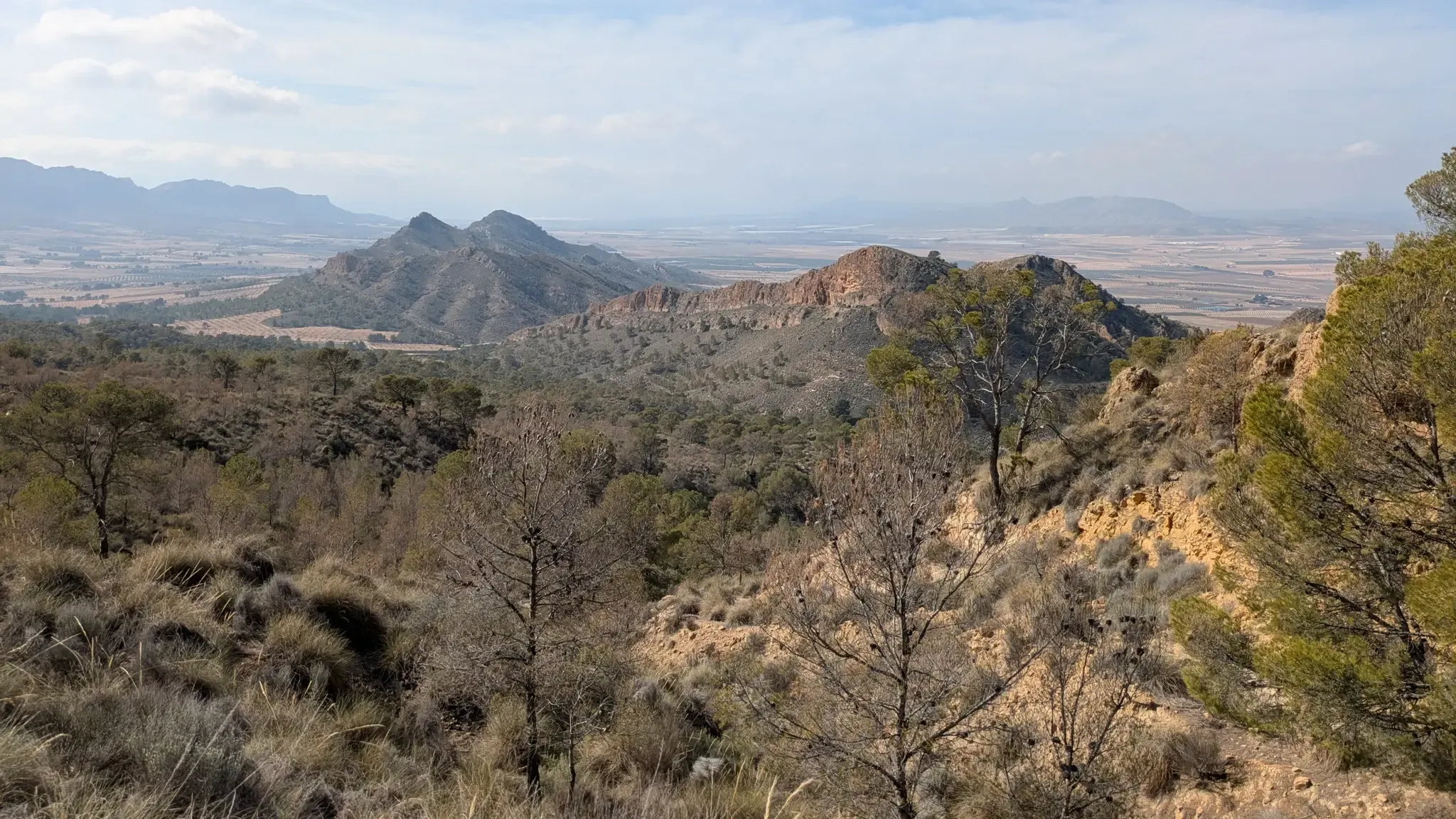
Path of the Cross of the Altiplano – GR 251

European D̶I̶V̶I̶D̶E̶ Connect Trail Project – a journey across Europe
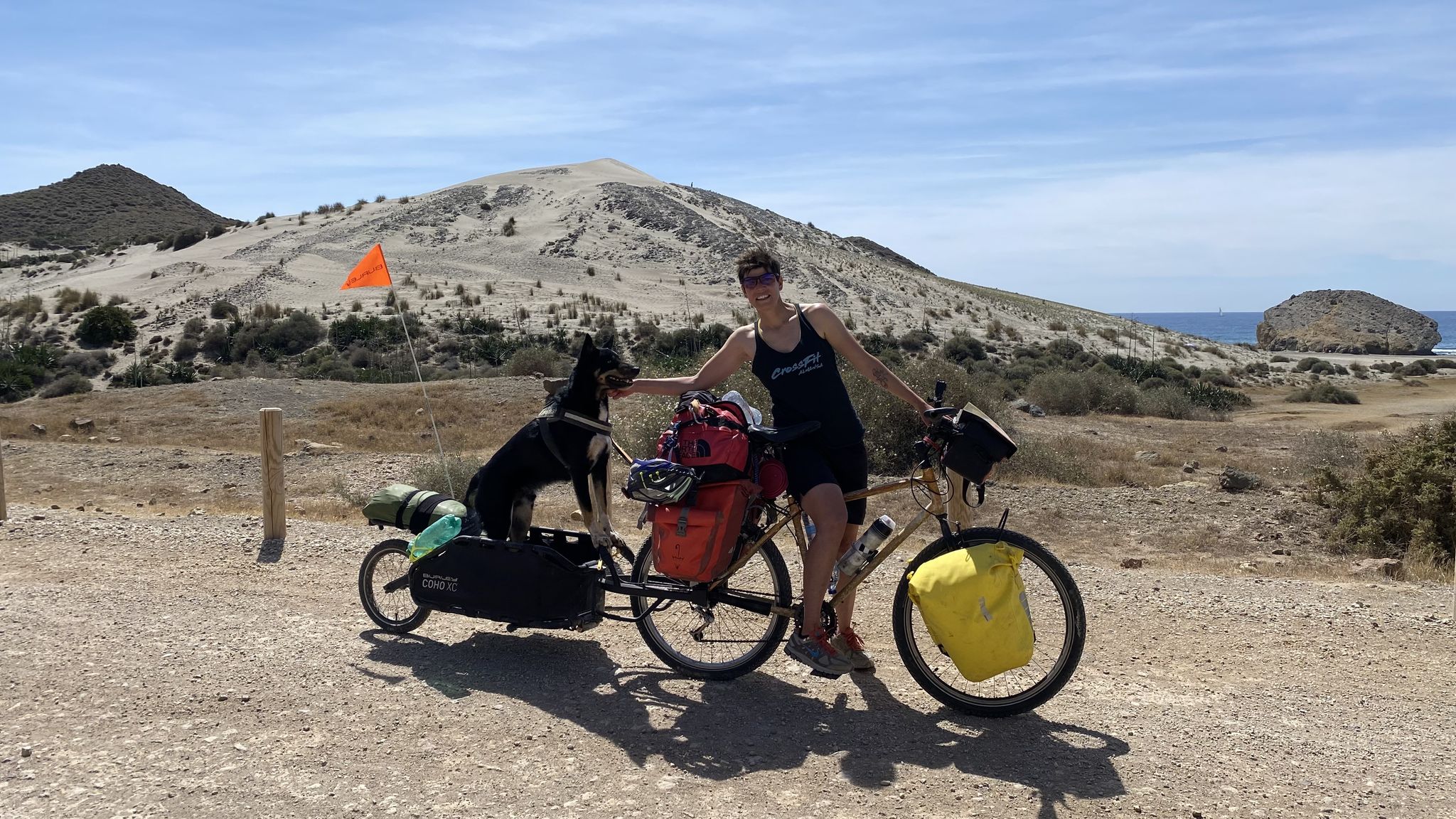
Let’s head south – cycle in Andalusia with me and my dog
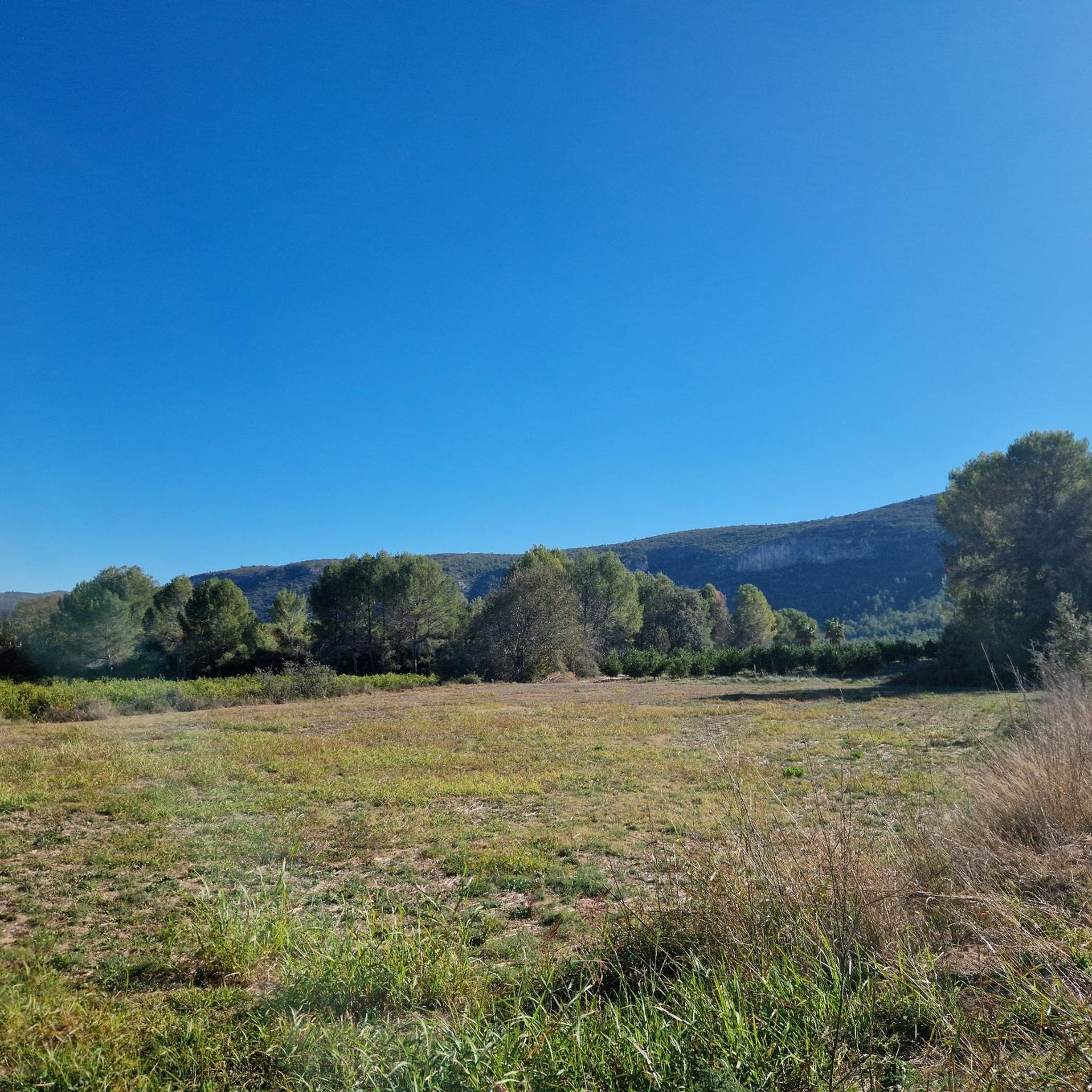
MTB Trails around Yecla
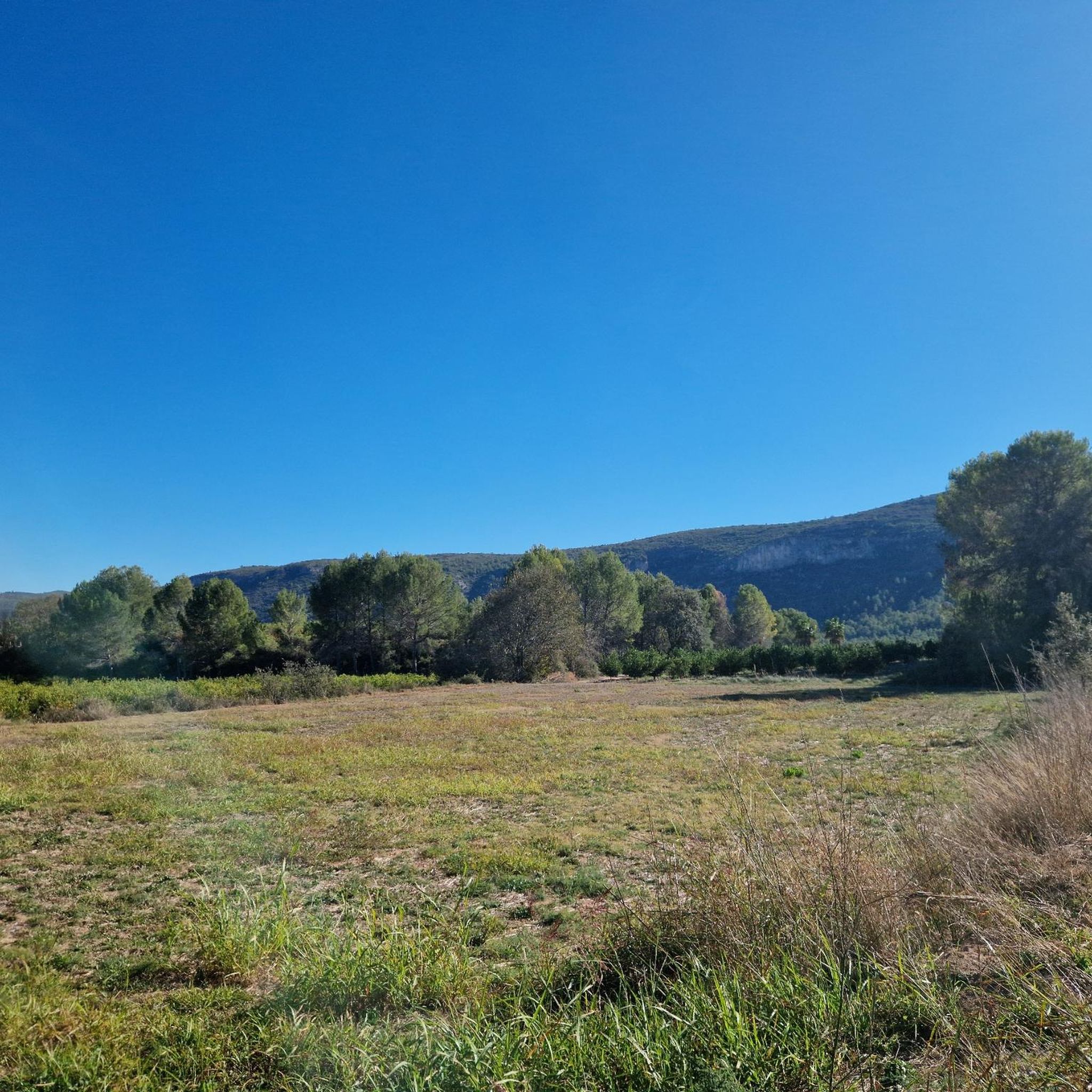
Road Cycling Routes around Yecla
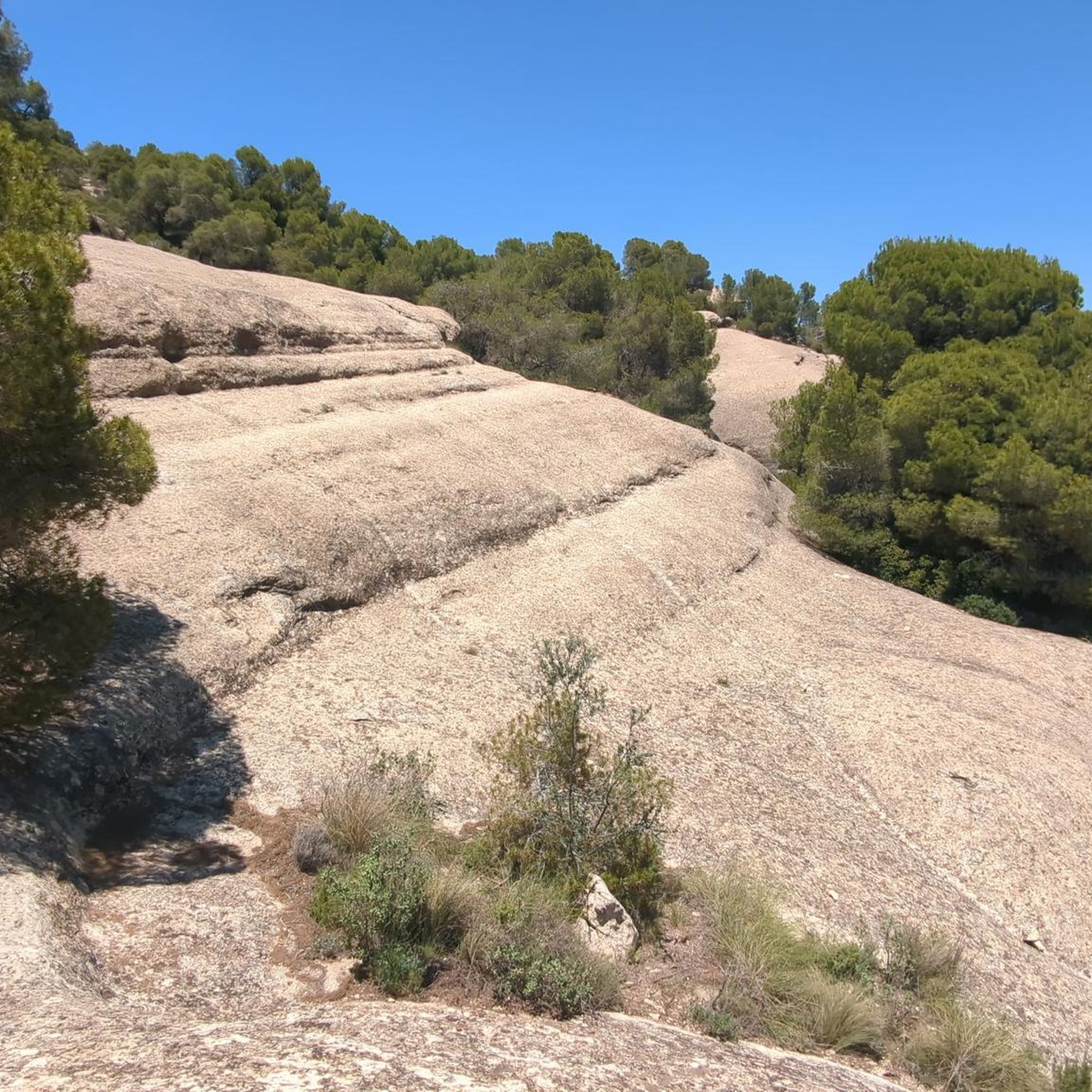
Hiking around Yecla
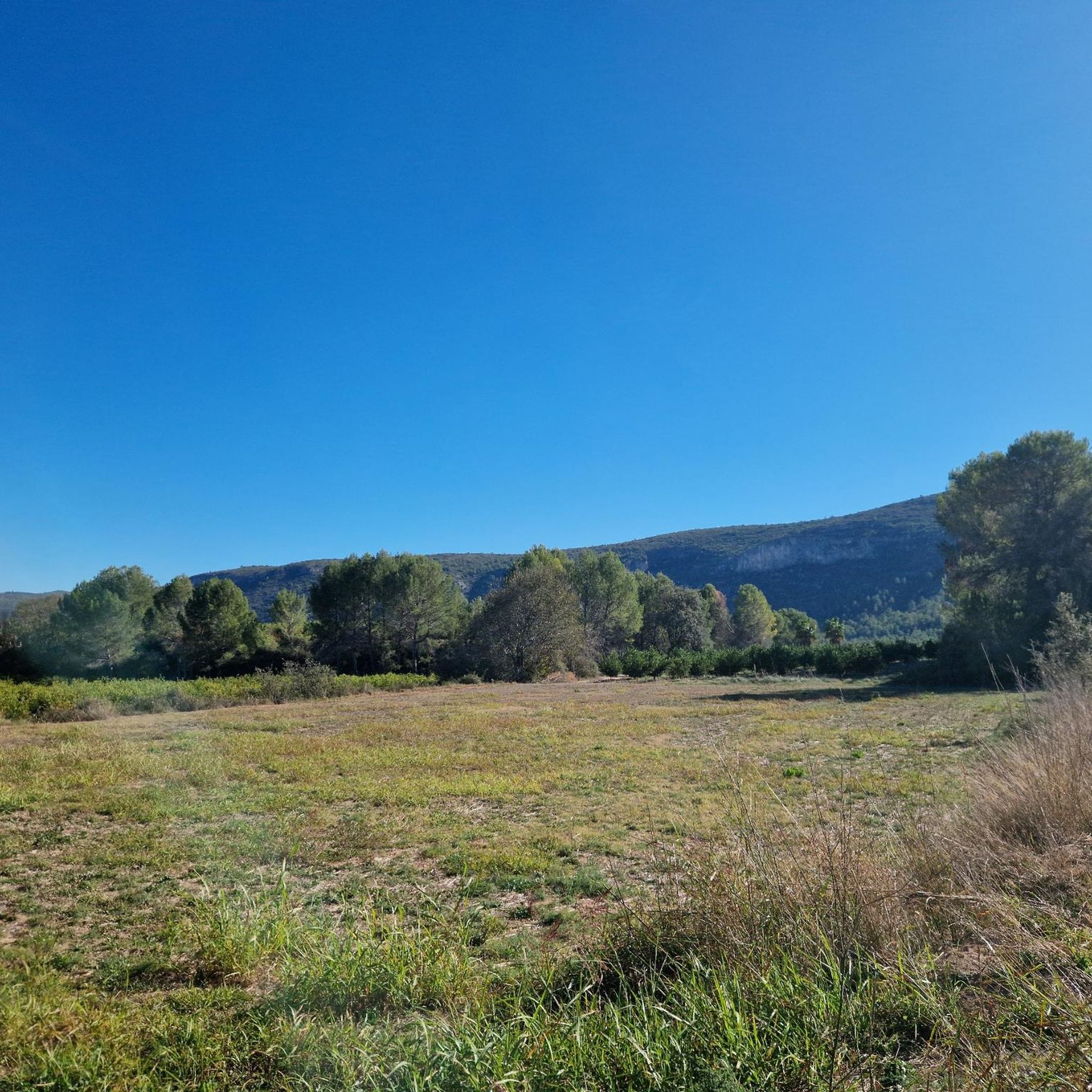
Running Trails around Yecla
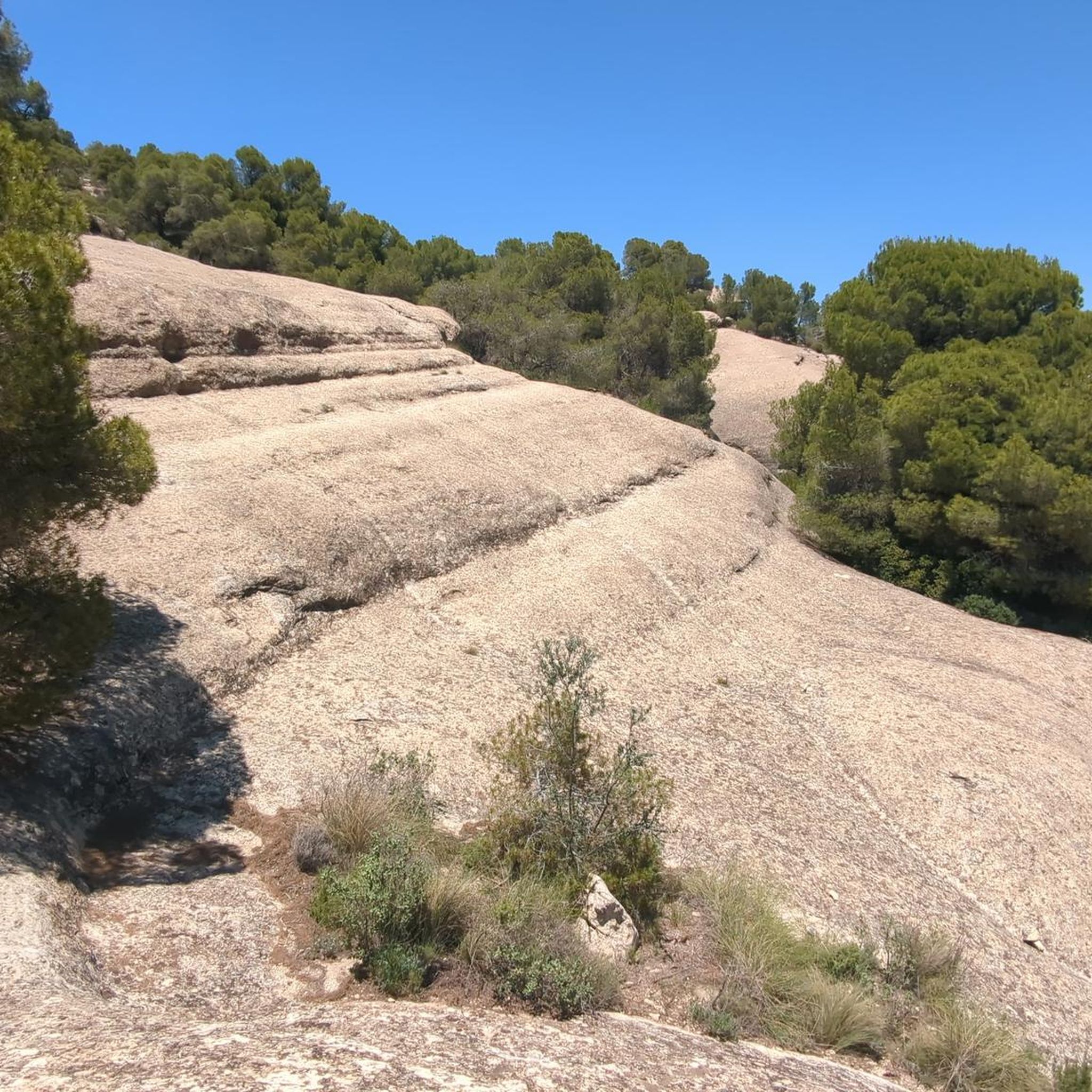
Cycling around Yecla
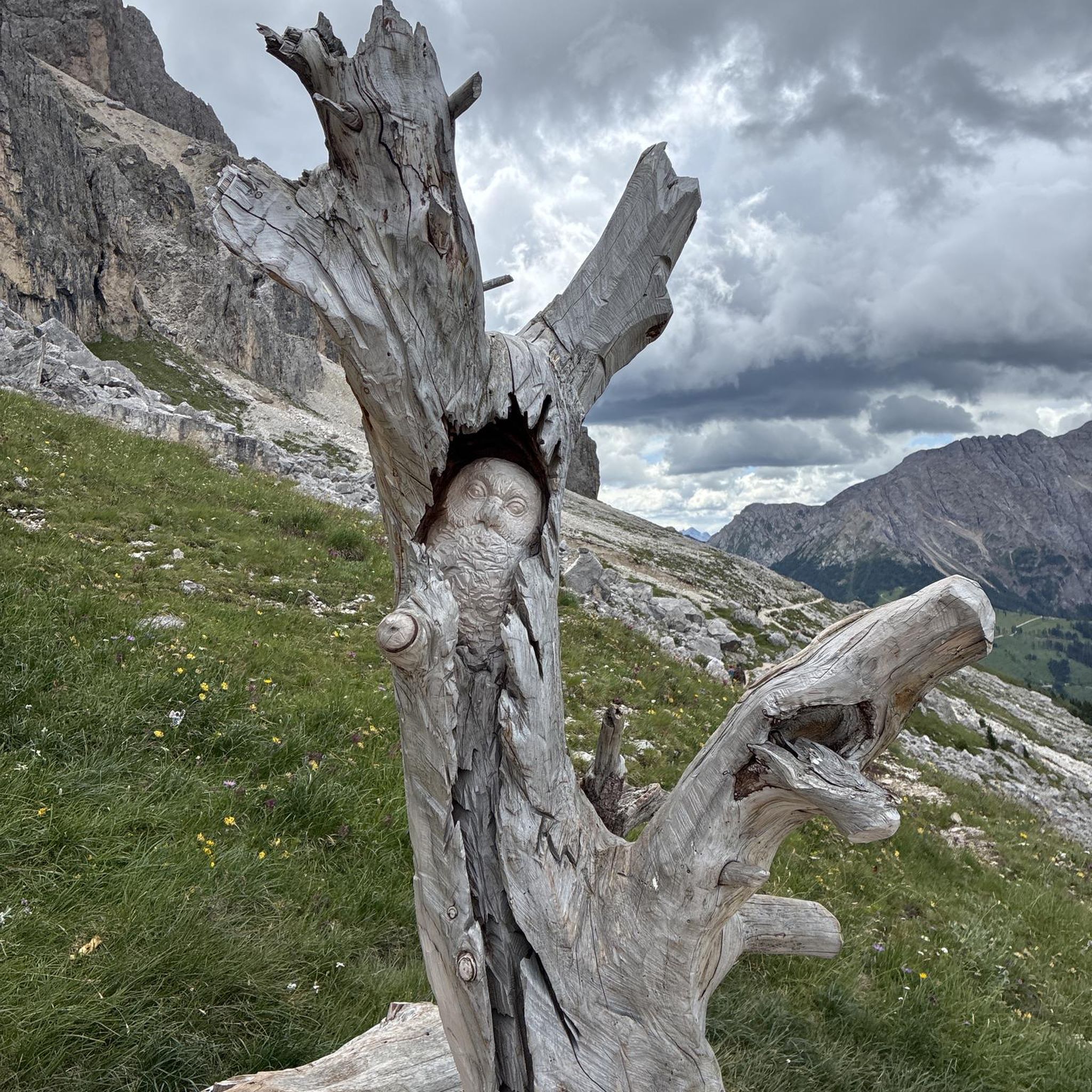
Gravel biking around Yecla


Tips from the Community

Great views and when the wind blows, it really blows. It is worth the effort and the reward is a good lunch with great views.
1
0

The Geodetic Vertex of La Capilla is a geographical reference point that marks an exact position on the ground. These vertices are used to construct topographic maps and establish precise coordinates.
4
1
The Heart Stone is located precisely near Cantos de Visera. Without a doubt, it is a photograph not to be missed before or after visiting the Cueva de la Horadada. There are even more attractions like going to the cave paintings of the Cueva del Medio Día, or seeing the Dinosaur Stone.
8
0

beautiful 360° view
1
0
It is located 18 km NW of the urban area, on Mount Arabí. The space is included in the delimitation of the environment for the protection of Cantos de Visera I and II, Abrigos del Mediodía I and II and petroglyphs, on Monte Arabí.
9
0

Located on Mount Arabí, another of nature's works of art. For mandatory if we are in this area.
2
0

A beautiful, naturally formed heart-shaped stone.
2
0
Frequently Asked Questions
What are the most popular natural monuments to visit in Yecla?
Among the most popular natural monuments in Yecla, visitors frequently explore the Horadada Cave of Monte Arabí, a large open cavity with a hole in its ceiling, and Cueva del Lagrimal, known for its dripping water and archaeological remains. Another favorite is the Geodetic Vertex of La Capilla, offering panoramic 360° views from the Sierra de Salinas.
Are there family-friendly natural monuments around Yecla?
Yes, several natural monuments in Yecla are suitable for families. The Horadada Cave of Monte Arabí is an impressive site that children often enjoy exploring. Additionally, the Piedra del Corazón, a naturally formed heart-shaped stone on Monte Arabí, is a fun and picturesque spot for all ages.
What kind of hiking trails can I find near Yecla's natural monuments?
Yecla offers a variety of hiking trails near its natural monuments. You can find routes like the moderate 'El Monte Arabí and la Cueva de la Horadada — Circular desde Pocico de la Buitrera' or the 'Cueva del Lagrimal – Sierra de Salinas loop'. For more options, including easy and moderate trails, explore the full selection of hiking routes around Yecla.
Which natural monuments offer the best viewpoints in Yecla?
For breathtaking views, the Geodetic Vertex of La Capilla in Sierra Salinas is highly recommended, providing expansive 360° panoramas. The Piedra del Corazón on Monte Arabí also offers scenic vistas of the surrounding landscape.
Can I find historical or archaeological sites within Yecla's natural monuments?
Absolutely. Monte Arabí is a significant archaeological site, featuring Neolithic rock paintings at Cantos de la Visera and Mediodía caves, as well as petroglyphs on Cerro del Arabilejo. The Cueva del Lagrimal also contains archaeological remains dating from the Mesolithic to the Arab period.
What unique geological features can be observed in Yecla's natural monuments?
Yecla's natural monuments are rich in unique geological formations. Monte Arabí, known as the 'Magic Mountain,' is characterized by striking erosive phenomena, creating large, rounded blocks, hollows, caves, and areas with hexagonal shapes. Sierra Salinas features a succession of hills, deep ravines, and ecologically important rocky walls.
Are there any natural monuments in Yecla that are wheelchair accessible?
While many natural monuments involve rugged terrain, the Coliseum Crema Marfil del Vinalopó, though a man-made monument, is categorized as wheelchair accessible and serves as a tribute to the natural stone sector at the access to Pinoso.
What kind of wildlife can I expect to see in Yecla's natural areas?
Yecla's natural monuments support diverse wildlife. Sierra Salinas is home to the great capricorn beetle, various birds of prey, wild boar, and different reptile species. Monte Arabí boasts the greatest diversity of bird species in the Altiplano Jumilla-Yecla region.
What is the best time of year to visit the natural monuments around Yecla?
The best time to visit Yecla's natural monuments is generally during spring (March to May) and autumn (September to November). During these seasons, the weather is milder and more pleasant for hiking and exploring, and the natural landscapes are often at their most vibrant.
Are there any running trails near the natural monuments in Yecla?
Yes, there are several running trails available. You can find routes like 'Running circular around Monte Arabi and Cueva Horadada' or more challenging options such as 'Cueva Cálida loop from Colonias Sierra Salinas Yecla'. For a comprehensive list, check out the running trails around Yecla.
Can I explore caves within the natural monuments of Yecla?
Yes, Yecla is known for its caves. You can explore the impressive Horadada Cave of Monte Arabí and the historically significant Cueva del Lagrimal. Sierra de Las Pansas also features caves, including the well-known Jaime el Barbudo cave.
What are the main characteristics of Sierra Salinas in Yecla?
Sierra Salinas is an impressive mountainous massif covering approximately 2,300 hectares, characterized by a succession of hills, deep ravines, and ecologically important rocky walls. It is one of the most important forest ecosystems in the Altiplano region, with dense Aleppo-pine woodlands and diverse flora and fauna. Its highest point is the Capilla del Fraile.
Most popular attractions around Yecla

Get inspired with the komoot mobile app


Explore more
Extend your search for the best caves by checking out these guides of the top ones around Yecla:
