The best traffic-free bike rides around Yecla
5.0
(1)
55
riders
9
rides
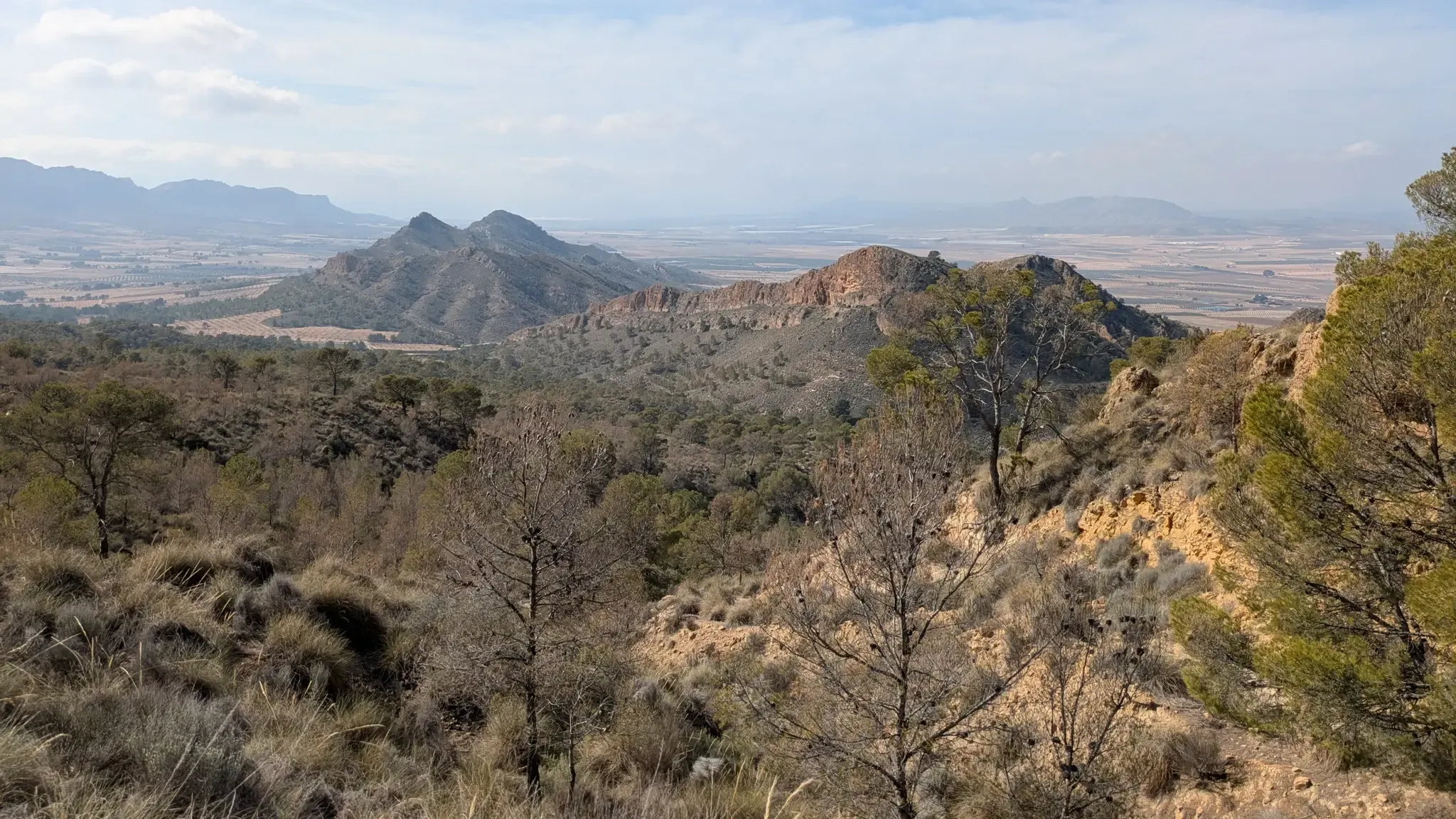
Gravel biking around Yecla offers diverse landscapes characterized by high plains, extensive vineyards, almond trees, and olive groves. The terrain transitions into mountainous regions such as Monte Arabí, Sierra del Carche, and Sierra Salinas, providing varied elevation profiles. The area features well-maintained roads and natural elements like ravines and springs, making it suitable for different cycling skill levels. These no traffic gravel bike trails provide opportunities to explore the region's natural features and agricultural scenery.
Best no traffic gravel bike…
Last updated: July 15, 2026
5
riders
34.4km
02:21
630m
630m
Hard gravel ride. Very good fitness required. Mostly paved surfaces. Suitable for all skill levels.
4
riders
38.0km
02:29
170m
170m
Moderate gravel ride. Good fitness required. Mostly paved surfaces. Suitable for all skill levels.

Sign up for free
3
riders
51.3km
04:03
580m
570m
Hard gravel ride. Very good fitness required. Mostly paved surfaces. Suitable for all skill levels.
7
riders
65.1km
04:07
620m
620m
Hard gravel ride. Very good fitness required. Mostly paved surfaces. Suitable for all skill levels.
3
riders
53.1km
04:12
740m
740m
Hard gravel ride. Very good fitness required. Mostly paved surfaces. Suitable for all skill levels.
Get access to more routes and recommendations from other explorers.
Sign up for free
Already have an account?
Our route recommendations are based on thousands of hikes, rides, and runs completed by other people on komoot.
Start today with a free account
Your next adventure awaits.
Login or Signup




Tips from the Community

The hermitage is a prominent natural viewpoint, offering panoramic views of Caudete, the Vinalopó Valley, and on clear days, even the sea. It forms part of the official PR-AB-50 trail, a well-marked circular route of approximately 13.5 km and moderate difficulty (550 m to 1,153 m elevation gain), which allows hikers to enjoy panoramic views, Mediterranean vegetation, and a nearby historic snow well. The area is popular for hiking, mountain biking, and paragliding, with several notable routes.
4
0
The Hermitage of Santa Bárbara is located on the summit of the Sierra de la Oliva, also known as the Sierra Santa Bárbara, at an altitude of approximately 1,153 meters, about 5 kilometers southeast of Caudete. Built around 1580 at the initiative of the people of Caudete, following a period of severe storms with hail, the mountain peak was chosen as a place of spiritual protection, with the trust that Santa Bárbara would safeguard the crops and the population. Traditionally under the jurisdiction of the parish of Santa Catalina, the hermitage is visited every May 1st in a pilgrimage: pilgrims ascend steep paths in homage to the saint's martyrdom, reflecting sacrifice and devotion.
4
0
The Church of Mary Help of Christians (Salesians) in Villena. Founded in 1917 along with the Salesian House of Villena. The image of Mary Help of Christians arrived in solemn procession from the Parish of Santa María on May 4, 1918. During the Spanish Civil War, the altars were destroyed, but the building remained intact. It has been a key spiritual and educational center in the city, linked to the Salesian legacy and the figure of Don Bosco.
7
0
Built by the Almohads in the 12th century on San Cristóbal Hill as a defensive fortress on the border between the kingdoms of Castile and Aragon. The inner wall and the two lower floors of the keep date from the Almohad period, featuring vaults unique in Spain, along with those of Biar Castle. The two upper floors and the outer wall with twelve turrets were added in the 15th century. Conquered by James I in 1240. Residence of Don Juan Manuel (author of El Conde Lucanor). It played a role in conflicts such as the War of the Spanish Succession, the Revolt of the Brotherhoods, and the Peninsular War. Declared a Historic-Artistic Monument in 1931 and a Site of Cultural Interest.
7
1


The legend tells of the Villena people's desire to build a temple to a patron saint who would protect them from the plague that devastated the city. So the Virgin of Virtues received the title of protector against the plague and patroness of Villena.
0
0

A very beautiful harbor with no cars. It is easier to climb it from Bemixama because the climb is more constant than from Fontanars dels Alforins, where there is a stretch of steeper coasts.
1
0

Puerto del Moro is one of the classic climbs in the area. It is located 987 meters above sea level and, although it is laid out on both sides, it also has some slopes that exceed two percentage figures.
1
0
Frequently Asked Questions
How many no-traffic gravel bike trails are available around Yecla?
There are 4 dedicated no-traffic gravel bike trails around Yecla featured in this guide, ranging from moderate to difficult. These routes offer a great way to explore the region's diverse landscapes, from high plains and vineyards to mountainous areas like Monte Arabí.
What kind of terrain can I expect on gravel bike trails in Yecla?
Yecla's gravel bike trails feature varied terrain, including well-maintained dirt roads through extensive vineyards, almond groves, and olive orchards. You'll also encounter more challenging sections in mountainous regions like Monte Arabí, Sierra del Carche, and Sierra Salinas, with natural features like ravines and springs. Expect a mix of flat plains and significant elevation changes.
Are there any family-friendly no-traffic gravel biking options in Yecla?
While the routes in this guide are rated moderate to difficult, the region does offer options like the Chicharra Greenway (Vía Verde del Chicharra), an old railway track suitable for a more relaxed, family-friendly ride. For specific routes in this guide, consider the Hermitage of Saint Bartholomew – Camino de Santiago loop from Caudete, which is rated moderate and covers 38 km with less elevation gain compared to other routes.
What are some notable landmarks or natural features I can see along the gravel bike trails?
Many trails offer stunning views and access to unique natural monuments. You might pass by the mystical Monte Arabí, a UNESCO World Heritage Site known for its rock formations and prehistoric art. Highlights include the Horadada Cave of Monte Arabí and Cueva del Lagrimal, both featuring ancient rock paintings. The El Carche Summit also provides amazing panoramic views.
Are there any circular gravel bike routes around Yecla?
Yes, all the routes in this guide are circular, allowing you to start and end at the same point. For example, the Castillo de Caudete – Santa Bárbara loop from Caudete is a challenging 34 km route that takes you through varied landscapes and past historical sites.
What is the best time of year for gravel biking in Yecla?
The best time for gravel biking in Yecla is typically during the spring (March to May) and autumn (September to November). During these seasons, the weather is milder, avoiding the intense heat of summer and the cooler, sometimes wet, conditions of winter. This allows for comfortable exploration of the region's vineyards and natural parks.
Are there any longer, more challenging gravel bike routes for experienced riders?
Absolutely. For experienced gravel bikers seeking a challenge, routes like the Castillo de Caudete loop from Caudete offer nearly 60 km of riding with significant elevation gain, traversing diverse landscapes. Another demanding option is the Castillo de Caudete – La Toconera Artificial Lake loop from Caudete, which covers over 53 km with substantial climbing.
Can I find places to eat or drink along the gravel bike routes in Yecla?
While the routes in this guide focus on natural and less-trafficked areas, Yecla and nearby towns like Caudete offer various cafes and restaurants. It's advisable to carry sufficient water and snacks, especially on longer routes. Some routes, like the Restaurante Les Eres – Fuente la Higuera Fountain loop from Caudete, may pass by small villages where you can find amenities, but planning ahead is recommended.
What makes Yecla a unique destination for no-traffic gravel biking?
Yecla stands out for its unique combination of extensive vineyards, which are perfect for quiet gravel roads, and its proximity to significant natural areas like Monte Arabí and Sierra del Carche. The region's high plains and varied elevation profiles provide a diverse cycling experience, allowing riders to immerse themselves in tranquil, scenic landscapes away from traffic.
What do other gravel bikers enjoy most about the trails in Yecla?
The area is highly rated by the komoot community, with an average score of 5.0 stars. Reviewers often praise the tranquility of the routes, the stunning views of the vineyards and mountains, and the opportunity to explore unique natural monuments and prehistoric sites in a peaceful, traffic-free environment.
Most popular attractions around Yecla

Get inspired with the komoot mobile app


Explore more
Browse the best Gravel rides in other regions.
