Top 10 Natural Monuments around Taboadela
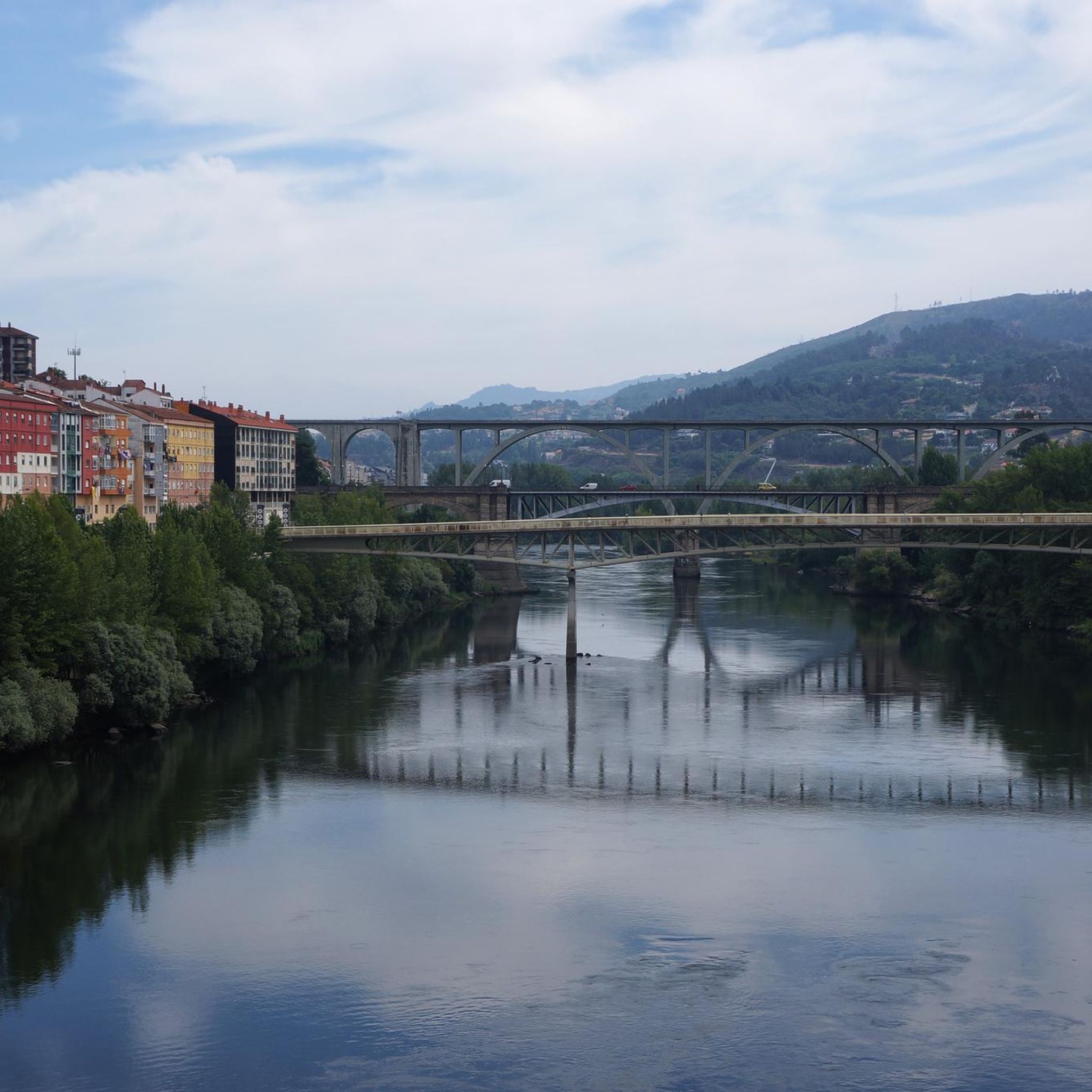
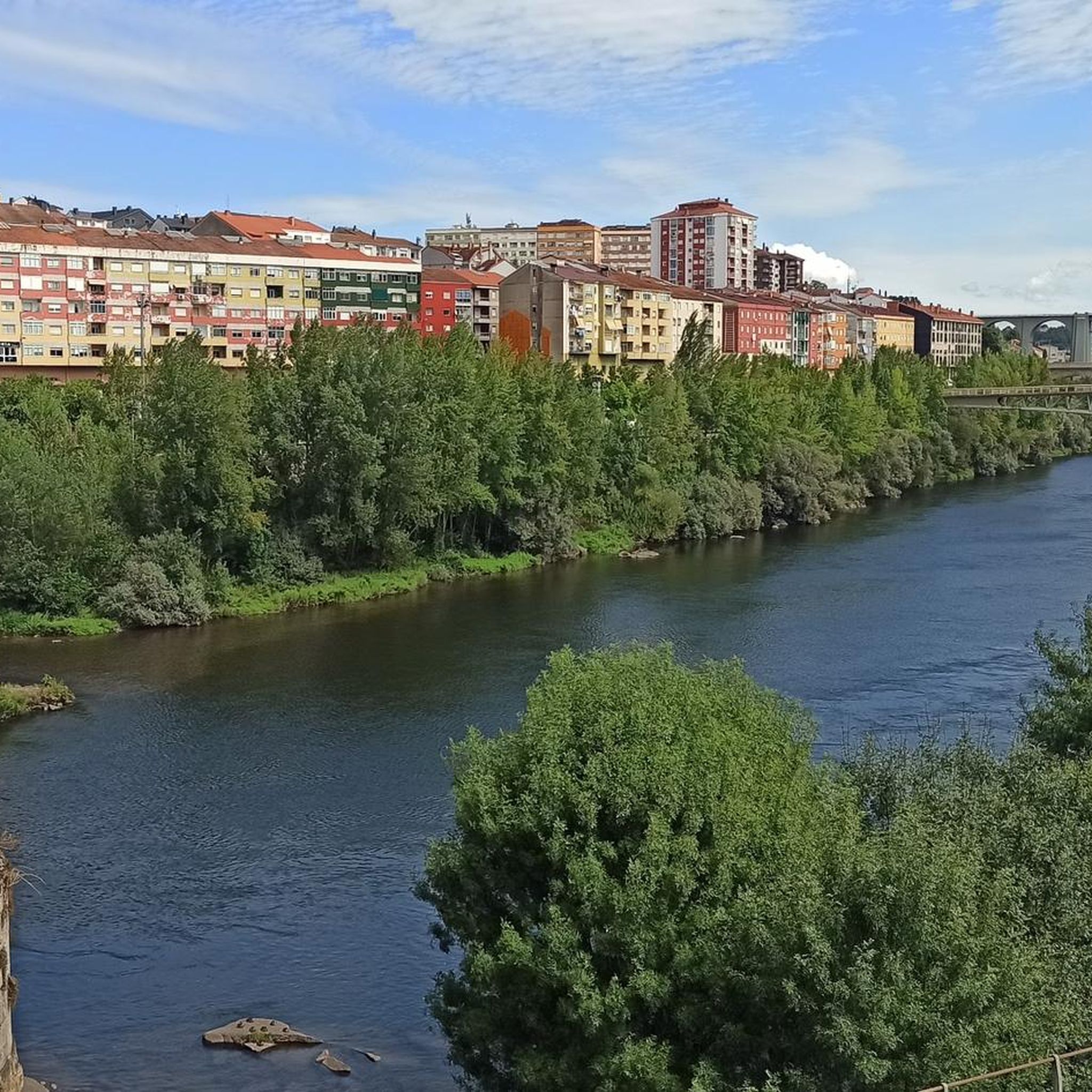
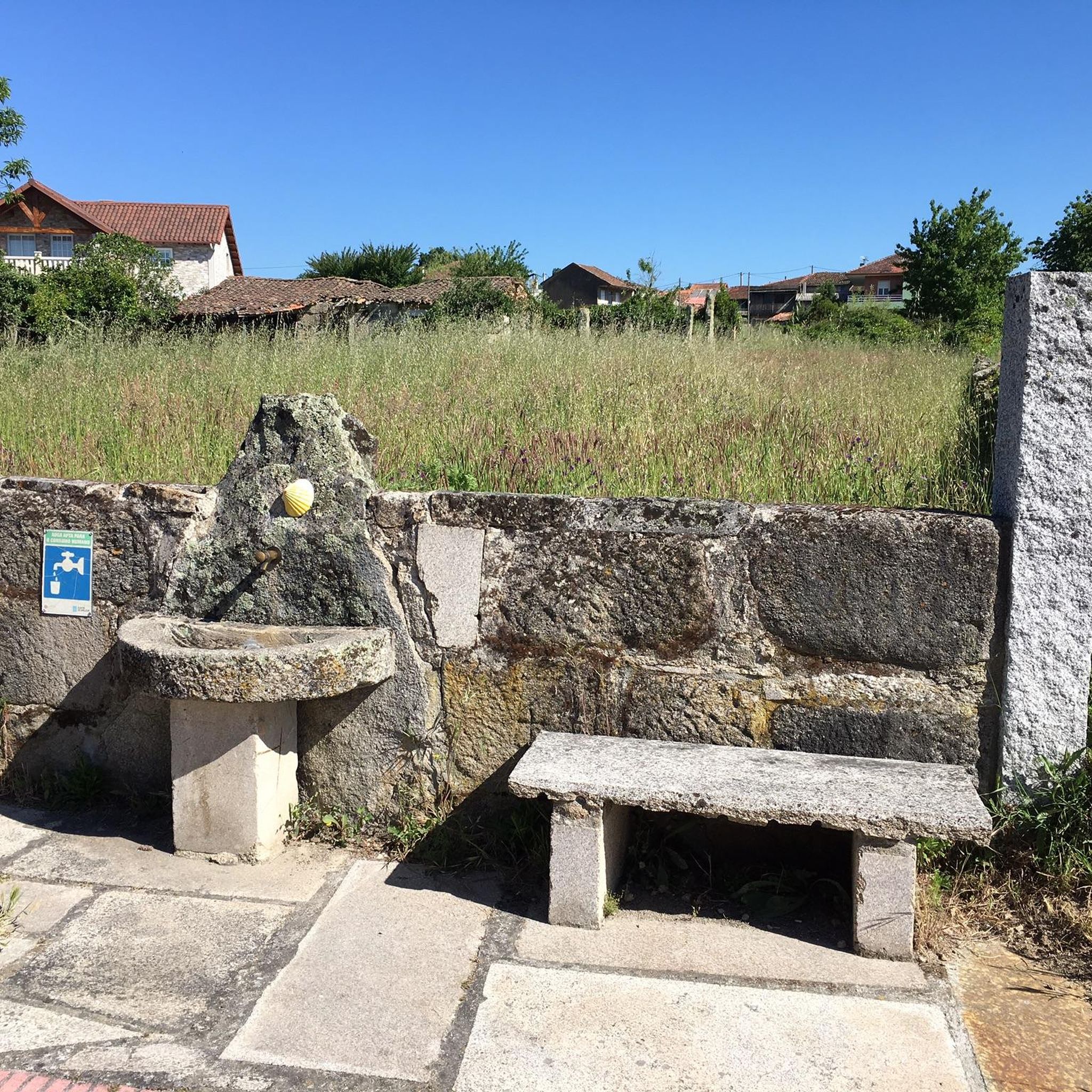
Best natural monuments around Taboadela offer a blend of natural landscapes and cultural heritage in the rural municipality of Ourense, Spain. The area features natural attractions and is part of the Camino de Santiago route. Visitors can explore scenic viewpoints, serene valleys, and significant rivers. These natural features provide opportunities for outdoor recreation and a glimpse into the region's diverse ecosystems.
Best natural monuments around Taboadela
- The most popular natural monuments is A Boutureira Waterfall, a waterfall located a…
Last updated: June 17, 2026
As Burgas Hot Springs
Highlight • Natural Monument
Translated by Google •
Tip by

Monastery of San Pedro de Rocas
Highlight • Religious Site
Translated by Google •
Tip by

Sign up now to discover places like this
Get recommendations on the best single tracks, peaks, & plenty of other exciting outdoor places.
Sign up for free
A Boutureira Waterfall
Highlight • Waterfall
Translated by Google •
Tip by

Fonte de San Bito
Highlight • Historical Site
Translated by Google •
Tip by
Castro de Santomé and Giant's Kettles of the Lonia River
Highlight • Historical Site
Translated by Google •
Tip by
Sign up for free to discover even more natural monuments around Taboadela.
Sign up for free
Already have an account?
Start today with a free account
Your next adventure awaits.
Login or Signup


Tips from the Community

They are located in the historic center of Ourense, on Rúa das Burgas / Praza das Burgas, next to the Barbaña River. They are perfectly integrated into the urban environment, near the Cathedral and the Roman Bridge. Explored since Roman times, these waters were the origin of the city (Aquis Auriensis), and the remains include a 1st-century AD pool-sanctuary and votive stones dedicated to an indigenous deity. The water flows at approximately 64–68°C, with a flow rate of about 300 liters per minute. Rich in minerals such as metasilicates, fluoride, lithium, bicarbonate, and sodium, they are recommended for pruritic skin conditions and rheumatism. Recent studies support their beneficial effect on acne after washing with thermal water.
2
0
The Monastery of San Pedro de Rocas is one of the oldest and most unique monasteries in Galicia, located in the municipality of Esgos, in the province of Ourense. This monastery stands out for being partially excavated in the rock, which gives it a unique and mysterious character. The foundation of the monastery dates back to the 6th century, although most of the structures visible today date from the 9th and 10th centuries. The monastery church is composed of three naves excavated in the rock, with a series of anthropomorphic tombs also carved in the stone. Outside, you can see a bell tower that was added in the 15th century. San Pedro de Rocas is known not only for its architecture, but also for its natural environment, surrounded by forests and mountains, making it a place of great beauty and tranquility. The monastery has been declared a Historic-Artistic Monument and is an important tourist and pilgrimage destination.
1
0
The Monastery of San Pedro de Rocas is one of the oldest and most unique monasteries in Galicia, located in the municipality of Esgos, in the province of Ourense. This monastery stands out for being partially excavated in the rock, which gives it a unique and mysterious character. The foundation of the monastery dates back to the 6th century, although most of the structures visible today date from the 9th and 10th centuries. The monastery church is composed of three naves excavated in the rock, with a series of anthropomorphic tombs also carved in the stone. Outside, you can see a bell tower that was added in the 15th century. San Pedro de Rocas is known not only for its architecture, but also for its natural environment, surrounded by forests and mountains, making it a place of great beauty and tranquility. The monastery has been declared a Historic-Artistic Monument and is an important tourist and pilgrimage destination.
6
2

Beautiful local recreation area 🤙
2
0
The Romans knew how to use the springs even earlier 🤙
1
0

The Castro de Santomé, located near the Lonia River in Ourense, is an important archaeological site that includes remains of a pre-Roman fort and a later Roman settlement. The site offers spectacular views and is surrounded by an exceptional natural environment, where the natural pools or cauldrons formed by the erosion of the Lonia River stand out. These cauldrons, also known as giant's cauldrons, are circular formations in the rocks of the riverbed, originating from the movement of water over time. The area is ideal for hiking trails, combining historical heritage and natural beauty, making it a very attractive destination for lovers of archaeology and nature.
1
0
It has a charming little waterfall that is an attractive point for visitors, especially for its natural beauty and the peaceful atmosphere it offers. Next to the waterfall, there is an area set up as a picnic zone, perfect for enjoying nature in a relaxing and fresh environment. This corner is ideal for those looking to disconnect and spend time with family or friends, surrounded by vegetation and the sound of water. The combination of the waterfall and the picnic area makes A Boltureira a special place for rural tourism in Galicia.
2
0

The Las Burgas hot springs are believed to have medicinal healing properties. The fountain is located in a small garden square and is one of the main tourist attractions in Ourense.
1
1
Frequently Asked Questions
What are the most notable natural attractions around Taboadela?
The region around Taboadela offers a blend of natural beauty and historical significance. Key natural attractions include the scenic A Boutureira Waterfall, known for its charming cascade and picnic area, and the Castro de Santomé and Giant's Kettles of the Lonia River, where you can explore unique geological formations alongside an archaeological site. Additionally, Monte do Castro provides panoramic views of the Val da Rabeda.
Are there family-friendly natural monuments in the Taboadela area?
Yes, A Boutureira Waterfall is considered family-friendly. It features a charming waterfall and a dedicated picnic area, making it an ideal spot for families to relax and enjoy nature together.
What historical sites are integrated with the natural monuments around Taboadela?
Several sites combine natural beauty with rich history. The Monastery of San Pedro de Rocas is an ancient cult building partially excavated into natural rock, considered one of Galicia's oldest. The Castro de Santomé and Giant's Kettles of the Lonia River features an archaeological site with remains of a pre-Roman fort and Roman settlement, set amidst natural river formations. You can also find petroglyphs on Monte do Castro.
Can I find hiking trails near the natural monuments in Taboadela?
Absolutely. The Barbaña River, which flows through the municipality, supports various hiking and cycling routes. You can explore trails that pass through native forests and connect to neighboring areas. For more detailed routes, check out the Hiking around Taboadela guide, which includes routes like the Allariz - Penamá Peak Loop and the Allariz Roman Bridge loop.
Are there opportunities for cycling or mountain biking near Taboadela's natural attractions?
Yes, the region offers several routes for both cycling and mountain biking. The Barbaña River area is particularly good for exploring by bike. For specific routes, you can refer to the MTB Trails around Taboadela guide and the Cycling around Taboadela guide, which feature options like the Allariz - return via Allariz Biosphere Reserve Area for MTB and the Main Square of Ourense – Cachamuíña Reservoir loop for cycling.
What are the thermal springs like near Taboadela?
The As Burgas Roman Baths are a significant natural monument nearby. These historical thermal waters flow at temperatures between 60ºC and 67ºC, with a bathing temperature of 37ºC. They are known for their relaxing properties and are alkaline, lithium, fluorinated, silicated, and slightly radioactive.
What kind of views can I expect from natural viewpoints in the area?
Monte do Castro, standing at 453 meters, offers spectacular panoramic views of the Val da Rabeda. This natural viewpoint is equipped with a recreational area, making it a perfect spot to enjoy the expansive landscape and tranquility of the valley.
Are there any unique geological formations to see?
Yes, at the Castro de Santomé and Giant's Kettles of the Lonia River, you can observe the 'giant's kettles' or natural pools. These circular formations in the rocks of the Lonia Riverbed are created by the movement of water over time, offering a fascinating geological sight.
What is the significance of the Barbaña River in Taboadela?
The Barbaña River is a significant natural element flowing through the northern part of the municipality. At Paso do Mouro, it gains considerable flow, creating picturesque scenery. The river's presence also supports various hiking and cycling routes, allowing visitors to explore Taboadela's natural environment.
What do visitors particularly enjoy about the natural monuments around Taboadela?
Visitors appreciate the blend of natural beauty and historical depth. The charming cascade and picnic area at A Boutureira Waterfall are highly rated for relaxation. The unique rock-hewn architecture of the Monastery of San Pedro de Rocas and the historical context of As Burgas Roman Baths are also significant draws. The opportunity to combine outdoor activities with cultural exploration is a key highlight for many.
Is the Taboadela region part of the Camino de Santiago?
Yes, the Taboadela area is indeed part of the Camino de Santiago route, offering visitors a unique blend of natural landscapes and cultural paths as they traverse this historic pilgrimage route.
Most popular routes around Taboadela
Most popular attractions around Taboadela

Get inspired with the komoot mobile app


Explore more
Extend your search for the best caves by checking out these guides of the top ones around Taboadela:
