Top 8 Natural Monuments around Mambrillas De Lara
Natural monuments around Mambrillas De Lara are situated in the eastern part of Burgos province, characterized by a rich natural landscape. This region offers diverse ecosystems, unique geological formations, and panoramic views. Visitors can explore extensive juniper forests, ancient human constructions, and significant geological features. The area provides opportunities for experiencing both natural beauty and historical context.
Best natural monuments around Mambrillas De Lara
- The most popular natural monuments is Alto de Peña Alta (1078 m), a mountain pass…
Last updated: July 1, 2026
Alto de Peña Alta (1078 m)
Highlight • Mountain Pass
Translated by Google •
Tip by

Dolmen of Cubillejo de Lara
Highlight • Historical Site
Translated by Google •
Tip by

Sign up now to discover places like this
Get recommendations on the best single tracks, peaks, & plenty of other exciting outdoor places.
Sign up for free
Castillejo
Highlight • Summit
Translated by Google •
Tip by
Peñas del Tuero Viewpoint
Highlight • Viewpoint
Translated by Google •
Tip by

Alto de Gandral Geodetic Vertex
Highlight • Summit
Translated by Google •
Tip by

Sign up for free to discover even more natural monuments around Mambrillas De Lara.
Sign up for free
Already have an account?
Start today with a free account
Your next adventure awaits.
Login or Signup
Tips from the Community

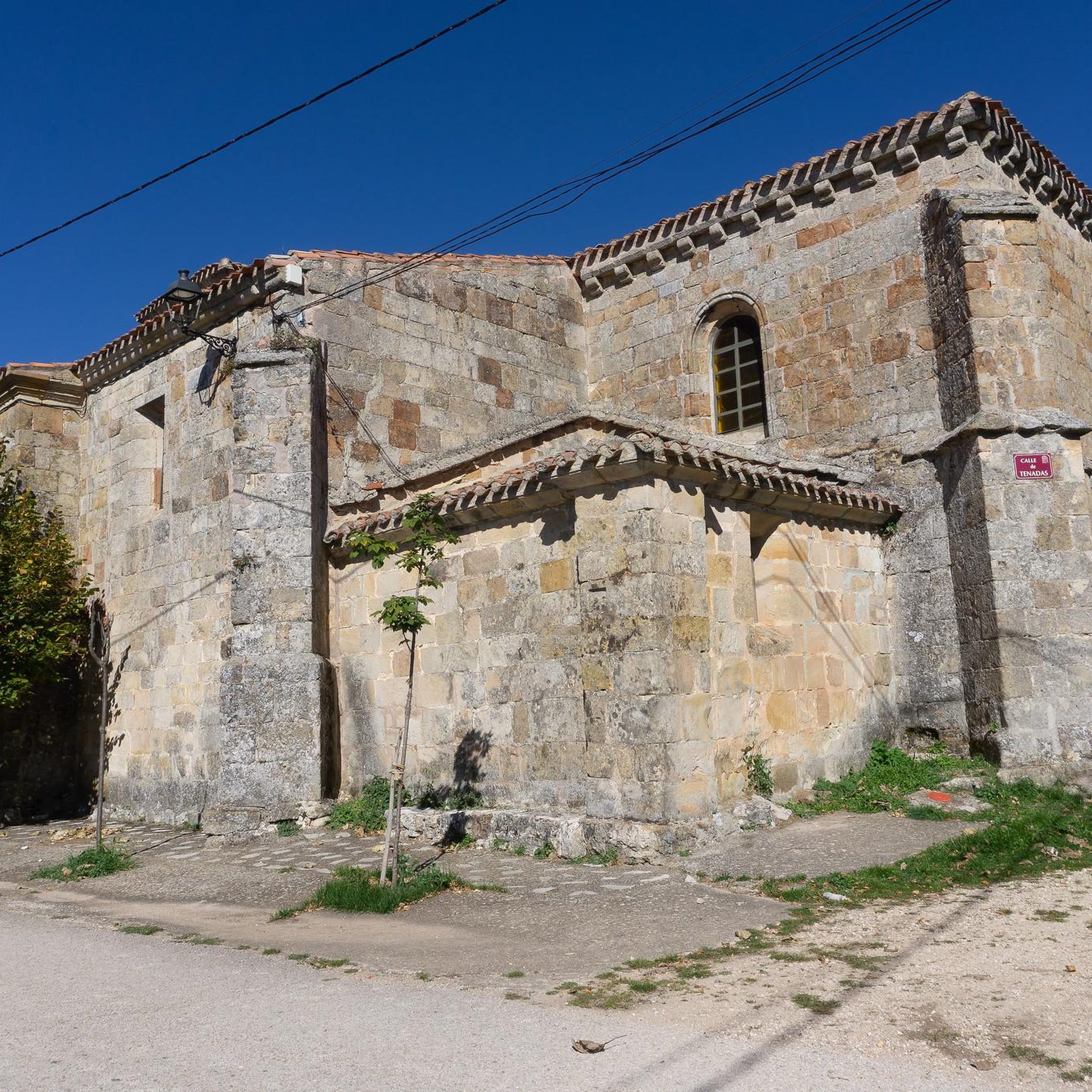
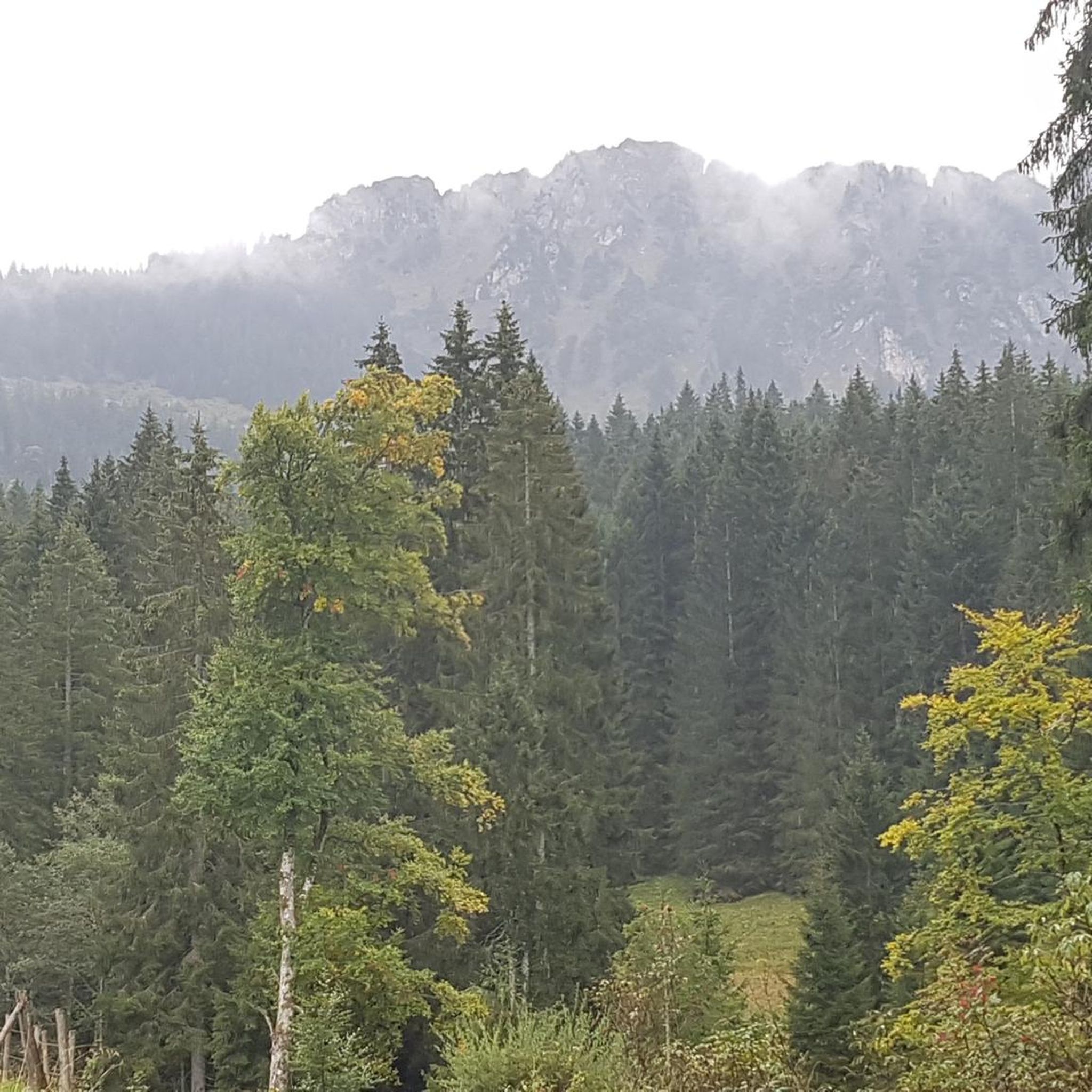
El Castillejo (1,347 m) is a twin peak located in the Sierra de las Mamblas, 5 km north of the town of Covarrubias (Burgos). It owes its name to its natural defensive rock formations. On its summit, an artificial cavity is preserved that served as a strategic watchtower. The mountain offers a spectacular panoramic view of the Arlanza valley and the Sierra de la Demanda. At its foothills lies the Hermitage of Our Lady of Mamblas (Ermita de Nuestra Señora de Mamblas). The terrain features rocky barriers that served as a defensive settlement in antiquity.
0
0

Spectacular area for hiking routes
0
0
The Alto de Gandral (1,044 m) dominates the oak forest between Hontoria de la Cantera and the famous quarries from which the stones for Burgos Cathedral, Burgos Castle and the Visigothic hermitage of Santa Maria de las Viñas were extracted.
0
0
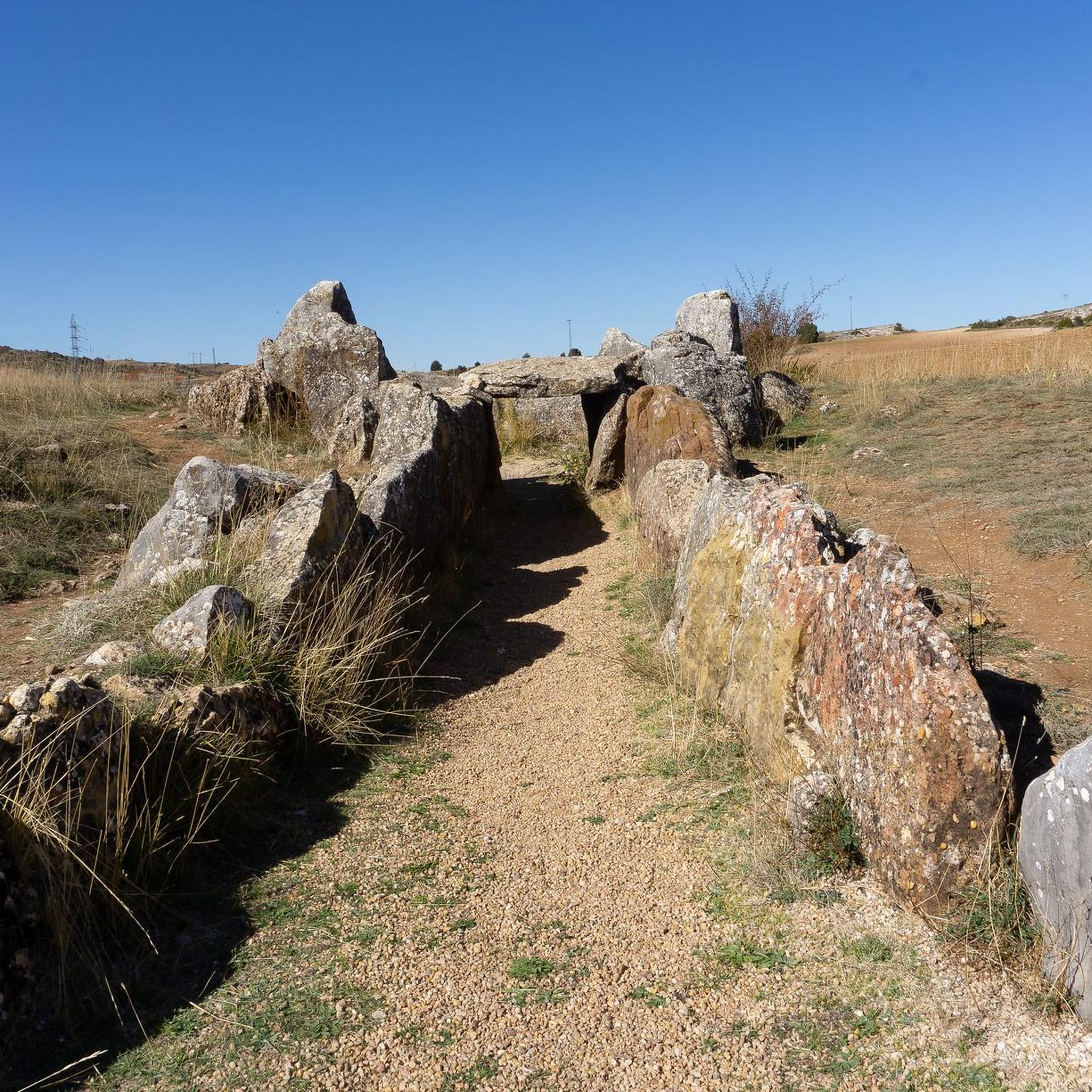
The Cubillejo/Mazariegos dolmen is considered the prototype of the megalithic passage tomb and preserves, on one of the large stone blocks that form its structure, a series of interesting rock carvings.
0
0


The peak bears this name thanks to its tower shape. The views are spectacular, highlighting the Sierra del Mencilla to the North, the Sierra de Cervera to the South, and that of its partner, the Muela de las Mamblas to the East.
2
0

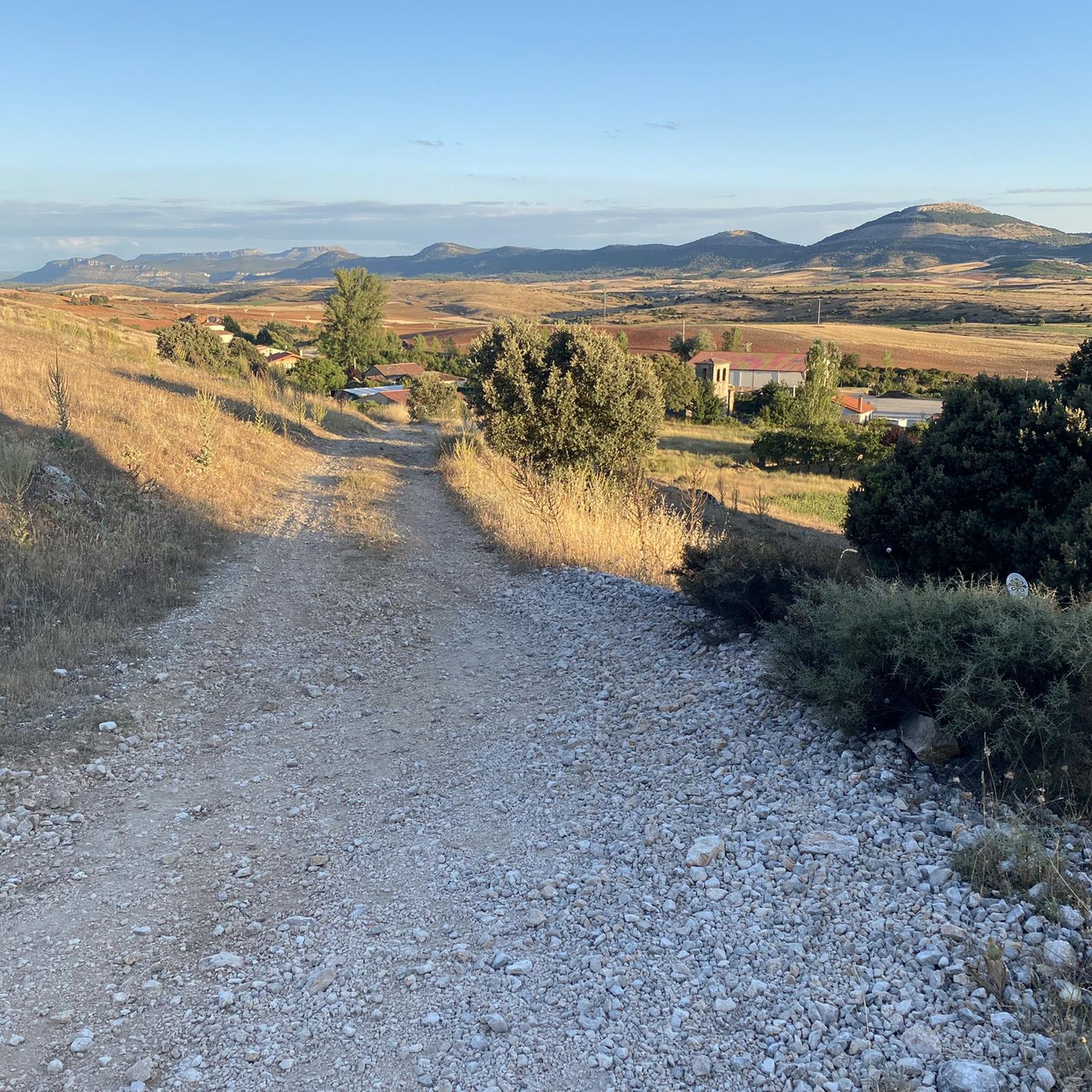
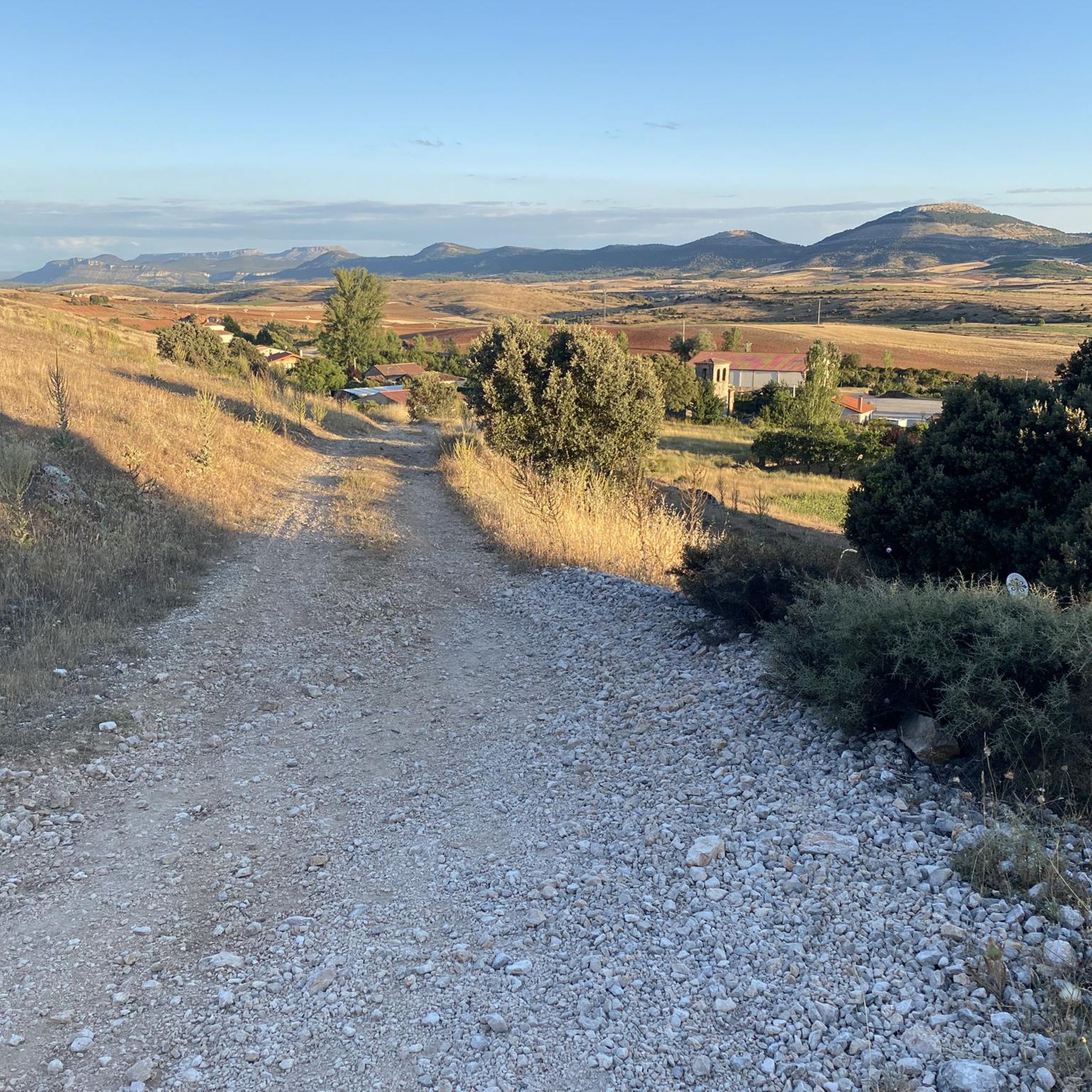
Here you can ride a bike, it goes up and down. Not many cars drive here.
5
2
Frequently Asked Questions
What unique natural features can I explore around Mambrillas de Lara?
The region offers diverse natural features, including the extensive juniper forests of the Sabinares del Arlanza - La Yecla Natural Park, which is also home to holm oaks and riparian forests. You can also discover the unique 'humanized forest' of the Dehesa de Mambrillas de Lara, known for its biodiversity and southernmost beech trees in the province.
Are there any historical or archaeological sites among the natural monuments?
Yes, the area features significant historical sites within its natural settings. You can visit the Dolmen of Cubillejo de Lara, a well-preserved funerary megalithic monument dating back approximately 5,000 years. Additionally, the Dinosaur Footprints of La Pedraja offer a fascinating glimpse into prehistoric life.
Where can I find the best panoramic views of the region?
For breathtaking panoramic views, consider visiting Alto de Peña Alta (1078 m), located within the Sabinares de Arlanza - La Yecla natural park, offering vistas of distant peaks and the Mediterranean landscape. Another excellent spot is Castillejo, a summit with spectacular views of the Sierra del Mencilla and Sierra de Cervera. The Peñas del Tuero Viewpoint also provides a stunning panorama of the entire Arlanza Valley.
What kind of wildlife can I expect to see near the natural monuments?
The Sabinares del Arlanza - La Yecla Natural Park is a haven for wildlife. You might spot griffon vultures, various eagles (Bonelli's, golden, booted), peregrine falcons, and Egyptian vultures. Mammals like wolves, roe deer, wild boars, and otters also inhabit the area. The Peñas del Tuero Viewpoint is particularly known for observing griffon vultures.
Are there hiking opportunities near these natural monuments?
Absolutely. The region around Mambrillas de Lara is excellent for hiking. You can find various routes, including those leading through an ancient juniper forest and gorge, offering views of Peñalara and El Picón. For more options, explore the hiking guide for Mambrillas de Lara, which includes routes like the 'Quintanilla de las Viñas, Peñalara, and Cubillejo Dolmen Loop'.
Can I go cycling or running near the natural monuments?
Yes, the area provides opportunities for both cycling and running. Cyclists can enjoy routes like the 'Alto de Peña Alta (1078 m) – View of Peña de Carazo loop from Covarrubias'. Runners might enjoy trails such as the 'Camino del Cid from Covarrubias — circular through the Sabinares de Arlanza Natural Park - La Yecla'. For detailed routes, refer to the cycling guide and running guide for Mambrillas de Lara.
What is the best time of year to visit the natural monuments around Mambrillas de Lara?
The natural monuments can be enjoyed throughout the year, but spring and autumn generally offer the most pleasant weather for outdoor activities like hiking and cycling, with milder temperatures and vibrant landscapes. These seasons are also ideal for wildlife observation. Summer can be warm, while winter may bring colder temperatures, especially at higher elevations.
Are there any natural monuments that are particularly suitable for families?
Families might enjoy the Dinosaur Footprints of La Pedraja for an engaging educational experience. The Dolmen of Cubillejo de Lara also offers an accessible historical site within a natural setting. Many of the less strenuous trails within the Sabinares del Arlanza - La Yecla Natural Park are also suitable for family walks.
What is the significance of Alto de Gandral Geodetic Vertex?
The Alto de Gandral Geodetic Vertex, at 1,044 meters, is a summit that dominates the oak forest between Hontoria de la Cantera and the historic quarries. These quarries were the source of stones for significant structures like Burgos Cathedral, Burgos Castle, and the Visigothic hermitage of Santa Maria de las Viñas, making it a point of both natural and historical interest.
What makes the Sabinares del Arlanza - La Yecla Natural Park special?
This protected natural park is renowned for its extensive juniper (sabina albar) forests, which are among the best preserved in Europe. It also features diverse ecosystems including holm oaks, gall oaks, and important riparian forests along the Arlanza River. The park's rich biodiversity and unique geological formations, such as the Sierra de las Mamblas and the Arlanza gorge, make it a significant natural heritage site.
Are there any natural monuments that are less known but worth visiting?
While not explicitly a 'hidden gem' in the data, the Dehesa de Mambrillas de Lara offers a unique ecological experience as a 'humanized forest' that balances sustainable livestock grazing with rich biodiversity, including some of the southernmost beech trees in the province. It provides a different perspective on the region's natural landscape compared to the more prominent viewpoints or historical sites.
Most popular routes around Mambrillas De Lara
Most popular attractions around Mambrillas De Lara

Get inspired with the komoot mobile app


Explore more
Extend your search for the best caves by checking out these guides of the top ones around Mambrillas De Lara:
