Top 20 Natural Monuments around Wendron
Natural monuments around Wendron offer a diverse landscape shaped by its geological history, particularly its granite. The area features open moorland, gushing streams, and coastal formations. This region, part of the Cornwall and West Devon Mining Landscape World Heritage Site, combines natural beauty with historical significance. Exploring on foot allows visitors to appreciate the unique natural features alongside remnants of its industrial past.
Best natural monuments around Wendron
- The most popular natural monument is The Loe and Loe Bar,…
Last updated: June 17, 2026
The Loe and Loe Bar
Highlight • Lake
Translated by Google •
Tip by

Basset's Cove
Highlight • Natural Monument
Translated by Google •
Tip by

Sign up now to discover places like this
Get recommendations on the best single tracks, peaks, & plenty of other exciting outdoor places.
Sign up for free
Cadjack Cove
Highlight (Segment) • Beach
Translated by Google •
Tip by
Pendennis Point
Highlight • Castle
The name comes the Cornish Pen (Headland) and Dynas (Castle).
Dolphins and …
Tip by

Mirrose Well Cove
Highlight (Segment) • Viewpoint
Translated by Google •
Tip by
Sign up for free to discover even more natural monuments around Wendron.
Sign up for free
Already have an account?
Start today with a free account
Your next adventure awaits.
Login or Signup
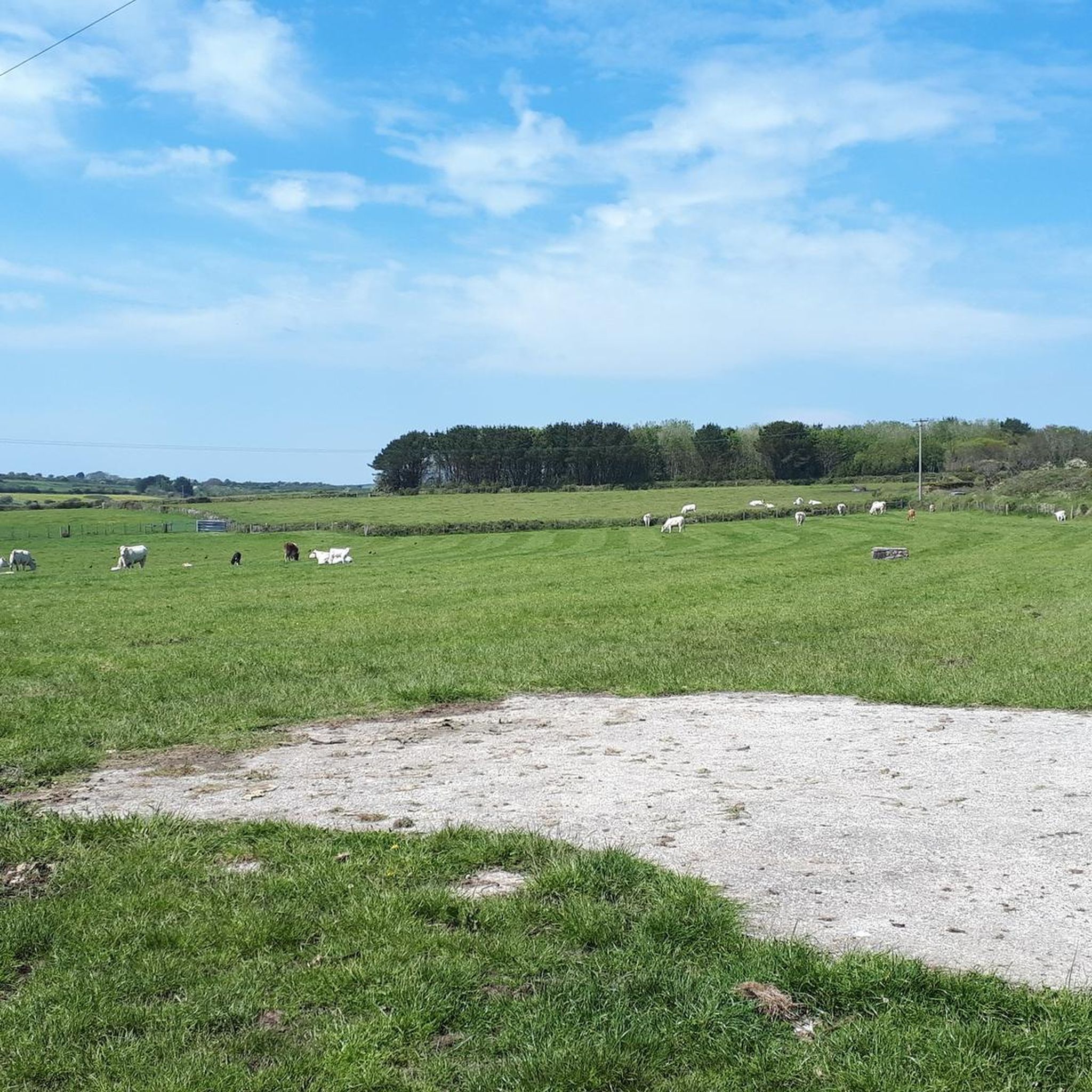
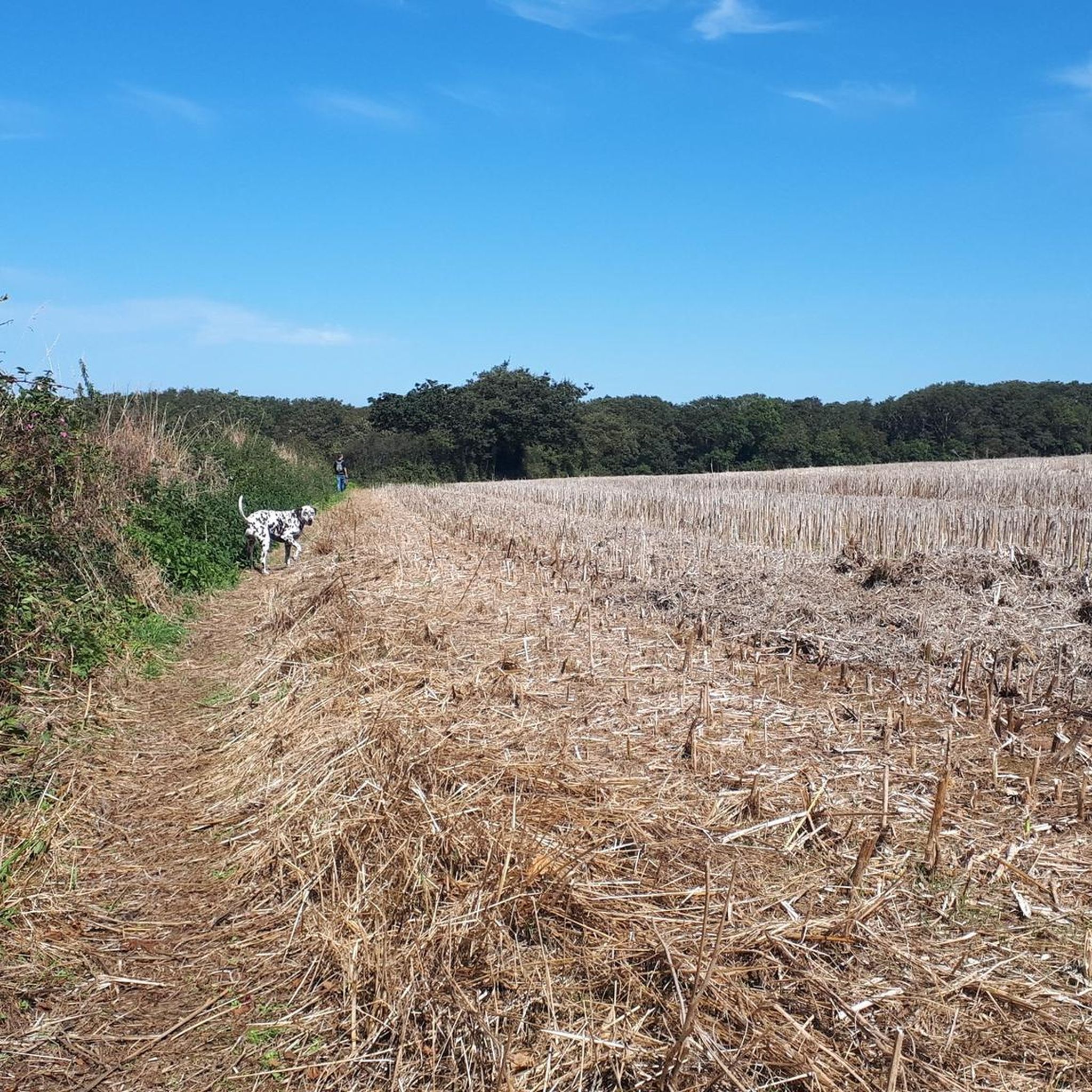

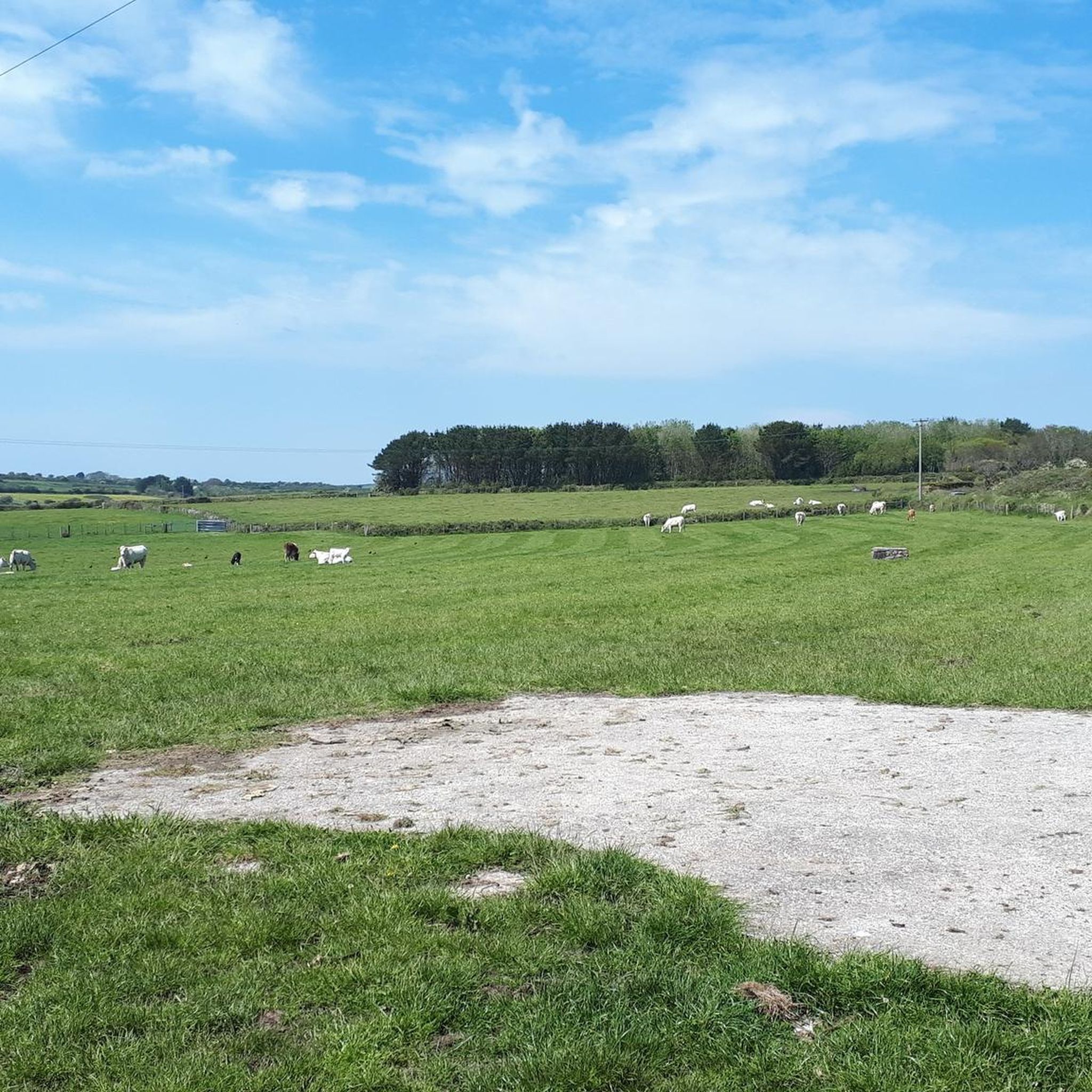
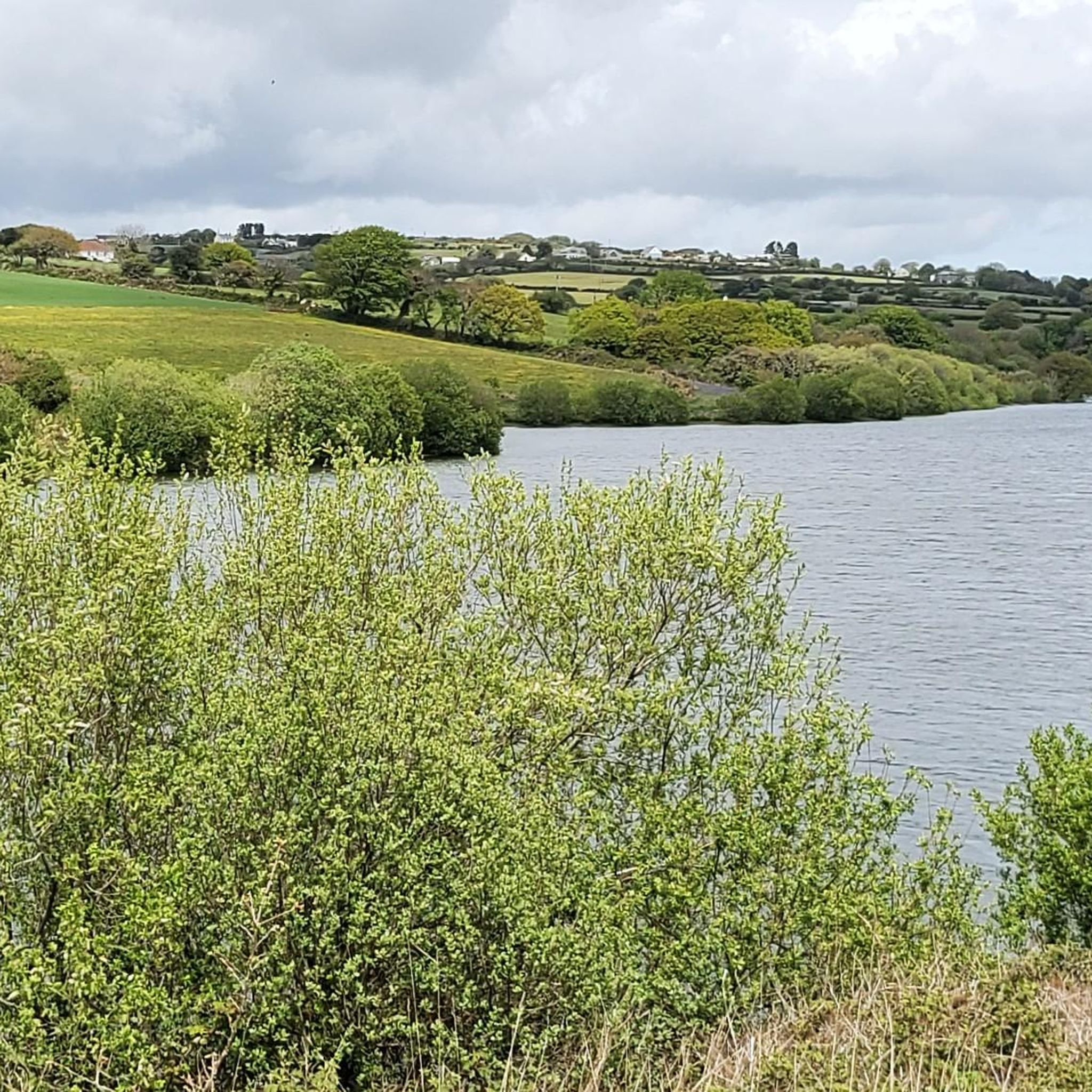
Tips from the Community

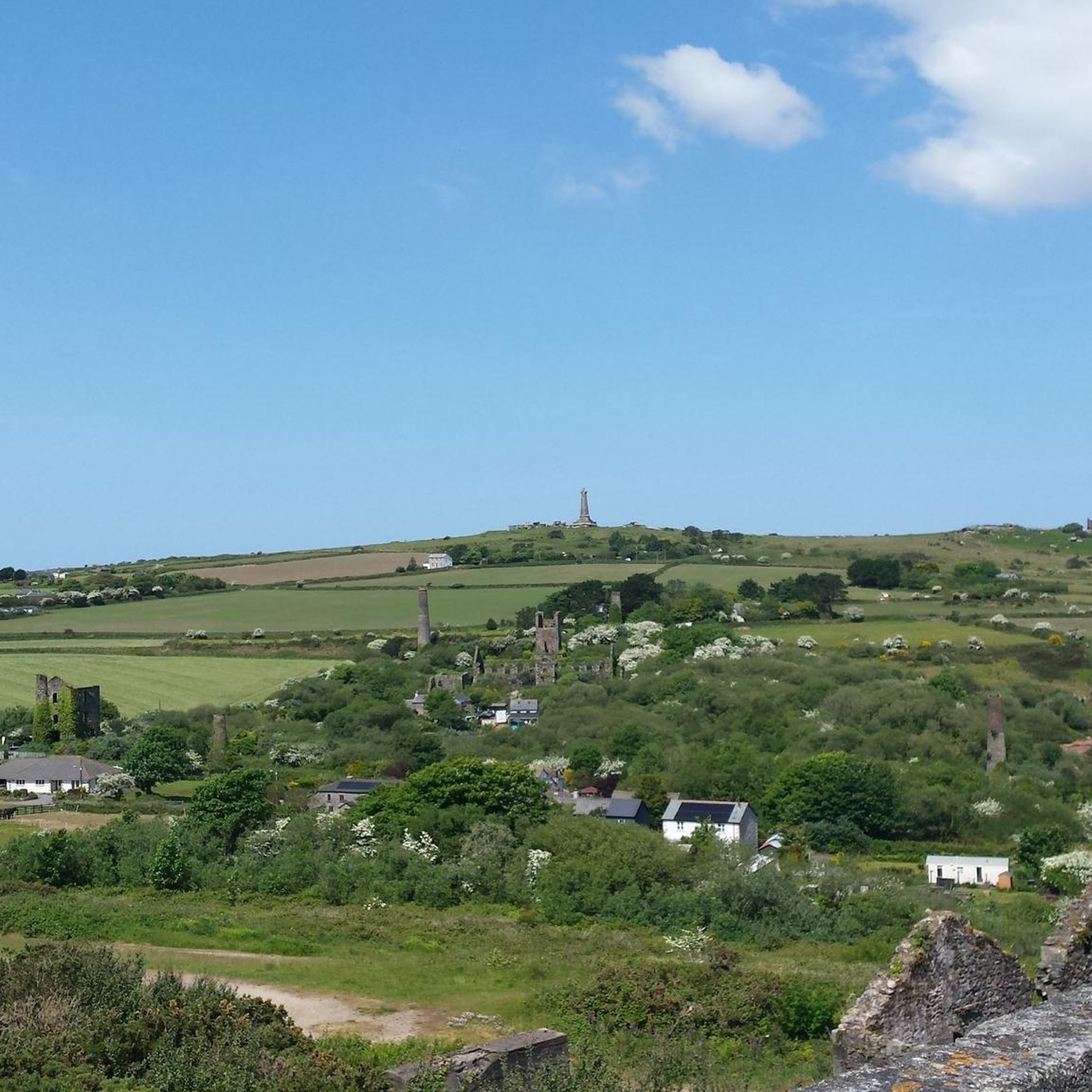
Breathtaking views. Especially when combined with the blooming heather!
0
0


This is a nice combination. From Loe Baar you have a view of the sea on one side and a view of a freshwater lake on the other. This allows you to walk completely around the lake.
12
0
Loe Bar was originally the mouth of the River Cober which led to a harbor at Helston. However, by the 13th century the bar had cut Helston off from the sea and formed the lake. Loe Bar consists largely of chert deposits, although it is not certain where this comes from as the nearest source is more than 200 kilometers away. There is also a reasonable amount of sand. (Cornwall Beaches)
13
1


Pendennis point provides beautiful views of the coast and is only a very short distance from busy Falmouth. The name comes the Cornish Pen (Headland) and Dynas (Castle). Dolphins and Basking Sharks have been spotted here along with more frequent visits from seals. Pendennis Castle began life in the 16th Century as a gun fort and has guarded the entrance to Carrick Roads (Falmouth Estuary) since. It is looked after by English Heritage and open to visitors.
0
0

GB: In Cadjack Cove, tectonic features can be seen, such as faults (described in ⑦) and folds, which were formed during the Variscan orogeny as a result of pressure from the south. These folds are formed on different scales and range from a few inches to several hundred feet. In addition, the folds show different openings and curves. Very narrow folds with pointed angles are called kink bands. However, the folds seen in this bay are not the main folds of orogeny but represent folds that are folded in themselves. Another special feature in this bay is the pink to dark red coloring of the rocks. This is caused by iron-rich water that runs down the cliffs. EN: Tectonic phenomena can be seen in Cadjack Cove, such as faults (described in ⑦) and folds, which were formed by pressure from the south during the Variscan Orogeny. These folds are formed at different scales and range from a few centimeters to several meters. The folds also show different openings and curves. Very tight folds with acute angles are called kink bands. However, the folds seen in this bay are not the main folds of the orogeny, but rather represent folds that fold into themselves. Another special feature in this bay is the pink to dark red color of the rocks. This is caused by iron-rich water running down the cliffs.
0
0
The 7.3 km long circular route takes you back to a time when Cornwall was covered by sea and then became a Europe-wide mountain range. The sedimentary rocks of this area around Portreath were deposited in a deep marine environment during the Devonian age (ca. 393 - 373 million years): Greywacken: Gray rock with fine to coarse grains (0.3 - 2 mm; 0.01 - 0.08 inch), consisting of quartz, feldspars and fragments of foreign rocks. In some cases, shiny/shimmering components can be seen (mica), the rocks form layers and banks. Siltstones: Light gray rock with fine grains (<0.063 mm; <0.002 inch) that are not visible to the naked eye. Layers can be recognized based on the color difference. Slate: Gray to black, sometimes slightly red to greenish colored rocks with very fine grains (<0.02 mm, <0.001 inch), the rocks appear foliated with very thin layers, often alternating with greywackes. The originally horizontal sedimentary layers of Cornwall were tectonically overprinted around 323 - 299 million years ago during the Variscan orogeny (mountain formation). During this time, the southern major continent Gondwana collided with the northern major continents Laurentia and Baltica as well as smaller continent fragments (terranes) such as Avalonia and Amorica. The orogeny ended approximately 270 million years ago with the formation of the supercontinent Pangea. Due to the pressure from the south, the sedimentary rocks were compressed, folded and internally transformed under increasing temperatures. This is how slates emerged from the original claystones. There are no deposits in the area for the period between the formation of the Devonian rocks until 3 million years ago. During the Ice Age 3 million years ago, the region of modern-day Cornwall lay in a tundra area south of the glaciers that covered the Northern Hemisphere. Periglacial deposits from this period can be observed on the cliffs.
0
0
Frequently Asked Questions
What types of natural monuments can I explore around Wendron?
The area around Wendron offers a diverse range of natural monuments, including coastal formations, freshwater lakes, and significant geological features. You can find shingle banks, ancient rock formations, and dramatic coastal viewpoints. Examples include The Loe and Loe Bar, a unique shingle bank separating a freshwater lake from the sea, and Basset's Cove, known for its Devonian age sedimentary rocks.
Are there any natural monuments with unique geological features near Wendron?
Yes, several natural monuments showcase fascinating geology. Basset's Cove features sedimentary rocks from the Devonian age, formed in a deep marine environment and later compressed during mountain formation. At Cadjack Cove, you can observe large faults and folds, including 'kink bands,' which were formed during the Variscan orogeny. The rocks here also display pink to dark red coloring due to iron-rich water.
What are some good viewpoints to experience the natural beauty of the Wendron area?
For stunning coastal vistas, Pendennis Point offers beautiful views of the coast and is a great spot to look for marine wildlife like dolphins, basking sharks, and seals. The area around The Loe and Loe Bar also provides unique perspectives, with views of both the sea and Cornwall's largest natural freshwater lake.
Are there family-friendly natural monuments or walks around Wendron?
Yes, the area offers options suitable for families. Pendennis Point is considered family-friendly, offering historical context with Pendennis Castle alongside its natural beauty. The Penrose Estate, near Wendron, provides diverse natural environments with paths and bridleways suitable for family walks, including access to Loe Pool.
What outdoor activities can I do near these natural monuments?
You can enjoy various outdoor activities. For hiking, explore easy routes around Stithians Reservoir or Loe Pool. If you're interested in cycling, there are routes around Stithians Reservoir or longer, more challenging rides like the Poldhu Cove to Dollar Cove loop. Gravel biking options are also available, such as routes through the Poldice Valley Mining Ruins. You can find more details on these activities and routes in the easy hikes around Wendron guide, gravel biking around Wendron guide, and cycling around Wendron guide.
What is the best time of year to visit the natural monuments around Wendron?
The natural monuments around Wendron can be enjoyed year-round, but spring and summer offer pleasant weather for exploring coastal paths and moorlands. During these seasons, you might also experience blooming heather, which adds to the scenic beauty, particularly around places like Basset's Cove.
Are there any less crowded or 'hidden gem' natural monuments to discover?
While popular spots are well-loved, exploring areas like Mirrose Well Cove can offer a quieter experience. This cove is notable for its unique geological deposits with repeated sequences and graded layers, formed by turbidites. It provides a fascinating insight into the region's geological history away from the more frequented locations.
Can I find historical or cultural sites alongside natural monuments in the Wendron area?
Yes, the Wendron area is part of the Cornwall and West Devon Mining Landscape World Heritage Site, meaning natural beauty often intertwines with historical significance. For example, Pendennis Point is home to Pendennis Castle, a 16th-century gun fort. Additionally, the Wendron South Stone Circle (Nine Maidens) is an archaeological site set within a natural landscape, offering a glimpse into ancient history with Carnmenellis in the background.
What should I bring when visiting natural monuments and hiking trails in Wendron?
When exploring the natural monuments and trails around Wendron, it's advisable to bring appropriate footwear for varied terrain, especially if you plan to walk along coastal paths or moorland. Layers of clothing are recommended due to changeable weather, and always carry water. For geological sites, a camera is great for capturing the unique rock formations.
Are there any natural areas near Wendron that are good for spotting wildlife?
Yes, Pendennis Point is known for marine wildlife sightings, with dolphins, basking sharks, and seals often observed from the headland. The Penrose Estate, with its diverse woodland and Loe Pool, also provides habitats for various bird species and other local wildlife.
What are the difficulty levels of trails associated with natural monuments in Wendron?
The difficulty levels vary. Many walks around natural monuments, such as those around Loe Pool or within the Penrose Estate, are generally easy to moderate, suitable for a range of abilities. However, coastal paths can sometimes involve uneven terrain or steeper sections. Always check specific route details for elevation and difficulty before setting out.
Are there any natural monuments that are particularly good for photography?
Many natural monuments offer excellent photographic opportunities. The dramatic coastal scenery at Basset's Cove, especially when the heather is in bloom, provides breathtaking views. The Loe and Loe Bar offers unique contrasts between the freshwater lake and the sea, making for interesting landscape shots. The geological formations at Cadjack Cove also present unique subjects for close-up photography.
Most popular routes around Wendron
Most popular attractions around Wendron

Get inspired with the komoot mobile app


Explore more
Extend your search for the best caves by checking out these guides of the top ones around Wendron:
