Top 15 Natural Monuments around Burren
Best natural monuments around Burren are characterized by a distinctive karst landscape, shaped by geological processes over millions of years. This region on Ireland's west coast features vast expanses of limestone pavement with unique flora. The area is known for its diverse ecosystems and geological formations, offering a range of natural attractions. It provides opportunities for exploring subterranean caves and coastal cliffs.
Best natural monuments around Burren
- The most popular natural monuments is Cloughmore Stone, an other natural monument…
Last updated: June 30, 2026
Cloughmore Stone
Highlight • Natural
Legend …
Tip by

Slieve Foye Summit
Highlight • Summit
Tip by

Sign up now to discover places like this
Get recommendations on the best single tracks, peaks, & plenty of other exciting outdoor places.
Sign up for free
Long Woman's Grave Memorial
Highlight • Monument
Fantastic views on the way to the top.
Can be approached from either North or South.
Tip by

Druids' Circle, Ravensdale Forest
Highlight • Historical Site
Tip by

The Witch Sculpture
Highlight • Forest
Tip by

Sign up for free to discover even more natural monuments around Burren.
Sign up for free
Already have an account?
Start today with a free account
Your next adventure awaits.
Login or Signup
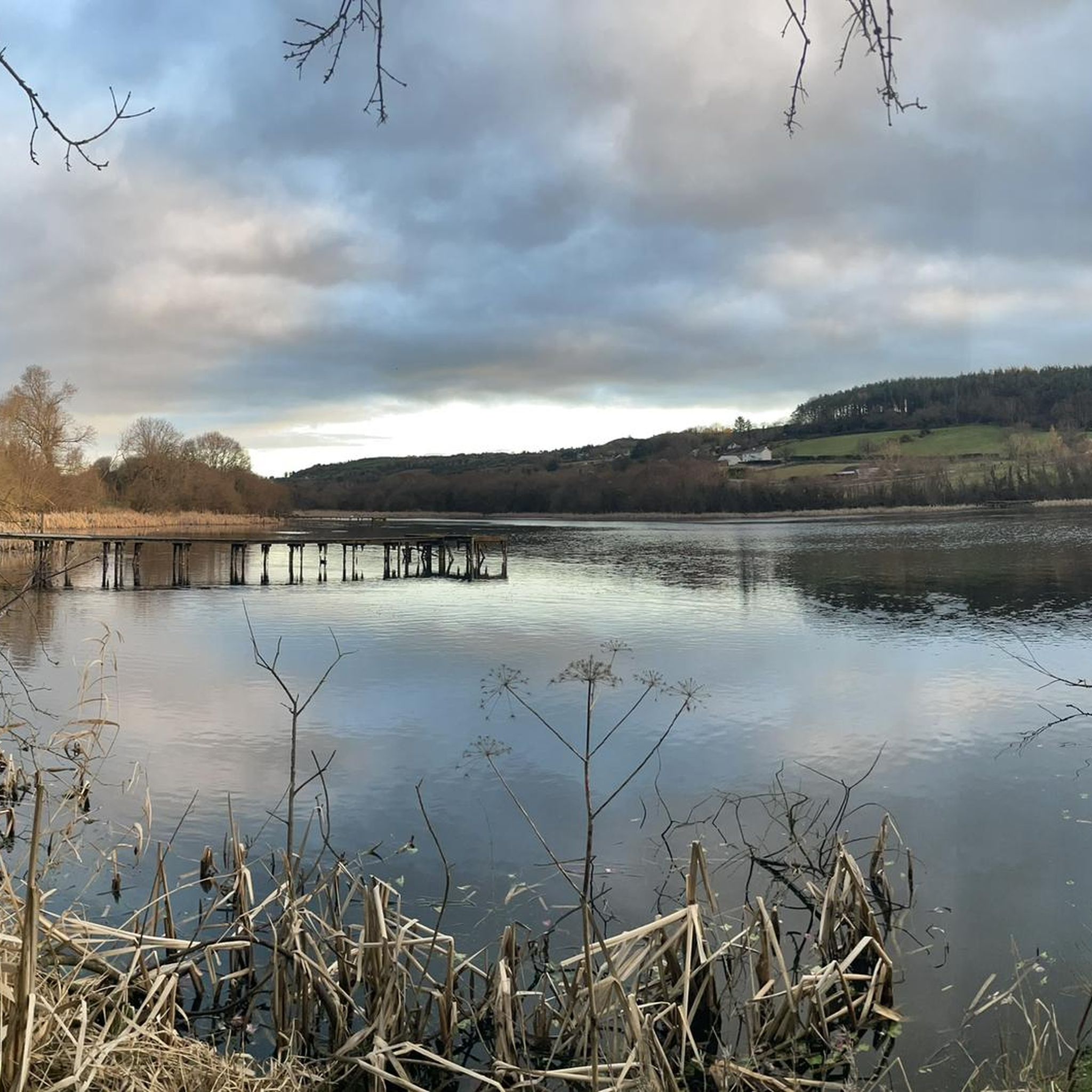

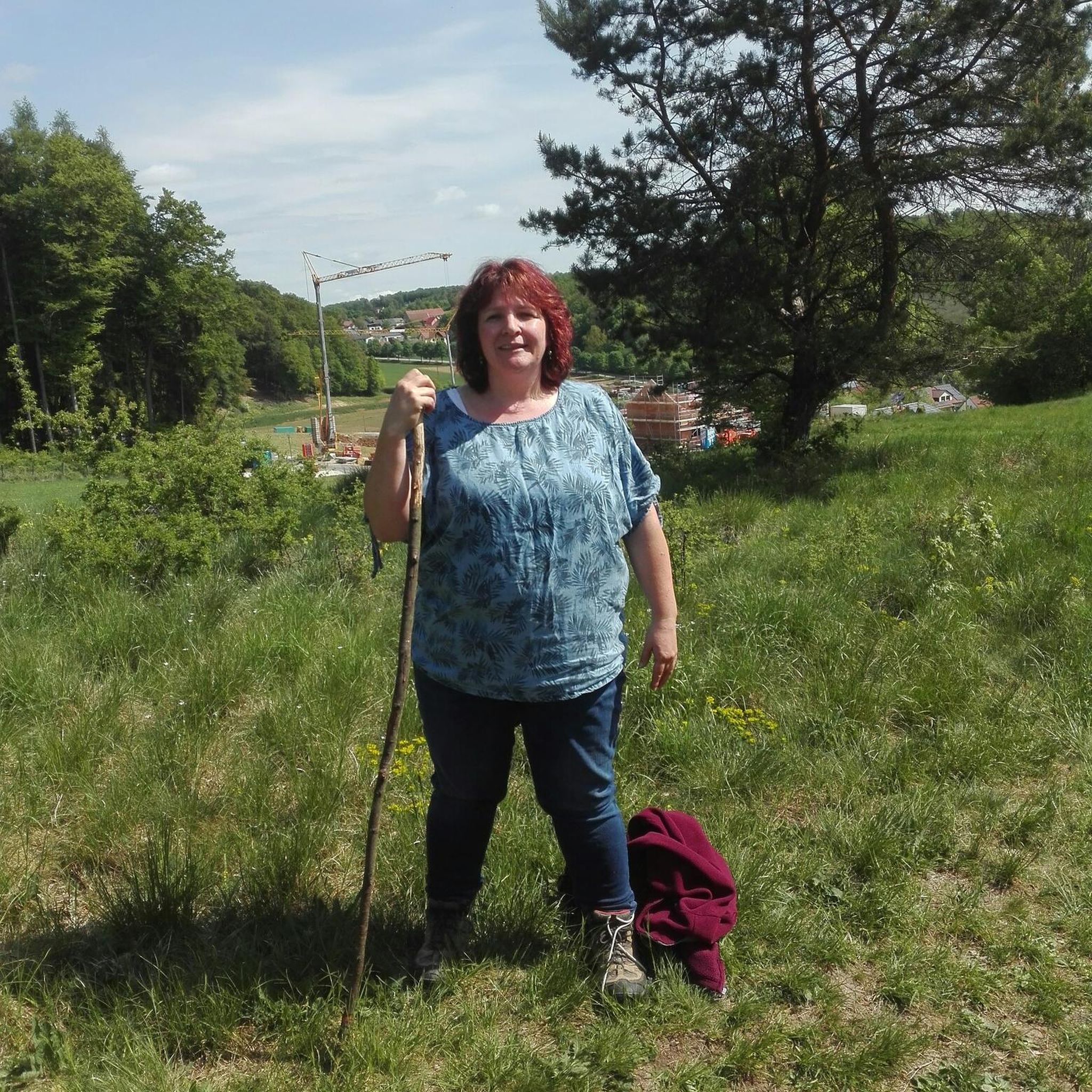
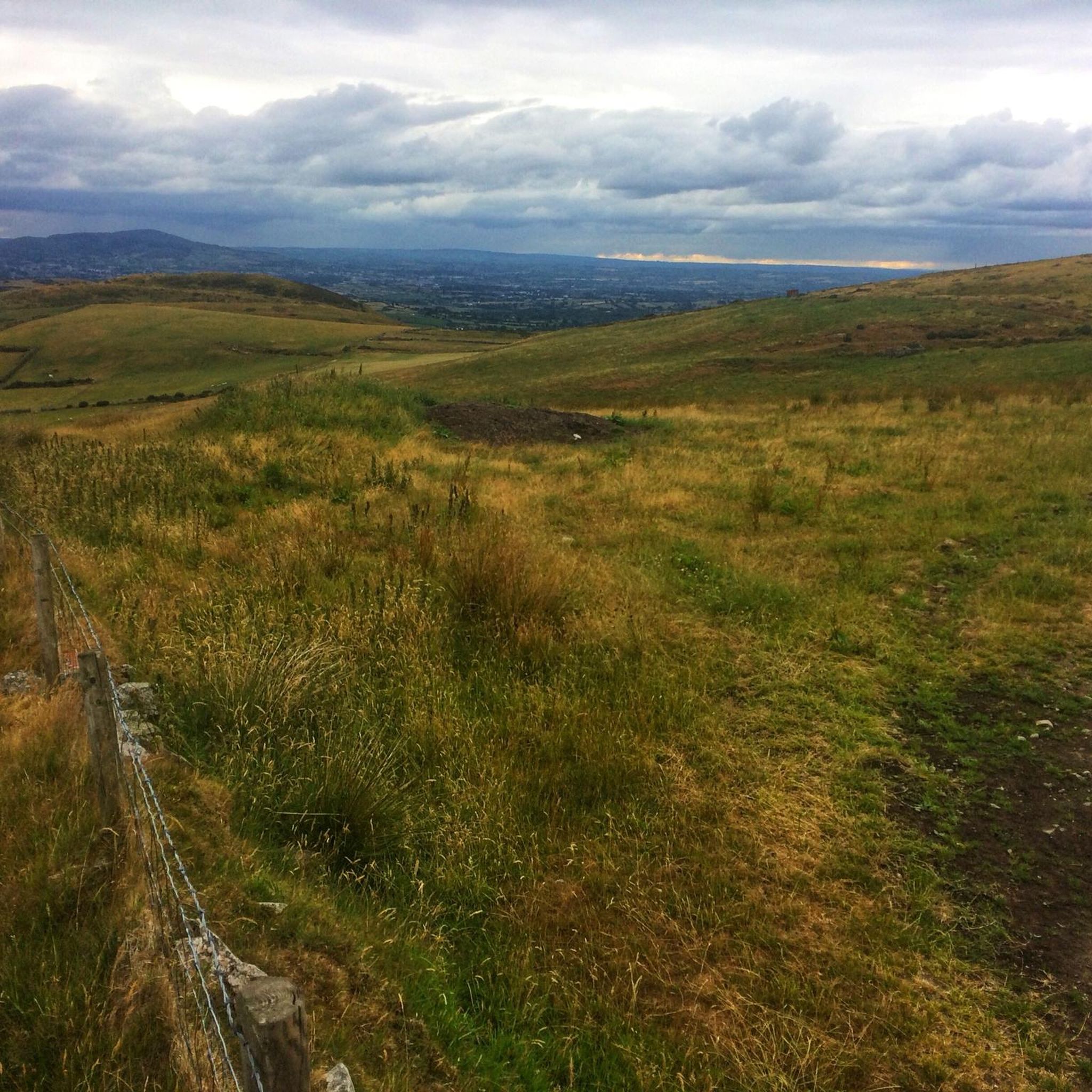
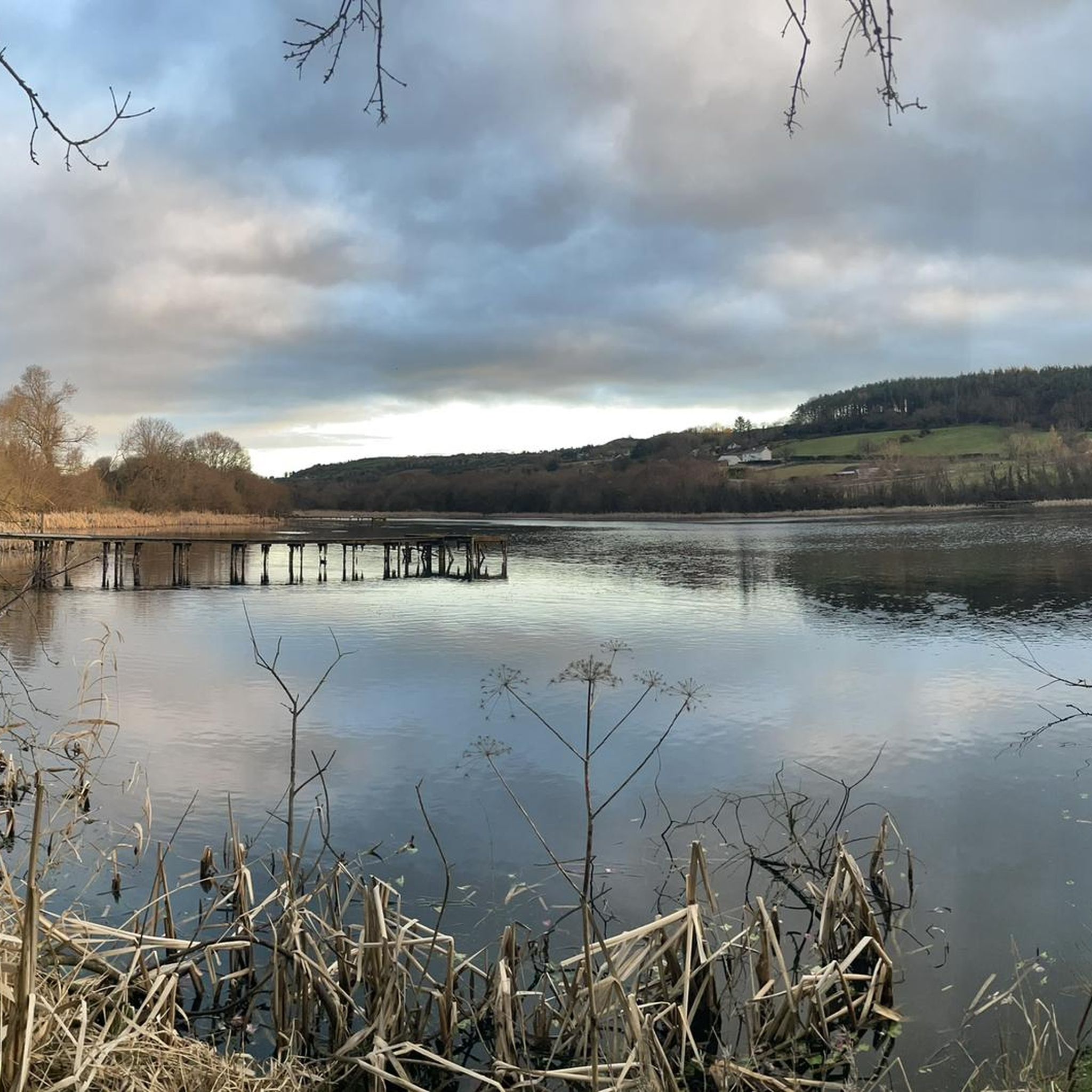

Tips from the Community

Druid’s Circle, Clermont Estate: this small oval stone circle above the Flurry River, marked as both “Standing Stone” and “Druids Circle” on old maps, was likely uncovered in 1840 by Lord Clermont. Though some believe it’s prehistoric, others argue it may be 19th-century landscaping. Its irregular layout and re-set stones cast doubt on its authenticity. Still, it’s a scenic and mysterious woodland stop.
1
0

The Long Woman's Grave car park is right at the top of a gentle climb, giving you the perfect opportunity to take in the rolling landscape. Whether you're coming from the north or the south, the roads take you through varied terrain that reveals new panoramas with every bend. It's worth taking a moment to read the story of the "Long Woman" at the memorial - somehow this mystical atmosphere fits perfectly into the surroundings. On the way up, you hardly encounter any traffic, which allows you to fully concentrate on nature and your own line in the bends. The fresh breeze and the smell of damp grass add a little extra to the climb. But the roads are not always in the best condition - some sections do require attention, especially after a rain shower. Once you reach the summit, there is a small rest area, ideal for taking a quick breather and regaining strength for the next stage. A perfect spot to take a short break before continuing with renewed vigor.
0
2
In the middle of the forest, you suddenly find yourself standing in front of a bizarre stone creature - the "witch". She looks as if she has just risen from the mossy ground, with a mischievous smile and deep, expressive wrinkles on her face. This artfully designed stone is one of those unexpected encounters that transform the forest into a small adventure land. When you explore this magical place surrounded by old trees and whispering leaves, it almost seems as if the witch is greeting you with a wink. Here you can linger for a moment, enjoy the silence and let your imagination run wild - who knows what stories this forest still has to tell?
1
0
The hike to the Cloghmór Stone feels like a journey through time. Over 10,000 years ago, the ice brought this massive granite block from Scotland here, and now, weighing an estimated 50 tons, it towers majestically over the landscape. But it's not just the geology that's fascinating - according to legend, it was the giant Finn McCool who threw this enormous stone over Carlingford Lough. To be honest, the legend is a much more exciting explanation, isn't it? Once you've reached the top, you'll not only be greeted by the imposing boulder, but also by a fantastic view of Carlingford Lough and the surrounding hills. It's the perfect place to pause for a moment, take in the vastness and enjoy the peace that this place exudes.
0
0
Hidden in Ravensdale Forest, off the main paths, you come across a mystical stone circle that raises questions: Was it the Druids who held their mysterious rituals here, or was it the eccentric 19th century landowner who wanted to immortalize himself with this project? Nobody knows for sure, and that makes this place all the more fascinating. The eight stones, arranged in an oval, seem like silent witnesses to a time long gone. On the maps, the circle is referred to as both the 'Standing Stone' and the 'Druids Circle', and you immediately sense that this place exudes a special aura. The stone circle is just a short climb from the Flurry River, in the middle of the old Lord Clermont Estate. Up here, in the shade of the trees, it feels like you have entered another world. The stones, covered in moss, invite you to pause and enjoy the tranquility of the forest.
2
0

Here it is worth climbing the mountain
0
2

Wikipedia (Slieve Foy (Irish: Sliabh Feá), 2023-12-02): https://en.m.wikipedia.org/wiki/Slieve_Foy Wikipedia (Lists of mountains in Ireland, 2023-12-02): https://en.m.wikipedia.org/wiki/Lists_of_mountains_in_Ireland MountainViews.ie (Slieve Foye, 2023-12-02): https://mountainviews.ie/summit/298/ TheIrishRoadtrip (“A Guide To The Slieve Foye Loop: Trail, Parking + Handy Info”, 2023-12-02): https://www.theirishroadtrip.com/slieve-foye-loop/
2
1

A beautiful round stone, there is a legend about it but unfortunately we could not find out
0
0
Frequently Asked Questions
What unique geological features can I explore in the Burren?
The Burren is famous for its distinctive karst landscape. You can explore vast expanses of Limestone Pavement, characterized by 'clints' and 'grikes', which create a surreal, lunar-like environment. Additionally, the region features ancient caves like Slieve Foye Summit and Cloughmore Stone, offering glimpses into the area's geological past.
Are there family-friendly natural monuments to visit in the Burren?
Yes, the Burren offers several family-friendly options. For example, The Witch Sculpture in Ravensdale Forest provides an enchanting experience with curious sculptures amidst old trees. Exploring the surface of the Limestone Pavement can also be an engaging activity for families, allowing children to discover unique flora in the grikes.
What kind of wildlife can I expect to see in the Burren's natural monuments?
The Burren is home to a unique ecosystem where Arctic, Alpine, and Mediterranean plants coexist, especially vibrant in spring and early summer. While specific wildlife sightings vary, the diverse habitats, from limestone pavements to woodlands like those in Slieve Carran Nature Reserve, support a variety of birds, insects, and small mammals. Keep an eye out for rare orchids and gentians thriving in unexpected places.
What are the best times to visit the natural monuments in the Burren?
Spring and early summer are particularly rewarding for visiting the Burren's natural monuments, as this is when the unique flora, including rare orchids and gentians, is most vibrant. The combination of cold winds, limited soil, and ample sunshine creates an ideal habitat for these hardy plants. However, the dramatic coastal views and geological formations are impressive year-round.
What outdoor activities can I do near the natural monuments in the Burren?
The Burren offers excellent opportunities for outdoor activities. You can enjoy hiking on trails around Mullaghmore, which provides panoramic views of the Burren and the Atlantic Ocean. For cycling enthusiasts, there are various routes available, such as those found in the Cycling around Burren guide, or more challenging options in the Road Cycling Routes around Burren. Gravel biking is also popular, with routes detailed in the Gravel biking around Burren guide.
Are there any historical or cultural sites among the natural monuments?
While primarily natural, some sites blend natural beauty with historical intrigue. For instance, the Long Woman's Grave Memorial offers fantastic views and includes a memorial with a historical story. Additionally, the Druids' Circle, Ravensdale Forest, though its exact history is debated, provides an intriguing glimpse into ancient possibilities amidst a natural woodland setting.
What are the most popular trails and routes for exploring the Burren's natural monuments?
For hiking, Mullaghmore offers trails catering to various difficulty levels, taking visitors through diverse Burren habitats with rewarding views. The Slieve Carran Nature Reserve also features three striking and secluded hiking trails. For cycling, popular routes include 'The Rostrevor Route' and 'Kilbroney Park loop from Warrenpoint' which can be found in the Cycling around Burren guide.
How long should I plan for a visit to the natural monuments in the Burren?
The duration of your visit depends on which monuments you wish to see. You could spend a full day exploring the Limestone Pavement and nearby areas, or dedicate several hours to a specific site like Mullaghmore for hiking. Visiting a cave system like Aillwee Cave or Doolin Cave typically takes 1-2 hours for a guided tour. To experience a range of sites, consider dedicating a few days to the region.
What should I wear when visiting the Burren's natural monuments, especially in spring?
Given the Burren's often exposed landscape and changeable weather, especially in spring, it's advisable to dress in layers. Waterproof and windproof outer layers are recommended. Sturdy walking shoes or hiking boots with good grip are essential, particularly for navigating the uneven terrain of the limestone pavements and trails.
Are there any natural monuments in the Burren that offer panoramic views?
Absolutely. Mullaghmore is an excellent spot for hiking, rewarding visitors with panoramic views of the Burren and the Atlantic Ocean. The dramatic Cliffs of Moher, while adjacent to the main Burren region, also offer breathtaking views of the Atlantic and are a major natural attraction. Even sites like Slieve Foye Summit provide extensive vistas across the landscape.
What makes the Burren's natural monuments unique compared to other regions?
The Burren's natural monuments are unique due to their distinctive karst landscape, which is a result of millions of years of geological processes. This creates a rare ecosystem where Arctic, Alpine, and Mediterranean plants thrive together in the seemingly barren limestone pavement. The combination of vast open landscapes, ancient caves, and dramatic coastal cliffs like the Cliffs of Moher offers an unparalleled natural experience.
Where can I find more information about the Burren National Park?
For detailed information about the Burren National Park, including visitor guidelines and conservation efforts, you can visit the official website: nationalparks.ie/burren/.
Most popular attractions around Burren

Get inspired with the komoot mobile app


Explore more
Extend your search for the best caves by checking out these guides of the top ones around Burren:
