Top 3 Natural Monuments around Catmore
Best natural monuments around Catmore offer a combination of historical significance and natural features. The landscape is characterized by ancient sites, including Iron Age hill forts and burial chambers, often providing expansive views. These natural monuments serve as important landmarks, reflecting both geological formations and human history. Visitors can explore a variety of sites that blend cultural heritage with the natural environment.
Best natural monuments around Catmore
- The most popular natural monuments is Lord Wantage Monument, a historical site…
Last updated: June 29, 2026
Scutchamer Knob
Highlight • Viewpoint
Tip by

Lord Wantage Monument
Highlight • Historical Site
Tip by

Sign up now to discover places like this
Get recommendations on the best single tracks, peaks, & plenty of other exciting outdoor places.
Sign up for free
Segsbury Camp Iron Age Hill Fort
Highlight • Historical Site
Tip by
Grimsbury Castle Hillfort
Highlight • Viewpoint
Tip by

Aldworth Ancient Yew Tree
Highlight • Religious Site
The Yew tree in the churchyard is at least 1000 years old and though it has been struck by lightning and blown over in a storm it is still partly alive.
Tip by

Start today with a free account
Your next adventure awaits.
Login or Signup
Tips from the Community

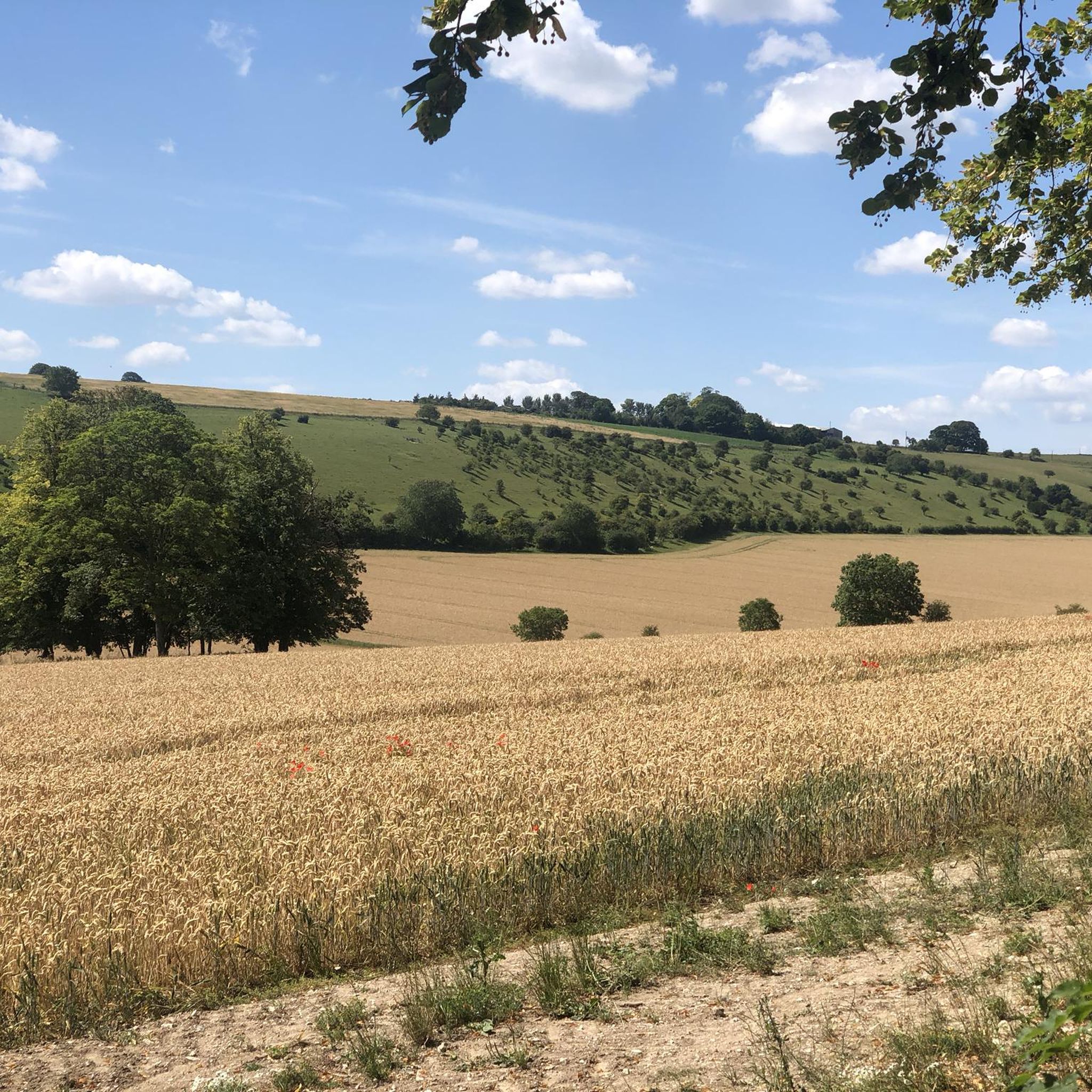
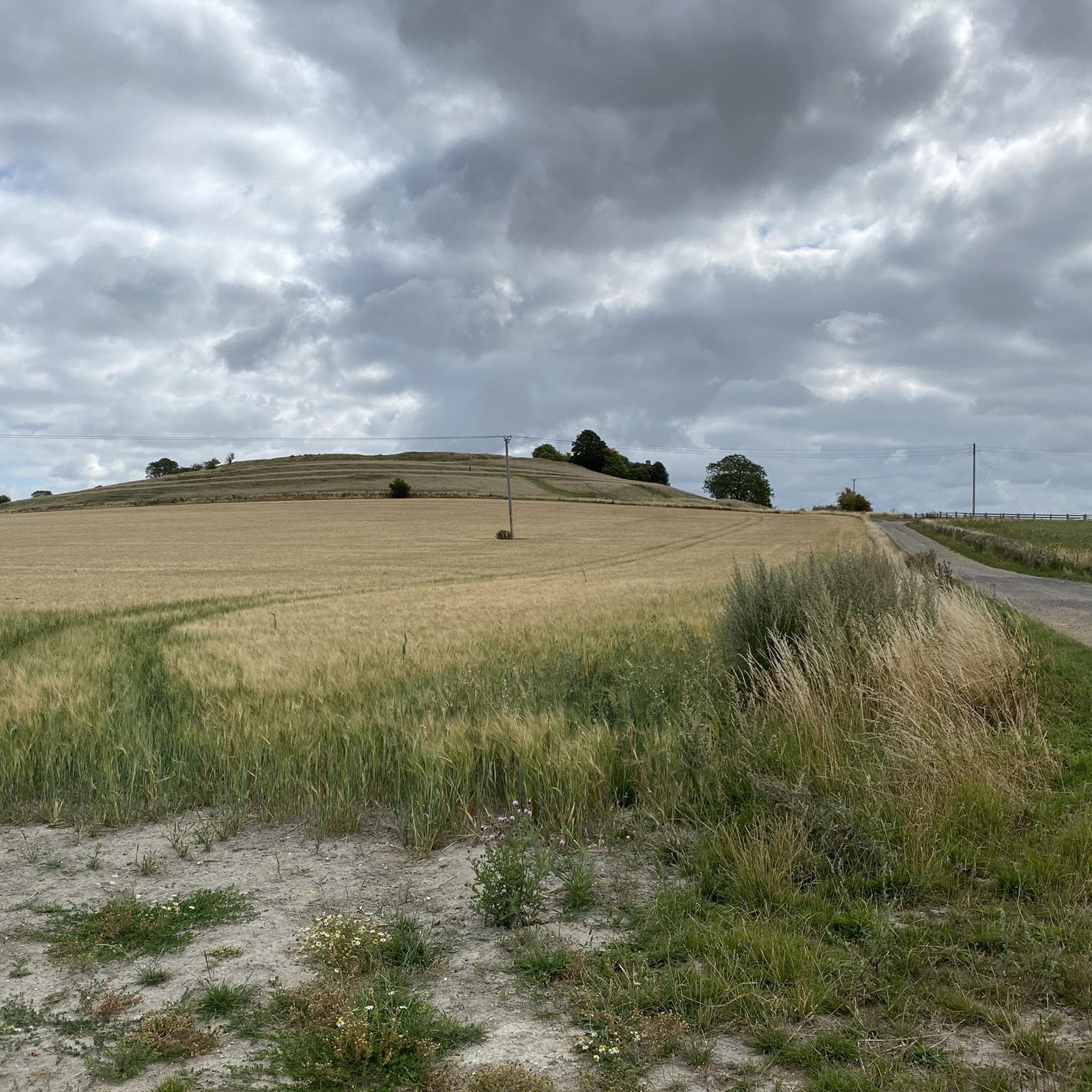
Scutchamer Knob is an ancient Iron Age burial mound and historic landmark on the Ridgeway. Along my King Alfred’s Way bikepacking route, it was a memorable spot to pause before the final stretch to Reading. 📜 Once a Saxon meeting place, this hilltop offers panoramic views of the surrounding Berkshire downs—a perfect blend of history and landscape. 🚴♂️ A short climb rewards you with quiet reflection and wide-open skies.
0
0

Historical landmark. The Yew tree in the churchyard is at least 1000 years old and though it has been struck by lightning and blown over in a storm it is still partly alive.
0
0

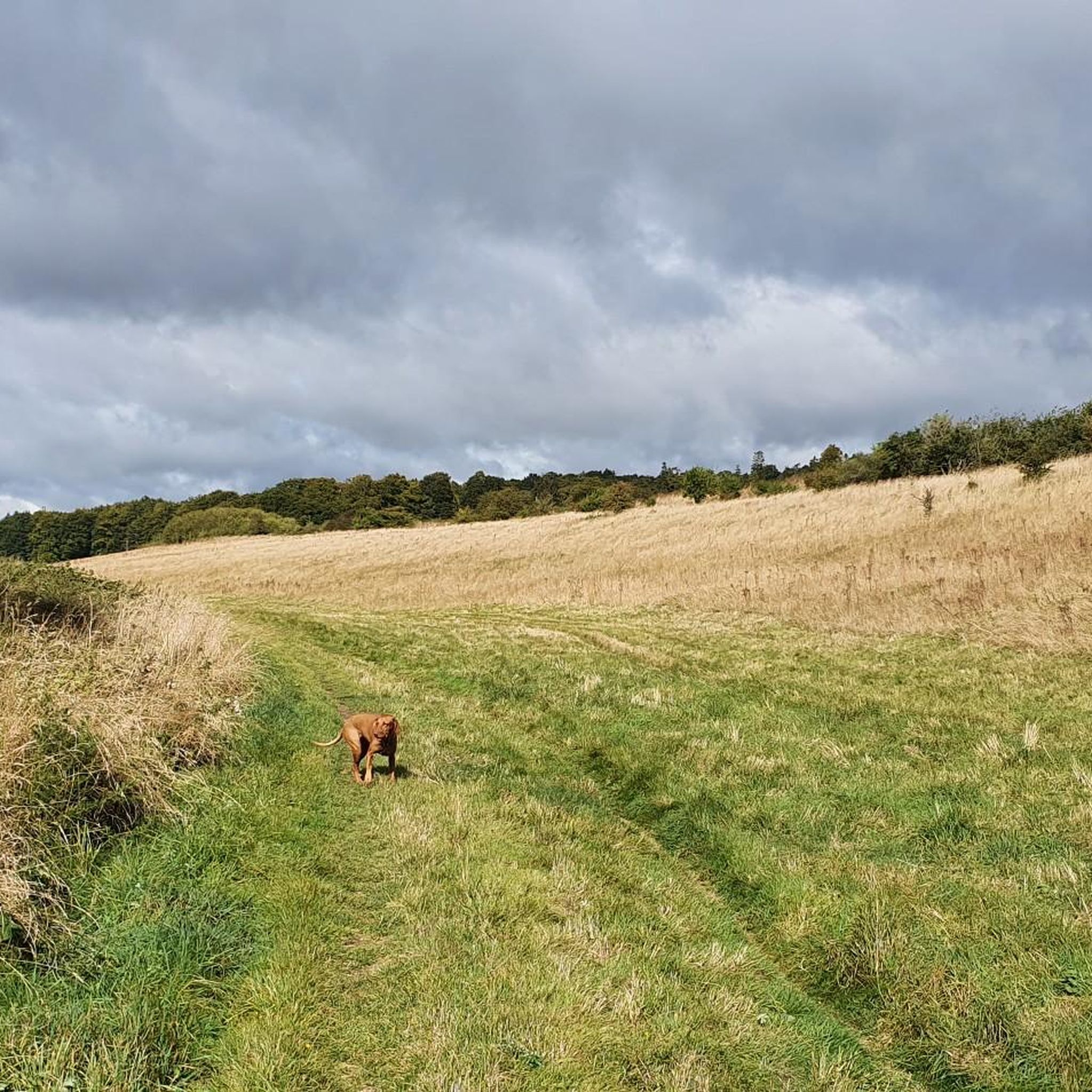
Grimsbury Castle Fort is an Iron Age hillfort situated on top of a high hill in Berkshire. The hillfort would have been occupied between the 2nd and 3rd centuries. It had three original entrances, which the best preserved being the Northern entrance.
1
0


A memorial obelisk to Robert Loyd-Lindsay, Lord Wantage. Robert Lloyd-Lindsay, 1st Baron Wantage, was a soldier, politician and philanthropist. He co-founded the British National Society for Aid to the Sick and Wounded in War, which later became the British Red Cross. He died in 1901. Lady Wantage erected a monument to Lord Wantage in 1903. The monument stands on a Bronze Age round barrow adjacent to the Ridgeway at Betterton Down near Lockinge, Oxfordshire. https://historicengland.org.uk/images-books/photos/item/BAR03/01/428
0
0

Great northern place to park up and start the King Alfred's Way
2
0

Dating back to the Iron Age, this Anglo-Saxon knob would once have been much larger and considerably more prominent. This is an ancient burial chamber but could also have been an important assembly place for troops or a marketplace. It also goes by the name of Beacon Hill and Scotsman's Knob.
2
1

Frequently Asked Questions
What kind of natural monuments can I explore around Catmore?
Catmore's natural monuments offer a blend of historical significance and scenic beauty. You can find ancient hill forts like Segsbury Camp Iron Age Hill Fort and Grimsbury Castle Hillfort, which provide both historical insights and elevated viewpoints. There are also unique natural features such as the ancient Aldworth Ancient Yew Tree, which is over a thousand years old.
Are there any natural monuments with historical significance in the Catmore area?
Yes, several natural monuments in Catmore are rich in history. Scutchamer Knob, also known as Beacon Hill or Scotsman's Knob, dates back to the Iron Age and was likely an ancient burial chamber or assembly place. Segsbury Camp Iron Age Hill Fort and Grimsbury Castle Hillfort are well-preserved Iron Age sites that served as communal centers. The Lord Wantage Monument, while a man-made obelisk, stands on a Bronze Age round barrow and commemorates a distinguished soldier.
Which natural monuments offer the best panoramic views?
For breathtaking panoramic views, consider visiting Lord Wantage Monument, situated high on the Ridgeway, which affords stunning vistas of the vale. Scutchamer Knob and Segsbury Camp Iron Age Hill Fort also offer elevated positions with expansive views of the surrounding landscape.
Are there family-friendly natural monuments around Catmore?
The Aldworth Ancient Yew Tree is a family-friendly natural monument. Located in a churchyard, its impressive age and resilience make it an interesting and accessible stop for all ages.
What outdoor activities can I do near Catmore's natural monuments?
The area around Catmore's natural monuments is excellent for various outdoor activities. You can find numerous routes for road cycling, mountain biking, and touring. For specific routes, explore the Road Cycling Routes around Catmore, MTB Trails around Catmore, or Cycling around Catmore guides.
Are there hiking trails that incorporate these natural monuments?
Yes, many of the natural monuments are situated along or near popular hiking routes. For example, Scutchamer Knob offers easy access to the Ridgeway, a well-known trail. You can find various cycling and mountain biking routes that pass by these sites, which can also be explored on foot. Check the MTB Trails around Catmore guide for routes like 'The Ridgeway – Lord Wantage Monument loop' which are suitable for walking too.
Is parking available at these natural monuments?
Yes, parking is available at some of the natural monuments. Scutchamer Knob is noted as a great place to park up and start exploring the King Alfred's Way or the Ridgeway.
What is the difficulty level of exploring these natural monuments?
The difficulty varies. Many of the natural monuments themselves, like the ancient hill forts, are accessible for exploration. However, if you plan to combine your visit with longer routes, such as those found in the Cycling around Catmore guide, you'll find options ranging from easy to difficult, depending on the chosen path and elevation.
Can I find any ancient trees or unique flora among the natural monuments?
Absolutely. The Aldworth Ancient Yew Tree is a remarkable example of unique flora, estimated to be at least 1000 years old. Despite being struck by lightning and storms, it remains partly alive and is a significant historical and natural landmark.
What do visitors enjoy most about the natural monuments in Catmore?
Visitors frequently appreciate the combination of historical depth and stunning natural scenery. The opportunity to explore ancient Iron Age sites like Segsbury Camp Iron Age Hill Fort, coupled with panoramic views from locations like Lord Wantage Monument, makes for a rewarding outdoor experience. The easy access to long-distance trails like the Ridgeway from spots like Scutchamer Knob is also a highlight for many.
Most popular attractions around Catmore

Get inspired with the komoot mobile app


Explore more
Extend your search for the best caves by checking out these guides of the top ones around Catmore:
