The best walks and hikes around Catmore
4.5
(266)
2,181
hikers
192
hikes
Hiking around Catmore explores the rolling chalk downland of the North Wessex Downs Area of Outstanding Natural Beauty. The region is characterized by open fields, ancient tracks like The Ridgeway, and gentle hills. These Catmore hiking trails provide routes across agricultural landscapes and past historical landmarks such as Scutchamer Knob. The network of public footpaths offers varied terrain for different hiking preferences.
Best hiking trails around Catmore
- The most popular hiking route is Scutchamer Knob – View from Bury Down…
Last updated: October 22, 2026
4.5
(6)
31
hikers
Easy hike. Great for any fitness level. Easily-accessible paths. Suitable for all skill levels.
5.0
(2)
44
hikers
Easy hike. Great for any fitness level. Easily-accessible paths. Suitable for all skill levels.

5.0
(5)
29
hikers
11.9km
03:05
70m
70m
Moderate hike. Good fitness required. Easily-accessible paths. Suitable for all skill levels.
25
hikers
28.1km
07:38
390m
390m
Hard hike. Very good fitness required. Easily-accessible paths. Suitable for all skill levels.
5.0
(3)
30
hikers
Easy hike. Great for any fitness level. Easily-accessible paths. Suitable for all skill levels.
Get access to more routes and recommendations from other explorers.
Already have an account?
Our route recommendations are based on thousands of hikes, rides, and runs completed by other people on komoot.
Start today with a free account
Your next adventure awaits.

Tips from the Community

Rivers and canals crisscross the country, as they were – especially in the early days of industrialisation – a very essential part of the transport infrastructure. After all, the factories needed the delivery of raw materials in previously unknown quantities, and the finished goods then had to find their way to the traders. Many of the canals originate from this era. Later, the railways and, later still, trucks took over the task of transporting goods. However, when building the artificial waterways and making the rivers navigable, it had to be taken into account that differences in altitude always had to be overcome, and so locks are often lined up along the canals and rivers – at more or less large intervals, depending on the local situation. Shipping could only be made possible with their help.
0
0

A church was recorded here in the the Domesday Book (1086) but the oldest surviving part of the current church is the 15th century west tower. In 1864–65, the main body of the church was almost entirely rebuilt by architect Charles Buckeridge in a neo-Gothic style. During this work, original 13th-century flint and stone were reused.
1
0
The Church of St Thomas of Canterbury in Goring-on-Thames, Oxfordshire, as origins dating back to around 1100. The church is known for its Norman architecture.
1
0

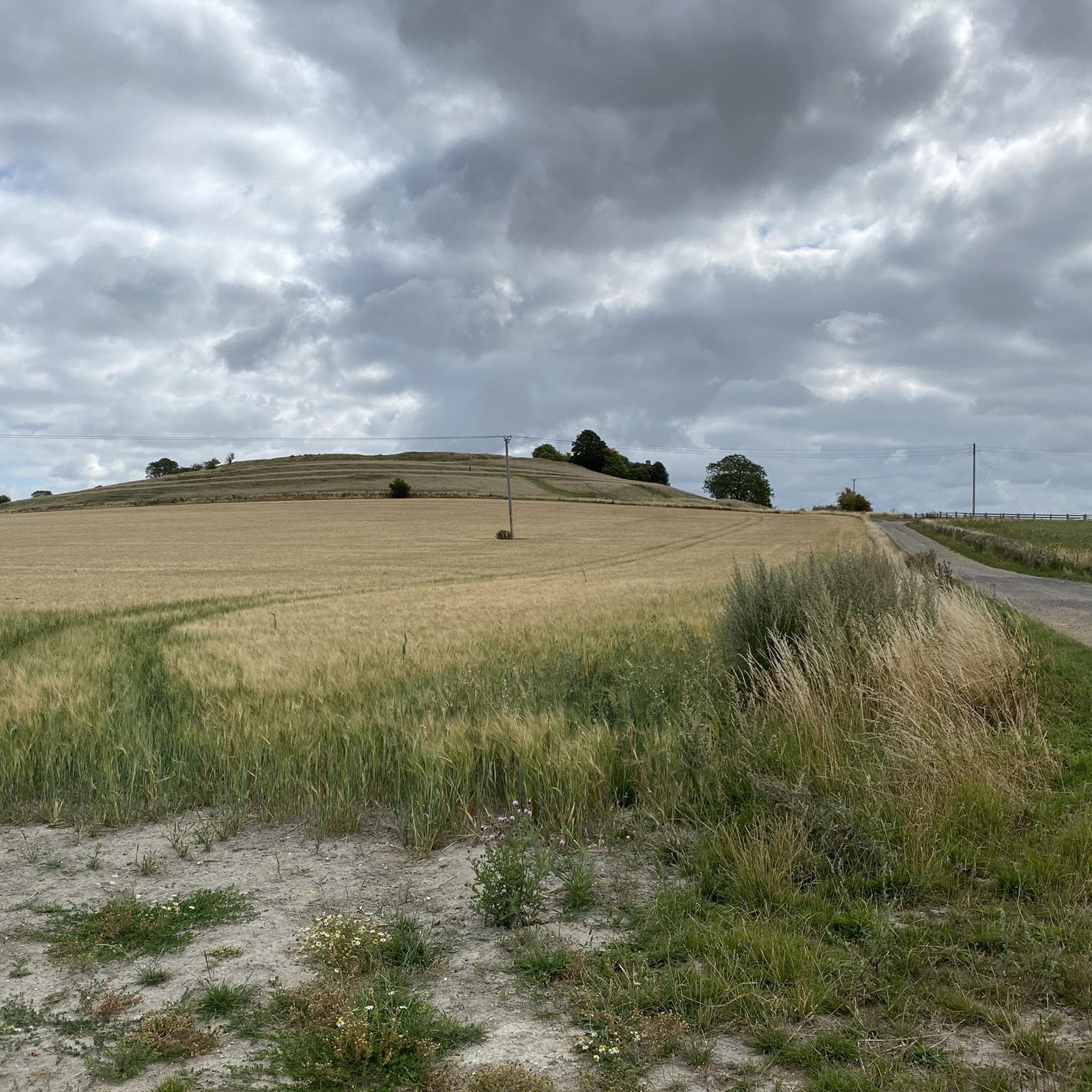
Scutchamer Knob is an ancient Iron Age burial mound and historic landmark on the Ridgeway. Along my King Alfred’s Way bikepacking route, it was a memorable spot to pause before the final stretch to Reading. 📜 Once a Saxon meeting place, this hilltop offers panoramic views of the surrounding Berkshire downs—a perfect blend of history and landscape. 🚴♂️ A short climb rewards you with quiet reflection and wide-open skies.
0
0
A perfect pause near the end of my King Alfred’s Way ride to Reading, this spot offers sweeping Berkshire views and a peek into England’s deep past. The Ridgeway here follows ancient trade routes, with nearby Iron Age earthworks and medieval terraces. Local legends whisper of ghostly travelers and strange lights in nearby woods — adding a bit of mystery to the stunning scenery. 🚴♂️ Easy access for cyclists. Take a moment to soak in the views and the stories before your final miles.
0
0


Beautiful view with dry conditions also suitable to ride there with a Gravelbike
0
0

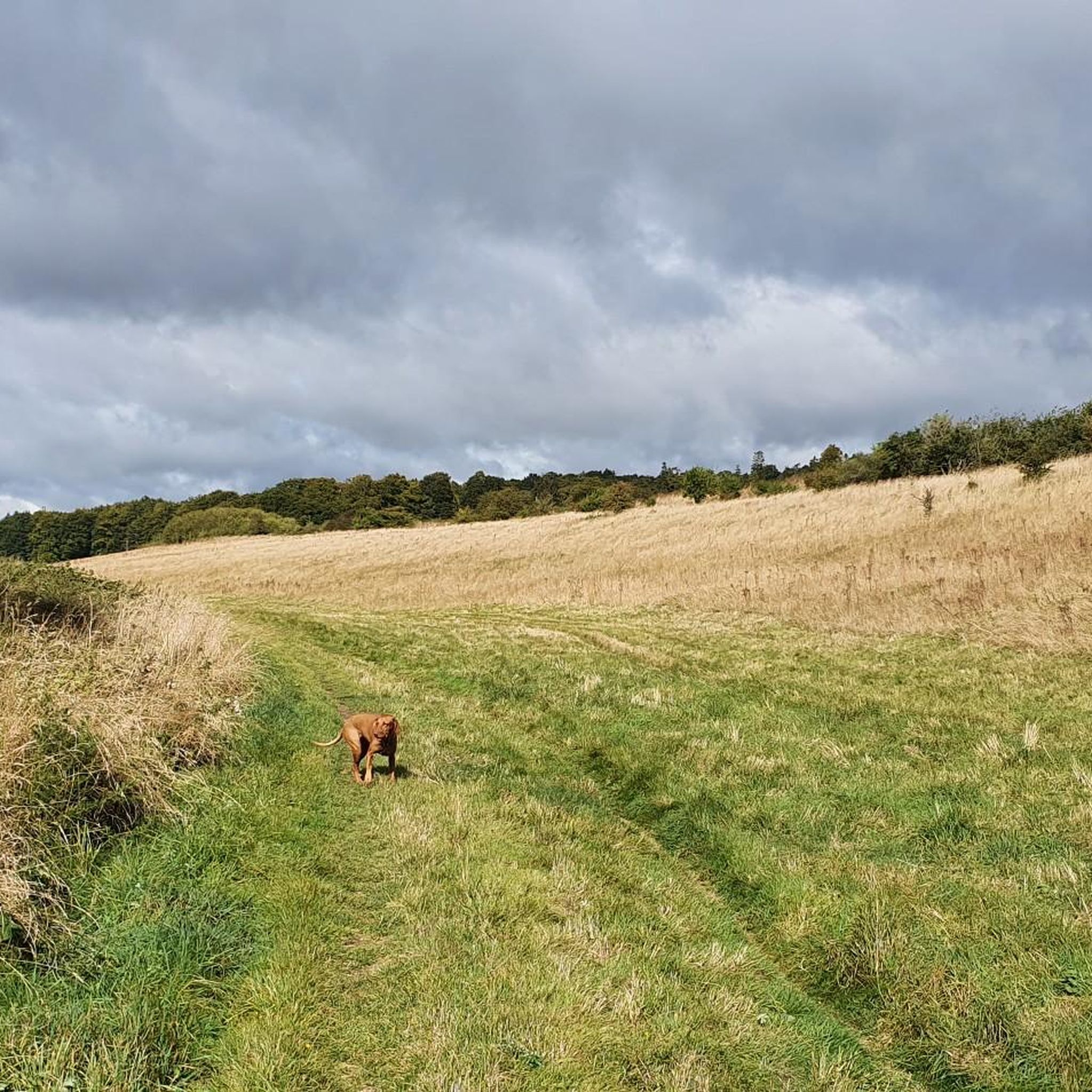
Can be very muddy and waterlogged in winter along here
1
0
Frequently Asked Questions
Are the hiking trails around Catmore dog-friendly?
Yes, many trails in the North Wessex Downs are suitable for walking with dogs. The area is characterized by open fields and wide tracks. However, you will be crossing agricultural land, so it's essential to keep your dog on a lead, especially when livestock are present. Always follow the Countryside Code.
What are the trails like? Is it hilly?
The landscape around Catmore consists of rolling chalk downland. You can expect gentle to moderate hills rather than steep mountains. The trails often follow ancient tracks, public footpaths across open farmland, and quiet country lanes, offering expansive views.
Are there any good circular walks?
Yes, circular routes are very common in this area. They allow you to start and end in the same place without retracing your steps. A good example of a shorter loop is the The Ridgeway Trail – Scutchamer Knob loop from Cwichelmeshlaew Hill, which offers a great taste of the region's scenery.
Can I get to the trails using public transport?
Catmore is a rural village with limited public transport. Most trailheads are best accessed by car. If you plan to use public transport, you should look for services to larger nearby towns like Newbury or Didcot and then arrange for a taxi, but be sure to check bus routes and schedules in advance as services can be infrequent.
Where can I park to go hiking?
Parking is typically found in informal lay-bys or small designated areas near popular trailheads, such as those around Chilton Fields. Some routes may start from nearby villages which might have on-street parking. Always park considerately, ensuring you do not block gateways or local access.
Are there any easy walks suitable for beginners or families?
Definitely. There are over 60 easy-rated walks in the area. These routes generally have minimal elevation gain and follow clear paths. For a straightforward and relatively short option, consider the The Ridgeway Trail – Scutchamer Knob loop from Chilton Fields, which is a manageable distance for most abilities.
What do other hikers think of the trails around Catmore?
The trails are highly regarded by the komoot community, with an average rating of 4.5 stars. Hikers often praise the expansive views across the rolling downs, the sense of history along ancient tracks like The Ridgeway, and the peacefulness of the open countryside.
Are there any long-distance hiking options?
Yes, the region is ideal for long-distance hiking. The most famous long-distance path here is The Ridgeway, an ancient national trail. You can tackle a challenging section of it on a route like The Ridgeway Trail loop from West Ilsley, which covers a significant distance.
What is the North Wessex Downs AONB?
It stands for Area of Outstanding Natural Beauty. The hiking trails around Catmore are located within this protected landscape, which is known for its rolling chalk hills, ancient woodlands, and important archaeological sites. The open character of the downs is a key feature of hikes in this area.
Are there any pubs or cafes on the walking routes?
The routes themselves are very rural and primarily cross open countryside and farmland, so you won't typically find cafes directly on the trail. However, many walks start or finish near charming villages like West Ilsley, which may have a local pub where you can get refreshments after your hike.
What kind of wildlife might I see while hiking?
The open downland and pockets of woodland are home to a variety of wildlife. Keep an eye out for birds of prey like red kites and buzzards soaring overhead. You may also spot hares in the fields, as well as roe deer, especially in the early morning or evening. The area is also known for its butterflies in the summer.
Are there any hikes with waterfalls near Catmore?
Waterfalls are not a feature of the chalk downland landscape around Catmore. The geology of the region, with its porous chalk, means that surface water is scarce. The beauty of hiking here lies in the vast open views, rolling hills, and historical tracks rather than rivers or waterfalls.
Most popular attractions around Catmore

Get inspired with the komoot mobile app


Explore more
Browse the best Hikes in other regions.
