Top 3 Natural Monuments around Gilston
Best natural monuments around Gilston offer a variety of natural and historical sites. The area features ancient woodlands, significant nature reserves, and unique historical monuments. These locations provide opportunities for exploring diverse habitats and understanding local heritage.
Best natural monuments around Gilston
- The most popular natural monuments is Gernon Bushes Nature Reserve, a forest that is a pocket of ancient woodland. It is home to many rare marsh plants and flowers.
- Another must-see spot is Hertford Heath Nature Reserve…
Last updated: August 9, 2026
Chadwell Spring and New River Source Monument
Highlight • Monument
Tip by

Gernon Bushes Nature Reserve
Highlight • Forest
Tip by

Sign up now to discover places like this
Get recommendations on the best single tracks, peaks, & plenty of other exciting outdoor places.
Sign up for free
Hertford Heath Nature Reserve
Highlight • Natural Monument
Tip by

WWII Bomb Crater Ponds
Highlight • Historical Site
Tip by

Start today with a free account
Your next adventure awaits.
Login or Signup

Tips from the Community

A great place for a walk before paying a visit to the Garnon Bushes pub in Coopersale!🙂
0
0

This nature reserve is an important habitat and Biological Site of Special Scientific Interest. It's a fine example of lowland heath on pebble gravels that supports a wide diversity of animal species.
1
0

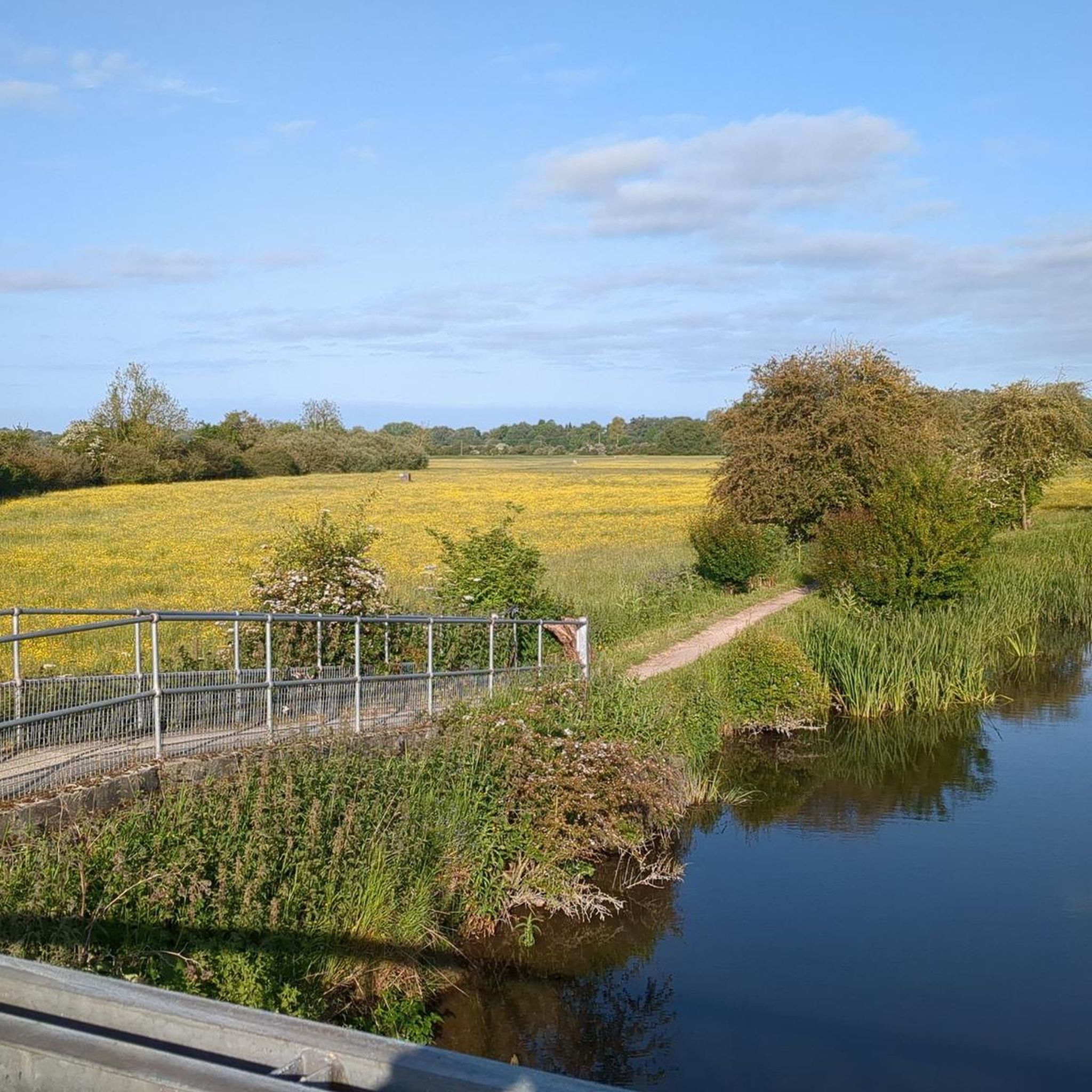
Although I ignored this fence you should not do so unless the paths are very dry.
0
0
These ponds were created by German Bomb Craters from the Blitz in 1940/41
1
0

The New River, an aqueduct that supplies 8% of London's water, originally started here at Chadwell Spring. The source is now to the west at New Gauge.
0
0

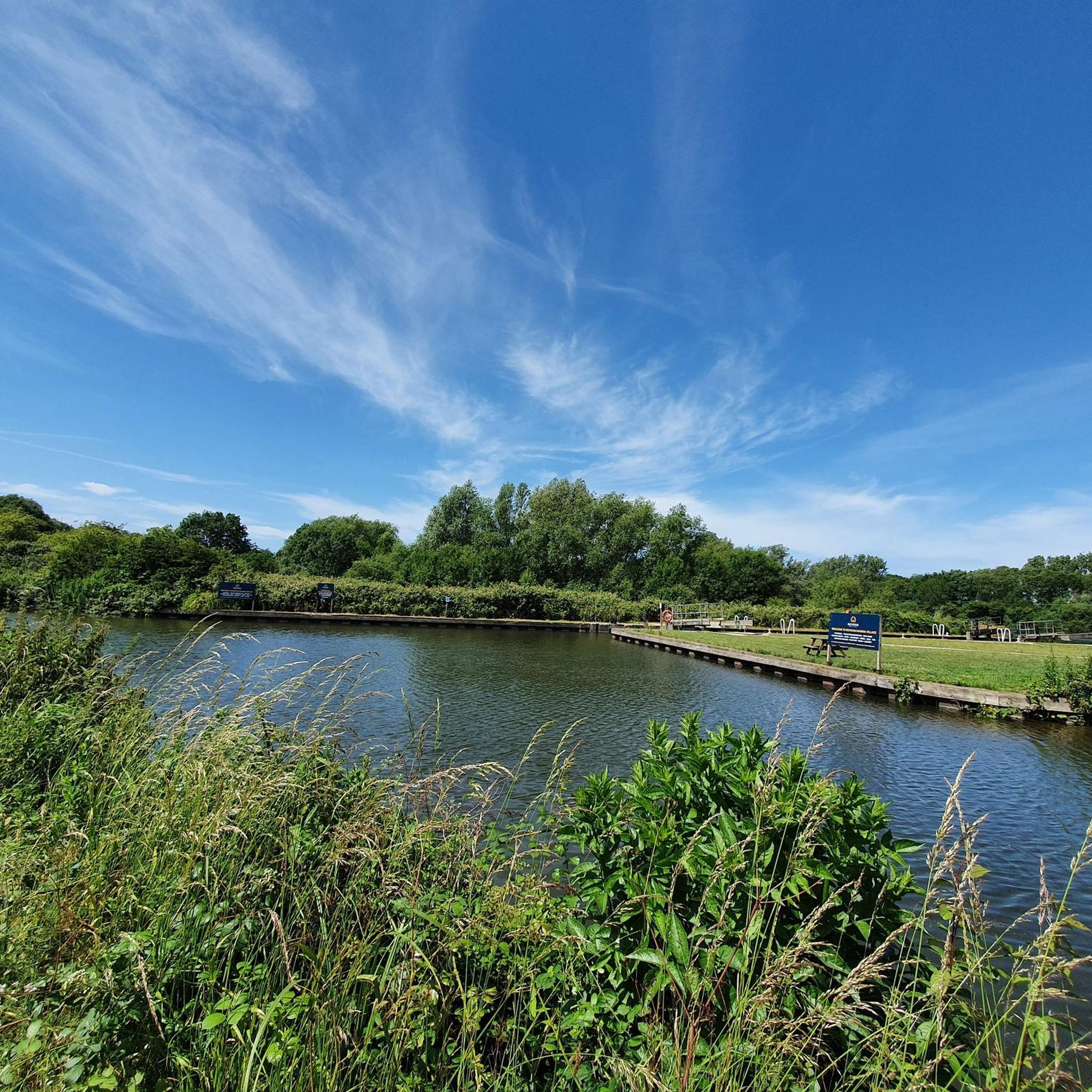
Chadwell Spring is the original source of the New River, a water supply aqueduct that provides 8% of London's water. Today, the New River begins slightly to the west, at New Gauge. Chadwell Spring still provides up to 4.3 megalitres of water every day. The water rises up a 98-foot (30 m) circular basin, which is known as the 'banjo'. A stone monument adorns the circumference of the basin and is inscribed with historical dates and river distances.
1
0

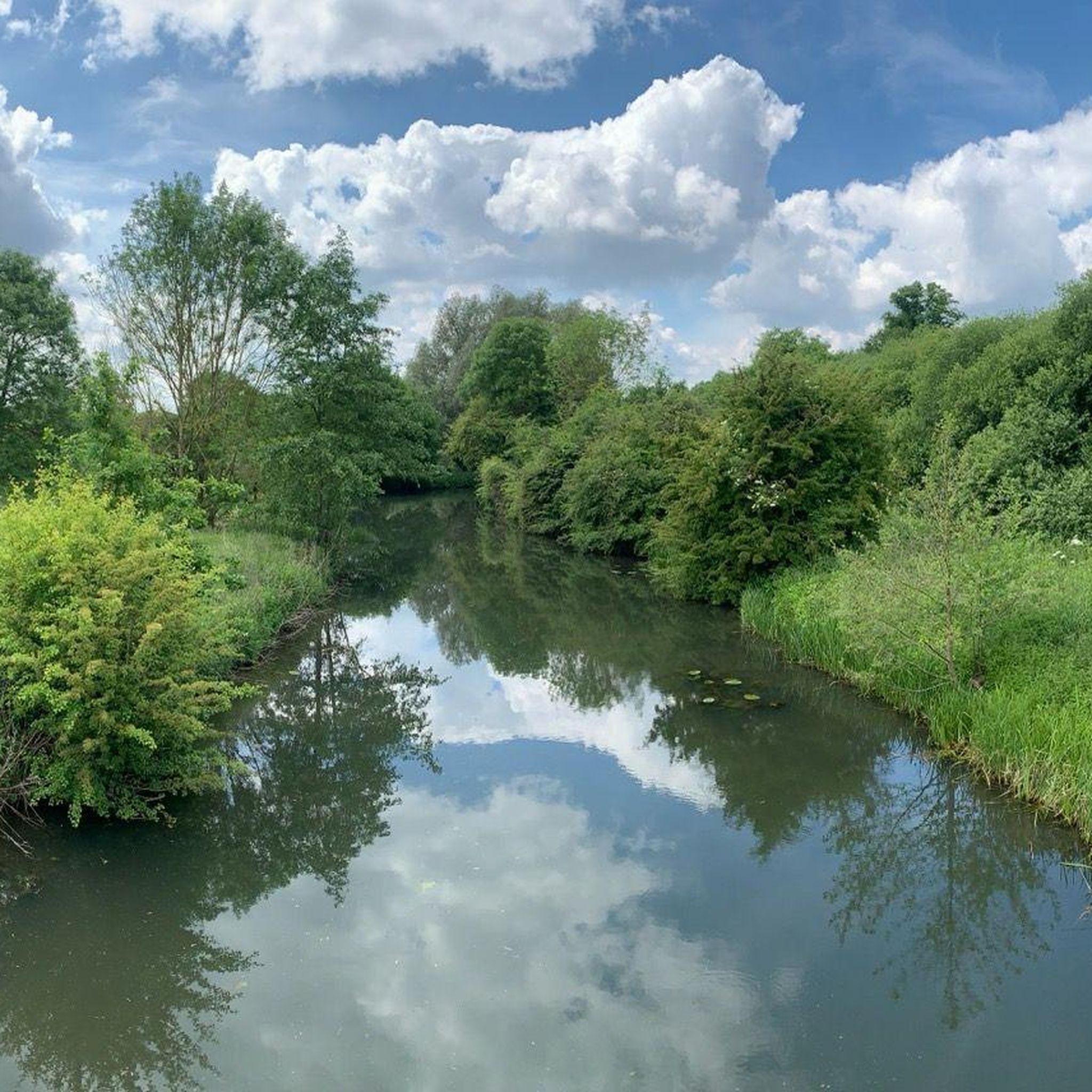
Gernon Bushes Nature Reserve is a pocket of ancient woodland that is home to many rare marsh plants and flowers. It is the last remnant of the old Coopersale Common that once linked Epping Lower Forest to Ongar Park, the Royal Hunting Forest. Keep a look-out for the rare marsh fern, as well as lady fern, bogbean, marsh valerian, marsh marigold, and ragged robin.
1
0
Frequently Asked Questions
What are the most popular natural attractions around Gilston?
Gilston and its surroundings offer a variety of natural attractions. Peter Mills Park (also known as Gilston Hall Park) is a very popular spot, especially for families, with its unique nature play features. Other notable areas include Springbrook National Park, known for its ancient rainforests and waterfalls, and Hinze Dam, popular for water activities and birdwatching.
Are there family-friendly natural monuments near Gilston?
Yes, several natural spots around Gilston are great for families. Peter Mills Park is specifically designed for children with a playground, slides, and a flying fox, encouraging imaginative play. Hinze Dam also offers family-friendly activities like kayaking and scenic walks, while Springbrook National Park has accessible trails suitable for various ages.
What kind of natural features can I expect to see around Gilston?
The region around Gilston is rich in diverse natural features. You can explore ancient rainforests and impressive waterfalls in Springbrook National Park, tranquil waters and scenic views at Hinze Dam, and native flora at The Glades Botanic Gardens. Wongawallan Conservation Area provides a natural habitat for local wildlife.
What outdoor activities can I do near these natural monuments?
Near Gilston's natural monuments, you can enjoy a range of outdoor activities. Springbrook National Park is excellent for hiking and exploring waterfalls. Hinze Dam is perfect for kayaking, fishing, and birdwatching. Wongawallan Conservation Area offers opportunities for wildlife spotting and trail walking. For more structured activities, you can find various running trails, MTB trails, and road cycling routes in the broader area.
Are there hiking trails near Gilston's natural monuments?
Yes, Springbrook National Park, a prominent natural monument near Gilston, offers numerous hiking trails suitable for various fitness levels, leading to waterfalls and scenic lookouts. Wongawallan Conservation Area also provides trails for walking and wildlife observation. For a wider selection of routes, explore the running trails around Gilston, which often include scenic walking paths.
Where can I go for wildlife spotting near Gilston?
The Wongawallan Conservation Area is a prime location for wildlife spotting, serving as a haven for various species. Hinze Dam is also excellent for birdwatching, allowing you to observe diverse birdlife by the water. Springbrook National Park's ancient rainforests are home to unique fauna, offering opportunities for encounters with native wildlife.
What is the best time of year to visit natural monuments around Gilston?
The Gold Coast region, including Gilston, generally enjoys a subtropical climate. The cooler, drier months from autumn to spring (April to October) are often considered ideal for visiting natural monuments, as the weather is pleasant for outdoor activities like hiking and exploring. Summer can be hot and humid, with higher chances of rain, which can make waterfalls more spectacular but trails potentially muddier.
Are there any historical natural sites in the Gilston area?
While the region is primarily known for its natural beauty, areas like Springbrook National Park feature ancient rainforests that hold significant natural history. The focus is more on ecological and geological heritage rather than specific historical structures within the natural monuments themselves.
Are there any hidden gems among the natural monuments near Gilston?
While not strictly 'hidden,' the Wongawallan Conservation Area is a less frequented spot compared to the larger national parks, offering a peaceful retreat and excellent opportunities for wildlife enthusiasts to connect with nature away from larger crowds. The Glades Botanic Gardens also provide a serene escape with beautiful flora.
What facilities are available at natural monuments like Peter Mills Park?
Peter Mills Park is well-equipped with facilities including a toilet block, off-road parking, and seating areas under large trees, making it suitable for picnics. Other natural areas like Hinze Dam also offer amenities such as parking and picnic spots, while national parks typically have visitor centers, restrooms, and designated parking areas.
Most popular attractions around Gilston

Get inspired with the komoot mobile app


Explore more
Extend your search for the best caves by checking out these guides of the top ones around Gilston:
