Top 8 Natural Monuments around Ettington
Best natural monuments around Ettington include a blend of historic parklands and significant natural features. The region offers diverse landscapes, from ancient deer parks and riverside meadows to elevated viewpoints. These areas provide opportunities for experiencing nature within a historical context, featuring extensive grounds and scenic vistas. Visitors can explore a variety of natural settings that have been shaped by both geological processes and centuries of human interaction.
Best natural monuments around Ettington
- The most popular natural monuments is Charlecote…
Last updated: May 1, 2026
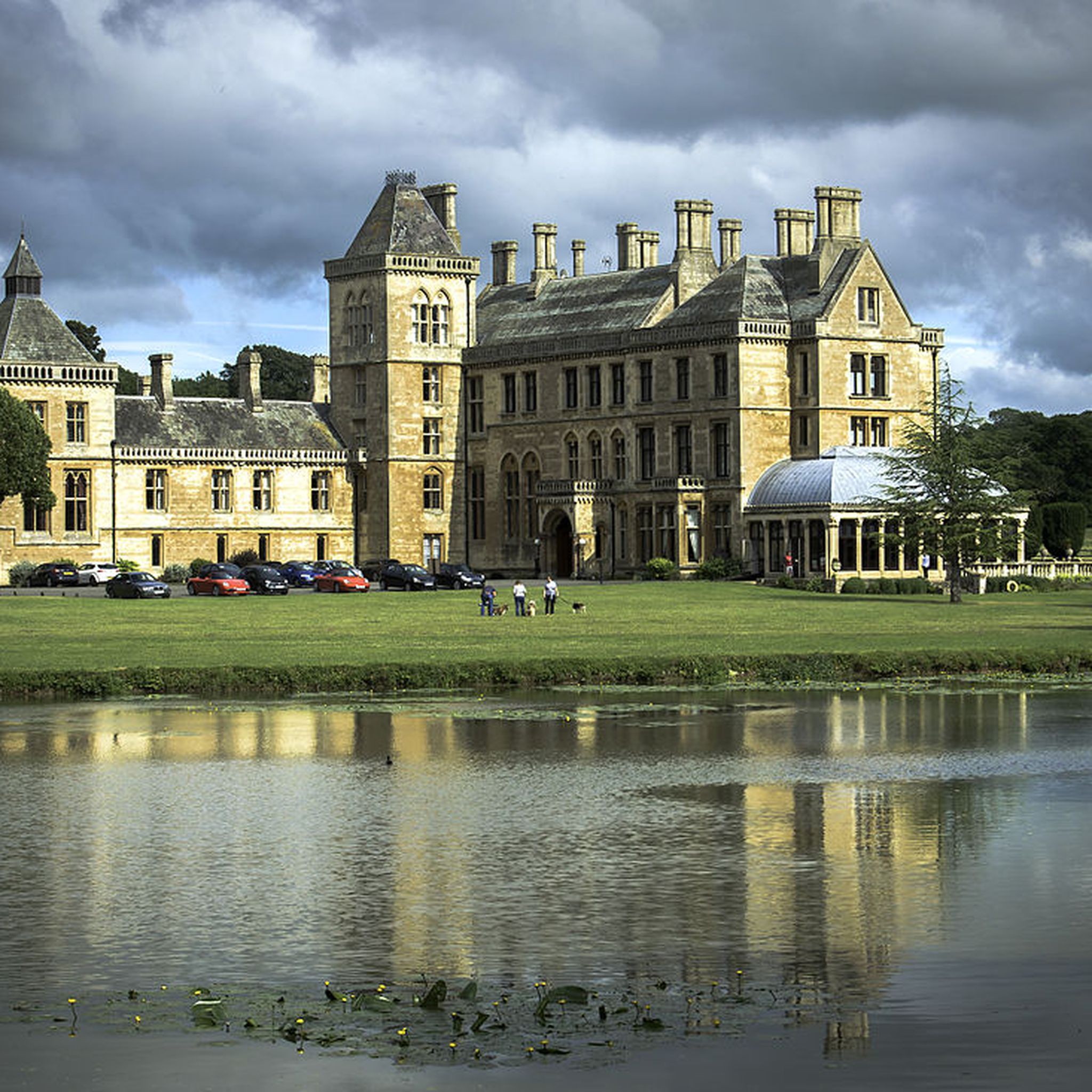
Charlecote Park
Highlight • Historical Site
Tip by

Battle of Edgehill Site
Highlight • Historical Site
Tip by
Sign up now to discover places like this
Get recommendations on the best single tracks, peaks, & plenty of other exciting outdoor places.
Sign up for free
Welcombe Hills & Clopton Park
Highlight • Natural Monument
Tip by
Hidcote Manor Garden
Highlight • Natural
Tip by

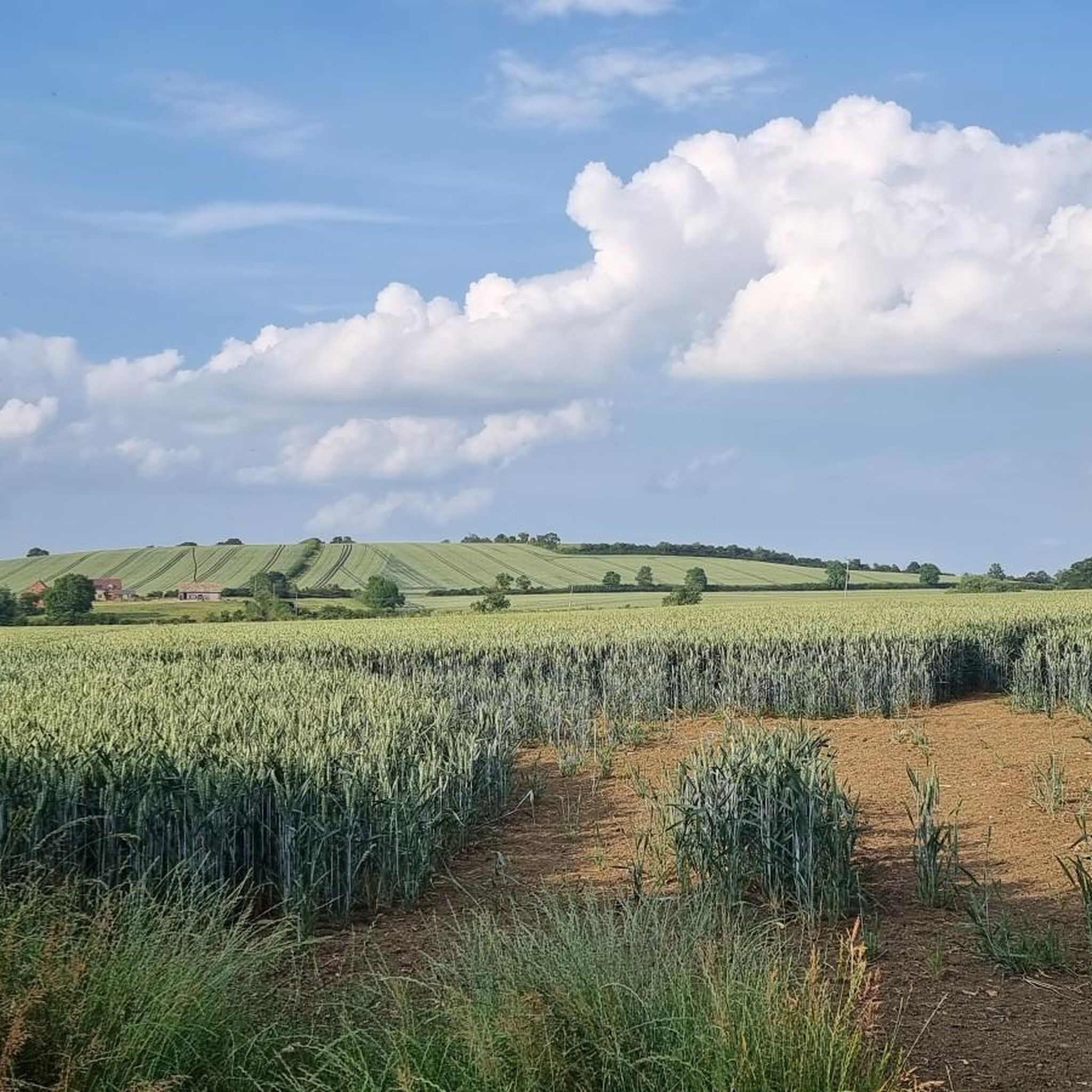
Ebrington Hill Summit
Highlight • Natural Monument
Tip by
Sign up for free to discover even more natural monuments around Ettington.
Sign up for free
Already have an account?
Start today with a free account
Your next adventure awaits.
Login or Signup
Tips from the Community


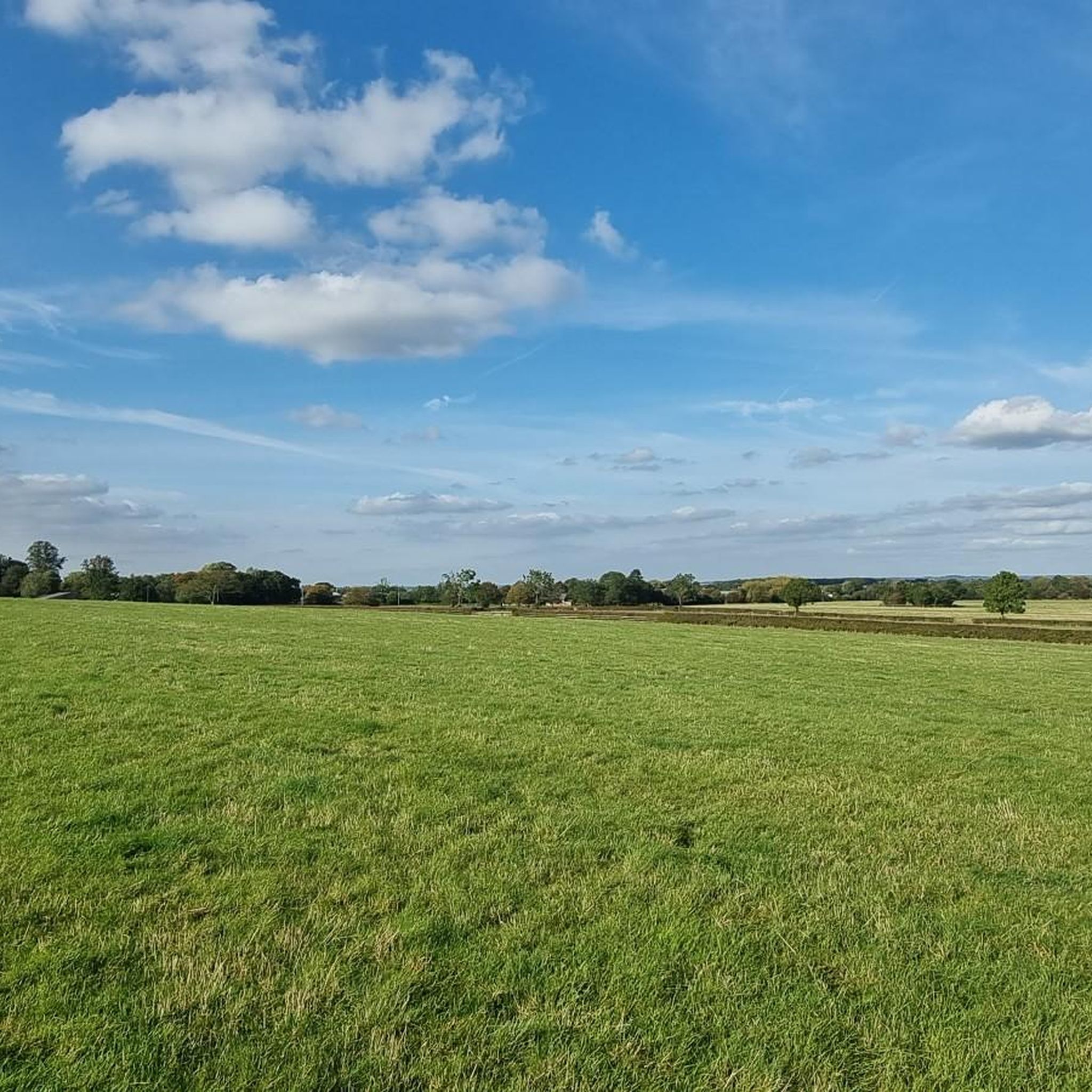
This is the location of the Battle of Edgehill, a pitched battle of the First English Civil War occurring on Sunday 23rd October 1642. A detailed information board stands here describing how the event unfolded, offering a fascinating window into the area's past.
1
0

The Battle of Edgehill (or Edge Hill) was a pitched battle of the First English Civil War. It was fought near Edge Hill and Kineton in southern Warwickshire on Sunday, 23 October 1642. All attempts at constitutional compromise between King Charles and Parliament broke down early in 1642. Both the King and Parliament raised large armies to gain their way by force of arms. In October, at his temporary base near Shrewsbury, the King decided to march to London in order to force a decisive confrontation with Parliament's main army, commanded by the Earl of Essex. Late on 22 October, both armies unexpectedly found the enemy to be close by. The next day, the Royalist army descended from Edge Hill to force battle. After the Parliamentarian artillery opened a cannonade, the Royalists attacked. Both armies consisted mostly of inexperienced and sometimes ill-equipped troops. Many men from both sides fled or fell out to loot enemy baggage, and neither army was able to gain a decisive advantage.
1
0
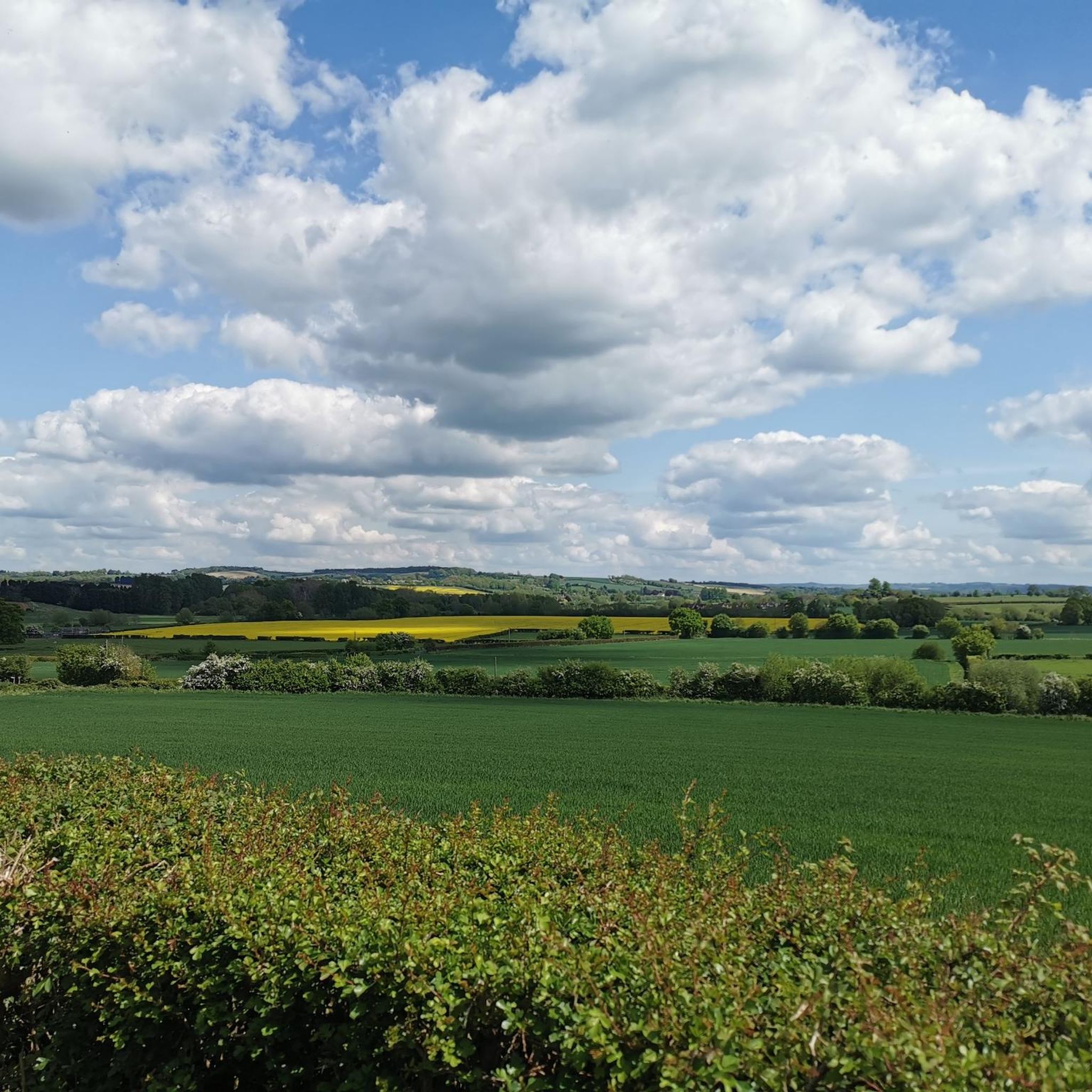
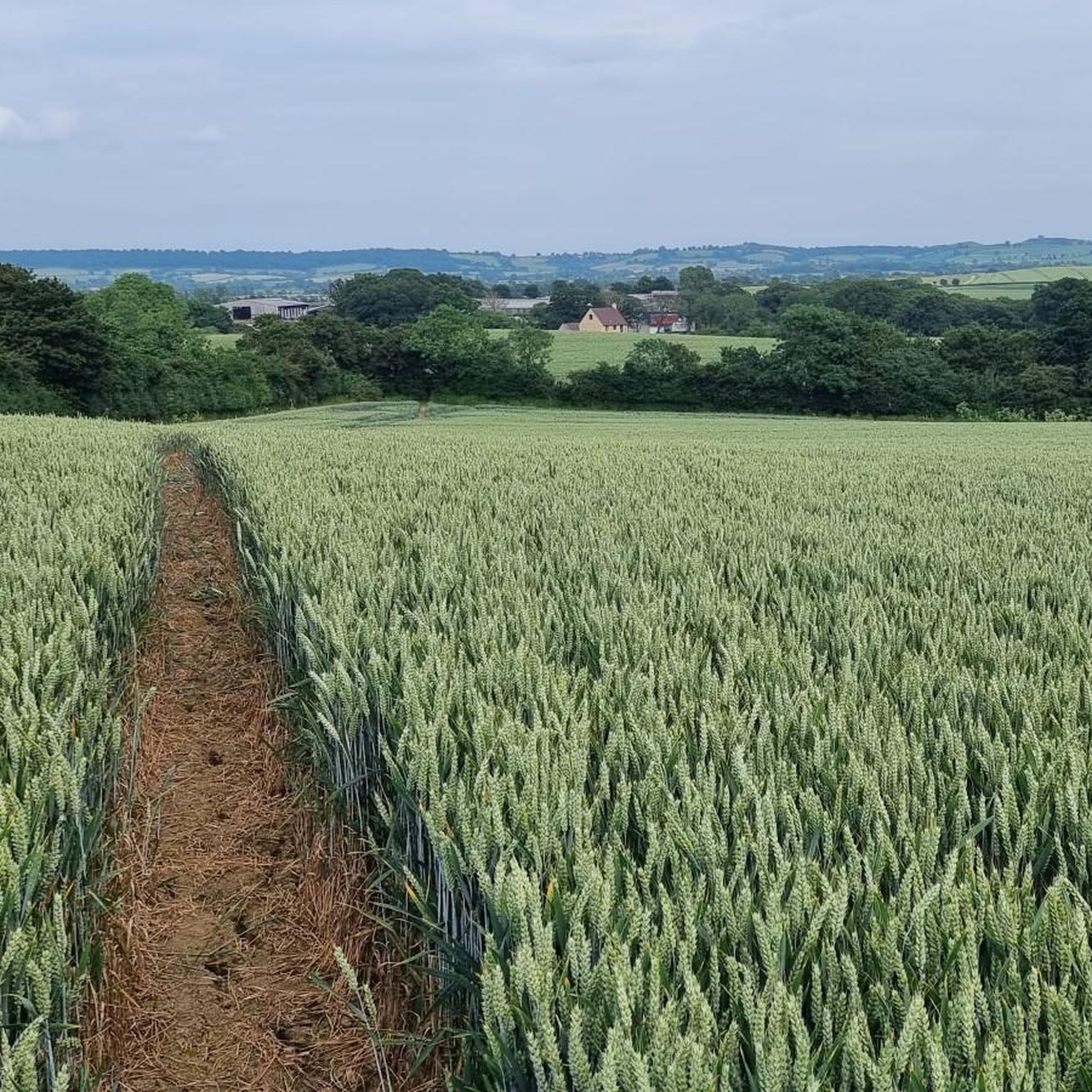
The Welcombe Hills and Clopton Park offer delightful walks through grassland and woodland. Woolly thistle, quaking-grass and the diminutive adder’s-tongue grow in the grasslands where ant hills created by yellow meadow ants are a distinctive feature. The woodland contains oak, horse-chestnut and beech with English elm. Birds are plentiful, with great spotted woodpecker, sparrowhawk, little owl, treecreeper and finches enjoying the woodland where ravens breed in spring. Brimstone butterflies are numerous in the spring sunshine. History of the Welcombe Hills: a Shakespearean tale The reserve may have got its name from a historic well found here with its inscription 'SJC 1686'. Margaret, daughter of William Clopton who died in 1592 supposedly drowned here. It was around this time that Shakespeare was writing his famous play, Hamlet, and its believed that this tragic event provided the inspiration for his 'Ophelia' and her lonely death.
0
0


Frequently Asked Questions
What kind of natural landscapes can I expect to see around Ettington?
Around Ettington, you'll find a unique blend of historical parklands and significant natural features. These include ancient deer parks, riverside meadows, and elevated viewpoints. The region offers diverse settings, from the extensive grounds of places like Charlecote Park, known for its fallow deer and Jacob sheep, to the woodlands and grasslands of Welcombe Hills & Clopton Park.
Are there any significant viewpoints among Ettington's natural monuments?
Yes, the area features several notable viewpoints. Ebrington Hill Summit, at 261 meters, is the highest point in Warwickshire, offering extensive views including Birmingham’s skyline and the Malvern Hills. The Battle of Edgehill Site also provides panoramic views of the surrounding landscape, alongside its historical significance.
Do Ettington's natural monuments have historical significance?
Many of Ettington's natural monuments are deeply intertwined with history. Charlecote Park, for instance, is a historic deer park dating back centuries, with allegations of William Shakespeare poaching deer there. The Battle of Edgehill Site marks a pivotal English Civil War battle. Even Welcombe Hills & Clopton Park has a Shakespearean tale associated with its history.
Are there family-friendly natural monuments around Ettington?
Absolutely. Several natural monuments in the area are suitable for families. Charlecote Park offers expansive grounds and wildlife spotting. Welcombe Hills & Clopton Park provides delightful walks through grasslands and woodlands. Hidcote Manor Garden, while a managed garden, is also a family-friendly natural monument with intricate designs and vibrant colors.
What outdoor activities can I do near these natural monuments?
The area around Ettington offers various outdoor activities. You can enjoy gravel biking on routes like the 'Stratford Greenway – Milcote Carriage Café loop' or explore MTB trails such as the 'Charlecote Park – Stone Bridge at Compton Verney loop'. There are also numerous cycling routes for touring bicycles. For more details on these activities and routes, you can explore the Gravel biking around Ettington, MTB Trails around Ettington, and Cycling around Ettington guides.
What wildlife can be observed in the natural monuments near Ettington?
Wildlife is a key feature of many sites. At Charlecote Park, you can observe herds of fallow deer and Jacob sheep. Welcombe Hills & Clopton Park is home to various birds like great spotted woodpeckers, sparrowhawks, and ravens, as well as brimstone butterflies and yellow meadow ants.
Are there any dog-friendly walks among Ettington's natural monuments?
Many of the natural areas and parklands around Ettington are dog-friendly, though specific rules may apply to certain managed estates. The Stratford Greenway, while man-made, is a popular flat path for dog-walkers. Always check individual site regulations, especially for National Trust properties like Charlecote Park, regarding lead requirements or restricted areas.
What is the best time of year to visit the natural monuments around Ettington?
The natural monuments around Ettington can be enjoyed year-round, with each season offering a different experience. Spring brings blooming flora and active wildlife, while autumn showcases vibrant foliage in the parklands. Summer is ideal for longer walks and picnics, and even in winter, the historical parks and viewpoints offer serene, crisp landscapes. The Stratford Greenway is particularly picturesque in the mornings when mist rises over the river meadows.
Are there any easy walking routes suitable for all abilities near Ettington's natural monuments?
Yes, for easier walks, the Stratford Greenway is an 8km flat, smooth gravel path that provides an excellent opportunity to experience the local natural environment. It's popular for leisurely strolls and offers picturesque natural scenery, including riverside paths. Many of the parklands, while extensive, also offer gentler paths suitable for various abilities.
Where can I find parking when visiting natural monuments near Ettington?
Parking availability varies by location. Major sites like Charlecote Park and Hidcote Manor Garden typically have dedicated visitor parking. For other natural areas or trailheads, look for public car parks in nearby villages or designated lay-bys. It's always advisable to check specific parking information for your chosen destination before your visit.
What kind of plants and trees can I see in the natural monuments?
The natural monuments showcase a variety of plant life. In places like Welcombe Hills & Clopton Park, you'll find grasslands with woolly thistle, quaking-grass, and adder’s-tongue, alongside woodlands featuring oak, horse-chestnut, beech, and English elm. Historical parks often include landscaped gardens and ancient trees, contributing to the rich biodiversity.
Most popular attractions around Ettington

Get inspired with the komoot mobile app


Explore more
Extend your search for the best caves by checking out these guides of the top ones around Ettington:
