The best walks and hikes around Ettington
4.5
(834)
6,234
hikers
338
hikes
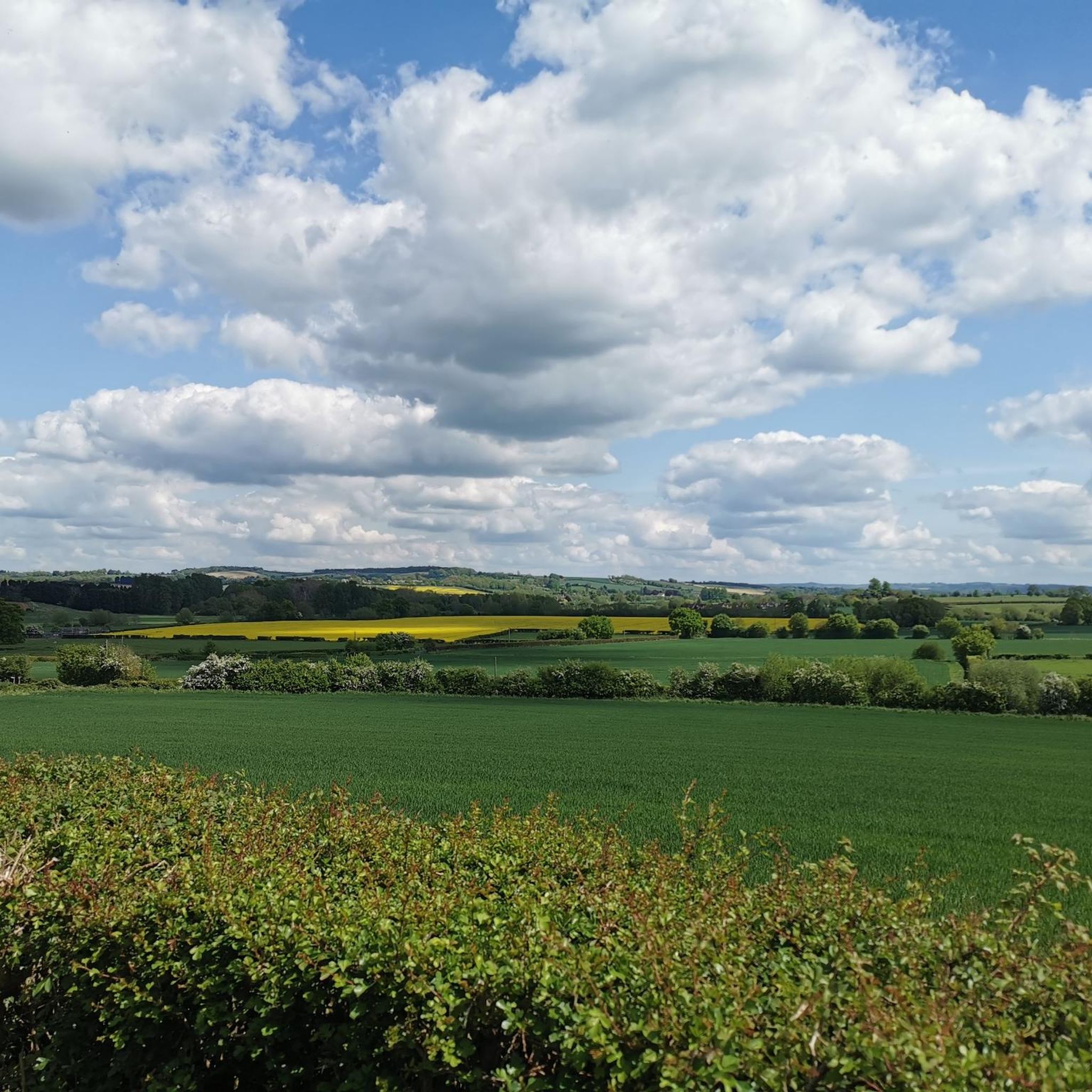
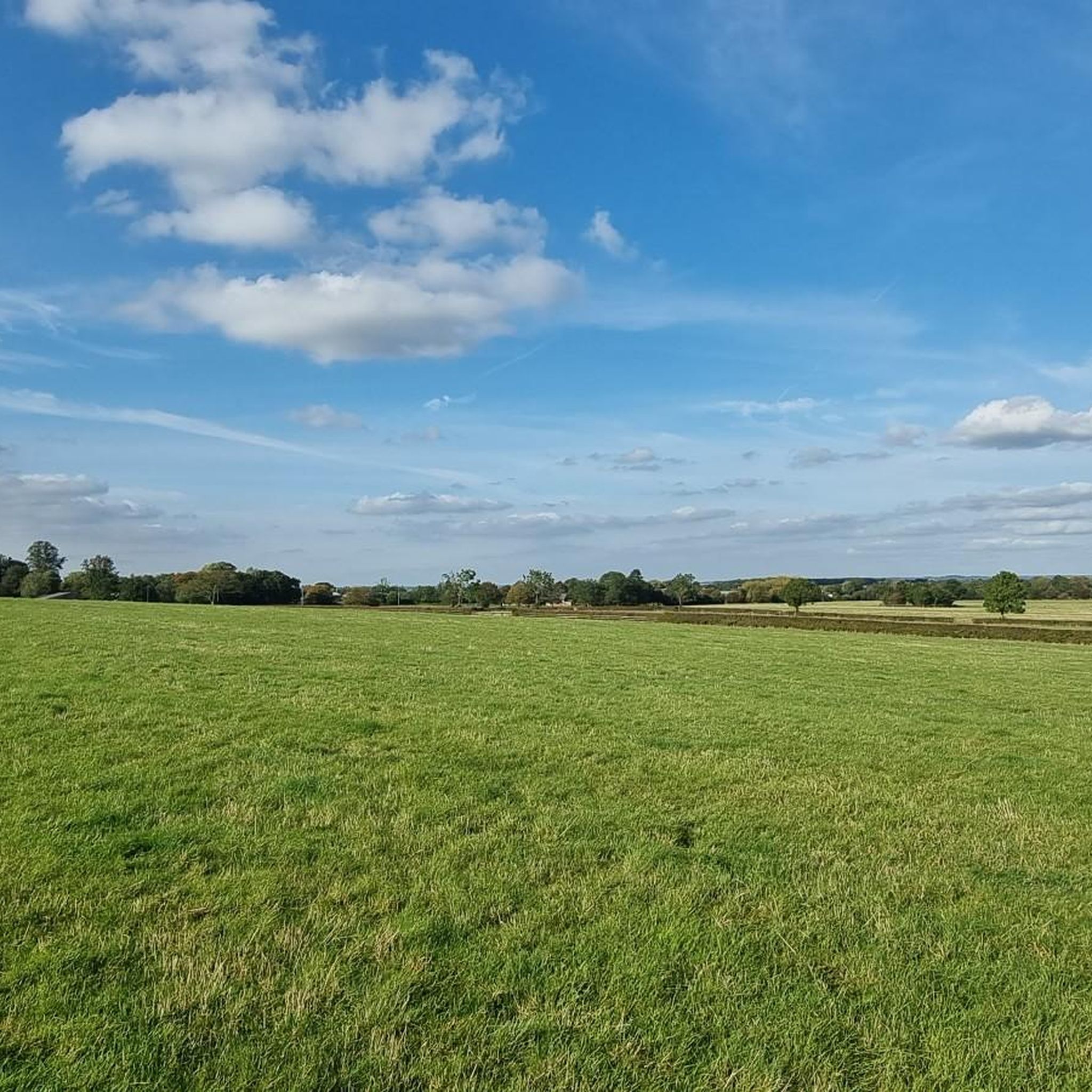
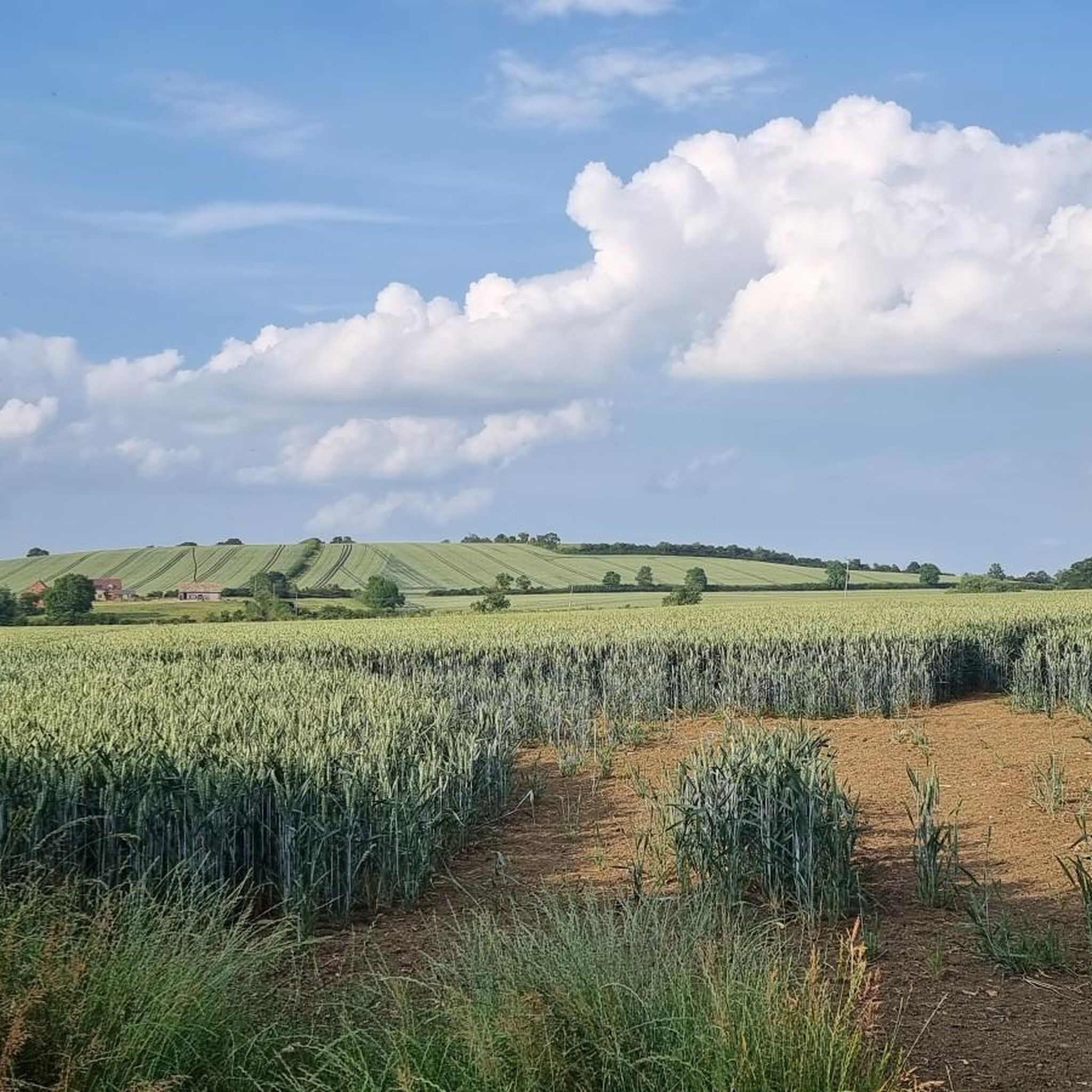
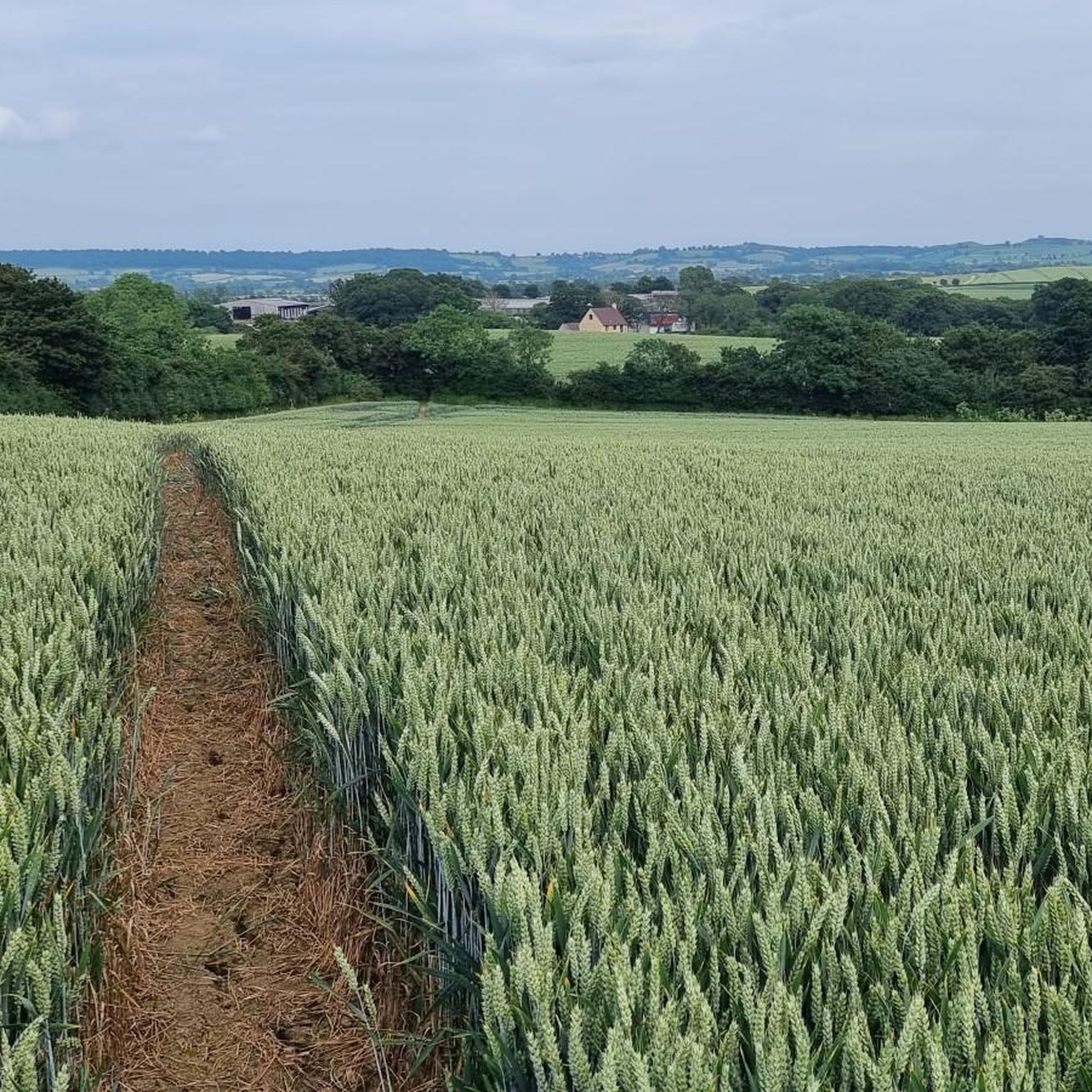
Hiking around Ettington offers a network of trails through the rolling countryside of South Warwickshire. The landscape is characterized by open farmland, gentle hills, and scattered woodlands, often featuring historic sites and quiet villages. Routes frequently follow established footpaths and bridleways, providing varied terrain suitable for different activity levels. The area's geology contributes to its undulating topography, with elevations generally remaining below 200 meters.
Best hiking trails around Ettington
- The most popular hiking route is Compton Pools – Stone Bridge…
Last updated: June 21, 2026
5.0
(1)
24
hikers
7.66km
01:57
20m
20m
Easy hike. Great for any fitness level. Easily-accessible paths. Suitable for all skill levels.
5.0
(2)
9
hikers
18.7km
04:55
150m
150m
Moderate hike. Good fitness required. Easily-accessible paths. Suitable for all skill levels.

Sign up for free
4.3
(4)
10
hikers
11.7km
03:06
120m
120m
Moderate hike. Good fitness required. Easily-accessible paths. Suitable for all skill levels.
3.0
(1)
2
hikers
14.7km
03:55
160m
160m
Moderate hike. Good fitness required. Easily-accessible paths. Suitable for all skill levels.
5.0
(1)
6
hikers
Easy hike. Great for any fitness level. Easily-accessible paths. Suitable for all skill levels.
Get access to more routes and recommendations from other explorers.
Sign up for free
Already have an account?
Our route recommendations are based on thousands of hikes, rides, and runs completed by other people on komoot.
Start today with a free account
Your next adventure awaits.
Login or Signup
Tips from the Community

Narrow lane between hedgerows, very overgrown, had to dismount. Lane ends in a locked gate with a button to open dawn to rush only.
0
0

Great, just great. Awesome food, dedicated off road bike parking, e-bike charging.
0
0
Great food and dedicated spaces for bike off the Main Street. Also has charger for e-bikes.
0
0


Wellesbourne Airfield café. Open every day 9:00 - 17:00. coffee, cake and some old aeroplanes!
0
0

There is a nice climb up to this point on Blue Lane, from either side, where you can get the best views of the surrounding landscape. I would recommend cycling from the Loxley side as it is steep at first, levelling out as you go through the village, then rising gently up Long Hill till you get to the final kick-up at the end.
1
0

St Nicholas stands on a site that was given to Worcester Cathedral in 760AD by Offa, King of Mercia. The northern wall of the Chancel incorporates Saxon work from around 950AD (uncovered & preserved in 1983). In 1253AD Peter de Mora granted the church to Kenilworth Priory which retained it until the Dissolution of the Monasteries. The church was re-consecrated in 1286 after major re-building by Godfrey Giffard, Bishop of Worcester. The lower parts of the tower are probably part of the 1286 church. The pillar piscina on the south wall of the chancel, the nearby lancet window, and the small coffin lid on the west wall are also 13th century. Church Bells The tower has provision for three bells but a tenor that was sent to be recast never returned; the two which remain date from 1560/70 and 1632. In 1962 this bell was hung for swing chiming and the older bell was placed on the church floor. Registers The Registers start with marriages and burials in 1540 – shortly after the Crown took the church from Kenilworth Priory. Reconstruction Extensive reconstruction work took place in the 18th century when the south aisle was removed and the small vestry (which incorporates many of the Southam memorial stones) was built. This work gave the Church the Georgian character that remains evident today. In 1923 the Kendall family paid for further major work which included the removal of the gallery from the West end and also the flat nave ceiling (which was replaced in 1953). In 1930 a stove replaced oil lamps for heating the Church and in 1938 electric lighting was installed. The small pipe organ was a gift from Styvechale Church, Coventry in 1947. Church Restoration 2013 The major work necessary to restore St Nicholas church to its former glory has now been completed.
0
0
Frequently Asked Questions
How many hiking trails are available around Ettington?
There are over 350 hiking routes around Ettington, offering a wide variety of options for different skill levels and preferences. More than 200 of these are classified as easy.
Are there easy hiking trails suitable for beginners or casual walkers?
Yes, Ettington offers over 200 easy routes. A good option for a relaxed walk is the Compton Pools loop from Combrook, which is just over 2 miles (3.3 km) and takes about an hour to complete.
What kind of terrain can I expect on hikes around Ettington?
The terrain around Ettington is characterized by the rolling countryside of South Warwickshire. You'll find a mix of open farmland, gentle hills, and scattered woodlands. Routes often follow established public footpaths and bridleways, providing varied surfaces and an undulating topography, with elevations generally remaining below 200 meters.
Are there any circular walks in Ettington?
Many of the trails around Ettington are circular, allowing you to start and end at the same point. For example, the Compton Pools – Stone Bridge at Compton Verney loop from Combrook is a popular 4.2-mile (6.8 km) circular route.
What are some interesting landmarks or attractions to see while hiking near Ettington?
While exploring the area, you might encounter historical sites and natural beauty. Notable attractions include Charlecote Park, a historic country estate, and the Battle of Edgehill Site. For natural viewpoints, consider the Pittern Hill Trig Point, which is part of the Pittern Hill Trig Point – Kineton loop from Combrook trail.
Are there any longer, more challenging hikes around Ettington?
Yes, for those seeking a longer challenge, there are moderate routes available. The Halford Castle – Wooden Bridge loop from Halford CP is a substantial 11.7-mile (18.8 km) hike that offers a good workout through varied landscapes.
What do other hikers enjoy most about the trails in Ettington?
The trails in Ettington are highly rated by the komoot community, with an average score of 4.5 stars from over 700 reviews. Hikers often praise the peaceful rural scenery, the well-maintained public footpaths, and the opportunity to explore quiet villages and historic sites.
Is Ettington well-suited for family-friendly walks?
Yes, many of the easier and shorter routes are ideal for families. The gentle terrain and network of footpaths make it accessible for children, allowing for enjoyable outings in the countryside.
Are there good options for parking near the hiking trails in Ettington?
Parking is generally available in or near the villages that serve as starting points for many trails, such as Combrook or Ettington. Many routes begin from designated car parks (CP) or roadside parking areas, though it's always advisable to check specific route details for the best parking options.
Can I reach hiking trails in Ettington using public transport?
While Ettington is a rural area, some local bus services connect it to larger towns like Stratford-upon-Avon. Access to specific trailheads by public transport might require some planning, so checking local bus routes and timetables in advance is recommended.
What is the best time of year to go hiking in Ettington?
Ettington's trails can be enjoyed year-round. Spring brings blooming wildflowers and lush green fields, while autumn offers beautiful foliage. Summer is pleasant for longer walks, and even winter can be rewarding with crisp air and clear views, though paths can be muddy after rain.
Are there any trails that offer particularly good views?
Many routes provide expansive views across the rolling Warwickshire countryside. The Stokeyleys Coppice – Boundary Covert loop from Ettington CP, for instance, leads through open fields and wooded sections, offering scenic vistas of the rural landscape.
Most popular attractions around Ettington

Get inspired with the komoot mobile app


Explore more
Browse the best Hikes in other regions.
