Top 16 Natural Monuments around Coombes
Natural monuments around Coombes encompass diverse landscapes, from chalk grasslands and steep-sided valleys to prominent hills offering expansive views. The region features areas rich in wildflowers, diverse butterfly species, and significant historical sites. These natural attractions provide opportunities for exploring varied ecosystems and geological formations.
Best natural monuments around Coombes
- The most popular natural monuments is Devil's Dyke, a v-shaped chalkland dry valley. This site is home to wildflowers and many species of butterflies, and was also a hillfort…
Last updated: June 29, 2026
Devil's Dyke
Highlight • Historical Site
Tip by

Chanctonbury Ring hillfort
Highlight • Historical Site
Tip by

Sign up now to discover places like this
Get recommendations on the best single tracks, peaks, & plenty of other exciting outdoor places.
Sign up for free
Cissbury Ring Hill Fort
Highlight • Historical Site
Tip by
Cissbury Ring
Highlight • Historical Site
Tip by

South Downs Way – Fulking Hill Ridge
Highlight (Segment) • Natural Monument
Tip by

Sign up for free to discover even more natural monuments around Coombes.
Sign up for free
Already have an account?
Start today with a free account
Your next adventure awaits.
Login or Signup
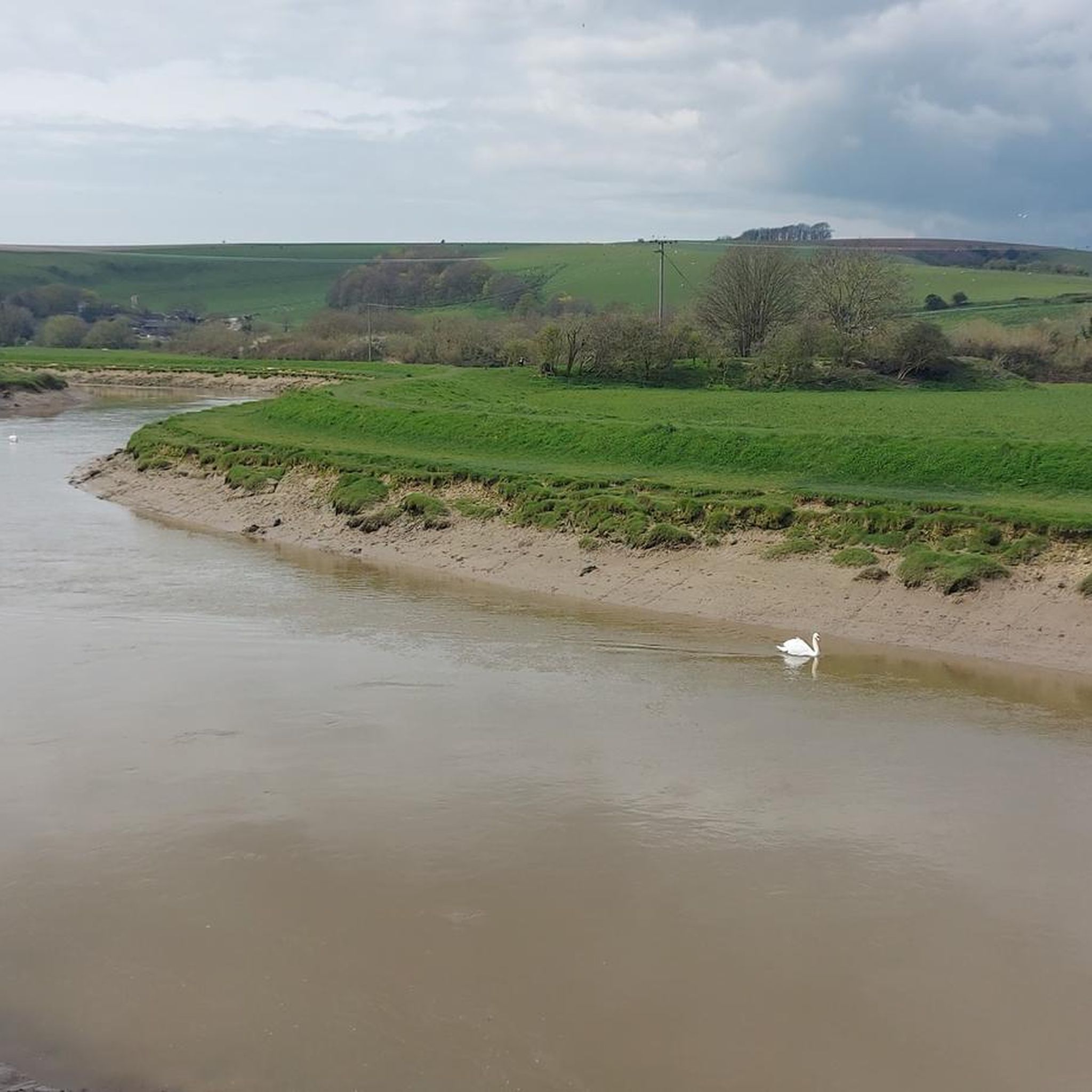
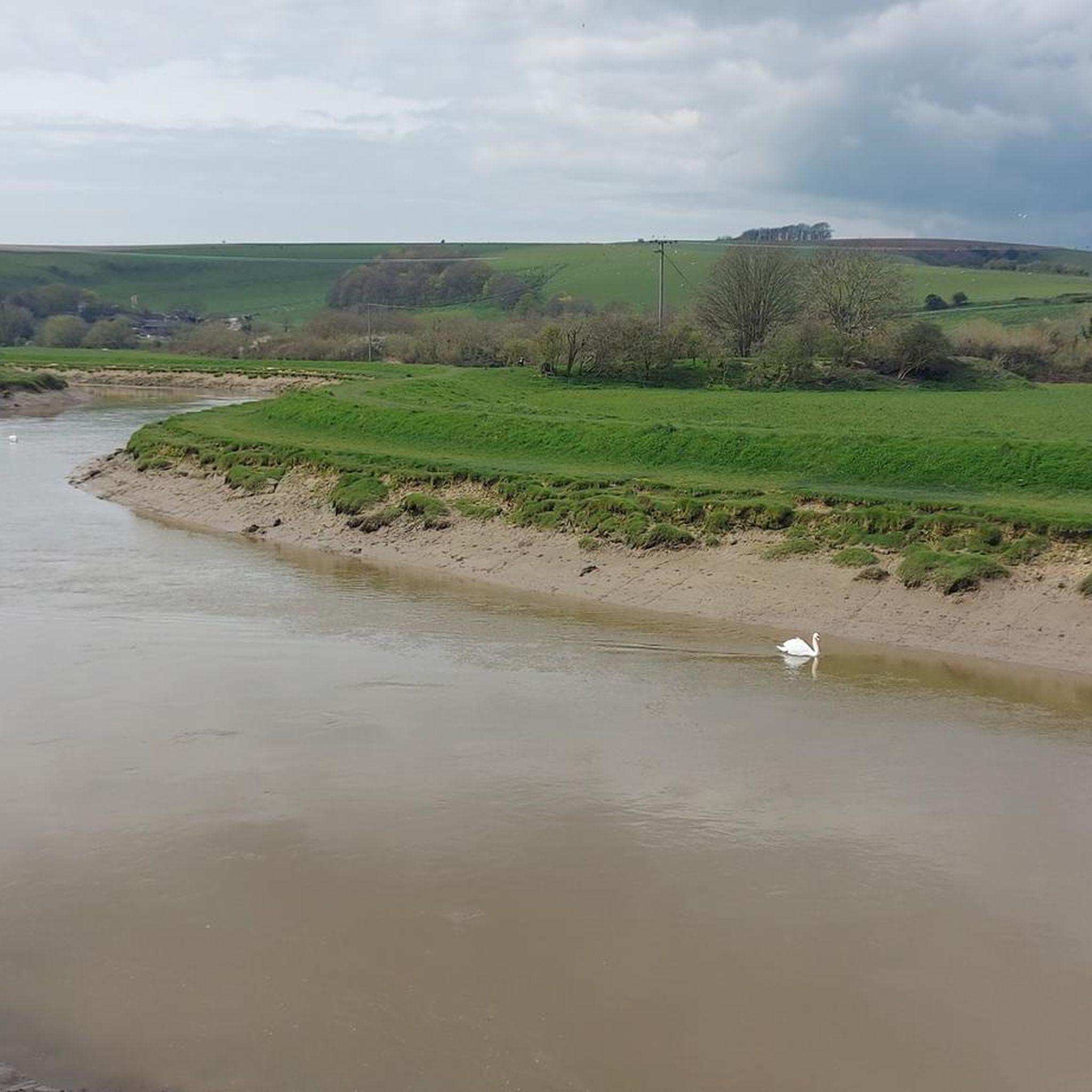
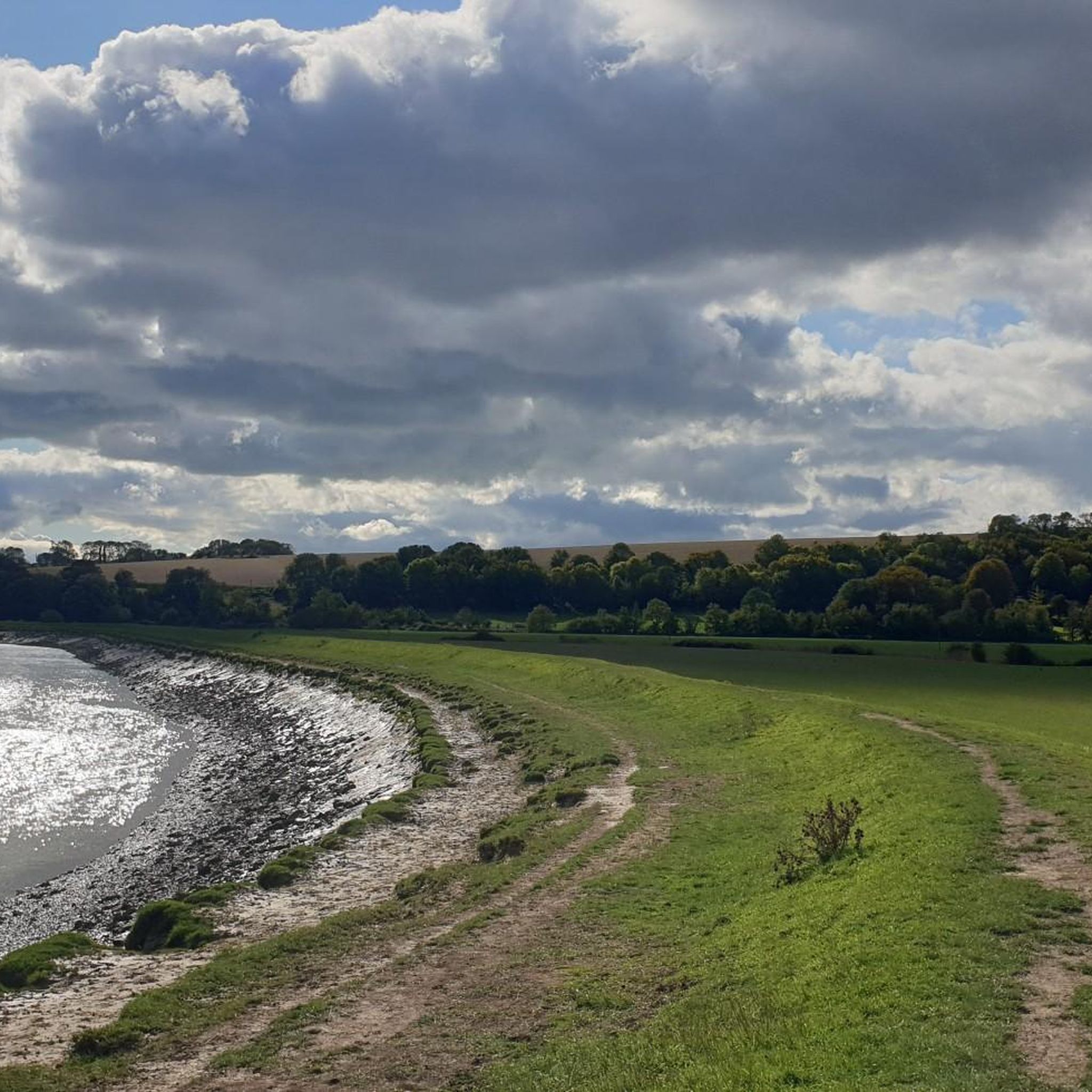
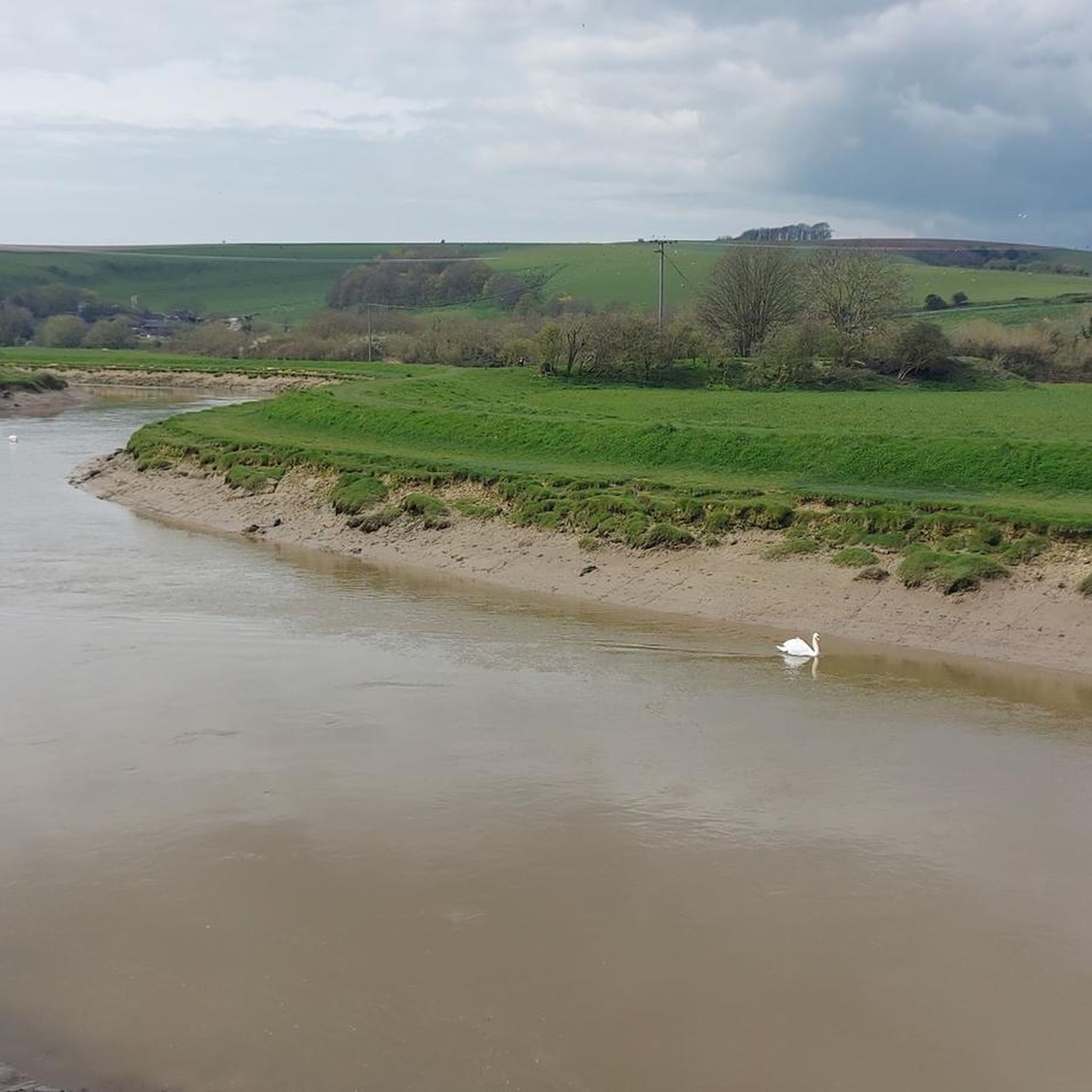

Tips from the Community

nice steady climb with breathtaking views, if you turn left at the gate (before crossing) you will see a path to your further left leading to a pub called Sheppard and Dog with a nice beer garden - this is a S2 descent so be careful
0
0


Follow the trail around the ring for great views over Findon to Worthing
0
0

This is a beautiful spot, there is a trig point that is placed on one of the ramparts of the actual Iron Age hillfort here. It is very popular with walkers, and families. The valley bowl is also particularly beautiful.
1
0

Be warned of the water fullies added to the track. Sometimes the gates in the vallies are shut, sometimes not. The grass section is stunning for the views on a good day. Once at the top, it's a very gentle climb to Devils Dyke so you're nearly there.
1
0
Cissbury Ring is one of the jewels in the crown of the new South Downs National Park. It's the largest hill fort in Sussex and has a history dating back over 5,000 years. Set high up on a chalk promontory, its ditch and ramparts enclose about sixty-five acres. From the top on a clear day you can see forever, with views across to the chalk cliffs beyond Brighton and as far as the Isle of Wight.
0
0
This is a beautiful spot with expansive views out North over the rolling South Downs countryside giving you a lush patchwork of quilted green fields. There is also a sturdy bench to take the weight off your feet and super cool Cissbury Ring just behind you.
1
0

Frequently Asked Questions
What natural features can I expect to see around Coombes?
The Coombes area offers a diverse range of natural features. You can explore chalk grasslands rich in wildflowers, steep-sided dry valleys like Devil's Dyke, and prominent hills such as Chanctonbury Ring hillfort and Cissbury Ring Hill Fort, which provide expansive views. Some areas feature ancient woodlands, spring-fed streams, and unique geological formations like carboniferous limestone valleys.
What kind of wildlife can be spotted in the natural monuments around Coombes?
The natural monuments around Coombes are rich in biodiversity. You can often spot a variety of butterfly species, including rare ones like the dark green fritillary and brown argus, especially in chalk grasslands. Birdwatchers might see woodland birds such as common redstart, wood warbler, and pied flycatcher, as well as birds of prey like Red Kites and buzzards. Rare moth species, like the argent and sable moth, are also found in some woodland reserves.
Are there any historical sites among the natural monuments?
Yes, many natural monuments in the Coombes area have significant historical elements. For example, Devil's Dyke was an Iron Age hillfort, and Chanctonbury Ring hillfort and Cissbury Ring Hill Fort are well-preserved Iron Age hill forts. You can also find medieval strip lynchets on valley sides and remnants of historical lead mining in some limestone dales, adding a cultural layer to the natural landscape.
What are some prominent viewpoints in the Coombes area?
Several natural monuments offer stunning panoramic views. Chanctonbury Ring hillfort and Cissbury Ring Hill Fort provide breathtaking vistas over the South Downs countryside, with Cissbury Ring even offering views as far as the Isle of Wight on clear days. Chantry Hill also affords spellbinding views over picturesque countryside and out to sea.
What is the best time of year to visit the natural monuments around Coombes?
The best time to visit largely depends on what you wish to experience. For wildflowers and butterflies, late spring to mid-summer (May to July) is ideal. Birdwatchers will find spring and autumn excellent for observing migratory birds, especially at sites like Cissbury Ring Hill Fort. The views from hilltops are spectacular on clear days year-round, though summer offers the best chance for expansive visibility.
Are there family-friendly natural monuments around Coombes?
Yes, several natural monuments are suitable for families. Devil's Dyke is a popular destination for relaxing in nature, and its open spaces are great for walks. The easy access route to the monument at Coombe Hill (Chilterns) makes it suitable for a wide range of visitors, including families. Many sites offer gentle paths and opportunities for wildlife spotting that children will enjoy.
Are there accessible natural monuments near Coombes?
While many natural monuments involve some walking on uneven terrain, Coombe Hill in the Chilterns is noted for having an 'easy access' route to its obelisk memorial, making it suitable for visitors with varying mobility. For other sites, it's advisable to check specific trail conditions, as some paths can be steep or challenging.
What outdoor activities can I do near these natural monuments?
The area around Coombes offers a variety of outdoor activities. You can find numerous running trails, including moderate and difficult options like the 'Chanctonbury Ring hillfort – South Downs Way Trail loop'. Cycling is also popular, with routes such as the 'Downs Link along the River Adur' offering easy to difficult rides. For more detailed information on routes, you can explore the Running Trails around Coombes, Cycling around Coombes, and Road Cycling Routes around Coombes guides.
Are there good hiking trails around the natural monuments?
Yes, the natural monuments around Coombes are surrounded by excellent hiking opportunities. You can enjoy walks through chalk grasslands, along steep-sided valleys, and up to hillforts like Chanctonbury Ring hillfort and Cissbury Ring Hill Fort. An easy-going footpath along the valley floor in Coombs Dale (Peak District) allows for exploration of its natural beauty and historical mining remnants. Many trails offer stunning views and opportunities for wildlife spotting.
What do visitors enjoy most about the natural monuments around Coombes?
Visitors frequently praise the breathtaking views from prominent hilltops like Cissbury Ring Hill Fort and Chantry Hill. The tranquility and natural beauty of areas like Devil's Dyke, with its wildflowers and butterflies, are also highly appreciated. Many enjoy the blend of natural landscapes with rich historical context, such as the ancient hillforts and medieval features.
Can I go cycling near the natural monuments around Coombes?
Absolutely. The Coombes area is well-suited for cycling, with various routes available. You can find easy to difficult cycling trails, including sections of the Downs Link along the River Adur. For specific routes and difficulty levels, refer to the Cycling around Coombes and Road Cycling Routes around Coombes guides.
Are there any permits required for hiking in the Coombes area?
Generally, no specific permits are required for hiking on public footpaths and bridleways in the Coombes area, including within the South Downs National Park. However, it's always good practice to respect private land, stick to marked paths, and be aware of any local regulations, especially concerning livestock or protected areas.
Most popular attractions around Coombes

Get inspired with the komoot mobile app


Explore more
Extend your search for the best caves by checking out these guides of the top ones around Coombes:
