Top 20 Natural Monuments around New Forest
Best natural monuments around New Forest encompass a diverse landscape of ancient woodlands, expansive heathlands, and tranquil waters. This region is characterized by its unique blend of ancient trees, open plains, and varied ecosystems. The New Forest National Park offers numerous natural features, from historic trees to significant wetlands, providing a range of outdoor experiences. These natural monuments are integral to the area's ecological and historical identity.
Best natural monuments around New Forest
- The most popular natural monuments is Dead…
Last updated: August 8, 2026
Dead Trees Marsh, New Forest National Park
Highlight • Natural Monument
Tip by

Hatchet Pond
Highlight • Lake
Tip by

Sign up now to discover places like this
Get recommendations on the best single tracks, peaks, & plenty of other exciting outdoor places.
Sign up for free
Bolderwood Deer Sanctuary
Highlight • Forest
Tip by

Bolton's Bench
Highlight • Viewpoint
Tip by

Hurst Spit
Highlight • Beach
Tip by

Pondhead Inclosure Dragon Sculpture
Highlight • Natural Monument
There …
Tip by

The New Forest
Highlight • Historical Site
Tip by

Bokerley Dyke
Highlight • Trail
Tip by
Dead Oak Trees at Hursthill Inclosure
Highlight • Forest
Tip by

The Site of 'The Naked Man'
Highlight • Historical Site
Tip by

Sign up for free to discover even more natural monuments around New Forest.
Sign up for free
Already have an account?
Start today with a free account
Your next adventure awaits.
Login or Signup
Popular around New Forest
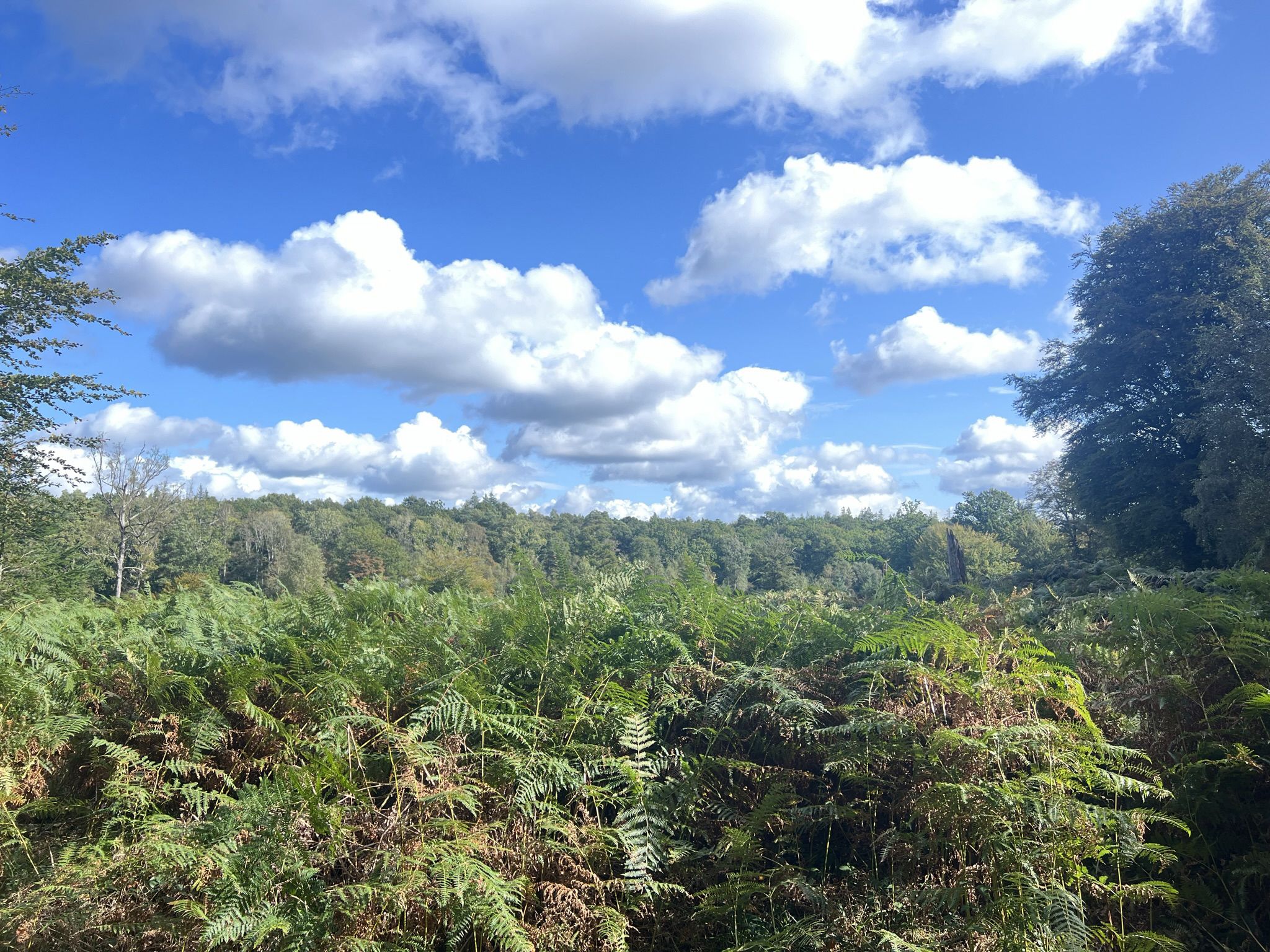
New Forest National Park – A Walk in the Parks
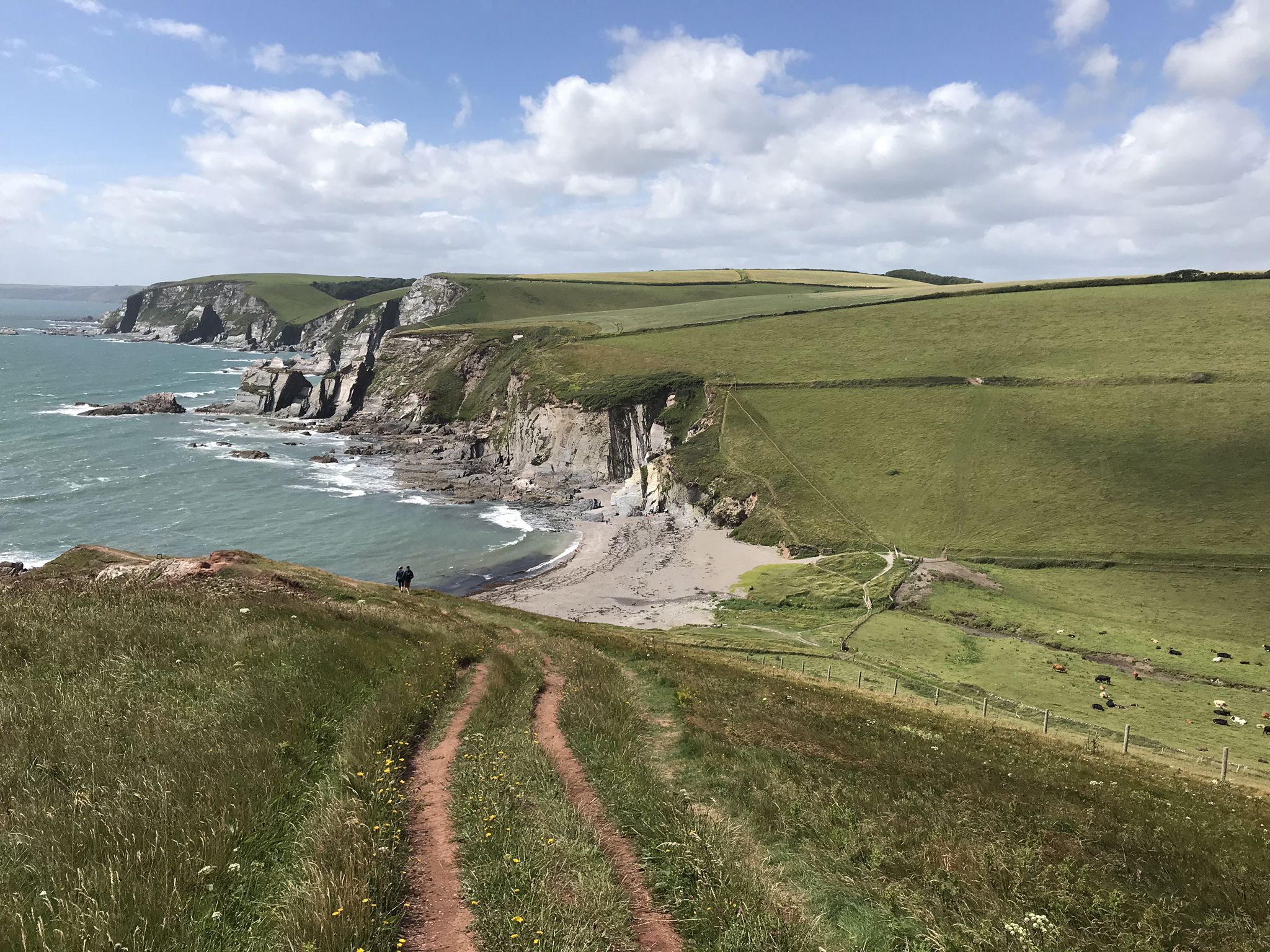
E9 Plymouth to Dover — An epic exploration of England's south coast
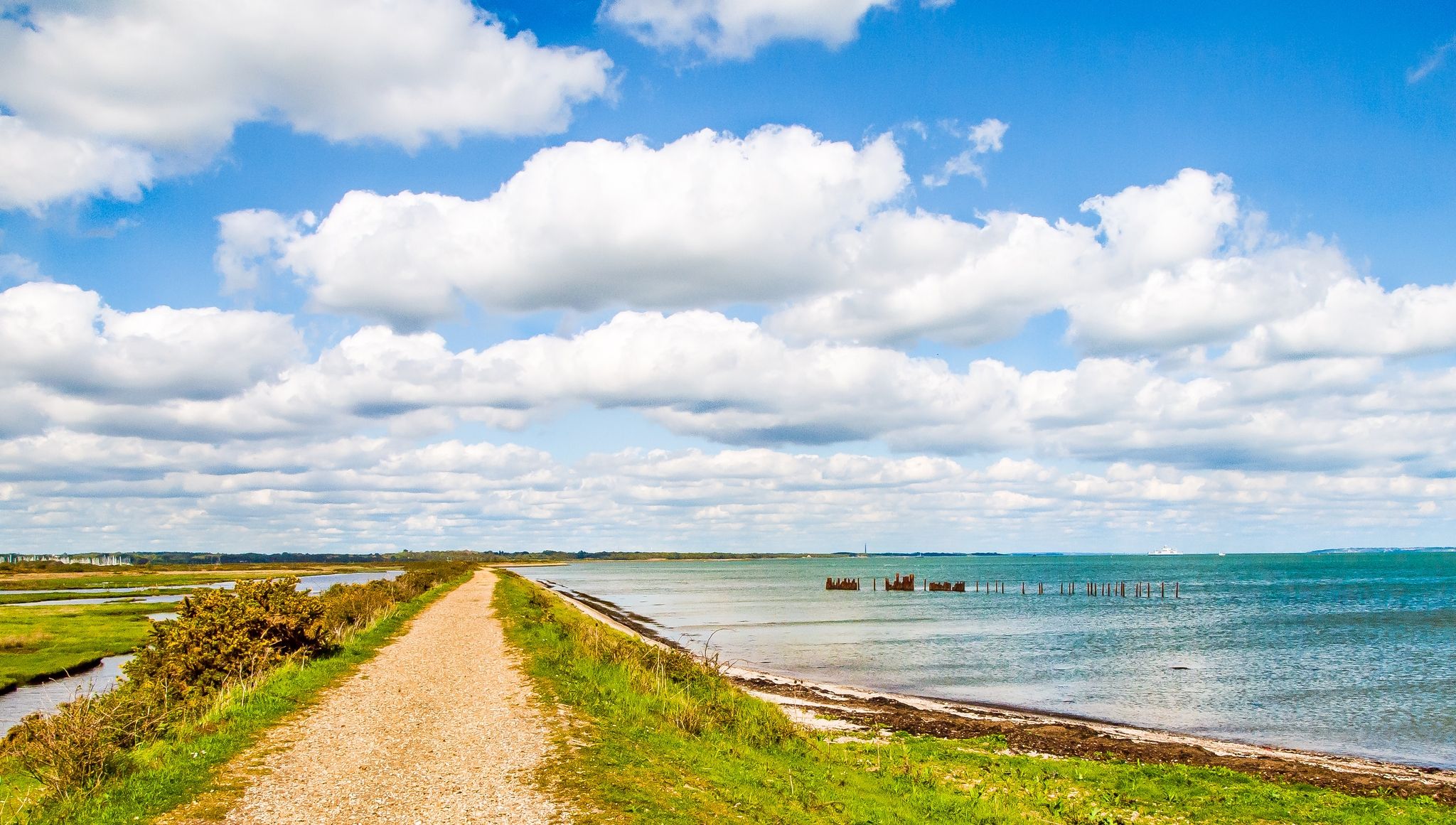
Solent Way — A picturesque hike along the Hampshire coastline
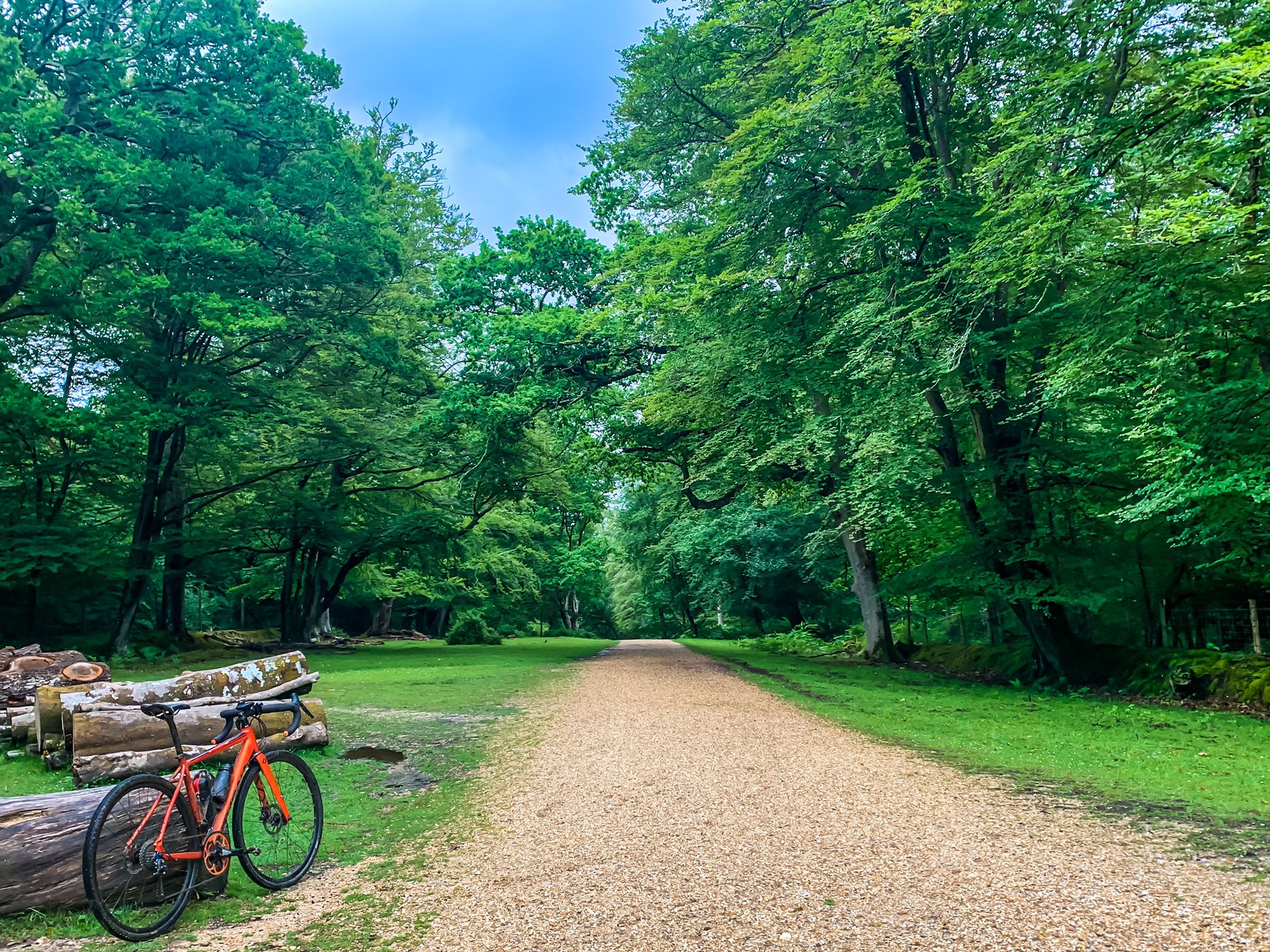
New Forest - The most Beautiful Cycling Routes
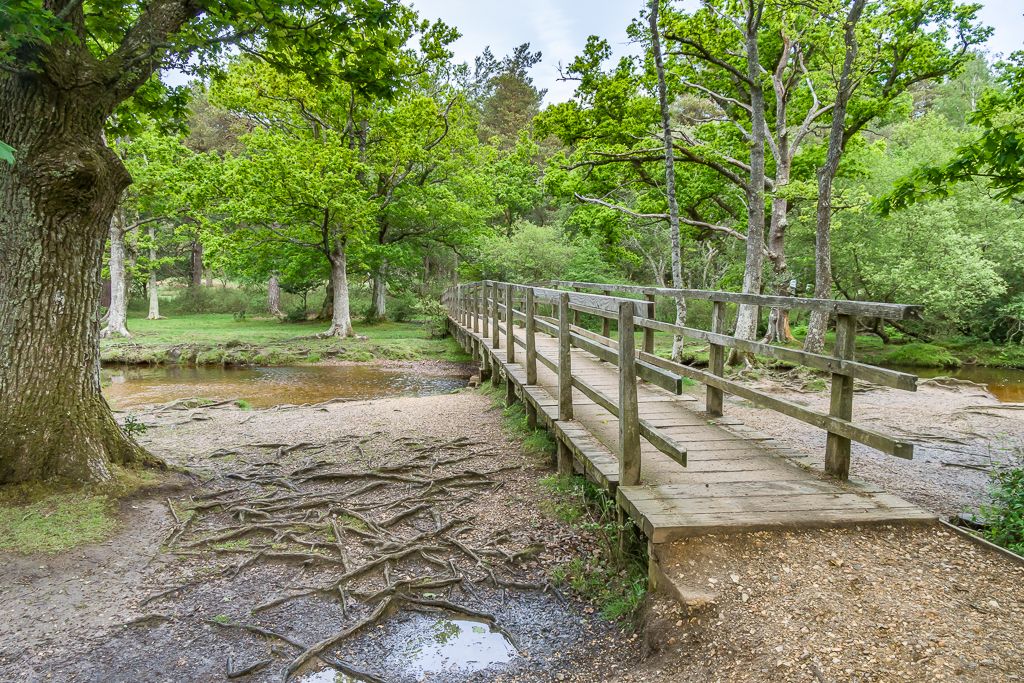
New Forest - All the Accessible Routes
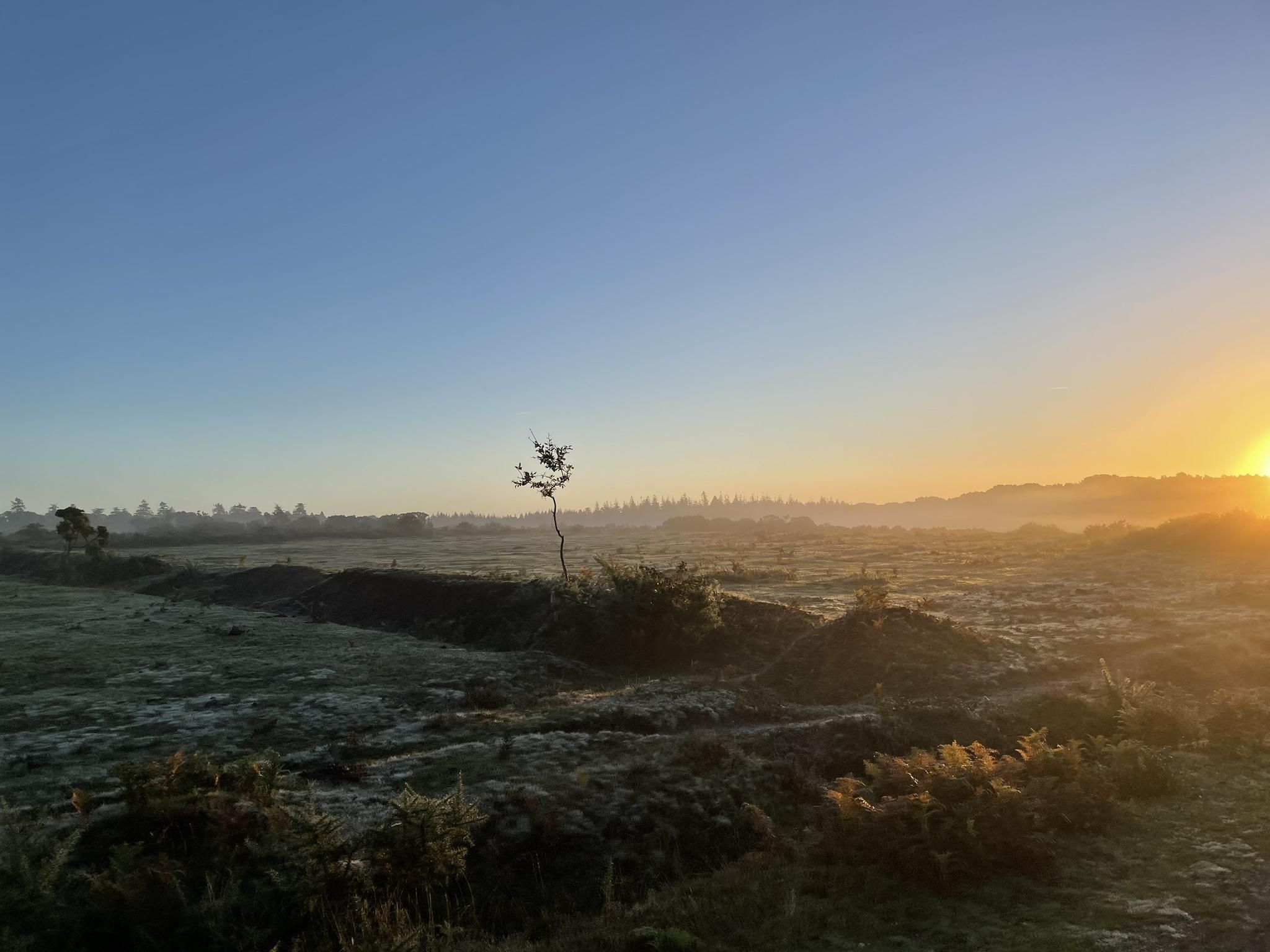
New Forest - Walking in the National Park
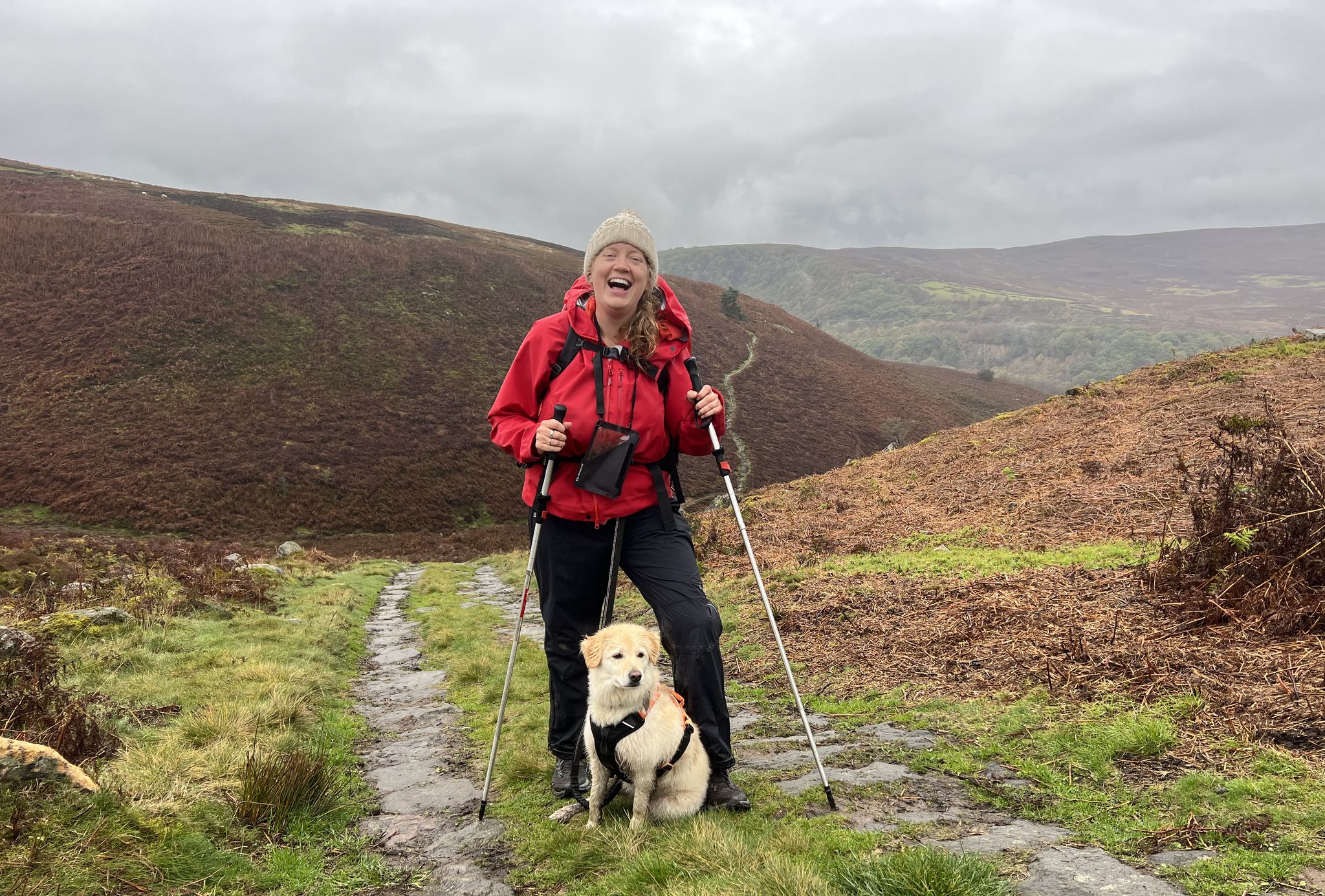
A Walk in the Parks – hikes across all of England’s national parks
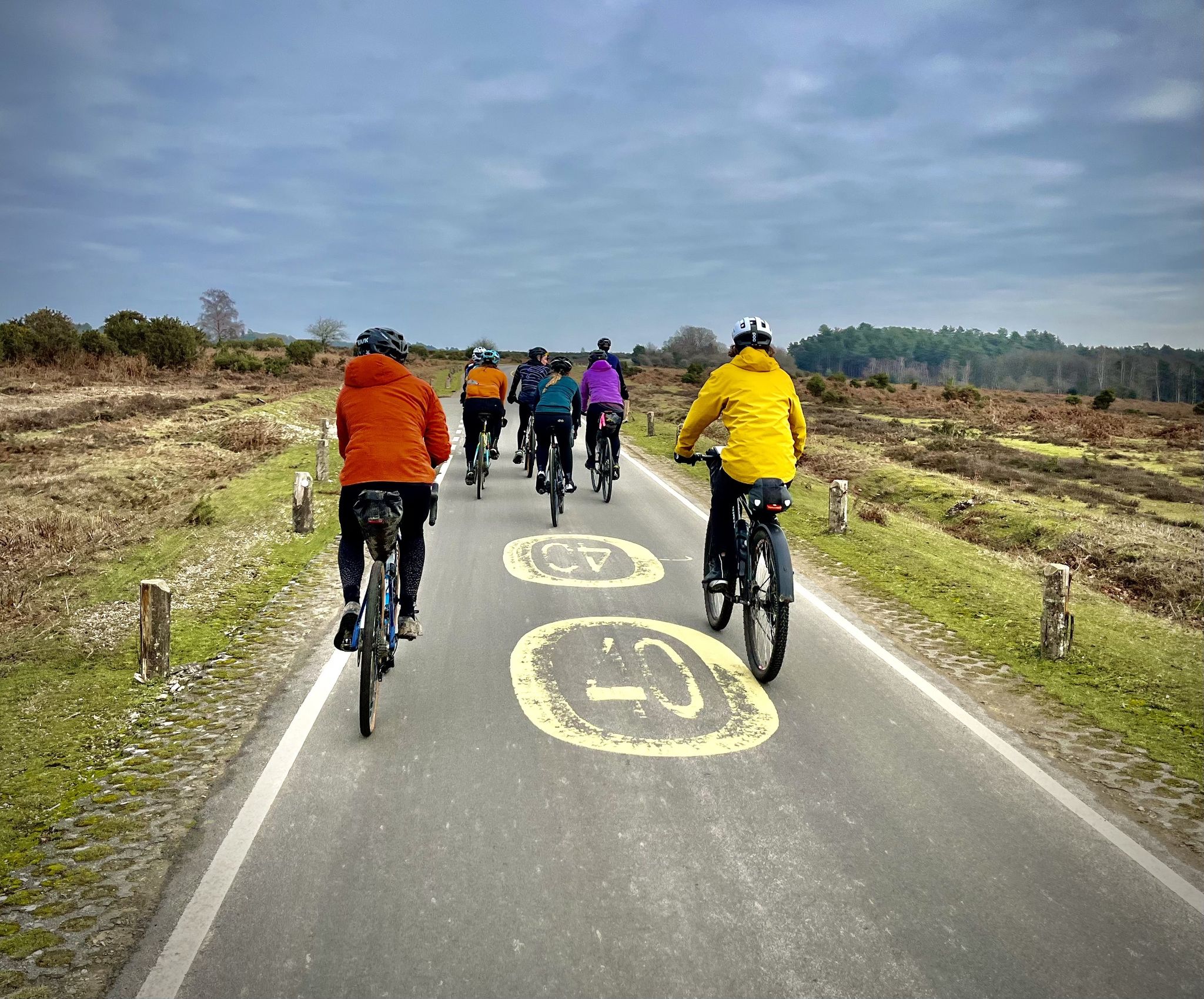
Smooth rolling in the New Forest — 7 scenic road rides
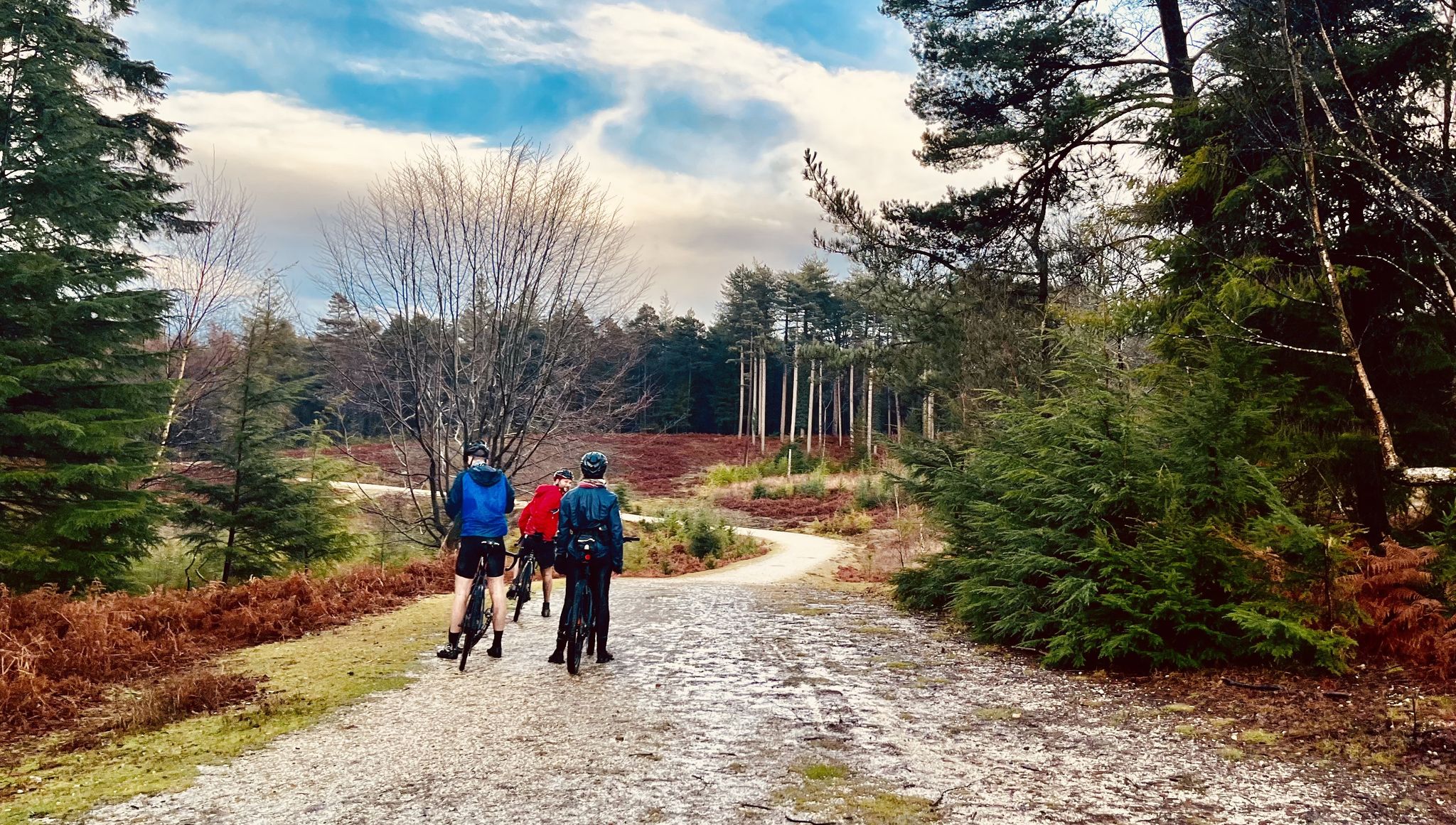
Discover the New Forest trails — 7 magical cycling safaris
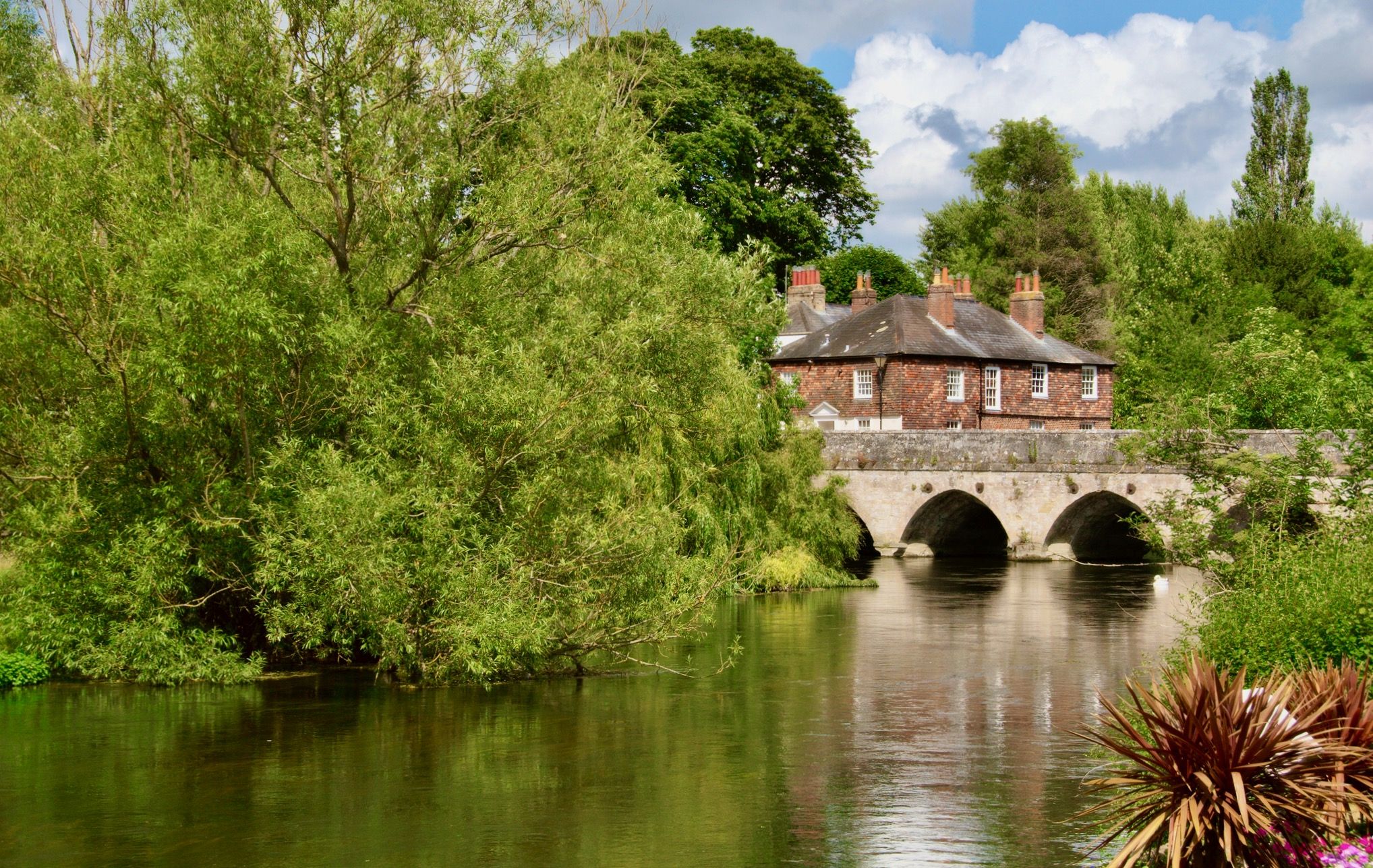
Walking through water meadows — the Avon Valley Path
Other adventures around New Forest


Tips from the Community

Phantom Apparitions Though the original oak tree eventually rotted away and fell, the site remains a hotbed for paranormal encounters: The Spectral Smuggler: Drivers on the nearby road report seeing a pale, shivering figure standing by the roadside in the dead of night, vanishing into thin air when headlights hit him. The Shadow Coven: Walkers lingering at dusk describe hearing rhythmic, disembodied chanting drifting on the wind, accompanied by the fleeting sight of hooded shadows moving between the heather. The Phantom Rider: A spectral highwayman on horseback is said to patrol the crossroads, forever guarding the approaches to the old gallows tree.
0
0
Operation Cone of Power (1940) Fast forward to Lammas Eve in August 1940: Britain stood alone against the threat of Nazi invasion. According to occult lore, Gerald Gardner (the father of modern Wicca) gathered the New Forest Coven near the Naked Man tree. Under the cover of night, Gardner and seventeen witches performed a dramatic ritual known as Operation Cone of Power: They danced skyclad (naked) around a ceremonial fire. They focused their collective magical energy across the English Channel toward Berlin. They projected a mental barrier into Hitler's mind, chanting: "You cannot cross the sea, you cannot come, you cannot come." Local legend holds that the intense psychic strain of the ritual was so severe that several elderly witches in the coven fell ill and died shortly afterward, believing their life force had successfully repelled the invasion.
0
0
Standing at a windswept crossroads near Wilverley, the site known as The Naked Man carries one of the dark, multi-layered folklore traditions in the New Forest. Its history spans brutal medieval justice, wartime occult rituals, and modern ghost sightings. The Smugglers & The Gallows Tree In local legend, the spot gets its eerie name from an ancient oak that once served as a forest gallows. During the height of 18th-century smuggling along the Hampshire coast, highwaymen and captured Free Traders were dragged to this lonely ridge. As a grim warning to other lawbreakers, convicted smugglers were stripped entirely naked, bound in iron cages or gibbets, and left suspended from the oak's sturdy boughs to die of exposure. The brutal practice earned the tree its haunting moniker—The Naked Man.
0
0
Bolton's Bench is a well-known natural knoll and landmark situated on the edge of Lyndhurst, the "capital" of the New Forest. A prominent ancient yew tree grows at the top of the hill, which is surrounded by grassy lawns where the New Forest's famous ponies, donkeys, and cattle often graze freely. According to a medieval tale, a dragon that terrorized the nearby village of Bisterne was slain on the site by a knight named Sir Maurice de Berkeley. The dragon's body supposedly became the hill, and the ancient yew trees grew where the knight and his hounds later died.
0
0
Bokerley Dyke is a substantial linear earthwork, approximately 5.75 kilometers (3.6 miles) long, located on Cranborne Chase. It runs along part of the border between Dorset and Hampshire, specifically between Woodyates and Martin. It is part of a larger Scheduled Monument that also includes Grim's Ditch and other earthworks. The dyke has a multi-period history. It is believed to have originated in the Bronze Age or Early Iron Age as an important political and cultural boundary. In the 1st century, it was cut through by a Roman road, Ackling Dyke, which ran between Old Sarum and Badbury Rings. In the 4th century, the dyke was remodeled and brought back into use. During this period, the Roman road was blocked. A coin of Valens found during excavations dates this activity to shortly after 364 AD, with some sources suggesting it was built between 367-368 AD. This remodeling may have been a defensive measure against attacks on Britain by Picts, Scots, and Saxons. The Roman road was eventually reopened, but the dyke may have continued to be used as a boundary after the Roman administration ended. Today, it still forms part of the border between the counties of Dorset and Hampshire.
0
0


An amazing and very charming place that hides some secrets from the past..
2
0
there is a purpose built platform which overlooks a large meadow. The platform is just a short walk from the car park. This is a great place if you're looking to get some great photo opportunities of the natural surroundings of the New Forest as well as the wildlife that surrounds the area. There is also information panels giving you more information about the deer found in the New Forest.
0
0
Frequently Asked Questions
Are there family-friendly natural monuments in the New Forest?
Yes, many natural monuments in the New Forest are suitable for families. For instance, Bolderwood Deer Sanctuary offers a deer viewing platform and leisurely trails. Hatchet Pond is great for easy walks and spotting waterfowl, and Bolton's Bench provides open spaces for children to enjoy while observing ponies. The Knightwood Oak also has an easily accessible path.
Where can I see ancient trees in the New Forest?
The New Forest is home to a remarkable concentration of ancient trees. You can visit the famous Knightwood Oak, often called 'The Queen of the Forest,' known for its immense girth. Other notable ancient trees include the Eagle Oak in Knightwood Inclosure, the ancient yew at St Nicholas' Church in Brockenhurst, and the gnarled beeches of Mark Ash Wood. The Giant Sequoias at Rhinefield's Tall Trees Trail, though not native, are also impressive for their height.
What kind of wildlife can I expect to see at the New Forest natural monuments?
The New Forest is rich in wildlife. At Bolderwood Deer Sanctuary, you can often see fallow deer. The iconic New Forest ponies, donkeys, and cattle graze freely across the heathlands, including areas around Bolton's Bench and Hatchet Pond. The heathlands are also vital for rare birds like the Nightjar, Woodlark, and Dartford Warbler, while ponds host various waterfowl.
Are there easy walking trails around the New Forest natural monuments?
Yes, there are many easy walking trails. For example, the path to the Knightwood Oak is a short, compact gravel track suitable for wheelchairs and pushchairs. Hatchet Pond offers easy-going trails around its perimeter. You can find more easy routes, such as the Solent Way: Beaulieu to Buckler's Hard or the Bolderwood Trails: Radnor Trail, by exploring the easy hikes guide for New Forest.
What outdoor activities can I do near the natural monuments in the New Forest?
Beyond visiting the monuments themselves, the New Forest offers a range of outdoor activities. You can enjoy hiking and walking on numerous trails, with options for all difficulty levels. Cycling is also very popular, with many dedicated routes. For more adventurous cyclists, there are mountain biking trails. You can explore various routes in the easy hikes, MTB trails, and running trails guides for New Forest.
Are there any unique or unusual natural monuments to visit in the New Forest?
Absolutely. Dead Trees Marsh, New Forest National Park, is a fascinating and hauntingly beautiful spot characterized by a swamp and numerous jagged, leafless trees, offering a dramatic landscape. Another unique sight is Dead Oak Trees at Hursthill Inclosure, where a collection of dead oak trees stands in a flooded area, creating an unusual and eerie atmosphere.
Which natural monuments offer the best views in the New Forest?
Bolton's Bench, located on the edge of Lyndhurst, provides expansive views across open heathlands and is a great spot to see the New Forest ponies. Bolderwood Deer Sanctuary also offers picturesque scenery, especially from its deer viewing platform. The vast heathlands themselves, such as Rockford and Ibsley Commons, provide sweeping vistas and dramatic skies.
Are there any significant water features or ponds among the New Forest's natural monuments?
Yes, Hatchet Pond is the largest freshwater body in the New Forest. It's a tranquil haven for birdwatchers and nature lovers, with easy walking trails around its scenic perimeter. The Hurst Spit also offers coastal views and is a unique natural formation.
What is the best time of year to visit the natural monuments in the New Forest?
The New Forest is beautiful year-round, but each season offers a different experience. Autumn is particularly stunning, especially at Blackwater Arboretum and Mark Ash Wood, when the leaves change color. Spring brings new life and vibrant greenery. Summer is popular for outdoor activities, though it can be busy. For deer viewing, the feeding season at Bolderwood Deer Sanctuary is typically between April and September.
Beyond natural beauty, do any New Forest natural monuments have historical significance?
Many natural monuments in the New Forest are steeped in history. The ancient trees, such as the Knightwood Oak and the 1,000-year-old yew at St Nicholas' Church, are living links to centuries past. Bolton's Bench commemorates an 18th-century Master Keeper and is associated with local legends. Bokerley Dyke is an ancient earthwork with archaeological significance, and the New Forest itself has a rich history dating back to William the Conqueror.
Are there accessible natural monuments in the New Forest for visitors with mobility needs?
Yes, some natural monuments are designed to be more accessible. The path to the famous Knightwood Oak, for example, is a short, compact gravel track that is suitable for wheelchairs and pushchairs, making it an excellent spot for all visitors to enjoy. Many of the main visitor areas and trails are well-maintained, but it's always advisable to check specific site conditions if you have particular mobility requirements.
Are the natural monuments in the New Forest dog-friendly?
The New Forest is generally very dog-friendly, with many trails and open spaces suitable for walks with your canine companion. Most natural monuments allow dogs, provided they are kept under control, especially around livestock and wildlife. Always ensure your dog is on a lead where required, particularly in areas with ground-nesting birds or grazing ponies. Remember to clean up after your dog to help preserve the natural environment.
Most popular routes around New Forest
Most popular attractions around New Forest

Get inspired with the komoot mobile app


Didn’t find what you were looking for?
Find even more amazing natural monuments around New Forest by checking out the top Highlights region by region:
Explore more
Extend your search for the best caves by checking out these guides of the top ones around New Forest:
