Top 8 Natural Monuments around Alta
Natural monuments around Alta showcase the region's ancient history and Arctic environment. Located in northern Norway, Alta features a landscape shaped by glacial activity and the Alta River. The area is known for its UNESCO-listed rock art, dramatic canyons, and unique geological formations. This region offers insights into prehistoric life and diverse natural features.
Best natural monuments around Alta
- The most popular natural monuments is Alta Canyon, a canyon that plunges over 400 meters deep and stretches approximately 10 kilometers. It is known as Northern Europe's largest canyon, carved by the Alta River.
- Another must-see spot is Alta Rock Art – UNESCO World Heritage Site, a historical site. This site features thousands of petroglyphs and pictographs dating back 7,000 to 2,000 years, offering a window into prehistoric life.
- Visitors also love Orvvosfossen Waterfall, a waterfall. This waterfall is reached via a signposted path through a forest area.
- Alta is known for its canyons, rock art, waterfalls, and springs. The region offers a variety of natural monuments to see and explore, from ancient historical sites to dramatic geological formations.
- The natural monuments around Alta are appreciated by the komoot community. More than 50 upvotes and 40 photos highlight the appeal of these locations.
Last updated: June 28, 2026
Alta Rock Art – UNESCO World Heritage Site
Highlight • Historical Site
Translated by Google •
Tip by

Orvvosfossen Waterfall
Highlight • Waterfall
Translated by Google •
Tip by

Sign up now to discover places like this
Get recommendations on the best single tracks, peaks, & plenty of other exciting outdoor places.
Sign up for free
Alta Rock Carvings
Highlight • Historical Site
Translated by Google •
Tip by

Bubbelen Spring
Highlight • Natural Monument
Those who want to undertake this short hike should not do without sturdy shoes and be reasonably sure-footed for the steep ascent and descent.
Translated by Google •
Tip by

Alta Canyon
Highlight • Canyon
Translated by Google •
Tip by

Sign up for free to discover even more natural monuments around Alta.
Sign up for free
Already have an account?
Start today with a free account
Your next adventure awaits.
Login or Signup
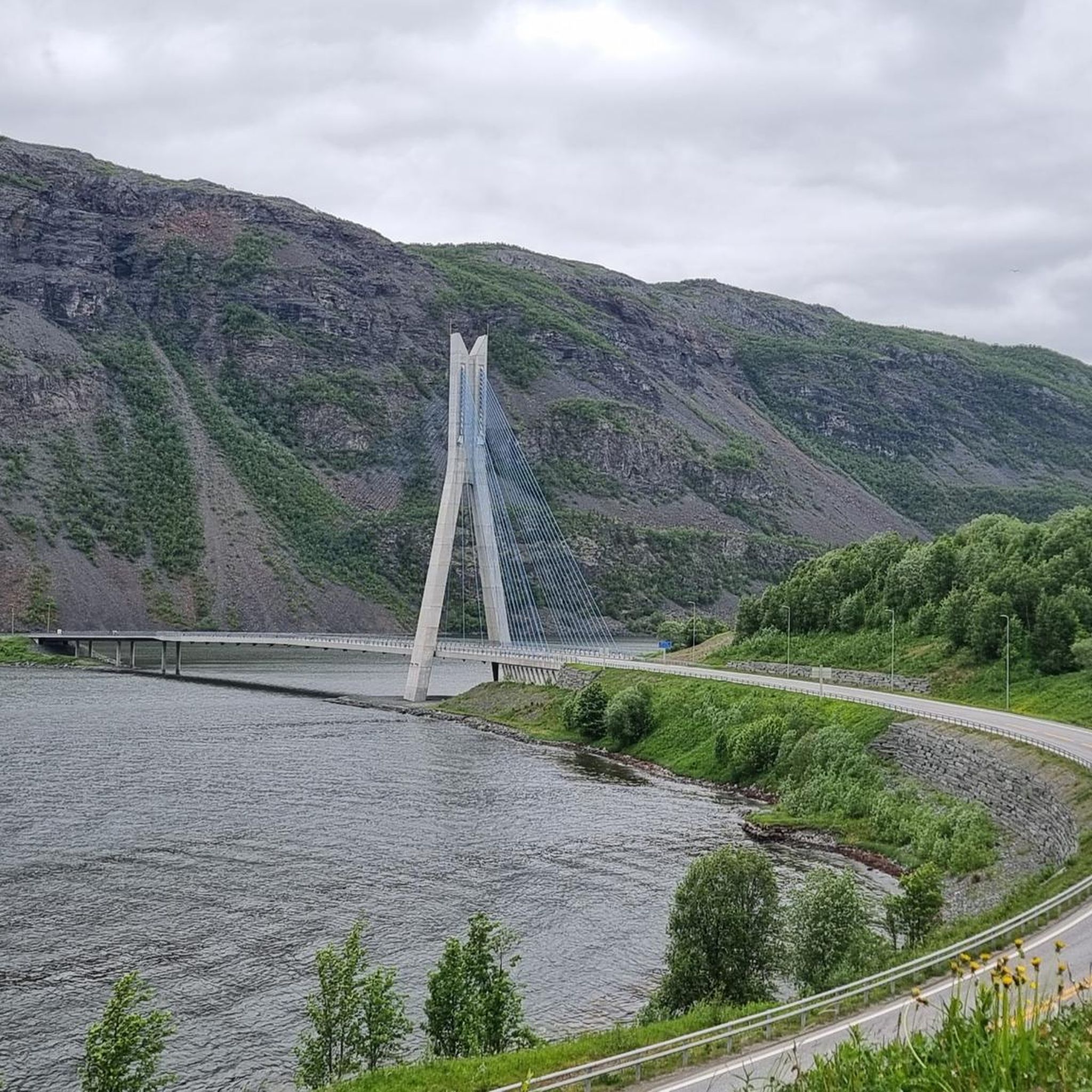
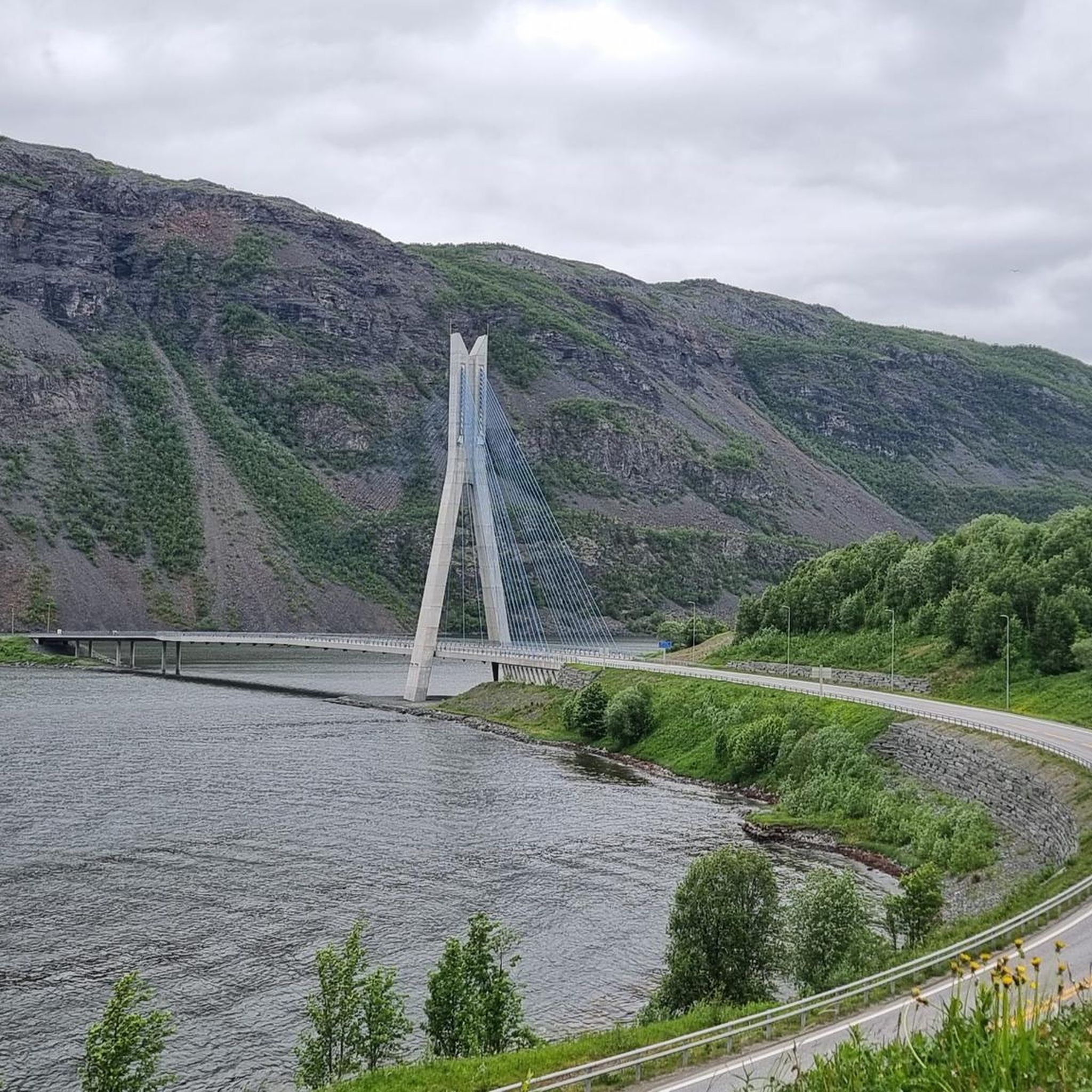
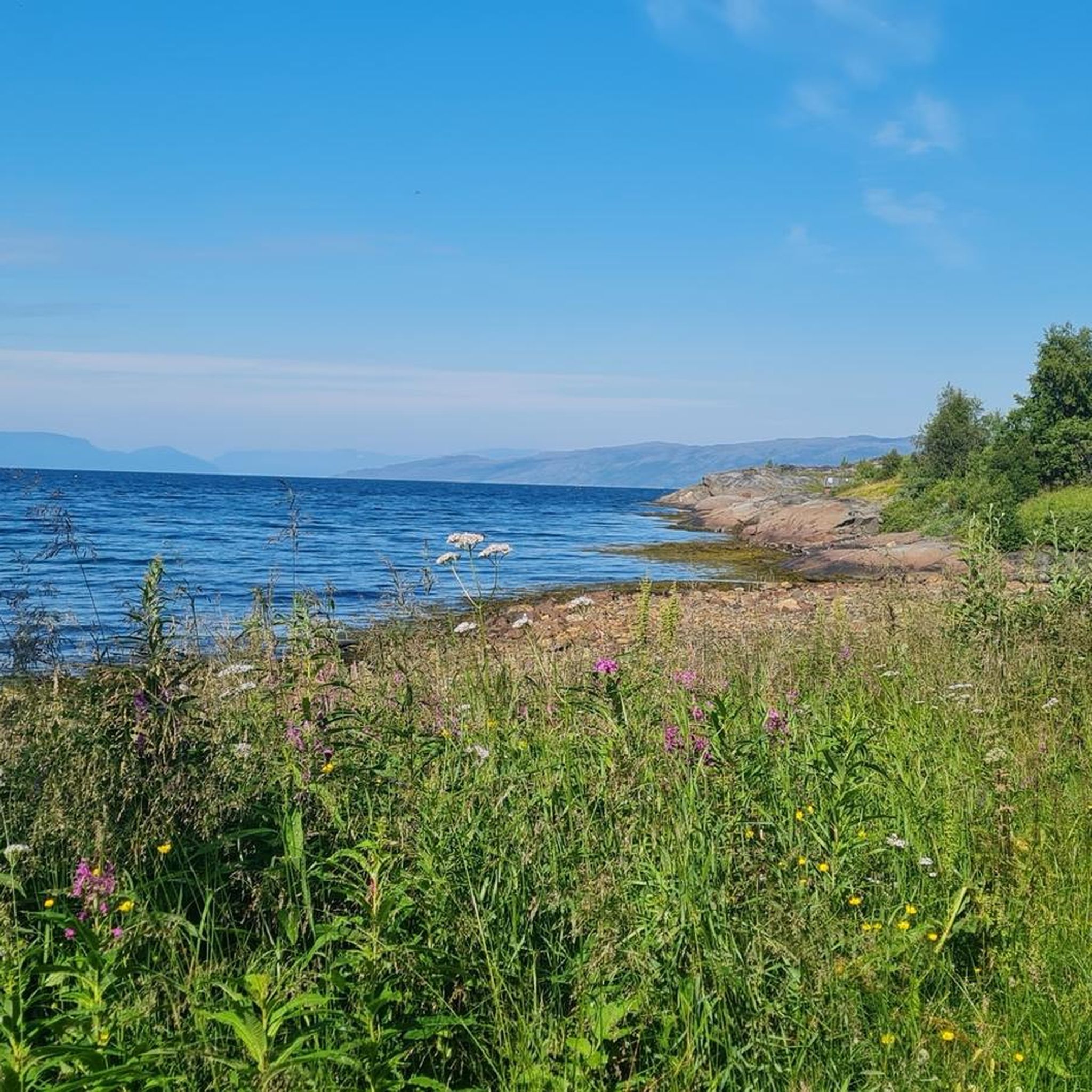


Tips from the Community

Partially, water crossing over snow bridges is possible. Definitely take a close look beforehand!
0
1

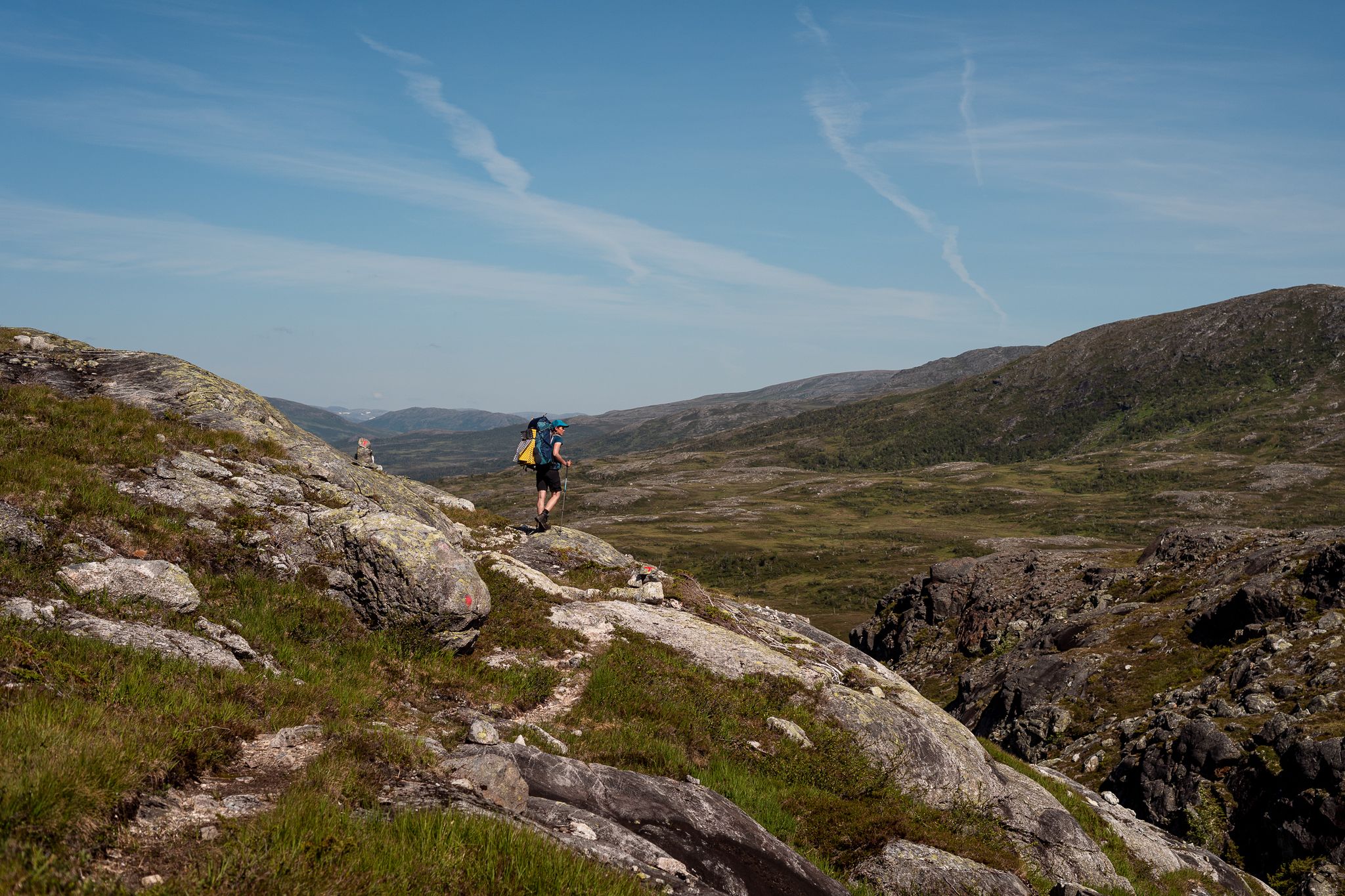
A beautiful hike with stunning scenery and several stream crossings and boardwalks over wetlands. Those who want to save the 7 km walk can drive up the gravel road. There's a parking lot at the top.
0
2

The rock paintings are located in and around the municipality of Alta in Finnmark county in northern Norway. Since the first carvings were discovered in 1973, more than 6,000 carvings have been found in several locations around Alta.
0
1

The rock art in Alta with thousands of paintings and carvings. A unique historical experience with the activities of a people who were hunters and gatherers in the Arctic region. The symbols and rituals are around 2000-7000 years old.
3
1
Some of the rock carvings, which are up to 6,000 years old, are marked in color, but otherwise you have to look closely because the outlines of the drawings have not been colored. The stone history book shows humans and animals in hunting situations and during rituals and social interactions.
2
1

Plan at least 3 hours for a visit
1
2
The rock paintings, which are between 2000 and 6200 years old, show the life of hunters and fishermen.
2
1

Very nice museum on the subject of petroglyphs.
1
2
Frequently Asked Questions
What are the most popular natural monuments to visit around Alta?
Among the most popular natural monuments around Alta are Alta Canyon, known as Northern Europe's largest canyon, and the Alta Rock Art – UNESCO World Heritage Site, which offers a unique glimpse into prehistoric life. Visitors also appreciate the scenic Orvvosfossen Waterfall, reached via a signposted path through a forest.
Are there family-friendly natural attractions in Alta?
Yes, Alta offers several family-friendly natural attractions. The Alta Rock Art – UNESCO World Heritage Site is suitable for families, featuring a 3 km pathway system to view the ancient carvings. The site also includes the Alta Museum, which provides further context and amenities. Komsatoppen, Alta's local mountain, is also an accessible option for families looking for panoramic views.
What historical natural monuments can I explore in Alta?
The primary historical natural monument in Alta is the Alta Rock Art – UNESCO World Heritage Site. This site features thousands of petroglyphs and pictographs created by hunter-gatherers between 7,000 and 2,000 years ago, offering invaluable insights into prehistoric Arctic life. The carvings depict hunting scenes, fishing, boats, and human figures, many of which have been painted red for better visibility.
What kind of outdoor activities can I do near Alta's natural monuments?
The natural monuments around Alta are excellent starting points for various outdoor activities. You can find numerous hiking trails, such as the moderate 12.7 km hike to Alta Canyon / Sautso or the easier 4 km trail to Orvvosfossen. There are also extensive MTB trails and running routes that allow you to explore the diverse Arctic landscape.
What unique geological features can be found in Alta?
Alta is home to several unique geological features. The most prominent is Alta Canyon, a dramatic 400-meter deep, 10-kilometer long canyon carved by the Alta River. Another interesting feature is Bubbelen Spring, where mineral-rich water bubbles directly from the mountain, forming a large pool. The region's landscape itself is shaped by ancient glacial activity and post-glacial land upheaval.
Is it possible to see the Northern Lights near Alta's natural monuments?
While not a physical monument, the Northern Lights (Aurora Borealis) are a spectacular natural phenomenon best viewed in Alta from September to March. Alta's location within the Arctic Circle and its clear, dark skies make it an ideal spot. You can often find optimal viewing spots away from light pollution in areas like the Alta River Valley, which is close to many natural monuments.
What should I know about visiting Alta Canyon?
Alta Canyon, also known as Sautso Canyon, is Northern Europe's largest canyon. Visitors can experience it through hiking, cycling, or traditional riverboat tours. There's a great hike to the canyon from a parking lot, involving crossing water on wooden boards and boardwalks over wetlands. For those who prefer a shorter walk, a gravel road leads to a parking lot closer to the top.
What is the best time of year to explore Alta's natural monuments?
The best time to explore Alta's natural monuments largely depends on your interests. For hiking and outdoor activities, late spring to early autumn (June to September) offers milder weather and long daylight hours. Autumn (September) is particularly beautiful for places like Orvvosfossen Waterfall due to the autumn colors. For witnessing the Northern Lights, the period from September to March is ideal.
Are there any natural monuments in Alta that offer panoramic views?
Yes, several natural monuments and locations around Alta provide excellent panoramic views. Alta Canyon offers awe-inspiring vistas into its depths. Komsatoppen, Alta's local mountain at 213 meters, provides expansive views of the Altafjord, the city, and the Arctic Ocean. The Alta Rock Art – UNESCO World Heritage Site also features stunning views of the Altafjord from its pathways and the museum café.
What do visitors enjoy most about the Alta Rock Art site?
Visitors to the Alta Rock Art – UNESCO World Heritage Site are fascinated by the unique historical experience it offers, providing a window into the lives of hunter-gatherers from 2,000 to 7,000 years ago. They appreciate how the rock carvings, depicting symbols and rituals, have stood the test of time. The site's integration with the Alta Museum and its beautiful views of the Altafjord also contribute to a memorable visit.
Can I drink the water from Bubbelen Spring?
Yes, the water from Bubbelen Spring is mineral-rich and suitable for drinking. The spring is notable for the force with which the water emerges directly from the mountain into a large pool. The short hike to reach it requires sturdy shoes and being reasonably sure-footed due to a steep ascent and descent.
Most popular attractions around Alta

Get inspired with the komoot mobile app


Explore more
Extend your search for the best caves by checking out these guides of the top ones around Alta:
