Top 20 Natural Monuments around Gent
Best natural monuments around Gent provide a variety of green spaces and natural features for outdoor activities. The region, situated between the Scheldt and Lys rivers, features expansive nature reserves, parks, and botanical gardens. These areas are recognized for their ecological value and recreational opportunities, offering a tranquil escape from urban environments. Gent's commitment to nature is evident in its numerous parks and domains, many maintained without pesticides.
Best natural monuments around Gent
- The most popular natural monuments is Aelmoeseneiebos…
Last updated: October 15, 2026
Damvallei Lake
Highlight (Segment) • Lake
Translated by Google •
Tip by

Aelmoeseneiebos Stream and Wooden Bridge
Highlight • Forest
It includes more than 60 tree species, including all native trees of Flanders, as well as a number of park trees.
It is currently …
Translated by Google •
Tip by
Sign up now to discover places like this
Get recommendations on the best single tracks, peaks, & plenty of other exciting outdoor places.
Peace Monument
Highlight • Monument
Translated by Google •
Tip by
Schouwbroek Castle
Highlight • Castle
Translated by Google •
Tip by

Nature Reserve De Putten
Highlight • Natural
The history of its origins has an industrial past, as the area was used for …
Translated by Google •
Tip by
Keuzemeersen
Highlight • Natural
Translated by Google •
Tip by

Saint Christiana Chapel and Spring
Highlight • Religious Site
Showing Translation
Tip by

The Silent Giant of Gentbrugge
Highlight • Natural Monument
Translated by Google •
Tip by

Wood Carvings in the Forest
Highlight • Structure
Translated by Google •
Tip by

Rosarium and Statue in Citadelpark Ghent
Highlight • Monument
Translated by Google •
Tip by
Sign up for free to discover even more natural monuments around Gent.
Already have an account?
Start today with a free account
Your next adventure awaits.
Popular around Gent
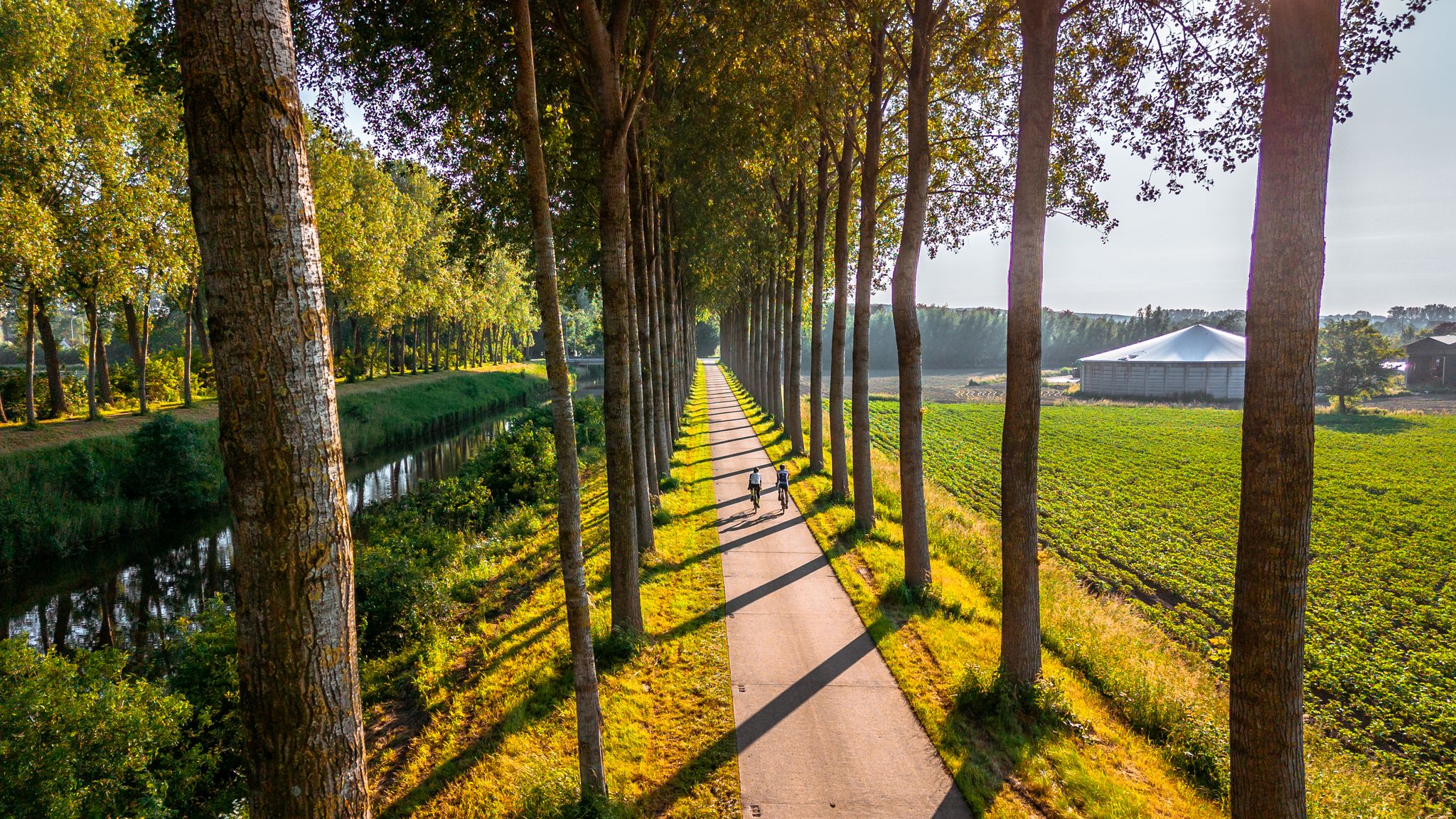
The six most beautiful cycling routes in East Flanders
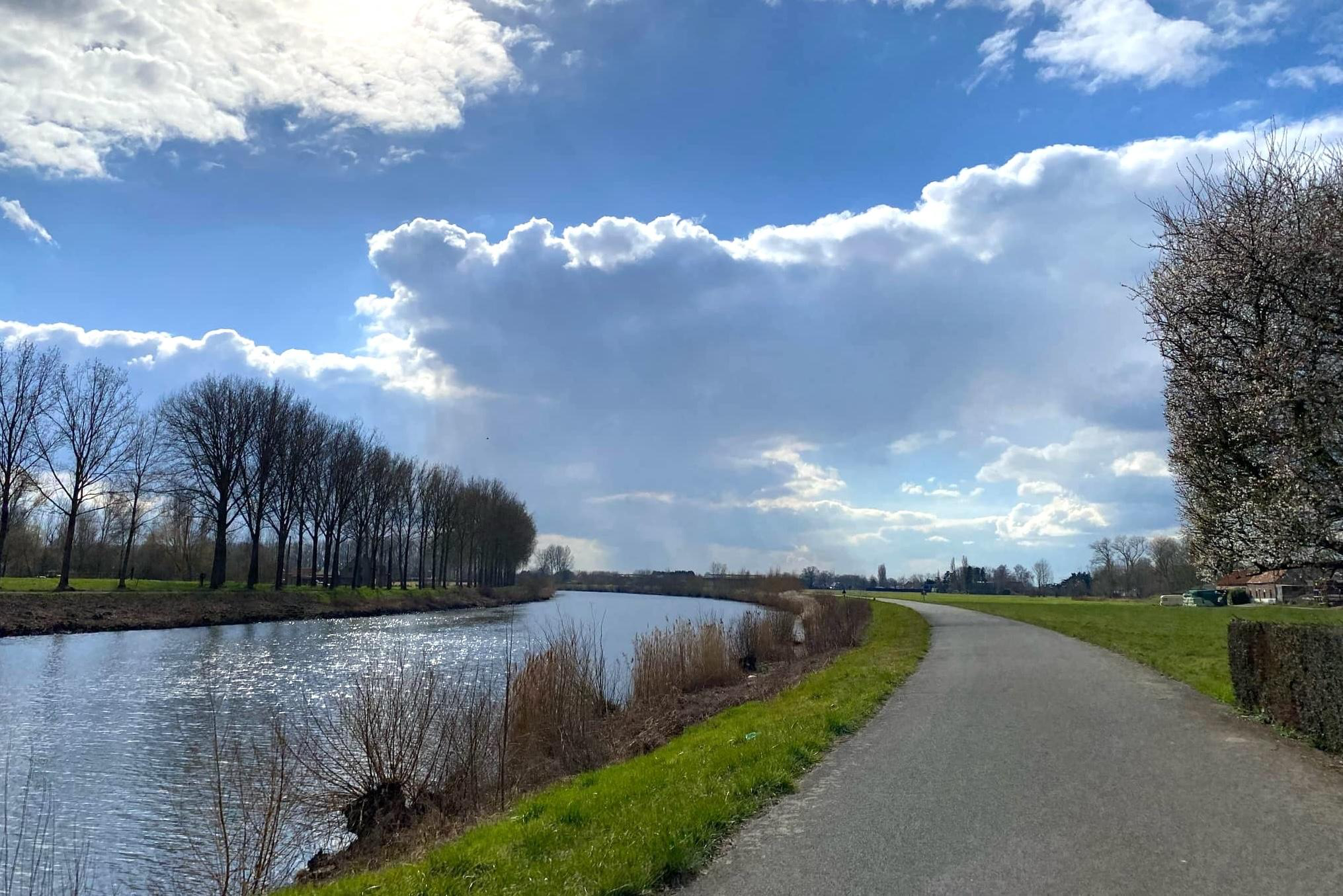
Three days of pure cycling pleasure from Spiere to Zandvliet – Schelderoute
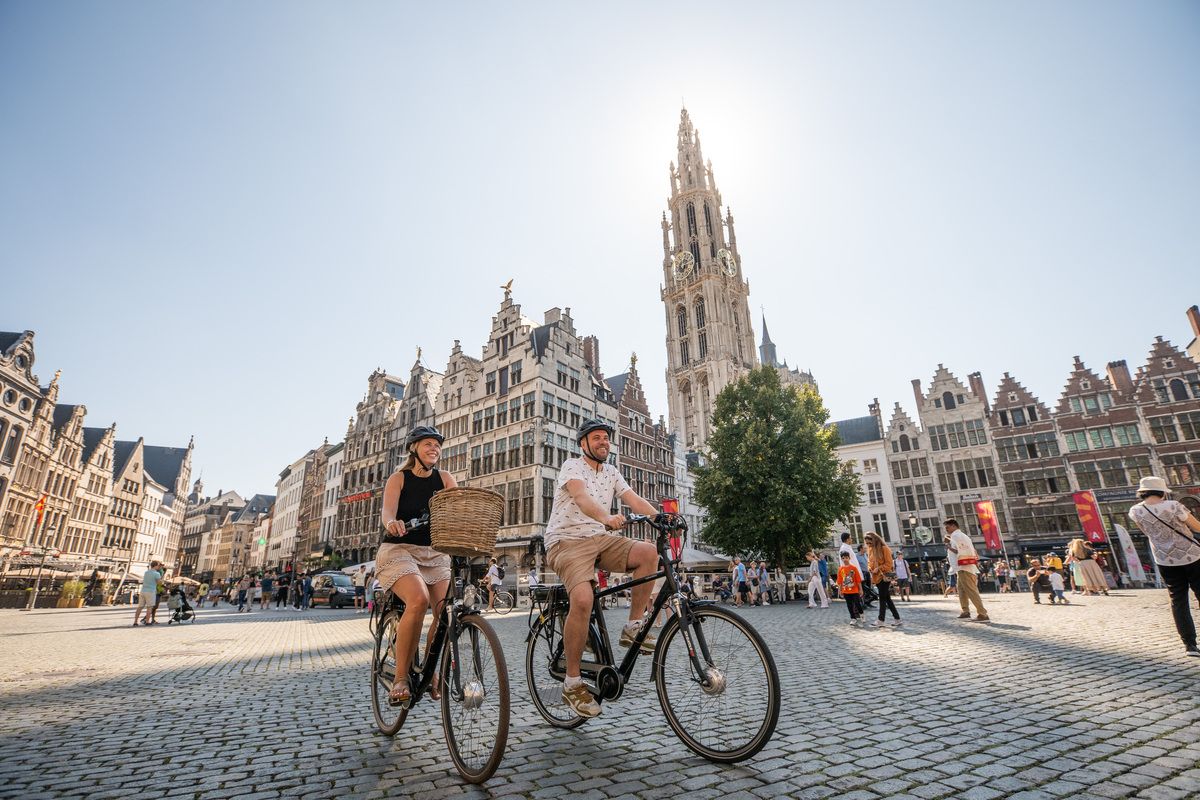
Flanders' Finest Cycle Routes: routes around the Flemish art cities
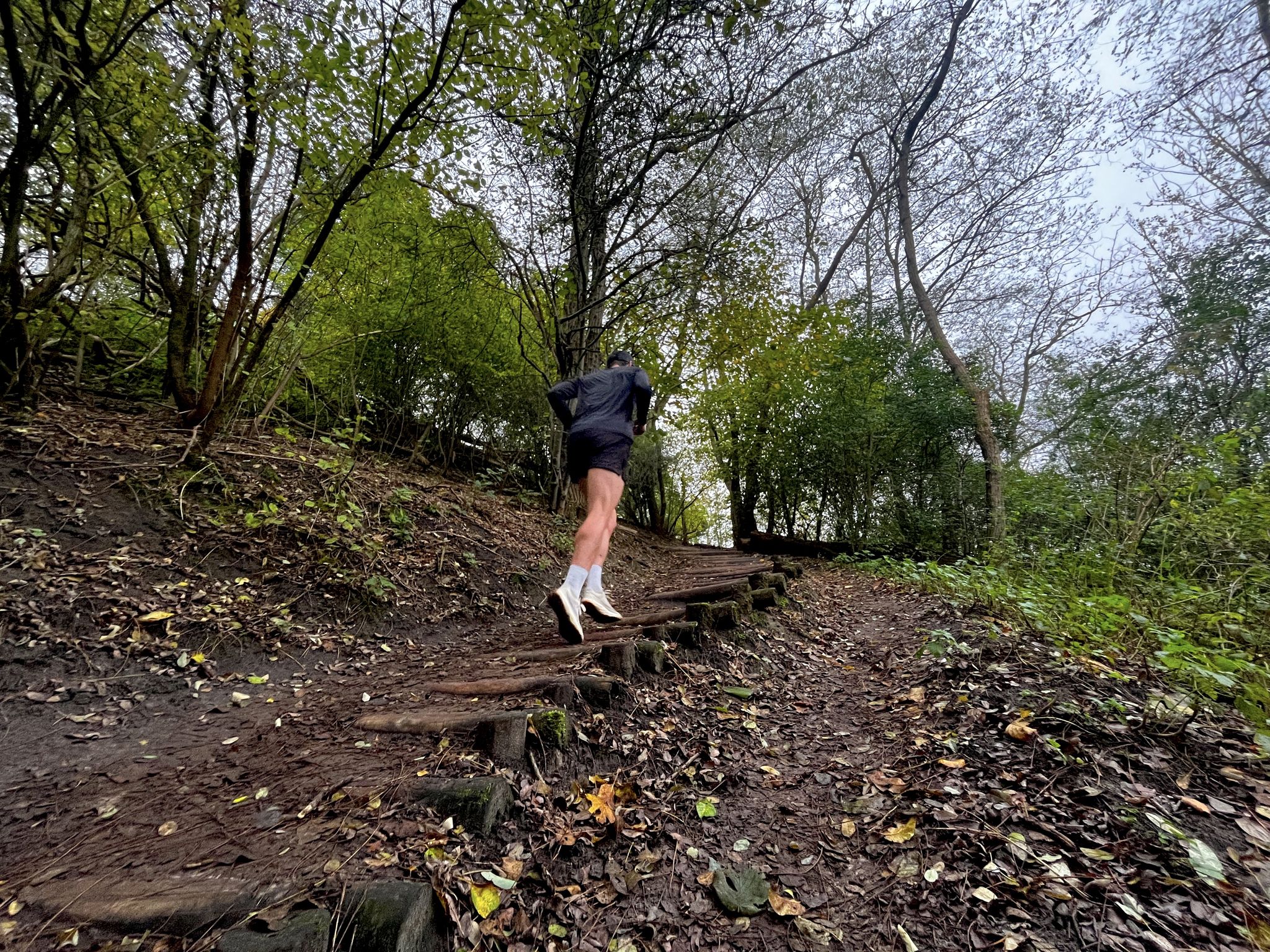
Between city and nature – running on the outskirts of Ghent
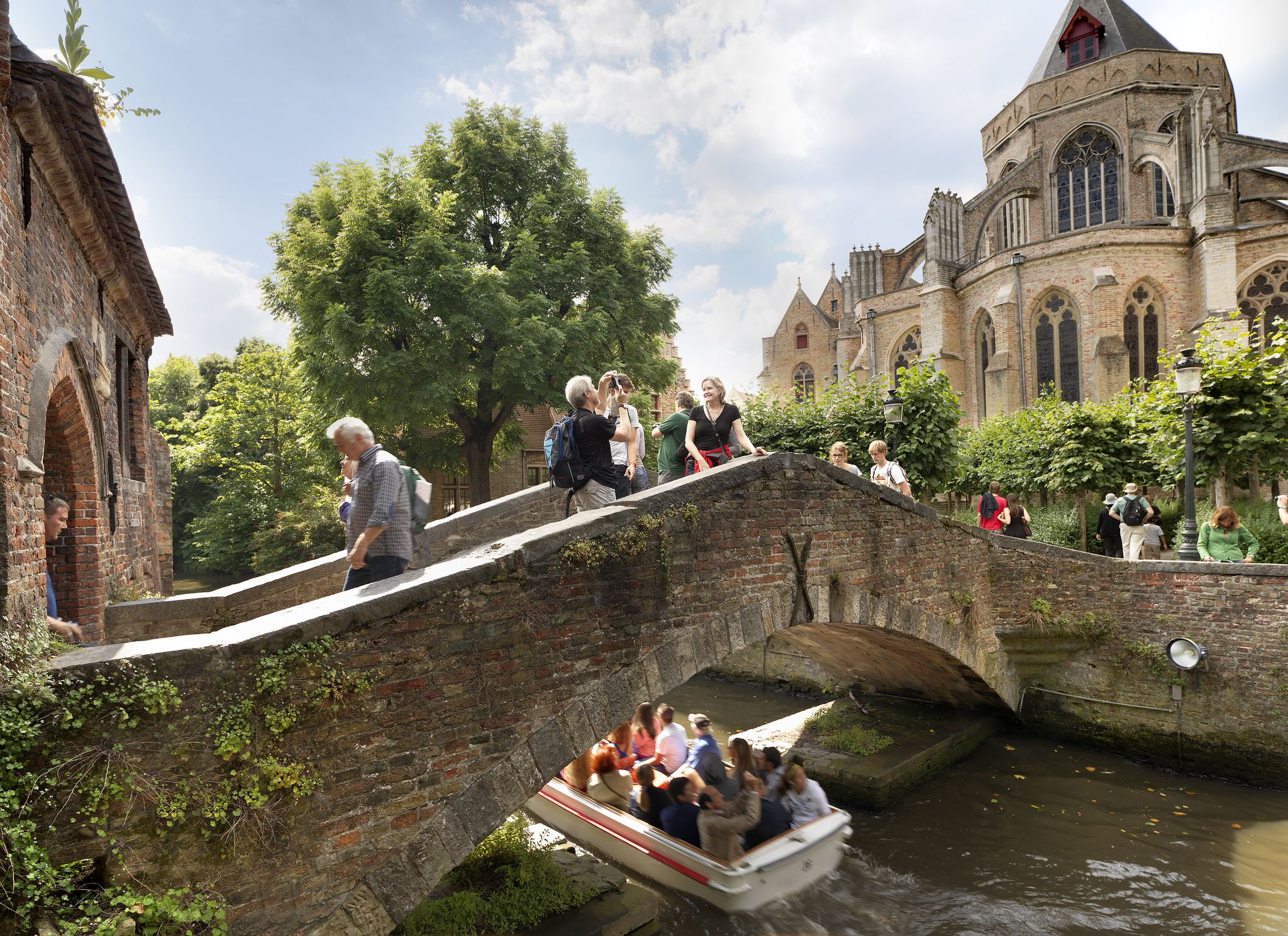
10,000 steps through Flanders' Art Cities
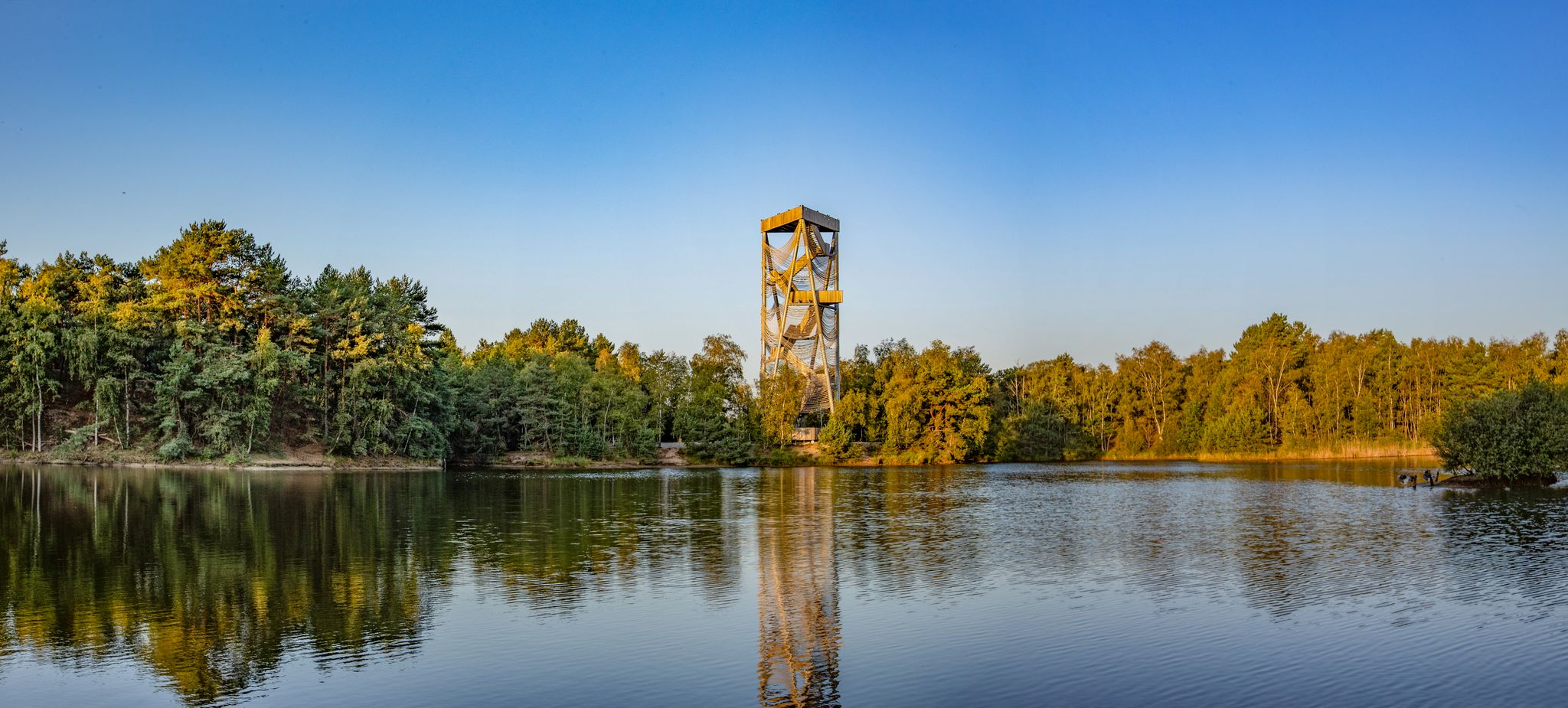
Art, culture and more – hiking in Belgium’s Flanders
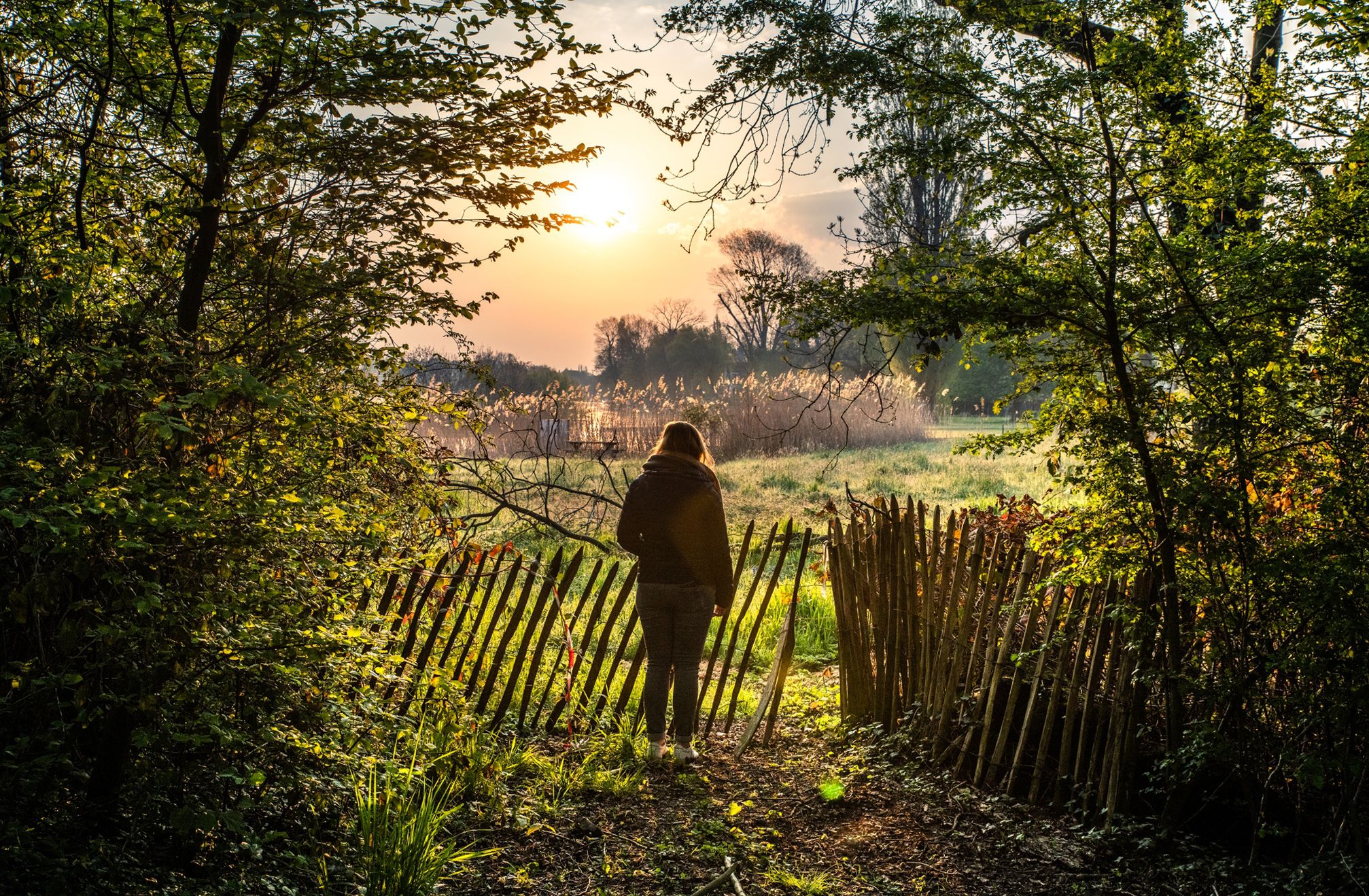
Waterside walks in Flanders
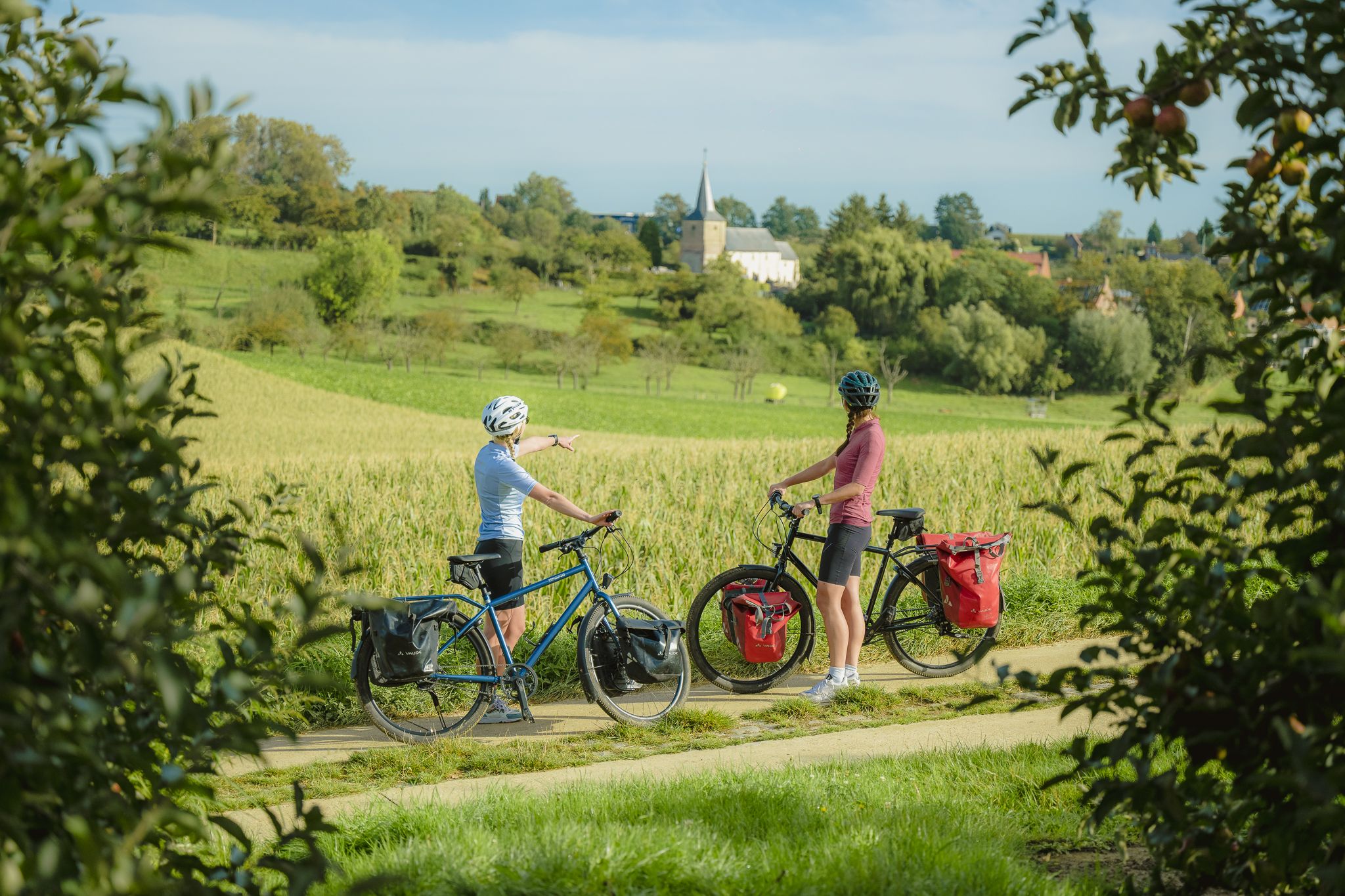
The best of Flanders — the Flanders Route
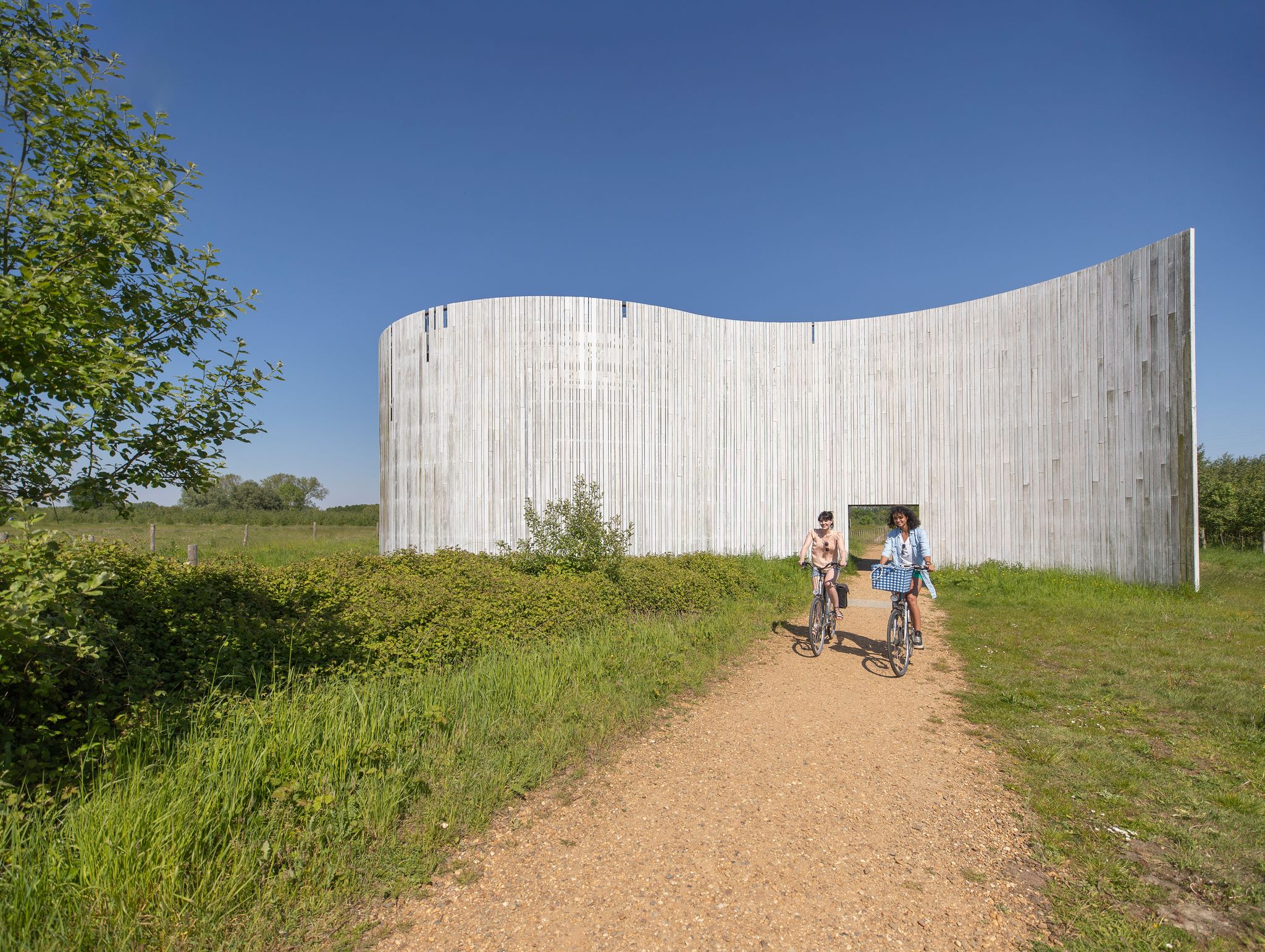
Flanders by bike – the Iconic Cultural Cycle Routes
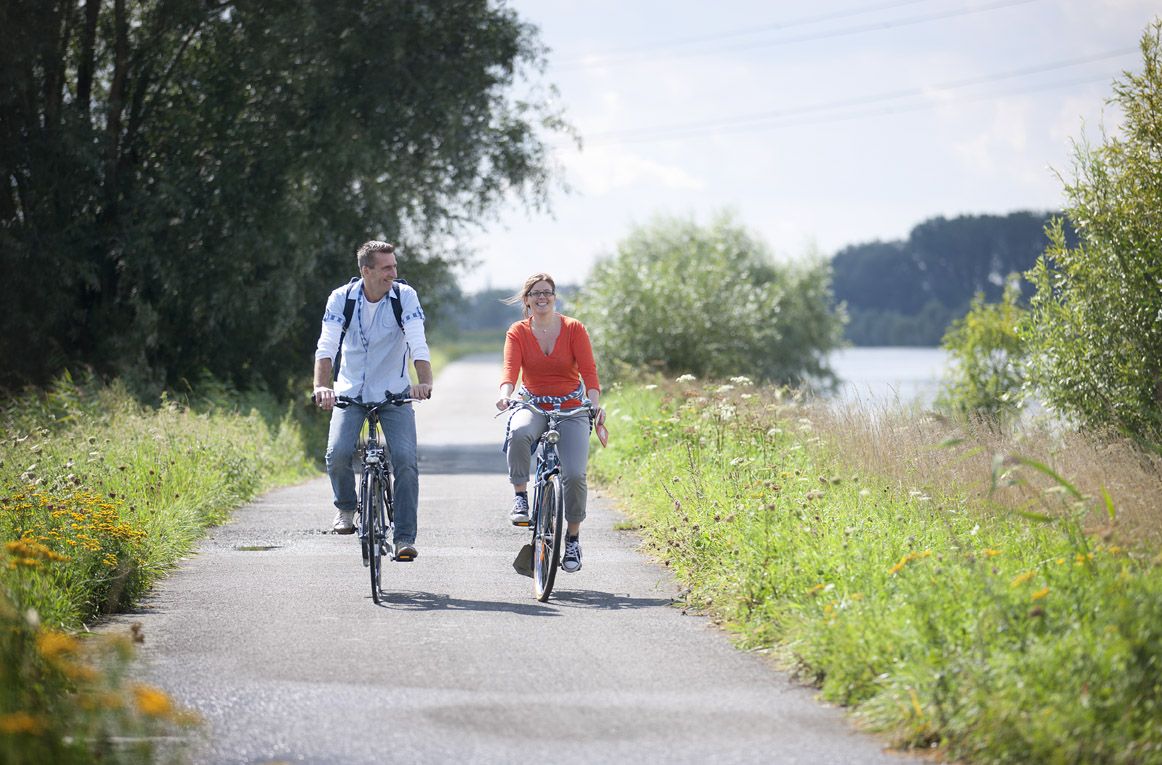
Flanders by bike: cycling along the water
Other adventures around Gent


Tips from the Community

Here is a smoother version with a bit more story, so the forester really comes to life when you encounter him on your hike: The Forester of Keigatbos – art with a story Deep in the Keigatbos stands a special forester. His imposing cloak, long beard, and small squirrel on his shoulder make him almost a character from a fairy tale. Yet, this is not an ancient forest legend, but a work of art with a special story. Ukrainian artist Irina Akimova began working on dead tree trunks in the forest during the coronavirus period. With her chainsaw, she transformed the rough wood into surprising forest figures, intended to provide hikers with a moment of wonder and comfort. But in October 2020, disaster struck: one of her earlier wood sculptures was brutally sawn off and stolen. Irina, however, did not let herself be discouraged. In response to the art theft, she created this new, monumental forester at the end of 2020. His symbolic task? To watch over the forest. The sculpture was carved directly from a sturdy tree trunk. The visible wood grain, the rough texture, and the natural surroundings make it seem as if the forester has always belonged here. So, if you are walking through the Keigatbos and suddenly see this wooden guardian: take a good look. Behind the artwork lies not only fine craftsmanship, but also a story of creativity, adversity, and resilience.
4
0

The Citadel Park was laid out in 1875, designed by H. Van Hulle, on the site of the citadel, which was built between 1819 and 1831. The landscaped park features numerous deciduous trees, lawns and flowerbeds, wide avenues, ponds, artificial grottoes, waterfalls, rose gardens, and a pergola. Some of the park's buildings include the Museum of Fine Arts, the Feest- en Floraliapaleis (Festival and Floralia Palace), the citadel's entrance gate, the open-air theater, and the animal shelter.
4
0

Please note: most of the images in the photos are not visible at the indicated location (now reported to Komoot), but in the adjacent Pastershuyzekensbos (see highlight of the same name).
4
0

Historically, the Keuzemeersen are a deposit area of the old Leie that meandered in a former flat valley. The Keuzemeersen are therefore located in a bend of the Leie as well as further downstream on the left bank of the Leie, where the typical meadow landscape has been preserved: small meadow plots with pollard willows, a riverbank and a fine-meshed network of ditches with associated fauna and flora. An adjustable weir regulates the water level of the central meadows. The Keuzemeersen are located near a place that is historically described as Keuze. These meadows are part of a whole of connected areas that contain the word "meers" as a name, including the Latemse Meersen, the Beelaertmeersen, the Blaarmeersen and the Bourgoyen-Ossemeersen.
4
0

Beautiful place at the Bron with the chapel of Saint Christiana
1
1

The Christiana springs, from which waters and lemonades are still made, are also on your path, an authentic regional product and business. http://www.christiana.be/ Against the wall of the 'rock' you will find the spring above which the warehouse and house were built, and where spring water is still pumped up daily, purified and bottled.
2
0

The Aelmoeseneiebos (or Aalmoezenijebos) is a nature reserve on the territory of the municipalities of Melle (Gontrode) and Oosterzele (Landskouter). The forest is 28.5 hectares in size and is owned by the University of Ghent. The forest area is now managed by the university Lab for Forest & Nature. The railway line Ghent-Geraardsbergen divides the forest in two. The Aelmoeseneiebos is an old forest area that already appeared on the Ferraris map in 1775. The forest was owned by the Saint Bavo's Abbey of Ghent for centuries. During the French period (1794-1815) it was transferred to the public poor relief of the city of Ghent. In 1967-1968 the Belgian State bought the forest so that the University of Ghent could use it as a test forest. The most important tree species are summer oak and beech, with ash and maple in the stream valleys. The Aelmoeseneiebos is known for its spring flora such as wood anemone, slender primrose, yellow dead-nettle and small periwinkle. During the First World War, the forest was largely cut down but replanted in 1920. Adjacent to the western part of the Aelmoeseneiebos, 10 hectares of plots of land belonging to Natuurpunt, Oosterzele department, are located in the valley of the Gondebeek. With the 'Rodeland landscape project' [1], the aim is to connect the Aelmoeseneiebos with the Makegemse forests through afforestation in the valleys of the Gondebeek, Kerkesbeek and Driesbeek[2][3]. In 2021, 5 amphibian tunnels were constructed in the Gondebeek valley[4]. Inventories and research in the Aelmoeseneiebos found 1329 different species: including 64 tree and shrub species and 599 species of invertebrates. The Aelmoeseneiebos is protected in Europe as part of the Natura 2000 area (habitat directive area) 'Forests of the south-east of the Zandleemstreek' (BE2300044). The forest is freely accessible on the footpaths.
1
0
Frequently Asked Questions
What are some of the most popular natural monuments around Gent for walking and nature observation?
For nature walks and bird spotting, Damvallei Lake is highly recommended. It's a low moor ecosystem with marked walking routes past moist hay meadows and peat pits. Another excellent choice is the Aelmoeseneiebos Stream and Wooden Bridge, an arboretum featuring over 60 tree species, freely accessible for walkers.
Are there family-friendly natural monuments in the Gent area?
Yes, several natural monuments are suitable for families. Both Damvallei Lake and Aelmoeseneiebos Stream and Wooden Bridge are categorized as family-friendly. Additionally, the Peace Monument offers a unique climbing experience and wide views that children might enjoy.
Where can I find good viewpoints or scenic natural features around Gent?
The Peace Monument in the Groenpool Gentbrugse Meersen is a steel structure with wooden planking that can be climbed, offering wide views of the surrounding Meersen landscape. For natural vistas, the Keuzemeersen nature reserve, with its wet grasslands and pollarded willows, provides picturesque river views.
What kind of wildlife can I expect to see in Gent's natural areas?
Many of Gent's natural areas are excellent for wildlife spotting. Damvallei Lake is known as a prime spot for bird migrations, and its muddy banks attract reed and swamp vegetation with dragonflies, frogs, and salamanders. In Nature Reserve De Putten, you might spot uncommon bird species like the Oriole and the Lesser Spotted Woodpecker. The Keuzemeersen are home to shovelers, yellow wagtails, reed buntings, and lapwings.
Are there any historical sites or unique landmarks among the natural monuments?
Yes, the Peace Monument is a man-made landmark within a natural setting, offering historical context and a viewpoint. While not strictly a natural monument, Schouwbroek Castle is listed as a historical site and natural monument, blending history with nature. The Saint Christiana Chapel and Spring also combines religious history with a natural spring.
What outdoor activities, besides walking, can I do near these natural monuments?
The region around Gent offers a variety of outdoor activities. For easy hikes, you can explore routes like the 'Old Kalevallei hiking route' or the 'Doornhammeke Route' which are part of the Easy hikes around Gent guide. If you enjoy running, the 'Loop in the Bourgoyen' or 'Running along the Lys' are popular options from the Running Trails around Gent guide. For cycling, consider gravel biking routes such as the 'Gentbrugse Meersen and Schelderoute Loop' found in the Gravel biking around Gent guide.
What is the best time of year to visit the natural monuments around Gent?
The natural monuments around Gent can be enjoyed year-round. Spring and summer offer lush greenery, blooming flora, and active wildlife, making them ideal for walks and picnics. Autumn brings beautiful foliage, while winter provides a serene, quiet atmosphere for crisp walks, especially in areas like the Aelmoeseneiebos. Many areas, like Bourgoyen-Ossemeersen, are particularly renowned for bird migrations, which can be observed during specific seasons.
Are the natural monuments around Gent accessible by public transport?
Many of Ghent's green spaces and natural areas are well-integrated with the city's public transport network. For instance, Blaarmeersen Sports and Recreation Park is easily accessible from the city center. While specific public transport details for each individual natural monument might vary, Ghent's commitment to nature means many areas are reachable, often with a short walk from a bus or tram stop. It's advisable to check local transport schedules for specific destinations.
Are dogs allowed on the trails and in the natural monuments?
Generally, many natural areas around Gent are dog-friendly, especially on marked trails, provided dogs are kept on a leash. However, specific rules can vary by reserve or park, particularly in sensitive ecological areas where wildlife might be disturbed. It's always best to look for signage at the entrance of each natural monument to confirm their specific dog policies.
Are there any hidden natural gems or lesser-known spots worth exploring?
Beyond the more prominent sites, Ghent offers several charming, smaller green spaces. Muinkpark is known for its tranquility and impressive trees, being a remnant of the 19th-century Ghent zoo. Other spots like Appelbrugparkje and Baudelohof offer peaceful retreats. The Nature Reserve De Putten, with its mosaic of moist meadows and swamp forests, also offers a unique, less-trafficked experience.
What facilities are available near the natural monuments, such as cafes or restrooms?
While specific facilities vary, larger recreational areas like Blaarmeersen Sports and Recreation Park are well-equipped with amenities, including restrooms and potentially cafes or kiosks. Citadelpark, being centrally located, is close to city amenities. For other natural monuments, especially those further from the city center, it's a good idea to plan ahead, as facilities might be limited to what's available in nearby villages or towns.
Most popular routes around Gent
Most popular attractions around Gent

Get inspired with the komoot mobile app


Didn’t find what you were looking for?
Find even more amazing natural monuments around Gent by checking out the top Highlights region by region:
Explore more
Extend your search for the best caves by checking out these guides of the top ones around Gent:
