Top 8 Natural Monuments around Caorle
Best natural monuments around Caorle include a diverse range of natural attractions along the Northern Adriatic Coast. The region features extensive wetlands, coastal dunes, and river ecosystems. Caorle's landscape offers a blend of ecological richness and unique natural formations. These sites provide opportunities for nature exploration and appreciation of the area's biodiversity.
Best natural monuments around Caorle
- The most popular natural monuments is Tagliamento River Mouth, a river that offers a place for a break on the shore. It…
Last updated: August 8, 2026
Tagliamento River Mouth
Highlight • River
Translated by Google •
Tip by

Vallevecchia Nature Reserve
Highlight • Natural Monument
Translated by Google •
Tip by

Sign up now to discover places like this
Get recommendations on the best single tracks, peaks, & plenty of other exciting outdoor places.
Sign up for free
Villanova Oak (national monument)
Highlight • Natural Monument
Translated by Google •
Tip by

Observation Tower at Brussa Wetlands
Highlight • Monument
Translated by Google •
Tip by

Stella River on the FVG2 Cycle Route
Highlight • River
Translated by Google •
Tip by

Sign up for free to discover even more natural monuments around Caorle.
Sign up for free
Already have an account?
Start today with a free account
Your next adventure awaits.
Login or Signup



Tips from the Community

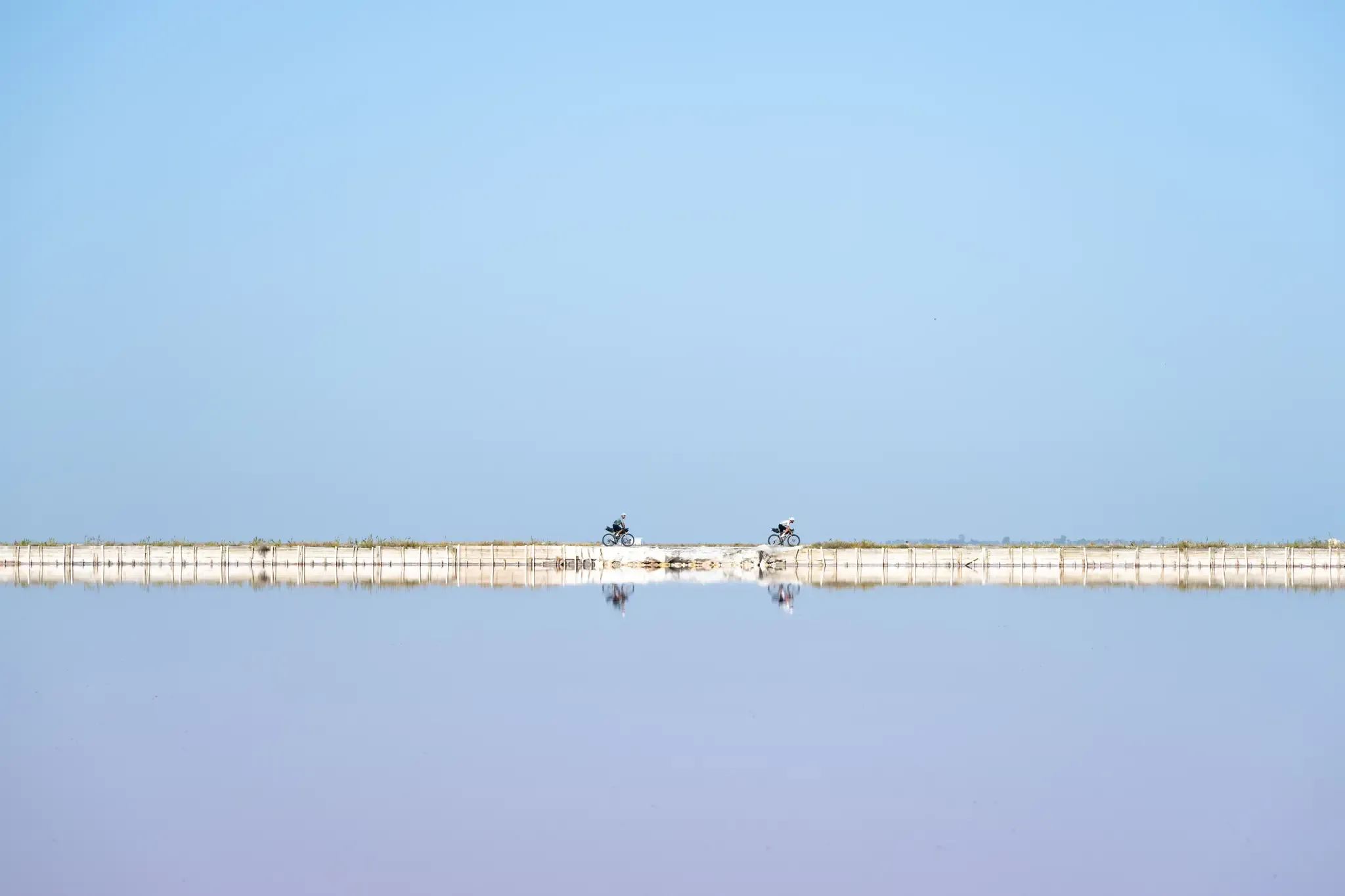
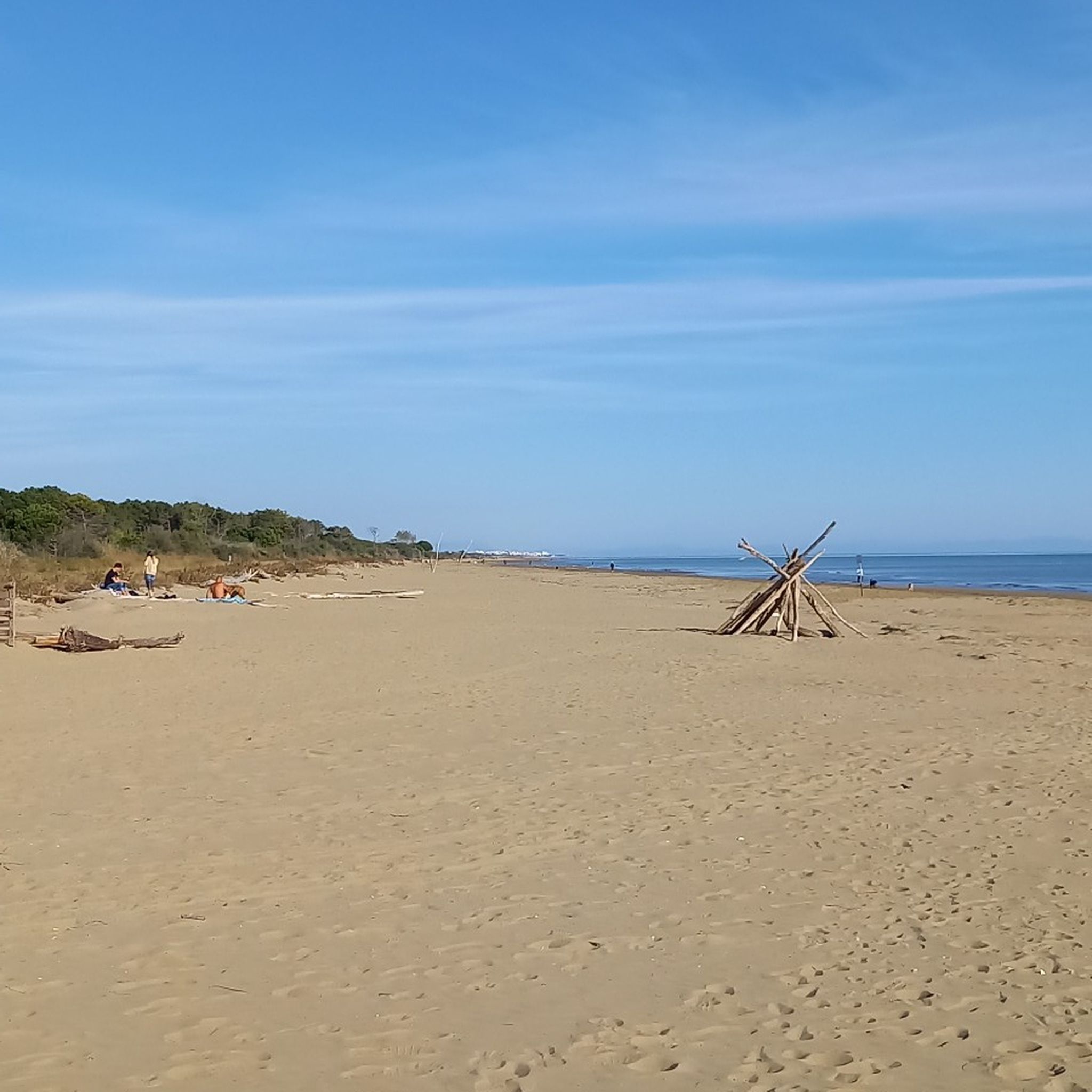
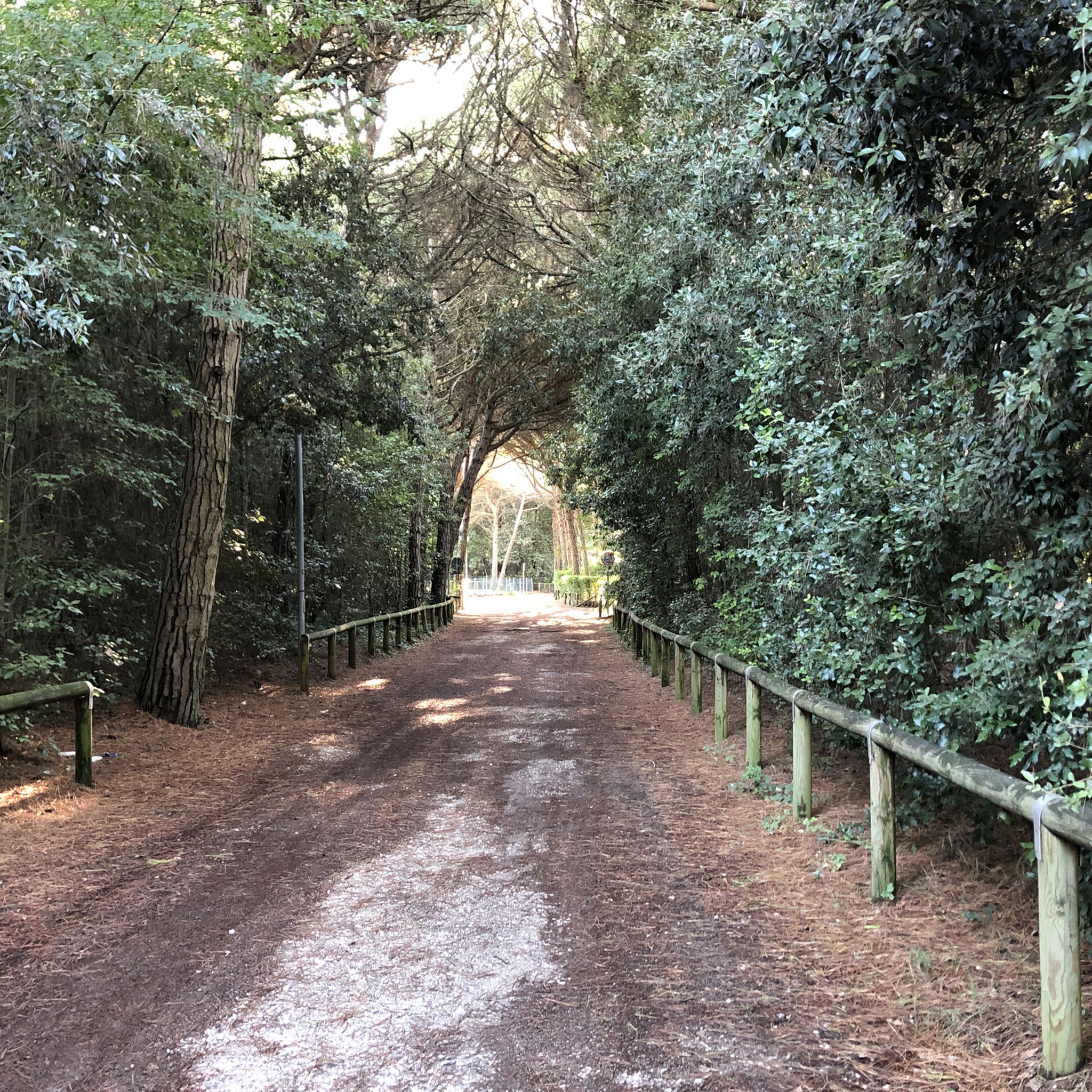
A true natural paradise, one of the last remaining areas with wetlands. Well-maintained forest paths, country lanes, gravel roads, and paved sections, as well as stretches along the dikes, invite you to cycle. Tip: visit while it is still so natural.
0
0

A great way to observe nature. With binoculars you can easily spot the different bird species. A must for bird lovers.
2
0

In the panorama on the cutting
1
2
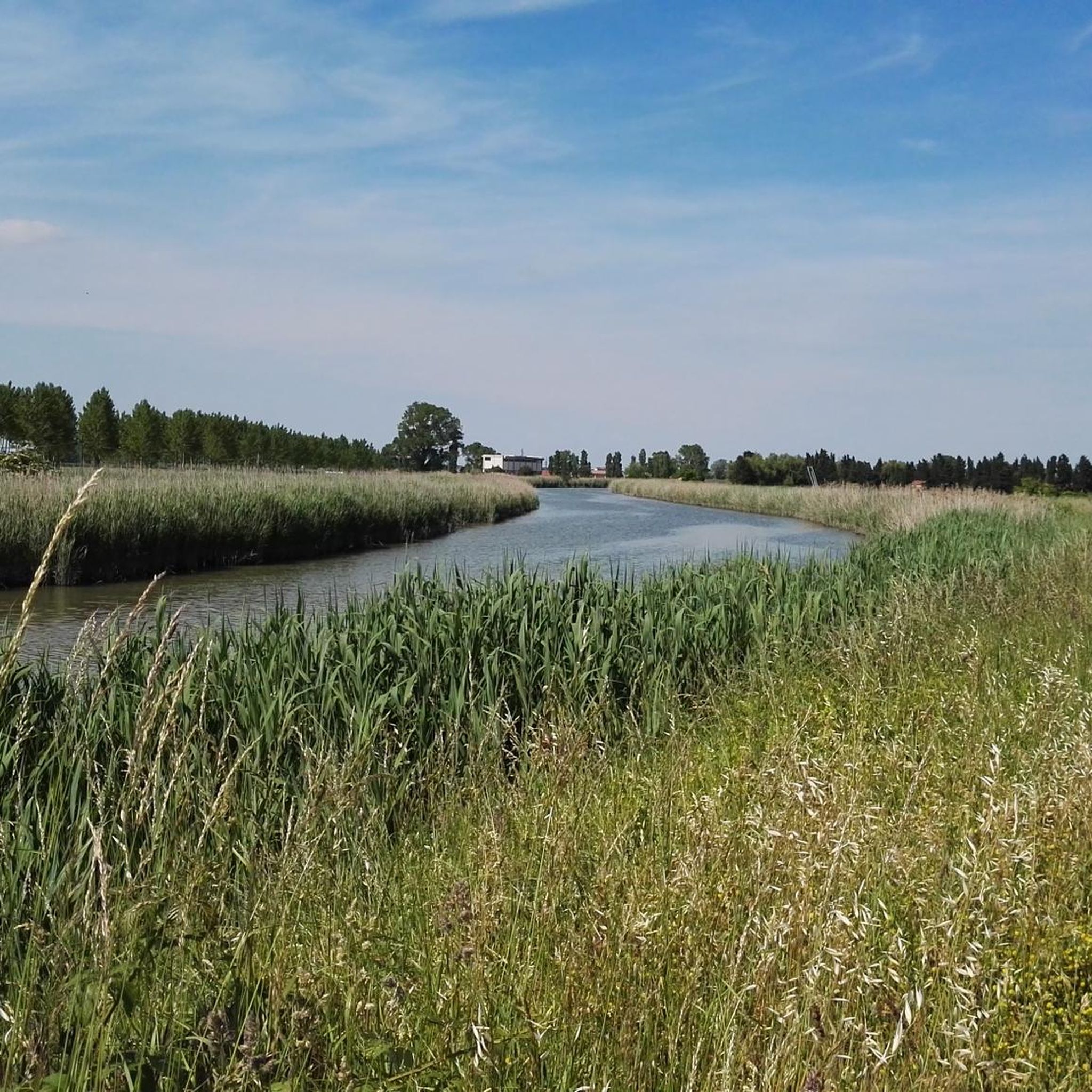
Beautiful mouth between the Adriatic and the Tagliamento
2
0
It is incredible how the Tagliamento develops from the Val Canale to the river mouth in the Adriatic.
4
0

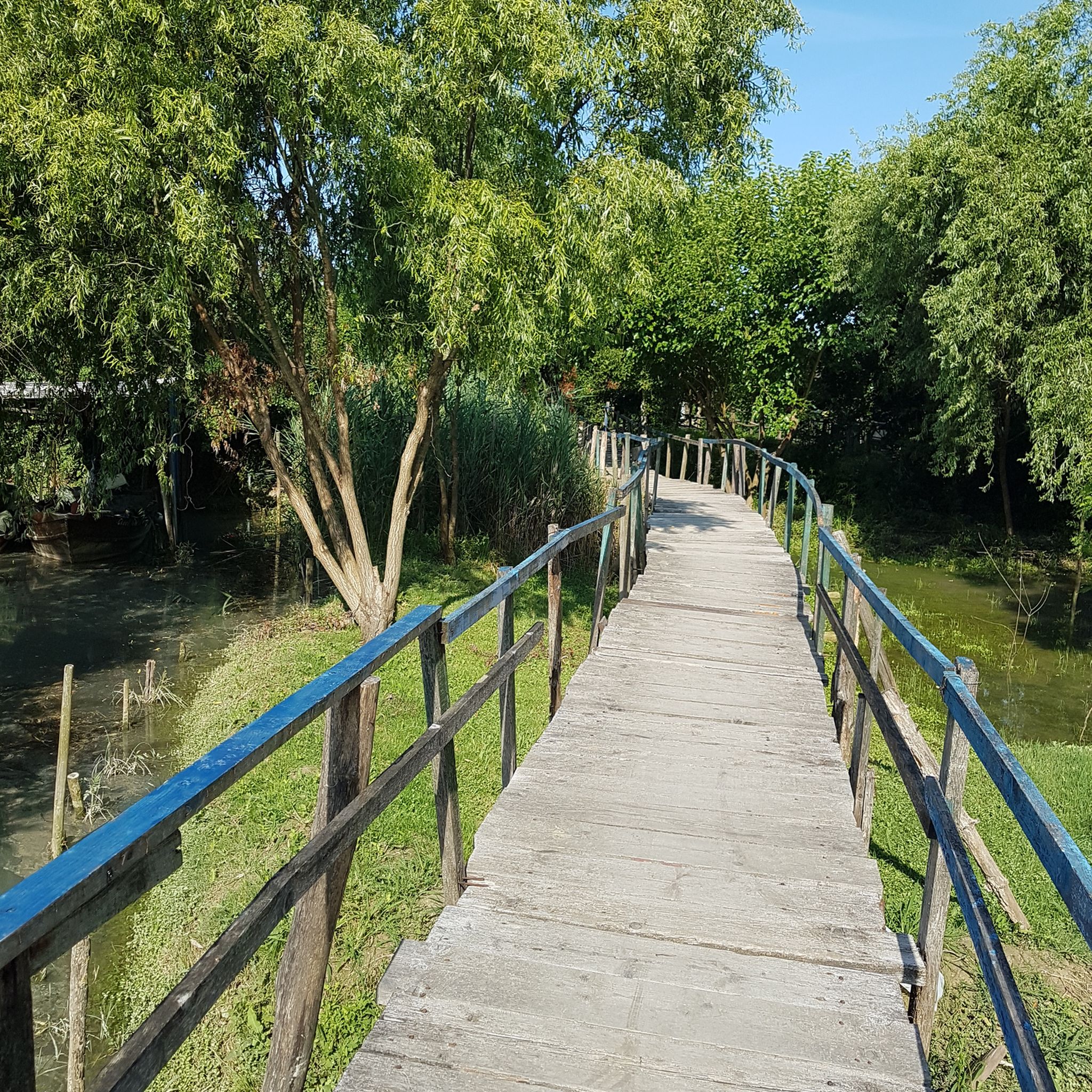
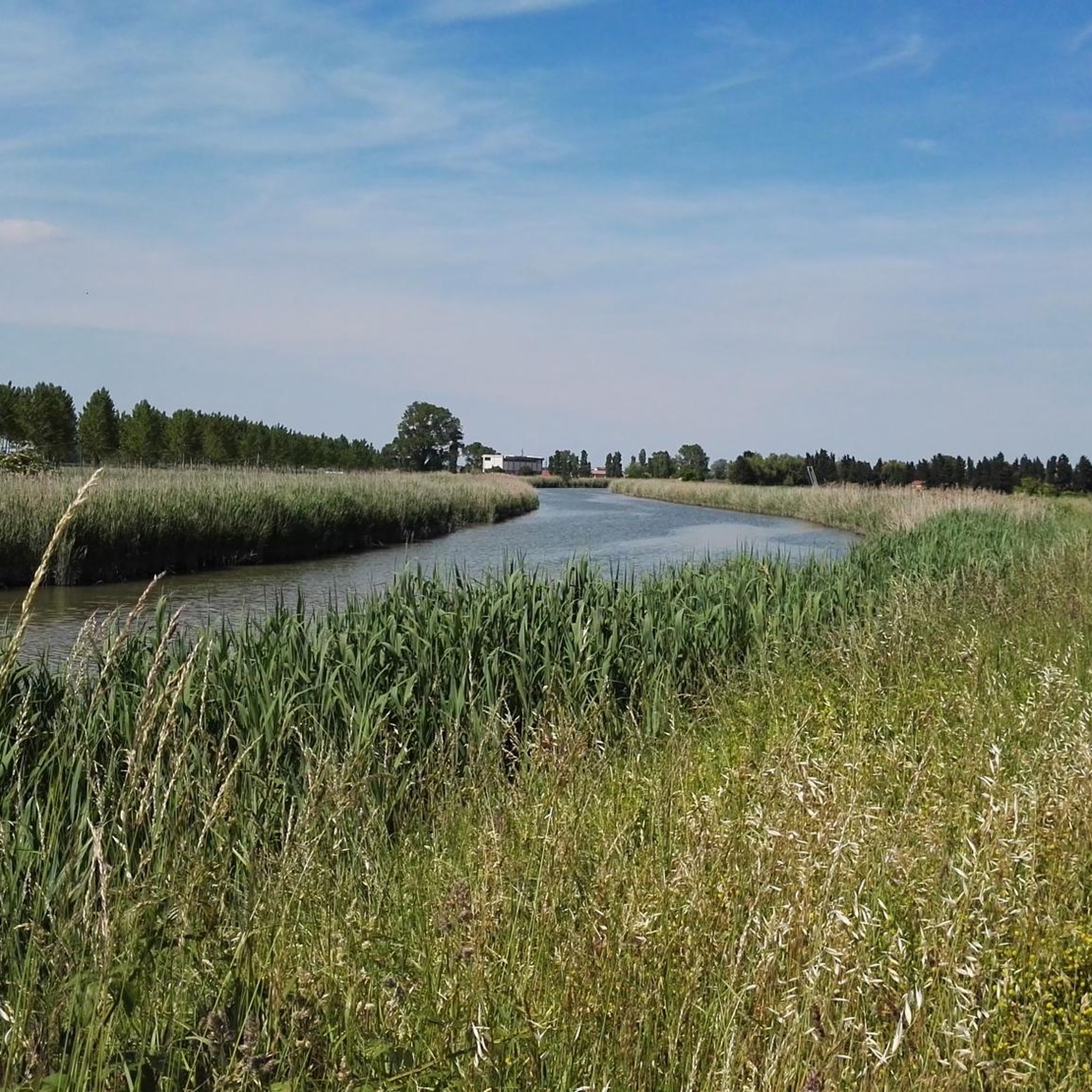
Navigable river, enter the peace and tranquility of the Stella River Regional Nature Reserve. With the boat excursions on the Stella river organized by various local shipping companies you will be able to enter a unique and spectacular natural environment ideal for birdwatchers, you may be lucky enough to spot marsh harriers, mute swans, purple, gray and white herons .
2
0

Very nice to drive just great
2
0
Nice place for a break
6
0
Frequently Asked Questions
What kind of natural monuments can I explore around Caorle?
Caorle offers a diverse range of natural monuments, from extensive wetlands and coastal dunes to river ecosystems and ancient trees. You can find pristine wild beaches, lush pine forests, and unique lagoon environments. Highlights include the Vallevecchia Nature Reserve, known for its complex ecosystems and sandy beach, and the Tagliamento River Mouth, a great spot for a break on the shore.
Are there family-friendly natural monuments in the Caorle area?
Yes, many natural monuments around Caorle are suitable for families. The Vallevecchia Nature Reserve offers well-marked trails for walking and cycling, and its Environmental Museum provides interactive exhibits. The Observation Tower at Brussa Wetlands is easily accessible and perfect for birdwatching with children. Even the ancient Villanova Oak, a centuries-old tree, offers a unique historical natural experience for all ages.
What kind of wildlife can I expect to see at Caorle's natural monuments?
The natural monuments around Caorle are rich in biodiversity. The Vallevecchia Natural Oasis is a haven for diverse flora and fauna, making it an excellent spot for birdwatching, with numerous species residing there. The Caorle Lagoon, particularly the Valle Granda basin, hosts a full complement of wetland birds and vegetation. Along the Stella River, you might spot marsh harriers, mute swans, and various herons during boat excursions.
Can I go cycling or hiking near these natural monuments?
Absolutely! The region is excellent for outdoor activities. The Vallevecchia Nature Reserve has well-marked trails for both walking and cycling. The Caorle Lagoon also features walking and cycling paths. For more structured routes, you can explore various options like the MTB Trails around Caorle or Gravel biking around Caorle, which often pass through or near these natural areas.
What is the best time of year to visit the natural monuments around Caorle?
While every season offers something unique, many visitors suggest avoiding the peak summer months for extensive walks or rides due to heat. Spring and autumn are ideal for exploring the natural monuments, offering pleasant temperatures for outdoor activities like birdwatching and cycling. Winter can also be beautiful for tranquil visits, especially for observing migratory birds.
Are there any unique cultural or historical aspects linked to Caorle's natural sites?
Yes, Caorle's natural sites are intertwined with local history and culture. The Caorle Lagoon is famous for its 'casoni,' traditional fishermen's huts made from wood and marsh reeds, which have been used for centuries. The Villanova Oak is a sacred tree with a history spanning centuries, where local meetings were once held. Additionally, the 'Living Rocks' (Scogliera Viva) along the seafront blend art with the natural coastal landscape, featuring ongoing carvings by international artists.
Is it possible to access these natural monuments by public transport?
While specific public transport routes directly to all natural monuments might be limited, Caorle itself is well-connected. For destinations like Vallevecchia, it's often recommended to travel by car or bicycle, as direct public transport options might not reach the heart of the reserve. However, local buses can get you to areas from which you can cycle or walk to some sites.
Are the natural monuments around Caorle dog-friendly?
Many natural areas around Caorle, including parts of the Vallevecchia Nature Reserve, are generally dog-friendly, especially on trails and paths, provided dogs are kept on a leash and owners clean up after them. However, specific rules can vary, particularly in protected areas or on certain beaches, so it's always best to check local signage or regulations for the specific monument you plan to visit.
Where can I find places to eat or stay near the natural monuments?
Caorle and its surrounding towns offer numerous cafes, restaurants, and accommodation options. While direct facilities within the natural monuments themselves are rare (except for the Environmental Museum in Vallevecchia), you'll find plenty of choices in nearby villages and along the coast. For example, after exploring the Caorle Lagoon, you can easily find dining in Caorle's historic center.
How long should I allocate to visit a natural monument like Vallevecchia?
The time needed depends on your interests. For a casual walk or bike ride through a portion of the Vallevecchia Nature Reserve and a visit to its Environmental Museum, a few hours might suffice. If you plan to explore extensively, engage in birdwatching, or spend time on the wild beach, you could easily dedicate half a day or even a full day to the area.
What are the 'casoni' in the Caorle Lagoon?
The 'casoni' are traditional fishermen's huts found within the Caorle Lagoon. These unique structures are made from wood and marsh reeds and have served as shelters for fishermen for centuries. They are a distinctive feature of the lagoon's landscape and offer a glimpse into the area's historical fishing traditions. You can explore the lagoon by boat to see them up close.
Most popular attractions around Caorle

Get inspired with the komoot mobile app


Explore more
Extend your search for the best caves by checking out these guides of the top ones around Caorle:
