The best cycling routes around Langenselbold
4.7
(907)
3,723
riders
79
rides
Touring cycling around Langenselbold benefits from its location in the flat Kinzig Valley and at the edge of the Spessart region. The area features largely flat paths along the Kinzig River, making it suitable for various fitness levels. The surrounding landscape includes dense forests and rolling hills, particularly towards the Spessart. This combination provides a diverse environment for cycling, from riverside routes to paths through wooded areas.
Best touring cycling routes around Langenselbold
- The most popular touring cycling route is…
Last updated: July 3, 2026
4.6
(60)
245
riders
Easy bike ride. Great for any fitness level. Mostly paved surfaces. Suitable for all skill levels.
4.6
(114)
262
riders
31.1km
01:50
200m
200m
Moderate bike ride. Good fitness required. Mostly paved surfaces. Suitable for all skill levels.

Sign up for free
4.7
(62)
224
riders
30.8km
01:47
120m
120m
Easy bike ride. Great for any fitness level. Mostly paved surfaces. Suitable for all skill levels.
4.5
(26)
105
riders
Moderate bike ride. Good fitness required. Mostly paved surfaces. Suitable for all skill levels.
4.4
(27)
128
riders
38.1km
02:13
90m
90m
Moderate bike ride. Good fitness required. Mostly paved surfaces. Suitable for all skill levels.
Get access to more routes and recommendations from other explorers.
Sign up for free
Already have an account?
Our route recommendations are based on thousands of hikes, rides, and runs completed by other people on komoot.
Start today with a free account
Your next adventure awaits.
Login or Signup
Popular around Langenselbold
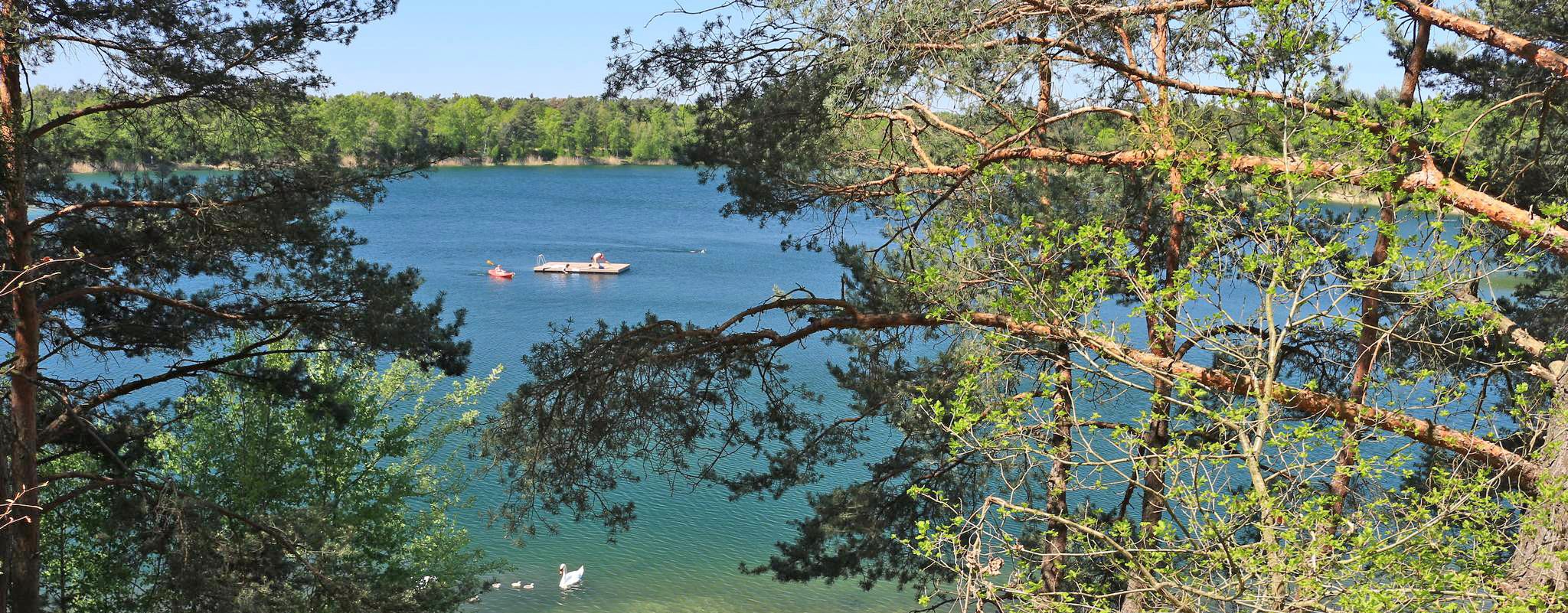
The most popular swimming lakes in Hesse
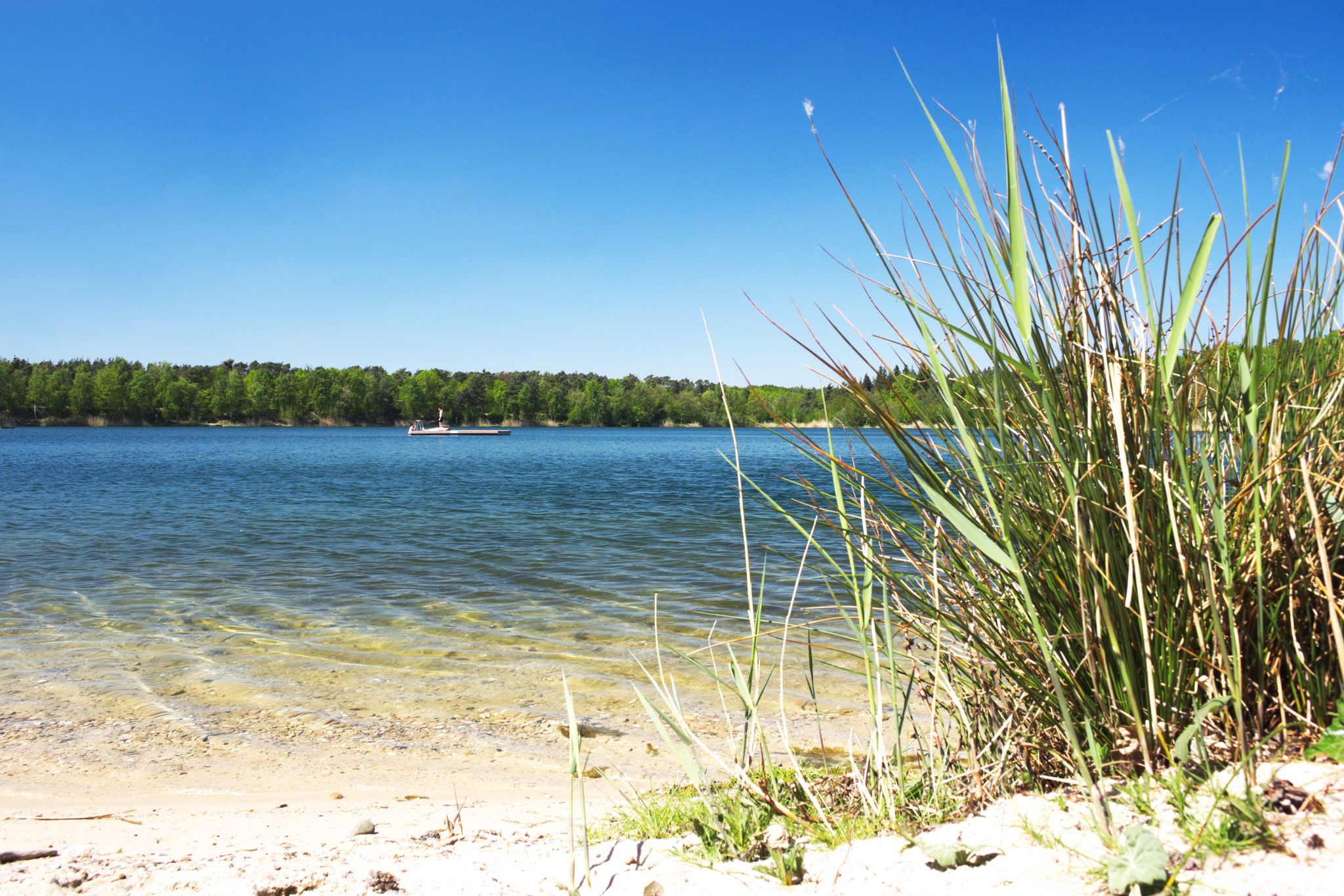
The best swimming lakes around Frankfurt
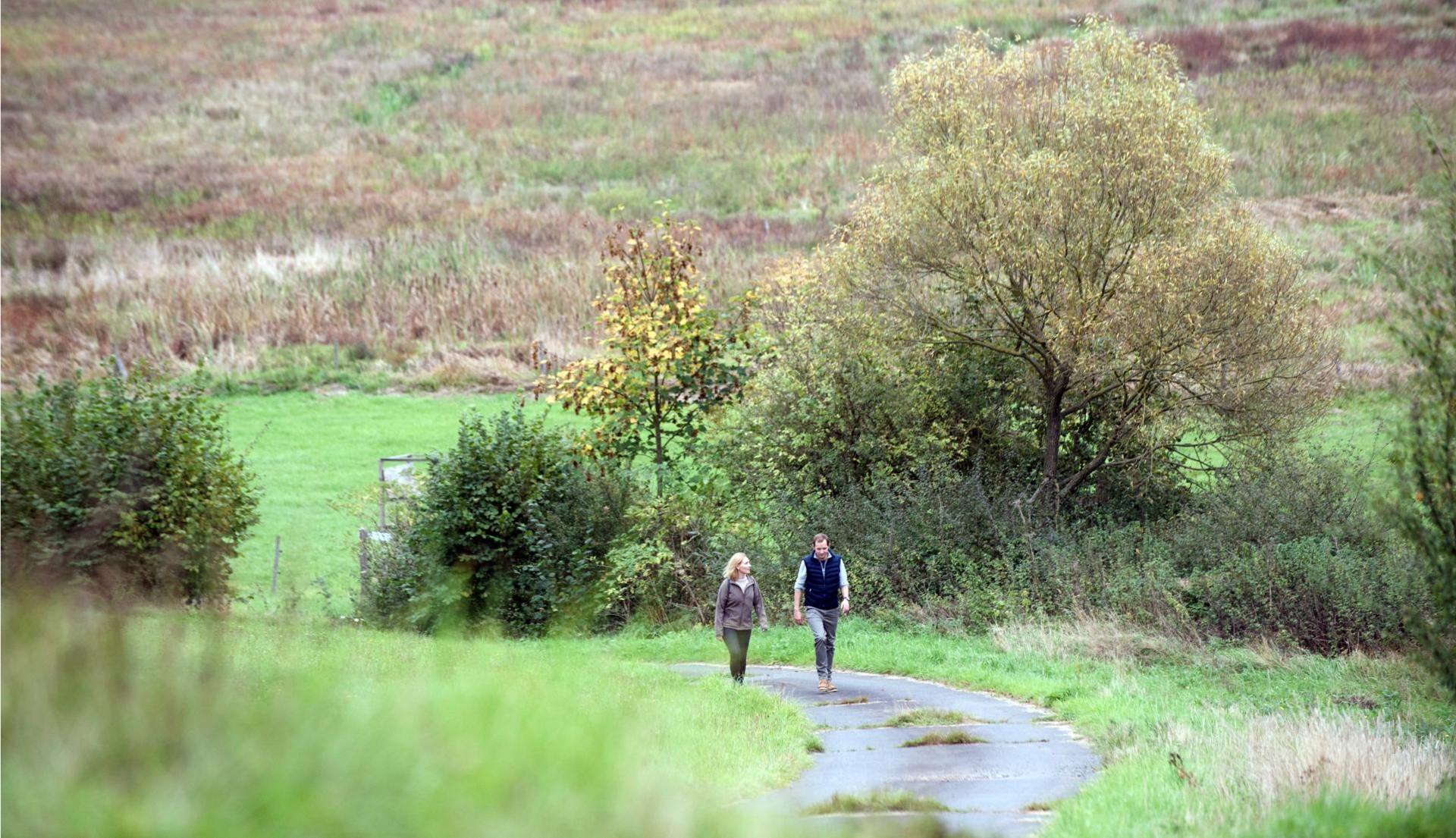
Pleasure hiking in the Spessart: trails that taste as good as they look
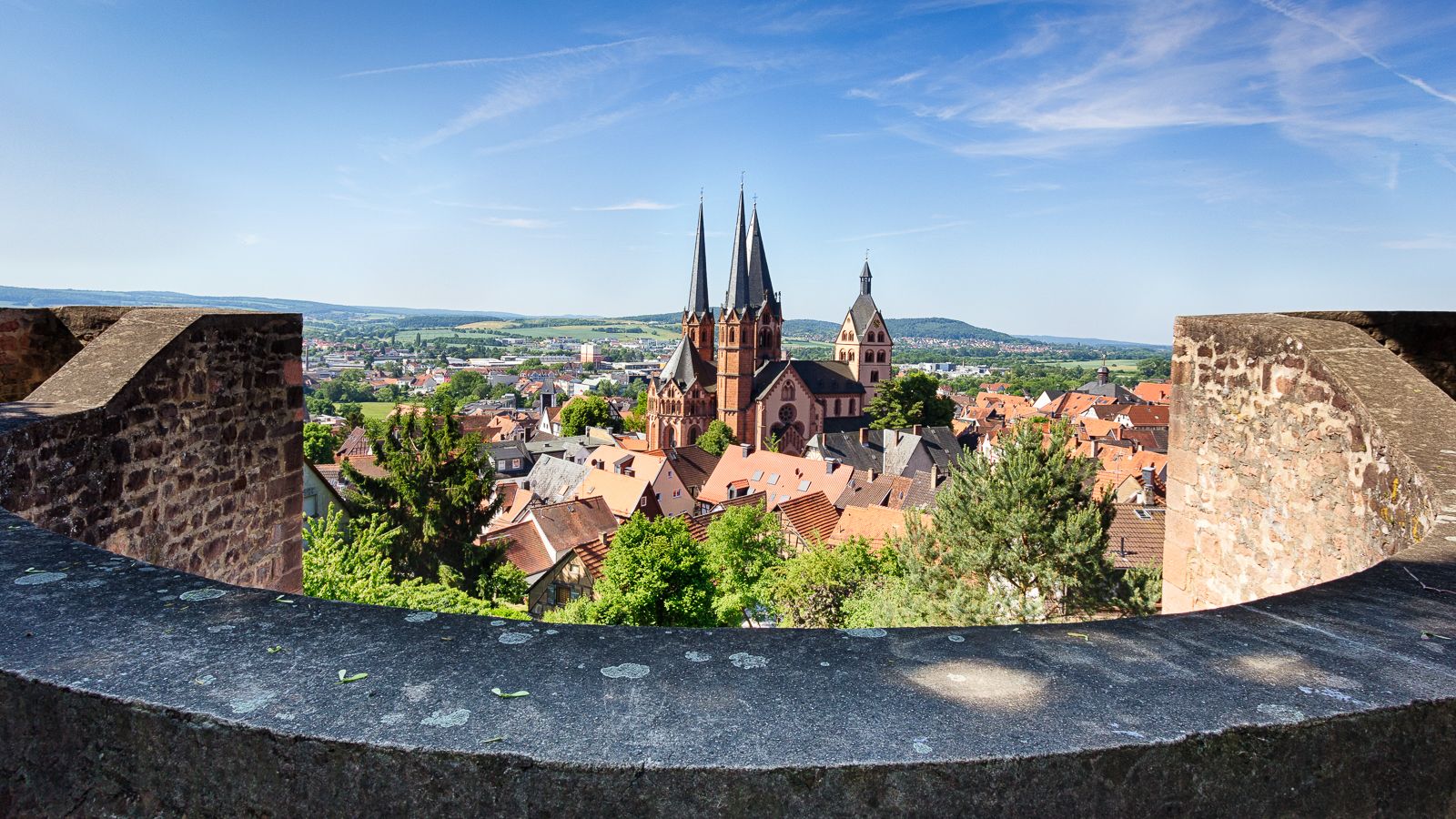
On the Way of St. James through Hesse – from the Fulda to the Main
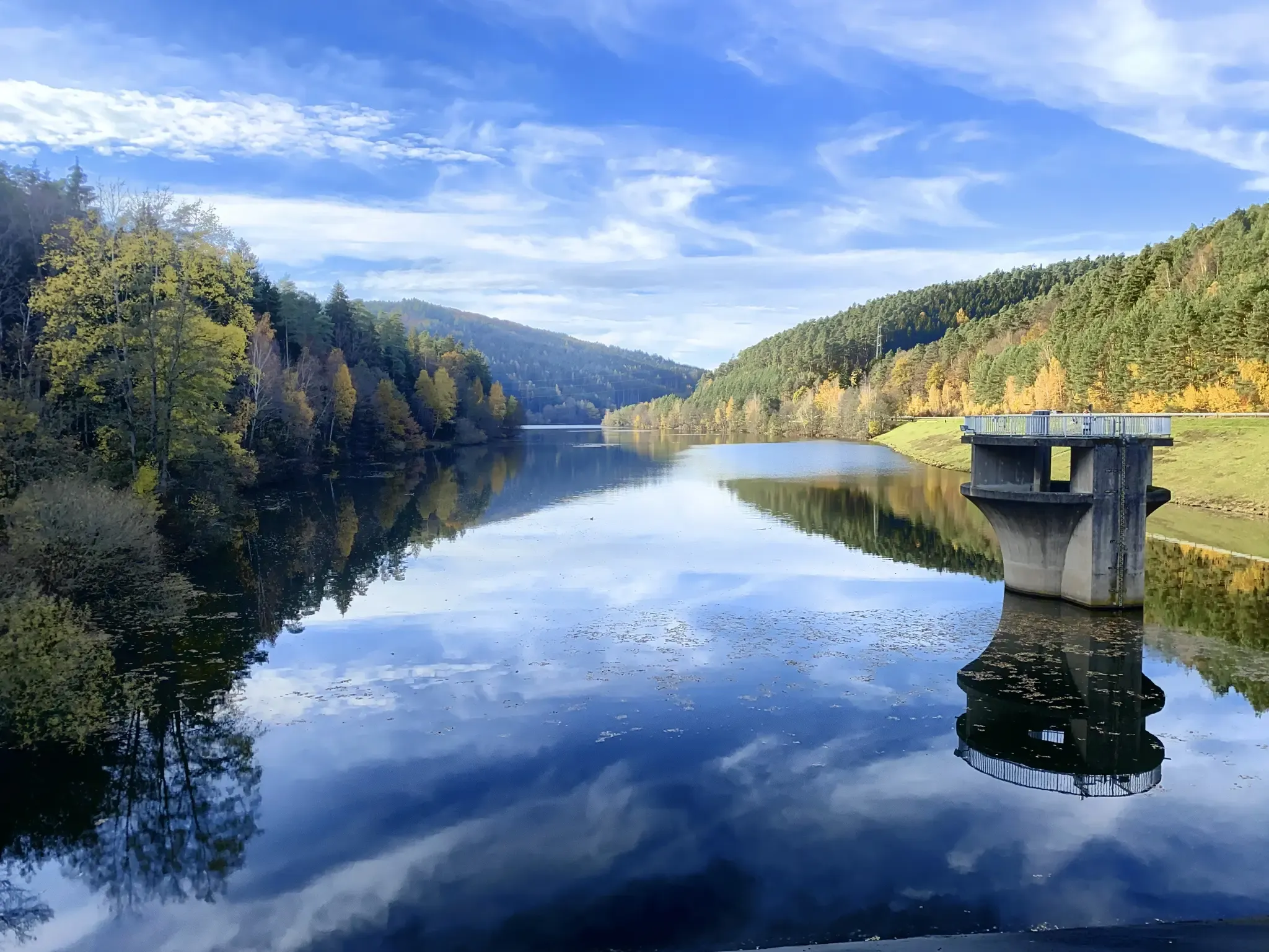
Mit Rosbacher auf Tour im Rhein-Main-Gebiet
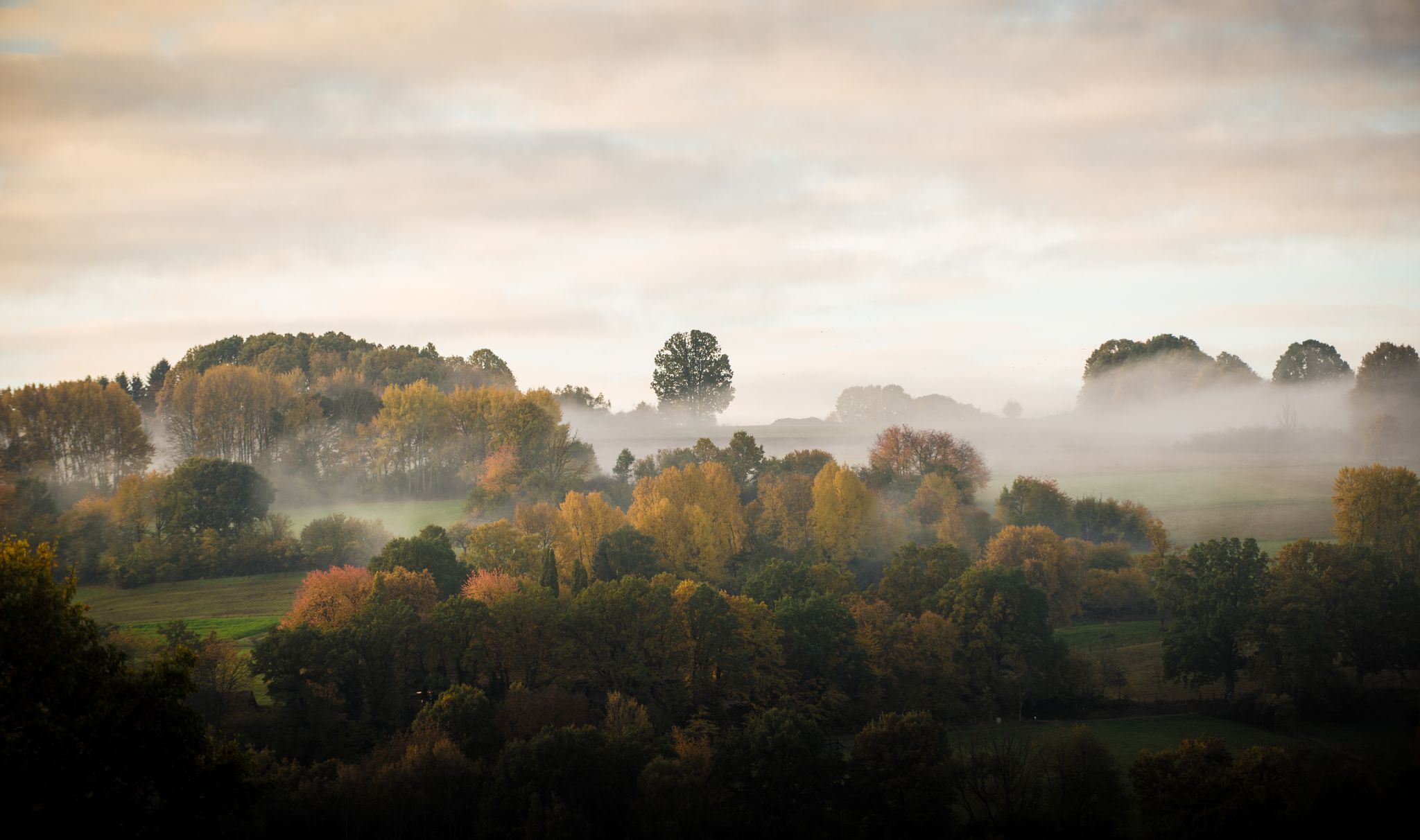
Die schönsten Herbstwanderungen im Spessart
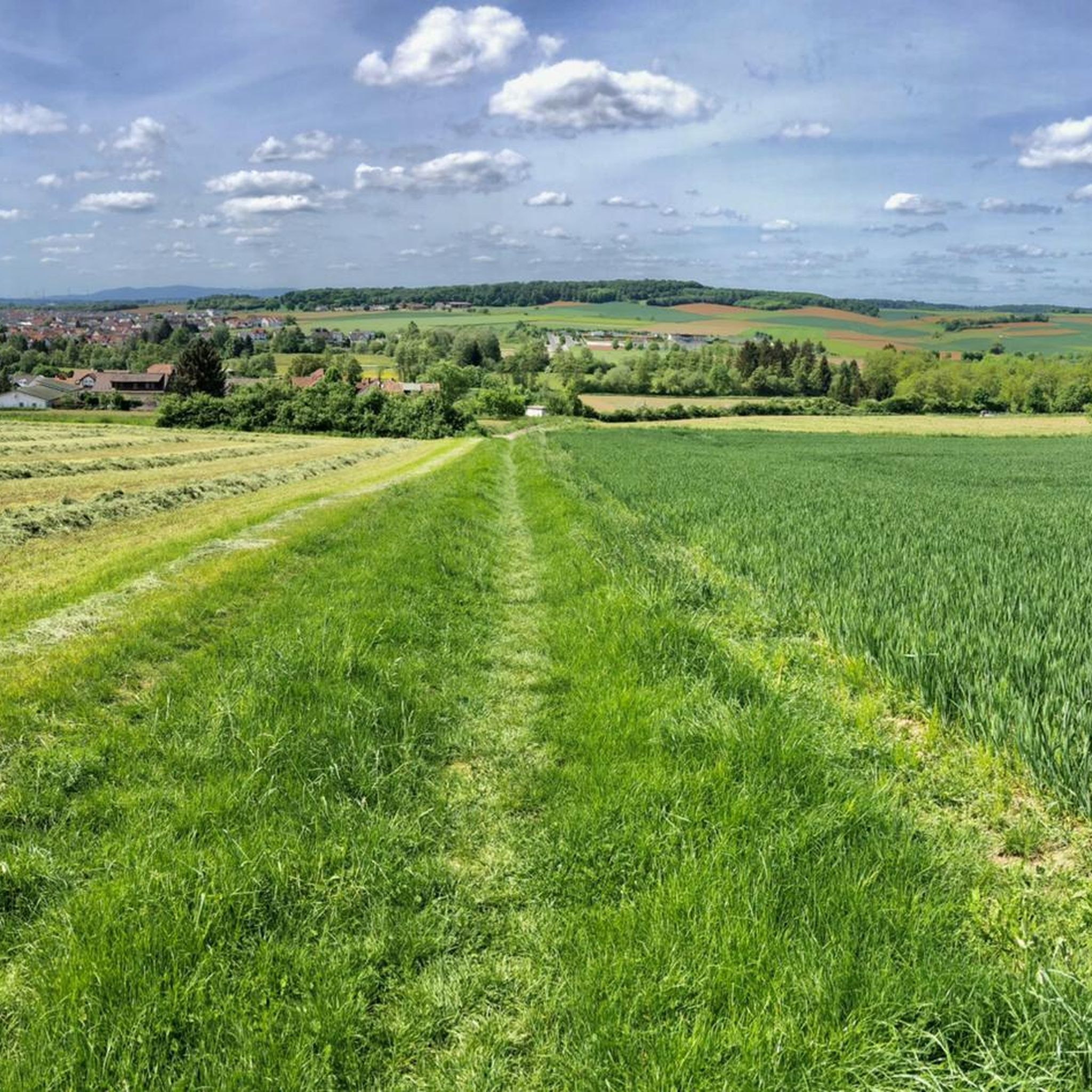
Hiking around Langenselbold
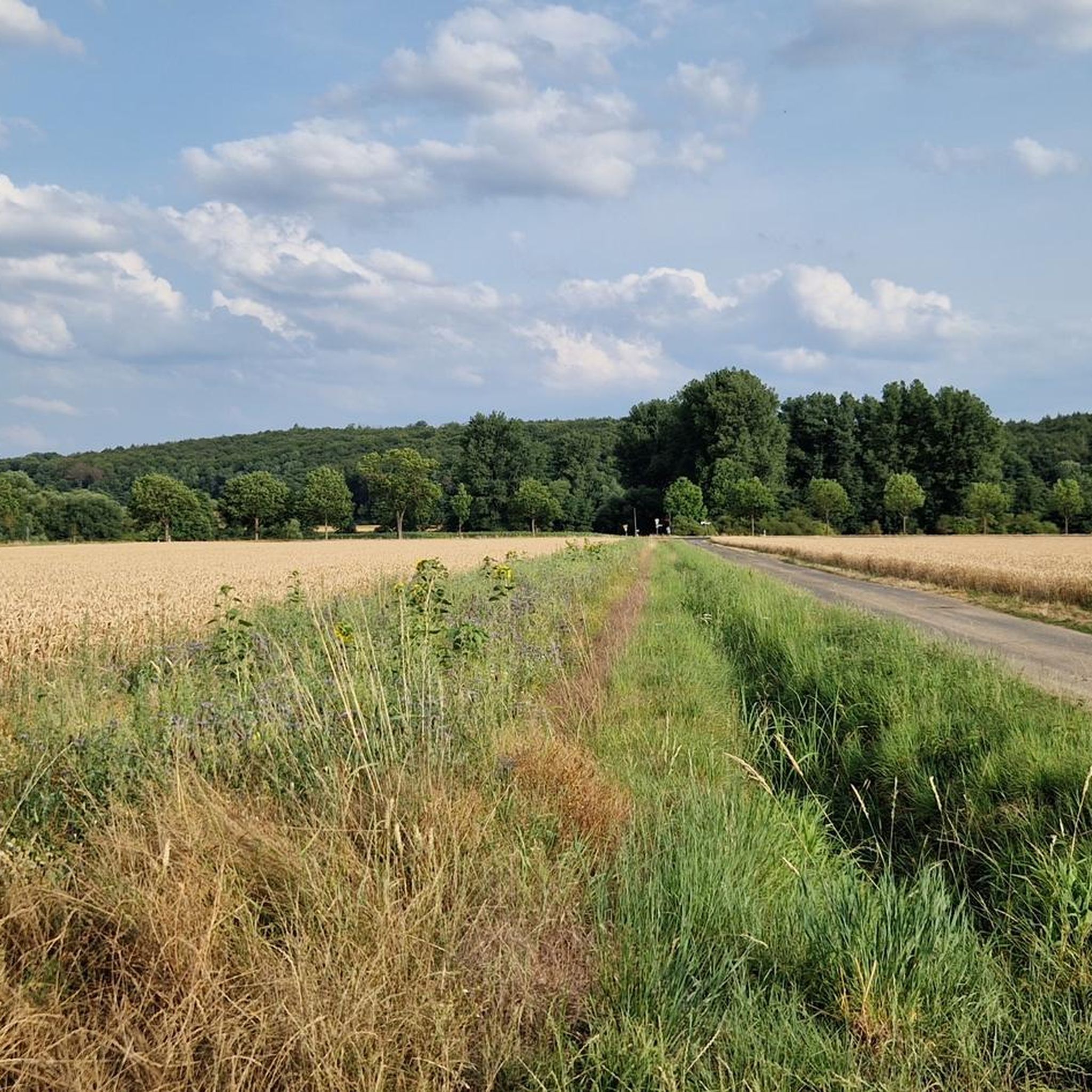
Running Trails around Langenselbold
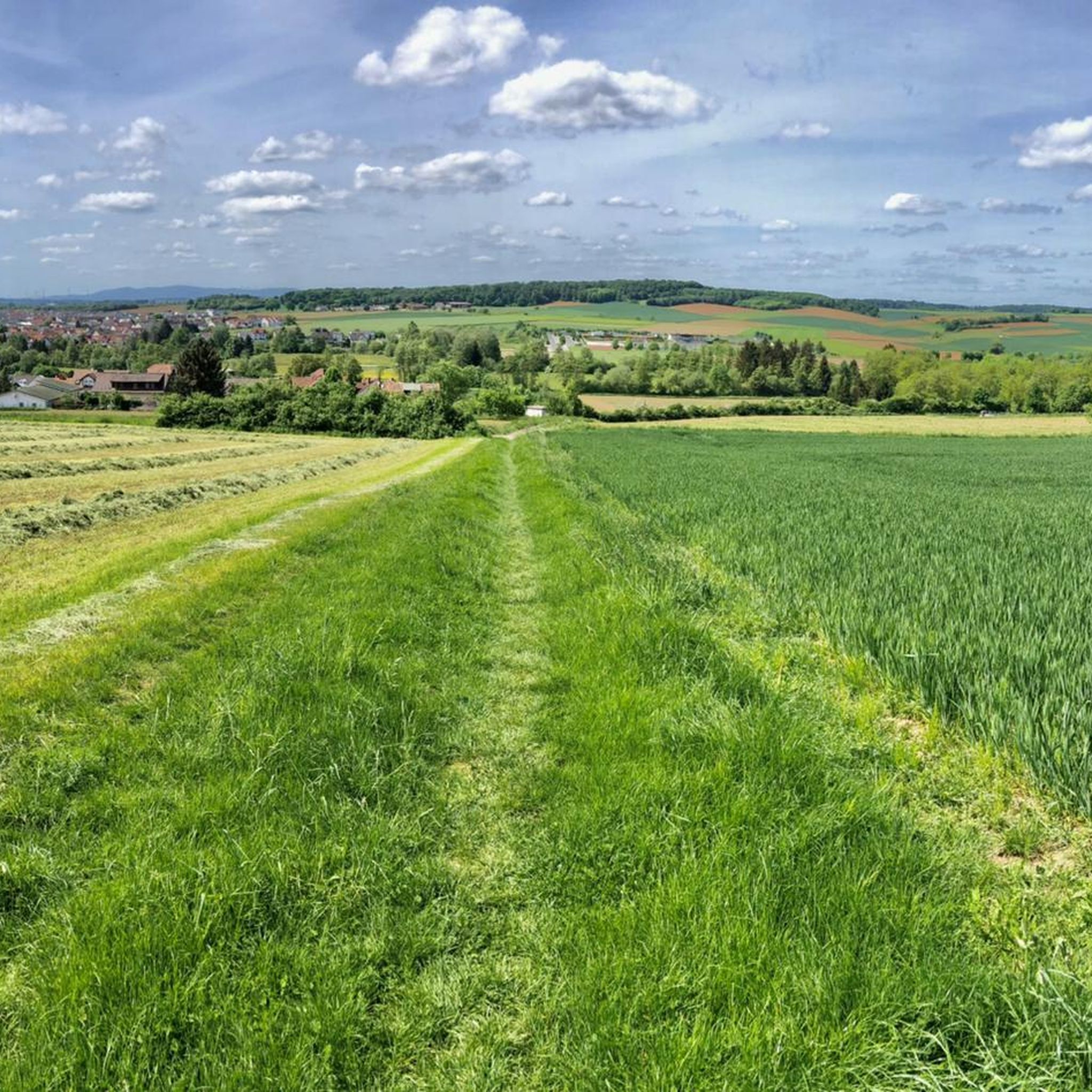
Road Cycling Routes around Langenselbold
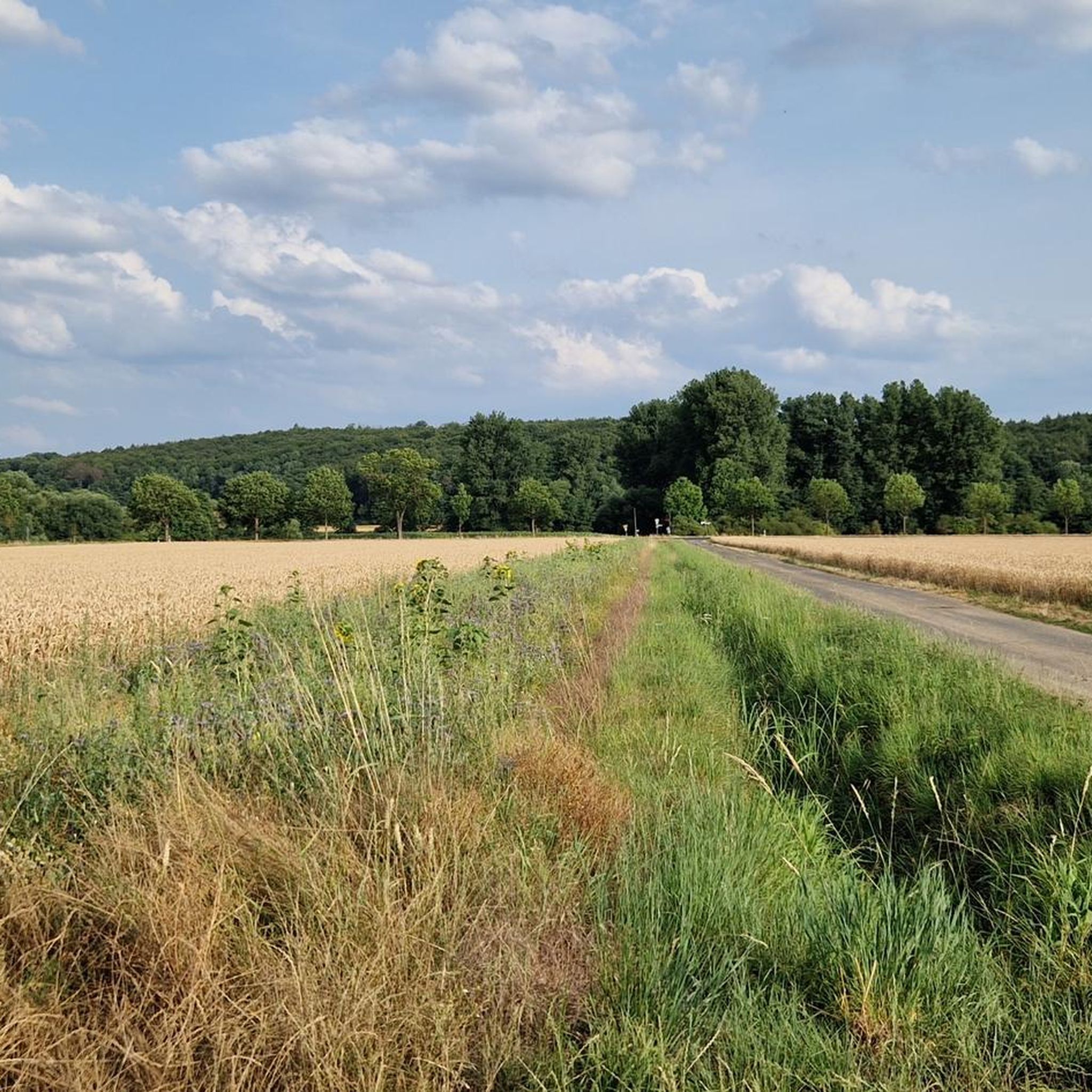
MTB Trails around Langenselbold
Other adventures around Langenselbold


Tips from the Community

Why not look for the "Hopfenhöhle"! Tip: On the meadow by the fountain.
1
0

It is not the Hofgut, which lies opposite on the southern edge of the square, but the Grafenhaus, also known as Lichtenburg.
2
0

The storks are on their way.
0
0
Lovely cycle path along the Kinzig.
0
0

From the Evangelical Church of Herrnhaag you have a wonderful view of the Ronneburg and the former Count's House, the Lichtenburg, in the Herrnhaag settlement.
2
0

The terrible gravel section behind Schlüchtern towards Bad Soden Salmünster is to be paved by the end of 2025, according to the city administration.
0
0

The Kinzig is a river approximately 86 kilometers long. It rises in Sterbfritz, flows southwest through the Main-Kinzig district of Hesse, and flows into the Main from the right in Hanau. The Kinzig is a second-order river in low mountain ranges. It overcomes an elevation of 301 meters and has a bed gradient of 3.5 per thousand. The Kinzig's catchment area covers 1,058 square kilometers, and the calculated mean discharge (MQ) at the mouth of the Kinzig is 10.97 cubic meters per second. The Kinzig was first documented in 796 as "iuxta fluvium Kincihen." In 815, the name was written as "Chinzicha," around 900 as "Kincicha"/"Kinzicham," in 1364 as "Kinzige," in 1584 as "Kintzig," in 1607 as "Bintz," in 1681 as "Kintz," in 1716 as "Kins," in 1769 as "Kinzing," and in 1802 as "Kinzig." In the river's headwaters, there was the now-defunct village of Kinzig, mentioned in 815 as "Chirizichheimero." The village and river were often confused by monastery scribes at that time with "Chizzicha" (now Bad Kissingen), both of which were described as being located in the Saalegau. The name presumably derives from the ancient Celtic *ku̯anti̯o- meaning "flat hill, valley." The name was therefore derived from the mountainous region from which the Kinzig flows. Source: Wikipedia
1
0
The Kinzig is a river approximately 86 kilometers long. It originates in Sterbfritz, flows through the Hessian Main-Kinzig district in a southwesterly direction, and flows into the Main in Hanau from the right. The Kinzig is a second-order Mittelgebirge river. It overcomes 301 meters of elevation and has a bed gradient of 3.5 per mille. The catchment area of the Kinzig is 1058 square kilometers, and the calculated mean discharge (MQ) at the Kinzig estuary is 10.97 cubic meters per second. The Kinzig was first documented in 796 as „iuxta fluvium Kincihen“. In 815 it was written as „Chinzicha“, around 900 as „Kincicha“/„Kinzicham“, in 1364 as „Kinzige“, in 1584 as „Kintzig“, in 1607 as „Bintz“, in 1681 as „Kintz“, in 1716 as „Kins“, in 1769 as „Kinzing“, and in 1802 as „Kinzig“. In the river's source area, there was the village of Kinzig, which no longer exists and is mentioned in 815 as „Chirizichheimero“. The village and the river were often confused by the monastic scribes of the time with „Chizzicha“ (today Bad Kissingen), which were all described as being located in the Saalegau. Presumably, the name derives from the Proto-Celtic *ku̯anti̯o- meaning „flat hill, valley“. The naming was therefore based on the mountainous landscape from which the Kinzig emerges. Source: Wikipedia
2
0
Frequently Asked Questions
How many touring cycling routes are available around Langenselbold?
There are over 70 touring cycling routes around Langenselbold, offering a wide variety of options for different skill levels and preferences. These routes benefit from the region's diverse landscape, from the flat Kinzig Valley to the rolling hills of the Spessart.
What kind of terrain can I expect on touring cycling routes around Langenselbold?
You can expect a mix of terrain. Many routes follow the largely flat and expansive paths along the Kinzig River in the Kinzig Valley, which are peaceful and suitable for all skill levels. Towards the Spessart region, you'll find more rolling hills and dense forests, offering a slightly more challenging experience.
Are there easy touring cycling routes suitable for beginners or families in Langenselbold?
Yes, Langenselbold offers numerous easy touring cycling routes, with 36 routes specifically graded as easy. These often follow the Kinzig River, providing gentle gradients and scenic views. A great option is the Stork Meadow at Kinzigwiesen – Rückinger Mill loop from Langenselbold, which is an easy 30.1 km ride along the peaceful Kinzig River.
Can I find challenging touring cycling routes near Langenselbold?
While many routes are easy to moderate, there are 12 routes graded as difficult for those seeking more of a challenge. These routes typically venture into the more undulating terrain of the Spessart region, offering greater elevation changes and longer distances.
Are there any circular touring cycling routes in the area?
Yes, many of the touring cycling routes around Langenselbold are designed as loops, allowing you to start and end in the same location. For example, the Kinzig Loop – Spake Bridge over the Kinzig River loop from Langenselbold is a popular circular route that explores the Kinzig Valley.
What are some scenic viewpoints or attractions I can visit along the touring cycling routes?
The region offers several scenic spots and attractions. You can enjoy panoramic views from the Buchberg Tower near Langenselbold. For historical interest, consider cycling to Baroque Philippsruhe Palace + park - Hanau, which offers breathtaking views over the Main River. Other notable highlights include Ludwig Tower (Hahnenkamm) and Alzenau Castle.
Is Langenselbold well-connected by public transport for cyclists?
Langenselbold is integrated into the broader Regionalpark RheinMain network, which often includes good public transport connections. While specific details for bringing bikes on public transport vary, the town's location makes it accessible, and many routes are designed to be easily reached from central points.
What is the best time of year for touring cycling in Langenselbold?
The most popular months for cycling in Langenselbold are typically June and July, when the weather is generally warm and pleasant. However, the autumn months also offer a beautiful experience, especially in the Spessart forests, which display vibrant colors.
Are there any dog-friendly touring cycling routes in Langenselbold?
Many of the paths along the Kinzig River and through the forests are suitable for cycling with dogs, provided they are well-behaved and kept on a leash where necessary. Always ensure your dog is comfortable with the distance and terrain, and carry enough water for both of you.
Can I find places to eat or drink along the cycling routes?
Yes, the region has various options for refreshments. Langenselbold itself has a historic market square with amenities. Along routes, especially those connecting to towns or villages, you'll often find cafes and restaurants. The Buchberg Tower, for instance, has a restaurant at its base.
What do other cyclists say about touring cycling in Langenselbold?
The touring cycling routes around Langenselbold are highly rated by the komoot community, with an average score of 4.7 stars from over 850 reviews. Cyclists often praise the peaceful riverside paths, the diverse landscapes, and the well-maintained network of trails.
Are there any long-distance cycling paths accessible from Langenselbold?
Yes, Langenselbold provides access to several significant long-distance cycling paths. The Kinzig Valley Cycle Path offers extensive, largely flat routes along the Kinzig River. Additionally, the BahnRadweg Hessen, which utilizes former railway tracks, is accessible from Langenselbold and connects to the Rhön, Vogelsberg, and Spessart regions.
What historical sites can I explore by bike in the Langenselbold area?
You can explore several historical sites by bike. Langenselbold Castle and its park are a great starting point. The Herrnhaag Church – View of Ronneburg loop from Langenselbold connects to historical sites and offers views towards Ronneburg. The Wilhelmsbad Historical Carousel – Wilhelmsbad State Park, Hanau loop from Langenselbold takes you to Philippsruhe Castle in Hanau, a significant historical landmark.
Most popular routes around Langenselbold
Most popular attractions around Langenselbold

Get inspired with the komoot mobile app


Explore more
Browse the best Cycling routes in other regions.
