Top 20 Natural Monuments around Grottolella
Best natural monuments around Grottolella are situated within the Partenio Park, an area characterized by diverse ecosystems and geological features. The region features extensive woodlands, karst formations including caves, and numerous springs and streams. Grottolella also hosts the unique Pozzo del Sale, known for its highly mineralized sulfureous spring. These features offer opportunities for exploring natural beauty and local geology.
Best natural monuments around Grottolella
- The most popular natural monuments is Campo Maggiore Plateau and Lake, a lake that…
Last updated: August 21, 2026
Campo Maggiore Plateau and Lake
Highlight • Lake
Translated by Google •
Tip by

Ancient Beech Tree of Campo San Giovanni
Highlight • Natural Monument
Bikers friends
amicibikers.altervista.org/itinerari
Translated by Google •
Tip by

Sign up now to discover places like this
Get recommendations on the best single tracks, peaks, & plenty of other exciting outdoor places.
Sign up for free
Hermitage of San Silvestro
Highlight • Religious Site
Translated by Google •
Tip by

Acqua Fidia Fountain and Picnic Area
Highlight • Rest Area
Crossroads for the CAI paths that lead to Campo Spina, Valle Fredda, Campo s. Giovanni and Campo Maggiore. Bikers and hikers like to have fun.
Translated by Google •
Tip by
Campo San Giovanni Spring
Highlight • Natural Monument
Translated by Google •
Tip by
Sign up for free to discover even more natural monuments around Grottolella.
Sign up for free
Already have an account?
Start today with a free account
Your next adventure awaits.
Login or Signup


Tips from the Community

As a patron saint, this hermitage has a name that is on everyone's lips, but probably only a few people will know the person behind it: the feast day of Saint Silvestro is on December 31st. He lived at the end of the third and beginning of the fourth century and was bishop of Rome when Emperor Constantine - later generations gave him the nickname "the Great" - recognized Christianity as a religion with the so-called "Edict of Tolerance" of Milan, and thus - at least temporarily - the period of bloody persecution of Christians ended.
0
0

Near the Fonte San Giovanni refuge there is a majestic beech tree.
5
0

An exceptional construction adjacent to a rock, which makes this hermitage unique.
2
0

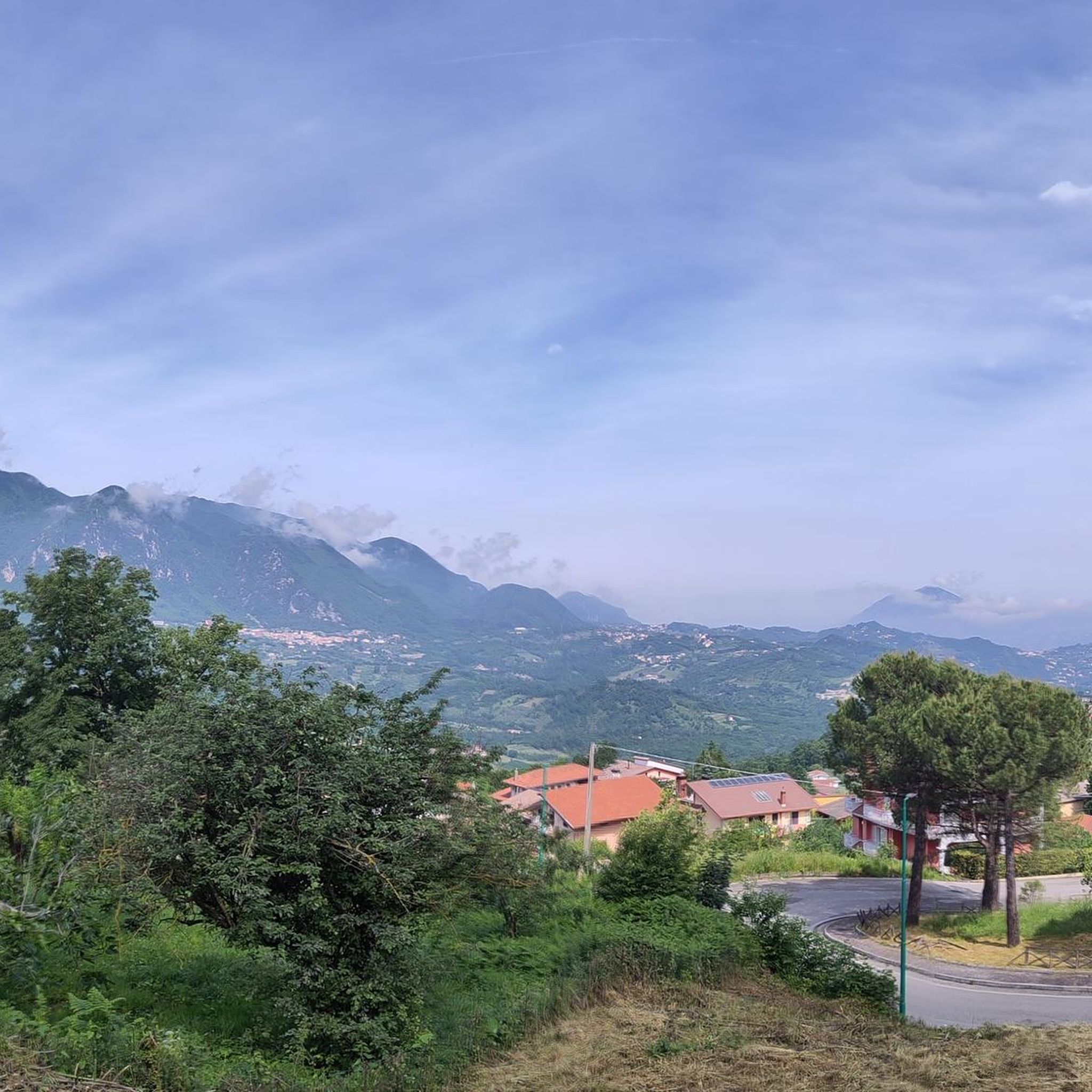
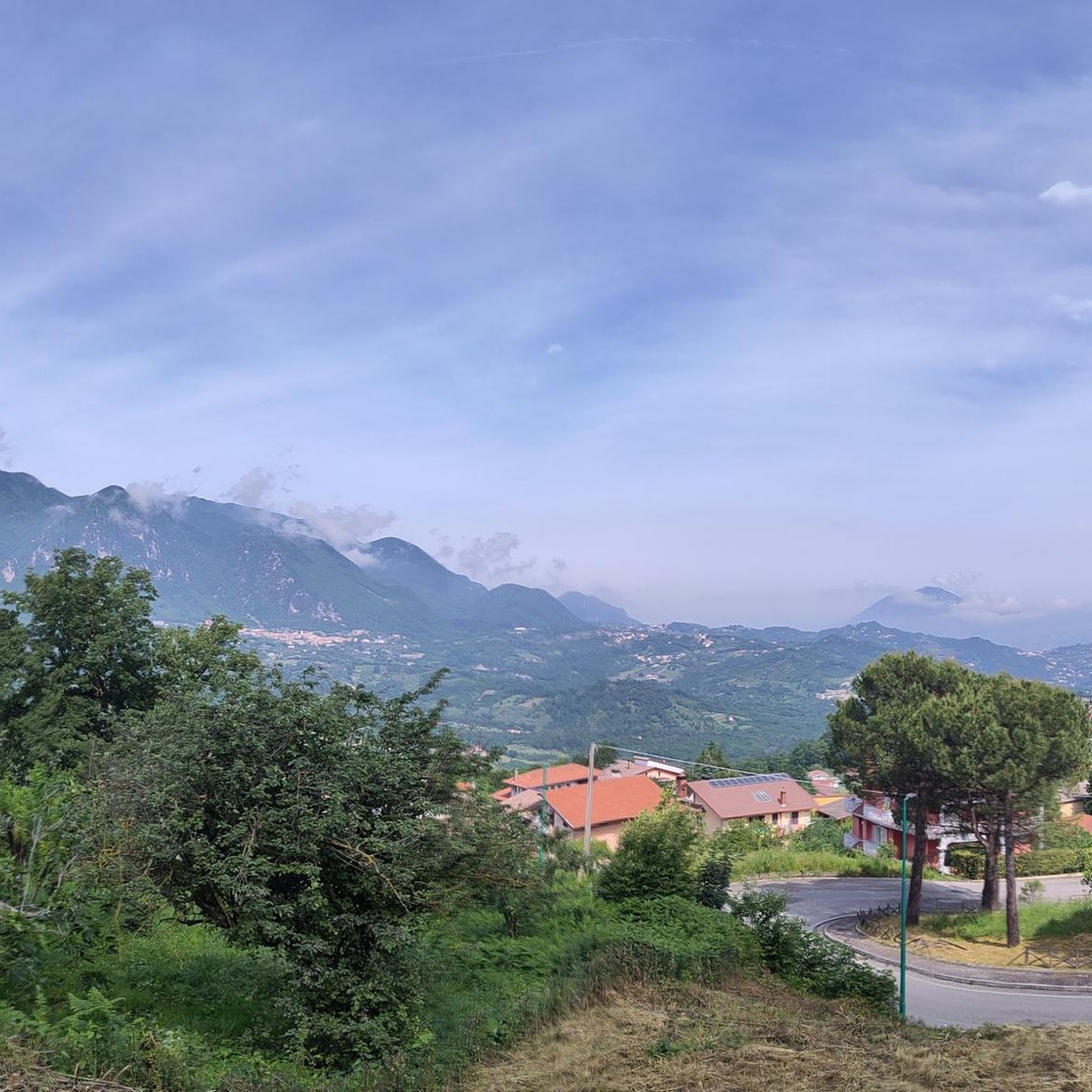
Campo Maggiore is a spectacular plateau where there is a small lake usually dry in the warmer months.... At the ends, two closed shelters. There are also picnic areas with braziers on the road that runs along the expanse.
0
0

For those who arrive in Campo San Giovanni after visiting the drinking trough, a greeting to the centuries-old beech tree cannot be missed.
13
0
Very beautiful plateau on which there is a small lake and a short distance away a natural sinkhole known as the "crater".
8
0
Very nice fountain. Behind it is easy to spot the centuries-old beech.
14
0

Great ride with the Bikers friends https://amicibikers.altervista.org/itinerari/
13
0
Frequently Asked Questions
What unique natural features can I explore around Grottolella?
Grottolella is situated within the Partenio Park, which offers diverse natural features. You can explore extensive woodlands, numerous springs and streams, and various karst formations, including caves. A particularly unique feature is the Pozzo del Sale, known for its highly mineralized sulfureous spring, historically significant for its salt content.
Are there any significant geological formations to see near Grottolella?
Yes, the calcareous nature of the Partenio Park has led to numerous karst formations, including many caves. You can also find a natural sinkhole known as the 'crater' at the Campo Maggiore Plateau and Lake. Another evocative geological feature is the Stretto di Barba, a scenic gorge carved by the river.
What kind of woodlands can I expect to find in the Partenio Park near Grottolella?
The Partenio Park boasts a succession of diverse forests. You'll find holm oak, oak, chestnut, and beech woods, particularly at higher altitudes. These dense woodlands, especially in areas like Coste dell'Angelo and S. Bartolomeo Barbelle, are ideal for tranquil walks and offer a rich natural environment.
Are there any notable ancient trees or specific natural monuments to visit?
Absolutely. A must-see is the Ancient Beech Tree of Campo San Giovanni, a centuries-old tree that stands as a significant natural monument within the forest. The area also features other ancient trees and unique geological formations.
What makes the Campo Maggiore Plateau and Lake special?
The Campo Maggiore Plateau and Lake is a very beautiful and suggestive expanse of unspoiled nature. It features a small lake and a natural sinkhole known as the 'crater,' creating a picturesque and almost 'fairytale' landscape that visitors find captivating.
Are there any family-friendly natural monuments or areas suitable for picnics?
Yes, the Acqua Fidia Fountain and Picnic Area is an excellent choice for families. Nestled between beech and oak trees, it offers guaranteed fresh air and oxygenation. It's equipped with toilets and serves as a crossroads for various hiking paths, making it a convenient and pleasant spot for a break or picnic.
What outdoor activities can I do near these natural monuments?
The area around Grottolella, particularly within the Partenio Park, is excellent for various outdoor activities. You can find numerous MTB trails, running trails, and cycling routes. These paths often lead through the diverse woodlands and past natural springs, offering opportunities for oxygenating walks and scenic rides.
Are there any historical or cultural sites integrated with the natural monuments?
Yes, the Hermitage of San Silvestro is an exceptional construction adjacent to a rock, making it a unique blend of natural and historical significance. The Pozzo del Sale also carries historical importance due to its past exploitation as a salt source.
What is the best time to visit the natural monuments around Grottolella?
The Partenio Park and its natural monuments can be enjoyed across different seasons. For places like the Stretto di Barba gorge, the best time to visit is winter-spring when the river is at full capacity, enhancing its evocative beauty. Generally, spring and autumn offer pleasant temperatures for exploring the woodlands and trails.
What do visitors enjoy most about the natural monuments in Grottolella?
Visitors particularly appreciate the unspoiled nature and picturesque landscapes, such as those found at the Campo Maggiore Plateau and Lake. The tranquility of the extensive woodlands and the opportunity for oxygenating walks are also highly valued. Many enjoy the unique geological features and the sense of reconnecting with nature that the Partenio Park provides.
Can I find fresh water sources along the trails?
Yes, the Partenio Park is abundant in springs. The Acqua Fidia Fountain and Picnic Area is a notable source of fresh water, conveniently located at a crossroads for various hiking paths. Many other springs and torrential streams carve valleys throughout the park, contributing to its lush vegetation.
Are there opportunities for wildlife spotting in the Partenio Park?
The varied terrain and diverse ecosystems of the Partenio Park support a wide range of flora and fauna. While specific sightings can vary, the park is home to 33 species of wild orchids, various reptiles, and approximately 70 bird species, offering good opportunities for nature observation and wildlife spotting.
Most popular attractions around Grottolella

Get inspired with the komoot mobile app


Explore more
Extend your search for the best caves by checking out these guides of the top ones around Grottolella:
