Top 4 Natural Monuments around Mossa
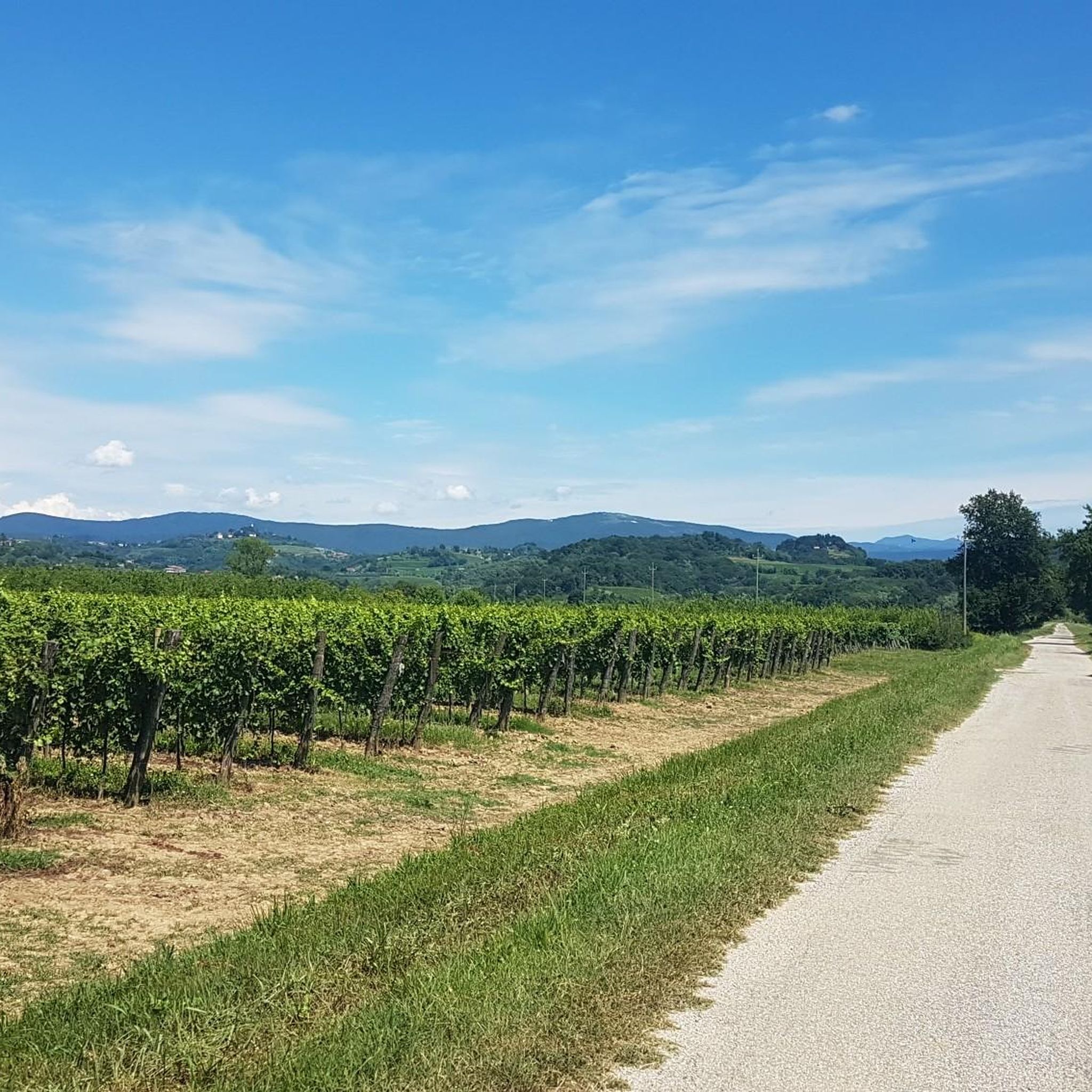
Natural monuments around Mossa are found within the Friuli-Venezia Giulia region of Italy, near the Slovenian border. The area features a landscape characterized by extensive vineyards and cherry orchards, offering scenic routes for walking and cycling. Proximity to the Isonzo Valley and the Karst Plateau provides access to riverine environments and unique geological formations. This region serves as a base for exploring both cultivated natural beauty and more dramatic natural features.
Best natural monuments around Mossa
- The most popular natural…
Last updated: June 28, 2026
Summit 3 of Monte San Michele
Highlight • Viewpoint
Translated by Google •
Tip by

Sabotin Peace Park Bunkers and Caves
Highlight • Historical Site
Translated by Google •
Tip by

Sign up now to discover places like this
Get recommendations on the best single tracks, peaks, & plenty of other exciting outdoor places.
Sign up for free
Monument to Filippo Corridoni
Highlight • Monument
Translated by Google •
Tip by

Isonzo River
Highlight • River
Translated by Google •
Tip by
Krčnik Natural Monument
Highlight • Natural Monument
Translated by Google •
Tip by

Sign up for free to discover even more natural monuments around Mossa.
Sign up for free
Already have an account?
Start today with a free account
Your next adventure awaits.
Login or Signup

Tips from the Community

From this bridge, you can enjoy excellent views of the Soca River and its emerald-green waters, as well as the Sabatino. Depending on the time of day, the Soca River displays stunning reflections.
1
0
A historic peak (World War I) accessible from two sides via paved and gravel roads and forest trails. Presumably a "must-see" for historians. On Monte Sabatino is a cross-border open-air museum of Italy and Slovenia. The starting point is a former barracks, which now serves as an information center and restaurant. Due to its strategic position, the mountain was one of the key battlegrounds during the Battles of the Isonzo in World War I. The museum offers a tour of the second Austro-Hungarian defensive line, which was breached by the Italian Second Army on August 6, 1916, during the Sixth Battle of the Isonzo. Visitors can also see bunkers, fortifications, trenches, a complex tunnel system, caves, and relics of wartime equipment. Source: https://www.turismofvg.it/de/grandeguerra-gorz-isontinischer-karst-und-collio/parco-della-pace-del-monte-sabotino-park-des-friedens?LangSetCMS=de
1
0

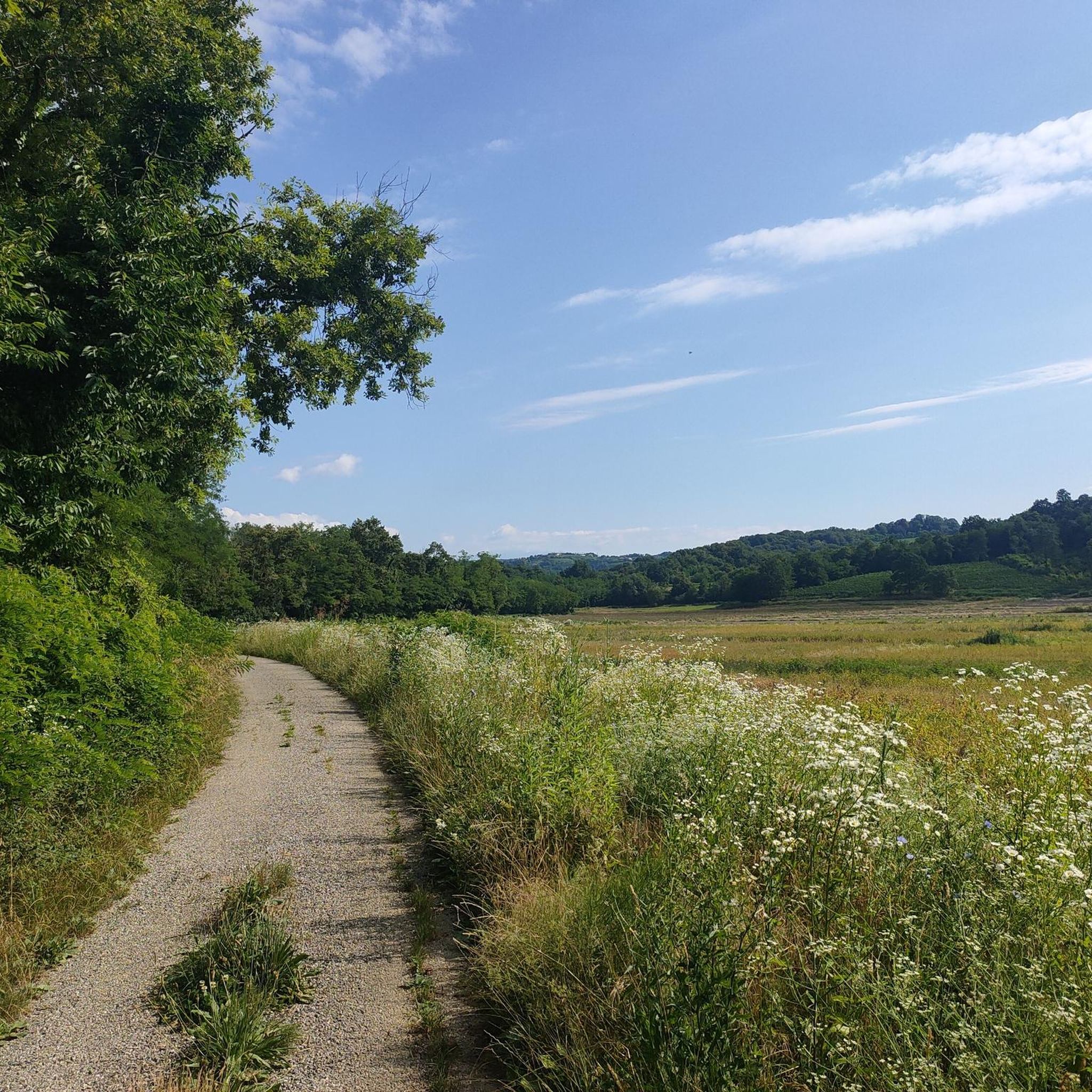
A fairly well-kept panoramic area, although with a series of works in progress
1
0

1
0
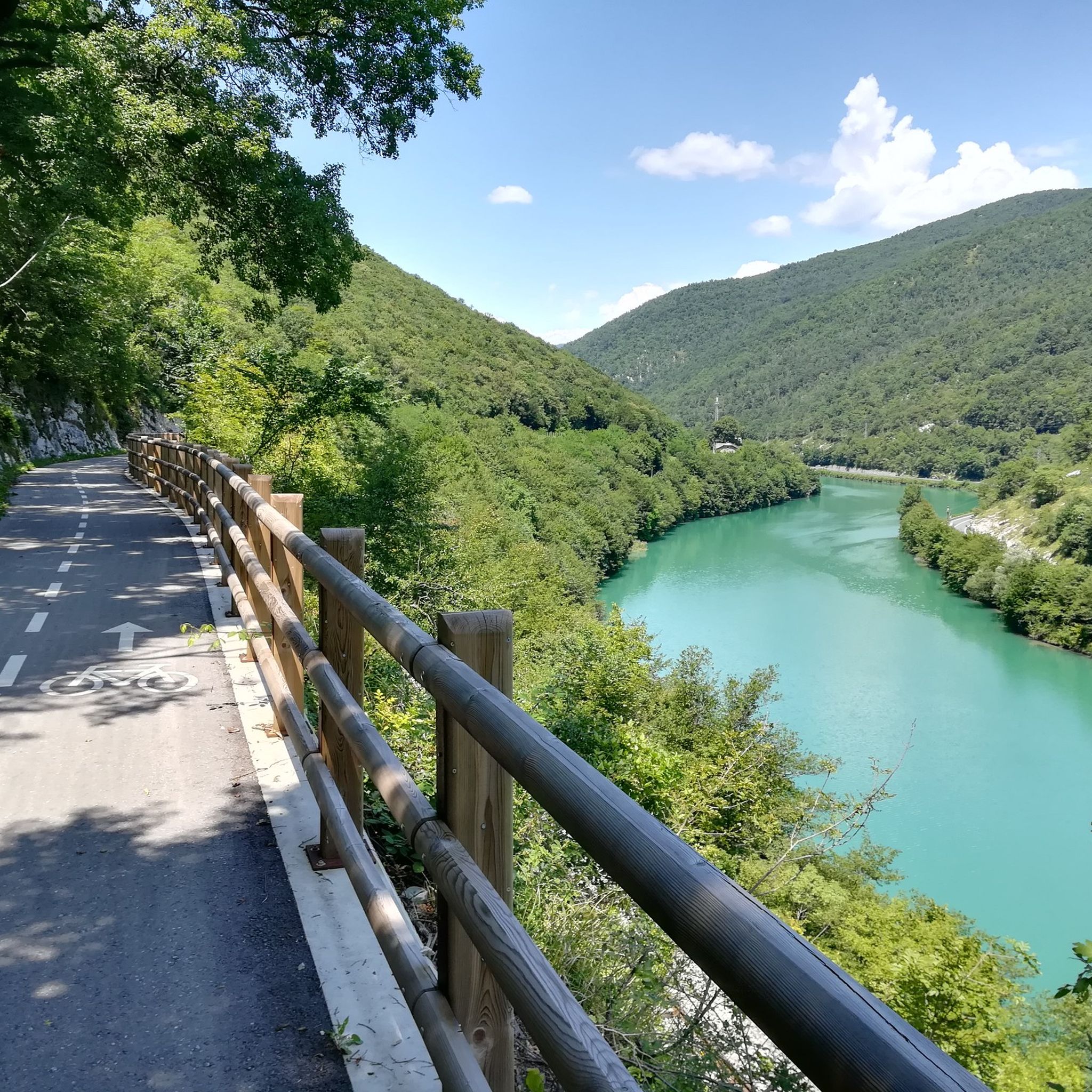
An interesting karst spring along the cycle path with railing protection.
1
0


The color of the Isonzo is a mark that remains imprinted
1
0
Frequently Asked Questions
What types of natural features can I explore around Mossa?
The area around Mossa offers a diverse landscape. You can explore extensive vineyards and cherry orchards, which are particularly scenic during blooming season. Distinctive hydrological features like the Red Ponds (Laghetti Rossi di Capriva) are also nearby. Additionally, Mossa provides access to the stunning Isonzo Valley, home to the emerald green Isonzo River, and the unique geological formations of the Karst Plateau.
Are there any historical natural monuments in the Mossa area?
Yes, several natural monuments around Mossa have significant historical context. For instance, Summit 3 of Monte San Michele is a viewpoint offering observations over the Isonzo valley, known for its role in the furious Battles on the Isonzo and Carso during the First World War. Another site, Sabotin Peace Park Bunkers and Caves, preserves structures from the First World War and offers views from the Dolomites to the Adriatic Sea.
What outdoor activities can I do near the natural monuments around Mossa?
The region around Mossa is excellent for various outdoor activities. You can enjoy cycling through vineyards and along the Isonzo River. There are also numerous trails for mountain biking and running. For example, you can find routes like the 'Spessa Castle and Vineyards – Start of the Vigne Alte loop' for cycling, or the 'Laghetti Rossi di Capriva – Bridge over the Isonzo River loop' for mountain biking. Explore more options on the Cycling around Mossa, MTB Trails around Mossa, and Running Trails around Mossa guide pages.
Are there family-friendly natural monuments or activities near Mossa?
Yes, the area offers family-friendly options. The extensive vineyards and cherry orchards provide scenic, leisurely walking and cycling routes suitable for families. The Isonzo River also features cycle paths that are separated from car traffic, making them safe for families to enjoy the beautiful turquoise waters. Many trails around Mossa are suitable for beginners and offer easy access to nature.
What is the best time of year to visit the natural monuments around Mossa?
The best time to visit depends on your interests. Spring is ideal for witnessing the cherry orchards in full bloom, creating a beautiful display. The vineyards are picturesque throughout the growing season, offering lovely scenery for walks and rides. The Isonzo Valley and its cycle path are enjoyable from spring through autumn, providing pleasant conditions for outdoor activities.
Where can I find panoramic views of the region's natural beauty?
For expansive views, consider visiting Summit 3 of Monte San Michele, which offers observation points overlooking the Isonzo valley. The Sabotin Peace Park Bunkers and Caves also provides stunning vistas stretching from the Dolomites to the Adriatic Sea, showcasing the diverse topography of the wider region.
Are there any unique geological features to see near Mossa?
While Mossa itself is known for its agricultural landscape, its proximity to the Karst Plateau means you can explore an extraordinary and mysterious landscape featuring numerous caves and unique geological formations. The Red Ponds (Laghetti Rossi di Capriva) also offer a distinctive natural feature with unique visual appeal.
What do visitors enjoy most about the natural monuments around Mossa?
Visitors frequently appreciate the blend of natural beauty and historical significance. The observation points, like those at Summit 3 of Monte San Michele, are highly rated for their views and historical context. The serene agricultural landscapes, particularly the vineyards and cherry orchards, are also a major draw for leisurely exploration. The vibrant color of the Isonzo River is often highlighted as a memorable feature.
Are there any specific hiking trails to explore the natural monuments?
Yes, there are several hiking opportunities. The 'Red Ponds – Vineyards and Cherry Trees loop' is a popular option for immersing yourself in the cultivated natural beauty around Mossa. For more challenging routes with historical significance, trails around Monte San Michele and Sabotin Peace Park offer a mix of natural scenery and historical sites. You can find more detailed routes on the Running Trails around Mossa guide page, which includes walking routes.
Can I visit any man-made monuments that are considered natural monuments in the area?
Yes, the region includes some man-made monuments that are often grouped with natural monuments due to their historical significance and integration with the landscape. The Monument to Filippo Corridoni is a notable 23-meter high stone monument with historical and architectural interest. Additionally, the Sabotino Stone Pyramids, erected during the fascist period, mark significant historical events within the natural setting.
Are there less crowded natural monuments or hidden gems near Mossa?
While specific 'hidden gems' are not explicitly detailed, exploring the numerous smaller trails through the vineyards and cherry orchards, especially outside peak tourist seasons, can offer a more tranquil experience. The Red Ponds (Laghetti Rossi di Capriva) are a distinctive feature that might offer a quieter natural setting compared to more prominent historical viewpoints.
Most popular attractions around Mossa

Get inspired with the komoot mobile app


Explore more
Extend your search for the best caves by checking out these guides of the top ones around Mossa:
