The best gravel rides around Mossa
4.4
(80)
778
riders
90
rides
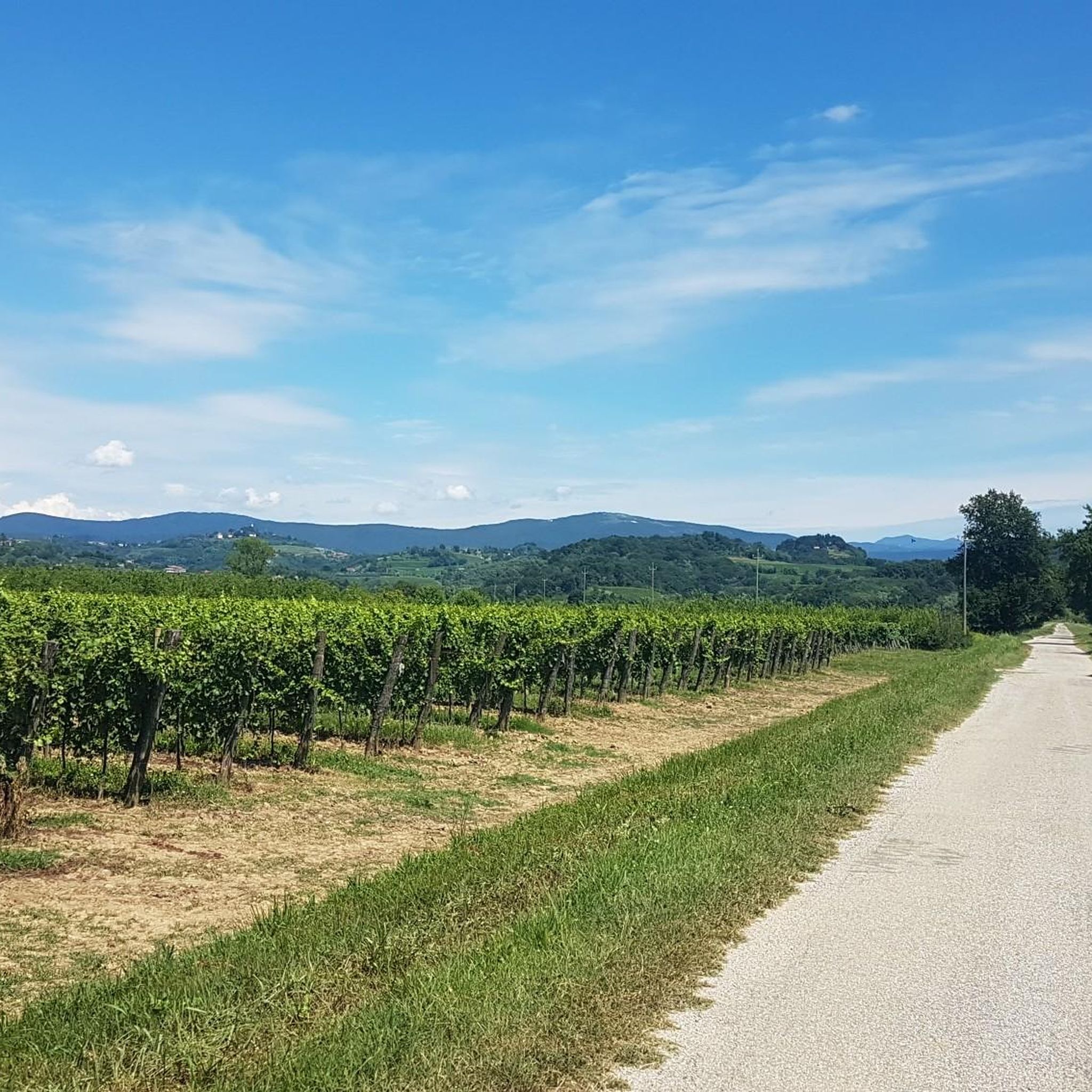
Gravel bike trails around Mossa are situated in a region characterized by rolling hills, river valleys, and agricultural landscapes, including vineyards. The terrain offers a mix of paved and unpaved surfaces, suitable for gravel cycling. Routes often follow river paths and quiet country roads, providing varied riding experiences. The area's geography, close to the Isonzo and Soca rivers, contributes to a diverse network of trails.
Best gravel bike trails around Mossa
- The most popular gravel bike trail is Start of…
Last updated: July 5, 2026
4.3
(7)
57
riders
40.2km
02:24
220m
220m
Moderate gravel ride. Good fitness required. Mostly paved surfaces. Suitable for all skill levels.
5.0
(4)
29
riders
42.8km
02:55
710m
710m
Hard gravel ride. Very good fitness required. Mostly paved surfaces. Suitable for all skill levels.

Sign up for free
5.0
(3)
39
riders
133km
08:24
1,510m
1,510m
Hard gravel ride. Very good fitness required. Mostly paved surfaces. Suitable for all skill levels.
4.8
(4)
24
riders
98.2km
06:06
970m
970m
Hard gravel ride. Very good fitness required. Mostly paved surfaces. Suitable for all skill levels.
5.0
(2)
31
riders
44.7km
02:54
770m
770m
Hard gravel ride. Very good fitness required. Mostly paved surfaces. Suitable for all skill levels.
Get access to more routes and recommendations from other explorers.
Sign up for free
Already have an account?
Our route recommendations are based on thousands of hikes, rides, and runs completed by other people on komoot.
Start today with a free account
Your next adventure awaits.
Login or Signup
Tips from the Community

Part of the historic estate of Villa Russiz, the mausoleum was commissioned in 1894 by Countess Elvine Ritter de Zahony upon the death of her husband Theodor Karl Leopold Anton de la Tour Voivrènel in 1894. Completed in 1897, atop the hill overlooking the property, the small temple has a square plan with a polygonal apse on which an octagonal drum develops, surmounted by a hemispherical dome, clearly inspired by Italian architecture. Here the count's remains rested until the end of the First World War, before being transferred, next to Countess Elvine, to the park of Villa Patrizia in Treffen, Carinthia. The mausoleum is also remembered as the Chapel of Saint Joseph because, until 1927, a valuable marble statue depicting Saint Joseph by Bertel Thorvaldsen, a pupil of Canova, could be admired there.
1
0

A beautiful cycle path leads to this cycle and pedestrian bridge over the Isonzo river, or as they call it in Slovenia, the Soča river.
0
0

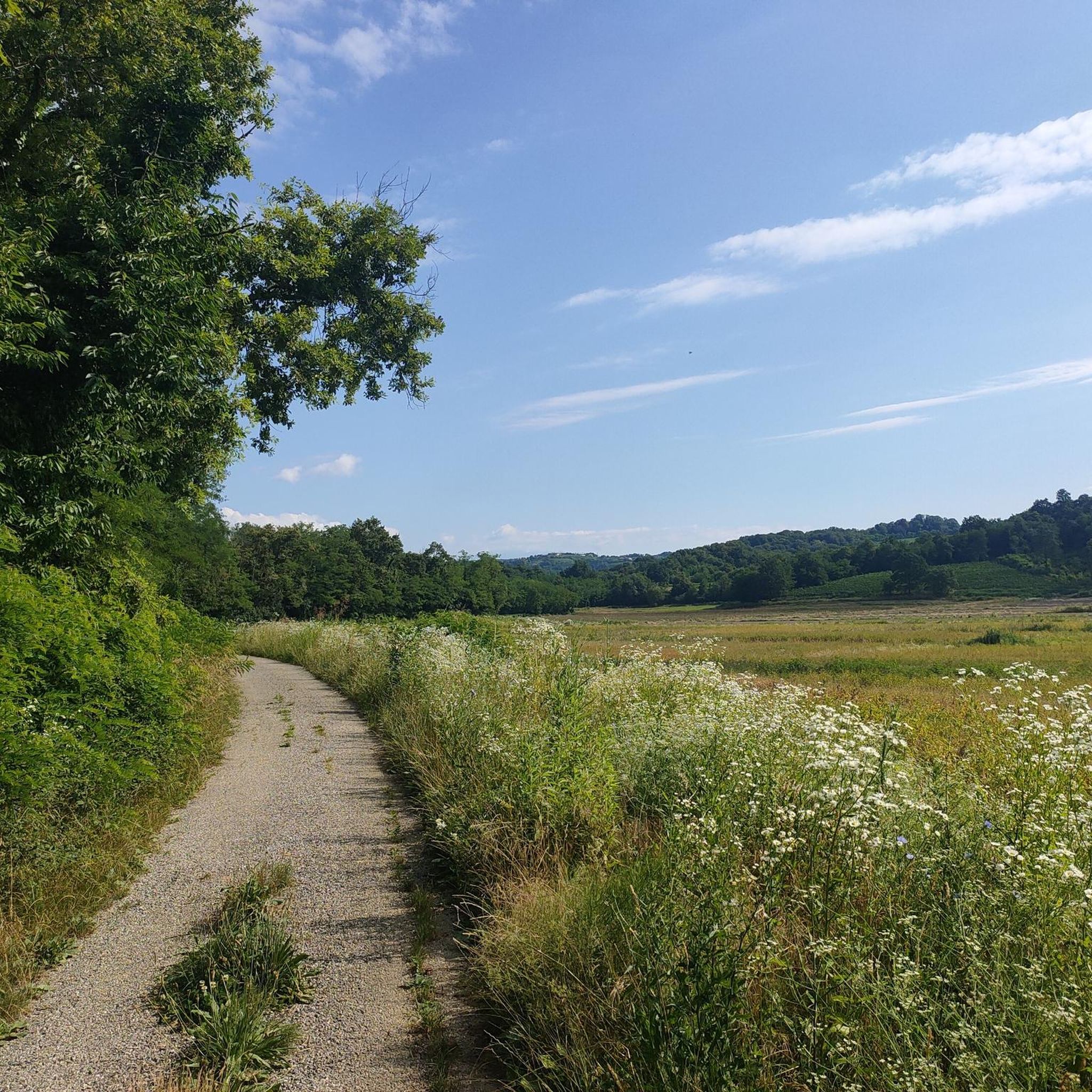
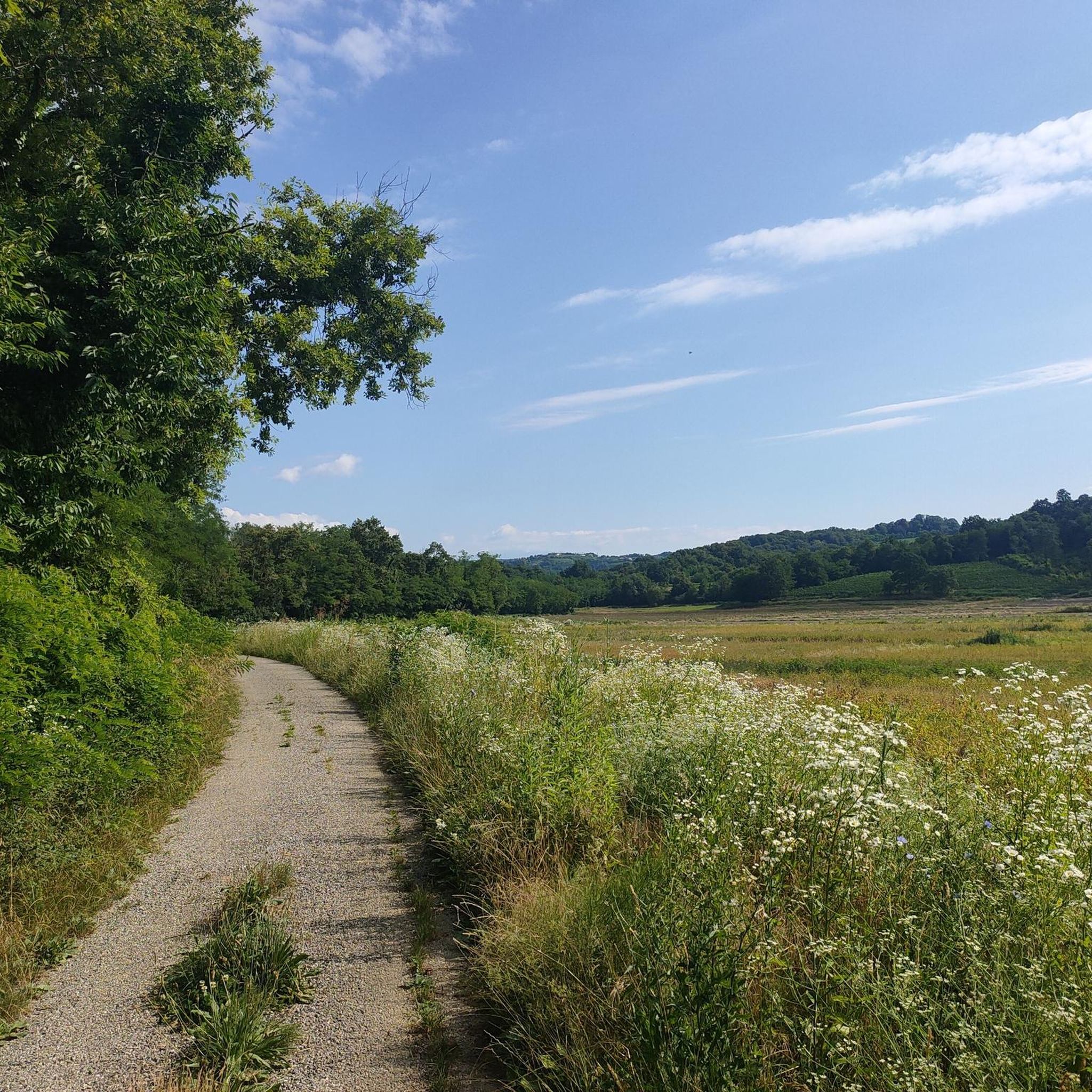
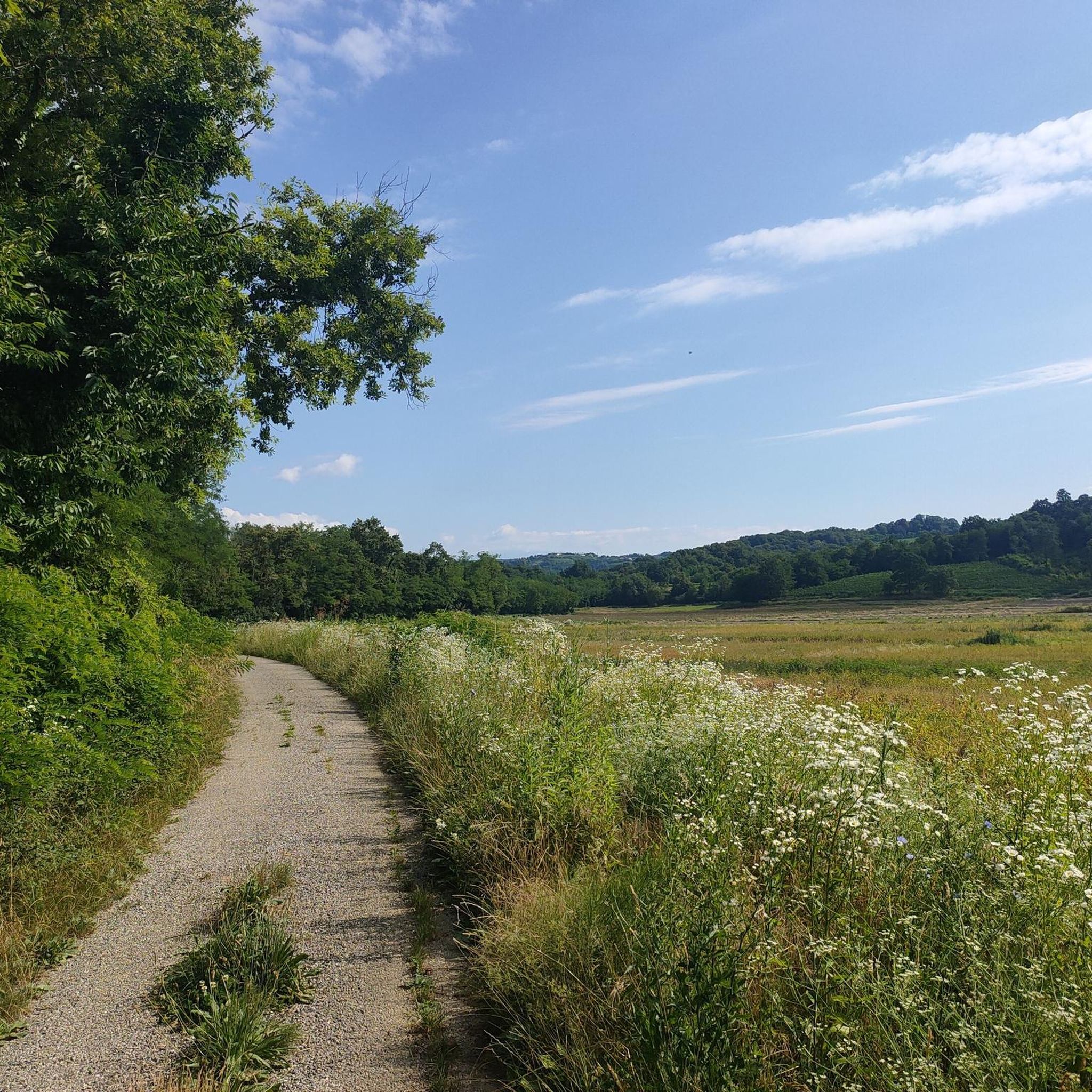
Places of incredible beauty, among vineyards and hills
0
0

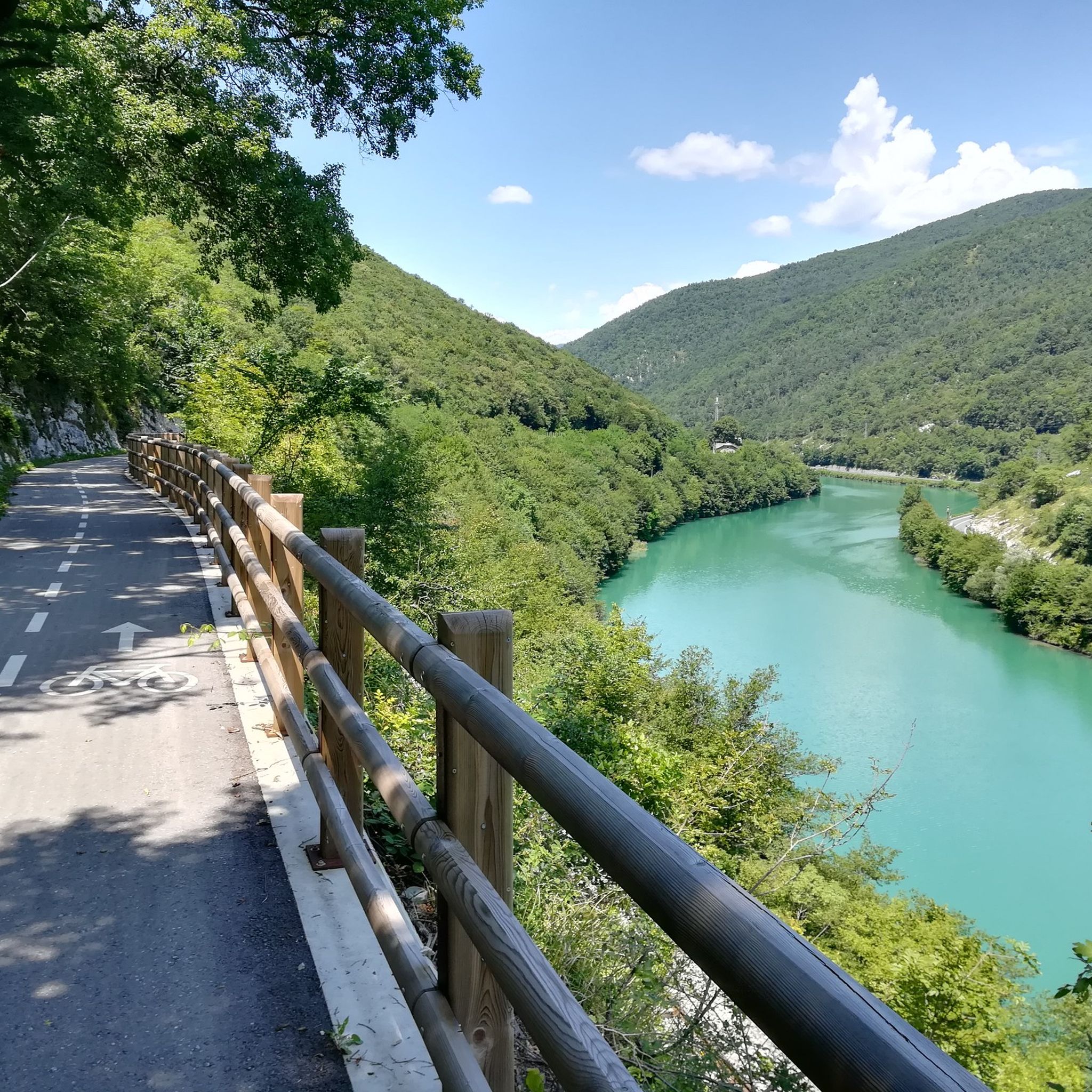
The cycle-pedestrian bridge over the Soča/Isonzo offers a beautiful view of this stretch of the river. Further on, you can see the railway bridge of Solkan, the stone bridge with the largest arch ever built to date.
1
0
in this stretch (Slovenia) the Isonzo takes the name of Soča. Splendid bends with the characteristic green color of this splendid river
0
0

just a short stretch on the asphalt to cross the bridge over the Isonzo
0
0

The medieval village of Šmartno is one of the most beautiful villages in the central Brda region. Built on Roman foundations, it is now considered an architectural gem and cultural monument. Behind its walls, it leads back to the rich and picturesque stories of the past and reveals the charm of Brda hospitality. The village of Šmartno is located in the geographical center of Brda, with views stretching from Nanos in the east to the Carnic Alps in the northwest, and from the vast Friuli region to the Adriatic Sea. The village, surrounded by walls and fortified with defensive towers, was first mentioned in 1317. In the first half of the 16th century, a medieval fortress was built on the remains of a Roman outpost around the church. The village served as a border fortress until the mid-18th century, when the Venetian threat was over. The houses in the center are grouped around the Church of St. Martin, the largest parish church in Brda, after which the village was named. The church's bell tower was originally a fortress tower. The bell, featuring the motif of the Three Kings, dates from 1857. The Baroque church features three marble altars, one of which is particularly rich. The presbytery and the Stations of the Cross were painted by Tone Kralj.
5
0

Panoramic terrace, worth a stop.
0
0
Frequently Asked Questions
How many gravel bike trails are available around Mossa?
The Mossa region offers a wide selection of gravel bike trails, with over 120 routes available. These range from moderate to difficult, catering to various skill levels.
What kind of terrain can I expect on gravel bike trails around Mossa?
Gravel biking around Mossa features a diverse landscape of rolling hills, river valleys, and extensive agricultural areas, including vineyards. You'll encounter a mix of paved and unpaved surfaces, often following river paths and quiet country roads. The proximity to the Isonzo and Soca rivers contributes to a varied network of trails.
What is the best time of year for gravel biking in the Mossa region?
The Mossa region, with its varied terrain, is generally pleasant for gravel biking during spring and autumn when temperatures are mild. Summer can be warm, especially in the open vineyard areas, while winter might present colder conditions, though specific trail conditions would depend on local weather.
Are there family-friendly gravel biking options near Mossa?
Yes, there are some easier gravel bike trails suitable for families or beginners. For instance, the region offers 3 easy routes, and 47 moderate routes that might be suitable depending on the family's experience. Always check the route details for elevation and surface type to ensure it meets your family's needs.
Can I bring my dog on gravel bike routes in the Mossa area?
While many outdoor trails in the region are dog-friendly, it's always best to check specific route regulations and local signage. Ensure your dog is well-behaved, on a leash where required, and that you carry water for them, especially on longer rides through open areas like vineyards.
Is parking available near the gravel bike trailheads in Mossa?
Parking availability varies by trailhead. Many routes start from towns or villages like Gorizia Centrale or Capriva del Friuli, where public parking is generally accessible. It's advisable to check the starting point of your chosen route on komoot for specific parking recommendations or nearby options.
Can I reach gravel bike trails around Mossa using public transport?
Some starting points for gravel bike routes, particularly those originating from larger towns like Gorizia Centrale, may be accessible via public transport. However, carrying a bike on public transport can have restrictions. It's recommended to research local bus or train services and their bike policies in advance.
Are there any permits required for gravel biking in the Friuli-Venezia Giulia region?
Generally, no specific permits are required for gravel biking on public trails and roads in the Friuli-Venezia Giulia region. However, always respect private property, follow local regulations, and be aware of any protected areas that might have specific rules.
What are some challenging gravel bike routes around Mossa?
For experienced gravel bikers seeking a challenge, the region offers 76 difficult routes. A notable option is the Italy–Slovenia border – Cycle path along the railway 🚂 loop from Gorizia Centrale, a 28.7-mile (46.3 km) path with significant elevation gain, following a former railway line and offering diverse terrain.
Are there any circular gravel bike routes in the Mossa area?
Yes, many of the gravel bike routes around Mossa are designed as loops, allowing you to start and finish at the same point. An example is the G1 Isonzo Cycle Route – Soca Cycle Path loop from Capriva del Friuli, which covers 45.4 miles (73.1 km) and offers a comprehensive tour of the river valleys.
What can I see along the gravel bike trails around Mossa?
The region offers several points of interest. You can explore the Soca Cycle Path, visit the historic Redipuglia Military Memorial, or enjoy panoramic views from Summit 3 of Monte San Michele. There are also charming settlements like Šmartno to discover.
What do other gravel bikers enjoy the most about gravel biking in Mossa?
The Mossa area is highly rated by the komoot community, with an average score of 4.3 stars from over 90 reviews. Riders often praise the varied terrain, the scenic vineyard landscapes, and the quiet country roads that provide a peaceful cycling experience.
Most popular attractions around Mossa

Get inspired with the komoot mobile app


Explore more
Browse the best Gravel rides in other regions.
