Top 11 Natural Monuments around Montecchio Maggiore
Best natural monuments around Montecchio Maggiore offer diverse geological features and landscapes. The region, known for its historical castles, also presents opportunities to explore unique natural formations. These include volcanic hills, karstic terrain, and various rock formations. The area provides a range of outdoor activities for nature enthusiasts.
Best natural monuments around Montecchio Maggiore
- The most popular natural monuments is View of Vicenza and the Berici Hills, a viewpoint that offers an excellent perspective of Vicenza and the surrounding…
Last updated: June 28, 2026
Monte Nero
Highlight • Natural Monument
Translated by Google •
Tip by


Sign up now to discover places like this
Get recommendations on the best single tracks, peaks, & plenty of other exciting outdoor places.
Sign up for free
San Giovanni Ledge
Highlight • Natural Monument
Translated by Google •
Tip by
San Bernardino drinking fountain in Perarolo
Highlight • Rest Area
Translated by Google •
Tip by

View of Vicenza and the Berici Hills
Highlight • Viewpoint
Translated by Google •
Tip by

Sign up for free to discover even more natural monuments around Montecchio Maggiore.
Sign up for free
Already have an account?
Start today with a free account
Your next adventure awaits.
Login or Signup
Tips from the Community

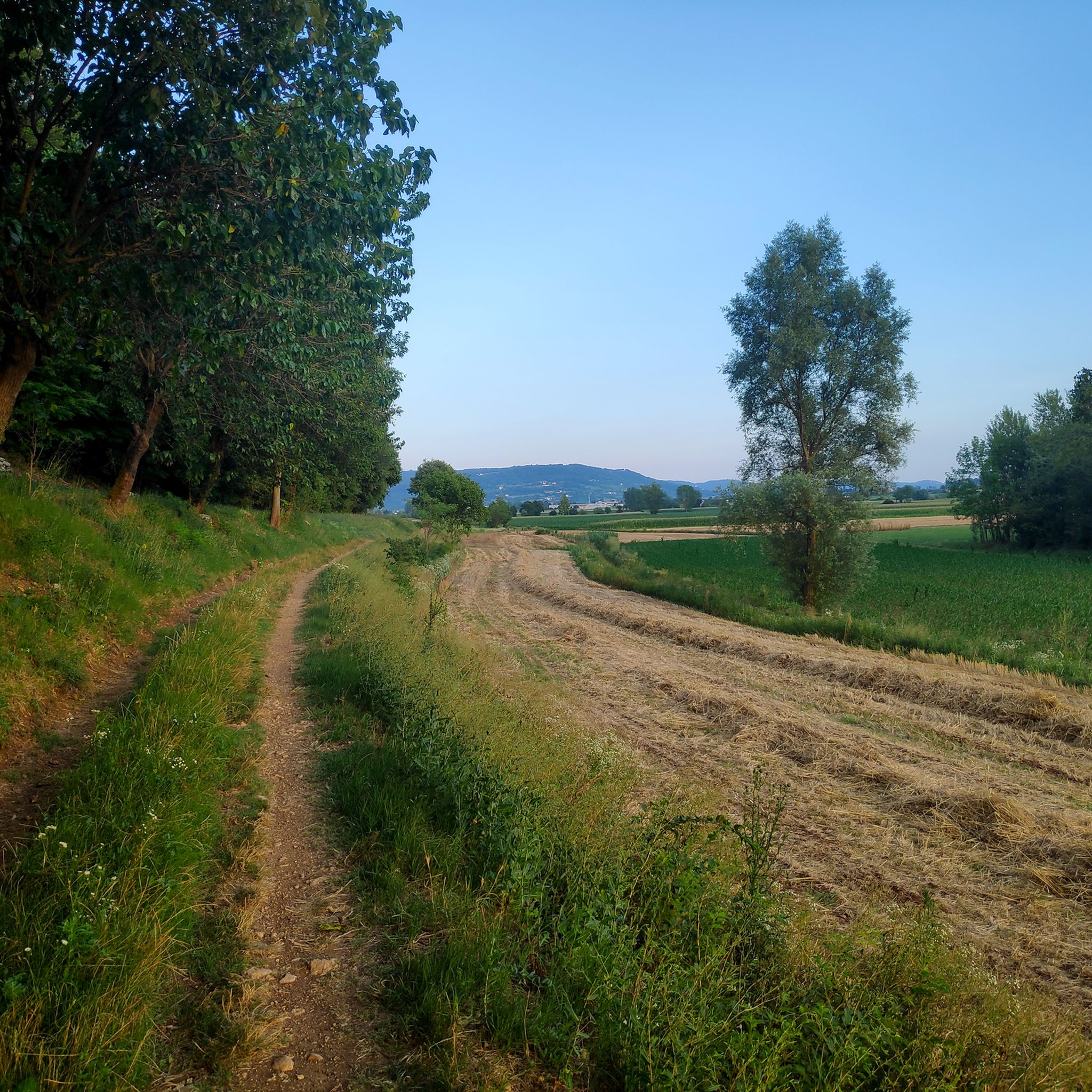
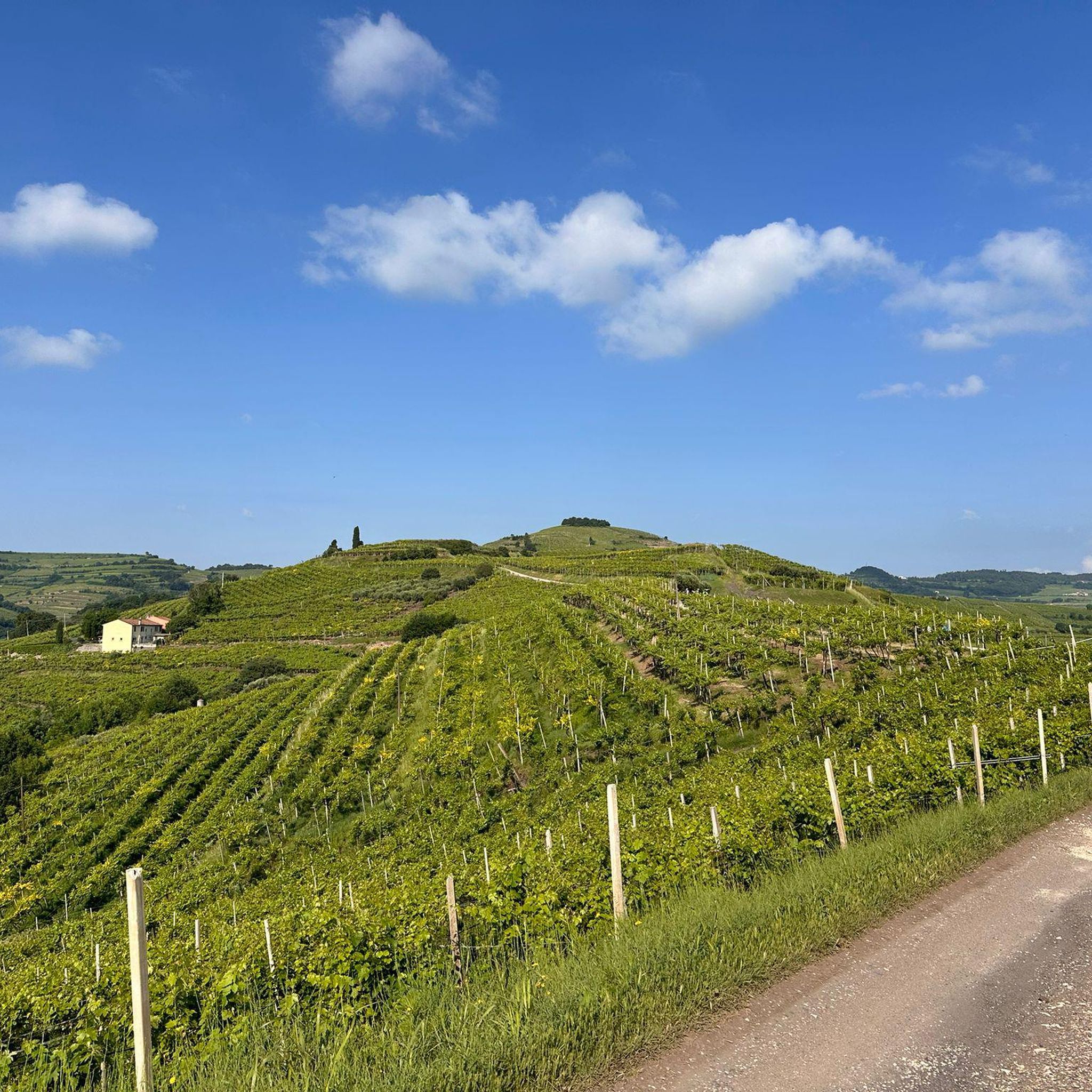
Monte Nero, above Montecchio Maggiore, is actually a hill: despite its modest size, it is quite unique in terms of its geology, morphology, and botanical rarities! Thirty million years ago, Monte Nero was a volcanic island emerging from the waters. This gave rise to the current peak, which, with its bare, arid, and dark basalt (hence the name "Nero"), stands out clearly from the surrounding limestone hills. It is a unique (micro)environment: you walk on the primitive, solidified lava flow; you encounter rare plants, including exotic and Mediterranean ones, which are, to say the least, unusual to find in these places. A short educational trail (also suitable for children) starts from the Church of San Pietro and illustrates the peculiarities of Monte Nero in six stages/panels. https://www.prolocoaltemontecchio.it/cosa-vedere/percorsi/naturalistici/
2
0

To admire this curious phenomenon, a detour from the main road is necessary. Once you reach the place, just look out into the well (with a diameter of about 50 cm) from which what is sometimes called "dragon's breath" seems to emerge from. It is nothing more than a karst cavity (characteristic of the Faedo-Casaron plateau) from which fresh air comes out (which varies between 7 and 13 degrees). Especially in the summer period, the typical rustle of the exchange of hot and cold air masses at the mouth of the cave is clearly audible. The cavity, commonly called "Buso del Lucio", was discovered by the Maladense speleologist Lucio Zanini. The valley that you travel along following the Campipiani-Faedo path is called “Valle dei Vischi”. The origin of this name is not known but it probably refers to the sound effects (breathing, hissing, moaning) that the blowing caves produce in particular climatic conditions.
0
0
A passage beneath a striking rock roof, at the foot of a cliff that cuts through a steep forest. In the area, as throughout the Berici Hills, there are numerous unique karst features (ledges, cliffs, roofs, and caves), the result of differential erosion between rocks of varying compactness, formed in different geological eras. They have been used as shelter and dwellings since prehistoric times. P.S.: A 'cèngia' is a horizontal passage that cuts through a vertical wall; a 'còvolo' (Venetian dialect) is a ravine in the rock.
2
0

Perarolo di Arcugnano is a splendid village, dominated by the splendid church of San Bernardino with its particular bell tower designed at the end of the 19th century by the architect Vittorio Barichella. From here there are some beautiful paths that lead towards the woods of Brendola.
1
0

The best drinking fountain in the area. Unmissable charging stage
0
0

stopping point for drinking water supply
0
0


A highlight of my vacation ...
12
1
Frequently Asked Questions
What unique natural features can I explore around Montecchio Maggiore?
The region offers diverse natural features. You can discover the unique volcanic geology of Monte Nero, which was once a volcanic island and features dark basalt and rare plants. Another notable feature is San Giovanni Ledge, a striking rock formation with karst features that provided shelter in prehistoric times. The Valle dei Mulini also showcases karstic terrain with numerous streams.
Are there family-friendly natural monuments to visit in Montecchio Maggiore?
Yes, Monte Nero is considered family-friendly, offering a short educational trail that illustrates its unique geology and botanical rarities. The Valle dei Mulini is also a popular destination for families, with green trails and historical interest, though some parts of the full loop might be challenging for strollers.
What kind of geological formations are prominent in the natural monuments of Montecchio Maggiore?
Montecchio Maggiore is characterized by both volcanic and karstic formations. Monte Nero is a prime example of a volcanic hill, with its dark basalt originating from ancient lava flows. The Valle dei Mulini and San Giovanni Ledge showcase karstic features like ledges, cliffs, and caves, formed by the dissolution of soluble rocks.
Where can I find the best viewpoints of the surrounding area?
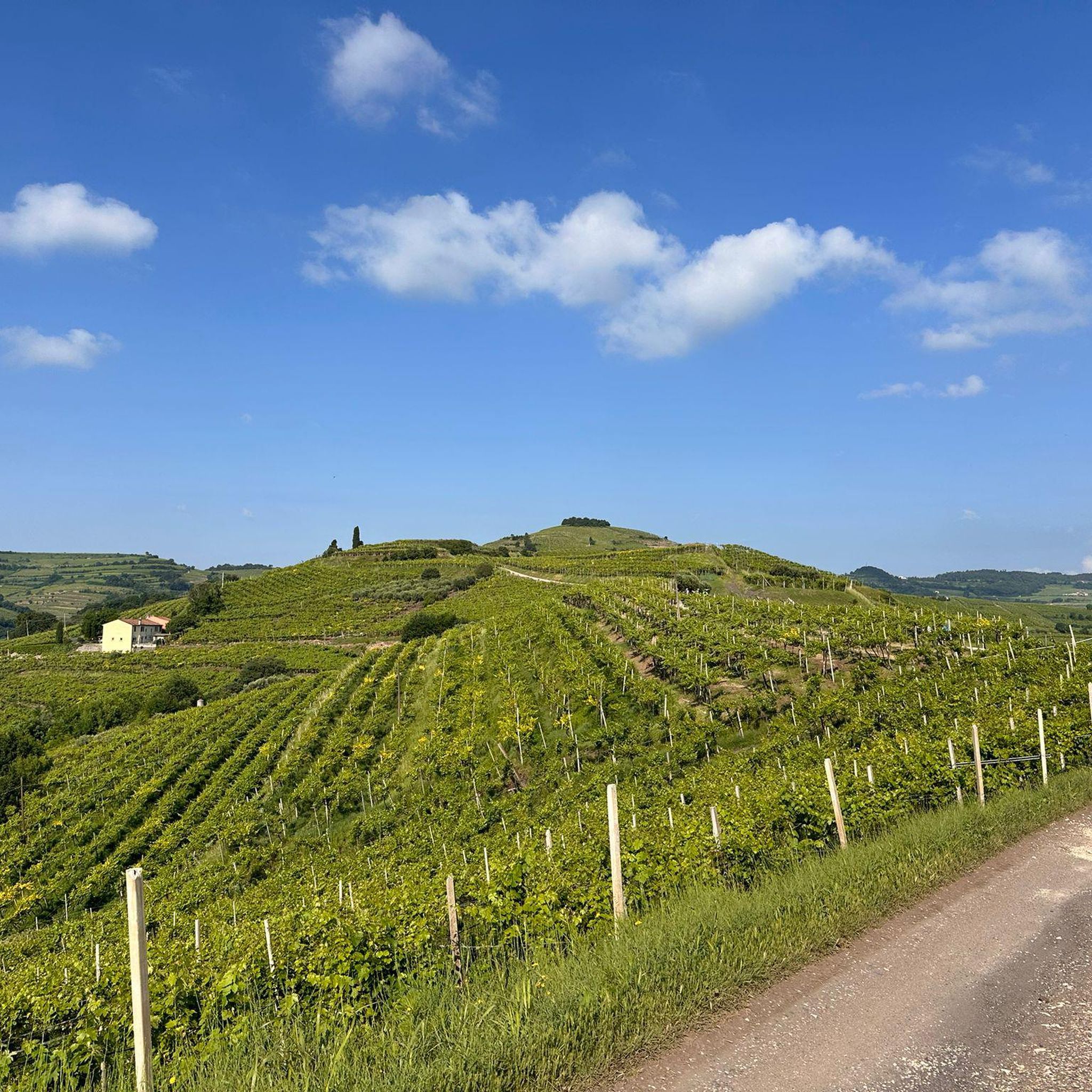
For excellent panoramic views, visit View of Vicenza and the Berici Hills. This viewpoint offers a splendid perspective of Vicenza and the surrounding countryside from a ridge of the Berici mountains.
What outdoor activities can I do near these natural monuments?
The area around Montecchio Maggiore offers various outdoor activities. You can find numerous running trails, such as the 'Villa Cordellina Lombardi loop' or the 'Romeo and Juliet Castle loop'. For cycling enthusiasts, there are gravel biking routes like the 'Malga Morando – Agno Guà Cycle Path loop' and road cycling routes including the 'Costo Tezze Cycle Path'. You can explore these and more on the dedicated guide pages for Running Trails, Gravel Biking, and Road Cycling around Montecchio Maggiore.
Are there any natural monuments with historical significance?
The Valle dei Mulini is rich in both natural beauty and history. Historically, water from its numerous streams powered various mills for centuries, and you can still explore the 'roste' (weirs) that directed water. The area also holds cultural significance with local legends tied to features like 'Sojo del Covolo' and 'Bruttopasso'.
What makes Monte Nero a unique natural monument?
Monte Nero is unique because it was a volcanic island approximately thirty million years ago. Its peak is characterized by bare, arid, and dark basalt from solidified lava flows, which contrasts with the surrounding limestone hills. This volcanic origin has created a micro-environment where rare, exotic, and Mediterranean plants thrive, making it a botanical rarity for the region.
Is there a natural monument that involves exploring a cave?
Yes, Lucio's Hole, also known as 'Buso del Lucio', is a karst cavity where fresh air emerges, creating an audible rustle, especially in summer. The Grotta di Montecchio, locally called the 'devil's cave', is also a noteworthy subterranean natural spa for those interested in geological formations and underground environments.
What kind of plant life can be found at the natural monuments?
At Monte Nero, you can discover rare, exotic, and Mediterranean plants that are unusual for the region, thriving in its unique volcanic micro-environment. The Valle dei Mulini is also rich in flora, including various edible and medicinal plants, due to its lush vegetation fostered by numerous streams.
How long does it take to explore the Valle dei Mulini?
A loop trail through the Valle dei Mulini typically takes about 3 hours to complete. It offers a rich natural landscape and historical features, but be aware that the full loop, including the 'Bruttopasso', may not be suitable for strollers or those with walking difficulties.
Are there any natural monuments that offer a place to refill water?
Yes, the San Bernardino drinking fountain in Perarolo is a highly-rated spot for water supply. It's considered an unmissable charging stage for hikers in the area.
What do visitors appreciate most about the natural monuments around Montecchio Maggiore?
Visitors frequently appreciate the diverse geological features, from volcanic hills to unique karst formations. The scenic viewpoints, like the View of Vicenza and the Berici Hills, are highly praised. The educational aspects, such as the trail at Monte Nero, and the historical context of places like the Valle dei Mulini, also receive positive feedback.
Most popular routes around Montecchio Maggiore
Most popular attractions around Montecchio Maggiore

Get inspired with the komoot mobile app


Explore more
Extend your search for the best caves by checking out these guides of the top ones around Montecchio Maggiore:
