Top 20 Natural Monuments around Castelli
Best natural monuments around Castelli are primarily found within the Gran Sasso e Monti della Laga National Park in Abruzzo. This region is characterized by dramatic mountain scenery and diverse ecosystems. Visitors can explore high peaks, extensive plateaus, and mountain passes. The area offers a range of natural features for outdoor activities.
Best natural monuments around Castelli
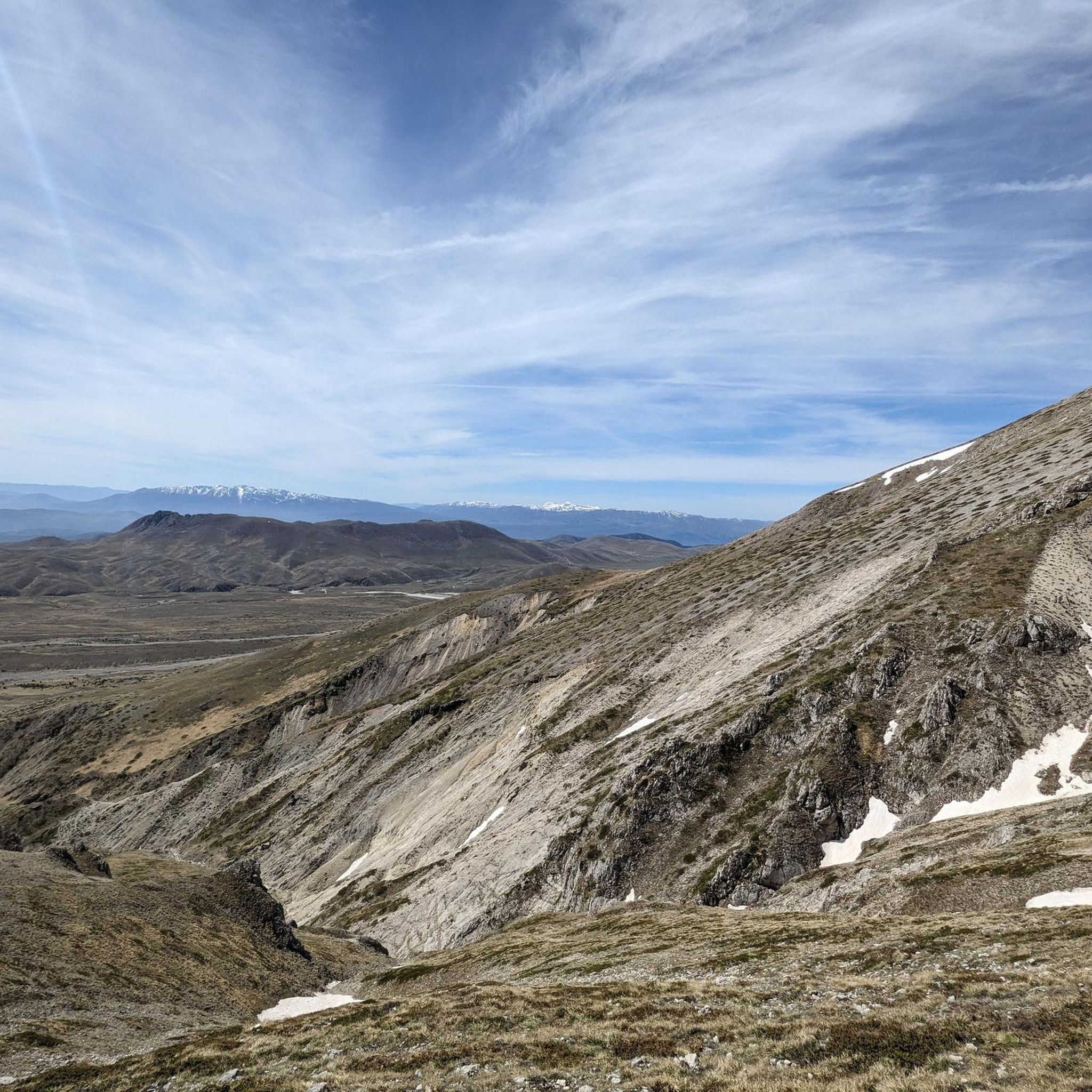
- The most popular natural monuments is Monte Aquila Summit, a summit that offers panoramic views of the Gran Sasso area and Campo…
Last updated: October 1, 2026
Corno Grande Western Summit
Highlight • Summit
Tip by

Monte Aquila Summit
Highlight • Summit
Translated by Google •
Tip by

Sign up now to discover places like this
Get recommendations on the best single tracks, peaks, & plenty of other exciting outdoor places.
Monte Camicia summit
Highlight • Summit
Translated by Google •
Tip by

Scoppaturo Canyon
Highlight • Canyon
Translated by Google •
Tip by

Capo la Serra Pass
Highlight • Mountain Pass
Translated by Google •
Tip by
Sign up for free to discover even more natural monuments around Castelli.
Already have an account?
Start today with a free account
Your next adventure awaits.


Tips from the Community

The summit is easily reachable from the hotel in Campo Imperatore or from Vado di Corno. Suitable for those approaching the world of high-altitude hiking.
0
0

Given the steepness, trekking poles are recommended.
0
0

The Normal Route is a fairly simple route, except for the last 400 meters, the gully and the ridge, which, being EEA grade (expert equipped hikers), require considerable physical strength and technique. Mountaineering boots are also required, and a helmet is recommended. Since the ridge is also quite technical, it is absolutely not suitable for those with a fear of heights, the elderly, children, or anyone without mountaineering experience.
3
0

what beautiful places to cycle
0
0

A Classic from Campo Imperatore, I recommend excursions even for those who are new to the area, beautiful panorama
0
0

Easy route for any level of preparation, almost flat. You walk on grass and gravel (inside the canyon). The surrounding view is enchanting, it is worth going there. You can park in the nearby refuges or in the parking lot along the road.
0
0

A really impressive gorge, where you wouldn't expect to find it. It's a lovely place to walk through, there's a marked path.
1
1

Wonderful canyon, location of films by Terence Hill and Bud Spencer..
0
0
Frequently Asked Questions
What are some of the most prominent natural monuments to visit around Castelli?
The natural monuments around Castelli are primarily located within the Gran Sasso e Monti della Laga National Park. Key highlights include the highest peak in the Apennines, Corno Grande Western Summit, and the Campo Imperatore Plateau, often called "Little Tibet." Other notable summits are Monte Aquila Summit and Monte Camicia summit, both offering spectacular views.
What kind of landscapes can I expect to see in the natural monuments near Castelli?
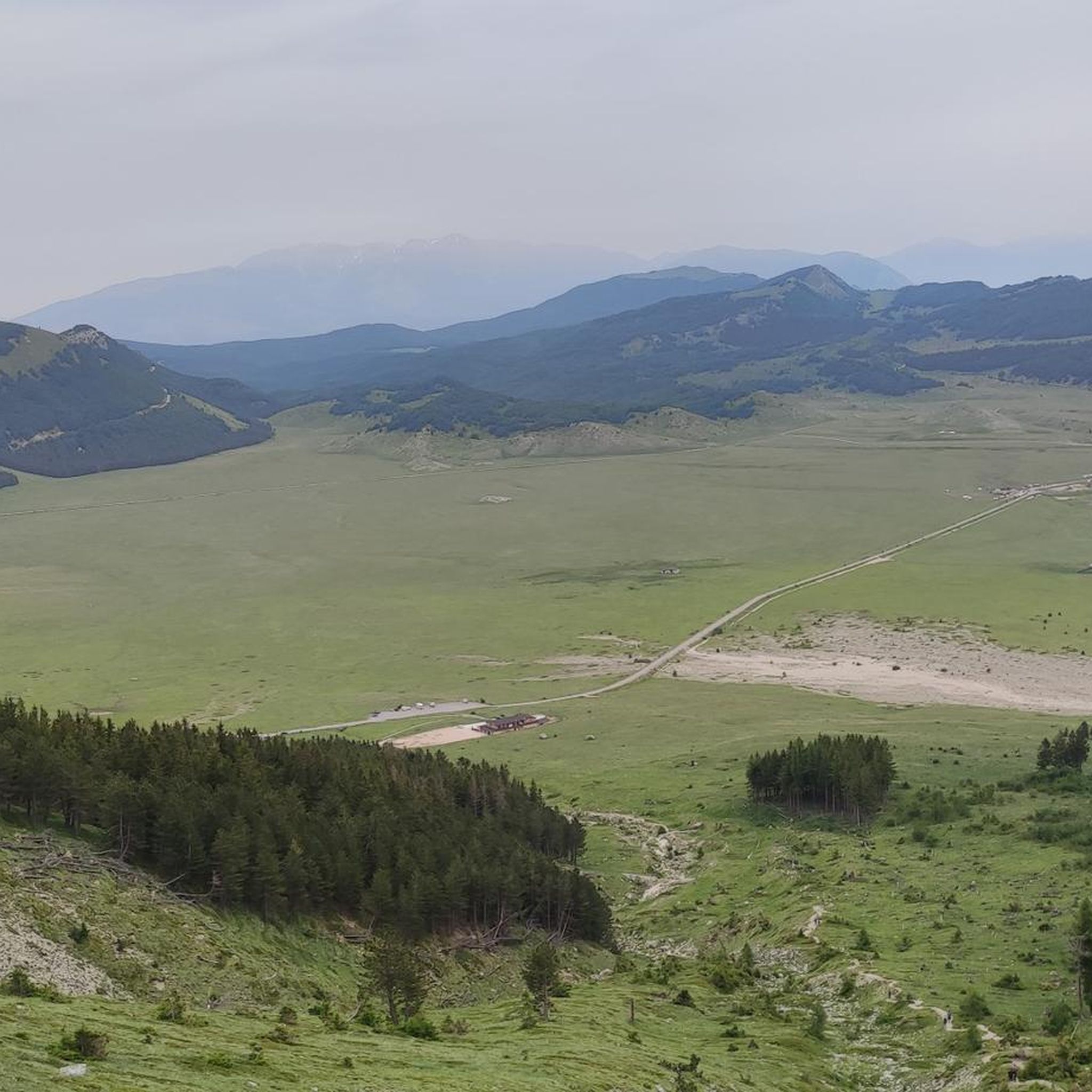
The region around Castelli is characterized by dramatic mountain scenery, vast alpine meadows, and diverse ecosystems within the Gran Sasso e Monti della Laga National Park. You'll encounter high peaks, extensive grasslands like the Campo Imperatore Plateau, and mountain passes such as Capo la Serra Pass, which marks the watershed between the plateau and surrounding towns.
Are there challenging hikes among the natural monuments near Castelli?
Yes, many of the natural monuments around Castelli offer challenging hikes. For instance, reaching the Corno Grande Western Summit, the highest peak in the Apennines, involves a demanding climb. Similarly, the Monte Camicia summit is known for its steep and constant ascent. These trails often require attention and good physical condition.
What outdoor activities can I do near these natural monuments?
The area around Castelli is excellent for various outdoor activities. You can find numerous options for mountain hikes, including difficult routes like the Ferrata Danesi – Corno Piccolo loop. There are also extensive gravel biking trails across the Gran Sasso Plateau, and diverse running trails, such as the Monte Camicia and Monte Tremoggia loop.
What is the best time of year to visit the natural monuments around Castelli?
The best time to visit depends on your preferred activity. Spring brings blooming wildflowers and pleasant temperatures for hiking, while summer is ideal for exploring the high mountain areas like the Campo Imperatore Plateau. Autumn offers stunning foliage. Winter transforms the landscape into a snowy wonderland, suitable for snowshoeing or skiing, though some trails become more challenging due to snowfields.
Are there any natural viewpoints offering panoramic vistas?
Absolutely. Many natural monuments in the area serve as excellent viewpoints. The Monte Aquila Summit, for example, offers breathtaking panoramic views of the Gran Sasso area and Campo Imperatore. Similarly, the Monte Camicia summit provides a splendid 360° view, rewarding the effort of the climb.
What wildlife can be found in the Gran Sasso e Monti della Laga National Park?
The Gran Sasso e Monti della Laga National Park is home to diverse wildlife. You might encounter badgers, porcupines, and foxes. The park is also a haven for various bird species, including woodpeckers and peregrine falcons, making it a great spot for nature observation.
Are there any natural monuments suitable for families or beginners?
While many summits are challenging, the vast Campo Imperatore Plateau offers extensive grasslands that can be explored with easier walks, depending on the chosen path. The area provides a range of natural features, so it's possible to find less strenuous routes, especially on the plateau, though specific family-friendly trails should be researched for difficulty.
What do visitors enjoy most about the natural monuments around Castelli?
Visitors particularly appreciate the unspoiled nature and the spectacular panoramic views from the mountain trails. The dramatic mountain scenery, especially towards Mount Camicia, and the vastness of the Campo Imperatore Plateau, are frequently highlighted. The region offers a peaceful retreat and a chance to explore one of Italy's largest national parks.
What should I wear when hiking in the natural monuments of Gran Sasso?
When hiking in the Gran Sasso area, it's crucial to be prepared for varying conditions. Even in warmer months, the high altitude means temperatures can drop, and cold winds can be present. Layers are recommended, along with sturdy hiking boots. Be aware that weather can change quickly, with clouds and even thunderstorms possible, so waterproof and windproof outer layers are advisable.
Are there any specific geological formations worth noting?
The entire Gran Sasso massif is a significant geological formation, being part of the Apennine Mountains. The Corno Grande Western Summit holds Europe's southernmost glacier, Ghiacciaio del Calderone, a unique feature. The Campo Imperatore Plateau itself is a vast alpine meadow formed by ancient geological processes, offering a distinct landscape.
Can I find amenities like cafes or accommodation near the natural monuments?
While the natural monuments themselves are remote, the surrounding towns and villages, as well as some refuges, offer amenities. For example, the Monte Aquila Summit area can be extended to include a visit to the managed Rifugio Duca degli Abruzzi. The Campo Imperatore Plateau is known for regional Abruzian cheeses and ham available in some spots.
Most popular attractions around Castelli

Get inspired with the komoot mobile app


Explore more
Extend your search for the best caves by checking out these guides of the top ones around Castelli:
