The best mountain hikes around Castelli
4.7
(3)
24
hikers
3
hikes
Mountaineering routes around Castelli are situated within the Gran Sasso e Monti della Laga National Park, characterized by rugged peaks, high-altitude plateaus, and deep valleys. The terrain primarily consists of limestone formations, offering challenging ascents and technical sections. This region provides a diverse landscape for advanced mountaineering Castelli trails, with elevations reaching over 2,600 meters.
Best mountaineering routes around Castelli
- The most popular mountaineering route is Ferrata Danesi – Corno Piccolo (2655 m) loop from Prati di Tivo, a 7.4 miles (11.9 km) trail that takes 6 hours 11 minutes to complete. This difficult route features a via ferrata section and panoramic views of Corno Piccolo.
- Another top favourite among local mountaineers is Corno Pass – Mount Brancastello loop from Monte Aquila, a difficult 7.1 miles (11.4 km) path. This route traverses high mountain passes and offers expansive vistas across the Gran Sasso massif.
- Local mountaineers also love the Monte Camicia summit – Fonte Vetica Hut loop from Camping Fonte Vetica, a 4.8 miles (7.7 km) trail leading through alpine meadows and rocky slopes, often completed in about 4 hours 52 minutes.
- Mountaineering around Castelli is defined by high-altitude peaks, challenging rock formations, and extensive mountain plateaus. The network offers options primarily for advanced mountaineers seeking demanding ascents.
- The routes in Castelli are highly rated by the komoot community with an average score of 4.6 stars from 8 reviews. More than 70 mountaineers have used komoot to explore Castelli's varied terrain.
Last updated: May 8, 2026
11
hikers
11.4km
05:51
550m
550m
Hard mountaineering route. Very good fitness required. Sure-footedness, sturdy shoes and alpine experience required.
4.7
(3)
11
hikers
7.74km
04:52
910m
910m
Hard mountaineering route. Very good fitness required. Mostly accessible paths. Sure-footedness required.

Sign up for free
2
hikers
10.7km
06:22
880m
880m
Hard mountaineering route. Very good fitness required. Sure-footedness, sturdy shoes and alpine experience required.
Our route recommendations are based on thousands of hikes, rides, and runs completed by other people on komoot.
Start today with a free account
Your next adventure awaits.
Login or Signup

Tips from the Community

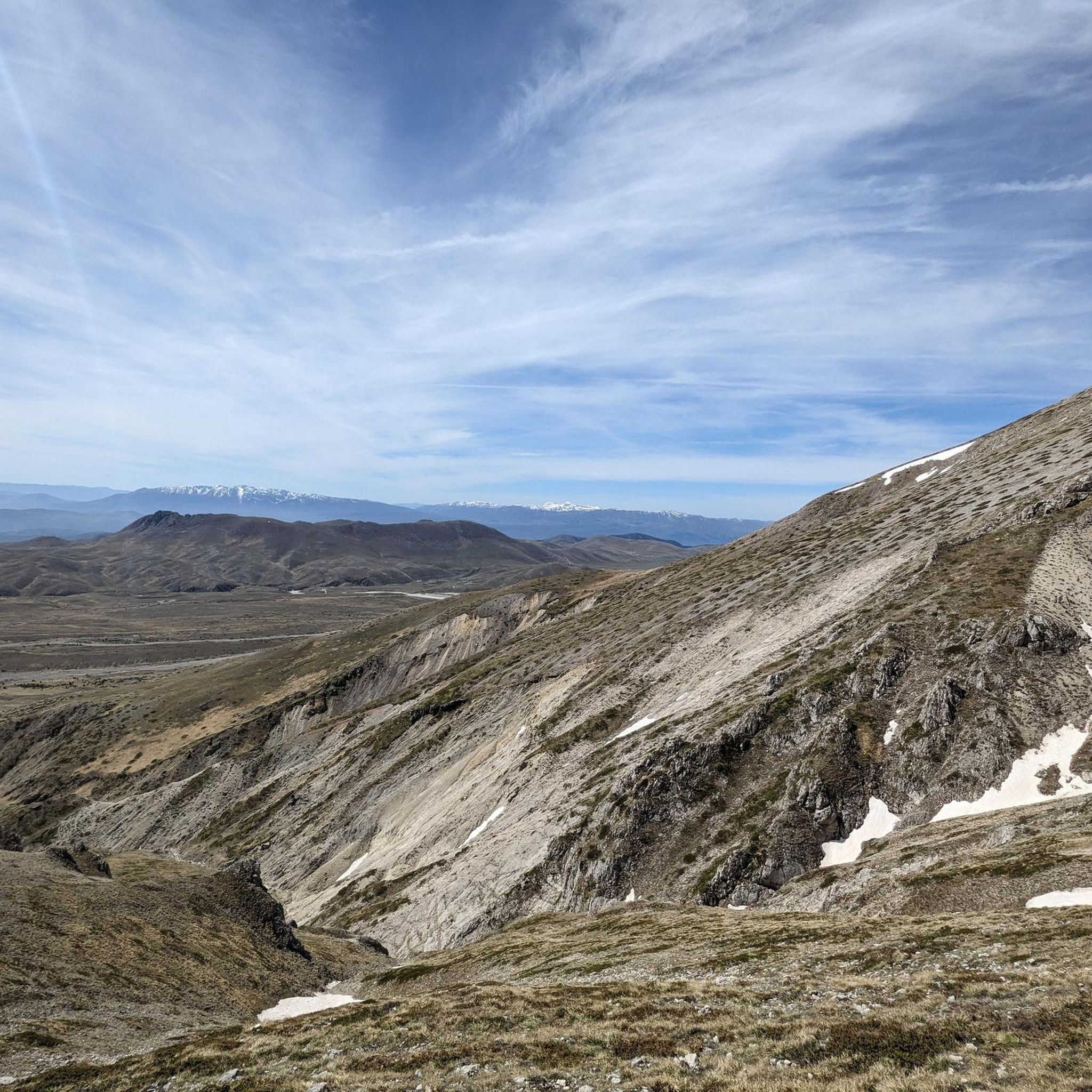
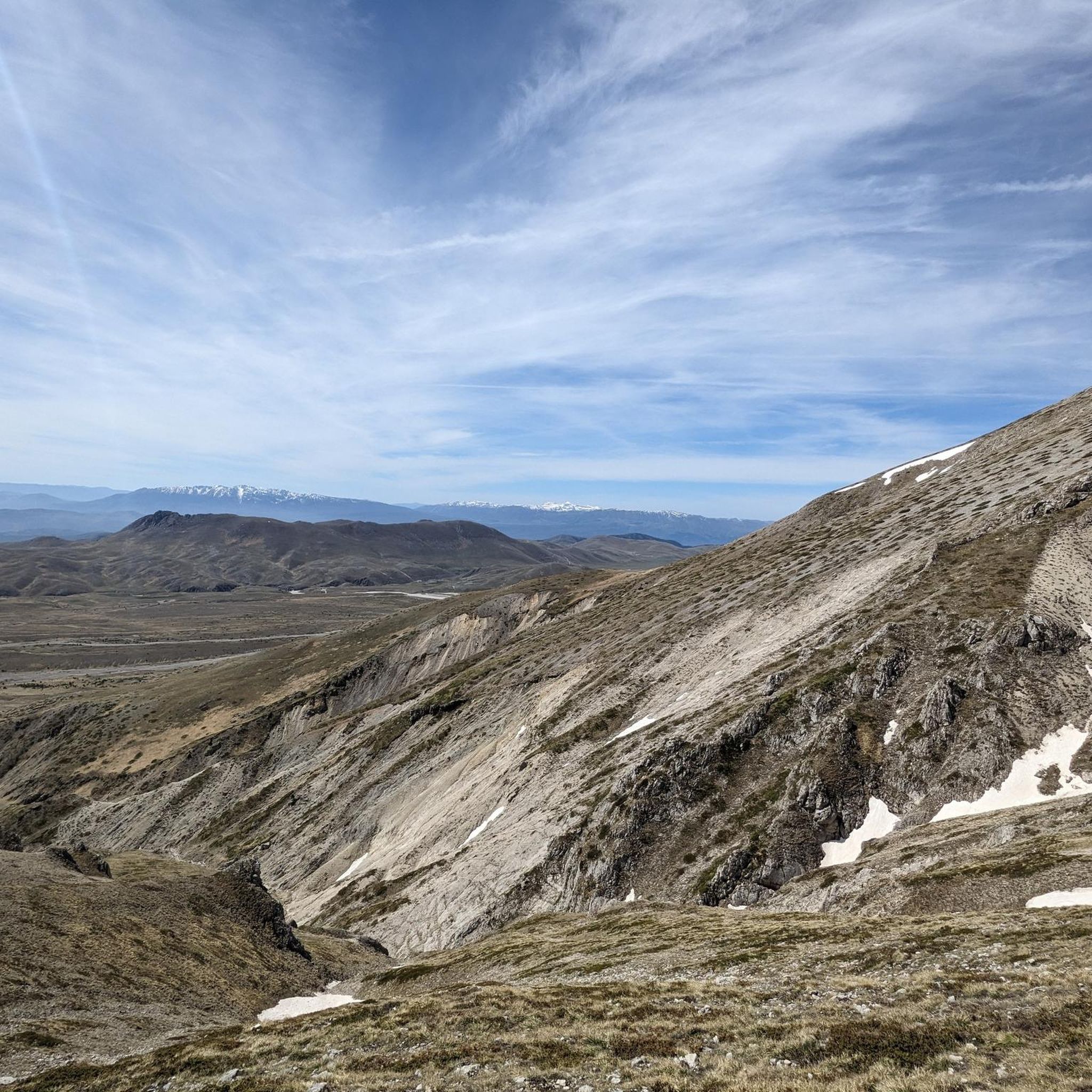
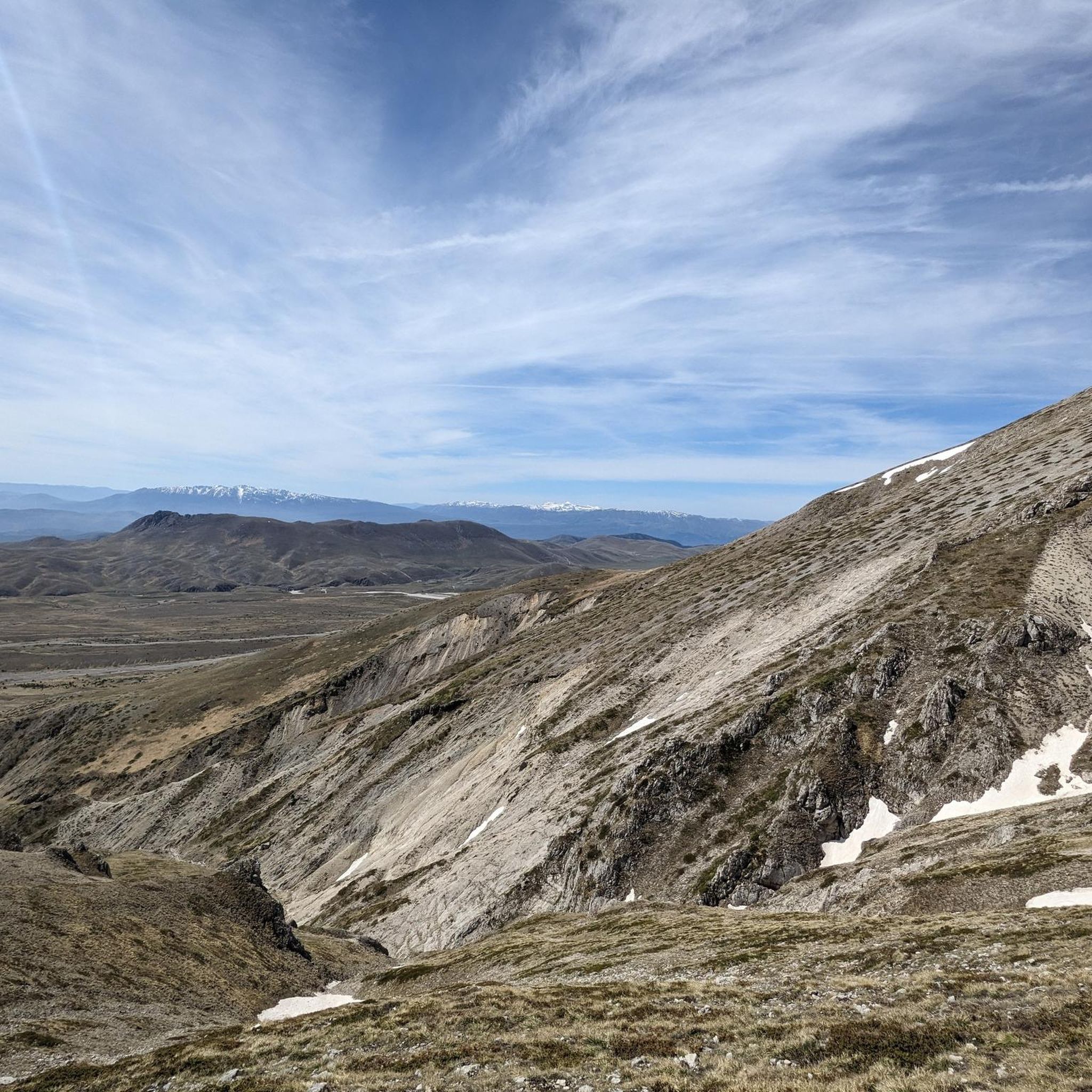
Arrival from Monte Prena and dislocation for Desiati bivouac, or continuing to the summit of Monte Camicia
0
0

Given the steepness, trekking poles are recommended.
0
0


Montr Shirt (2564 m) offers a vast panorama of the Adriatic Sea, the coast, the Corno Grande and a good part of the Central Apennines.
0
0

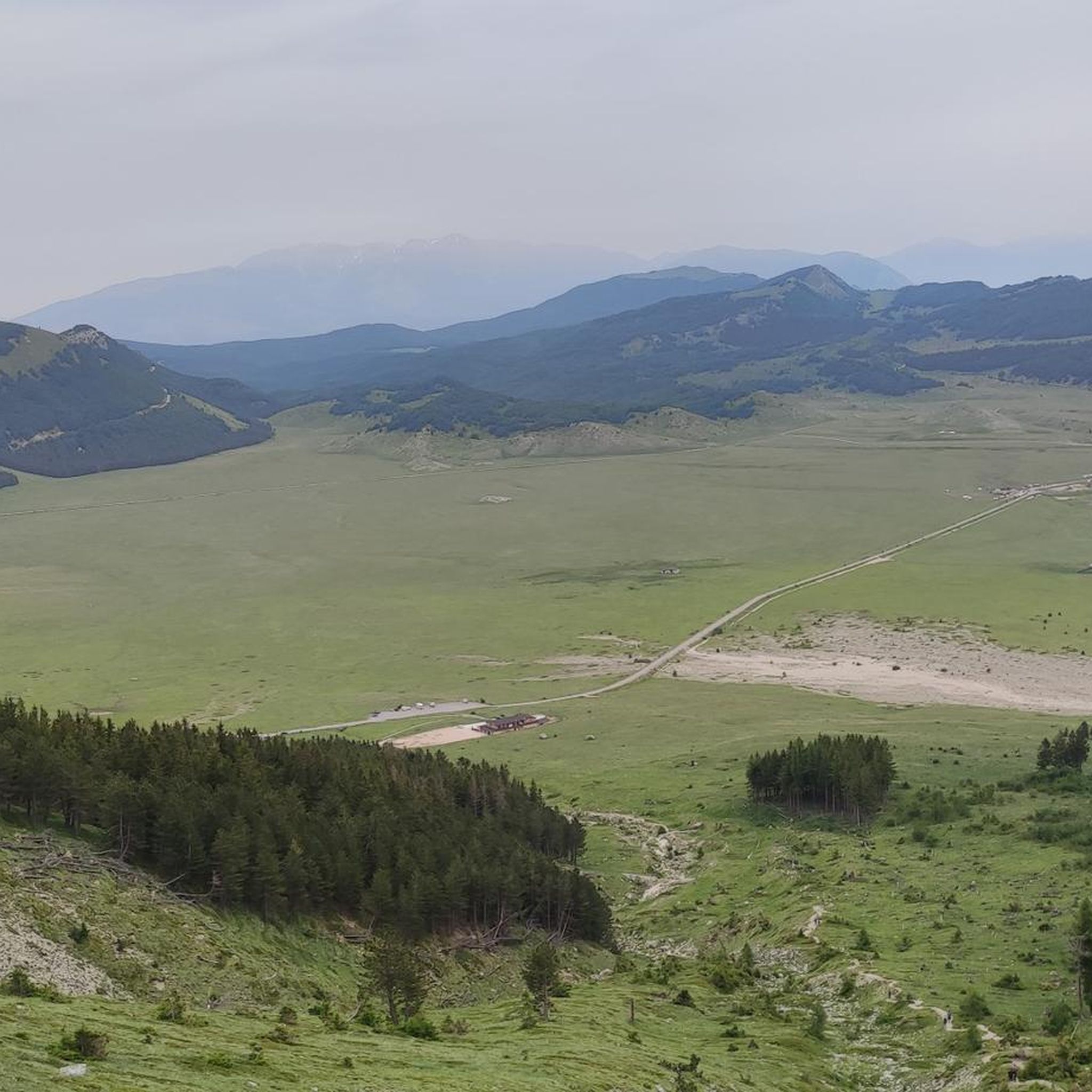
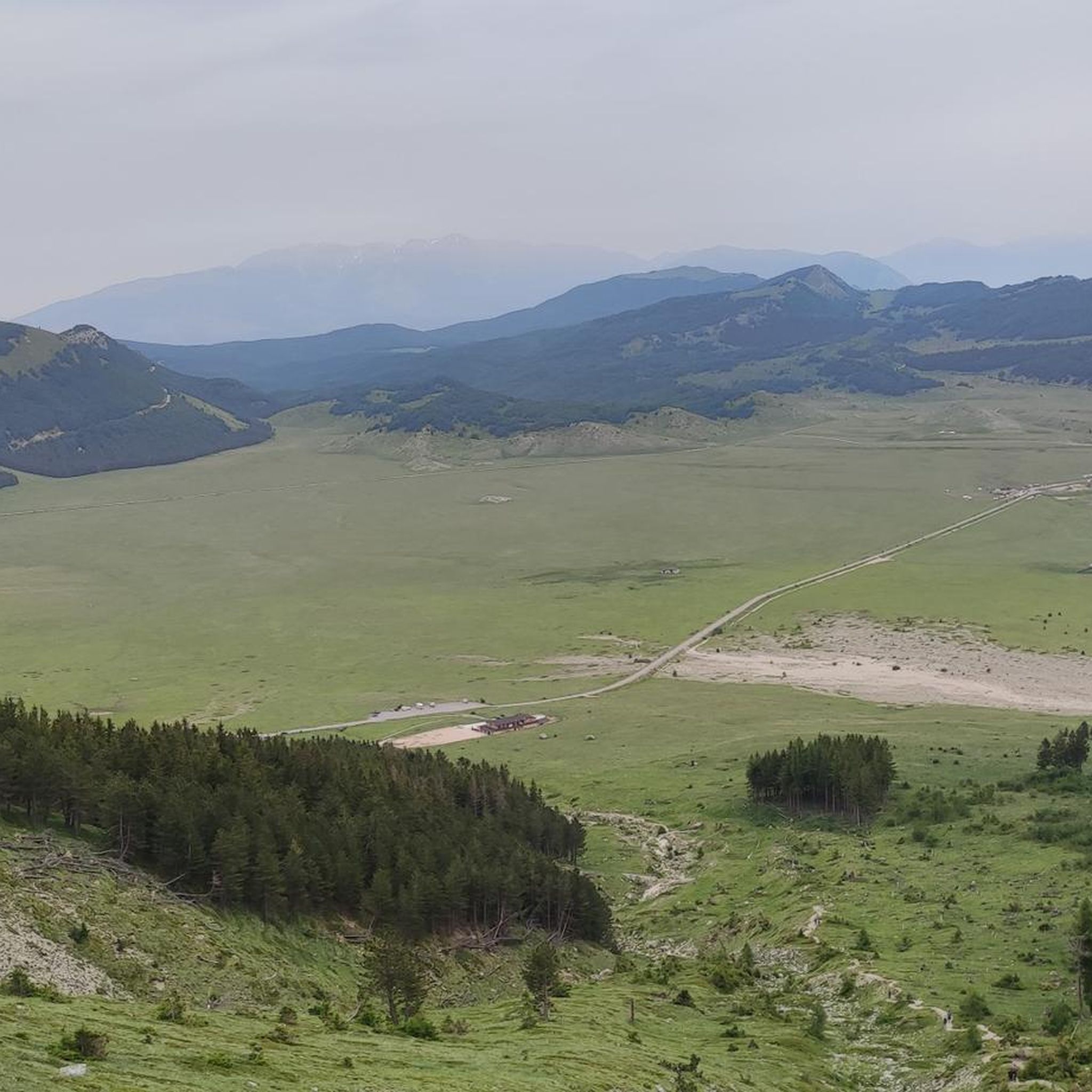
Vado di Corno is a pass at more than 1,900 meters above sea level, located on the Campo Imperatore plateau, in the heart of the Gran Sasso d'Italia. Various hiking trails also start from here, including the Centenary Trail and the ascent to Mount Aquila.
1
0
Monte Brancastello is a mountain of the Gran Sasso of Italy, 2,385 meters high. It is located on the eastern crest of the massif, between Monte Prena and the Torri di Casanova and is part of the Sentiero del Centenario, an itinerary that connects all the peaks of the Gran Sasso.
0
0
Frequently Asked Questions
Are there mountaineering routes suitable for beginners in Castelli?
The mountaineering routes around Castelli are primarily designed for experienced mountaineers. The terrain within the Gran Sasso e Monti della Laga National Park features rugged peaks, challenging ascents, and technical sections, with all listed routes rated as difficult. Beginners should seek guided tours or consider less demanding hiking trails in the broader region before attempting these routes.
What is the best time of year for mountaineering in Castelli?
The ideal time for mountaineering in Castelli is typically from late spring to early autumn (June to September) when the weather is more stable, and the high-altitude trails are generally free of snow. However, conditions can change rapidly in the mountains, so always check the local weather forecast before heading out.
Are there any circular mountaineering routes in Castelli?
Yes, several mountaineering routes in Castelli are circular. For instance, you can explore the Ferrata Danesi – Corno Piccolo (2655 m) loop from Prati di Tivo, which includes a via ferrata section. Another option is the Corno Pass – Mount Brancastello loop from Monte Aquila, offering expansive vistas across the Gran Sasso massif.
What kind of terrain can I expect on mountaineering routes in Castelli?
Mountaineering routes in Castelli are characterized by high-altitude peaks, challenging rock formations, and extensive mountain plateaus. The terrain primarily consists of limestone formations, offering demanding ascents and technical sections. You'll encounter rugged paths, rocky slopes, and sometimes alpine meadows, as seen on the Monte Camicia summit – Fonte Vetica Hut loop from Camping Fonte Vetica.
Are there any huts or refreshment stops along the mountaineering routes?
Yes, there are huts and refreshment stops in the vicinity that can be useful for mountaineers. For example, the Carlo Franchetti Hut and Rifugio Orazio Delfico are notable options. The Monte Camicia summit loop specifically mentions the Fonte Vetica Hut.
What are some notable peaks or landmarks to explore on these routes?
The region offers several prominent peaks and landmarks. You can ascend to Corno Piccolo (2655 m) via the Ferrata Danesi loop, or traverse high mountain passes on the way to Mount Brancastello. Another challenging ascent is to Monte Camicia summit. Additionally, the Monte Infornace (2464 m) – Monte Prena Summit Cross loop offers a chance to visit two significant peaks.
What do other mountaineers enjoy most about the routes in Castelli?
The mountaineering routes in Castelli are highly rated by the komoot community, with an average score of 4.6 stars. Reviewers often praise the challenging nature of the trails, the stunning panoramic views of the Gran Sasso massif, and the sense of accomplishment from tackling the rugged, high-altitude terrain.
Are there any lakes or water features near the mountaineering trails?
While the mountaineering routes themselves are high in the mountains, there are beautiful lakes and water features in the broader Castelli area. You might find highlights like Lake Pietranzoni or the Exclamation Point Ponds, which offer scenic spots to visit before or after your mountaineering adventure.
Is public transport available to reach the trailheads in Castelli?
Access to the high-altitude trailheads in the Gran Sasso e Monti della Laga National Park, including those around Castelli, often requires private transport. Public transport options are limited and may not reach the starting points of many mountaineering routes directly. It's advisable to plan for car access or arrange local transfers.
Are there specific permits required for mountaineering in the Gran Sasso e Monti della Laga National Park?
Generally, specific permits are not required for day mountaineering in the Gran Sasso e Monti della Laga National Park. However, it's always recommended to check the official park regulations for any updates, especially if you plan to camp or undertake activities that might require special authorization. Always respect protected areas and follow Leave No Trace principles.
What should I know about winter mountaineering conditions in Castelli?
Winter mountaineering in Castelli is extremely challenging and should only be attempted by highly experienced individuals with appropriate gear and training. The high-altitude environment experiences heavy snowfall, strong winds, and avalanche risks. Many routes become inaccessible or require specialized equipment like ice axes, crampons, and ropes. Always consult local mountain guides and current weather/snow reports before considering winter ascents.
Most popular attractions around Castelli

Get inspired with the komoot mobile app


Explore more
Browse the best Mountain Hikes & Routes in other regions.
