Sierras De Abdalajis Y La Encantada Sur
Sierras De Abdalajis Y La Encantada Sur
Top 7 Natural Monuments in Sierras De Abdalajis Y La Encantada Sur
Best natural monuments in Sierras De Abdalajis Y La Encantada Sur are found in a significant natural area within Málaga province, known for its dramatic landscapes and unique geological formations. The region features impressive karstic formations, including lapiaces, sinkholes, chasms, grottoes, caves, and cliffs, with ancient ammonite fossils indicating marine origins. This area is recognized for its ecological importance, including a Biosphere Reserve designation. It offers diverse Mediterranean mountain flora and xerophytic vegetation, shaped by its dry and warm climate.
Best natural monuments in Sierras De Abdalajis Y La Encantada Sur
- The most popular natural monuments is Las Mesas de Villaverde Viewpoint, a viewpoint located on the upper dam of the Tajo de la Encantada. From here, visitors can observe the Gaitanes gorge and the Caminito del Rey.
- Another must-see spot is Mozarabic Rock-Cut Church of Bobastro, a religious building and natural monument. This site preserves parts of a Christian rock church and individual cave sections.
- Visitors also love Tajo de los Cabritos, an impressive rock formation. This area is part of a climbing destination known for its limestone features.
- Sierras De Abdalajis Y La Encantada Sur is known for viewpoints, geological points of interest, and rock formations. The region offers a variety of natural monuments to see and explore, from karstic landscapes to significant geological sites.
- The natural monuments in Sierras De Abdalajis Y La Encantada Sur are appreciated by the komoot community, with 6 upvotes and 10 photos contributed by visitors.
Last updated: July 11, 2026
Geological Point of Interest: Bobastro
Highlight • Natural Monument
Translated by Google •
Tip by

Entrance to the Mozarabic Ruins of Bobastro
Highlight • Historical Site
Translated by Google •
Tip by

Sign up now to discover places like this
Get recommendations on the best single tracks, peaks, & plenty of other exciting outdoor places.
Sign up for free
Mozarabic Rock-Cut Church of Bobastro
Highlight • Religious Site
preserved are parts of the Christian rock church and individual cave parts.
Translated by Google •
Tip by

Las Mesas de Villaverde Viewpoint
Highlight • Viewpoint
Translated by Google •
Tip by
Torcal de Campano Chico
Highlight • Natural Monument
Translated by Google •
Tip by
Sign up for free to discover even more natural monuments in Sierras De Abdalajis Y La Encantada Sur.
Sign up for free
Already have an account?
Start today with a free account
Your next adventure awaits.
Login or Signup
Popular around Sierras De Abdalajis Y La Encantada Sur
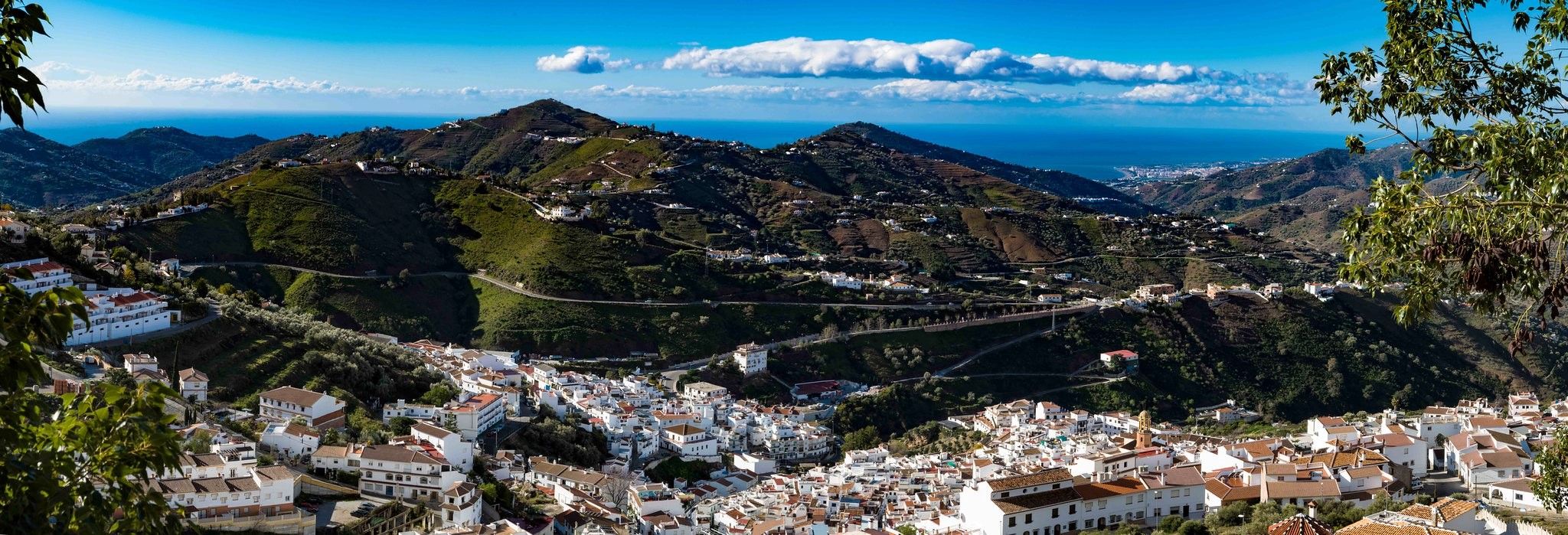
Hike between sea and mountains — Gran Senda de Málaga (GR 249)
Seven days walking along the Gran Senda de Málaga (GR 249)
Cycling in Sierras De Abdalajis Y La Encantada Sur
Road Cycling Routes in Sierras De Abdalajis Y La Encantada Sur
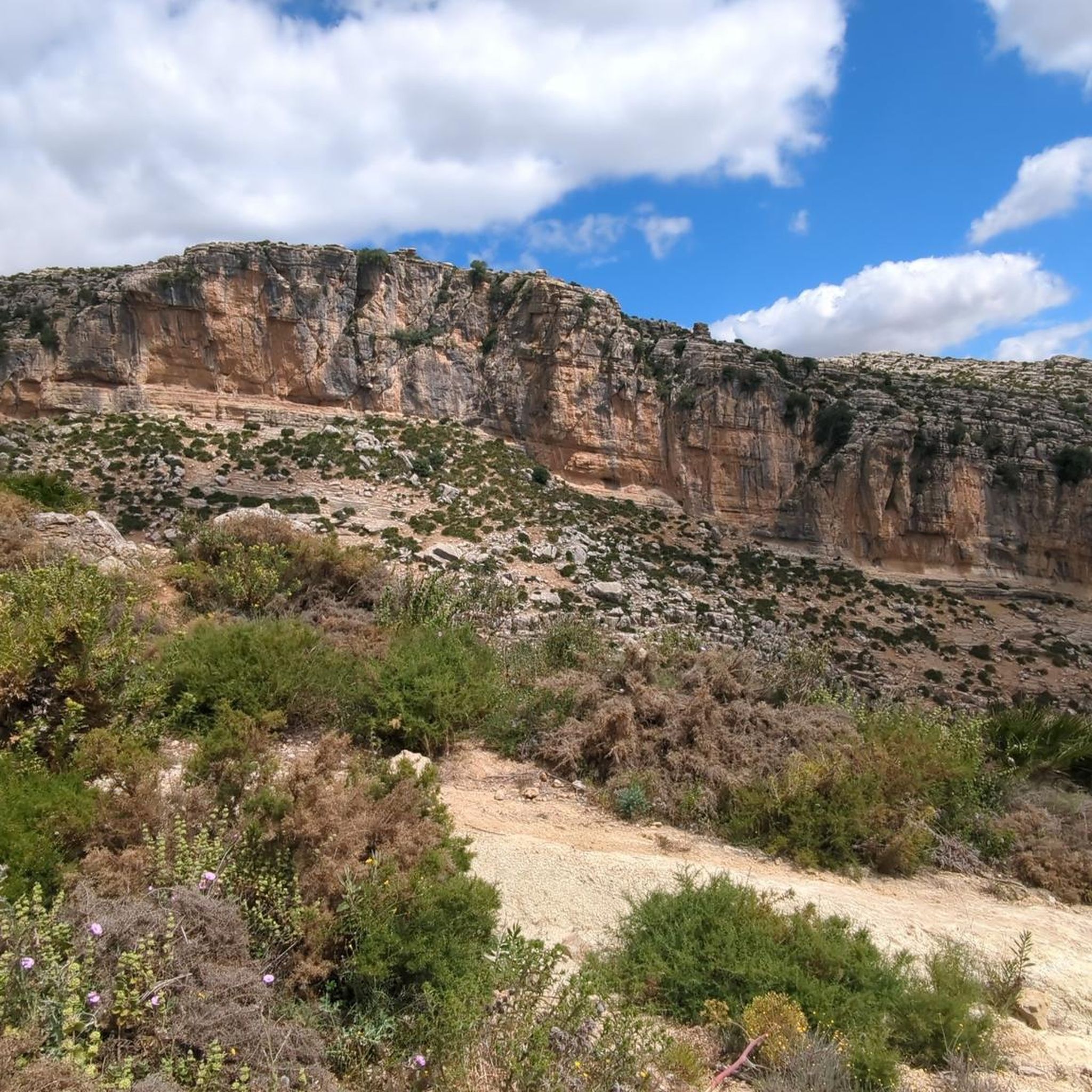
MTB Trails in Sierras De Abdalajis Y La Encantada Sur
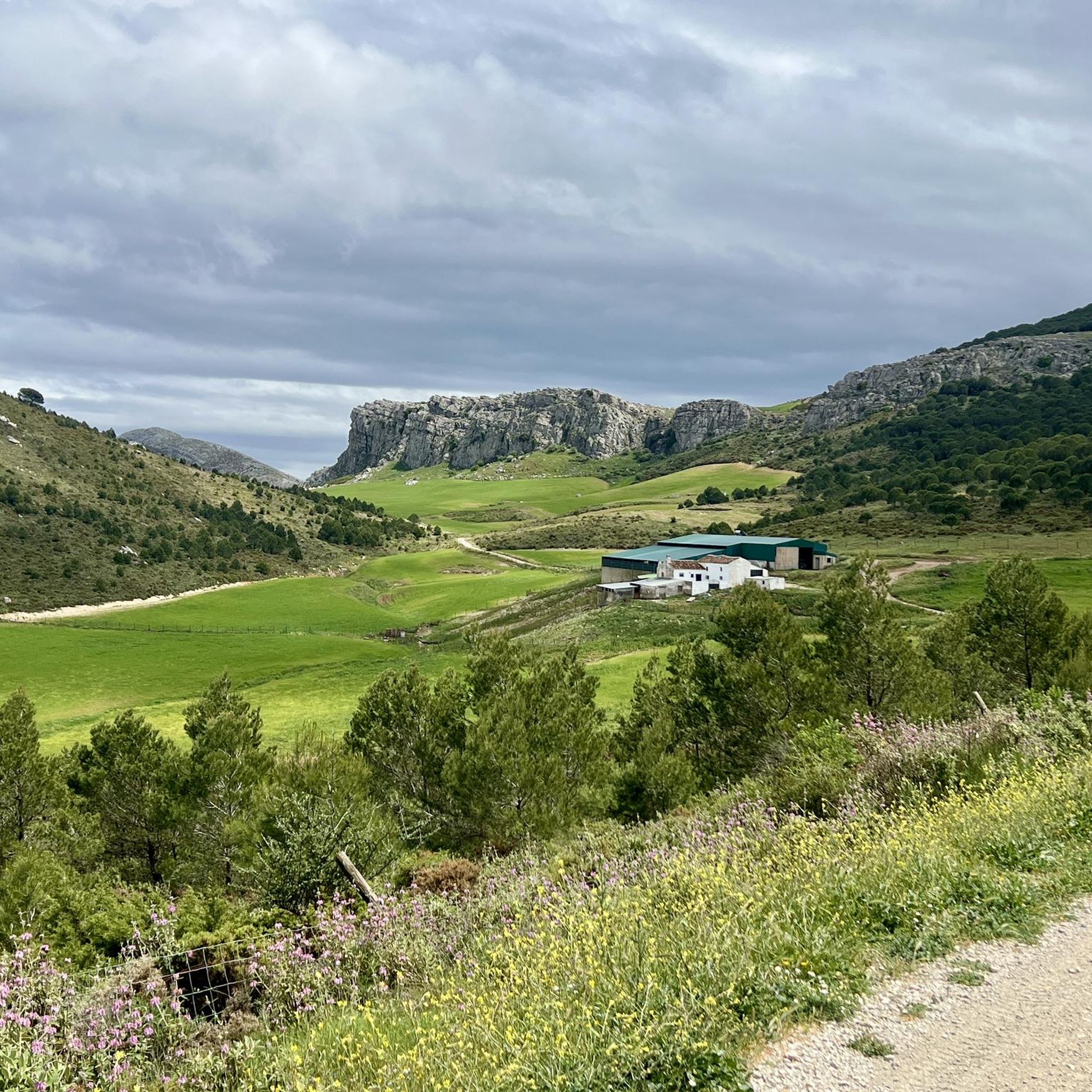
Running Trails in Sierras De Abdalajis Y La Encantada Sur
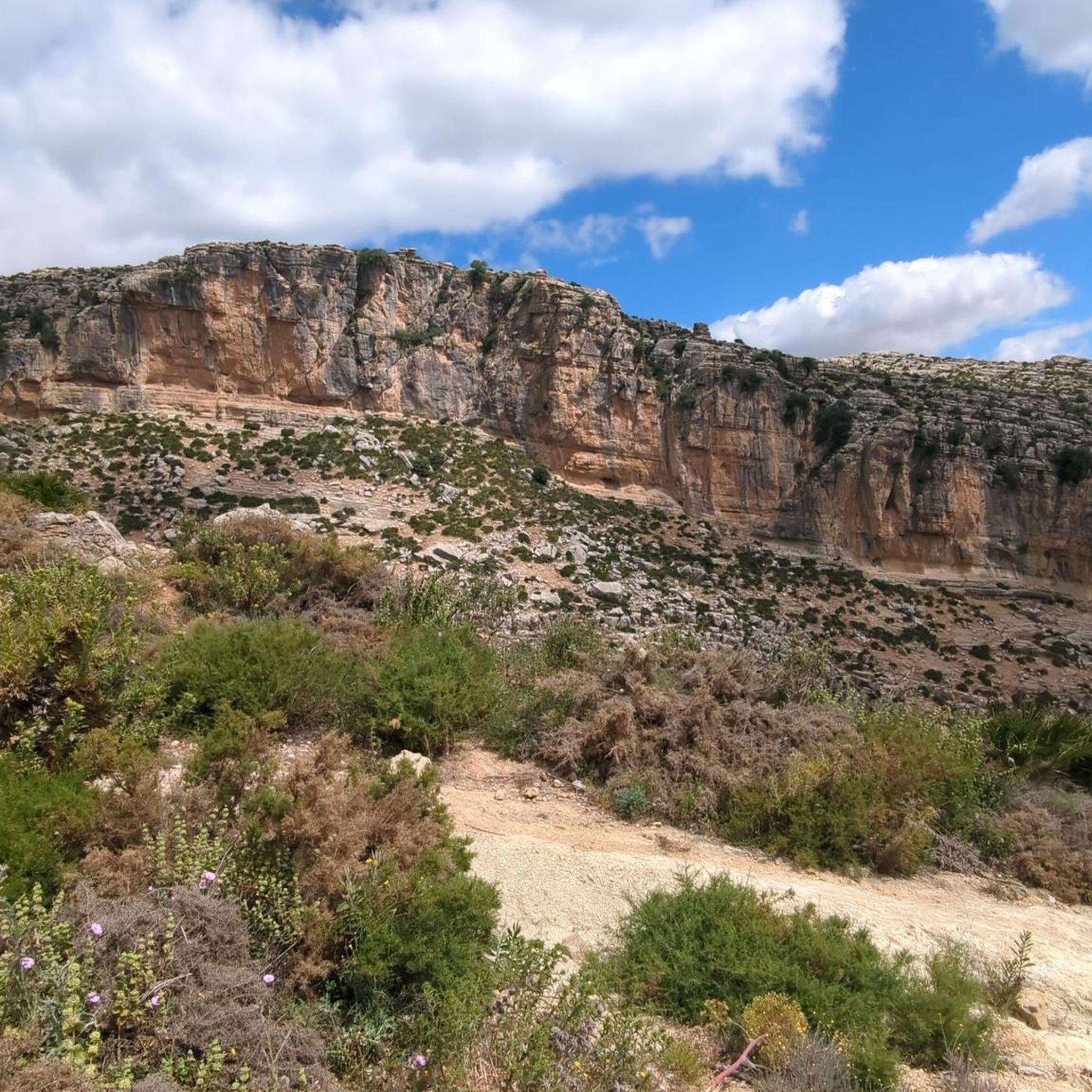
Hiking in Sierras De Abdalajis Y La Encantada Sur
Gravel biking in Sierras De Abdalajis Y La Encantada Sur
Other adventures in Sierras De Abdalajis Y La Encantada Sur

Tips from the Community

Don't miss the view down towards Caminito del Rey!
0
0

This geological landmark is characterized by the confluence of two important geological zones: the internal zone of metamorphic rocks and the external zone of folded sedimentary rocks such as limestones and marls. These geological formations date from different geological eras and illustrate the complex development of the region during and after tectonic movements in the Miocene. Particularly striking are the so-called molasas – coarse-grained calcareous sandstones deposited in former reef areas. In addition to its geological diversity, the area also offers cultural features, such as the rock-hewn church and the remains of the Bobastro fortress. The combination of nature and history makes this place a special destination for those interested in natural history and culture.
7
0

Point of interest Geological: Bobastro is an interesting place because of its unique geological features and the fact that it is a representative location for the geological history of Spain. It offers valuable insights into the geological processes that have shaped the region and the evolution of the landscape.
8
0

Very nice viewpoint. Depending on the conditions, you can see a lot of vultures in the air.
6
0

Gruesome
0
0

This architectural complex is made up of a necropolis and a cave church of Mozarabic origin; it stands out not only for its surroundings but also because the church is completely carved out of the rock. It can be accessed during visiting hours, from Tuesday to Sunday, from 10:00 to 15:00. The entrance fee is 3 euros.
5
0
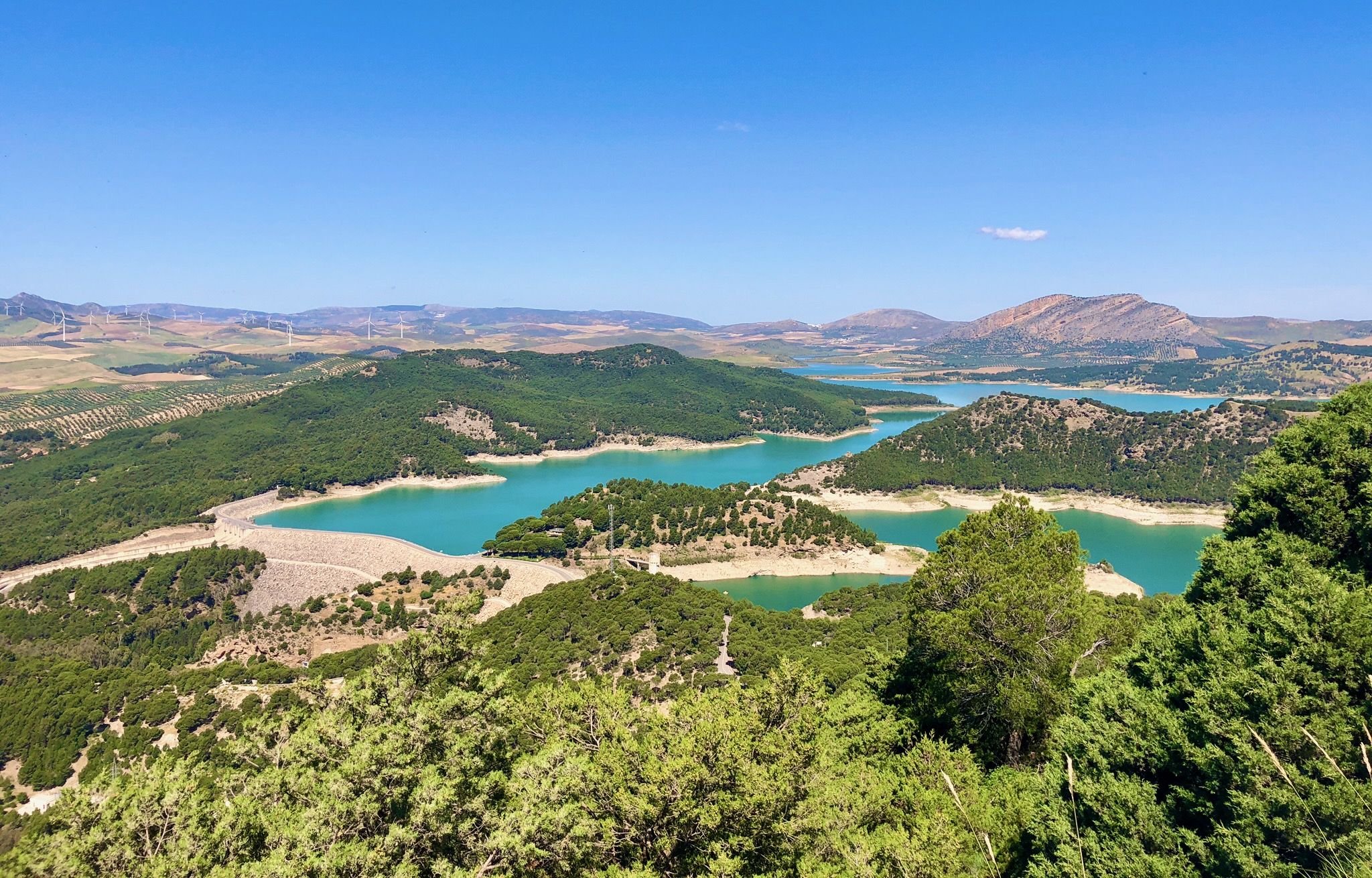
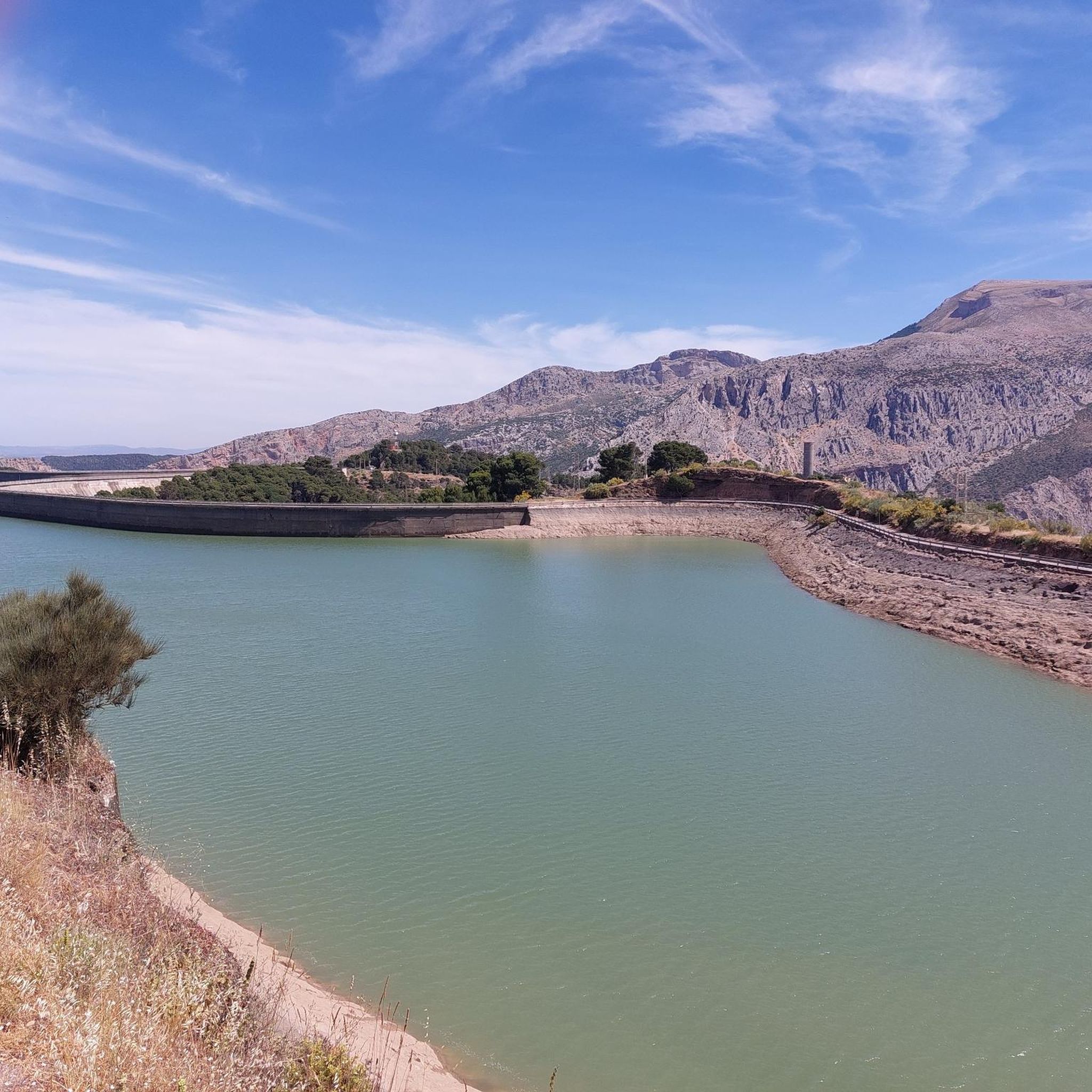
The viewpoint of the Mesas de Villaverde is located on the upper dam of the Tajo de la Encantada, which has a curious Y-shape due to the three hills that surround it. From here there is also an incredible view of the Gaitanes gorge and the adapted walkways.
4
0
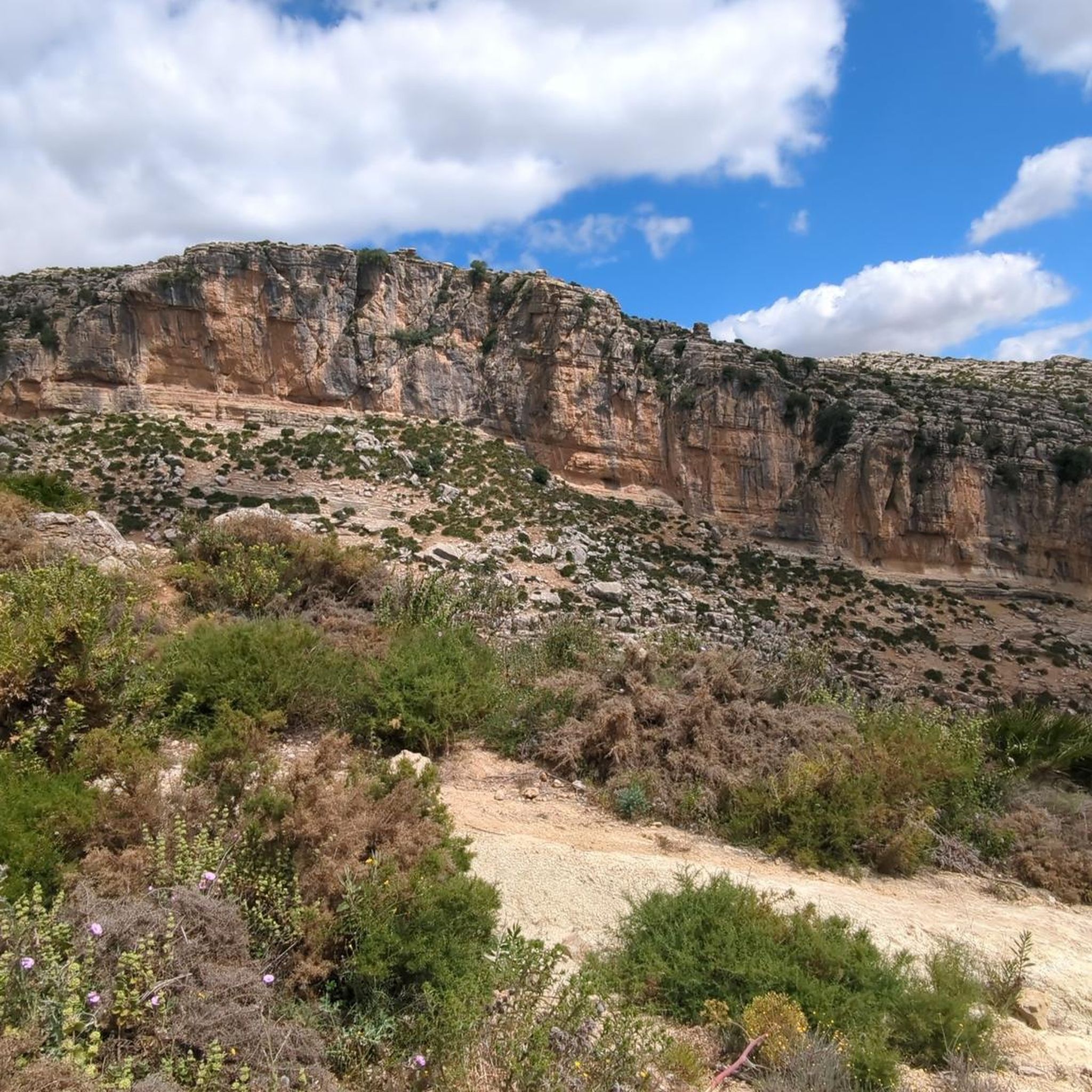
El Torcal de Campano Chico is located at the foot of the Sierra del Huma and takes its name from a nearby farmhouse. After coming down from the Huma peak, you do not expect to find anything more interesting, but the truth is that it is a place that, as it is not busy at all, is wilder and therefore you can see mouflons and mountain goats. From the road you can see an imposing wall; from above, a beautiful and endless labyrinth of rock.
3
1
Frequently Asked Questions
What unique geological features can I expect to see in Sierras De Abdalajis Y La Encantada Sur?
The region is renowned for its impressive karstic formations, including lapiaces (grooved limestone pavements), torcas (sinkholes), simas (chasms), grutas (grottoes), cuevas (caves), and tajos (cliffs). You can also find ancient ammonite fossils, indicating the area's marine origins. The Geological Point of Interest: Bobastro, for example, showcases the confluence of metamorphic and folded sedimentary rocks, including molasas (coarse-grained calcareous sandstones).
Are there any historical or cultural sites among the natural monuments?
Yes, the region features significant historical sites. The Mozarabic Rock-Cut Church of Bobastro is a notable example, preserving parts of a Christian rock church and individual cave sections completely carved out of the rock. This complex also includes a necropolis. You can visit from Tuesday to Sunday, 10:00 to 15:00, with an entrance fee of 3 euros.
What kind of panoramic views can I expect from the natural monuments in the region?
The natural monuments offer breathtaking panoramic views. From Las Mesas de Villaverde Viewpoint, you can see the dramatic Gaitanes gorge and the famous Caminito del Rey. The Tajo de la Encantada also provides a unique perspective on the Guadalhorce River and the surrounding Málaga mountain range, often with vultures soaring overhead.
Are there opportunities for climbing in Sierras De Abdalajis Y La Encantada Sur?
Yes, the Sierra de Abdalajís is a haven for nature sports enthusiasts, offering over 75 climbing routes. The Tajo de los Cabritos is an impressive rock formation that is part of a popular climbing area known for its extensive limestone features.
What outdoor activities are available near the natural monuments?
Beyond exploring the natural monuments themselves, the region is excellent for various outdoor activities. You can find numerous hiking trails, mountain biking routes, and even opportunities for free flight activities like hang gliding and paragliding, earning Valle de Abdalajís the nickname "THE FLIGHT CAPITAL." For cycling enthusiasts, there are many routes for gravel biking, road cycling, and MTB trails.
What is the best time of year to visit the natural monuments in Sierras De Abdalajis Y La Encantada Sur?
The region experiences a dry and warm climate. Spring (March to May) and autumn (September to November) are generally the most pleasant times to visit, offering milder temperatures ideal for hiking, climbing, and exploring the outdoor sites without the intense heat of summer.
Are there family-friendly options for visiting the natural monuments?
While some areas involve challenging terrain, many trails and viewpoints are suitable for families. The general appeal of the dramatic landscapes and unique rock formations can be captivating for children. When planning, look for trails described as easy or moderate, and always check the specific difficulty of any route you intend to take.
Can I bring my dog on trails near the natural monuments?
Many natural areas in Spain are dog-friendly, especially on marked trails. However, it's always advisable to keep your dog on a leash, especially in areas with wildlife or other visitors. Be sure to check local regulations for specific natural parks or protected areas, as rules can vary.
What kind of wildlife can I observe in the Sierras De Abdalajis Y La Encantada Sur?
The region is rich in biodiversity and is part of a UNESCO Biosphere Reserve. You can observe diverse wildlife, including protected species such as the eagle owl, ibex, griffon vulture, and golden eagle. The presence of a feeding ground for carrion-eating birds in Sierra de La Encantada Sur further supports species like vultures, which are often seen from viewpoints like Las Mesas de Villaverde.
What are the typical altitudes in the Sierras De Abdalajis Y La Encantada Sur region?
The Sierra de Abdalajís features prominent peaks, with Pico de la Capilla reaching 1,188 meters and Sierra Llana at 862 meters. These altitudes contribute to the challenging hikes and extensive views available throughout the area.
Are there any specific permits required for hiking or climbing in the natural monuments area?
Generally, permits are not required for hiking on established trails in the Sierras de Abdalajís y La Encantada Sur. However, for specific activities like climbing in certain areas or accessing private land, it's always best to check with local authorities or guide services. For historical sites like the Mozarabic Rock-Cut Church of Bobastro, there is an entrance fee.
Most popular routes in Sierras De Abdalajis Y La Encantada Sur
Most popular attractions in Sierras De Abdalajis Y La Encantada Sur

Get inspired with the komoot mobile app


Explore more
Extend your search for the best caves by checking out these guides of the top ones in Sierras De Abdalajis Y La Encantada Sur:
