Top 20 Natural Monuments in Parc National De Garajonay
Best natural monuments in Parc National De Garajonay are found within a UNESCO World Heritage site in La Gomera, Canary Islands. This park is known for its relict subtropical Laurisilva forest, which covers a significant portion of the area. The unique climate, characterized by mist and high humidity, supports a diverse ecosystem. The park's landscape features ancient forests, volcanic rock formations, and unique geological structures, offering a glimpse into a prehistoric past.
Best natural monuments in Parc National De Garajonay
- The most popular natural monuments is Alto de Garajonay, a summit that offers panoramic views over the entire island to neighboring islands. It is easily accessible and ideal for a short hike.
- Another must-see spot is Laurisilva Trail, Garajonay National Park, a well-developed path through a fairy-tale laurel forest. This trail provides an immersive experience through one of Europe's last ancient subtropical rainforests.
- Visitors also love Roque de Agando, an incredible volcanic neck or plug. This natural monument is a prominent landmark and offers excellent views from its roadside viewpoint.
- Parc National De Garajonay is known for its ancient Laurisilva forests, striking volcanic rock formations, and unique basaltic columns. These features highlight the variety of natural monuments to see and explore within the park.
- The natural monuments in Parc National De Garajonay are appreciated by the komoot community, with over 1200 upvotes and more than 900 photos shared.
Last updated: July 11, 2026
Alto de Garajonay
Highlight • Summit
Translated by Google •
Tip by

Laurisilva Trail, Garajonay National Park
Highlight • Trail
Translated by Google •
Tip by

Sign up now to discover places like this
Get recommendations on the best single tracks, peaks, & plenty of other exciting outdoor places.
Sign up for free
Roque de Agando
Highlight • Natural Monument
Translated by Google •
Tip by

Raso de la Bruma (Misty Forest of Garajonay National Park)
Highlight • Forest
Translated by Google •
Tip by

Laurisilva (laurel) Forest — Garajonay National Park
Highlight • Forest
The forests in the park are a relic of the Tertiary subtropical laurel forests that were also common in Europe and the Mediterranean (Southern Europe, North Africa and Southwest Asia). While these plants disappeared in Europe during the ice ages (in the Mediterranean area during the last ice age), this plant community was able to survive in part on La Gomera, on the other Canary Islands, as well as on Madeira and the Azores (Macaronesian Islands).
Translated by Google •
Tip by

Sign up for free to discover even more natural monuments in Parc National De Garajonay.
Sign up for free
Already have an account?
Start today with a free account
Your next adventure awaits.
Login or Signup
Popular around Parc National De Garajonay
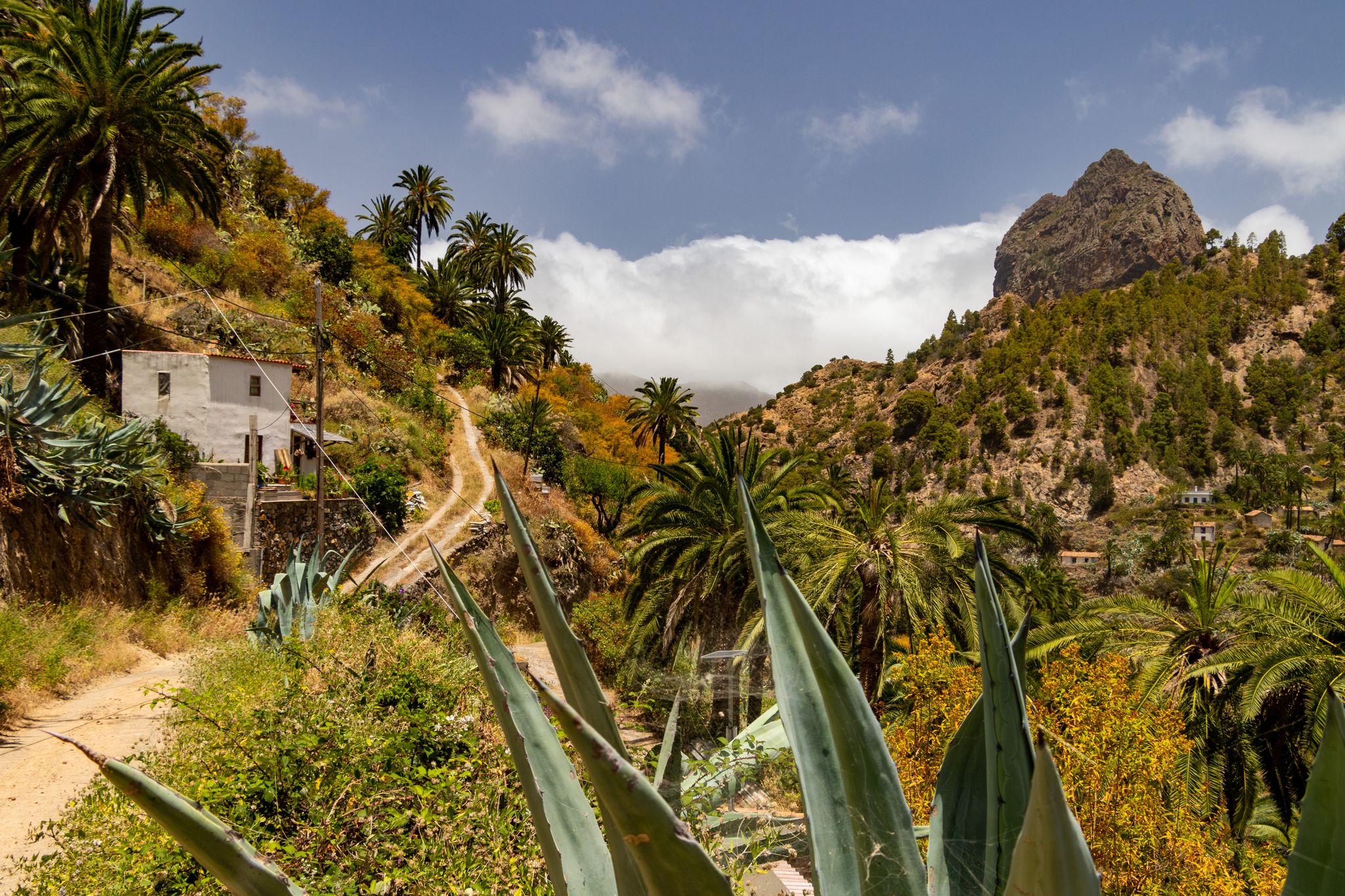
La Palma, El Hierro y La Gomera – explore the Canaries’ Green Islands on foot
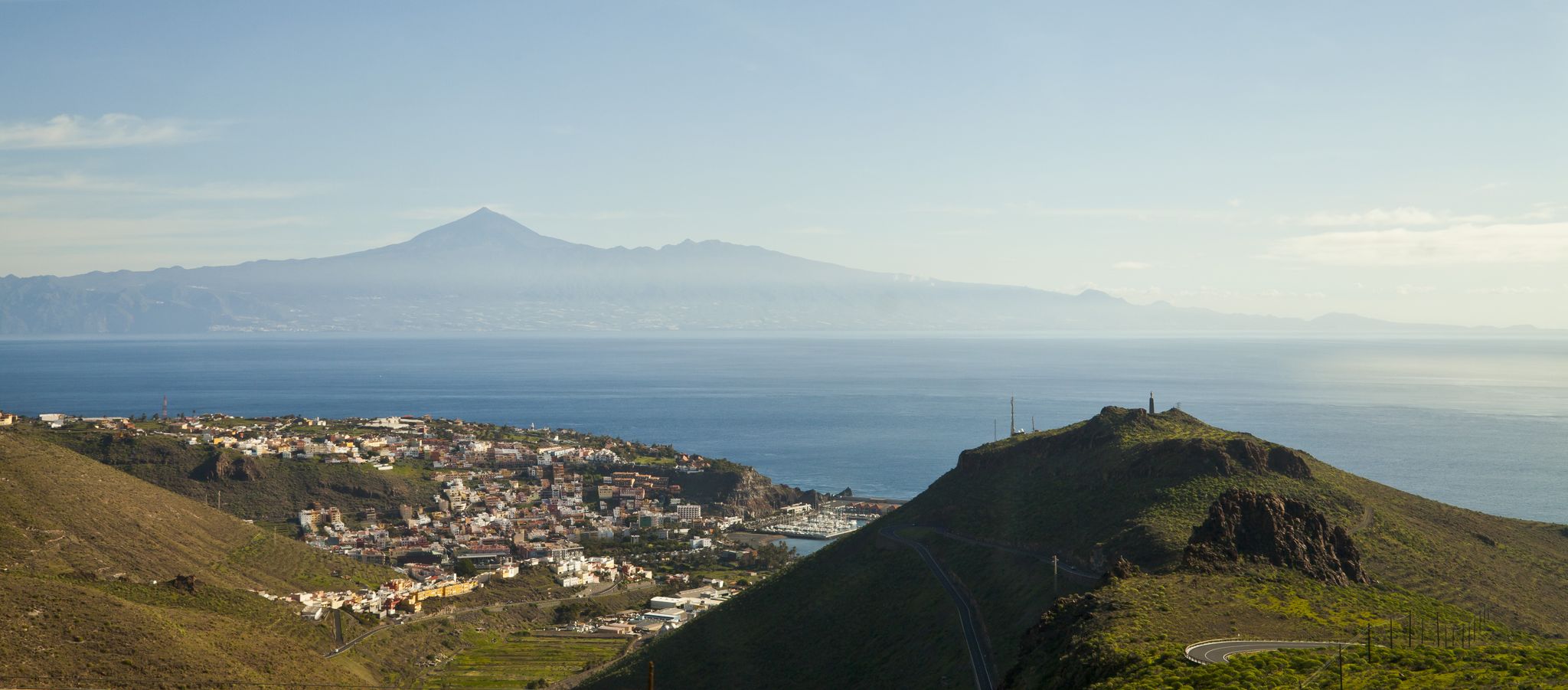
My favourite hikes on Tenerife and La Gomera
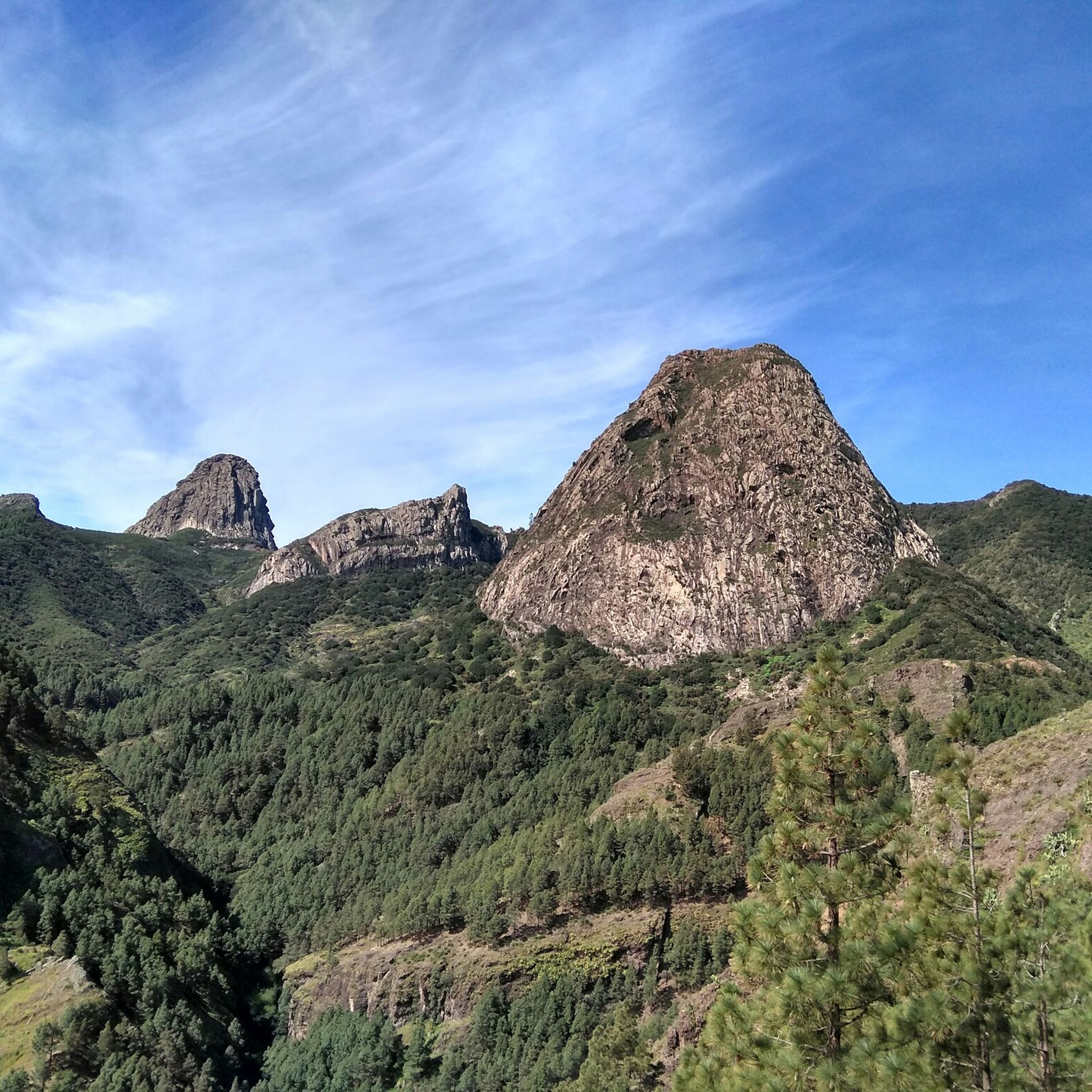
Hiking in Parc National De Garajonay
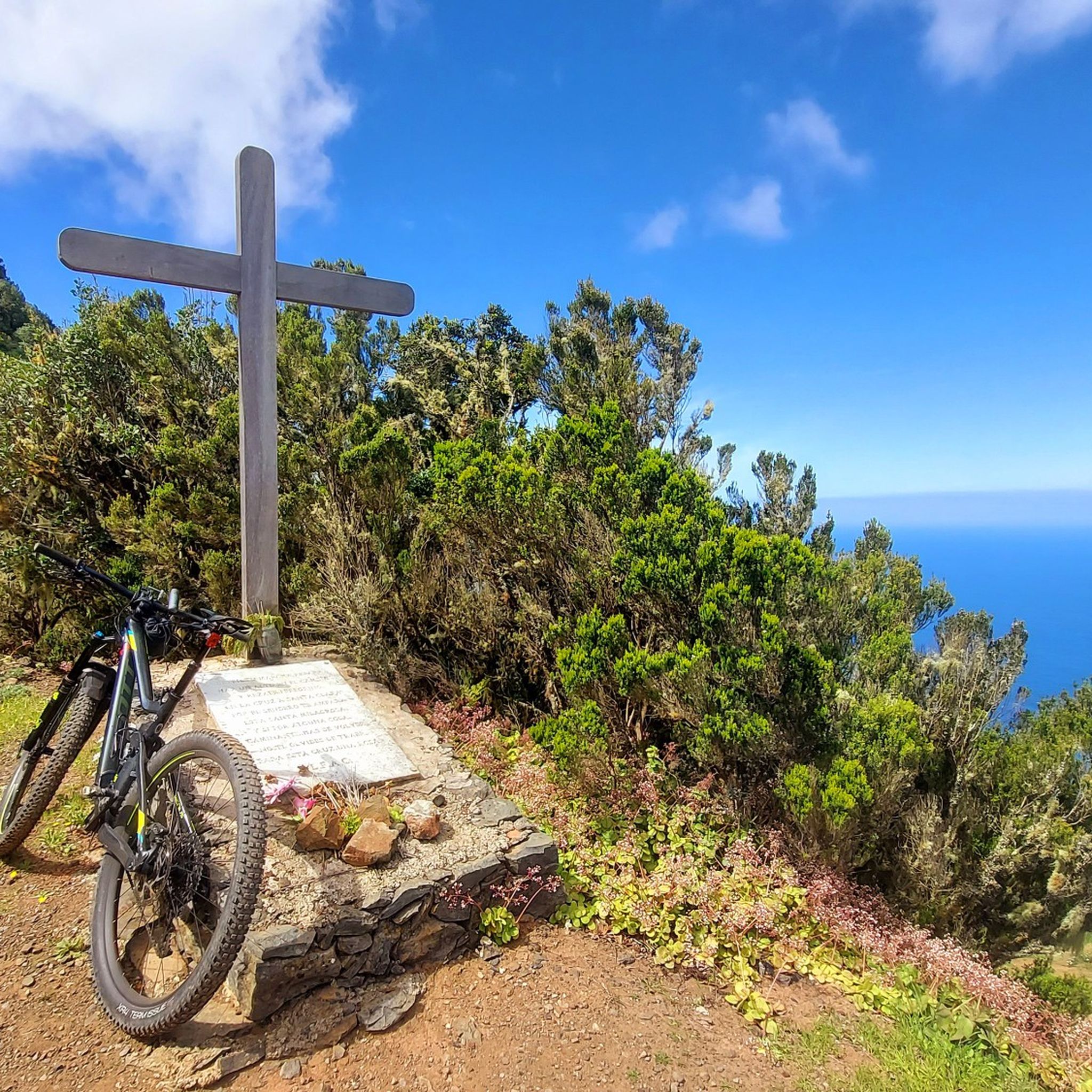
MTB Trails in Parc National De Garajonay
Road Cycling Routes in Parc National De Garajonay
Cycling in Parc National De Garajonay
Running Trails in Parc National De Garajonay

Mountain Hikes in Parc National De Garajonay
Other adventures in Parc National De Garajonay


Tips from the Community

The laurel forest is beautiful and always worth a hike. Parking is available directly on site, and there's also a restaurant there.
2
0

The area around the highest mountain of the island (Alto de Garajonay 1487m) represents a unique ecosystem. Different laurel trees, ferns, holly and tree ferns up to 15 m high grow here.
4
1

A tip? Unfortunately, it is overcrowded on weekends and holidays due to the nearby car park. If you only drive to the car park and then walk to the summit in 10 minutes and then don't take a circular hike up here into the forests of the north and the maquis of the south, you haven't gotten to know the island...
4
0

This special rock wall towers above the green valley. Unique view from this point.
1
0

You can see this impressive rock while descending to San Sebastián la Gomera, there is a viewpoint worth the stop to feel the immensity of the valley
1
0

Every vacationer on La Gomera must have seen the Roque de Agando!
1
2

Impressive laurel and tree heather forests.
0
2

Between the Barranco de La Laja and the Barranco de Benchijigua is this piton that has a maximum elevation of 1246 meters. This geological structure stands out in the landscape for its large vertical wall.
1
0
Frequently Asked Questions
What unique natural features can I expect to see in Parc National De Garajonay?
Parc National De Garajonay is renowned for its ancient Laurisilva forest, a relict subtropical rainforest. You'll also encounter striking volcanic rock formations like Roque de Agando and the unique basaltic columns of Los Órganos on the northern coast.
What is the Laurisilva forest and why is it significant?
The Laurisilva forest is a subtropical rainforest, a living relic from the Tertiary Era that once covered much of Southern Europe. It's characterized by luxuriant evergreen trees, giant ferns, and abundant mosses and lichens, creating a mystical atmosphere. This forest is vital for a diverse ecosystem, including endemic plant species and laurel pigeons, and covers about 70% of the park.
Are there any striking geological formations to visit?
Yes, the Los Roques Natural Monument features colossal blocks of solidified magma, with Roque de Agando being the most iconic. Another unique formation is Los Órganos on the northern coast, which consists of basaltic rock columns resembling giant organ pipes, best viewed from the sea.
What makes the Raso de la Bruma a special place to visit?
Raso de la Bruma, also known as the Misty Forest, is one of the most beautiful sections of the cloud forest. It's almost always enveloped in fog, creating a mystical atmosphere with moss-covered trees that visitors find enchanting.
What kind of wildlife can be found around the natural monuments?
The unique ecosystem of Parc National De Garajonay, particularly the Laurisilva forest, is a critical habitat for various species. You might spot two endemic species of laurel pigeons and a high percentage of endemic invertebrates that thrive in this environment.
What is the best time to visit the natural monuments in Parc National De Garajonay?
The park's unique climate means it can be visited year-round. However, for hiking, be prepared for constant mist and high humidity, especially in the Laurisilva forest. Temperatures in the mountains can be cooler (around 8-10 degrees Celsius) even on warm days, so bringing layers is advisable.
Are there family-friendly natural monuments or trails?
Yes, several natural monuments and trails are suitable for families. The Laurisilva Trail, Garajonay National Park, and Raso de la Bruma are both categorized as family-friendly, offering accessible paths through the enchanting forest.
What should I wear when visiting the natural monuments, especially the Laurisilva forest?
Due to the park's characteristic mist and humidity, especially in the higher elevations and the Laurisilva forest, it's recommended to wear layers. Even on sunny days, it can get chilly (8-10°C) and foggy. A jacket or sweater and possibly a rain jacket are good to have, as the 'horizontal rain' from the trade winds keeps the forest moist.
What outdoor activities can I do near the natural monuments in Parc National De Garajonay?
The park offers a variety of outdoor activities. You can enjoy hiking on numerous trails, including easy options like the Las Creces Trail or the La Laguna Grande loop. Cycling and mountain biking are also popular, with routes like the Alto de Garajonay Summit Loop for cyclists and the Garajonay National Park Loop from Laguna Grande for mountain bikers.
Are there easy hiking trails to explore the natural monuments?
Yes, there are several easy hiking trails that allow you to explore the natural monuments. For instance, the Las Creces Trail and the La Laguna Grande loop are great options for an easy walk through the park's unique landscapes.
Do any of the natural monuments have historical or cultural significance?
Yes, some natural monuments hold historical significance. For example, Alto de Garajonay, the highest point on the island, is considered a historical site. Additionally, some of the volcanic formations, like the 'Fortaleza' within Los Roques, were considered sacred by the indigenous Guanche inhabitants.
What do visitors particularly enjoy about the natural monuments in Parc National De Garajonay?
Visitors frequently praise the mystical atmosphere of the Laurisilva forest, often describing it as stepping back in time. The panoramic views from Alto de Garajonay and the dramatic geological formations like Roque de Agando are also highly appreciated for their breathtaking vistas and photographic opportunities. The park's unique nature has garnered over 1200 upvotes and more than 900 photos from the komoot community.
Most popular routes in Parc National De Garajonay
Most popular attractions in Parc National De Garajonay

Get inspired with the komoot mobile app


Explore more
Extend your search for the best caves by checking out these guides of the top ones in Parc National De Garajonay:
