Top 4 Natural Monuments around Stühe
Best natural monuments around Stühe encompass a significant woodland area, primarily within the Naturschutzgebiet "Stühe" in Lower Saxony, Germany. This region is characterized by diverse forest ecosystems, including deciduous forests and smaller open-land biotopes. The Stühe geographical area offers opportunities for quiet recreation and nature observation, making it a notable natural landmark. Its varied landscape supports a range of flora and fauna, contributing to its ecological importance.
Best natural monuments around Stühe
- The most popular natural monument is Stühe Forest…
Last updated: October 14, 2026
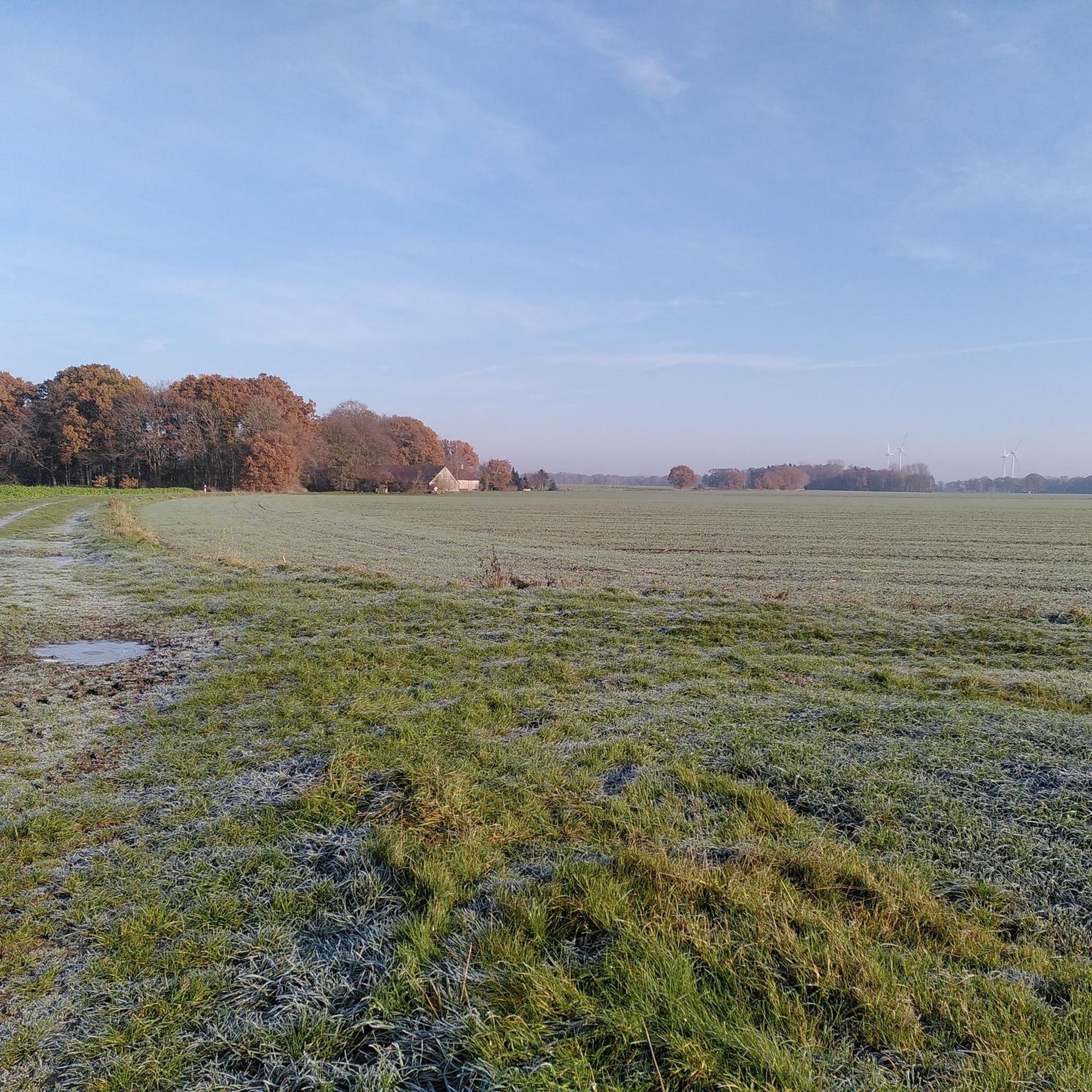
Freeschen Boom (Frisian Oak)
Highlight • Natural Monument
Translated by Google •
Tip by

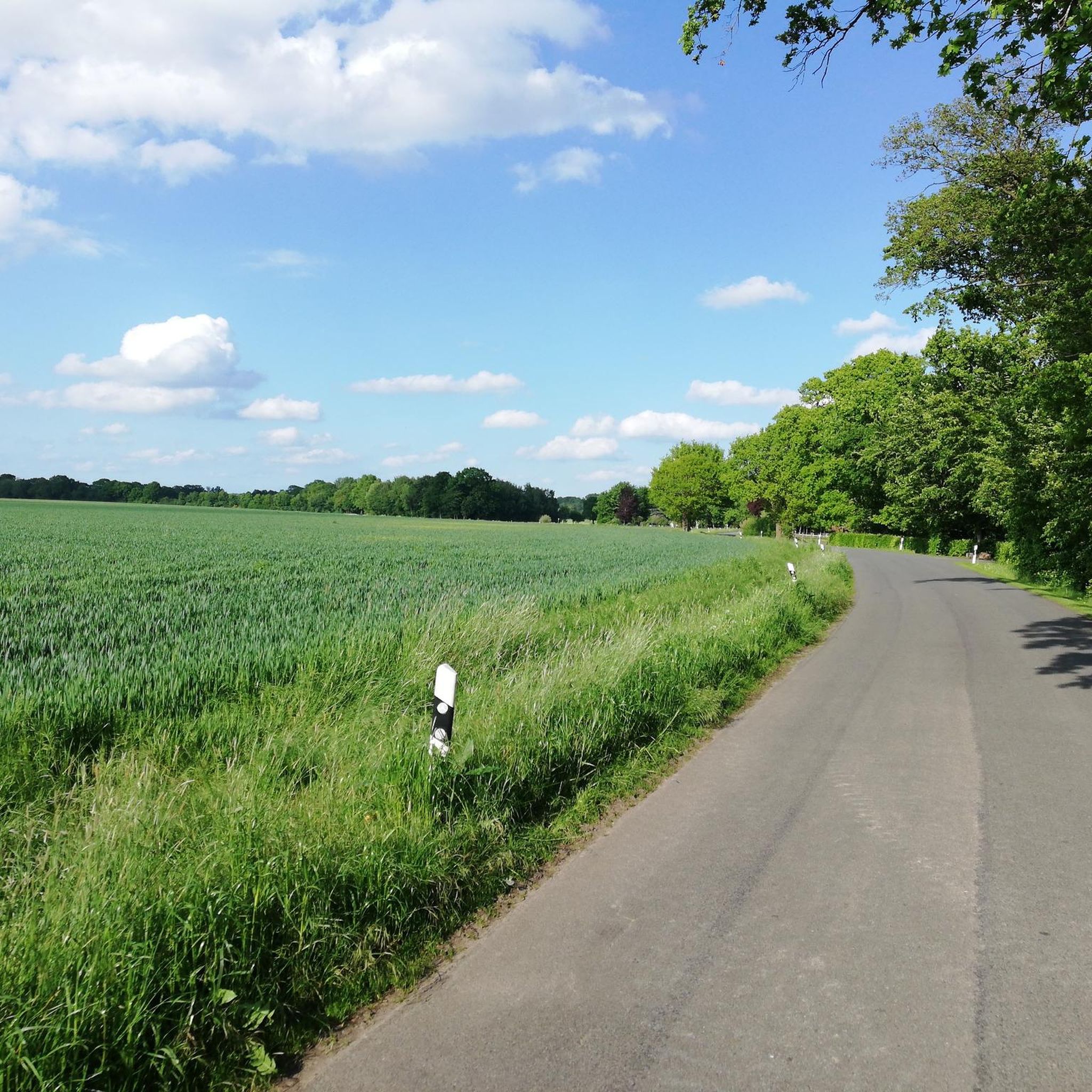
Stühe Forest in Naturpark Wildeshauser Geest
Highlight • Forest
In particular, great spotted, green and black woodpeckers live here.
Translated by Google •
Tip by

Sign up now to discover places like this
Get recommendations on the best single tracks, peaks, & plenty of other exciting outdoor places.
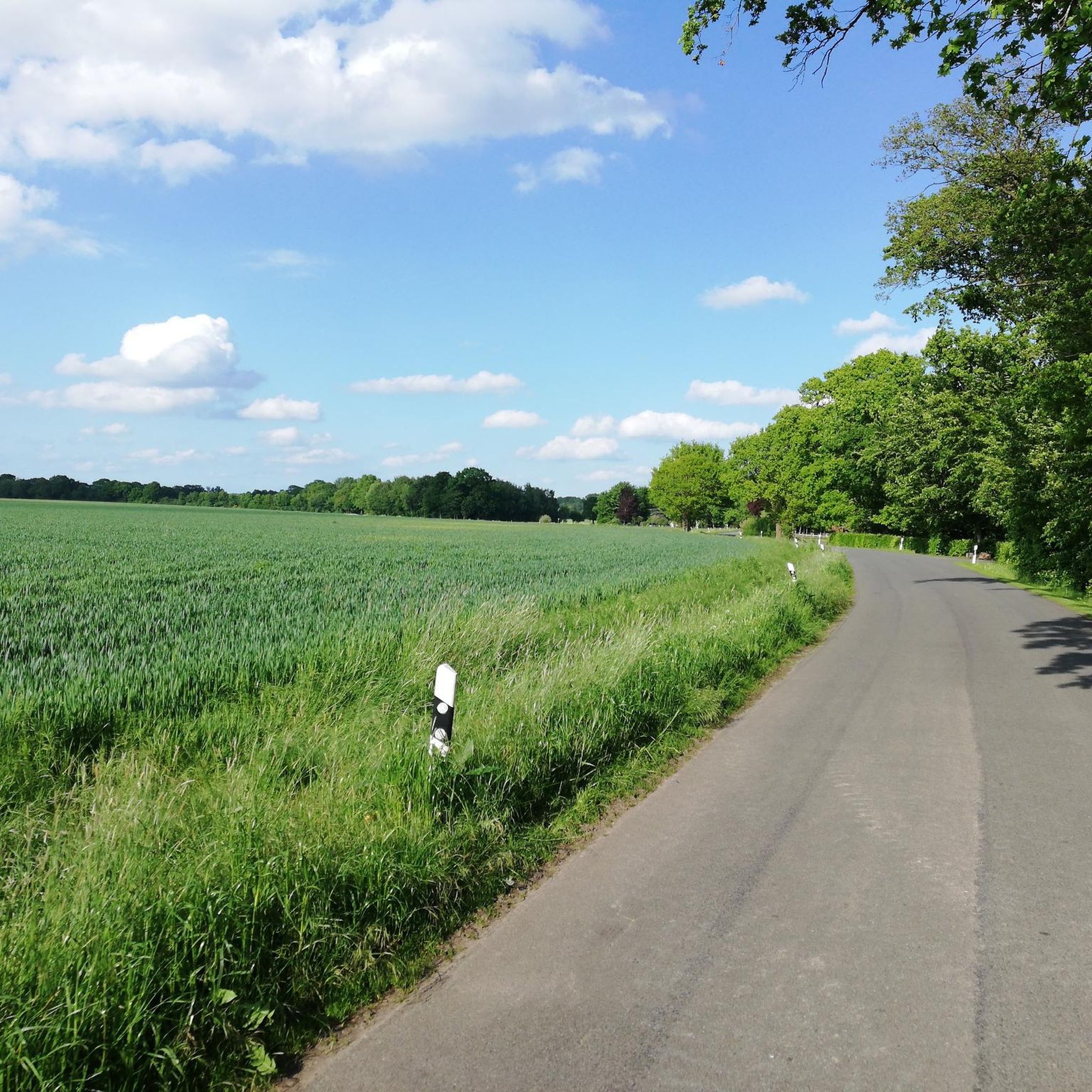
Cherry Blossom Avenue on Hasen-Ahlers-Weg
Highlight • Natural Monument
Translated by Google •
Tip by

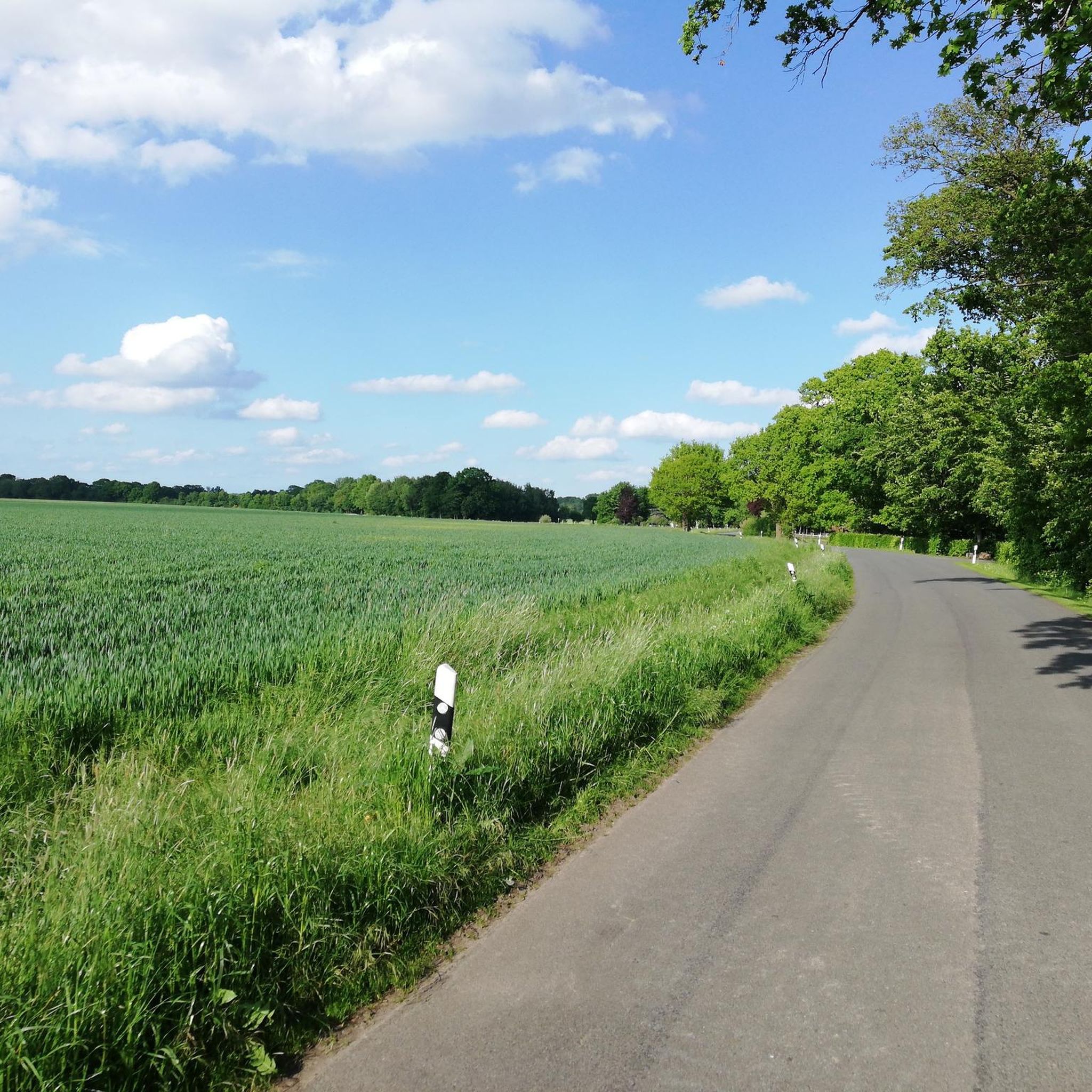
Spring Wildflowers in Stühe Forest
Highlight • Forest
Translated by Google •
Tip by
Start today with a free account
Your next adventure awaits.
Tips from the Community

The cherry trees are currently blooming and it's simply beautiful
0
0
An absolute highlight on cherry blossom tours
1
0

Here you can learn something about local history.
0
0

Although we weren't there when it was in bloom, it was still a beautiful avenue.
0
0
A very rustic forest with mixed trees.
0
0
Very beautiful mixed forest with old deciduous trees.
0
0

In Stühe there are still many old trees that provide habitat for animals, especially birds. In the old beeches, the woodpecker finds opportunities for building caves. In particular, great spotted, green and black woodpeckers live here.
3
0
April is the month of early bloomers because the sun's light still reaches the forest floor. You can search for them in the chair.
3
0
Frequently Asked Questions
What kind of natural landscapes can I expect to see in Stühe?
Stühe is primarily known for its diverse forest ecosystems, which include near-natural deciduous forests like starflower-oak-hornbeam and wood-rush-beech forests, as well as bog, riparian, and marsh forests. You'll also find smaller open-land biotopes, wet thickets, and traditional hedge banks, all contributing to a rich habitat.
Are there any historical natural monuments in the Stühe area?
Yes, a significant historical natural monument is Freeschen Boom (Frisian Oak). While the original centuries-old oak collapsed in 1889, a new oak was planted in 1981 to commemorate its historical significance and the local Frisian history.
What wildlife might I encounter in the Stühe Nature Reserve?
The Stühe Nature Reserve is home to a population of fallow deer, which were introduced to the area in the 1960s. The diverse forest ecosystems also provide habitat for various bird species, including great spotted, green, and black woodpeckers, especially in the older deciduous trees of the Stühe Forest in Naturpark Wildeshauser Geest.
When is the best time to visit Stühe for natural beauty?
The Stühe area offers natural beauty year-round. For a spectacular floral display, consider visiting in spring, particularly April, when early bloomers carpet the forest floor before the canopy fully closes. The Cherry Blossom Avenue on Hasen-Ahlers-Weg is an absolute highlight during its blooming season, typically in spring.
Are there family-friendly natural monuments or activities in Stühe?
Many of the natural monuments in Stühe are family-friendly. The varied forests, like the Spring Wildflowers in Stühe Forest, offer pleasant and accessible paths for walks. The historical Freeschen Boom site also provides an interesting stop for all ages.
What kind of hiking trails are available near the natural monuments in Stühe?
You'll find several easy to moderate hiking trails around Stühe. For example, there are loops like the 'Freeschen Boom Memorial Stone – Welsburg Historical Site loop' or the 'Stühe Forest Path – Freeschen Boom Memorial Stone loop'. You can explore more options and detailed routes in the Hiking around Stühe guide.
Can I go cycling near the natural monuments in Stühe?
Yes, the Stühe area is suitable for cycling. The K 327 road, which runs through the forest, was equipped with a bike path in 2016, making it accessible for cyclists. For more extensive routes, you can check out the Road Cycling Routes around Stühe guide or the MTB Trails around Stühe guide for mountain biking options.
What makes the Stühe forest ecologically important?
The Stühe forest is ecologically significant due to its designation as the "Naturschutzgebiet Stühe" (Stühe Nature Reserve) and its inclusion in the "Welsetal und Stühe" landscape protection area. It features a mosaic of diverse, near-natural forest types and smaller biotopes, supporting a rich variety of flora and fauna, including historically old forest stands.
Are there any challenging natural areas for experienced hikers in Stühe?
While many trails are easy, some areas, like the Moor in Wildeshauser Geest Nature Park, can present more challenging conditions, especially in wet weather when paths might become impassable due to high water. These areas offer a more rugged experience for those seeking it.
What do visitors particularly enjoy about the natural monuments in Stühe?
Visitors appreciate the tranquil recreation opportunities and the serene environment of the diverse woodlands. The presence of old trees providing habitat for birds, the historical significance of sites like Freeschen Boom, and the seasonal beauty of places like the Cherry Blossom Avenue are frequently highlighted as enjoyable aspects.
Is there public transport access to the Stühe natural monuments?
While specific public transport routes directly into the heart of the Stühe forest are limited, the area is located within the municipality of Dötlingen, which has regional bus connections. It's advisable to check local transport schedules for the most up-to-date information on reaching the vicinity of the natural monuments.
Are there any specific natural features related to water in Stühe?
Yes, the Immer Bäke, a 5 km long tributary of the Welse river, flows along the eastern edge of the Stühe forest. Additionally, the reserve incorporates various smaller bodies of water and wet thickets, contributing to its diverse biotope landscape.
Most popular routes around Stühe
Most popular attractions around Stühe

Get inspired with the komoot mobile app


Explore more
Extend your search for the best caves by checking out these guides of the top ones around Stühe:
