Top 9 Natural Monuments around Duisburger Stadtwald
Best natural monuments around Duisburger Stadtwald offer a blend of geological, historical, and ecological interest within this extensive forest area. The Duisburger Stadtwald, predominantly composed of beech, oak, and alder trees, provides a significant recreational space. Visitors can explore a variety of natural features, from ancient springs to geological formations. This region is known for its well-preserved natural sites and historical significance.
Best natural monuments around Duisburger Stadtwald
- The most popular natural monuments is Old quarry, a lake that…
Last updated: June 27, 2026
Old quarry
Highlight • Lake
Translated by Google •
Tip by

Heiliger Brunnen (Holy Spring)
Highlight • Natural Monument
The Holy Well is located …
Translated by Google •
Tip by

Sign up now to discover places like this
Get recommendations on the best single tracks, peaks, & plenty of other exciting outdoor places.
Sign up for free
Chinese Garden (Garden of the Crane), Duisburg Zoo
Highlight (Segment) • Structure
Translated by Google •
Tip by

Ice Age Erratic Boulder
Highlight • Natural Monument
Translated by Google •
Tip by

Prehistoric Burial Mound (circa 500 BC)
Highlight • Historical Site
Translated by Google •
Tip by

Sign up for free to discover even more natural monuments around Duisburger Stadtwald.
Sign up for free
Already have an account?
Start today with a free account
Your next adventure awaits.
Login or Signup
Tips from the Community

The Chinese Garden (Ying-Qu-Yuan) at Duisburg Zoo is an oasis of tranquility that opened in 1988, created as a gift from the partner city of Wuhan. After extensive renovation in 2022, it offers traditional pavilions, water features, and rocks. The garden is located in the northern part of the zoo, near the Red Pandas and Muntjacs.
0
0


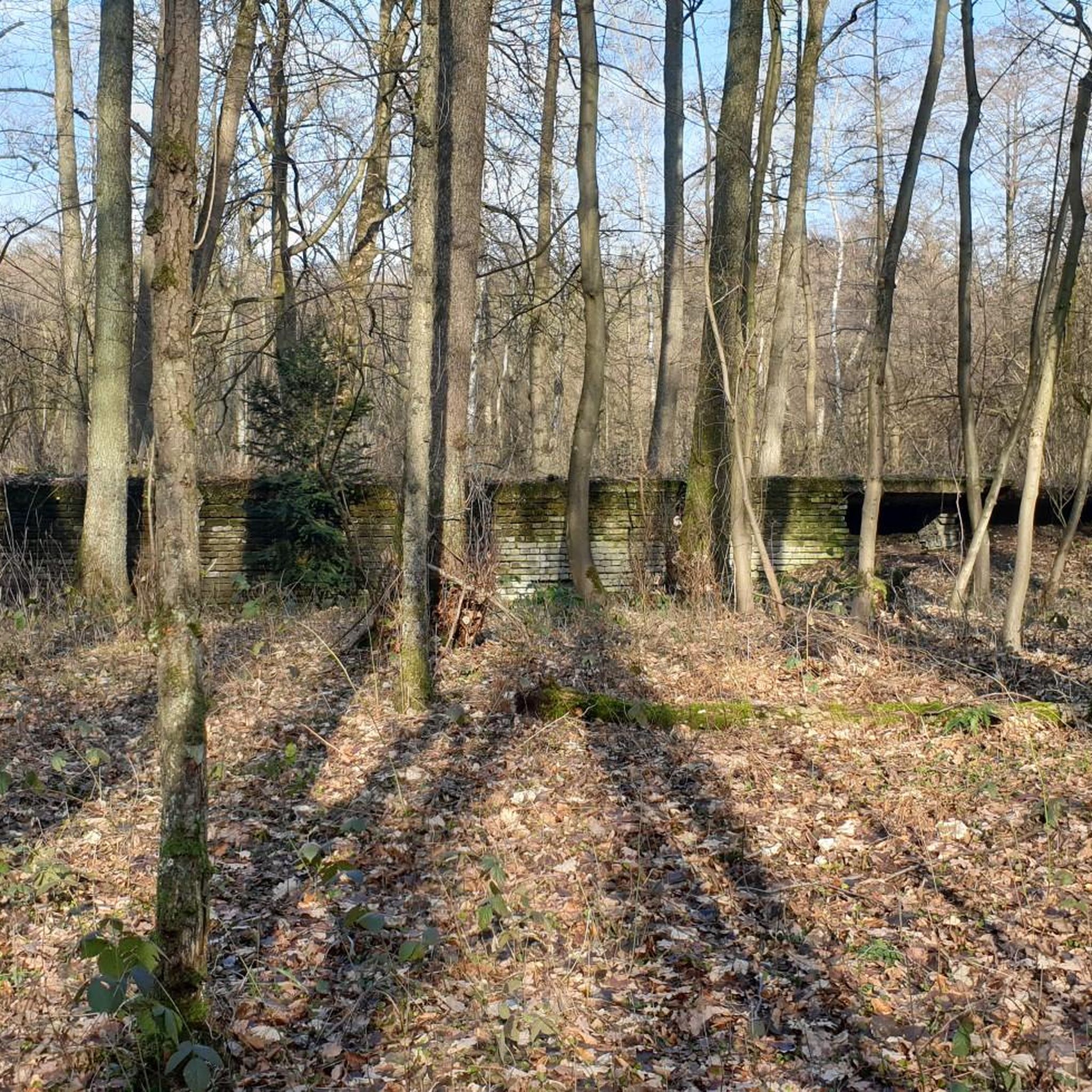
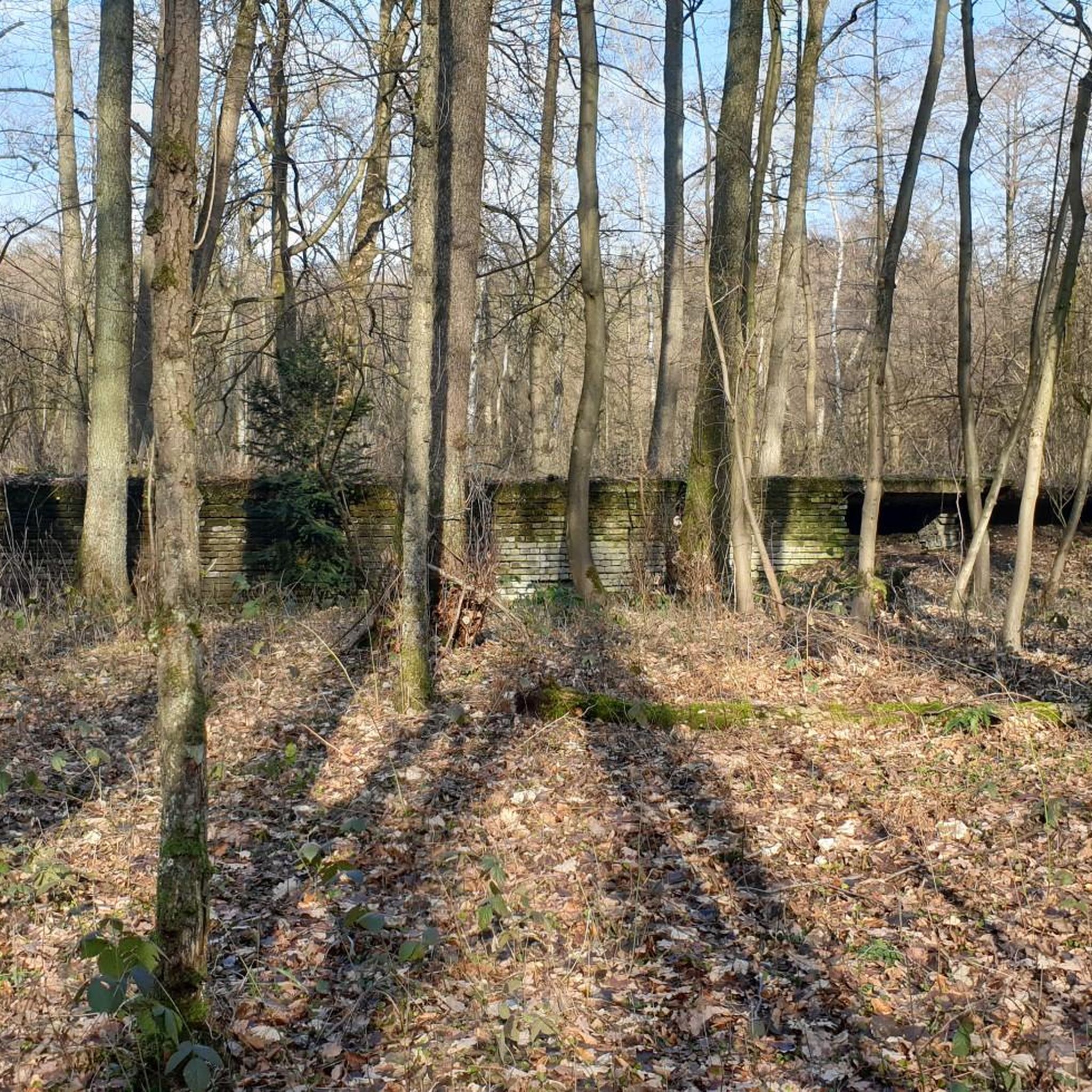
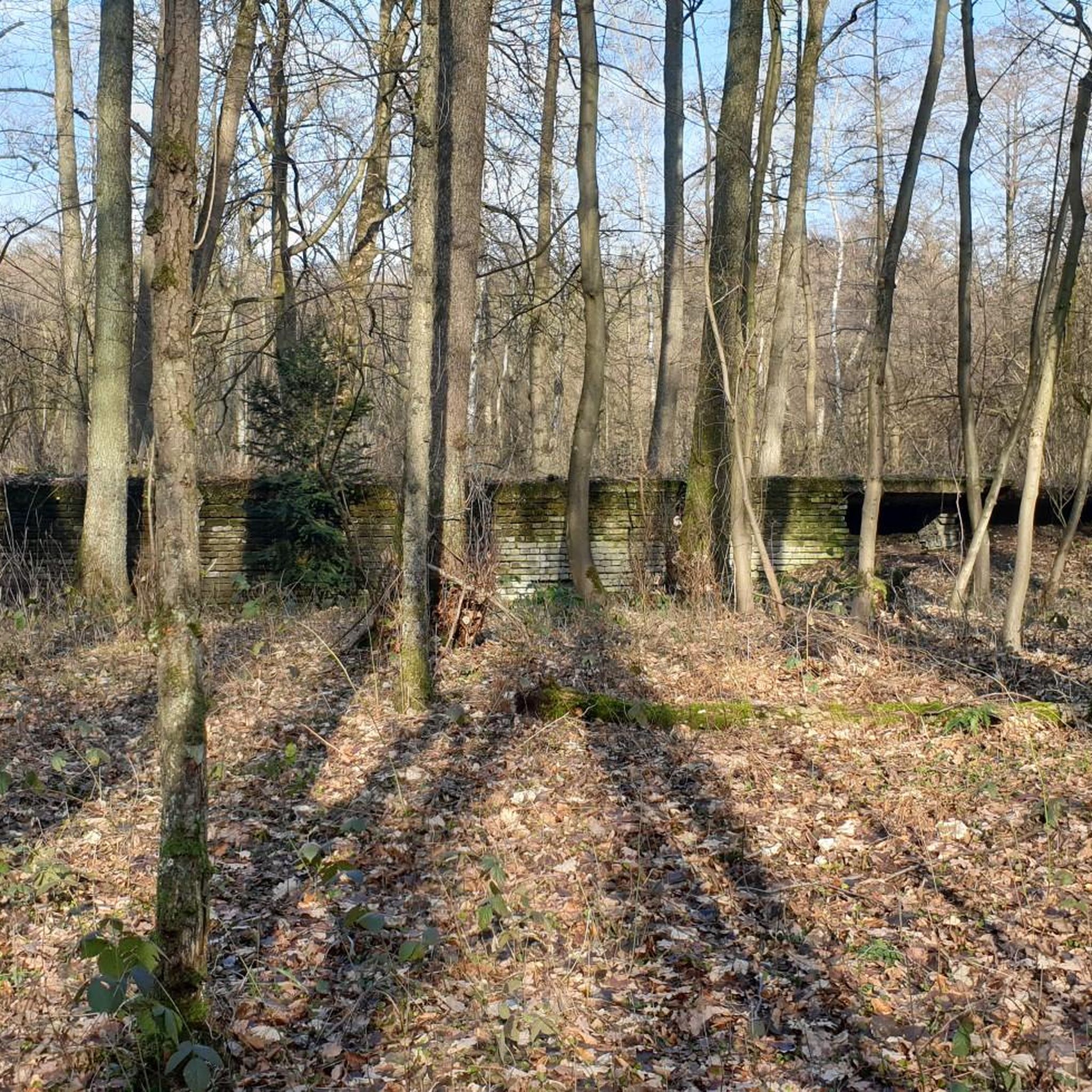
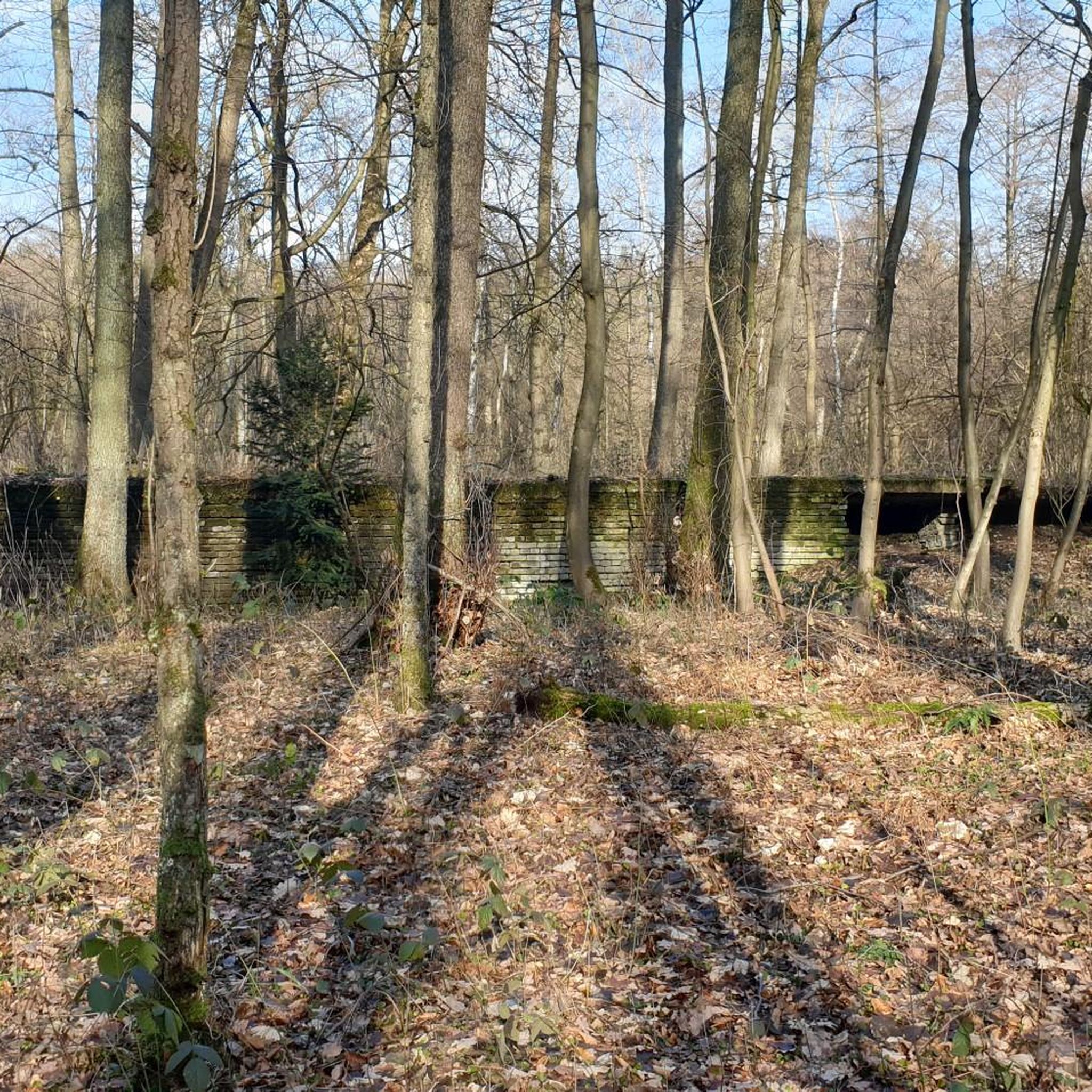
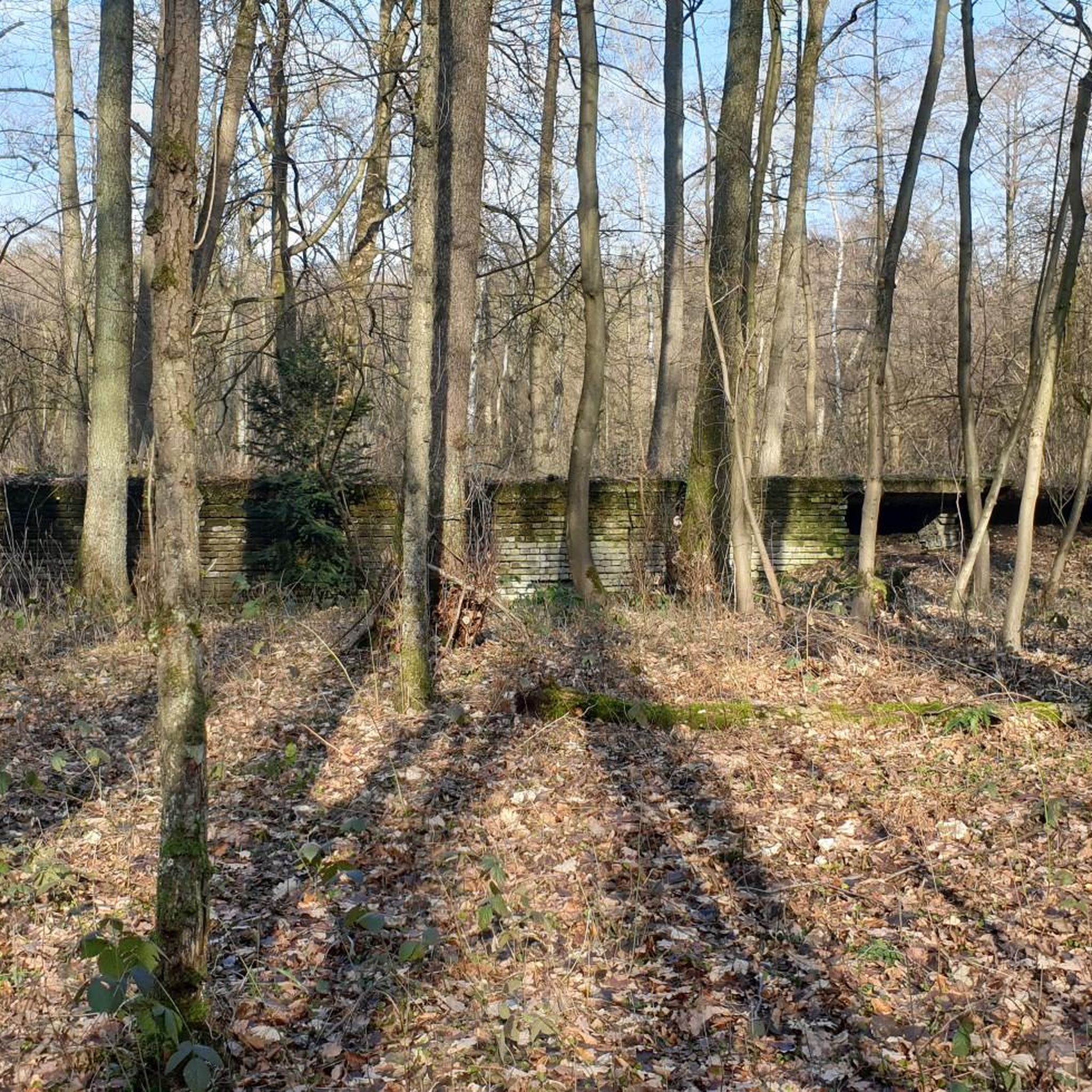
The "holy spring" is a spring in Duisburg's city forest, south of the intersection of Rundweg and Kammerweg. The spring (also called "Marienquelle"), first mentioned in a city account in 1563 on the "hillgen bornschen Berg" (hilly born mountain), was once attributed with healing powers. The origins of this belief in the water's supposed healing powers remain unclear. In reality, the spring water, which seeps through the gravel and sand of the city forest and emerges above the impermeable clay layers, has no such effect (it is not drinking water). In 1935, the spring and its surroundings were lined with stones. Coal mining was carried out here as early as 1562, but without success. The tunnels were said to have been up to 45 meters deep.
0
0

The Chinese Garden, built in 1988 using original materials from China, is a gift from Duisburg's twin city Wuhan to the city of Duisburg. In addition to a characteristic Chinese garden design with a large pond and all kinds of typical Chinese plants, such as lotus blossoms, cherry trees, and various bamboo grasses, typical Chinese buildings were created, such as the entrance and mountain pavilion, the Hall of Happiness, the water pavilion, and the arched bridge. Winding and uneven paths are intended to keep spirits away from the garden. With the design of the bridge, the Chinese demonstrate the goal of life, in which one experiences highs and lows. Therefore, the steps are of different heights and depths. The low parapets in the area of the pavilion and on the bridge were built based on the traditional design of the imperial garden in Beijing. In addition to the Chinese Garden, also known as the Garden of the Crane, several animal species from the Far East, such as muntjacs and red pandas, are also native. https://de.wikipedia.org/wiki/Zoo_Duisburg
0
0

A boulder is a very large stone, usually lying alone, that was transported by glaciers during the ice ages and deposited at its current location. When the ice melted and the glacier retreated, such boulders remained as erratic blocks. Boulders are the most common form of erratic blocks. Geosciences draw the line between boulders and smaller drifts at a volume of one cubic meter. Boulders are a typical geological and geomorphological feature of landscapes worldwide that have been or are being formed by glaciers. In Europe, these are particularly the Scandinavian peninsula (including northern central and western Europe) and the glaciation area around the Alps. Source and link to the full article: https://de.wikipedia.org/wiki/Findling
0
0

100,000 year old boulder from the 3rd Ice Age
0
0

Source first mentioned in 1563, also called Marienquelle
1
0

This burial mound is one of the few of what used to be thousands (!) that stretched out in a huge Bronze and Iron Age burial ground between Monning, Kaiserberg and Wedau. They were all built over and demolished. It is sad what a pitiful state this last remnant of an impressive culture is in today. It would be respectful and beautiful to cut the burial mound free, remove the traces of destruction and let grass grow over it again. More information here: https://www.archaeologie-duisburg.de/zur-besiedlung-der-duisburger-altstadt-in-der-eisenzeit/
1
0
Frequently Asked Questions
What historical insights do the natural monuments in Duisburger Stadtwald offer?
The natural monuments in Duisburger Stadtwald are rich in history. For instance, the Heiliger Brunnen (Holy Spring) is believed to have been an ancient pagan cult site, with archaeological finds from the Bronze and Iron Ages. The Old quarry served as a crucial source of building material for Duisburg's city walls since the Middle Ages and is recognized as a protected archaeological monument. Additionally, the Kaiserberg, while not explicitly listed as a natural monument in the guide, holds historical importance with evidence of habitation by reindeer hunters in the late Stone Age and remnants of a fortified settlement.
Are there family-friendly natural monuments to visit in Duisburger Stadtwald?
Yes, several natural monuments are suitable for families. The Heiliger Brunnen (Holy Spring) and the Ice Age Erratic Boulder are both categorized as family-friendly. The Duisburg Zoo, which includes the Chinese Garden, is also located within the Stadtwald area, offering an opportunity to combine a nature walk with an animal park visit.
What kind of geological features can I expect to see among the natural monuments?
The Duisburger Stadtwald offers fascinating geological insights. The Old quarry features outcrops of over 300-million-year-old Carboniferous rocks, including an iron ore vein. The Ice Age Erratic Boulder is a large stone transported by glaciers from the 3rd Ice Age, approximately 100,000 years old. The Kaiserberg, the highest point in Duisburg, consists of Tertiary and Ice Age deposits.
Can I find hiking trails near the natural monuments in Duisburger Stadtwald?
Absolutely. The Duisburger Stadtwald has an extensive network of hiking trails. You can find various routes, including easy hikes and circular walks, that pass by or lead to these natural monuments. For specific hiking options, you can explore guides like Easy hikes around Duisburger Stadtwald, which features routes like the 'Old quarry – Forest Path in the Ruhr Region loop'.
What are some unique natural features in Duisburger Stadtwald beyond the main monuments?
Beyond the designated natural monuments, the Duisburger Stadtwald itself is an ancient and extensive deciduous forest, predominantly composed of beech, oak, and alder trees. It provides habitats for diverse flora and fauna, including wild boars. The forest also features numerous well-marked hiking and cycling trails, offering opportunities for relaxation and environmental education.
Is public transport available to reach the natural monuments in Duisburger Stadtwald?
Yes, the Duisburger Stadtwald is well-integrated into the city's public transport network. Many areas of the forest, including those near natural monuments, are accessible via bus and tram lines from Duisburg city center or the main train station (Duisburg Hauptbahnhof).
What is the best time of year to visit the natural monuments in Duisburger Stadtwald?
The Duisburger Stadtwald is beautiful year-round. Spring offers lush greenery and blooming flora, while autumn provides vibrant fall colors. Summer is ideal for longer walks and enjoying the shade of the trees. Even in winter, the forest has a serene charm, though some paths might be muddy or icy. The best time depends on your preferred outdoor activity and scenery.
Are there options for dog owners when visiting the natural monuments?
The Duisburger Stadtwald is generally dog-friendly, with many trails suitable for walks with your canine companion. While specific natural monuments may have rules regarding dogs (e.g., on-leash requirements), the overall forest environment welcomes dog walkers. Always ensure your dog is under control and respect local signage.
What kind of wildlife might I encounter near the natural monuments?
The Duisburger Stadtwald is home to diverse wildlife. You might encounter various bird species, squirrels, and even wild boars, which are known to inhabit the forest. The extensive tree cover and natural springs provide a rich habitat for many creatures.
Are there any circular walks that include several natural monuments?
Yes, the network of trails in Duisburger Stadtwald allows for circular walks that can connect multiple natural monuments. For example, you can plan a route that encompasses the Old quarry and the Heiliger Brunnen (Holy Spring). Many routes in guides like Easy hikes around Duisburger Stadtwald are designed as loops.
What makes the Old quarry a significant natural monument?
The Old quarry is significant for both its natural and historical aspects. It's a former sandstone quarry that has transformed into a tranquil lake, surrounded by dense vegetation and steep stone walls. Geologically, it provides rare insights with outcrops of over 300-million-year-old Carboniferous rocks. Historically, it supplied building materials for Duisburg's city walls and structures since the Middle Ages and is now a protected archaeological monument.
Where can I find information about parking near the natural monuments?
Parking options are available at various entry points to the Duisburger Stadtwald. Specific parking areas are often signposted near popular trailheads or attractions. While not directly adjacent to every monument, designated parking lots are usually within a reasonable walking distance. It is advisable to check local maps or navigation apps for the closest parking to your intended starting point.
What is the terrain like around the natural monuments in Duisburger Stadtwald?
The terrain around the natural monuments in Duisburger Stadtwald is generally varied. While many trails are easy and well-maintained, some areas, like around the Old quarry, can feature narrow paths with roots and steep sections. The Kaiserberg, as the highest point in Duisburg, involves some elevation. Overall, the forest offers a mix of gentle slopes and slightly more challenging, natural paths.
Most popular routes around Duisburger Stadtwald
Most popular attractions around Duisburger Stadtwald

Get inspired with the komoot mobile app


Explore more
Extend your search for the best caves by checking out these guides of the top ones around Duisburger Stadtwald:
