Top 3 Natural Monuments around Derwent Water
Best natural monuments around Derwent Water include a collection of captivating natural features nestled in the Lake District National Park. The landscape is shaped by ancient geological processes, featuring fells, crags, and islands. Derwent Water is known for its diverse natural formations, offering a range of outdoor experiences. The area provides numerous viewpoints and trails for exploration.
Best natural monuments around Derwent Water
- The most popular natural monuments is View of Derwent Water from Friars Crag, a viewpoint gloriously…
Last updated: October 14, 2026
View of Derwent Water from Friars Crag
Highlight • Viewpoint
Tip by

Derwent Water
Highlight • Natural Monument
Tip by

Sign up now to discover places like this
Get recommendations on the best single tracks, peaks, & plenty of other exciting outdoor places.
Hundred Year Stone
Highlight • Viewpoint
Tip by

Entrust Sculpture, Brandelhow Park
Highlight • Monument
This wooden sculpture of cupped hands commemorates the centenary of the National Trust’s first ever land purchase in the Lake District, 108 acres of the …
Tip by
Cat Bells and Derwentwater
Highlight • Lake
Tip by

Start today with a free account
Your next adventure awaits.
Popular around Derwent Water
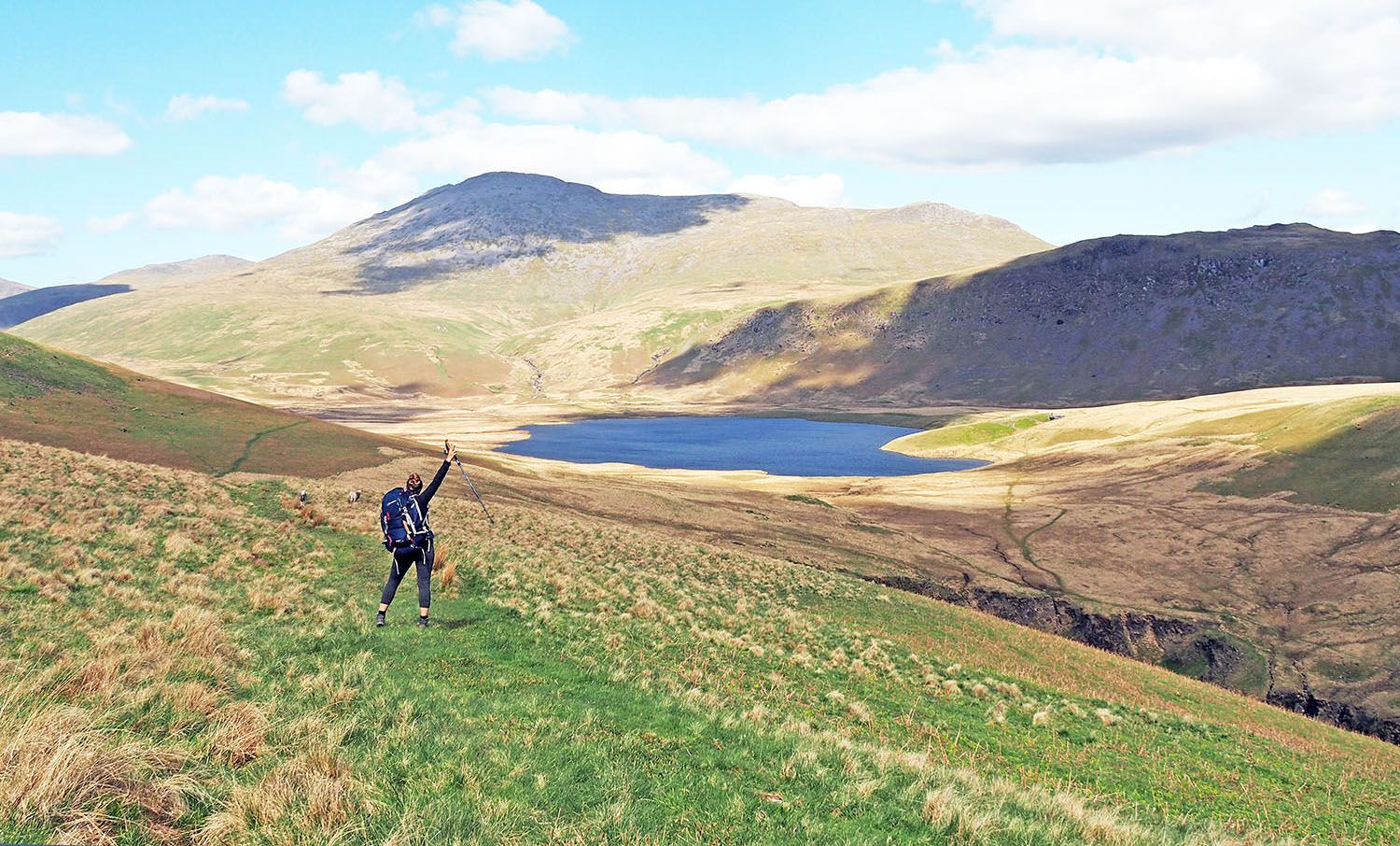
An English hiking dream – 8 days through the Lake District
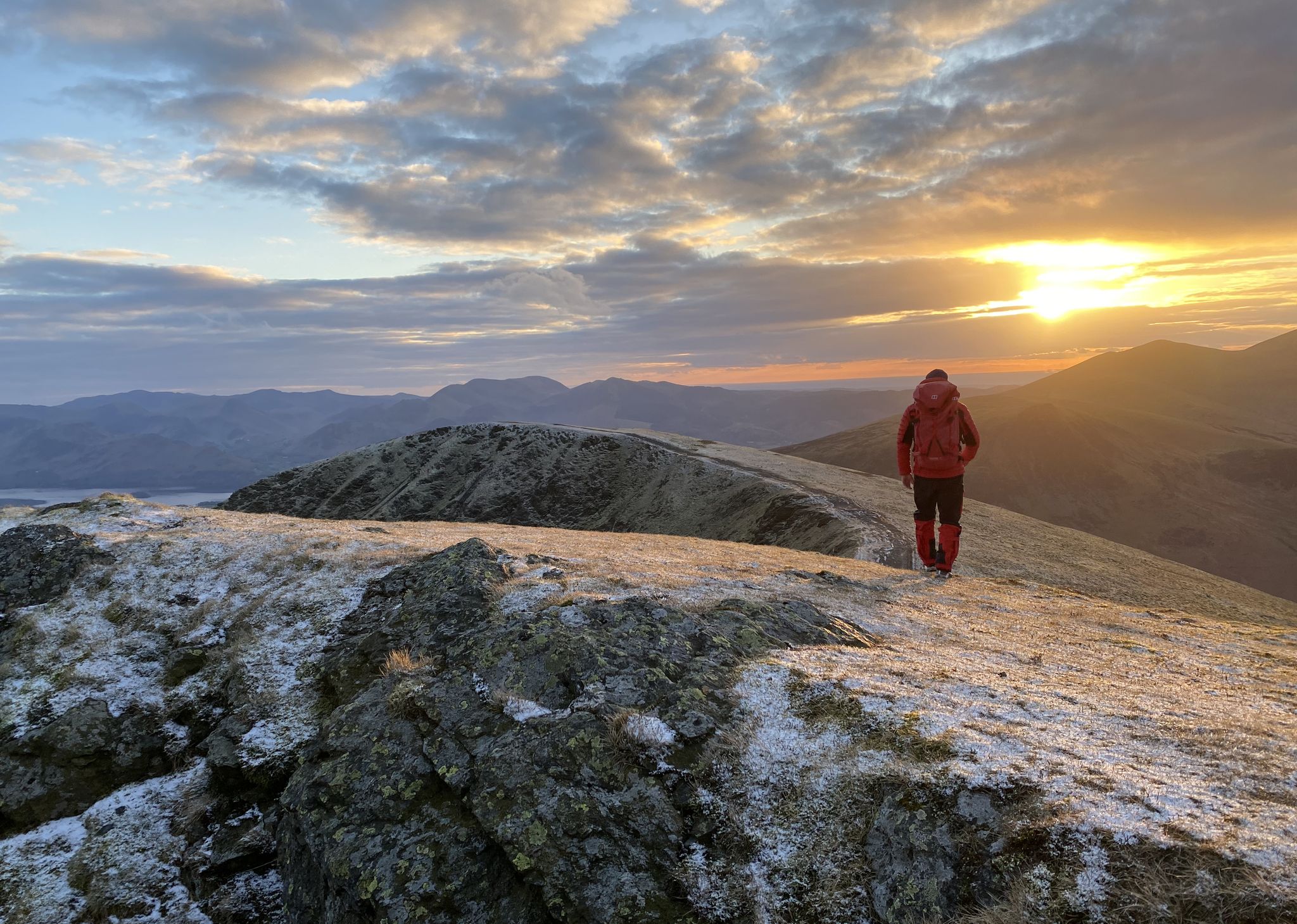
Sublime Adventures in the Fells – Great Lake District Walks
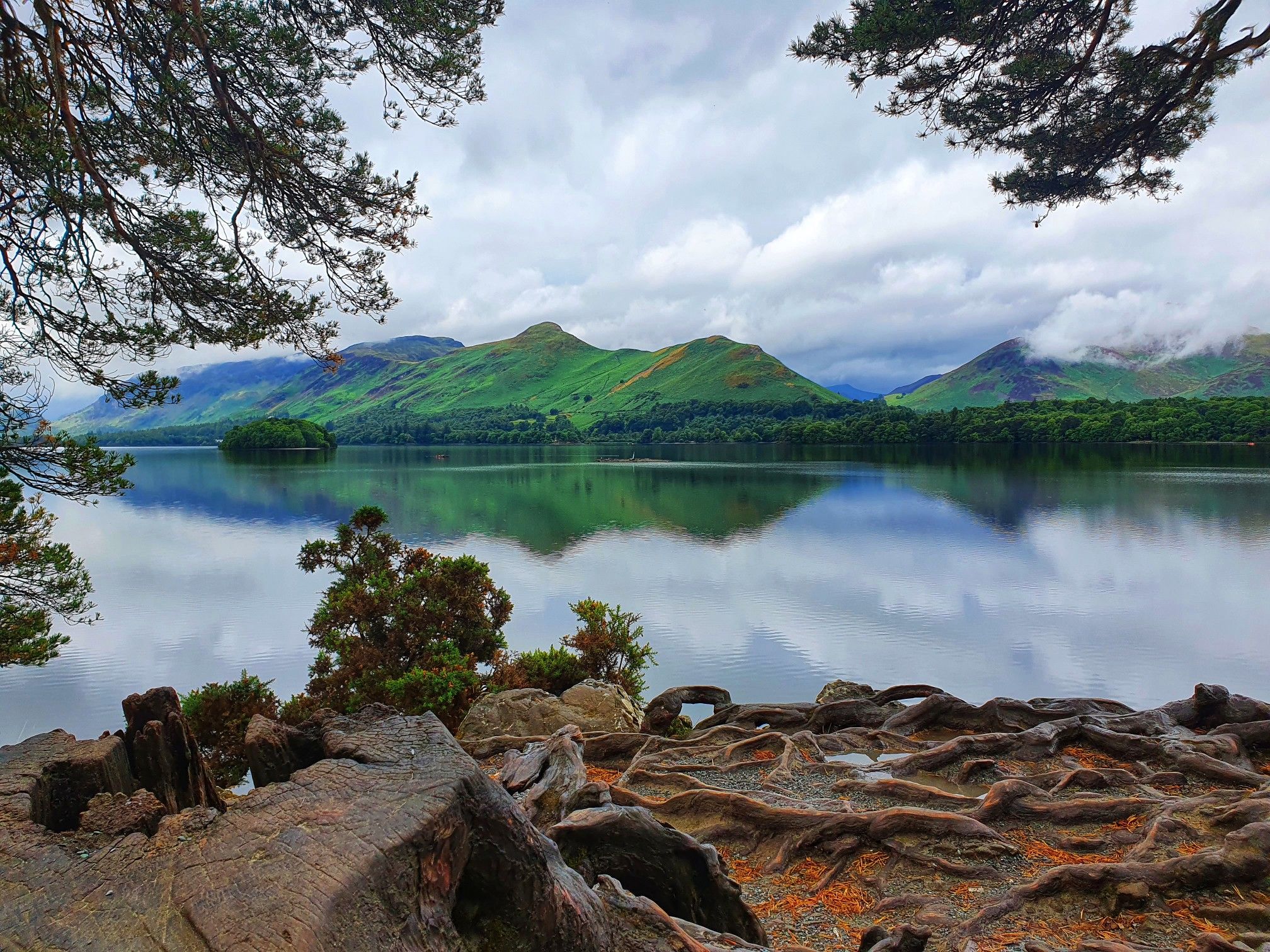
Discover the dramatic beauty of the Northern Lake District
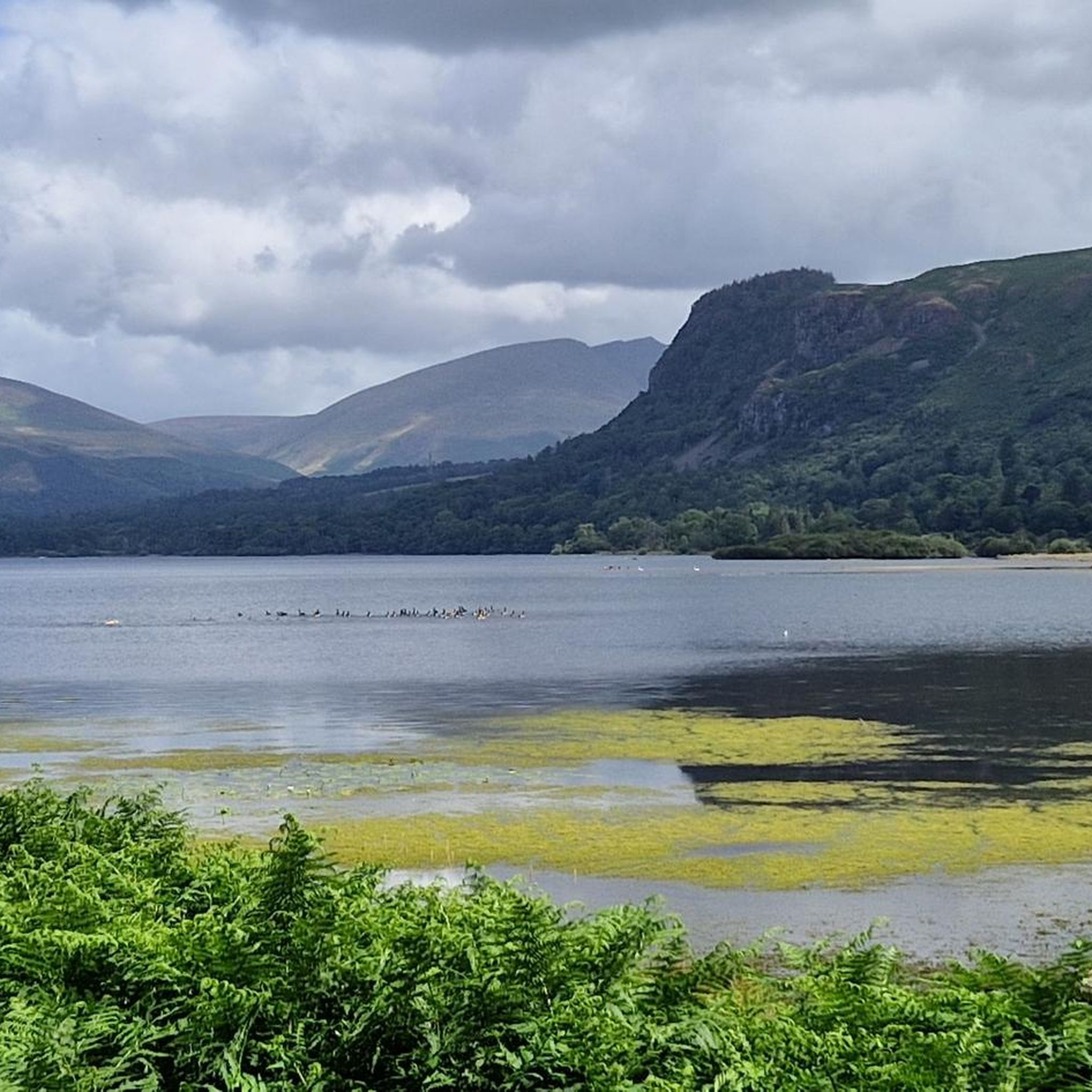
Running Trails around Derwent Water
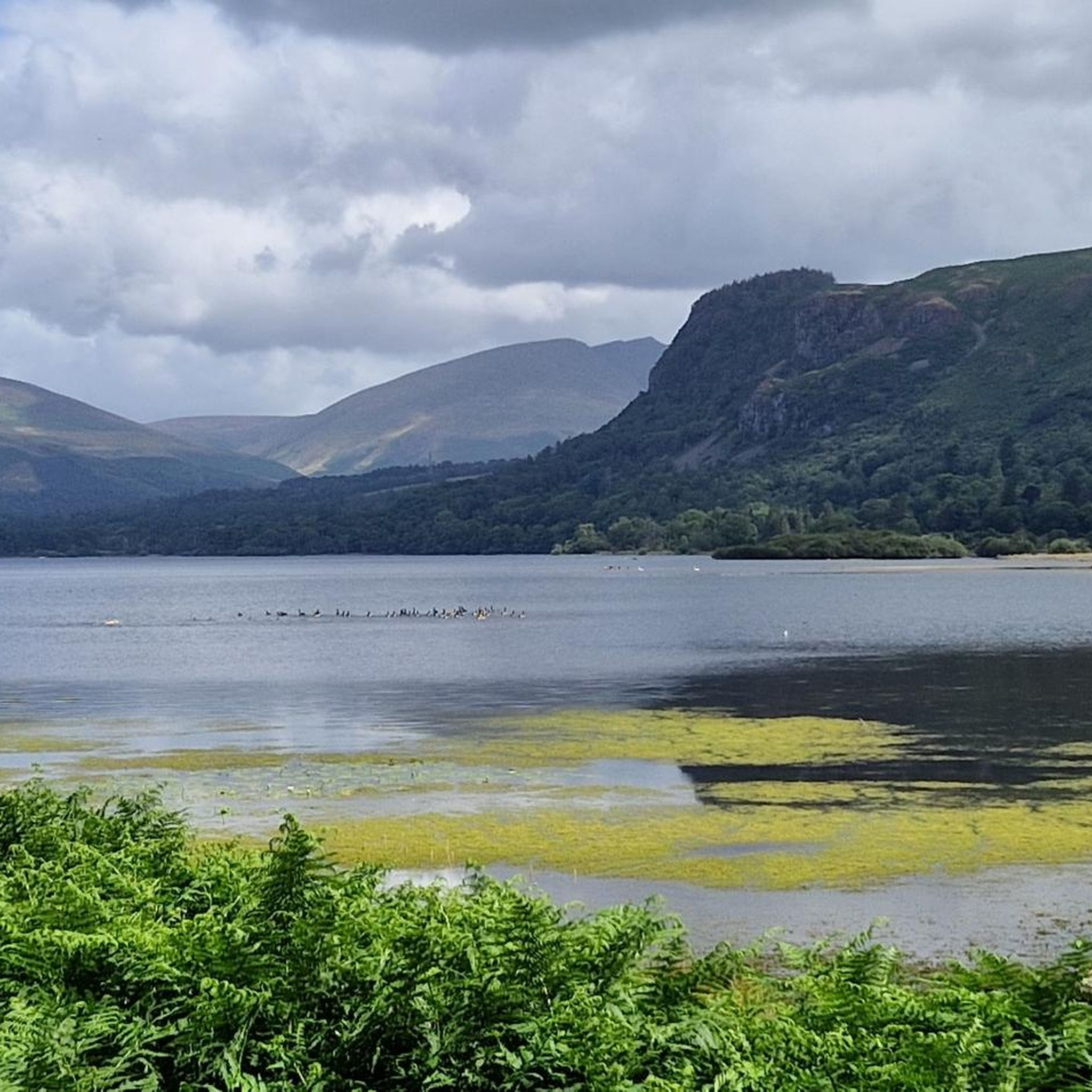
Cycling around Derwent Water
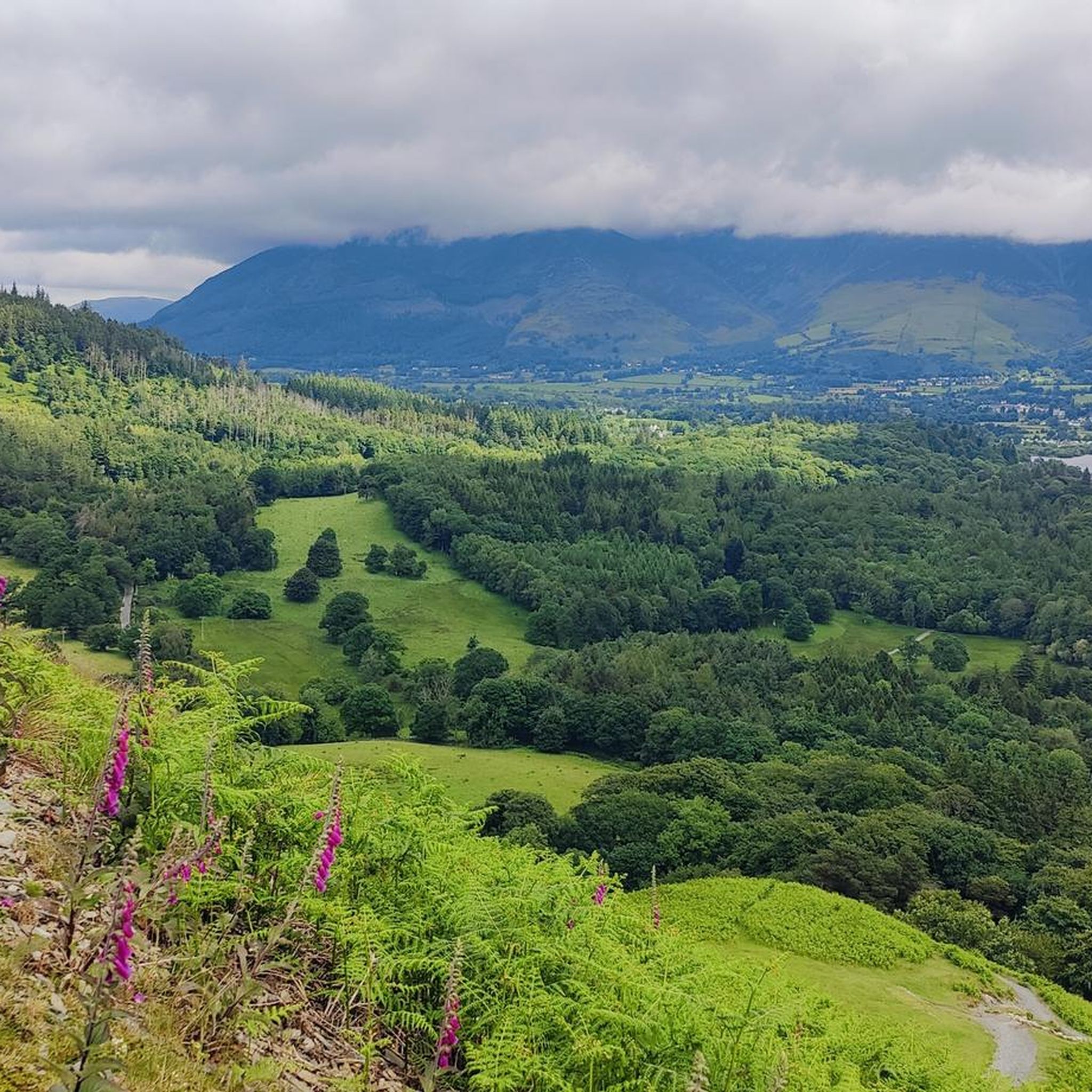
Road Cycling Routes around Derwent Water
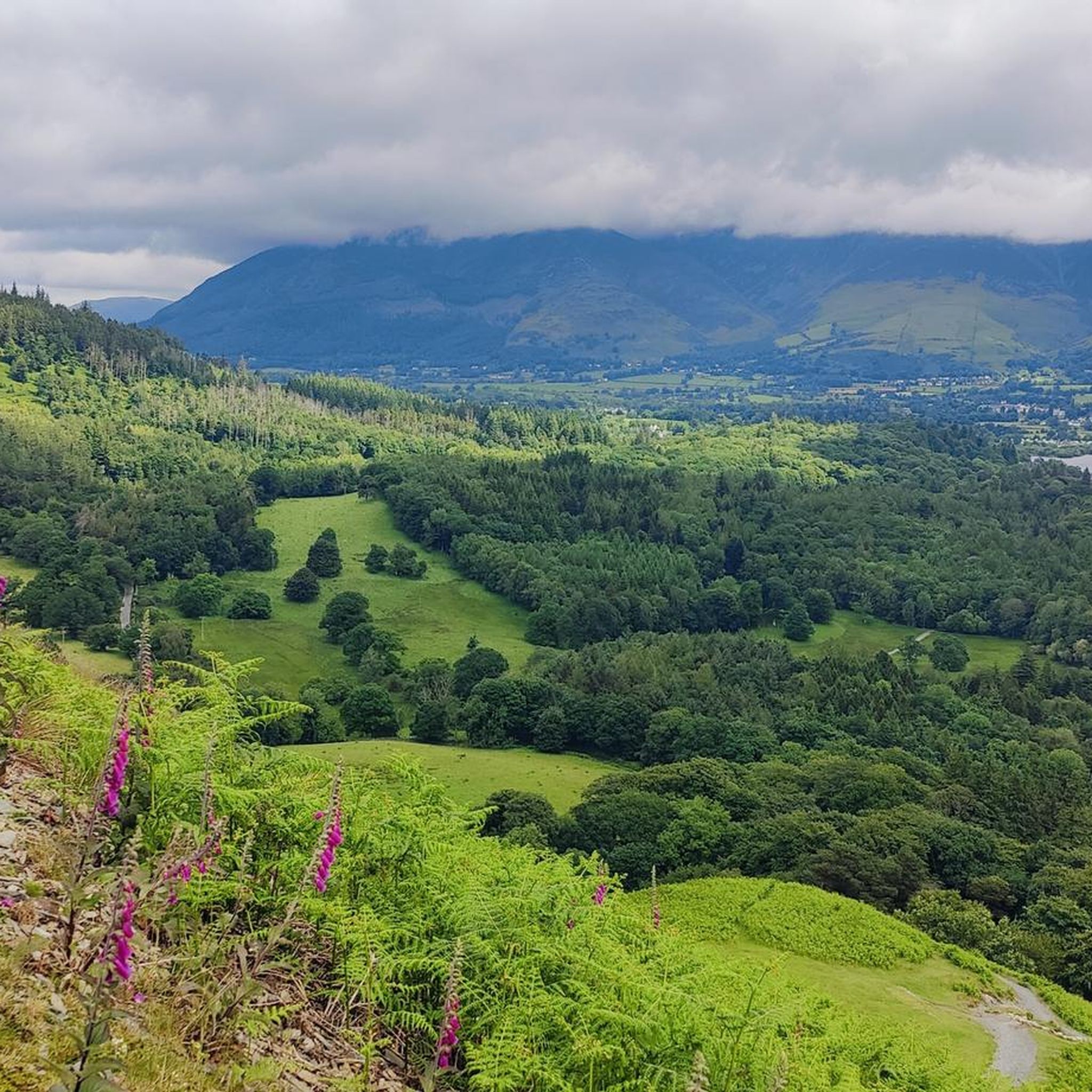
MTB Trails around Derwent Water
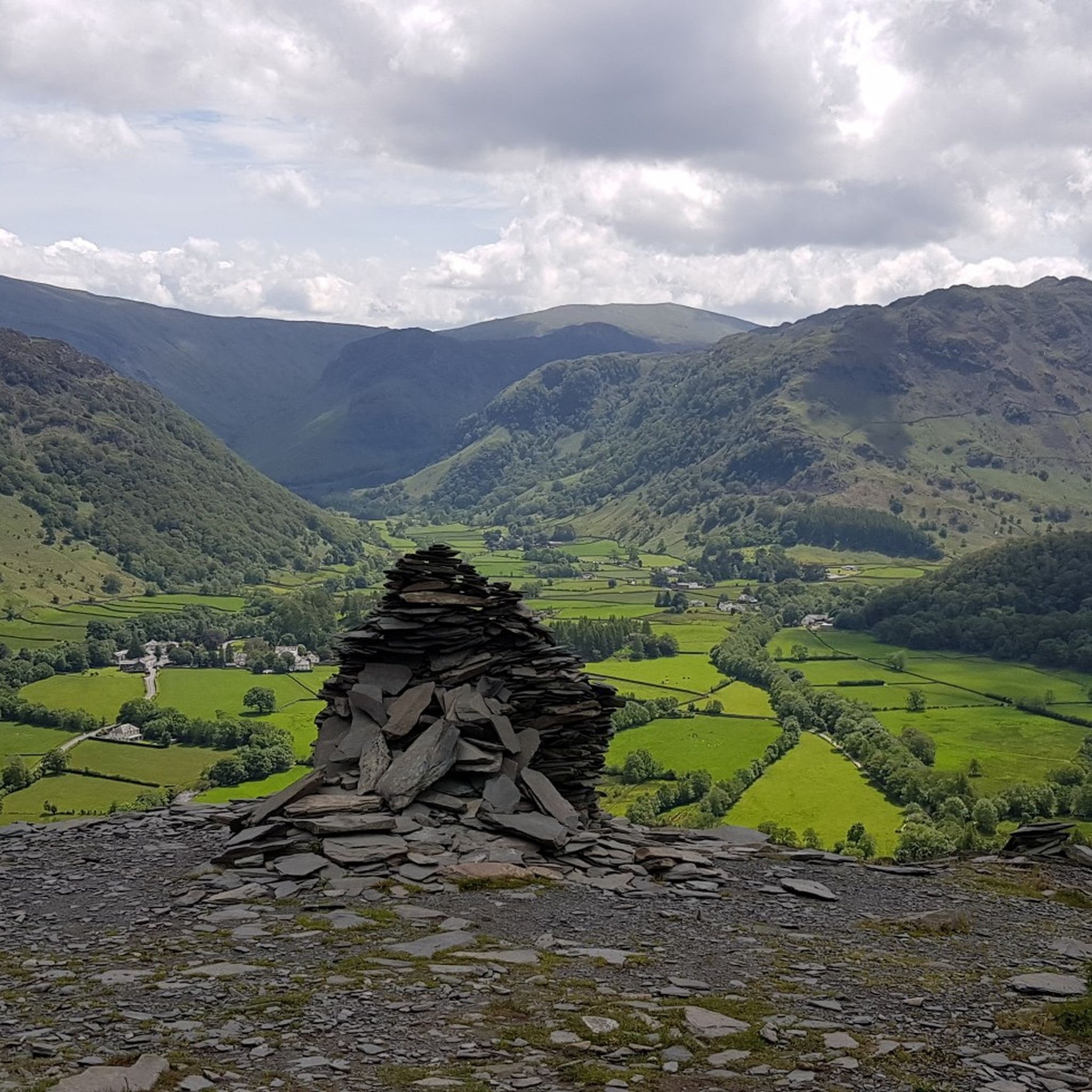
Hiking around Derwent Water

Gravel biking around Derwent Water

Mountain Hikes around Derwent Water
Other adventures around Derwent Water


Tips from the Community

what a wondefull place this is, great base for walking or exploring or getting the steamer
2
0

Cat Bells, has a height of 451 metres (1,480 ft) and is one of the most popular fells in the area. It is situated on the western shore of Derwentwater. The name of the fell, may come from "Cat Bields" meaning shelter of the wild cat.
0
0

Good for any fitness level and family walks
1
0

Derwent Water south of Keswick is about 3.1 miles (5 km) long and 0.9 miles (1.5 km) wide making it a brilliant running challenge to go all the way around the lake. It's very pretty and therefore quite popular especially at Keswick and the other easily accessible shores. As a nice and shorter option, you can use the Derwent Water ferry to start your run, cutting a corner and then running the rest of the loop. The ferry runs regularly in the summer with a reduced timetable in November and no ferries from December to March. The Keswick Mountain Festival is held near here in May with a selection of races as well as other events.
0
0

To be enjoyed in the sunshine. Breath taking views.
0
0


Frairs Crag is a lovely viewpoint for Derwent Water, gloriously position for gazing into the Jaws of Borrowdale, beyond the wooded citadel of Castle Crag and to the higher fells beyond. It's only a short walk from Keswick. A nearby monument recognises writer John Ruskin's first visit to the region in 1824. He was five years old at the time and later stated that the view from here was one of the very best in Europe.
1
1

One of my favourite views on all the lake District
1
0
Frequently Asked Questions
What are some of the most popular natural monuments to visit around Derwent Water?
Among the most popular natural monuments are View of Derwent Water from Friars Crag, known for its celebrated views into the Jaws of Borrowdale. Cat Bells is another favorite, offering panoramic views of the lake and surrounding fells. Visitors also appreciate the unique Hundred Year Stone, especially for photography on calm days.
Are there any natural monuments with historical or cultural significance in the Derwent Water area?
Yes, several natural monuments hold significant history. Friar's Crag has a memorial to John Ruskin, who famously praised its view, and was a historical embarkation point for monks. The islands of Derwent Water, such as Lord's Island with its ancient house foundations and St. Herbert's Island, named after a 7th-century hermit, are steeped in local legend and religious history.
Which natural monuments around Derwent Water are suitable for families or those seeking easy walks?
For families and easy walks, Friar's Crag is highly recommended due to its short, accessible walk from Keswick and stunning views. The fell of Catbells is also considered a 'family fell' due to its accessible, though steep, paths, offering a rewarding experience for a wide range of walkers. The Entrust Sculpture in Brandelhow Park is another family-friendly spot, commemorating the National Trust's first land purchase in the Lake District.
Are there accessible viewpoints for natural monuments around Derwent Water?
Yes, Friar's Crag is particularly noted for its accessibility, making it suitable for visitors of various abilities, including those using wheelchairs. It offers one of Europe's most celebrated viewpoints with an unbroken vista down Derwent Water.
Can I visit the islands on Derwent Water, and what makes them special?
Derwent Water is dotted with several islands, including Lord's Island, St. Herbert's Island, Derwent Island, and Rampsholme Island, all owned by the National Trust. While visitors are generally asked not to land on most, their historical and natural beauty makes them points of interest when cruising the lake. St. Herbert's Island is significant for its religious history and as an inspiration for Beatrix Potter. Derwent Island, the only one with a house, is open for organized public visits a few times a year.
What kind of views can I expect from Catbells?
From Catbells, you can expect stunning panoramic views. This popular fell offers breathtaking vistas of Derwent Water, the Newlands Valley, and the majestic Skiddaw range, providing a truly rewarding experience for walkers.
What is special about Walla Crag, and what views does it offer?
Walla Crag offers fabulous views over Derwent Water, Keswick, and on clear days, even beyond Bassenthwaite Lake to the Solway Firth and the hills of Galloway in Scotland. The crag features a major breach known as Lady's Rake, associated with a local legend. The walk through Great Wood to Walla Crag is particularly enchanting, especially in winter.
What outdoor activities and hiking routes are available near these natural monuments?
The area around Derwent Water offers a variety of outdoor activities. You can find numerous hiking routes, including easy walks like the 'Watendlath Beck Waterfall – View over Derwentwater loop' or the 'Low Brandlehow Jetty – Bench With View of Catbells loop'. For more challenging adventures, there are mountain hikes such as the 'Hause Gate loop' or longer routes like the 'Stone Sculpture on Skiddaw loop'. You can explore more options in the Easy hikes around Derwent Water or Mountain Hikes around Derwent Water guides.
Are there any notable waterfalls or dramatic geological formations to see?
Yes, Lodore Falls is a notable waterfall, best visited after heavy rain, offering a pleasant woodland setting. The southern end of Derwent Water features the dramatic 'Jaws of Borrowdale,' characterized by rugged scenery formed by the Borrowdale Volcanic Group of rocks. The landscape also bears marks of glacial activity, with low, elongated hills (drumlins) and moraines.
What is the best season to visit the natural monuments around Derwent Water?
The natural monuments around Derwent Water offer beauty year-round. Spring brings wild garlic to Rampsholme Island. Summer allows for climbing on the Hundred Year Stone. Autumn showcases vibrant foliage. Winter, especially with hoar-frost, transforms the landscape around Walla Crag into an enchanting scene. Lodore Falls are best after heavy rain, which can occur in any season.
What do visitors particularly enjoy about the natural monuments around Derwent Water?
Visitors frequently praise the stunning views, especially from Friar's Crag, which many consider one of the best in the Lake District. The accessibility of many sites for families and various fitness levels is also a highlight. The unique photo opportunities, like those at the Hundred Year Stone on a calm day, are also much appreciated by the komoot community.
What unique geological features can be found around Derwent Water?
The landscape around Derwent Water is rich in geological features. Friar's Crag is formed from dolerite, an intrusive volcanic rock. Catbells is part of the Buttermere Formation, characterized by mudstone, siltstone, and sandstone. Walla Crag exposes plagioclase-phyric andesite lavas. The area also shows clear signs of glacial activity, including drumlins and moraines, and the dramatic 'Jaws of Borrowdale' formed by volcanic rocks.
Most popular routes around Derwent Water
Most popular attractions around Derwent Water

Get inspired with the komoot mobile app


Explore more
Extend your search for the best caves by checking out these guides of the top ones around Derwent Water:
