The best walks and hikes around Derwent Water
4.6
(12431)
122,360
hikers
29
hikes
Hiking around Derwent Water offers diverse landscapes, from gentle lakeside paths to challenging fell climbs. The region is characterized by its shimmering lake, surrounded by majestic fells and ancient woodlands. Trails cater to various fitness levels, providing access to panoramic views and sheltered walks. The River Derwent feeds the lake, contributing to its natural features.
Best hiking trails around Derwent Water
- The most popular hiking route is Trail to Walla Crag – View of Bleaberry Fell loop from Derwentwater,…
Last updated: October 8, 2026
4.5
(39)
367
hikers
6.11km
02:04
290m
290m
Moderate hike. Good fitness required. Easily-accessible paths. Suitable for all skill levels.
4.8
(9)
225
hikers
Moderate hike. Good fitness required. Easily-accessible paths. Suitable for all skill levels.

4.6
(41)
231
hikers
15.0km
04:20
350m
350m
Moderate hike. Good fitness required. Easily-accessible paths. Suitable for all skill levels.
4.8
(26)
241
hikers
17.5km
05:45
690m
690m
Hard hike. Very good fitness required. Mostly accessible paths. Sure-footedness required.
4.7
(12)
91
hikers
6.24km
01:54
190m
190m
Easy hike. Great for any fitness level. Easily-accessible paths. Suitable for all skill levels.
Get access to more routes and recommendations from other explorers.
Already have an account?
Our route recommendations are based on thousands of hikes, rides, and runs completed by other people on komoot.
Start today with a free account
Your next adventure awaits.
Popular around Derwent Water
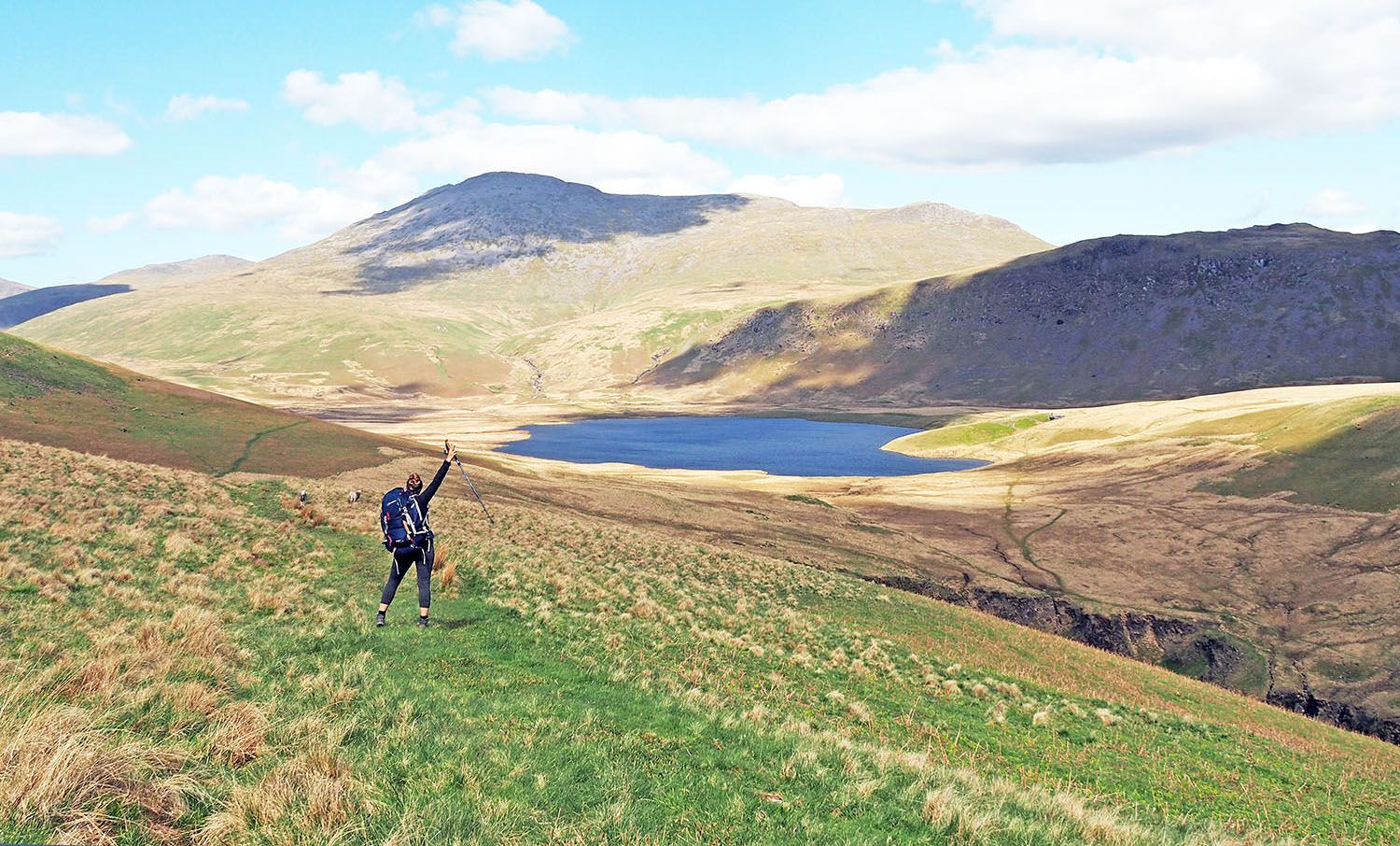
An English hiking dream – 8 days through the Lake District
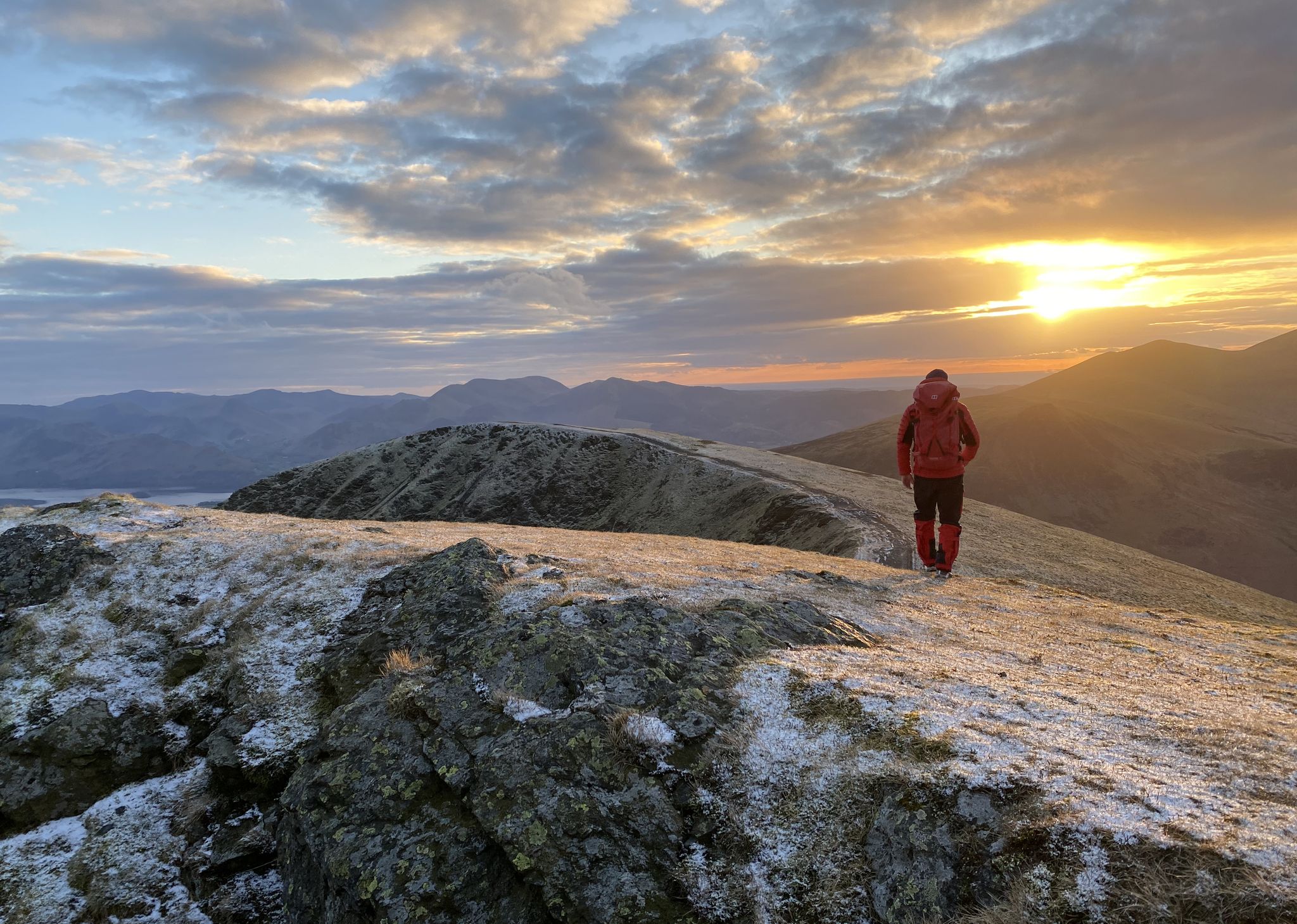
Sublime Adventures in the Fells – Great Lake District Walks
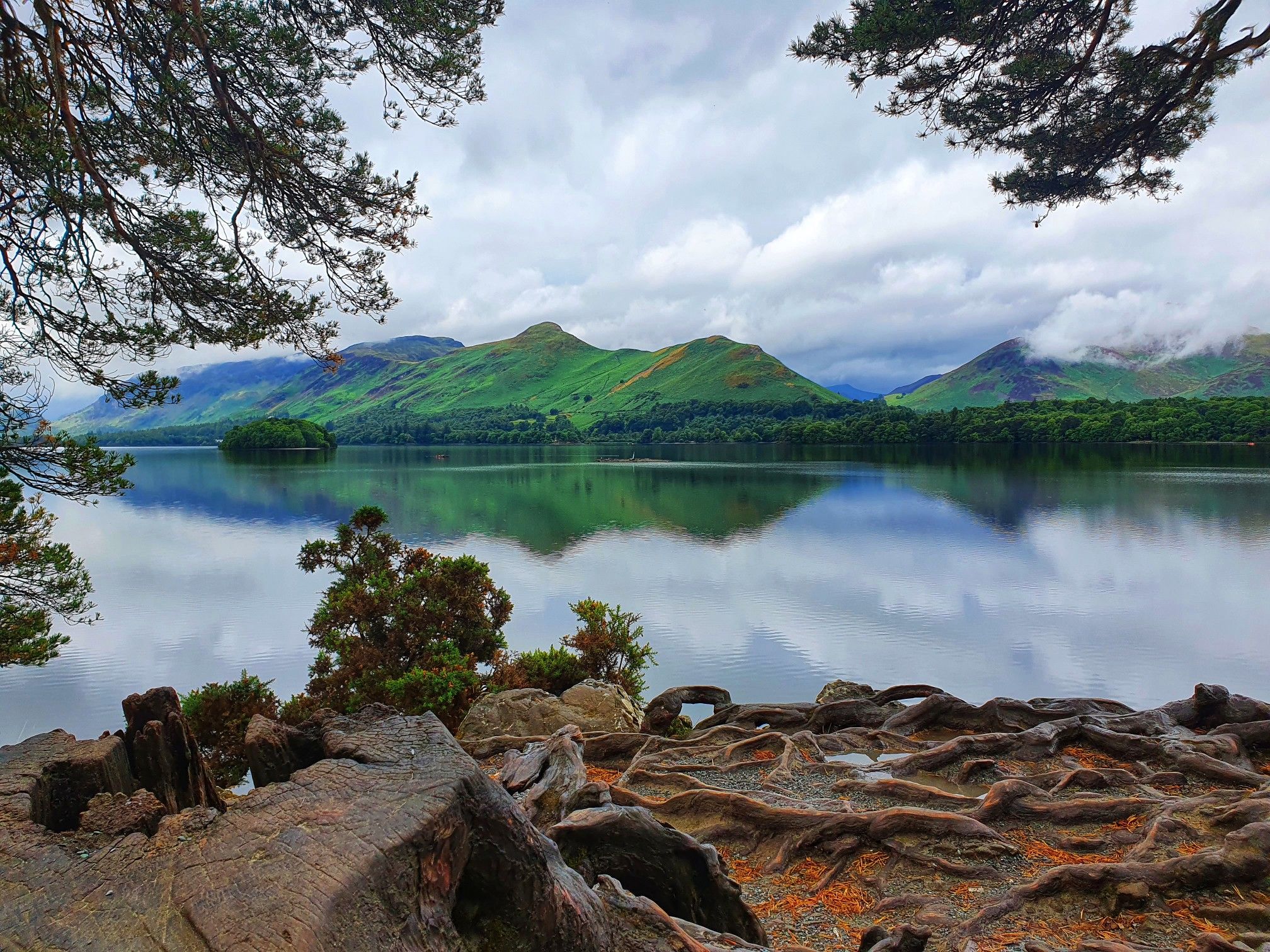
Discover the dramatic beauty of the Northern Lake District
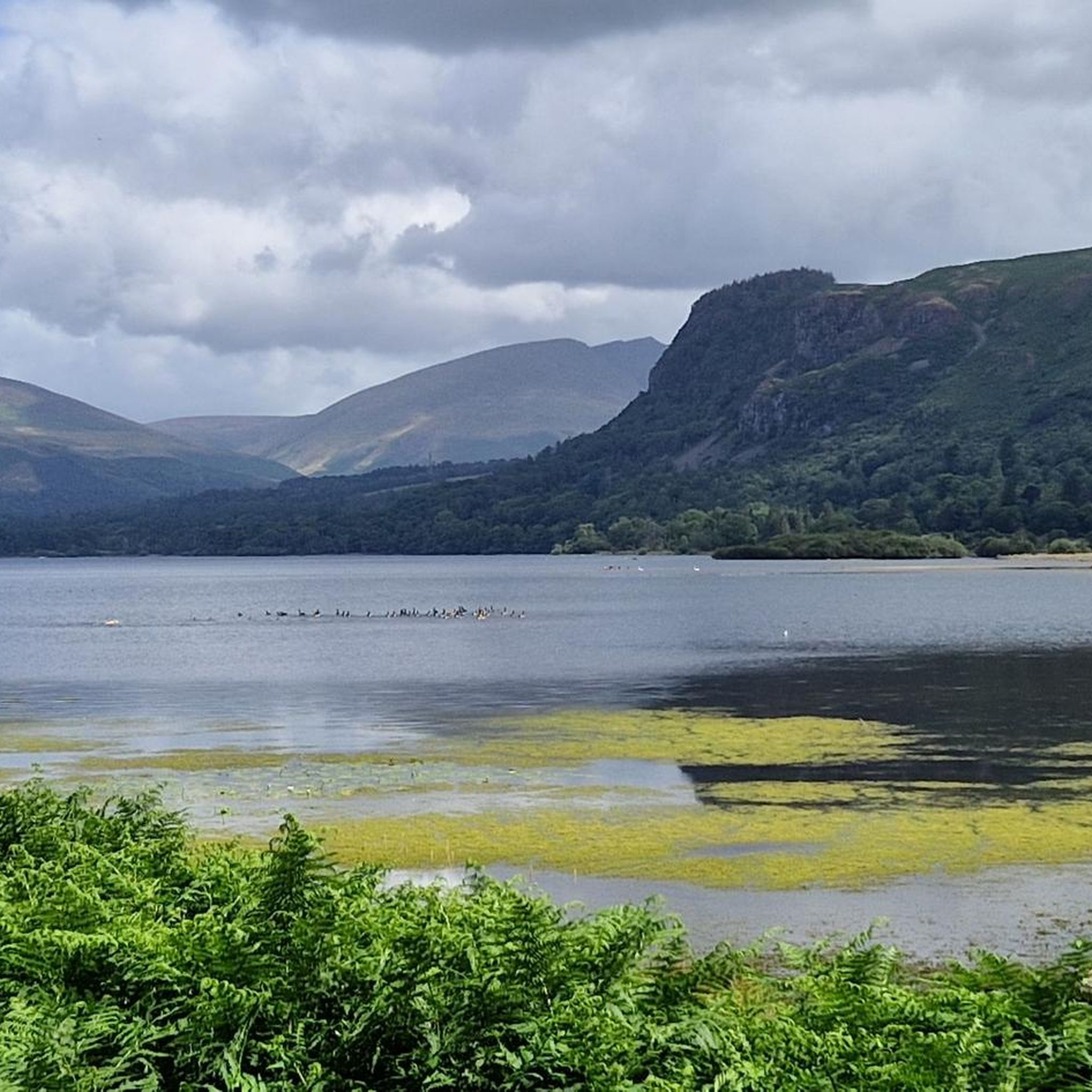
Running Trails around Derwent Water
Cycling around Derwent Water
Road Cycling Routes around Derwent Water
MTB Trails around Derwent Water

Gravel biking around Derwent Water

Mountain Hikes around Derwent Water
Other adventures around Derwent Water


Tips from the Community

what a wondefull place this is, great base for walking or exploring or getting the steamer
2
0

great walk, we did the lake shore walk first than the steep climb up to the summit. Great choice as coming down this way would have been a challenge with a dog pulling on the lead. the styles with the dog friendly access are awesome 👌🏽
0
0

People often go swimming from the banks under the bridge. In the winter when it rains a lot this whole area can be underwater.
0
0

Seen a few alpacas with kids and they were loving it
0
0


This is just by the footbridge over the River Derwent which links Portinscale with Keswick. The bridge forms part of the Cumbria Way.
0
0

Enjoy magnificent views of Bleaberry Fell and the surrounding fells and valleys from this trail in the Lake District. You'll also catch glimpses of Derwent Water reservoir along the way.
0
0
More Information
The adventure capital of the Lake District
Keswick is the obvious base for hiking in the region. It has everything you could ask for: from cosy pubs, cafes inspired by adventure and countless outdoor gear shops. From the Moot Hall in the town centre you can be lakeside in ten minutes or on a modest summit enjoying wonderful panoramas within the hour.
Around the lake
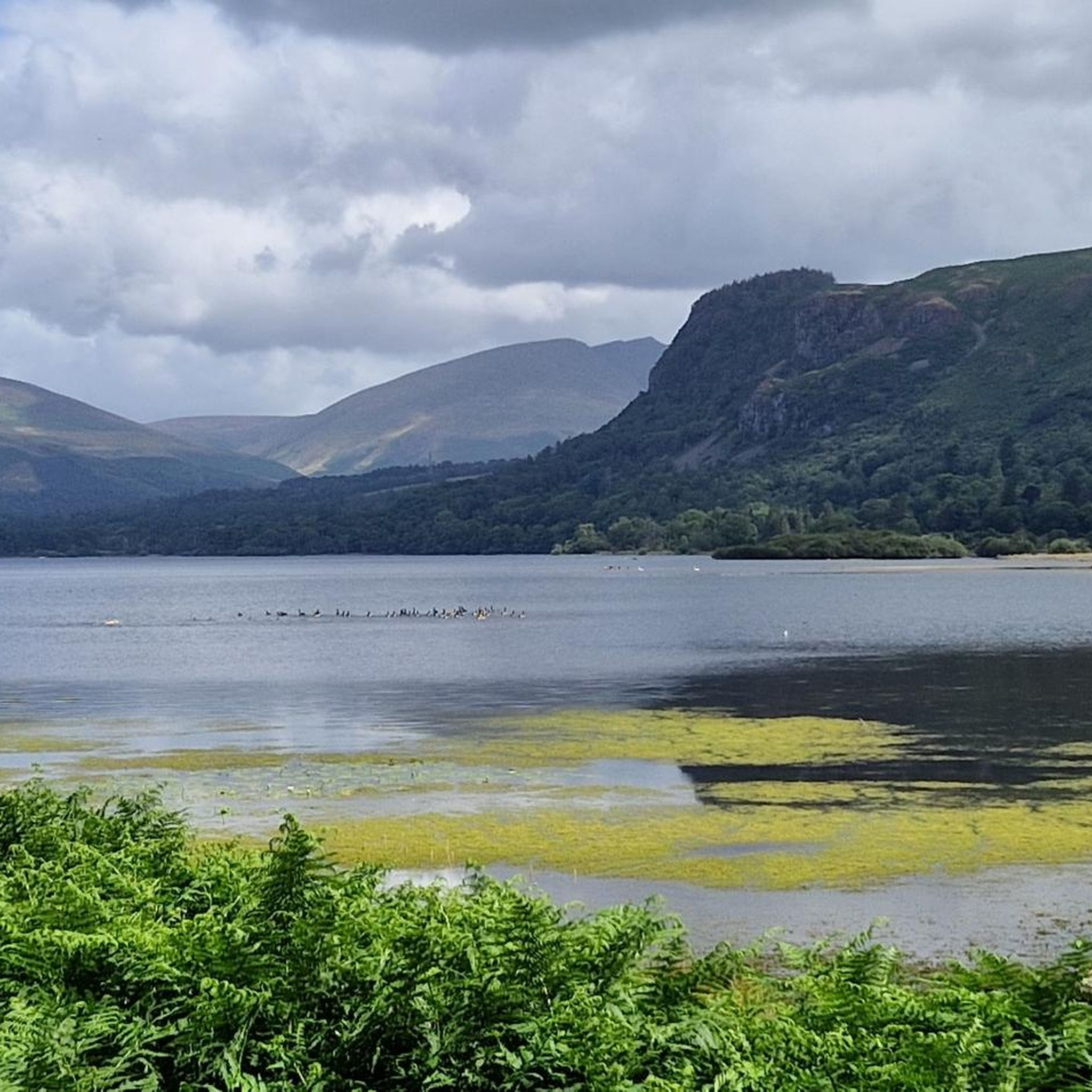
There are plenty of splendid circular walks around Derwent Water itself, with the option of a number of fascinating detours en route. Its shores are rich in woodland, including some beautiful Atlantic oaks. Red squirrels are protected here and the sight of buzzards, sparrowhawks and peregrines is common.
To the north west, 5,000 year old Castlerigg Stone Circle is one of Britain’s most dramatically situated ancient monuments, standing proud on a grassy plateau and surrounded by some of Lakeland’s most iconic mountains. A short, easy hike south, the popular summit of Walla Crag at 1,243 feet (379 m) offers a stupendous view across the water. Back down by the lake is the immensely picturesque Ashness Bridge, a packhorse crossing that is the foreground to one of the most photographed images in the Lakes, featuring noble Skiddaw as the backdrop.
Jaws, cats, castles and crags
Your hikes around Derwent Water will get better still when you experience Borrowdale to the south. It’s a darkly atmospheric, beautiful valley: one of England’s finest. Its entrance, ‘the Jaws of Borrowdale’ is guarded by Castle Crag, a small fortress of rock that makes for a great short expedition. Nearby Lodore Falls is a spectacular sight after a period of rainfall.
The best hiking trails around Derwent Water explore the shapely fells to the west. The most popular is the 1,480-foot (451 m) Catbells, a glorious mini mountain whose distinctive profile lures many hikers to the simple scrambling found on its ridge. Avoid the afternoon rush for any chance of enjoying its marvellous summit to yourself.
Wonderful all year round
Fellwalking around Derwent Water is wonderful all year round. Summer is peak season, particularly during school holidays. The autumn hush brings a sumptuous regal colour scheme to the hillsides and woodland. It is rare that the highest summits in the region are wintery enough to warrant mountaineering skills and equipment, but if in doubt there are so many great, lower objectives. Spring brings fresh life and colour to the lake, a wonderful season for a ramble.
Frequently Asked Questions
How many hiking trails are available around Derwent Water?
There are over 30 hiking trails around Derwent Water, catering to various skill levels. You'll find 13 easy routes, 12 moderate, and 5 difficult trails, offering a wide range of experiences from gentle lakeside strolls to challenging fell climbs.
Are there easy hiking options for beginners or families with children?
Yes, Derwent Water offers many easy and family-friendly options. The 10-mile Derwentwater Walk is a popular choice, offering a scenic path through ancient woodlands and along the shore. For shorter, pushchair-friendly strolls, consider the circuits in Cockshot Wood. The 'mini mountain' of Catbells also provides a rewarding experience with relatively simple scrambling, suitable for active families.
Can I find circular walks around Derwent Water?
Yes, circular walks are a highlight of the Derwent Water area. The full 10-mile Derwentwater Walk is a well-known circular path around the lake. Another popular moderate circular route is the Trail to Walla Crag – View of Bleaberry Fell loop from Derwentwater, which offers stunning views of the lake and surrounding fells.
Are dogs allowed on the hiking trails around Derwent Water?
Generally, dogs are welcome on most hiking trails around Derwent Water, but it's important to keep them on a lead, especially in areas with livestock or ground-nesting birds. Always follow the Countryside Code and clean up after your dog. Some specific areas or attractions might have restrictions, so check local signage.
What are some notable natural features or landmarks to see while hiking?
Derwent Water is rich in natural beauty and landmarks. You can enjoy panoramic views from Friar's Crag, explore ancient woodlands, or discover the dramatic 'Jaws of Borrowdale' guarded by Castle Crag. The lake itself is dotted with picturesque islands like St Herbert's Island. For a historical landmark, the ancient Hundred Year Stone is also nearby.
Are there any waterfalls to visit near the trails?
Yes, one of the most spectacular water features in the area is Lodore Falls, especially impressive after heavy rainfall. While not directly on every trail, it's a short detour from many routes on the eastern side of the lake and well worth a visit.
How can I get to the trailheads using public transport?
Keswick, a vibrant hub just a 10-minute walk from Derwent Water, serves as an excellent starting point for many walks and is well-connected by bus. Additionally, the Derwentwater Launch operates boat services that stop at various points around the lake, providing convenient access to different sections of the Derwentwater Walk and other trails, allowing you to combine hiking with a scenic boat trip.
Is there parking available for hikers around Derwent Water?
Yes, there are several car parks available around Derwent Water, particularly in and around Keswick, which is a common starting point for many hikes. Popular spots like Friar's Crag and various jetties also have parking facilities. It's advisable to arrive early during peak season as spaces can fill up quickly.
What do other hikers say about the trails around Derwent Water?
The trails around Derwent Water are highly rated by the komoot community, with an average score of 4.6 stars from over 2,000 reviews. Hikers frequently praise the stunning panoramic views from the fells, the tranquility of the ancient woodlands, and the variety of paths suitable for all abilities. Many appreciate the well-maintained routes and the accessibility from Keswick.
Are there challenging hikes for experienced fell walkers?
Absolutely. For experienced fell walkers seeking a challenge, the Derwent Water area offers demanding ascents. The High Spy summit – Catbells Summit loop from Derwentwater is a difficult 17.5-mile path featuring significant elevation gain to prominent summits. Further north, the magnificent Skiddaw presents another challenging ascent with breathtaking views for those up to the task.
What is the best time of year to hike around Derwent Water?
Derwent Water offers beautiful hiking experiences year-round. Spring brings vibrant wildflowers and milder temperatures, while summer provides long daylight hours and warmer weather, ideal for lakeside strolls. Autumn showcases stunning foliage, and winter, though colder, can offer dramatic, snow-dusted landscapes and quieter trails. Always check weather conditions, especially for fell walks, as they can change rapidly.
Are there options for shorter walks around the lake?
Yes, if you're looking for shorter walks, you don't have to complete the entire Derwentwater Walk. Many sections are accessible for shorter strolls, such as the path to Friar's Crag from Keswick. The boat services around the lake also allow you to walk a section and then catch a boat back, effectively creating shorter, varied routes.
What kind of wildlife might I encounter on the trails?
The Derwent Water area is rich in wildlife. Keep an eye out for red squirrels in the ancient woodlands. Birdwatchers might spot sandpipers and yellow wagtails in the marshier areas. The lake itself is home to the rare vendace fish. You might also encounter badgers, deer, and various bird species throughout the fells and forests.
Most popular routes around Derwent Water
Most popular attractions around Derwent Water

Get inspired with the komoot mobile app


Explore more
Browse the best Hikes in other regions.
