Top 20 Mountain Passes in the Japanese Alps
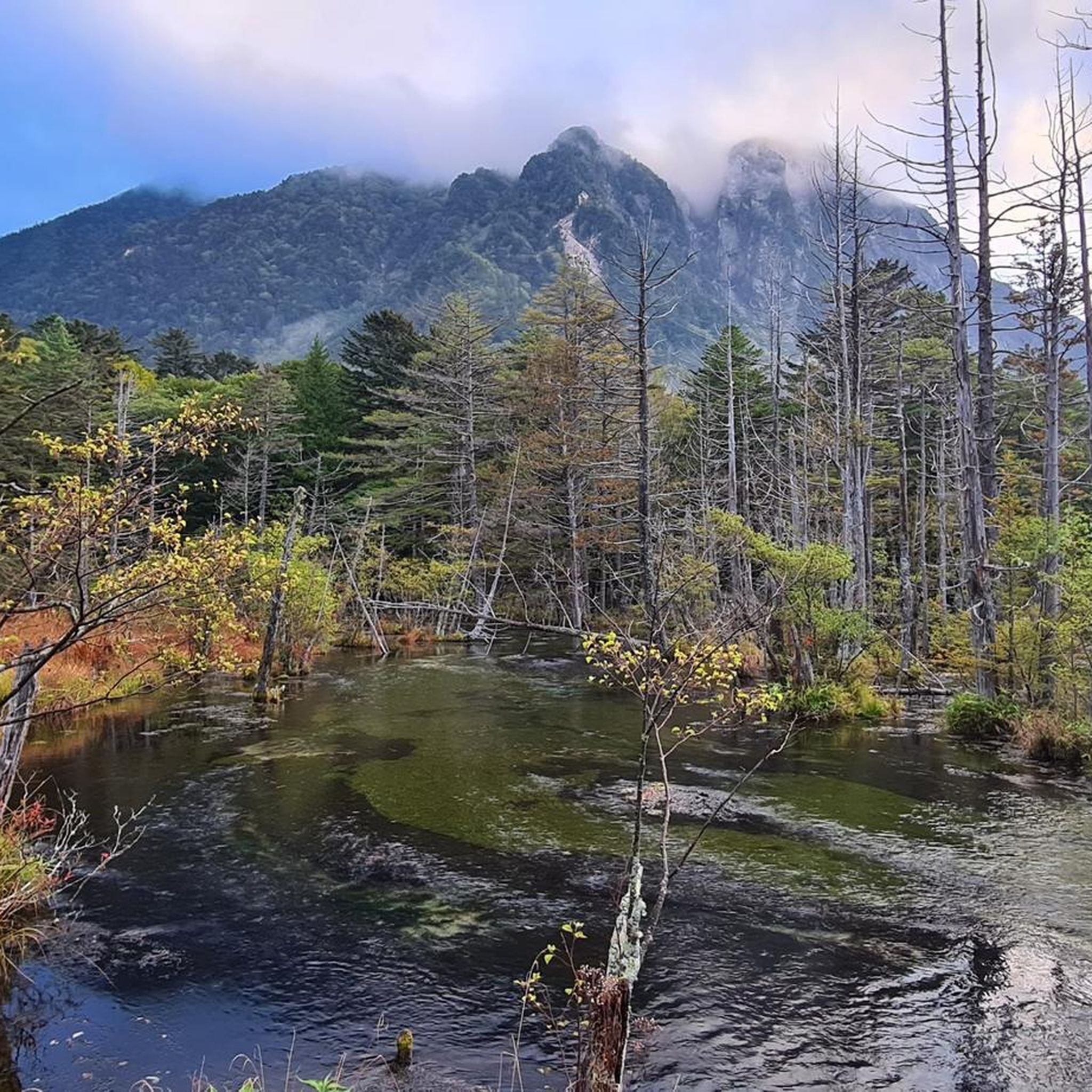
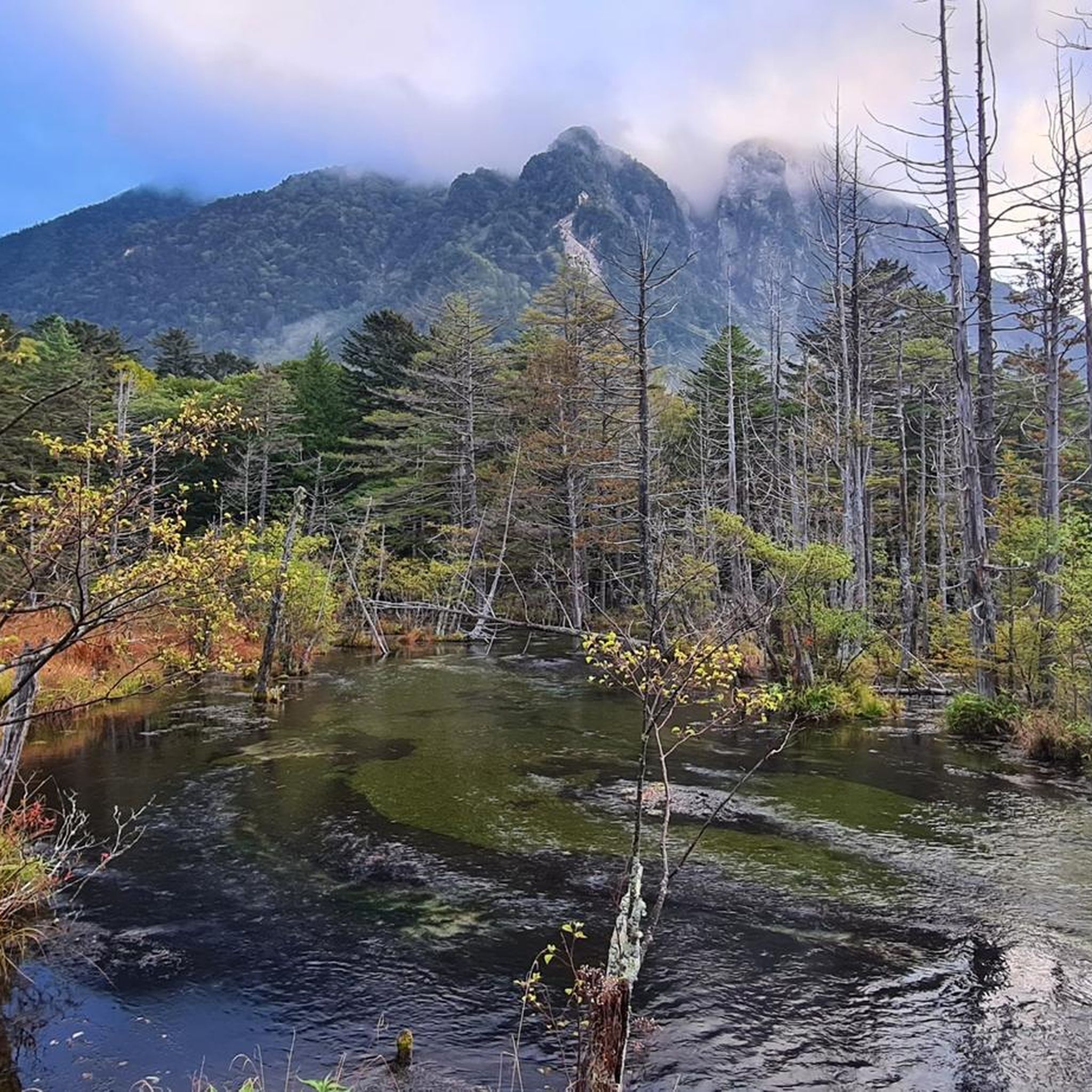
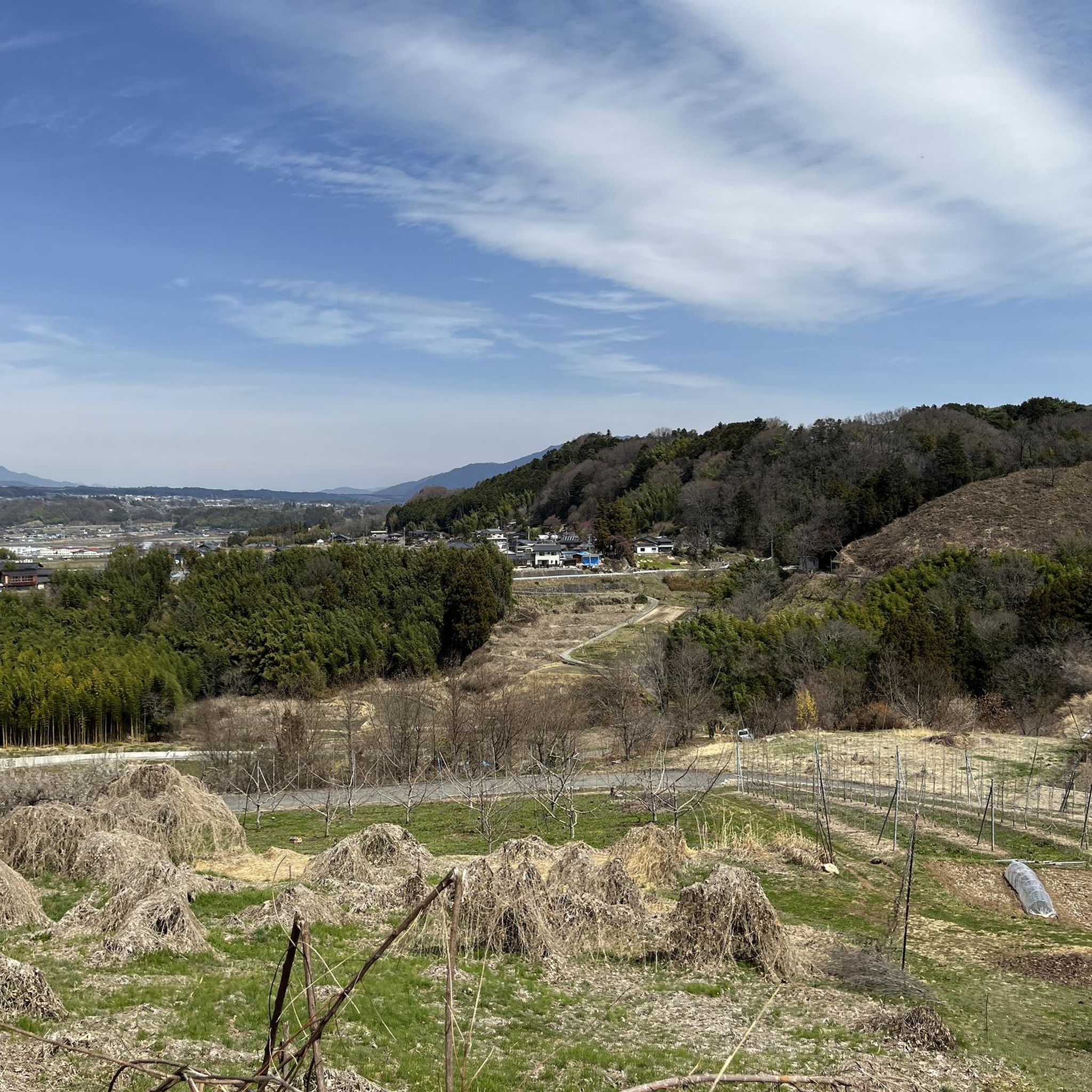
Mountain passes in the Japanese Alps traverse the main island of Honshu, offering routes through the Northern, Central, and Southern Alps. These passes provide access to high-altitude terrain and diverse natural features. The region is characterized by its mountain ranges, which include peaks over 3,000 meters. Many passes serve as historical routes or offer viewpoints of the surrounding landscape.
Best mountain passes in the Japanese Alps
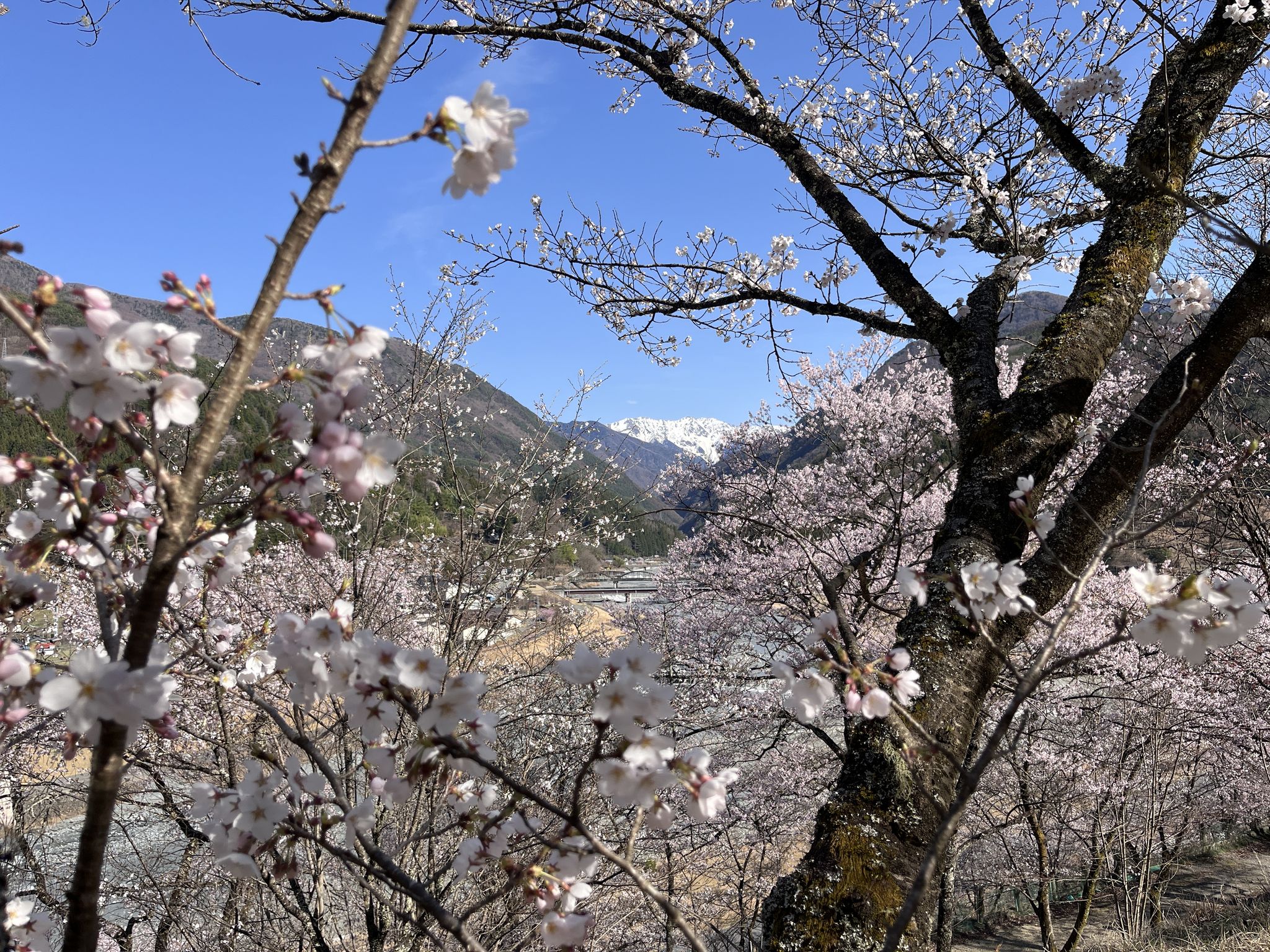
- The most popular mountain passes is View of Mount Fuji from Otome Pass, a mountain pass and viewpoint. It is located on the border between Kanagawa and Shizuoka prefectures in Fuji-Hakone-Izu National Park.
- Another must-see spot is Yabitsu Pass, a mountain pass known for climbing. Visitors can find its altitude at 761 meters, with a rest house available.
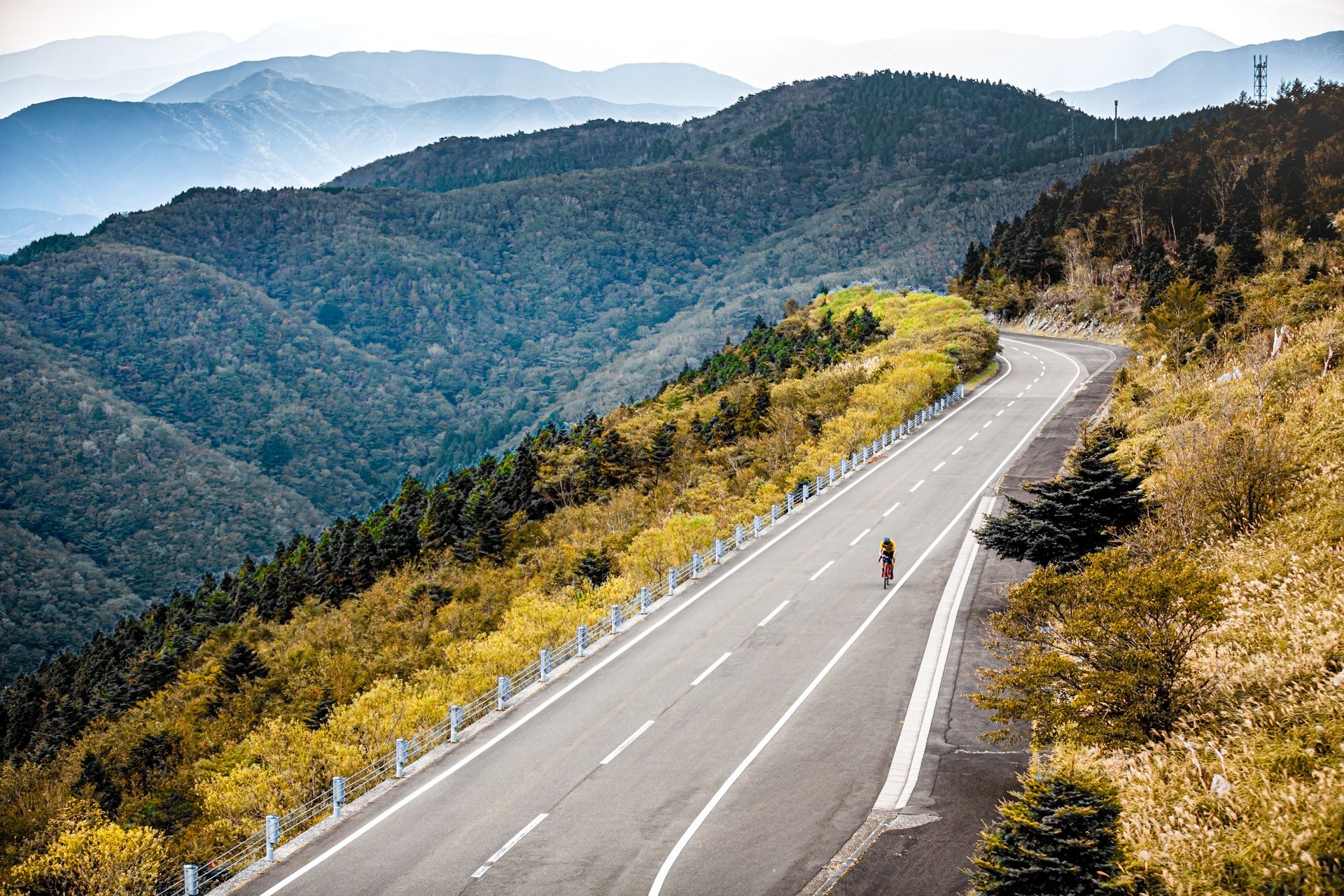
- Visitors also love Wada Pass (Wada-tōge), a challenging mountain pass with a well-kept road. It offers continuation towards Fujino and Lake Sagami-ko, and provides access to Mt Jimba for views.
- Japanese Alps is known for mountain passes, climbs, and viewpoints. The region offers a variety of mountain passes to see and explore, ranging from well-maintained roads to historical trails.
- The mountain passes in the Japanese Alps are appreciated by the komoot community, with 15 upvotes and 10 photos contributed by users.
Last updated: July 10, 2026
Wada Pass (Wada-tōge)
Highlight • Mountain Pass
Wada Pass may also be accessed from the Daigo line which is longer, with some very steep sections and is a rindo (mountain way) so not very well kept and progress can be hard. The last 100m is a gravel track.
Descending from Wada Pass on either side is very fast so care and attention is needed as there are often hikers, cyclists and motor vehicles also using the route.
Tip by

Yabitsu Pass
Highlight • Mountain Pass
Tip by

Sign up now to discover places like this
Get recommendations on the best single tracks, peaks, & plenty of other exciting outdoor places.
Sign up for free
Tsuetsuki-tōge Pass Climb on the Akiha Kaidō (杖突峠 Climb)
Highlight (Segment) • Climb
Tip by

View of Mount Fuji from Otome Pass
Highlight • Mountain Pass
Translated by Google •
Tip by

Iriyama Pass (Iriyama-tōge)
Highlight • Mountain Pass
Tip by

Norikura Pass (2716 m) – Highest Bus Stop in Japan
Highlight • Mountain Pass
Translated by Google •
Tip by

Bunkui-toge Pass (Bunkui-toge)
Highlight • Mountain Pass
Tip by
Misaka-toge Pass Ruins on the Ancient Tosando Trail
Highlight • Mountain Pass
While the Tosando has fallen into disuse and is only preserved as a hiking trail between the #nakasendo (Kiso Valley) and the Sanshu Kaido (Ina Valley). Its historic counter part the Tokaido (east sea road) today is Japan's major transport artery.
There is a mountain hut close by which can also be accessed by car and bicycle from Nakatsugawa.
Tip by
Arima Pass (有間峠)
Highlight • Mountain Pass
Tip by
Karbazaka Pass
Highlight • Mountain Pass
Tip by
Sign up for free to discover even more mountain passes in the Japanese Alps.
Sign up for free
Already have an account?
Start today with a free account
Your next adventure awaits.
Login or Signup
Popular around Japanese Alps


Tips from the Community

Reopened 2025. Long climb. Road surface generally OK but some rocks etc. Be careful on the descent. Gates are shut for vehicular traffic. Could be possibly used as a gateway over to Chichibu if inclined but check on road closures or have a plan B. As with all mountain roads, make sure to carry spare tubes.
1
0

the highest paved mountain pass in Japan. It stands at 2716 m above the see level, can get windy and cold.
0
0

The Norikura Pass, at an elevation of 2,716 meters, was a highlight of the tour and offered breathtaking views of the surrounding mountains. The nearby Norikura Kogen parking lot, at an elevation of approximately 2,710 meters, is known as Japan's highest bus station and offers impressive views of the surrounding mountains.
0
0
The Tsuetsuki Pass (Japanese: 杖突峠, Tsuetsuki-tōge) is a mountain pass in Japan, located in Nagano Prefecture. The pass is known for its scenic beauty and offers breathtaking views of the surrounding landscape. The Tsuetsuki Pass has an elevation of approximately 1,247 meters above sea level. It is a popular destination for hikers and cyclists who want to experience the beauty of Japanese nature. Approaching the pass from the south, it is approximately 9 kilometers long with an average gradient of 4%, but a maximum gradient of 12%.
0
0
The Bunkui Pass in Japan lies at an altitude of approximately 1,424 meters. It is located near Ina in Nagano Prefecture and is known for its scenic beauty and mystical sites, such as Mount Kiba, considered a power spot. Starting in Iida, the climb stretches for 9 to 10 km with an average gradient of 7% and a maximum of 16%.
0
0
Closed mountain road with Arima pass being the highest point standing at 1180 m above the sea level. Approaching from Lake Naguri, climb stretches for 14 km, mostly unmaintained road with lots of debry and rocks. Recommend to climb with a gravel bike or with extra spare tubes.
1
0

Riding National Route 152 up to Tsuetsuki-tōge (1,247 m) is the longest and hardest climb on the Akiha Kodō pilgrimage route. On a winding two-lane stretch of 6 kilometers, you must gain 390 meters in elevation. One kilometer before the pass there is a rest stop (Tōge-no-chaya) with a café, a soba noodle restaurant, and a stunning view of the Suwa basin. On some days there is considerable motorized traffic. Cars and trucks will be over taking you fast, so this climb is not for the faint of heart.
0
0

There are public toilets. On weekends, an elderly couple runs a cheap shop like an aid station. Mushroom soup 200 yen, bananas 100 yen, sports drinks 100 yen, etc.
0
0
Frequently Asked Questions
What are some mountain passes in the Japanese Alps known for their spectacular views?
Many mountain passes in the Japanese Alps offer breathtaking vistas. For iconic views of Mount Fuji, visit View of Mount Fuji from Otome Pass. The Norikura Skyline, leading to Norikura Pass (2716 m) – Highest Bus Stop in Japan, provides views that make you feel as if you're above the clouds. The Tateyama Kurobe Alpine Route also offers panoramic views of the Tateyama Mountain Range, especially from Murodo and the Tateyama Ropeway. For a stunning view of the Southern Alps, consider the hour-long hike to Yashajin Pass (1,770m).
What unique natural features can I experience at the mountain passes in the Japanese Alps?
The Japanese Alps are rich in unique natural features. The Tateyama Kurobe Alpine Route is famous for its Snow Corridor (Yuki-no-Otani) from mid-April to late June, where snow walls can reach up to 20 meters high. You can also see the impressive Kurobe Dam, Japan's tallest, with water discharge often creating rainbows between late June and mid-October. The Norikura area is known for its alpine flora, with various flowers blooming from mid-July to late August around the Tatamidaira plateau. Karasawa Cirque is particularly renowned for its vibrant autumn foliage, usually peaking from late September to early October.
Are there good hiking opportunities at the mountain passes in the Japanese Alps?
Yes, the Japanese Alps offer diverse hiking opportunities. From Norikura Pass, you can find trails suitable for all levels, including an easy 15-minute climb to Maou-dake (2,763m). Karasawa Cirque is a superb hiking destination, often starting from Kamikochi, and is popular for overnight treks. Near Wada Pass (Wada-tōge), you can hike up to Mt. Jimba for great views. For more hiking options, explore the various running trails in the Japanese Alps, which often double as hiking paths.
How can I access mountain passes in the Japanese Alps, especially those with restricted private vehicle access?
Some mountain passes in the Japanese Alps have restricted private vehicle access, making public transport a key option. The Tateyama Kurobe Alpine Route is traversed using a unique combination of cable cars, electric buses, and a ropeway. The Norikura Skyline, leading to Norikura Pass, is primarily accessible by bus or taxi as private vehicles are restricted. For other passes, check local transport options or consider cycling.
When is the best time to visit the mountain passes in the Japanese Alps?
The best time to visit depends on what you want to experience. For the famous Snow Corridor on the Tateyama Kurobe Alpine Route, plan your visit between mid-April and late June. Summer (July-August) is ideal for alpine flowers around Norikura and general hiking. Autumn (late September to early November) offers spectacular foliage, particularly at Karasawa Cirque and along the Tateyama Kurobe Alpine Route. Winter can be challenging due to heavy snow, with many routes closed.
Are there cycling routes associated with these mountain passes?
Yes, several mountain passes in the Japanese Alps are popular with cyclists. Wada Pass (Wada-tōge) is known for its well-kept road with sweeping corners, though it can be steep. The Tsuetsuki-tōge Pass Climb on the Akiha Kaidō is a challenging but scenic climb. You can find many more options for road cycling in the region by exploring Road Cycling Routes in the Japanese Alps.
What other outdoor activities can I do near the mountain passes in the Japanese Alps?
Beyond hiking and cycling, the Japanese Alps offer a variety of outdoor activities. You can find numerous running trails that take you through scenic landscapes. For mountain biking enthusiasts, there are also dedicated MTB Trails in the Japanese Alps. The Hakuba Valley, while known for skiing, also provides access to many peaks and scenic spots like Happo Pond during warmer months.
What is the difficulty level for hiking or cycling some of the mountain passes?
The difficulty varies significantly. For cycling, Wada Pass (Wada-tōge) and Tsuetsuki-tōge Pass Climb are considered challenging with steep sections. For hiking, Mount Norikura offers trails suitable for all levels, including an easy climb for beginners to experience a 3,000-meter-class summit. Karasawa Cirque involves a more demanding trek, often requiring overnight stays. Always check specific route details for elevation gain and terrain before you go.
Are there any mountain passes in the Japanese Alps with historical significance?
Yes, the Japanese Alps are home to passes with rich history. The Misaka-toge Pass Ruins on the Ancient Tosando Trail in Achi Village preserves a part of Japan's oldest national road, established 1,300 years ago. Bunkui-toge Pass also has small trails remaining from the old Akiha Kodo pilgrimage road and is known as a 'power spot'.
What amenities or facilities can I expect at or near these mountain passes?
Amenities vary by pass. Major routes like the Tateyama Kurobe Alpine Route have facilities at key points like Murodo, including accommodations and restaurants. Yabitsu Pass has a rest house. Near Tsuetsuki-tōge Pass, there's a rest stop with a café and soba noodle restaurant. Karasawa Cirque offers mountain huts for accommodation during peak hiking season. For other passes, it's advisable to carry your own supplies, though some, like Karbazaka Pass, may have public toilets or small aid stations on weekends.
Can I see wildlife or unique flora at the mountain passes?
Yes, the high-altitude environments of the Japanese Alps are home to diverse wildlife and unique alpine flora. The Norikura area, particularly around Tatamidaira, is a treasure trove of alpine plants, with various flowers blooming in summer. While specific wildlife sightings are not guaranteed, the pristine nature of these passes provides habitats for various mountain species. Always observe from a distance and respect their natural environment.
Are there any passes known for stargazing?
Karasawa Cirque, due to its high altitude and minimal light pollution, offers excellent opportunities for stargazing. Spending a night at one of the mountain huts or camping there can provide an unforgettable experience under a clear night sky filled with stars.
Most popular routes in the Japanese Alps
Most popular attractions in the Japanese Alps

Get inspired with the komoot mobile app


Explore more
See even more epic mountain passes by checking out these guides in the Japanese Alps:
