The best mountain hikes in the Japanese Alps
4.4
(13)
898
hikers
59
hikes
Mountaineering in the Japanese Alps is characterized by three main ranges: the Northern, Central, and Southern Alps, featuring numerous peaks exceeding 3,000 meters. The terrain offers a diverse range of challenges, from technical scrambles and rock faces to high-altitude traverses. An extensive network of trails and mountain huts supports multi-day expeditions, with ropeways providing access to higher elevations.
Best mountaineering routes in the Japanese Alps
- The most popular mountaineering route is View of Mount Fuji Crater – Fuji-Hakone-Izu National Park…
Last updated: July 10, 2026
4.5
(2)
101
hikers
Hard mountaineering route. Very good fitness required. Sure-footedness, sturdy shoes and alpine experience required.
41
hikers
7.54km
03:12
430m
430m
Moderate mountaineering route. Good fitness required. Mostly accessible paths. Sure-footedness required.

Sign up for free
38
hikers
13.9km
07:07
1,170m
1,170m
Hard mountaineering route. Very good fitness required. Mostly accessible paths. Sure-footedness required.
5.0
(1)
36
hikers
11.7km
06:01
1,370m
1,370m
Hard mountaineering route. Very good fitness required. Sure-footedness, sturdy shoes and alpine experience required.
5.0
(1)
35
hikers
9.86km
05:28
1,330m
1,330m
Hard mountaineering route. Very good fitness required. Easily-accessible paths. Suitable for all skill levels.
5.0
(1)
33
hikers
4.19km
01:51
340m
340m
Moderate mountaineering route. Good fitness required. Mostly accessible paths. Sure-footedness required.
5.0
(1)
36
hikers
7.41km
03:36
800m
800m
Moderate mountaineering route. Good fitness required. Easily-accessible paths. Suitable for all skill levels.
26
hikers
12.2km
07:01
1,640m
1,640m
Hard mountaineering route. Very good fitness required. Mostly accessible paths. Sure-footedness required.
25
hikers
Hard mountaineering route. Good fitness required. Sure-footedness, sturdy shoes and alpine experience required.
22
hikers
8.41km
03:32
710m
710m
Moderate mountaineering route. Good fitness required. Easily-accessible paths. Suitable for all skill levels.
Get access to more routes and recommendations from other explorers.
Sign up for free
Already have an account?
Our route recommendations are based on thousands of hikes, rides, and runs completed by other people on komoot.
Start today with a free account
Your next adventure awaits.
Login or Signup
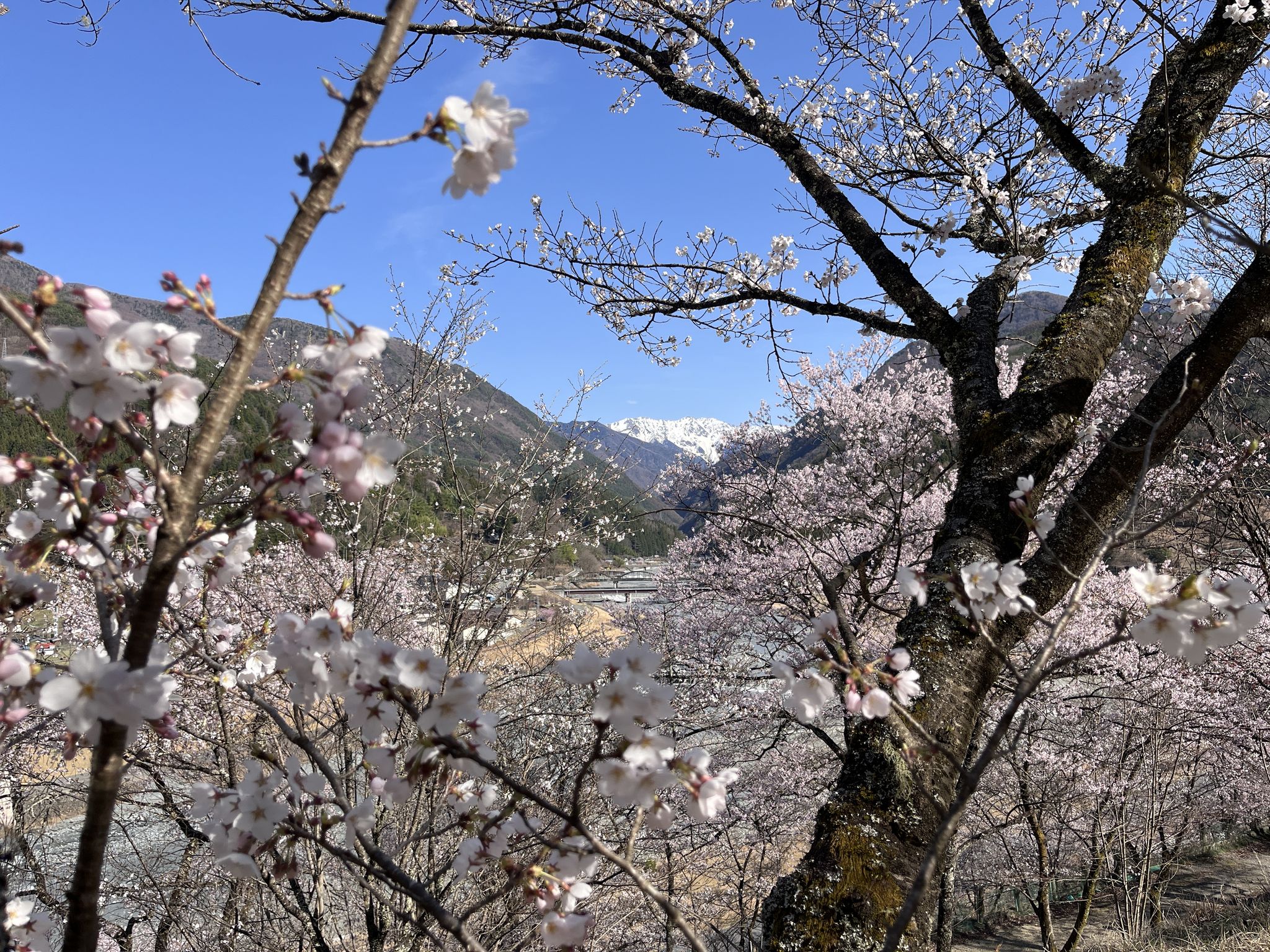
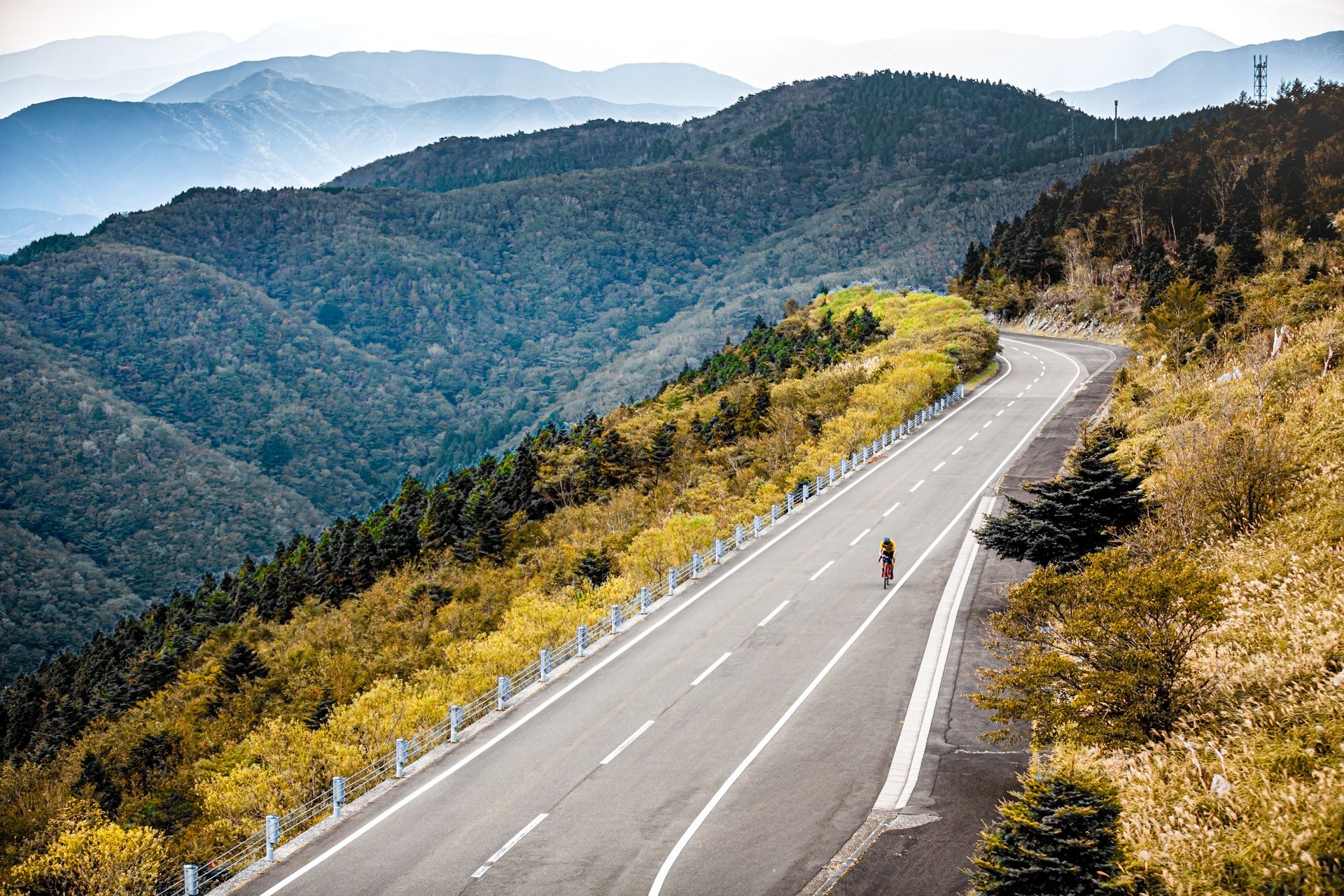
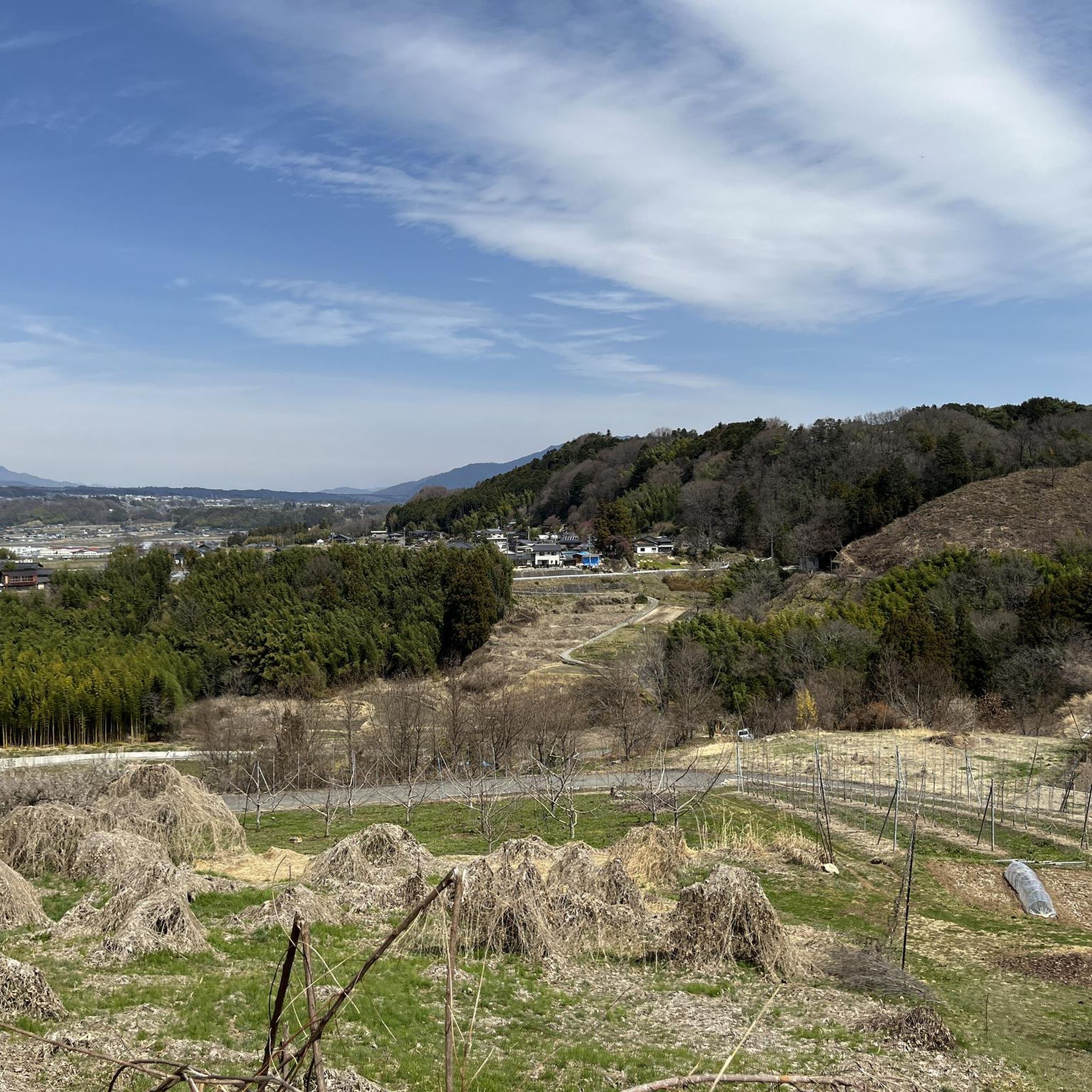
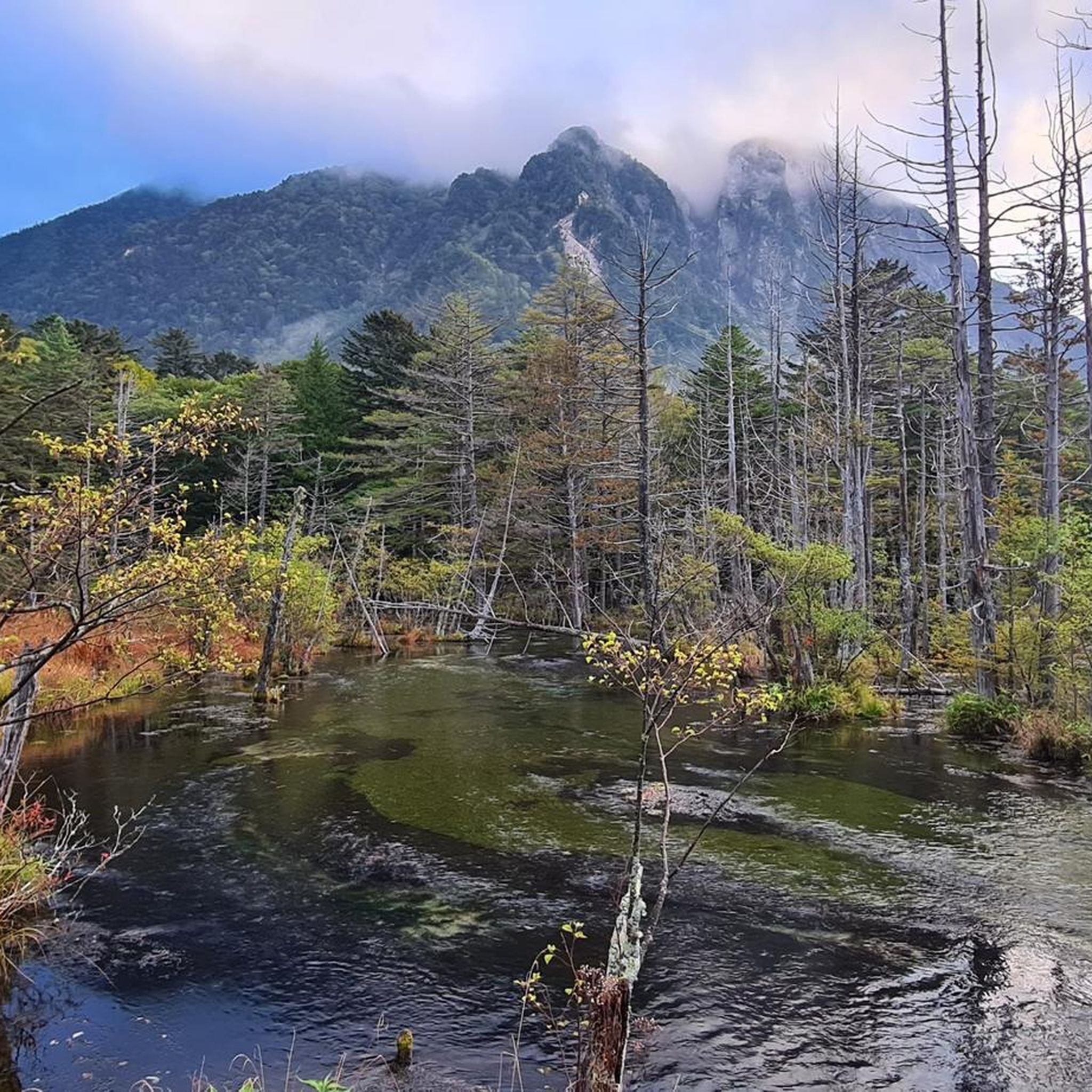
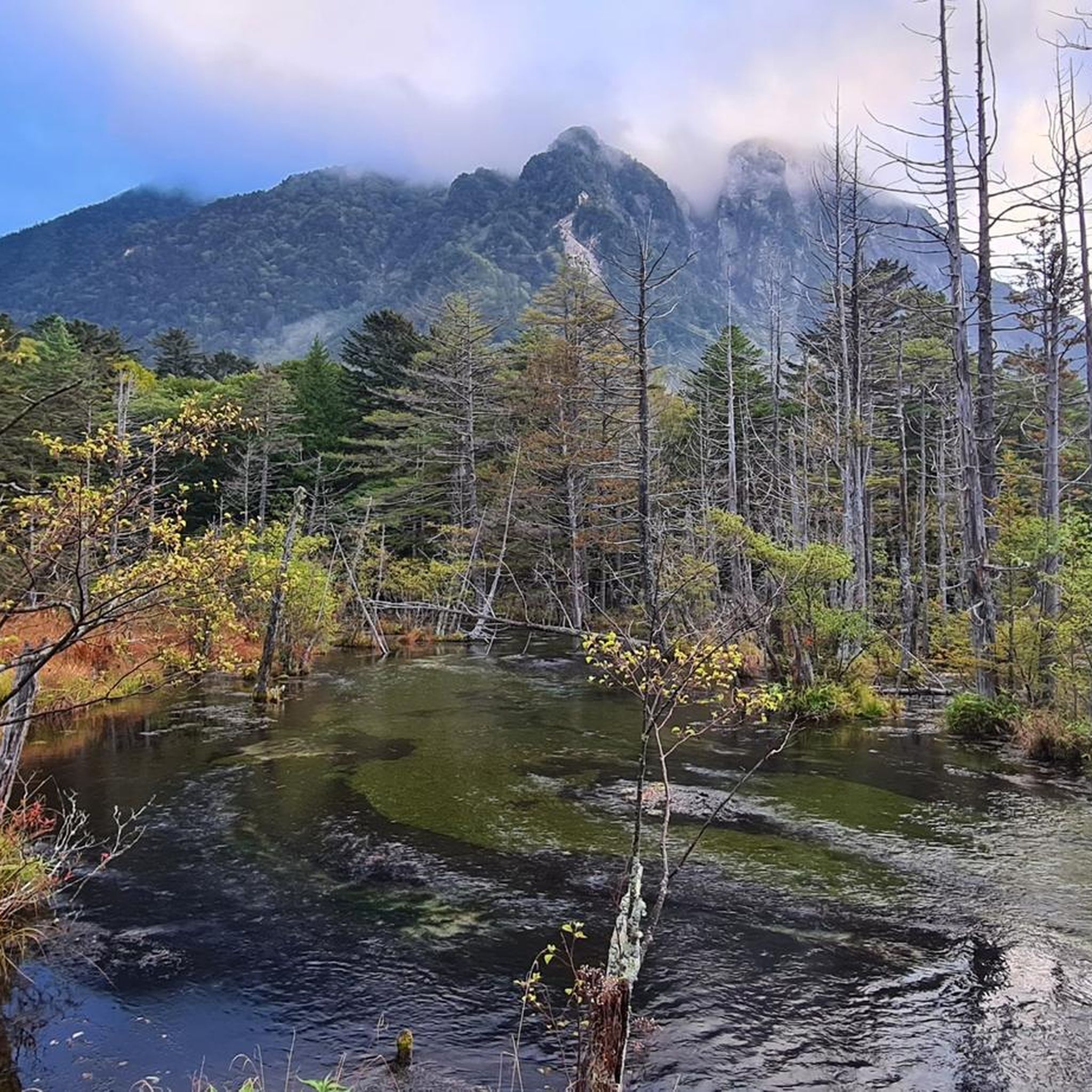
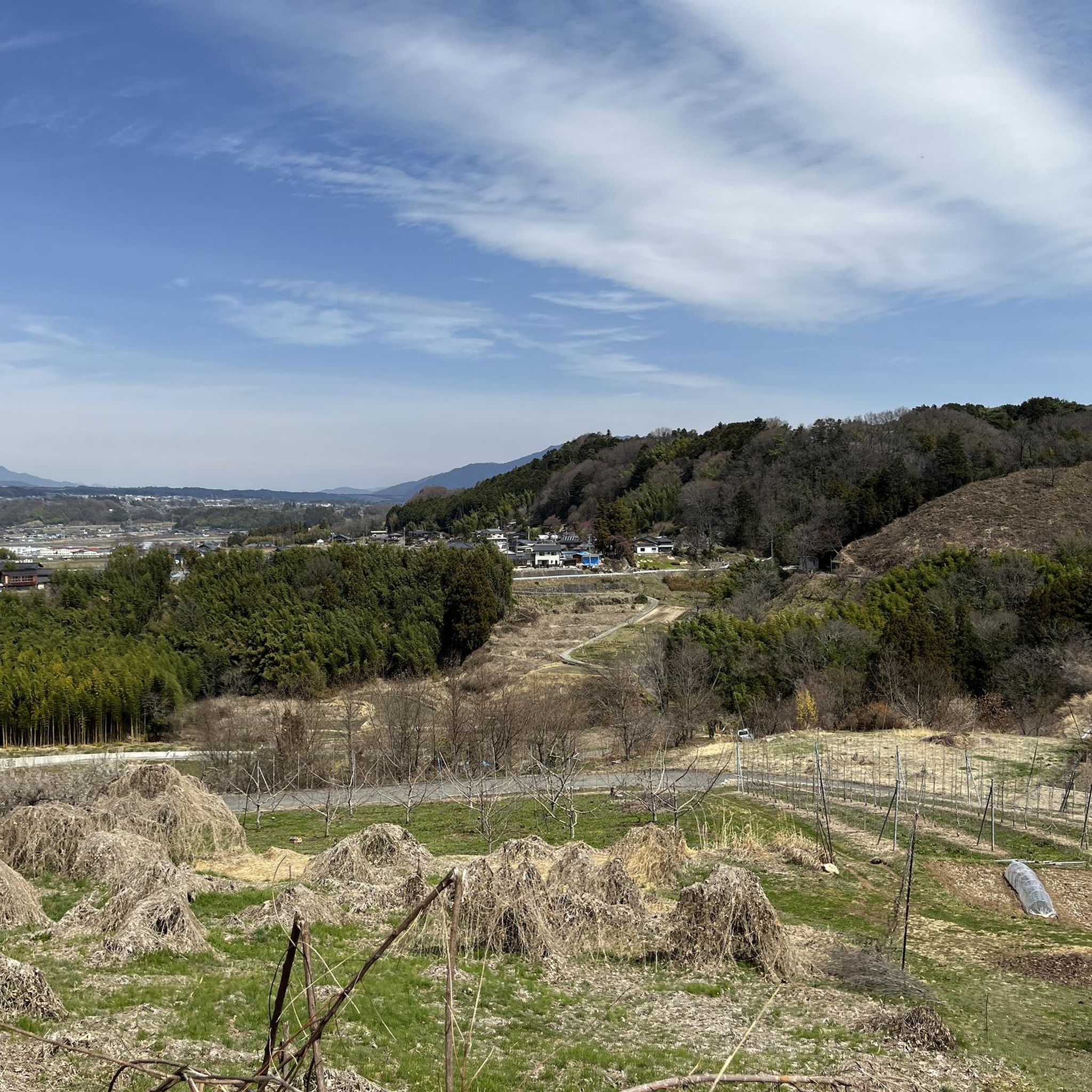


Tips from the Community


Awesome, view, feeling. Everything is great. Always pay attention to the weather forecast and prepare accordingly!
1
0

The Kusushi Shrine is at the edge of the Fujisan crater and the first point you reach when coming up via the Yoshida and Subashiri Trails. From there it's possible to circle the crater via the Ohachimeguri Trail. Outside of the official climbing season (July 1st - September 10th) crampons and ice axe are highly recommended.
0
0


The Fuji-San summit climbing/hiking from Fifth Station. This part of recommended to climb at night, because that gives the highest chances of 1) not getting altitude sickness, and 2) seeing the sun rise over Tokyo. Note that the hiking season is only two months in the summer! It's helpful to book an evening meal, sleeping hut and light breakfast with a traveling agency that speaks your own language unless you know Japanese well.
2
2
Check the weather before going. It can change very quickly (as always in the mountains)
2
0
The starting and ending of the climb of the northernmost route to the summit of Mt. Fuji. Toilets, food and great views if the weather permits
4
0

The prices are somewhat higher at this place. There is a lot of tourists visiting. Loads of goodies do buy and food to eat. The weather is sort of unpredictable...so bring some warm clothes and an umbrella or rain cape. If you are lucky then you should be able to see the Mt. Fuji top.
4
0
Frequently Asked Questions
How many mountaineering routes are available in the Japanese Alps?
There are over 60 mountaineering routes available in the Japanese Alps on komoot, catering to various skill levels. You'll find 4 easy routes, 26 moderate routes, and 31 difficult routes to explore.
What is the best time of year for mountaineering in the Japanese Alps?
The primary climbing season in the Japanese Alps generally runs from July to early October. During this period, the weather is more stable, and mountain huts are typically open, making multi-day expeditions more feasible. Some guided winter mountaineering trips are also available for experienced climbers.
Are there any easy mountaineering routes suitable for beginners?
Yes, the Japanese Alps offer some easier routes. For instance, the 中岳 – 駒ヶ岳 loop from Mt. Komagatake is a moderate 4.2 km path that takes around 1 hour 51 minutes, offering a taste of the alpine environment without extreme difficulty. There are 4 easy routes and 26 moderate routes in total.
What kind of natural features and landmarks can I expect to see along the routes?
The Japanese Alps are rich in natural beauty. You can encounter majestic peaks, glacial cirques like Senjojiki, and beautiful alpine ponds. Many routes offer stunning views of iconic mountains such as Mount Fuji. Notable highlights include the Mount Fuji Summit (Yoshida Trail), Kamikochi Nature Trail, and the Otoko-daki and Onna-daki Waterfalls.
Are there any circular routes for mountaineering in the Japanese Alps?
Yes, many routes in the Japanese Alps are designed as loops, allowing you to start and end at the same point. An example is the View of Mount Fuji Crater – Fuji-Hakone-Izu National Park loop from Fuji-Subaru Line Fifth station, a challenging 15.2 km route. Another option is the moderate 大菩薩嶺 – 雷岩 loop from Daibosatsu Pass, which is 7.5 km long.
What are some challenging mountaineering routes for experienced climbers?
For experienced mountaineers, the Japanese Alps offer numerous difficult routes. The 塔ノ岳 – 堀山の家 loop from 秦野戸川公園 is an 8.6-mile (13.9 km) difficult trail. Another challenging option is the 唐松岳 – 第2ケルン loop from Happoike Sanso, which covers 10.4 km with significant elevation gain.
Are there mountain huts or facilities along the routes for multi-day trips?
Yes, the Japanese Alps feature an extensive network of mountain huts that provide accommodation and food, making multi-day expeditions with lighter packs possible. Highlights include the Mountain Hut in Fuji-Hakone-Izu National Park and Mt. Fuji 7th Station Torii-so Mountain Hut. These facilities are crucial for longer treks.
What do other mountaineers say about the routes in the Japanese Alps?
The mountaineering routes in the Japanese Alps are highly rated by the komoot community, with an average score of 4.2 stars from over 10 reviews. Users often praise the stunning panoramic views, the well-maintained trails, and the diverse terrain that caters to various skill levels.
Are there any routes that offer views of Mount Fuji?
Absolutely! Many routes in the Japanese Alps provide spectacular views of Mount Fuji. A prime example is the Fujikan Mountain Hut (3,700m) – View of Mount Fuji Crater loop from Mount Hoei, which offers direct views of the iconic crater. You can also find excellent viewpoints like the View of Mount Fuji from the Chureito Pagoda nearby.
Can I access higher elevations easily in the Japanese Alps?
Yes, ropeways provide convenient access to higher elevations in the Japanese Alps, such as the Central Alps Komagatake Ropeway and the Shin Hotaka Ropeway. This allows mountaineers to reach starting points for high-altitude trails more easily, reducing the initial ascent.
Are there any routes that pass by alpine ponds or waterfalls?
The region is dotted with beautiful alpine ponds and waterfalls. While specific routes passing directly by every pond aren't detailed, areas like Norikura Kogen feature Maimenoike Pond, and Happo Pond is known for its mirror-like reflections of surrounding peaks. The Otoko-daki and Onna-daki Waterfalls are also notable attractions in the region.
What is the longest mountaineering route available?
One of the longer and more challenging routes is the View of Mount Fuji Crater – Fuji-Hakone-Izu National Park loop from Fuji-Subaru Line Fifth station, which spans 15.2 km and typically takes over 10 hours to complete. Another significant route is the 白根御池 – 北岳 loop from Noro River, covering 12.2 km with substantial elevation gain.
Most popular routes in the Japanese Alps
Most popular attractions in the Japanese Alps

Get inspired with the komoot mobile app


Explore more
Browse the best Mountain Hikes & Routes in other regions.
