Top 20 Natural Monuments in the Dinaric Alps Mountains
Best natural monuments in the Dinaric Alps Mountains are characterized by rugged terrain, extensive karst topography, and deep canyons. This mountain range spans the Western Balkan Peninsula, featuring dramatic natural landscapes. The region is known for its unique geological formations, including numerous caves and pristine national parks. These features offer diverse opportunities for exploration.
Best natural monuments in the Dinaric Alps Mountains
- The most popular natural monuments is Upper Lakes Waterfalls, Plitvice Lakes National Park, a waterfall system featuring…
Last updated: July 10, 2026
Upper Lakes Waterfalls, Plitvice Lakes National Park
Highlight • Waterfall
Translated by Google •
Tip by

Milanovački Waterfall
Highlight • Waterfall
Here you can book your tickets online with a suitable time slot for admission. It worked great!
Translated by Google •
Tip by

Sign up now to discover places like this
Get recommendations on the best single tracks, peaks, & plenty of other exciting outdoor places.
Sign up for free
Veliki Prstavak Waterfall
Highlight • Waterfall
Tip by

Great Cascades (Velike Kaskade), Plitvice Lakes National Park
Highlight • Waterfall
Translated by Google •
Tip by
View of Lake Gavanovac and the waterfalls
Highlight • Viewpoint
Translated by Google •
Tip by

Waterfalls in Plitvice Lakes National Park
Highlight • Waterfall
Translated by Google •
Tip by

Vojak Lookout Tower
Highlight • Summit
Tip by

Valbona Pass
Highlight • Mountain Pass
Translated by Google •
Tip by

Grunas Waterfall
Highlight • Waterfall
Translated by Google •
Tip by

Maglić Peak
Highlight • Summit
Translated by Google •
Tip by

Sign up for free to discover even more natural monuments in the Dinaric Alps Mountains.
Sign up for free
Already have an account?
Start today with a free account
Your next adventure awaits.
Login or Signup
Popular around Dinaric Alps Mountains

Triathlon 360 – my journey around the world
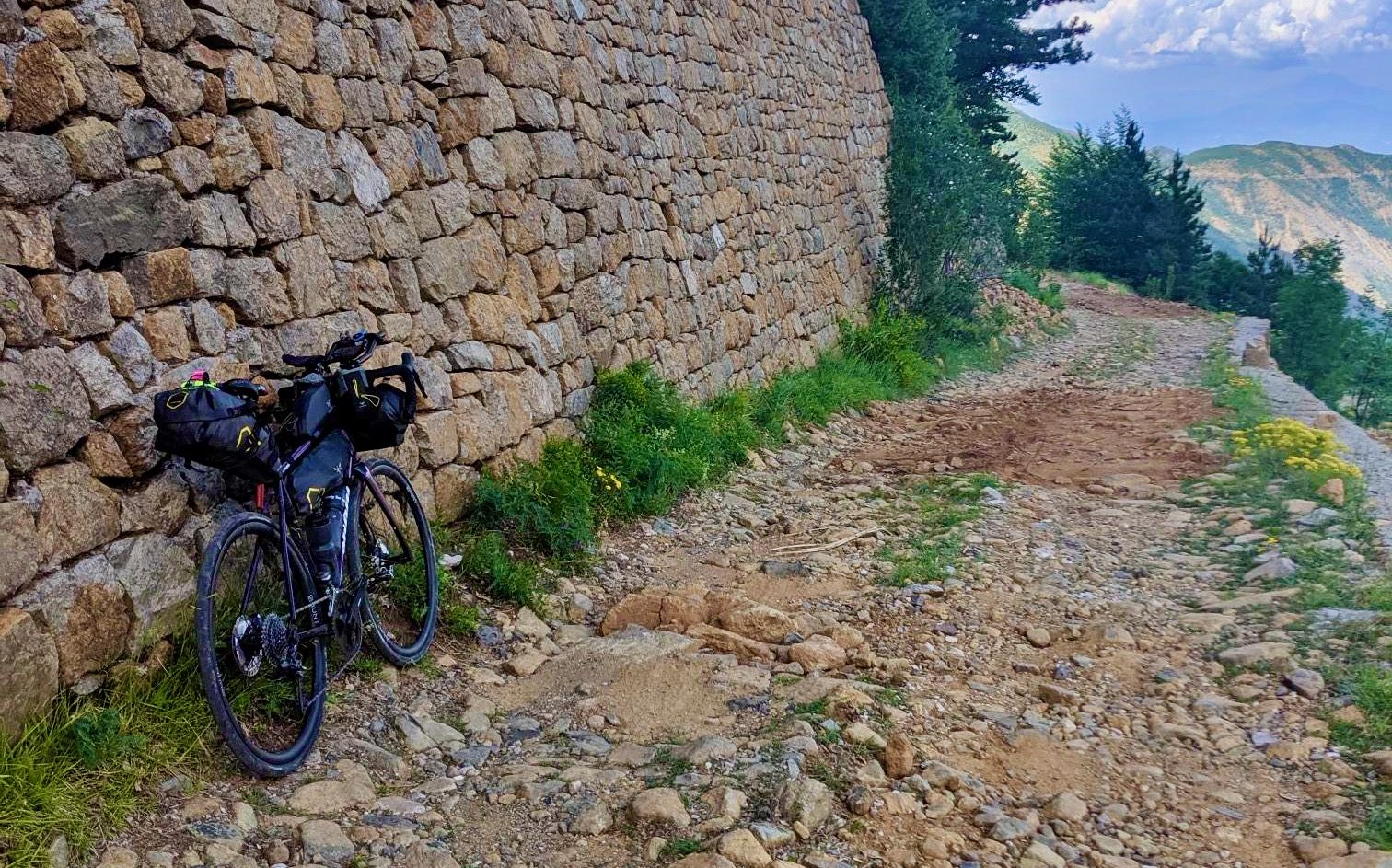
Traversing the Dinaric Alps — bikepacking from the mountains to the sea
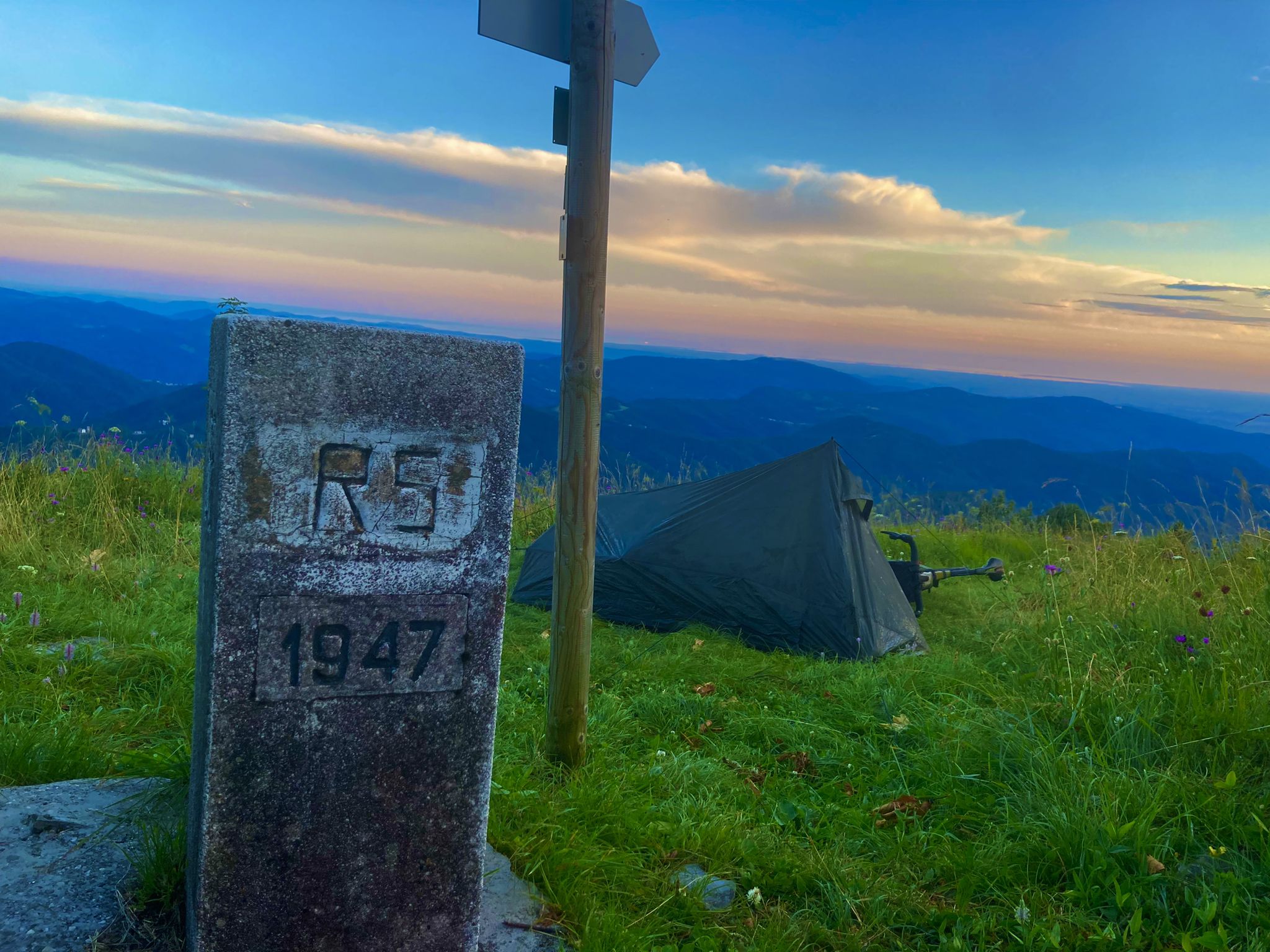
From Bavaria to the Adriatic - My Bikepacking Adventure to Croatia 2023
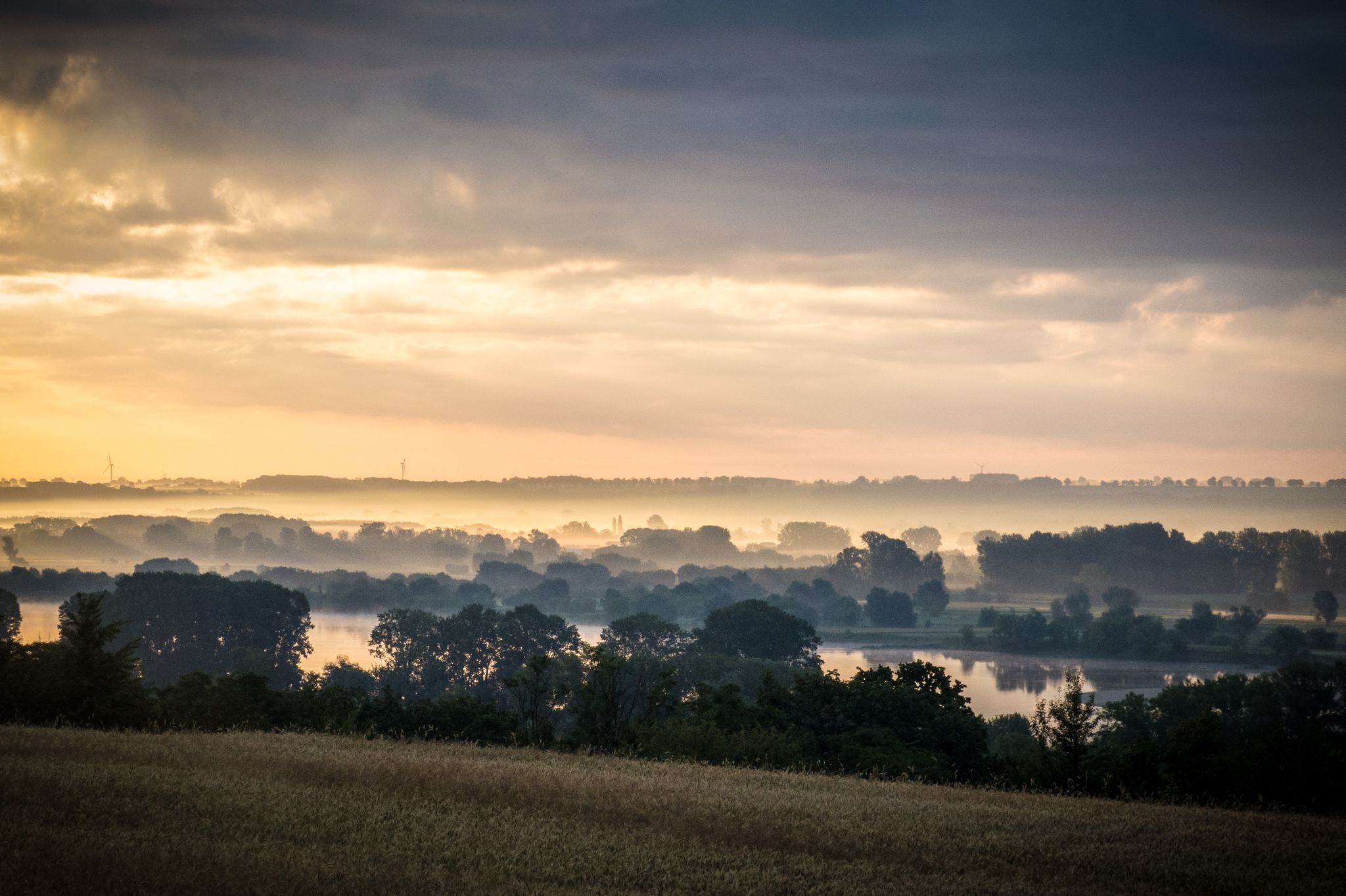
EuroVelo 9 – The Amber Route from the Baltic to Adriatic Sea
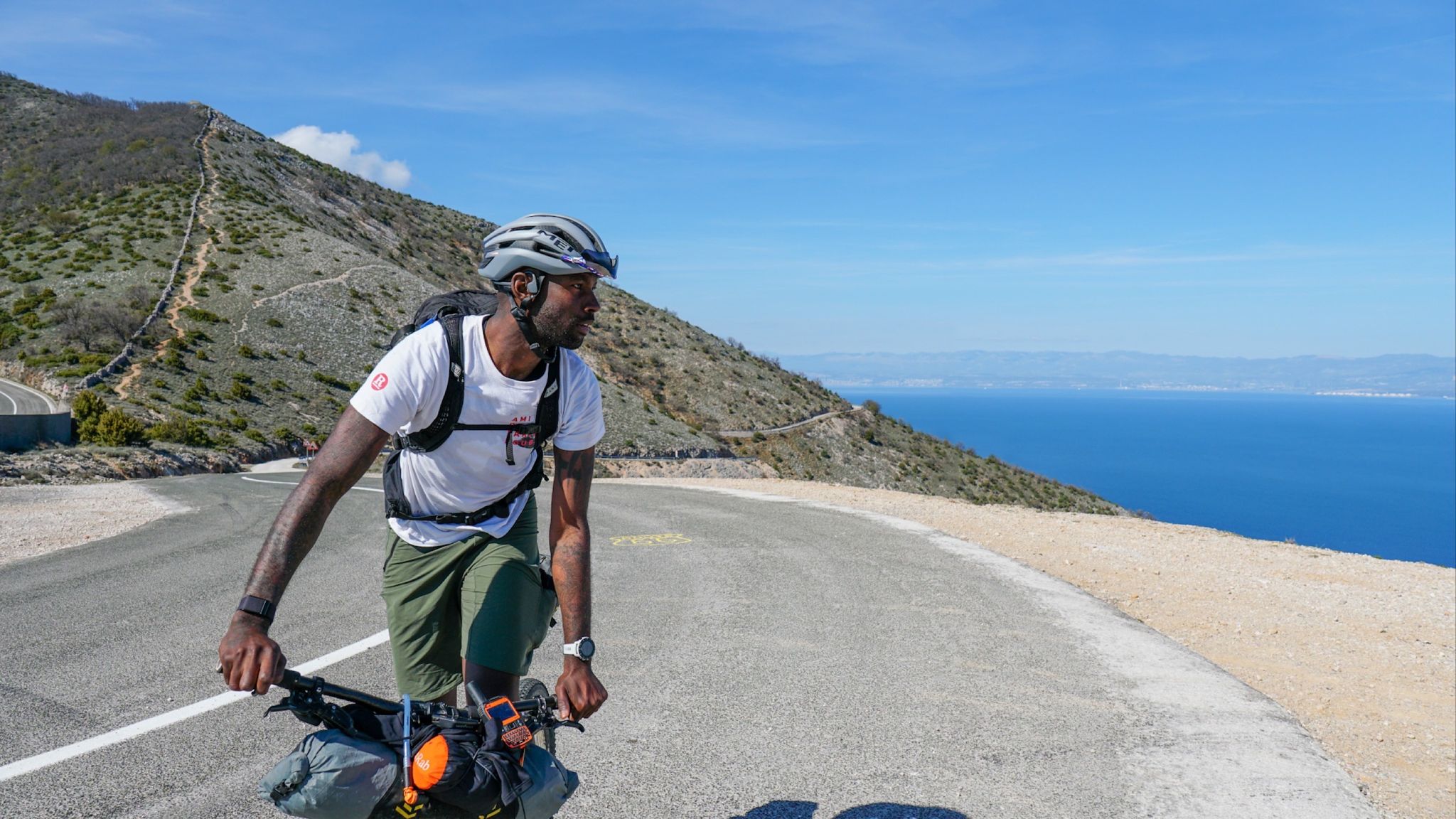
Slovenian mountains to island hopping around the Adriatic Crest
The Dinaric Alps – explore the Adriatic Sea in a different way
Slovenia West Loop (Soča Variation) – Bikepacking
The West Loop — Bikepacking Slovenia in five days
The Ciro Trail — Along the railtrail from Mostar to Dubrovnik
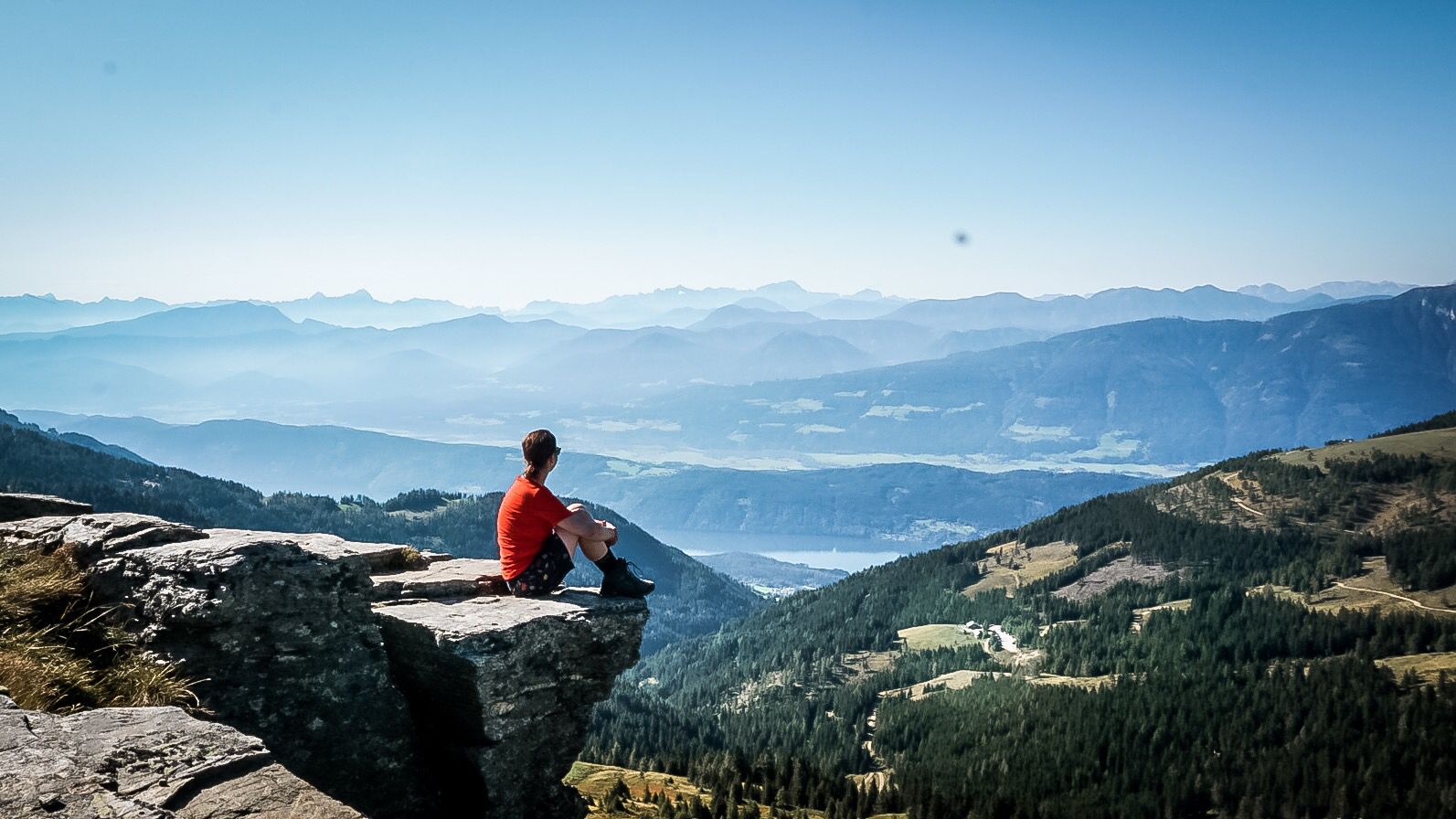
Alpe-Adria-Trail: My long-distance hike from the glacier to the sea
Other adventures in the Dinaric Alps Mountains


Tips from the Community

There are several routes to the summit. One comes from Prijevor and is quite steep and not so safe. You can also get to the summit from Montenegro. The route is not so strenuous there. Of course you can do both routes - there and back, as in my case. The view from Maglić is very beautiful. There are also quite a few people on the way.
6
0

All the tips are correct and all the photos are beautiful, but they do not match the experience of being here...
20
0
One word is enough: ENJOY!
23
0
I have seen a lot of the world, this is really a gem!
20
0

Very great experience in a beautiful national park.
3
0

The color of the water is simply delightful and the calmness of the waterfall is amazing
2
0

Meet Bosnia Tours from Sarajevo offers guided and self guided hiking tours
1
0

Veliki Prstavak is Plitvice Lakes' second highest cascade, at 92 feet (24 m). It's a truly magical sight, as the various falls tumble from the lakes above, surrounded by lush vegetation. Boardwalks allow an intimate appreciation of this karst phenomena.
5
0
Frequently Asked Questions
What are some of the most striking natural features to explore in the Dinaric Alps Mountains?
The Dinaric Alps are renowned for their dramatic karst topography, deep canyons, and pristine national parks. You can explore unique hydrological systems like the cascading lakes and waterfalls of Plitvice Lakes National Park, or the rugged limestone peaks and deep canyons of Durmitor National Park. The region also features extensive cave systems and primeval forests, offering a diverse range of natural wonders.
Are there family-friendly natural monuments in the Dinaric Alps Mountains?
Yes, several natural monuments are suitable for families. For instance, the Upper Lakes Waterfalls, Plitvice Lakes National Park, and the Great Cascades (Velike Kaskade), Plitvice Lakes National Park, are both listed as family-friendly. These areas often feature wooden walkways and accessible trails, making them enjoyable for all ages.
What kind of hiking trails can I find near the natural monuments in the Dinaric Alps Mountains?
The Dinaric Alps offer a wide range of hiking experiences, from easy strolls to challenging treks. You can find trails that wind around lakes and waterfalls, lead to mountain summits, or explore deep canyons. For example, there are moderate routes like the Milanovački Waterfall – Veliki Prstavak Waterfall loop near Plitvice Lakes, or more difficult options such as the Grunas Waterfall – Theth Canyon loop. You can find more details on various hiking routes in the region on our Hiking in the Dinaric Alps Mountains guide.
What is the best time to visit the natural monuments in the Dinaric Alps Mountains?
The best time to visit generally depends on your planned activities. For hiking and exploring the waterfalls and lakes, late spring (May-June) and early autumn (September-October) offer pleasant weather and fewer crowds. During these periods, the water levels are often high, making waterfalls particularly impressive, and the temperatures are ideal for outdoor activities. Summer (July-August) is also popular but can be very busy, especially at well-known sites like Plitvice Lakes.
Where can I find breathtaking viewpoints in the Dinaric Alps Mountains?
The Dinaric Alps are full of stunning viewpoints. The Vojak Lookout Tower offers panoramic vistas. Additionally, the Valbona Pass provides incredible views of the surrounding valleys and mountains. Within Plitvice Lakes National Park, the View of Lake Gavanovac and the waterfalls is a highly-rated spot for scenic photography.
Are there opportunities for challenging hikes to mountain peaks?
Absolutely. The Dinaric Alps are known for their rugged peaks. For a challenging ascent, consider a hike to Maglić Peak, which is Bosnia and Herzegovina's highest mountain. Durmitor National Park also offers world-class hiking with challenging trails to its glacially carved summits.
What unique geological features characterize the Dinaric Alps?
The Dinaric Alps are largely defined by their extensive karst topography, formed by water dissolving soluble rocks like limestone and dolomite. This process has created dramatic features such as deep canyons, numerous caves, and unique hydrographic formations like the cascading lakes of Plitvice. The region is also home to the Tara River Canyon, one of Europe's deepest.
What do visitors particularly enjoy about the natural monuments in the Dinaric Alps Mountains?
Visitors frequently express awe at the untouched beauty and dramatic landscapes. Many describe the experience as a 'natural fairy tale,' especially at places like Plitvice Lakes, praising the vibrant turquoise waters and the immersive experience of walking on wooden boardwalks amidst waterfalls. The sense of peace and connection to wilderness, as well as the opportunities for stunning photography, are also highly valued.
Can I find natural monuments that include gorges and waterfalls in one location?
Yes, the Dinaric Alps offer several such locations. Paklenica National Park is a prime example, featuring impressive gorges alongside beautiful waterfalls. The Grunas Waterfall is also situated within a gorge, providing a combined natural spectacle.
Are there any primeval forests or ancient woodlands to explore?
Yes, Sutjeska National Park in Bosnia and Herzegovina is home to the Perućica Primeval Forest, one of the last remaining old-growth forests in Europe. This offers a profound connection to untouched wilderness and rich biodiversity, providing a unique experience for nature lovers.
Are there any natural monuments suitable for swimming?
The Kravica Waterfall in Bosnia and Herzegovina is an idyllic spot for swimming. Often called the 'mini Niagara,' its stunning cascades plunge into a tranquil turquoise pool, surrounded by lush greenery, making it a perfect place to cool off and enjoy the natural beauty.
What kind of cycling routes are available near the natural monuments?
While the focus is on natural monuments, the Dinaric Alps region also offers various cycling opportunities. You can find road cycling routes with varying difficulty levels, such as the 'From Opicina to Borgo San Mauro' route or the 'Vila Robida – Istria loop.' For more details on cycling, refer to our Road Cycling Routes in the Dinaric Alps Mountains guide.
Most popular routes in the Dinaric Alps Mountains
Most popular attractions in the Dinaric Alps Mountains

Get inspired with the komoot mobile app


Explore more
Extend your search for the best caves by checking out these guides of the top ones in the Dinaric Alps Mountains:
