The best waterfall hikes and walks in the Dinaric Alps Mountains
4.5
(48562)
284,162
hikers
123
hikes
Waterfall hiking trails in the Dinaric Alps Mountains traverse a landscape defined by dramatic karst topography, featuring extensive limestone formations and deep canyons. The region is characterized by emerald rivers that have carved spectacular gorges, alongside areas of old-growth forests and alpine pastures. This diverse terrain offers a range of hiking experiences, from paths alongside cascading waters to routes through rugged mountain environments.
Best waterfall hiking trails in the Dinaric Alps Mountains
- The most popular waterfall hiking route is Milanovački…
Last updated: October 9, 2026
4.9
(1055)
7,061
hikers
Moderate hike. Good fitness required. Easily-accessible paths. Suitable for all skill levels.
4.7
(1095)
4,980
hikers
Hard hike. Very good fitness required. Sure-footedness, sturdy shoes and alpine experience required.

4.7
(456)
2,977
hikers
5.76km
02:03
200m
200m
Hard hike. Good fitness required. Sure-footedness, sturdy shoes and alpine experience required.
4.5
(478)
2,037
hikers
Moderate hike. Good fitness required. Mostly accessible paths. Sure-footedness required.
4.6
(406)
2,764
hikers
7.60km
02:45
290m
290m
Hard hike. Good fitness required. Sure-footedness, sturdy shoes and alpine experience required.
Get access to more routes and recommendations from other explorers.
Already have an account?
Our route recommendations are based on thousands of hikes, rides, and runs completed by other people on komoot.
Start today with a free account
Your next adventure awaits.
Popular around Dinaric Alps Mountains
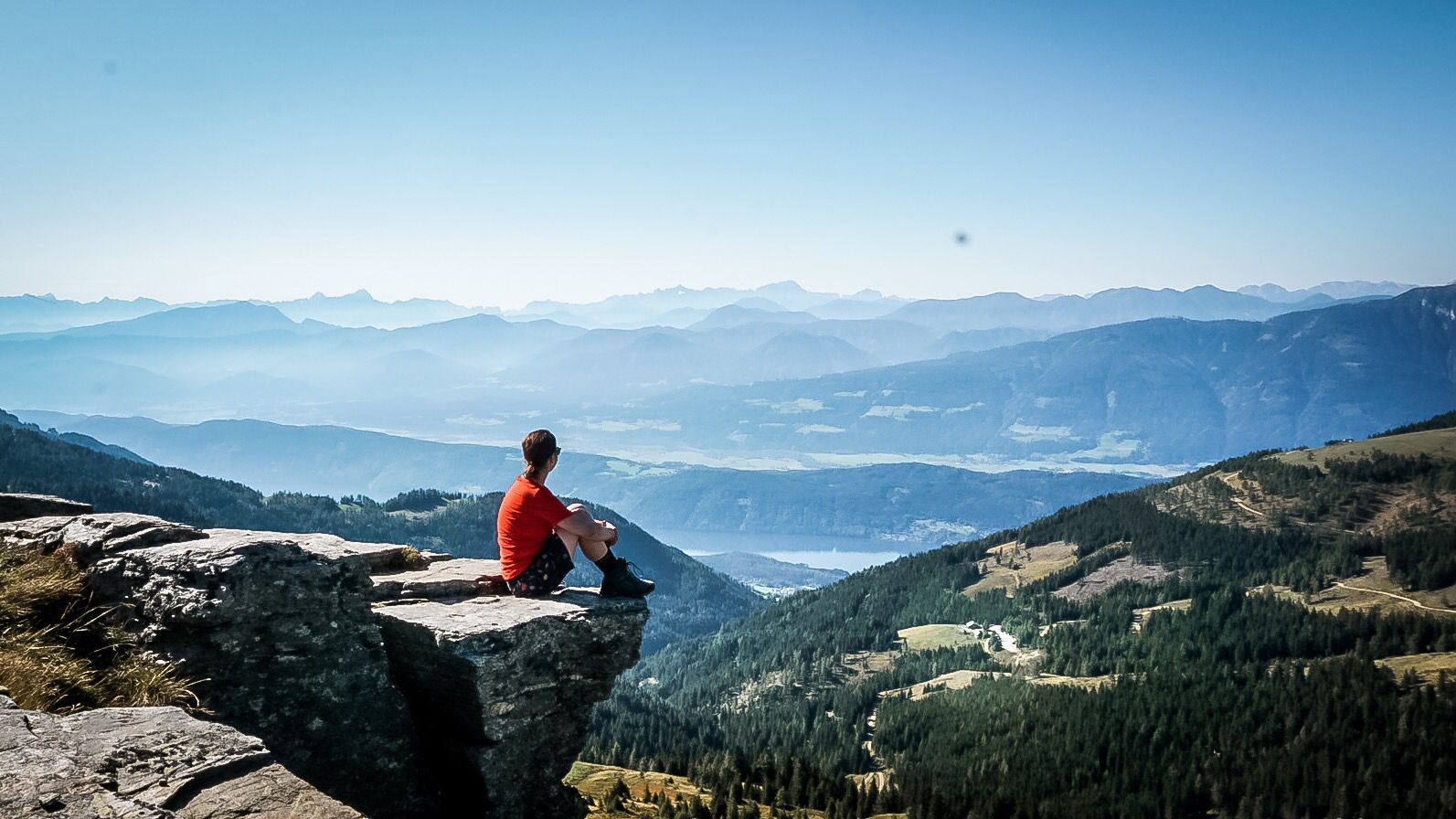
Alpe-Adria-Trail: My long-distance hike from the glacier to the sea
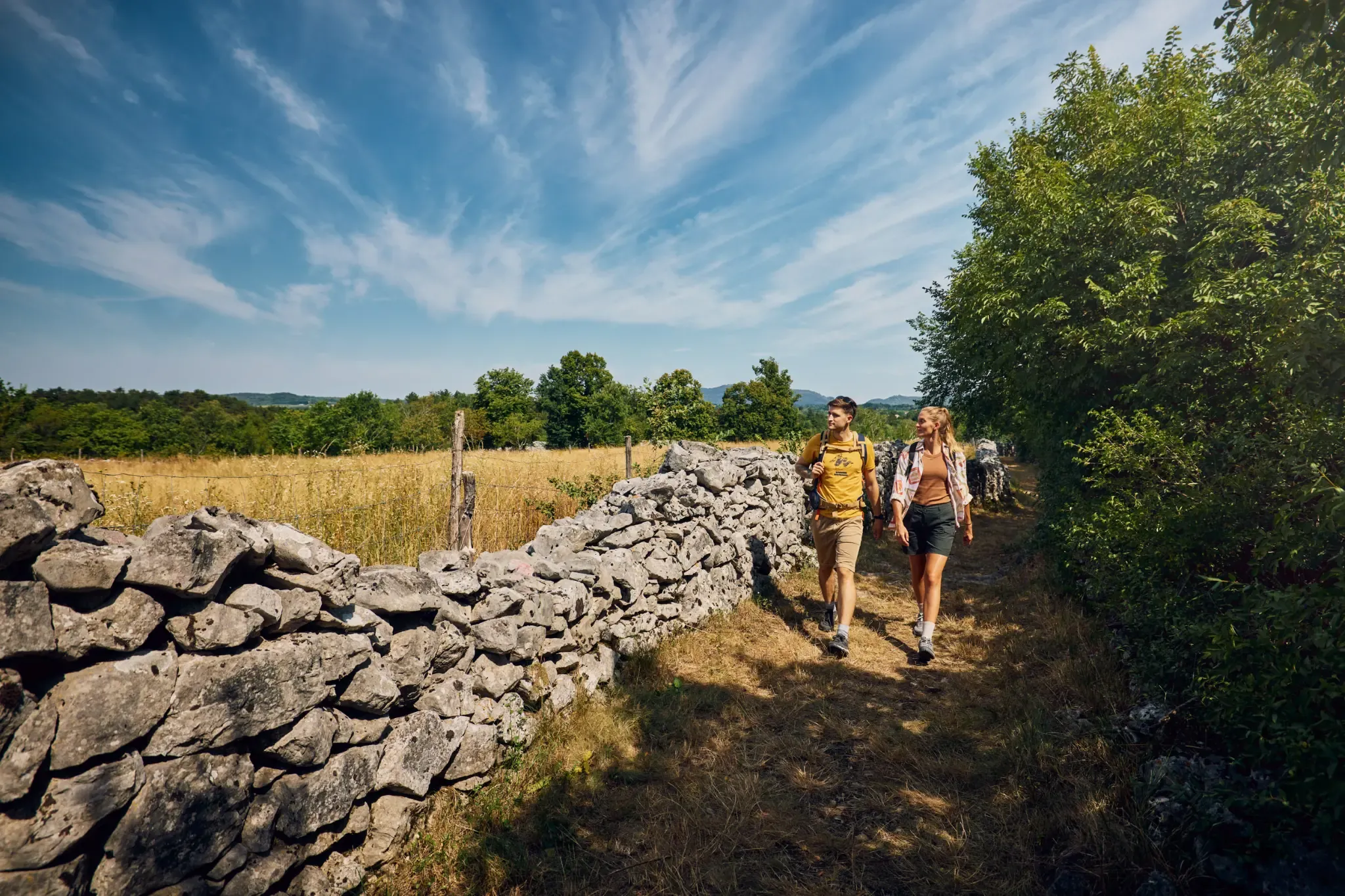
Carsus Trail – long-distance hiking in the green heart of the Karst
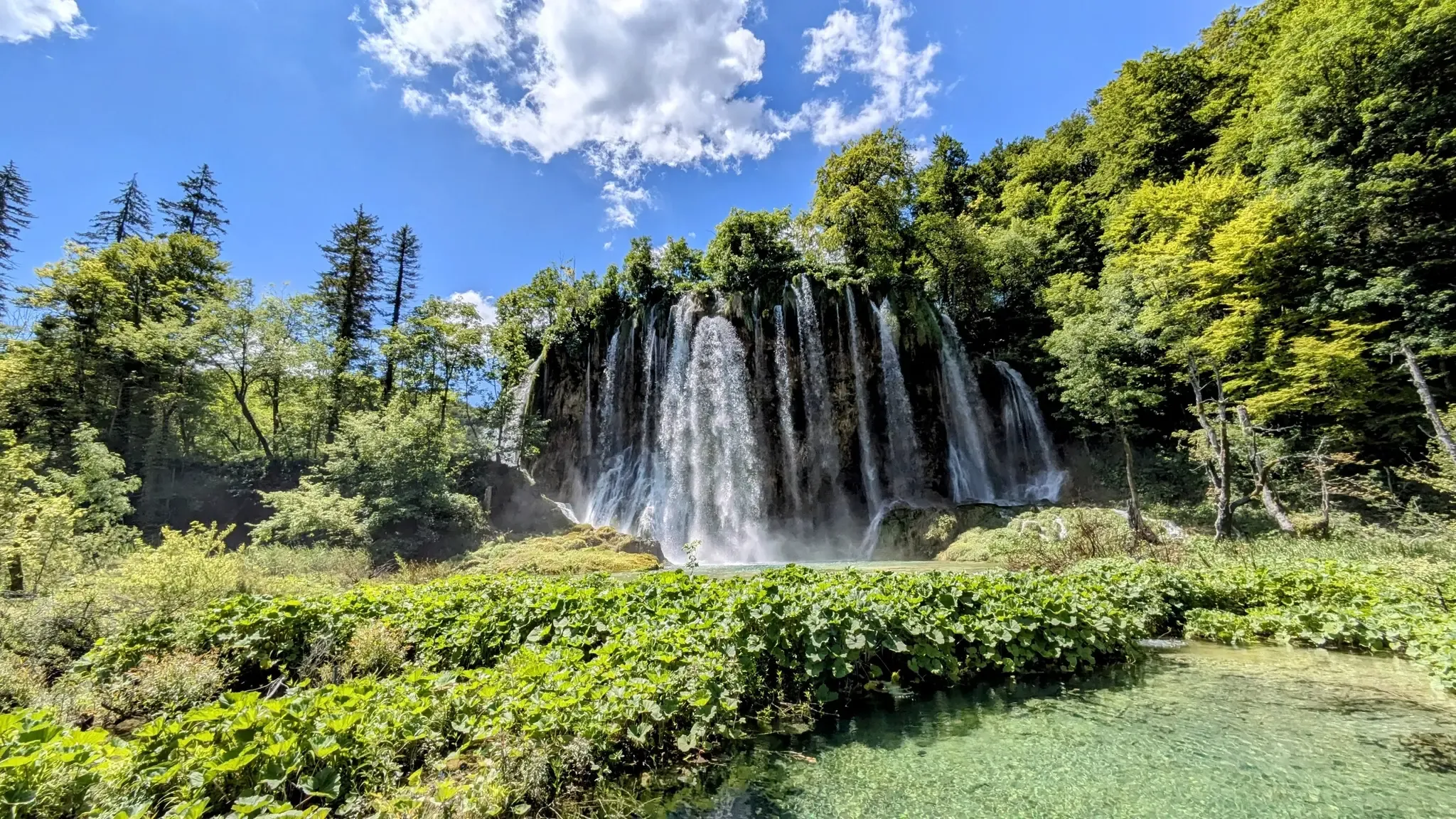
Green Wilderness, Blue Adriatic – Hiking in Croatia's National Parks
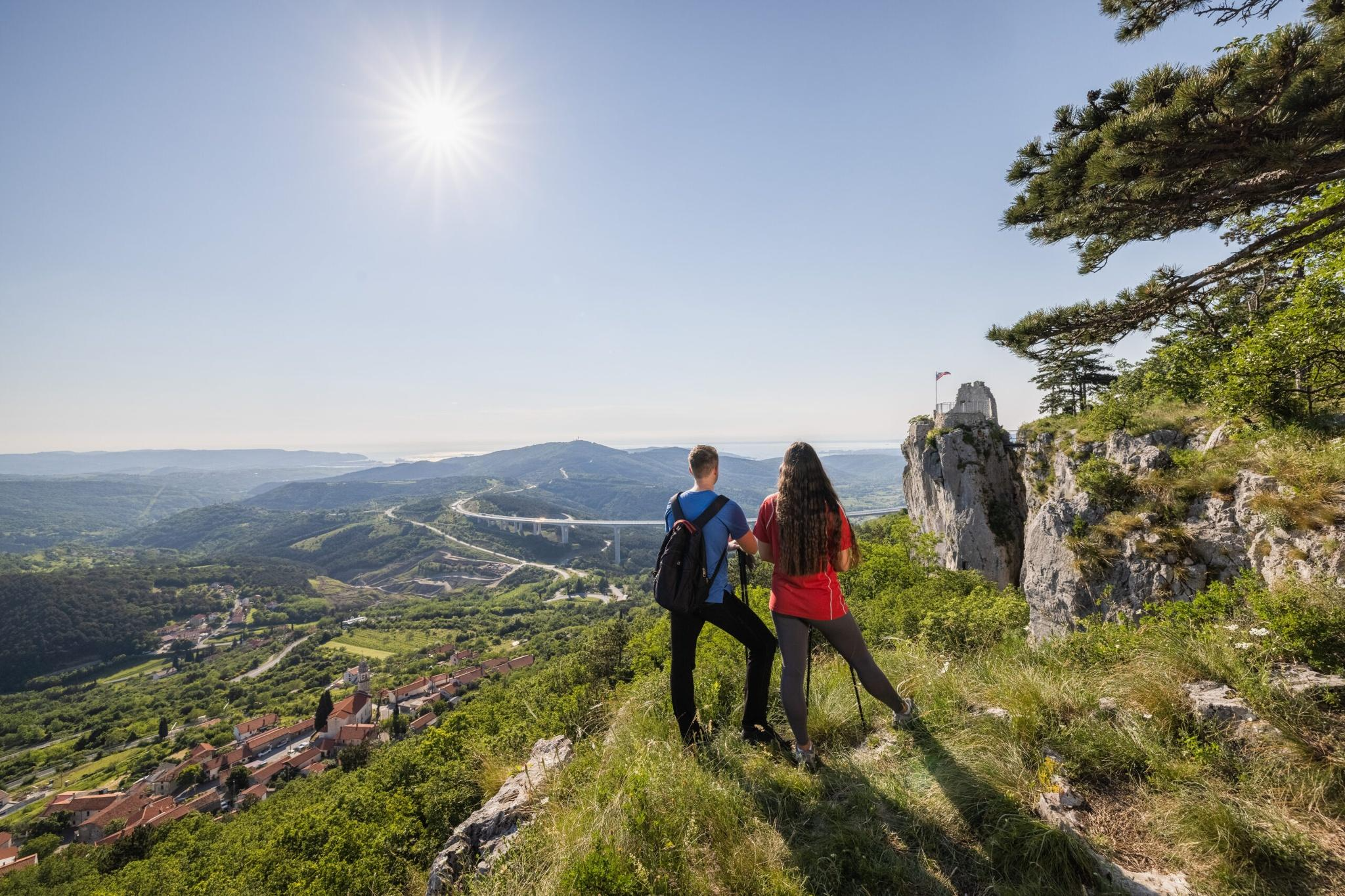
Hiking adventures in Slovenia for families away from the hustle and bustle
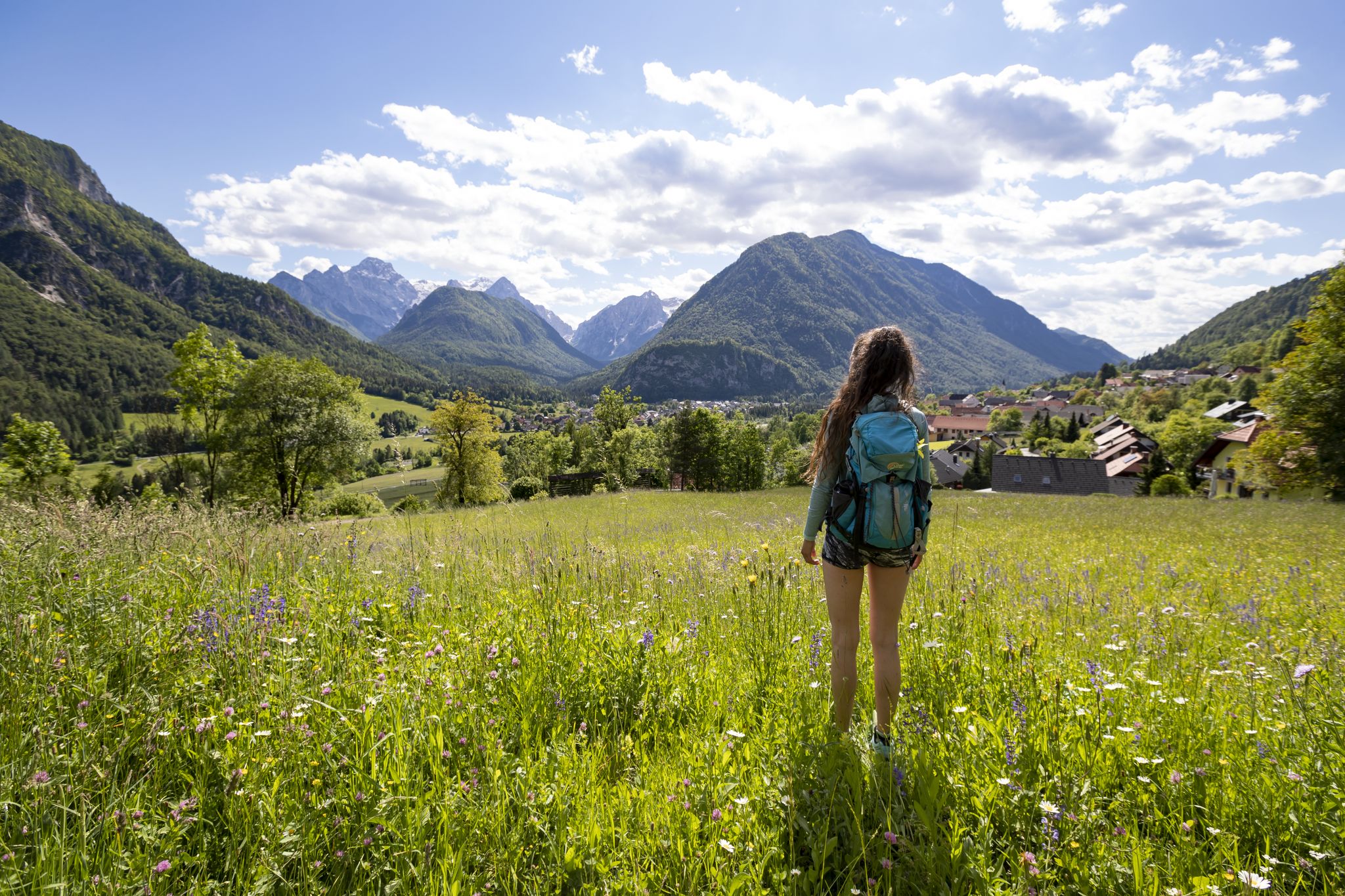
Uniquely secluded - long-distance hiking on Slovenia's Juliana Trail
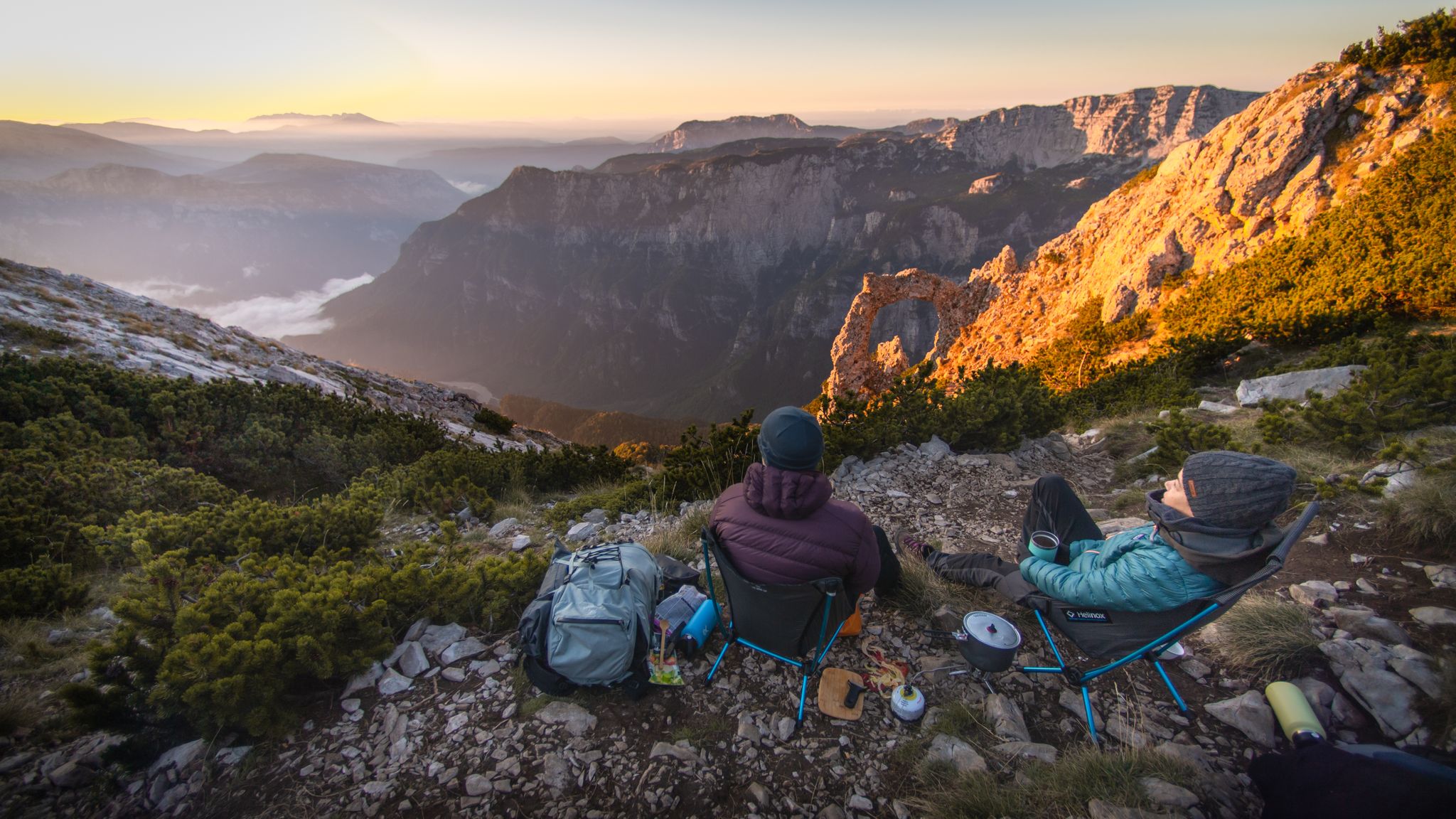
Warm earth and wild mountains — hiking in the Bosnian Alps
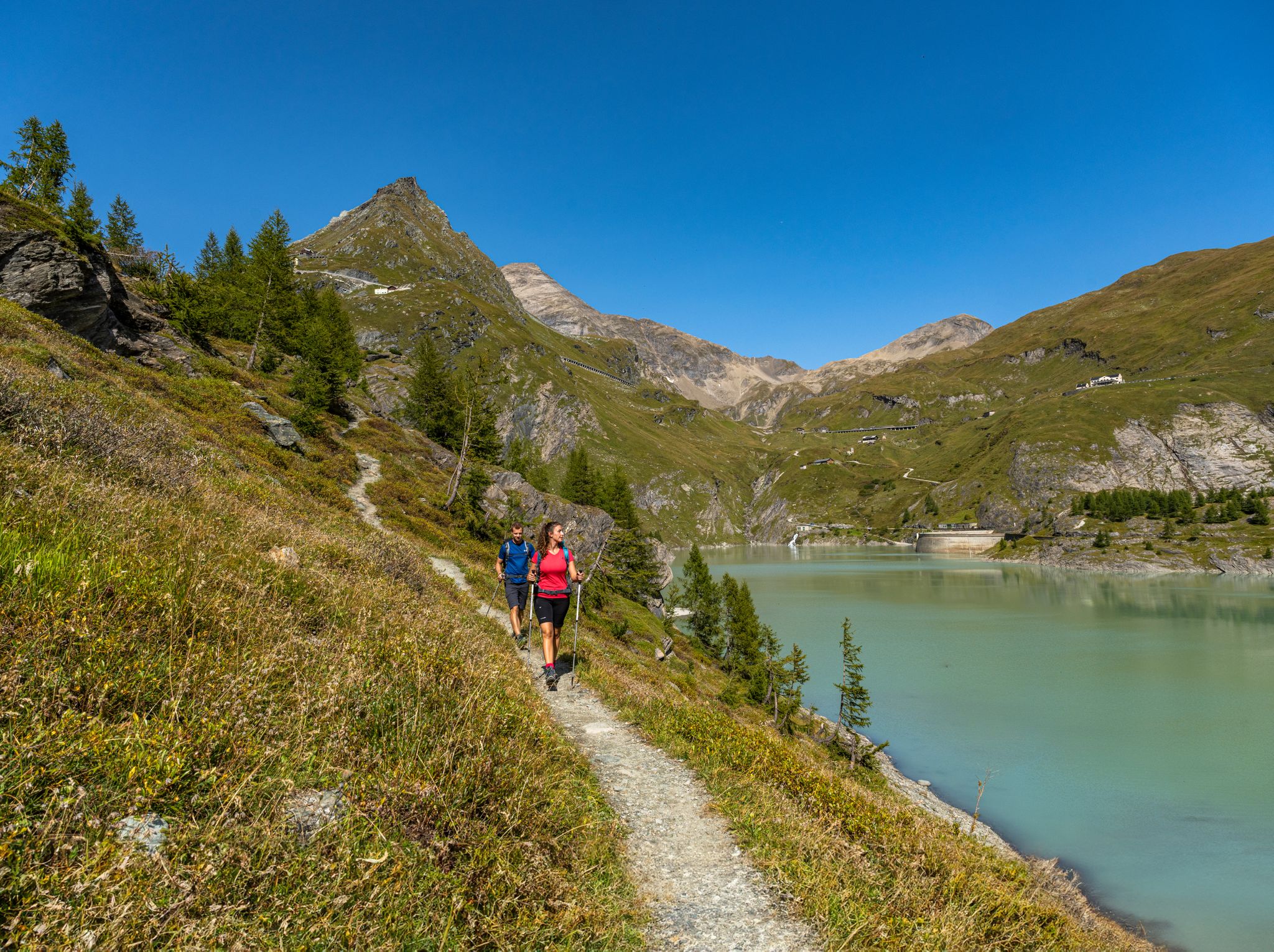
From the Grossglockner to the sea on the Alpe Adria Trail
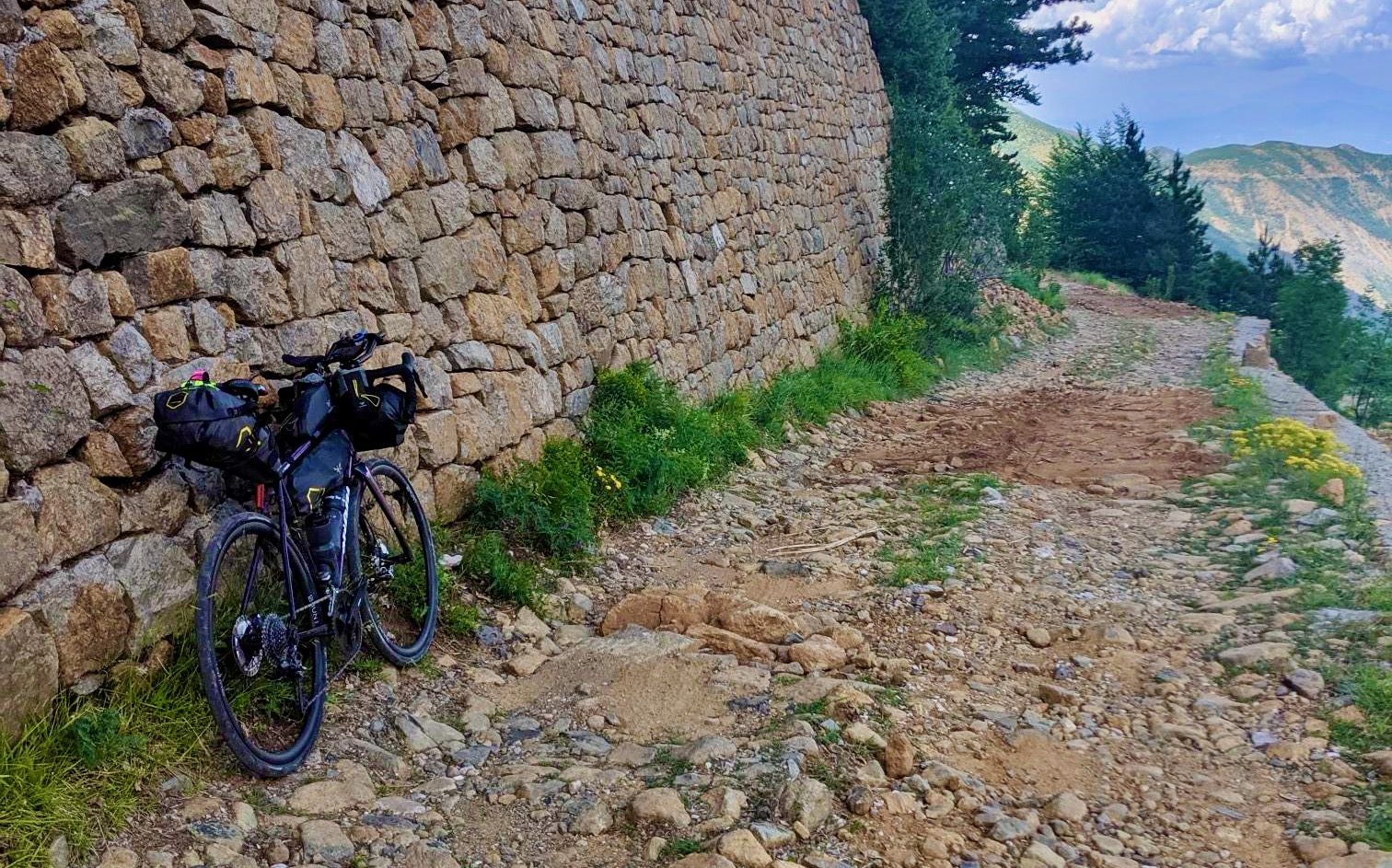
Traversing the Dinaric Alps — bikepacking from the mountains to the sea
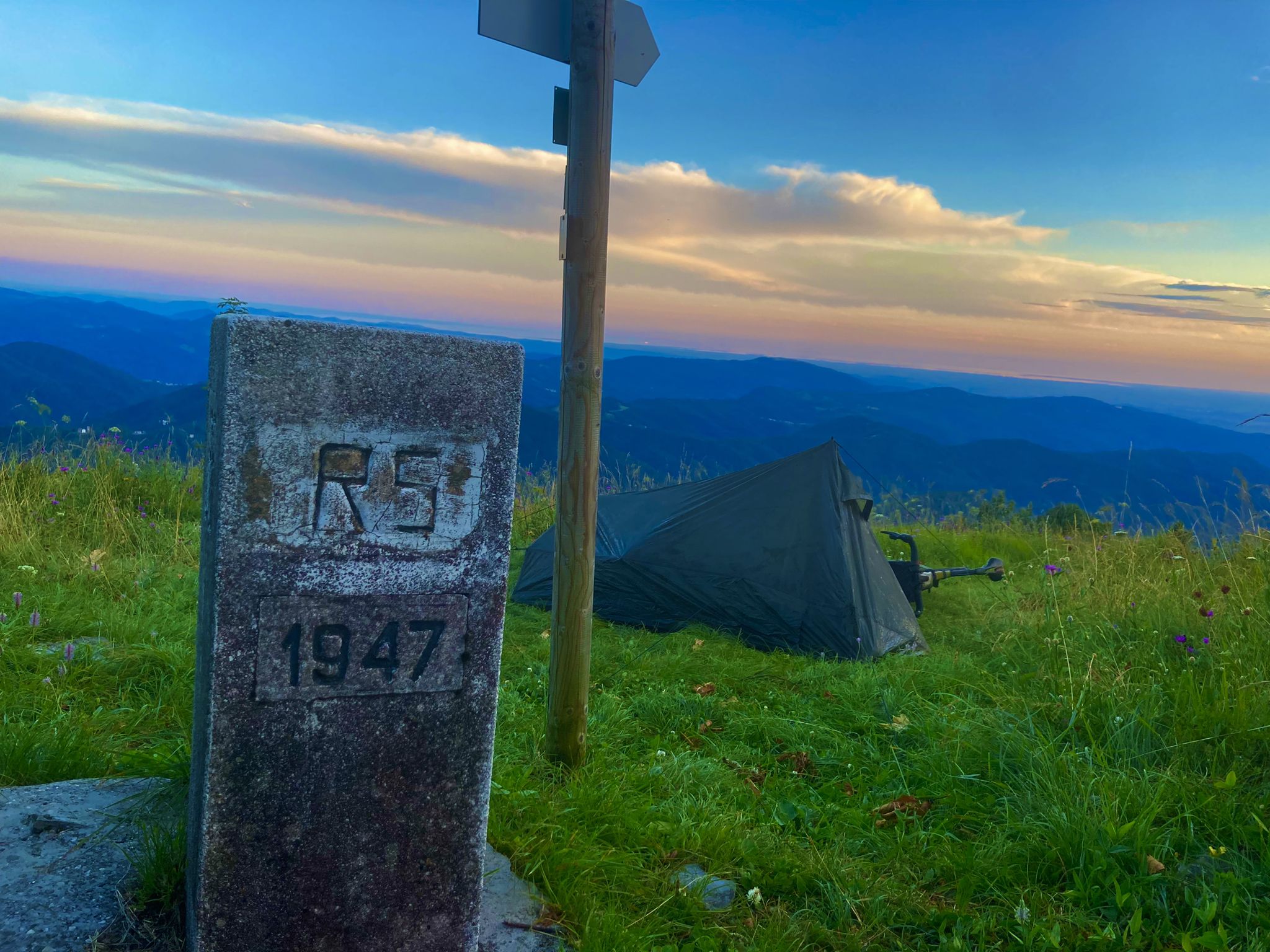
From Bavaria to the Adriatic - My Bikepacking Adventure to Croatia 2023
EuroVelo 9 – The Amber Route from the Baltic to Adriatic Sea
Other adventures in the Dinaric Alps Mountains


Tips from the Community

Behind the church we walk in a southeasterly direction through fields and meadows and arrive at a path flanked by trees and a wall. On the left is the Ethnographic Museum on a rock. We climb to the right over the wooden ladder, however, towards the path along the river. Before restaurant Shpella we turn left and walk straight towards the 'refuge tower'. The *Kulla e Ngujimit* is a multi-story stone tower where men threatened with blood revenge could seek refuge.
7
0
In the heart of the valley stands the stone church of Theth, built in 1892 as a meeting place for the mountain community. During the atheistic period 1967–1990 it was closed and transformed into a health and maternity post, a role it fulfilled for decades. After the fall of the regime, the church regained its original function. The wooden roof and slender tower stand out sharply against the peaks of the Accursed Mountains, while inside the same simplicity and silence reign again — a place where tradition, landscape, and mountain tranquility meet.
7
0
A narrow wooden suspension bridge spans the turquoise water of the Blue Eye River. The planks wobble slightly under your feet, while the crystal-clear water flows over the stones beneath you. On both sides of the bridge lie rocks and trees that filter the light into a green-blue spectacle — a natural photo spot where hikers pause for the view.
6
0
Idyllic, picturesque place. Worth the hike. The restaurant upstairs offers a pleasant break and is the ideal photo spot.
6
0
Deep in the valley of Theth lies the Blue Eye: a clear blue spring that forms in a natural pool between limestone and moss. The water comes directly from an underground karst spring and remains ice-cold, even in the middle of summer. Around the pool are smooth rocks, small waterfalls, and turquoise streams that together form one of the most photogenic spots in Theth National Park. The path to it winds along the river, through narrow passages and over wooden bridges, until you reach the pool where light and water create an almost surreal color.
6
0
You will encounter this rather elongated, popular pool before you reach Blue eye. Another 5' walk.
6
0
The Grunas-kloof forms a narrow limestone passage through which the river cuts with force. Between the rock walls, the water plunges in a series of small waterfalls, the highest of which — the Grunas waterfall — drops over 25 meters. The gorge is located at an altitude of about 900 m, surrounded by dense beech forests and steep mountain flanks. The path to it follows old shepherd routes and offers ever-new views of the blue-green water winding through the rocks.
6
0
Deep in the Albanian Alps, the Shalë River carves a narrow, green valley out of the limestone. The water remains strikingly clear and light blue, even in the shadow of the steep walls. Along the riverbed, boulders, still pools, and small rapids alternate. The landscape feels untouched and photogenic at the same time: a place where light, water, and stone constantly create new compositions.
6
0
Frequently Asked Questions
How many waterfall hiking trails are available in the Dinaric Alps Mountains?
There are over 120 waterfall hiking trails documented in the Dinaric Alps Mountains on komoot. These routes cater to various skill levels, from easy walks to challenging ascents, allowing you to explore the region's stunning cascades and unique karst landscapes.
What is the best time of year to hike to waterfalls in the Dinaric Alps?
The Dinaric Alps offer a diverse climate. Generally, late spring (May-June) and early autumn (September-October) are ideal for waterfall hikes. During spring, snowmelt ensures powerful cascades, while autumn brings vibrant foliage. Summer can be warm, but higher elevations and shaded canyons near waterfalls provide cooler conditions. Winter hiking is possible but requires appropriate gear and experience due to snow and ice.
Are there family-friendly waterfall hikes in the Dinaric Alps Mountains?
Yes, the Dinaric Alps Mountains feature several easier routes suitable for families. While specific 'family-friendly' tags aren't always present, you can look for trails marked as 'easy' difficulty. For example, some sections within national parks like Plitvice Lakes offer well-maintained boardwalks and paths that are accessible for most ages, allowing close-up views of the waterfalls without strenuous climbing.
What kind of terrain can I expect on waterfall trails in the Dinaric Alps?
The Dinaric Alps are characterized by dramatic karst topography, meaning you'll encounter limestone formations, deep canyons, and emerald rivers. Trails can range from well-trodden paths and wooden boardwalks, especially in popular national parks, to more rugged, rocky terrain with broken limestone and scree on difficult routes. Expect varied surfaces, including forest paths, riverside trails, and occasional steep ascents or descents.
Are there any circular waterfall hiking routes in the Dinaric Alps Mountains?
Yes, many waterfall trails in the Dinaric Alps Mountains are designed as loops, offering a comprehensive experience without retracing your steps. A popular example is the Milanovački Waterfall – Veliki Prstavak Waterfall loop from Plitvička Jezera, a moderate 16.8 km route that takes you through the iconic Plitvice Lakes National Park. Another option is the View of the Theth Valley – Grunas Waterfall loop from Thethi National Park, a moderate 8 km trail.
What are some notable natural features or landmarks to see near the waterfalls?
Beyond the waterfalls themselves, the Dinaric Alps boast incredible natural and cultural heritage. You might encounter deep canyons carved by rivers like the Neretva or Tara, vast underground cave systems, and serene mountain tarns. In some areas, you can also find historical sites such as medieval *stećci* (ornamented stone tombs) or picturesque villages. For example, near some trails, you might find mountain huts like Bar on the way to Valbona Pass or Zavižan Hut.
What is the general difficulty level of waterfall hikes in this region?
The Dinaric Alps Mountains offer a wide range of difficulty levels for waterfall hikes. Out of 124 routes, 19 are rated as easy, 72 as moderate, and 33 as difficult. This means you can find everything from gentle walks along well-maintained paths to challenging ascents through rugged mountain terrain. Always check the specific route details for elevation gain and distance before you go.
Are there any challenging waterfall hikes for experienced trekkers?
Absolutely. The Dinaric Alps are known for their rugged beauty and challenging trails. Experienced hikers can tackle routes like the Grunas Waterfall – Theth Canyon loop from Thethi National Park, a difficult 19.6 km path that leads through the dramatic landscapes of Thethi National Park. Another challenging option is the View of the Theth Valley – Clear Pool Near Blue Eye loop from Shalë, a difficult 5.9 km trail through mountainous forests.
What do other hikers say about the waterfall trails in the Dinaric Alps Mountains?
The waterfall trails in the Dinaric Alps Mountains are highly regarded by the komoot community, with an average rating of 4.5 stars from over 40,000 reviews. Hikers frequently praise the stunning natural beauty, the pristine quality of the water, and the diverse landscapes that range from lush forests to dramatic karst formations. Many appreciate the well-marked paths in popular areas and the sense of adventure on more remote trails.
Are there any historical sites or castles near the waterfall hiking areas?
Yes, the Dinaric Alps are rich in cultural heritage. While focusing on waterfalls, you might find historical sites nearby. For instance, in some areas, you could explore ancient fortifications or castles. Examples include Diocletian's Palace Walls, the St. John Fortress (Sveti Ivan Fortress), or Fortica Fortress, Omiš, which offer a glimpse into the region's past.
What should I wear for waterfall hiking in the Dinaric Alps?
Given the varied terrain and potential for spray near waterfalls, waterproof and sturdy hiking boots with good grip are essential. Layered clothing is recommended to adapt to changing temperatures, especially if hiking in higher elevations or during shoulder seasons. A waterproof jacket is advisable, and quick-drying fabrics are always a good choice. Don't forget sun protection and plenty of water.
Are there any trails that offer stunning views in addition to waterfalls?
Many trails in the Dinaric Alps combine the beauty of waterfalls with breathtaking panoramic views. The region's karst topography often means dramatic cliffs and elevated viewpoints. For example, the Stunning view – Zminje Jezero loop from Vodena glavica is a moderate 16 km route that offers both scenic vistas and natural beauty. Trails in areas like Velebit National Park are also renowned for sensational sea views alongside their natural features.
Most popular routes in the Dinaric Alps Mountains
Most popular attractions in the Dinaric Alps Mountains

Get inspired with the komoot mobile app


Explore more
Browse the best Hikes in other regions.
