Top 20 Natural Monuments in Côte-d'Or
Best natural monuments in Côte-d'Or are found within a department known for its diverse landscapes, including vineyards, forests, and plains. This region in Bourgogne-Franche-Comté, France, features a limestone escarpment that contributes to its rich viticulture. The area offers a variety of natural sites, from lakes and rivers to unique geological formations.
Best natural monuments in Côte-d'Or
- The most popular natural monuments is Lake Kir, a lake that was created by a dam on the Ouche River. It serves as…
Last updated: August 20, 2026
Darcy Garden
Highlight • Natural Monument
Translated by Google •
Tip by

Lake Kir
Highlight • Lake
Translated by Google •
Tip by
Sign up now to discover places like this
Get recommendations on the best single tracks, peaks, & plenty of other exciting outdoor places.
Sign up for free
Climb of the Combe Lavaux
Highlight • Climb
Translated by Google •
Tip by

Panorama of the Baulme‑la‑Roche Rocks
Highlight • Natural Monument
Translated by Google •
Tip by

Gouffre du creux Percé
Highlight • Viewpoint
Translated by Google •
Tip by
La Roche Virante
Highlight • Natural Monument
At the bottom …
Translated by Google •
Tip by

Source of the Seine
Highlight • River
Translated by Google •
Tip by

Douix Spring
Highlight • Natural
Translated by Google •
Tip by

Morey-Saint Denis
Highlight • Settlement
Tip by
Sainte-Anne Fountain
Highlight • Natural Monument
Translated by Google •
Tip by

Sign up for free to discover even more natural monuments in Côte-d'Or.
Sign up for free
Already have an account?
Start today with a free account
Your next adventure awaits.
Login or Signup
Popular around Côte-d'Or
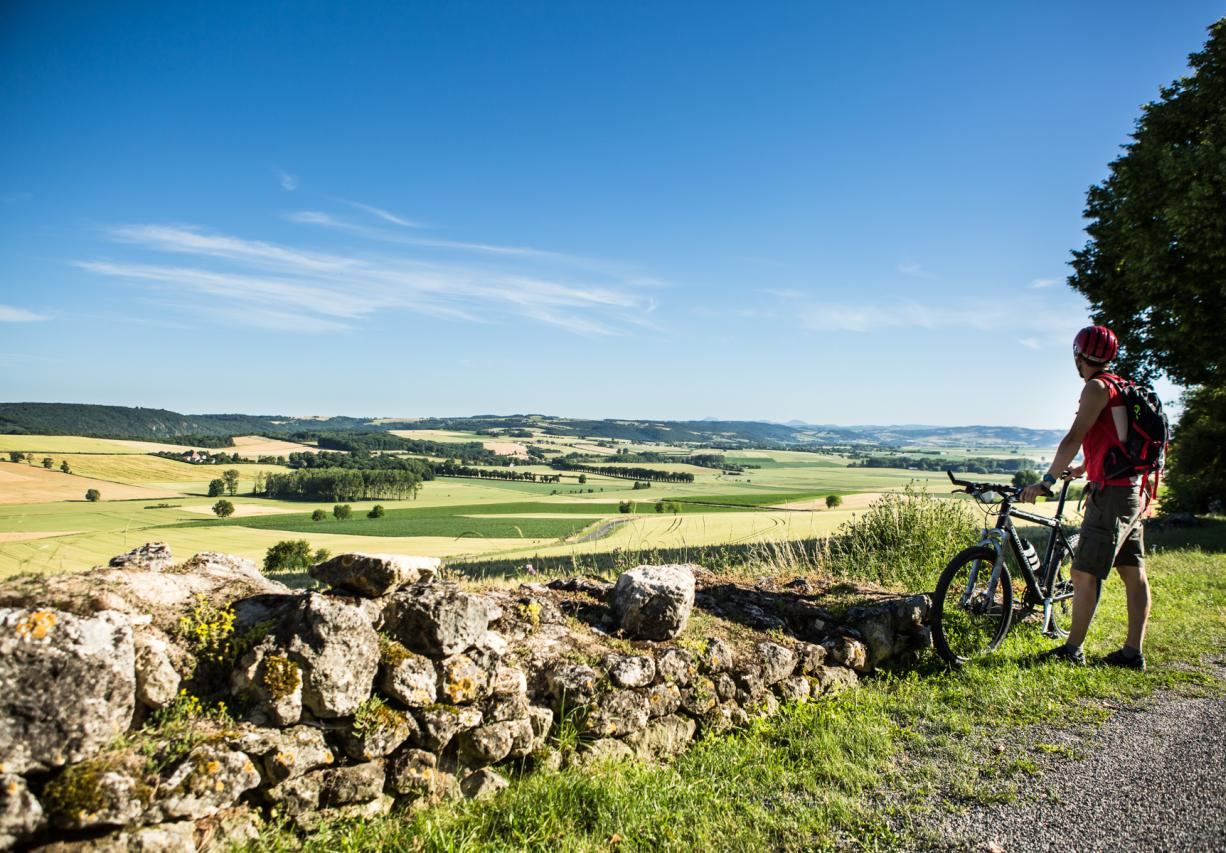
The Grande traversée du Massif Central by gravel bike
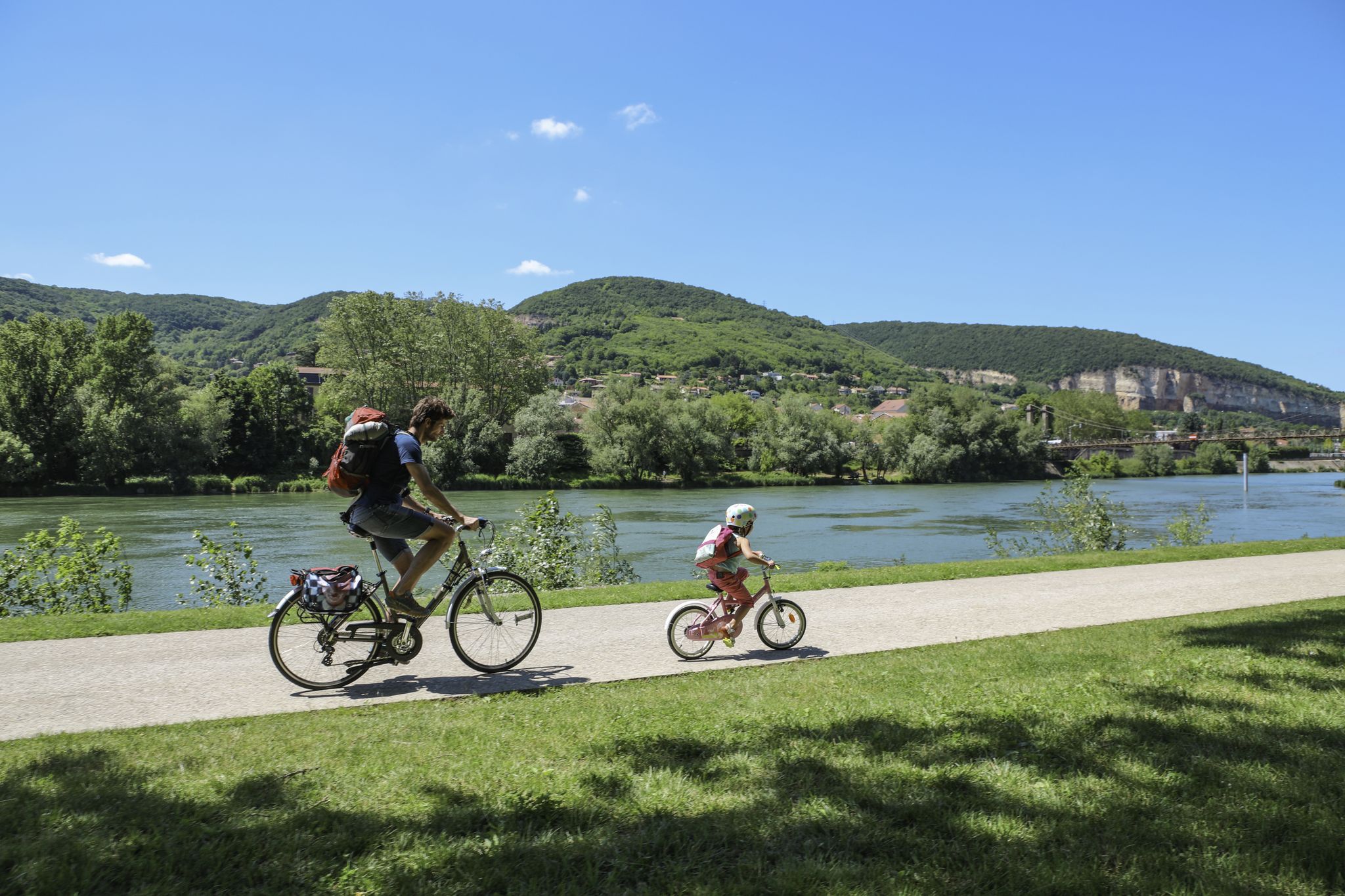
The Voie Bleue – Moselle-Saône by bike
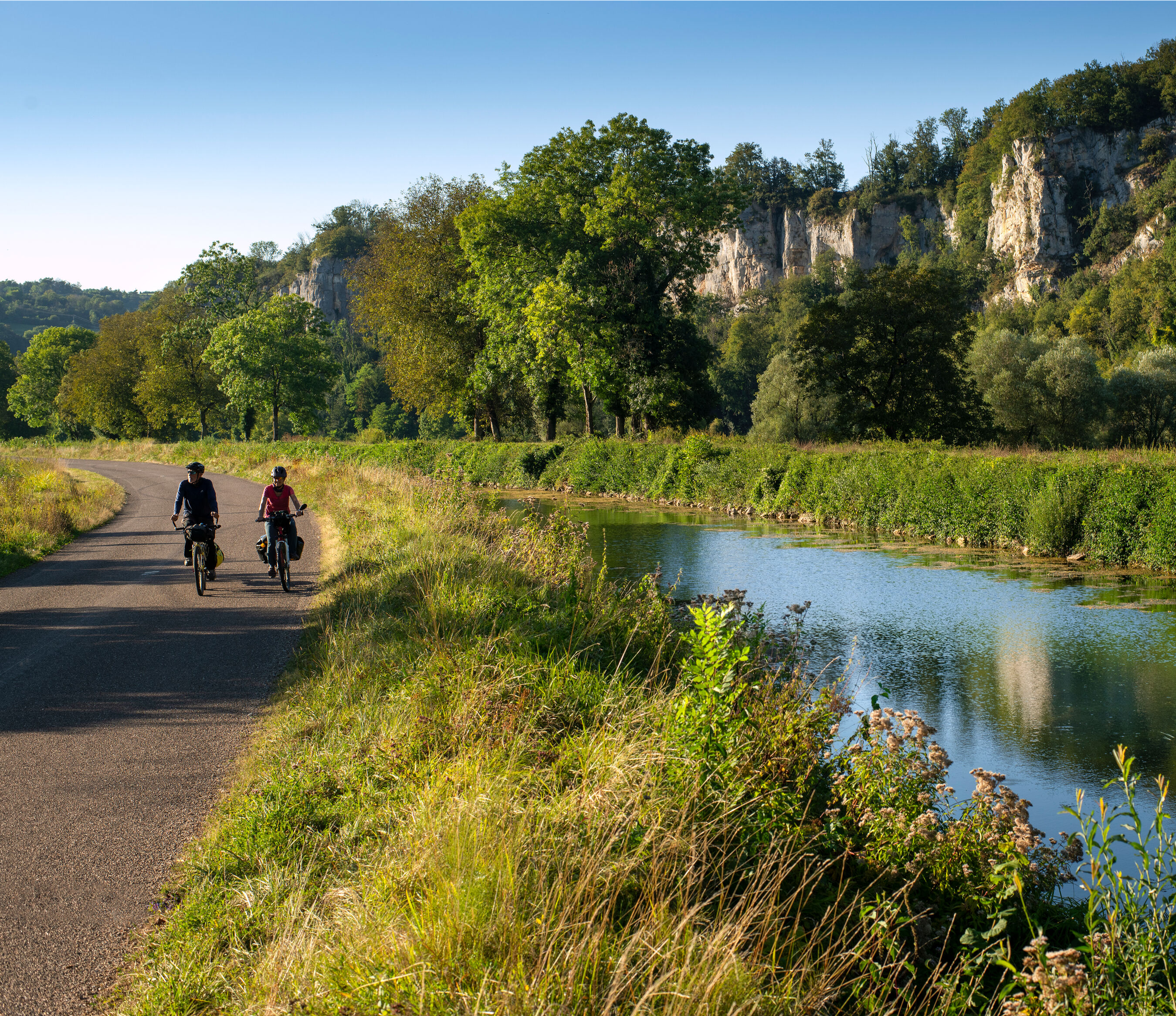
Burgundy-Franche-Comté by bike – between vineyards and peaks
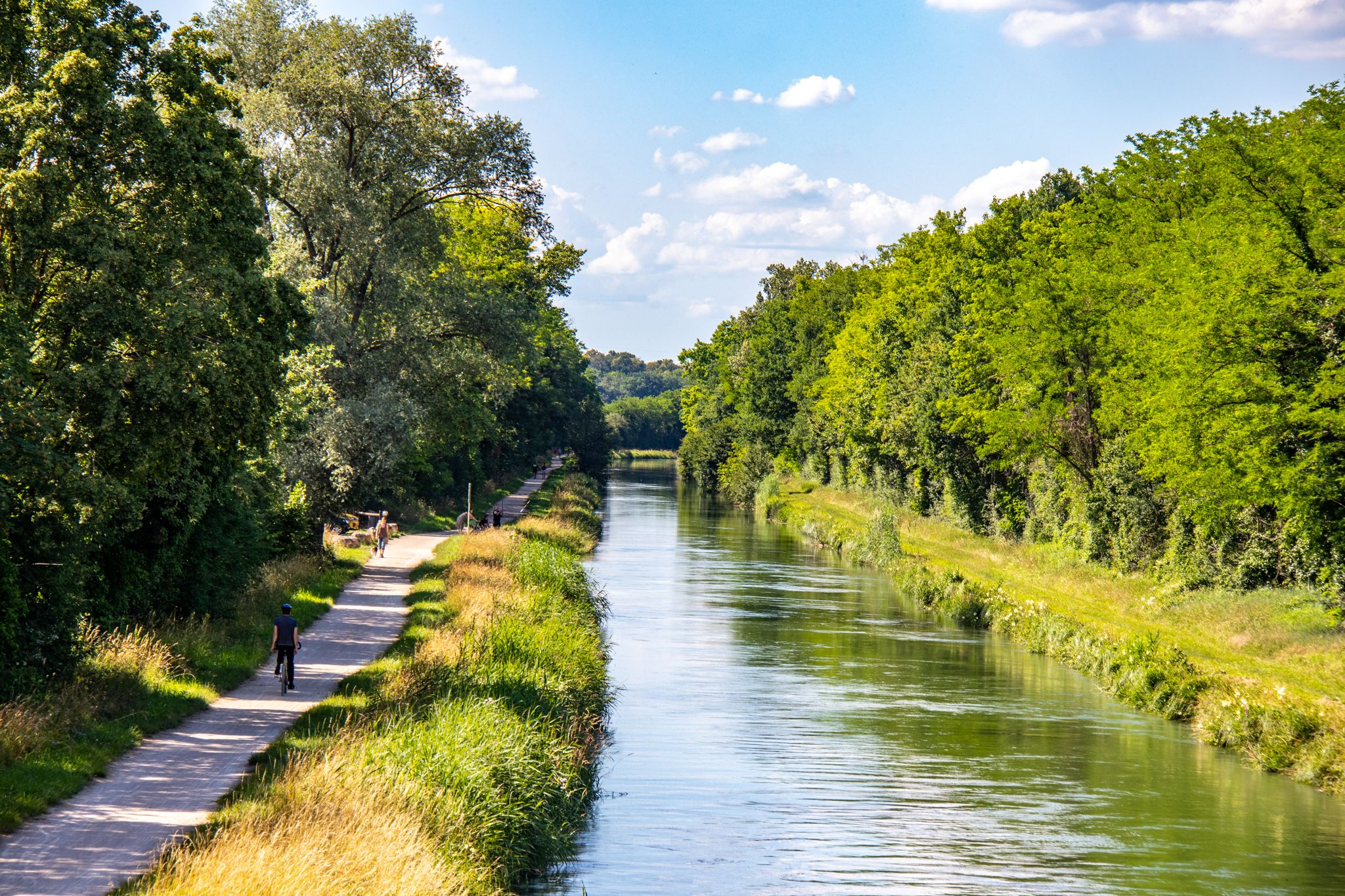
EuroVelo 6 – between the Rhine and the Loire by bike
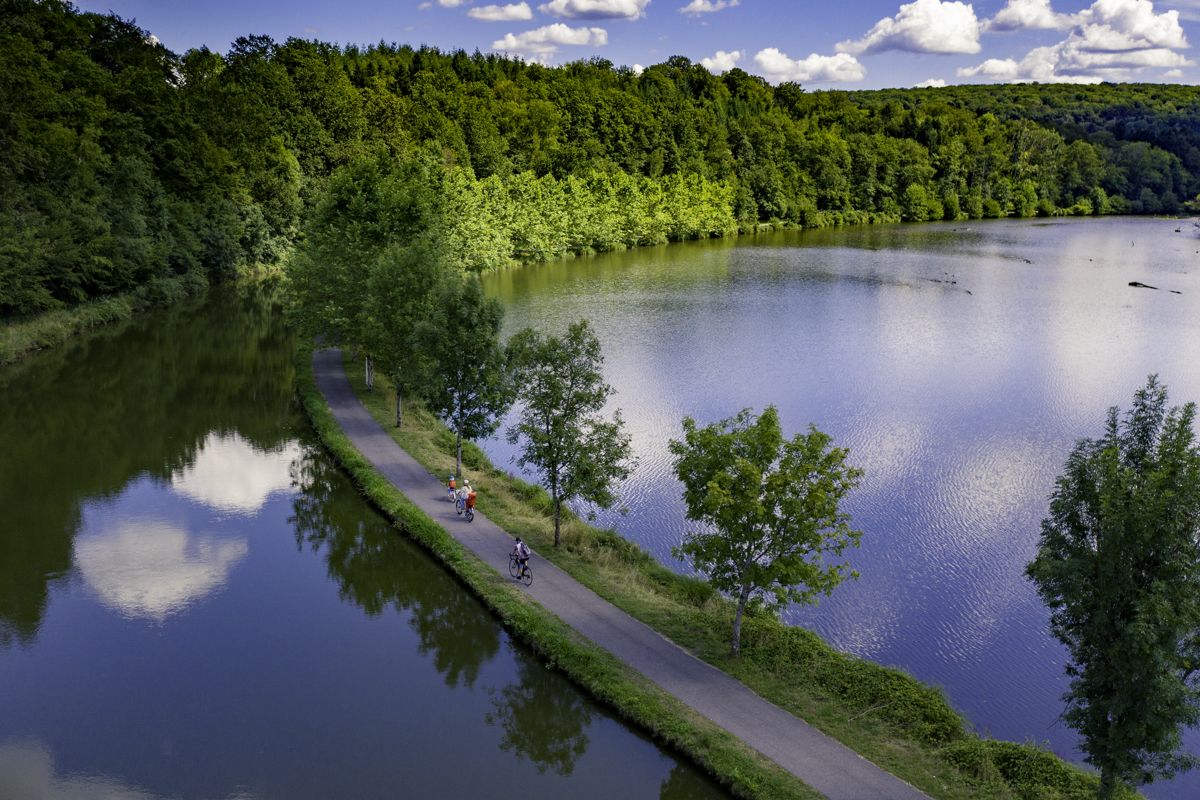
La Voie Bleue — “Cycle Route of the Year 2026”
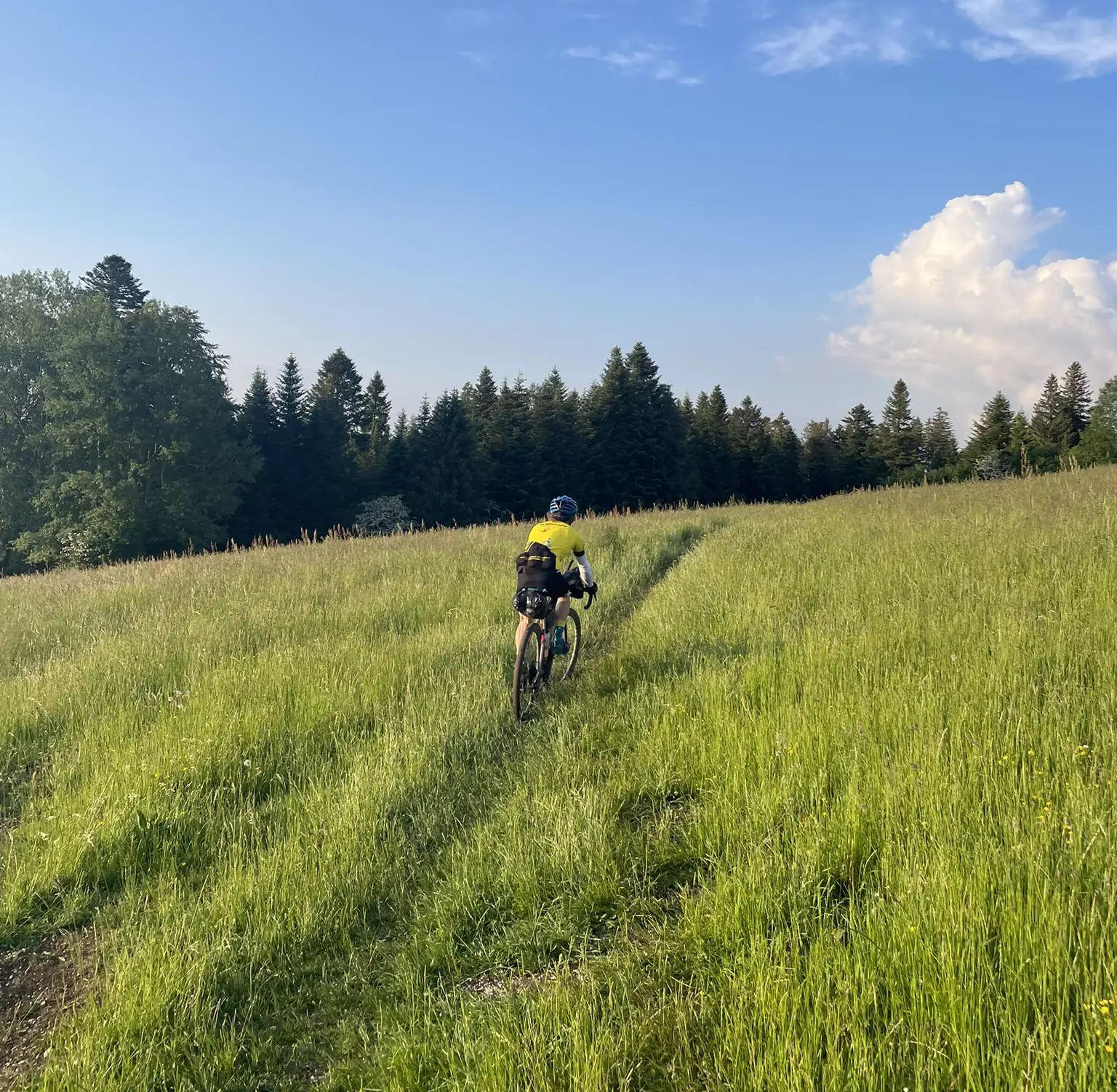
The Jura Mountains and Black Forest – La Poco Loco Dijon-Stuttgart 2023
Seine River Trail — A cycling adventure from Dijon to Le Havre
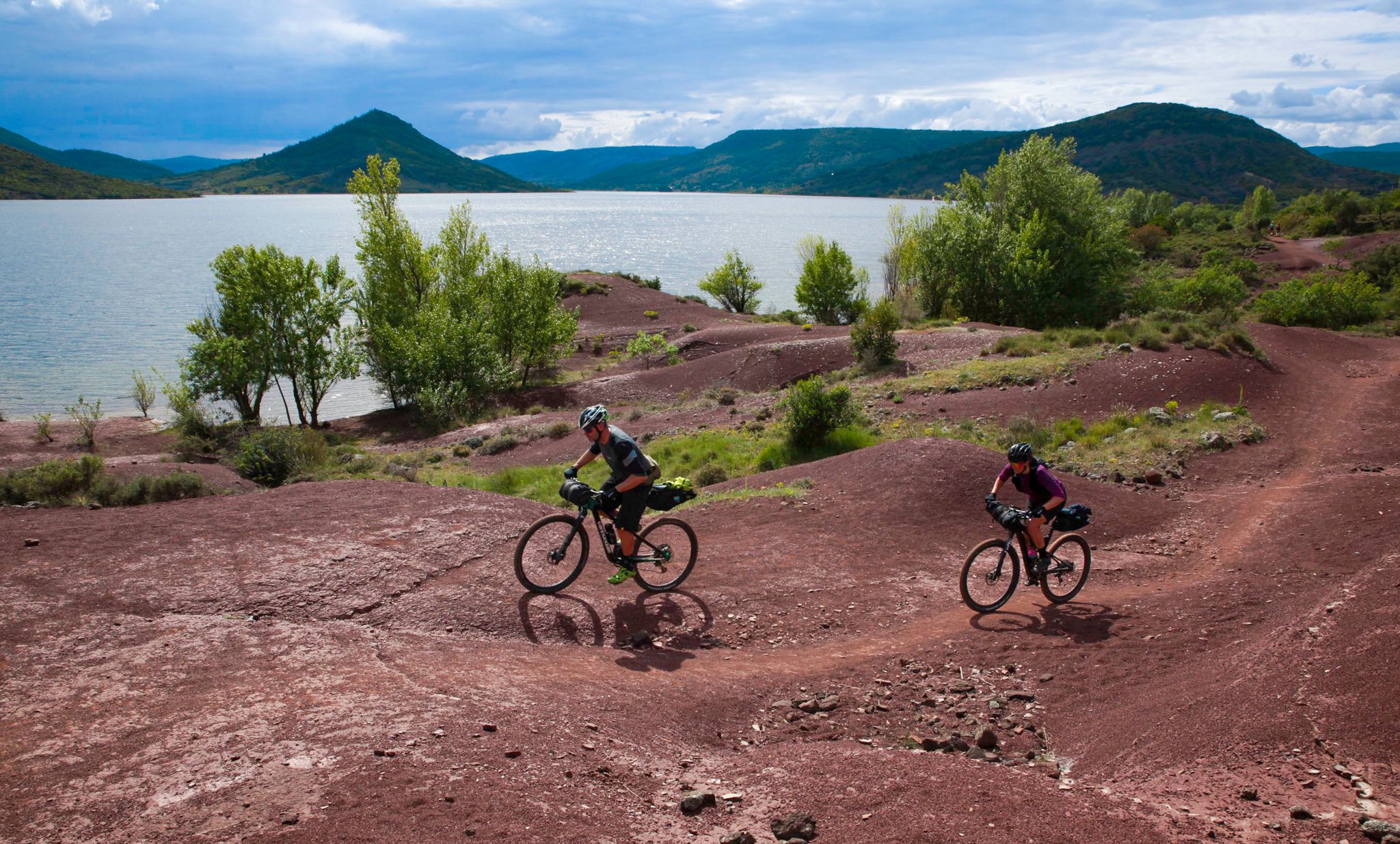
The Great Crossing of France's Massif Central by mountain bike
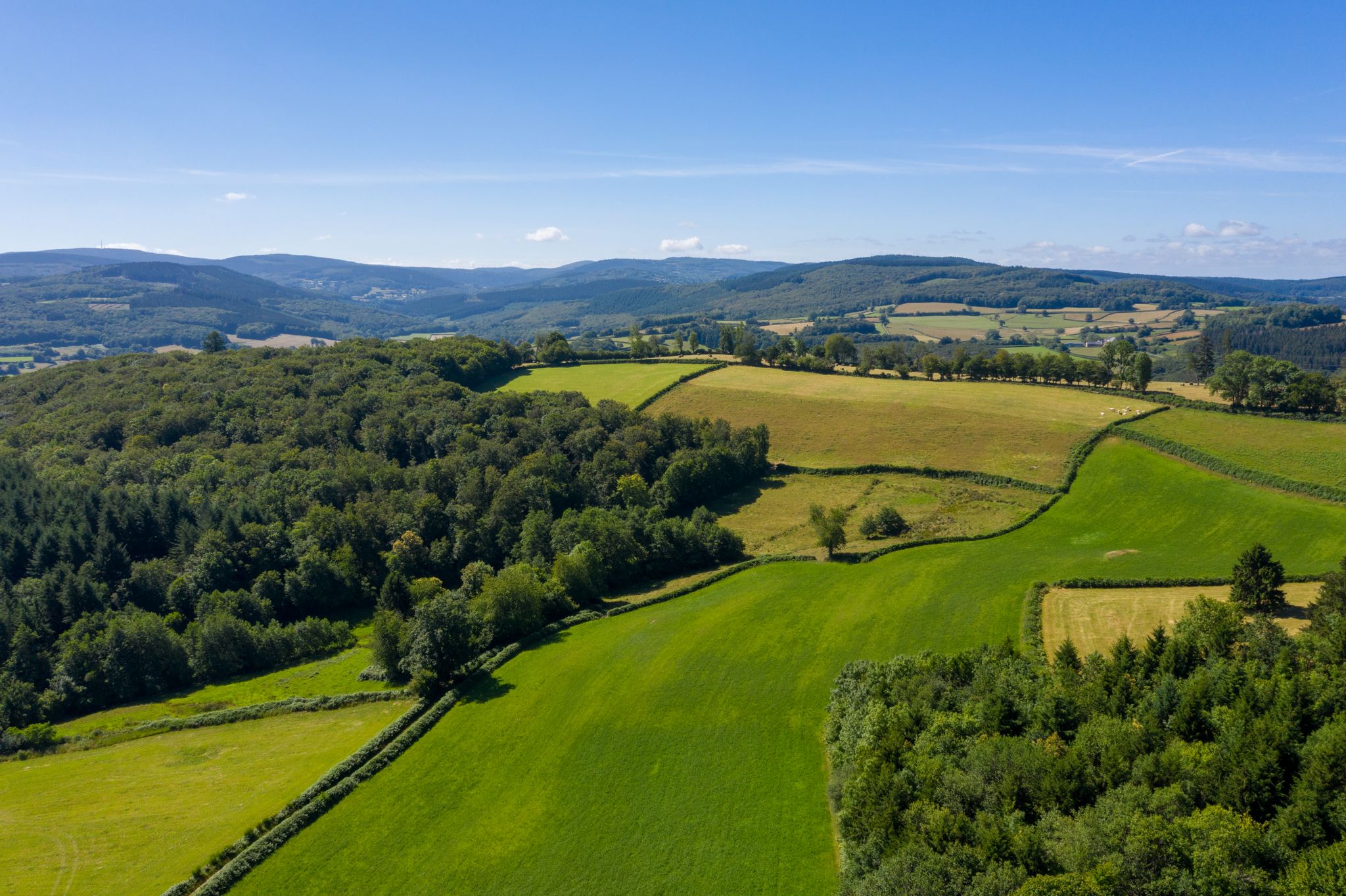
MTB fun in the Massif Central — La Grande Traversée du Morvan
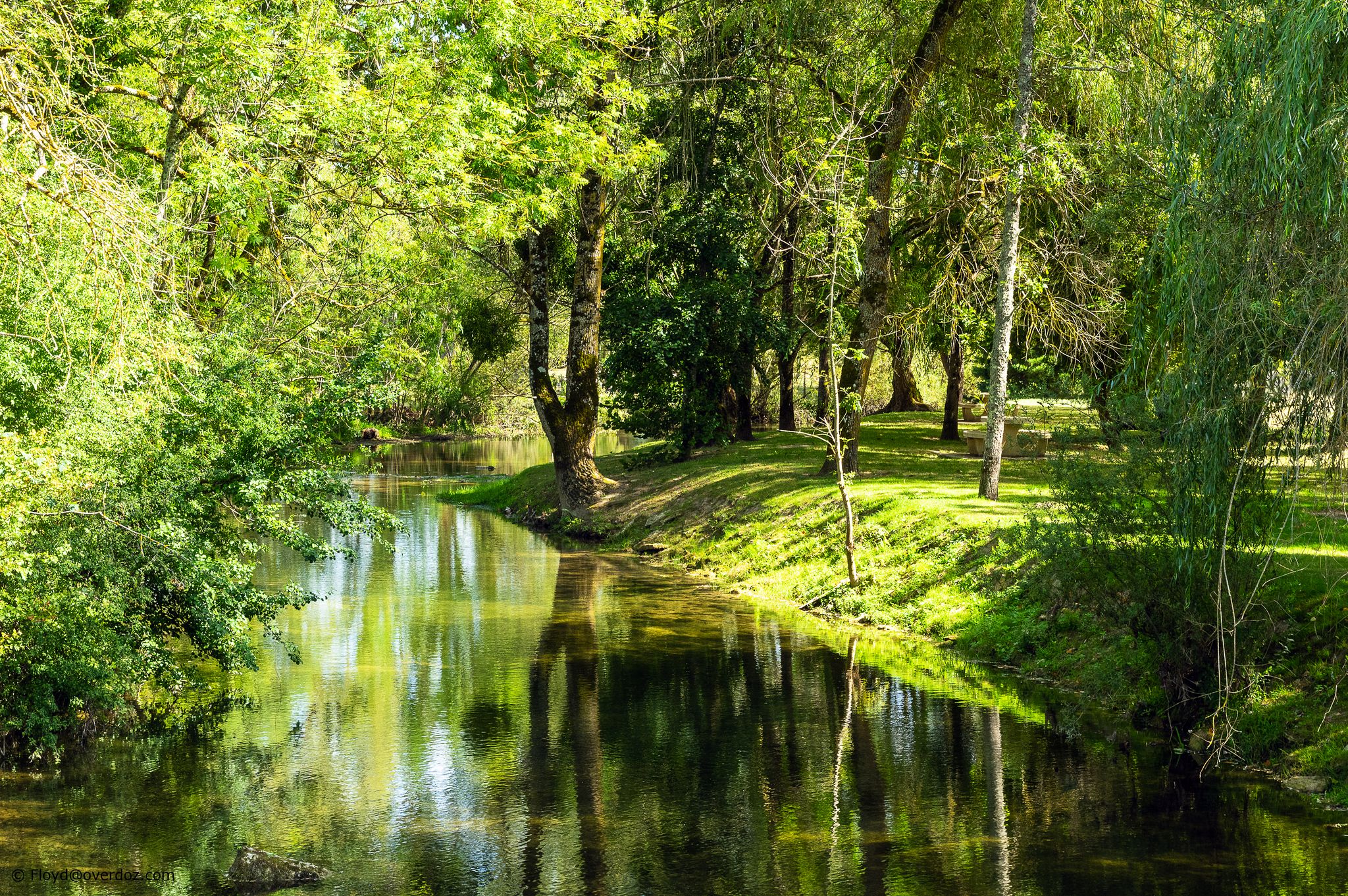
Along the Seine — the GR 2 from Dijon to Le Havre
Other adventures in Côte-d'Or


Tips from the Community

Much more impressive in person than in photos and it's possible to get close to the chasm. Not to be missed
0
0

A bucolic, clean, well-maintained, and shaded spot, with tables and trash cans for picnicking. It's officially a Paris commune, but it looks nothing like Paris.
0
0

The Creux Percé is an inverted cone-shaped collapsed chasm approximately 60 m deep and with a circumference ranging from 35 to 25 m at the surface. This chasm is primarily known to speleologists. Exploration of this chasm and its lateral networks began in the 19th century. This site has long been a natural icehouse with a bottom that reaches sub-zero temperatures, even in summer. https://www.bourgogne-tourisme.com/ In May 2025, a special outing, supervised by the Dijon Speleo Club, will allow visitors to descend into this crater.
1
0

Located north of the old town, this lovely little park offers several shady spots in the summer. Definitely worth a visit.
3
0
There's a signposted and very beautiful circular trail that includes the source of the Seine. Learn more on the official website here: https://www.cotedor-randonnee.com/
1
0
The spring is beautifully arranged and decorated (at least during Easter). There's also a small seating area where you can rest after the climb.
3
0

An artificial lake commissioned by Canon Félix Kir, former mayor of Dijon. A great place to recharge your batteries not far from the train station, the tour takes about an hour on foot. Ideally, you can reach the city center via the Promenade de l'Ouche, one of the city's green lungs.
4
2
Stopover point before arriving at Notre Dame d’Etang. Allow approximately 30/40 minutes before reaching the Source Sainte-Anne from the village of Velars-sur-Ouche
1
0
Frequently Asked Questions
What are some unique natural features to explore in Côte-d'Or?
Côte-d'Or offers several distinctive natural features. The Rochers du Carnaval in the Uchon Massif, often called the 'Pearl of Morvan,' features a rare geological phenomenon of enormous granite rocks sculpted into peculiar shapes like 'the Mammoth' and 'the Devil's Claw.' Another captivating site is the Gouffre du creux Percé, a natural monument known for its unique cave and forest setting.
Are there family-friendly natural monuments in Côte-d'Or?
Yes, several natural monuments in Côte-d'Or are suitable for families. Lake Kir, near Dijon, is a popular relaxation spot with beautiful views, ideal for family walks. The Source of the Seine is another family-friendly location, offering a glimpse into the origin of France's famous river. Additionally, the Douix Spring is a well-arranged natural spring that families can enjoy.
What outdoor activities can I do near these natural monuments?
The region around Côte-d'Or's natural monuments is excellent for outdoor activities. You can find numerous road cycling routes, such as the 'Hilly circuit south of Dijon' or 'Around the hills of the western Dijon area,' which often pass by scenic natural spots. For hikers, there are easy trails like the 'Parcours de la Chouette' in Dijon or the 'Lac de Chamboux' loop in the Morvan Regional Nature Park. You can explore more options in the Road Cycling Routes in Côte-d'Or and Easy hikes in Côte-d'Or guides.
Where can I find panoramic views of the Côte-d'Or landscape?
For breathtaking panoramic views, visit the Panorama of the Baulme-la-Roche Rocks. From the top of these cliffs, you get a magnificent perspective of the Baulme-la-Roche valley, the Ouche valley, and the surrounding mountains. It's also a known paragliding site. The La Roche Virante also offers impressive viewpoints.
Are there any natural monuments near Dijon?
Yes, Dijon has several natural monuments nearby. Lake Kir is an artificial lake created by a dam on the Ouche River, serving as a popular recreational area for locals and visitors alike. The Darcy Garden, while a man-made park, is considered a natural monument for its green space and historical significance within the city.
What is the Morvan Regional Nature Park and what does it offer?
The Morvan Regional Nature Park is a wild and hilly granite massif extending into Côte-d'Or, characterized by lush forests, numerous lakes, and rivers. It's an ideal destination for nature enthusiasts, offering extensive opportunities for hiking, mountain biking, and water sports on its artificial lakes like Settons and Pannecière. The park is home to a rich ecosystem and provides educational experiences through ecomuseums and botanical gardens. You can learn more about it on the Burgundy Tourism website.
Can I explore underground natural sites in Côte-d'Or?
Yes, you can explore the fascinating Caves of Bèze, located about 30 km northeast of Dijon. These caves are renowned for their underground river, which visitors can navigate by boat, and feature impressive concretions and rare cave pearls. Guided tours offer a unique glimpse into this hidden geological world, with a constant temperature of 12°C inside.
What is the significance of the Côte d'Or escarpment?
The Côte d'Or escarpment is a naturally beautiful and culturally significant limestone ridge stretching from Dijon to the Dheune River. Its unique Jurassic limestone geology creates rich soil, making it ideal for viticulture. This escarpment forms part of the watershed between northern and southern Europe and is famous for the 'Route des Grands Crus,' which winds through prestigious vineyards like those of Morey-Saint Denis. The scenic beauty of these vineyard-covered hillsides is recognized by UNESCO.
Are there any natural monuments associated with wine production?
Yes, the village of Morey-Saint Denis is a natural monument known for its wine production. It is part of the 'Climats de Bourgogne,' a UNESCO World Heritage site, and offers stunning views of the surrounding vineyards. The unique geology of the Côte d'Or escarpment, which forms the backbone of this wine region, is a natural feature directly contributing to the area's renowned viticulture.
What kind of climbs or challenging natural monuments are there?
For those seeking a challenge, the Climb of the Combe Lavaux is a protected site with abundant vegetation, very popular with cyclists. It offers a steady climb with magnificent landscapes. The Sainte-Anne Fountain also involves a climb to reach, offering a rewarding stopover point.
What do visitors enjoy most about the natural monuments in Côte-d'Or?
Visitors frequently praise the diverse beauty and tranquility of Côte-d'Or's natural monuments. They appreciate the relaxing atmosphere of places like Lake Kir, the magnificent views from the Panorama of the Baulme-la-Roche Rocks, and the unique geological formations found at sites like the Rochers du Carnaval. The well-maintained paths and opportunities for family outings are also highly valued.
Most popular routes in Côte-d'Or
Most popular attractions in Côte-d'Or

Get inspired with the komoot mobile app


Explore more
Extend your search for the best caves by checking out these guides of the top ones in Côte-d'Or:
