Top 20 Natural Monuments in Porto
Best natural monuments in Porto include a diverse range of natural areas, from expansive urban parks to coastal landscapes where the Douro River meets the Atlantic Ocean. The region features significant green spaces and unique geographical formations. These locations offer opportunities to explore the natural environment within and around the city.
Best natural monuments in Porto
- The most popular natural monuments is Chapel of Senhor da Pedra, a unique coastal chapel built on rocks. This site is known for…
Last updated: August 20, 2026
Chapel of Senhor da Pedra (Chapel of the Lord of the Rock)
Highlight • Religious Site
Translated by Google •
Tip by

Infante Dom Henrique Garden
Highlight • Natural Monument
Translated by Google •
Tip by

Sign up now to discover places like this
Get recommendations on the best single tracks, peaks, & plenty of other exciting outdoor places.
Sign up for free
Gardens of the Crystal Palace
Highlight • Natural
Translated by Google •
Tip by

Plane Trees at Jardim da Cordoaria
Highlight • Natural Monument
Translated by Google •
Tip by
Jardim de João Chagas 🌳 Porto
Highlight • Natural
Inside you can also see various …
Translated by Google •
Tip by
Senhor do Padrão Garden
Highlight • Monument
Translated by Google •
Tip by

View of the Mouth of the Douro River
Highlight • Viewpoint
Translated by Google •
Tip by

Dog Stone
Highlight • Viewpoint
Translated by Google •
Tip by

Bird Observatory
Highlight • Natural Monument
Translated by Google •
Tip by

Aguda Dunes Park
Highlight • Beach
Translated by Google •
Tip by
Sign up for free to discover even more natural monuments in Porto.
Sign up for free
Already have an account?
Start today with a free account
Your next adventure awaits.
Login or Signup
Popular around Porto
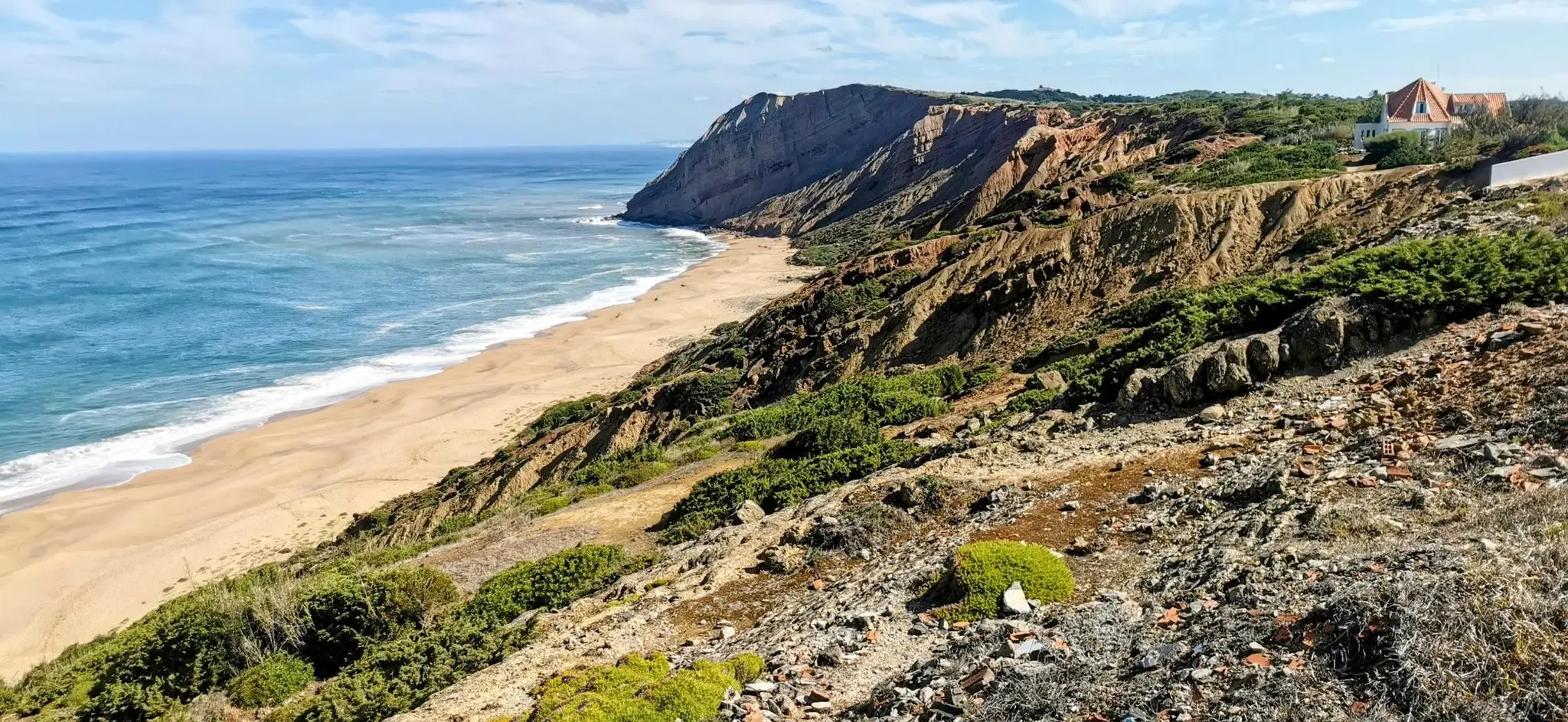
EuroVelo 1 Portugal – Cycle the Atlantic Coast
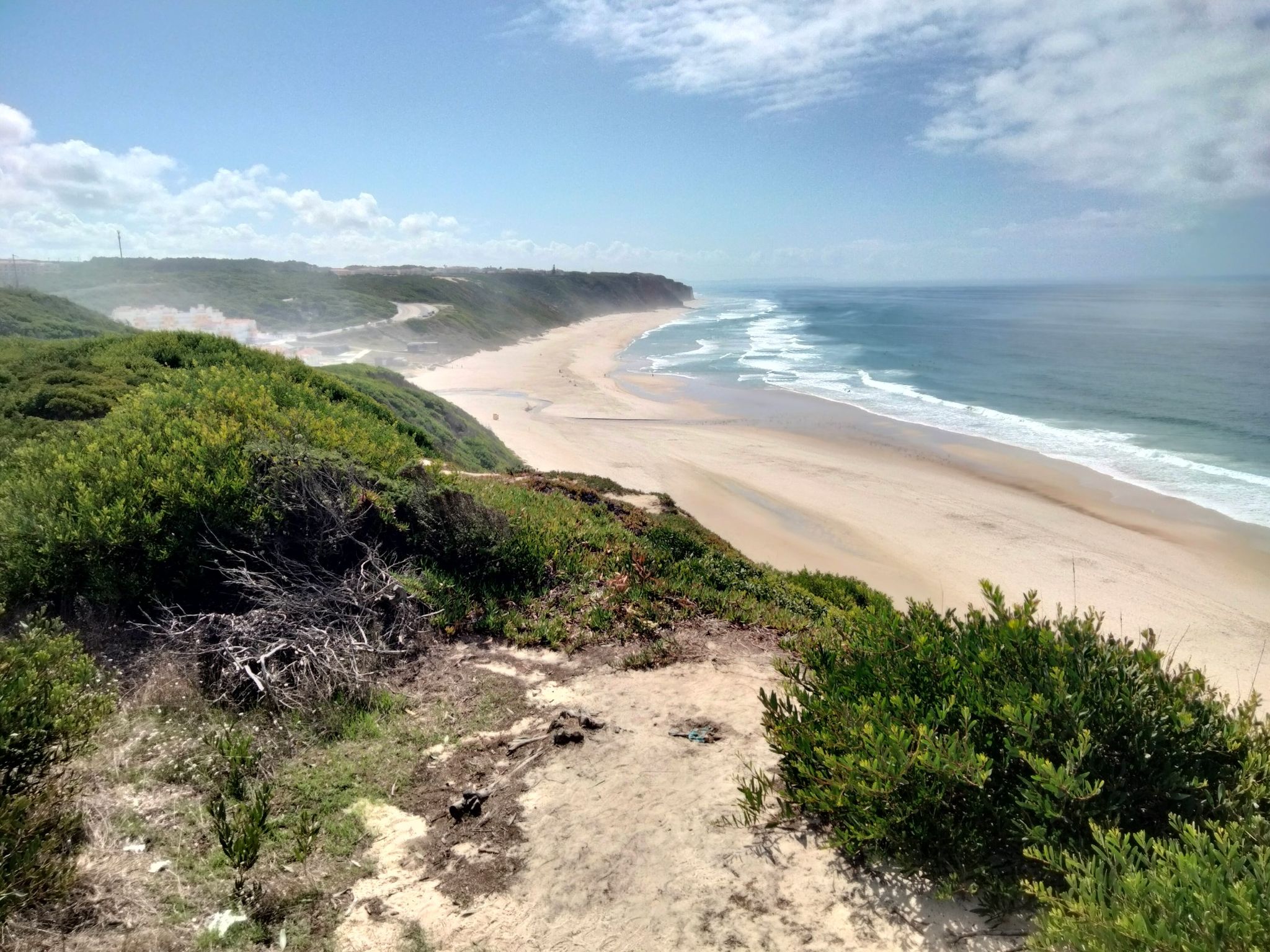
Portugal's Atlantic coast (north) – from Caminha to Lisbon
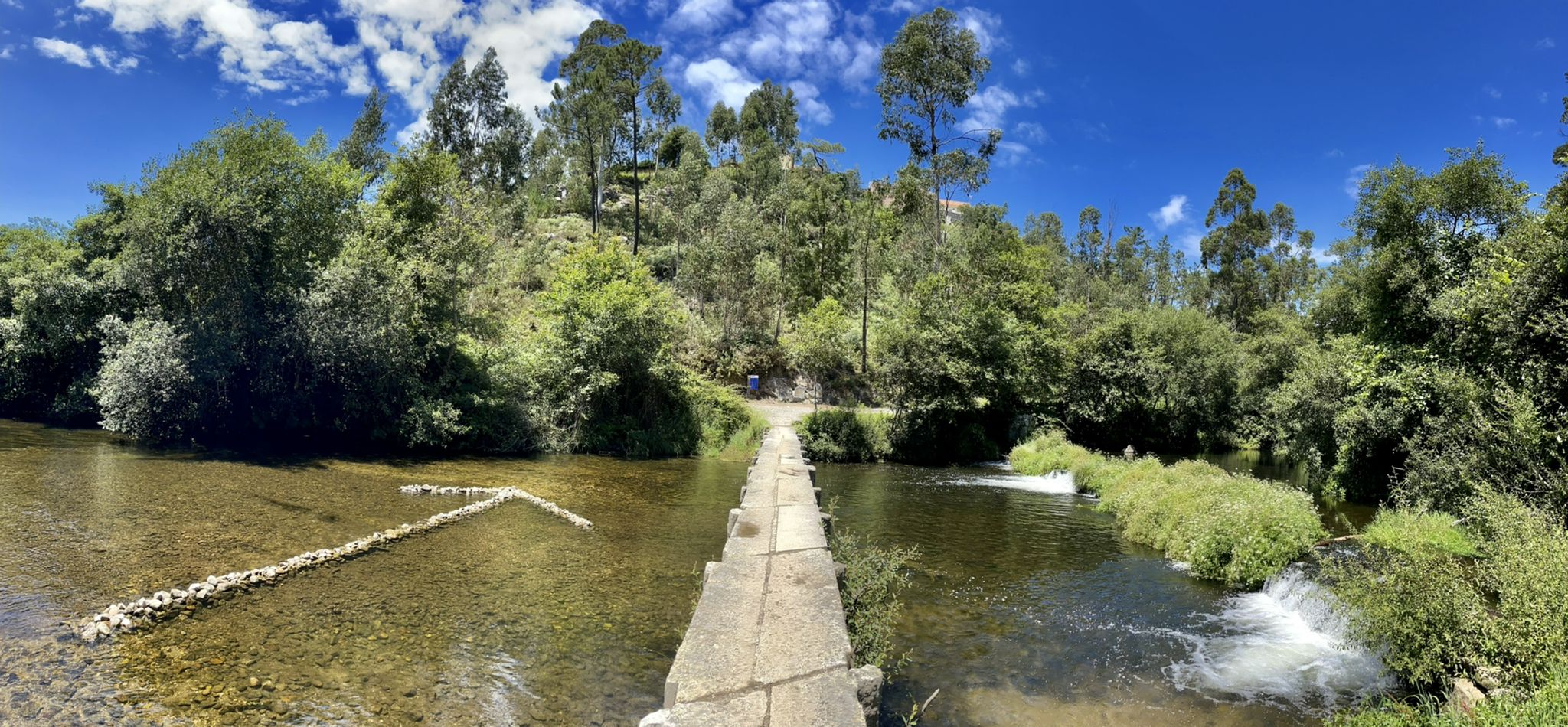
The challenge that knows no frontiers — Portuguese Coast Path
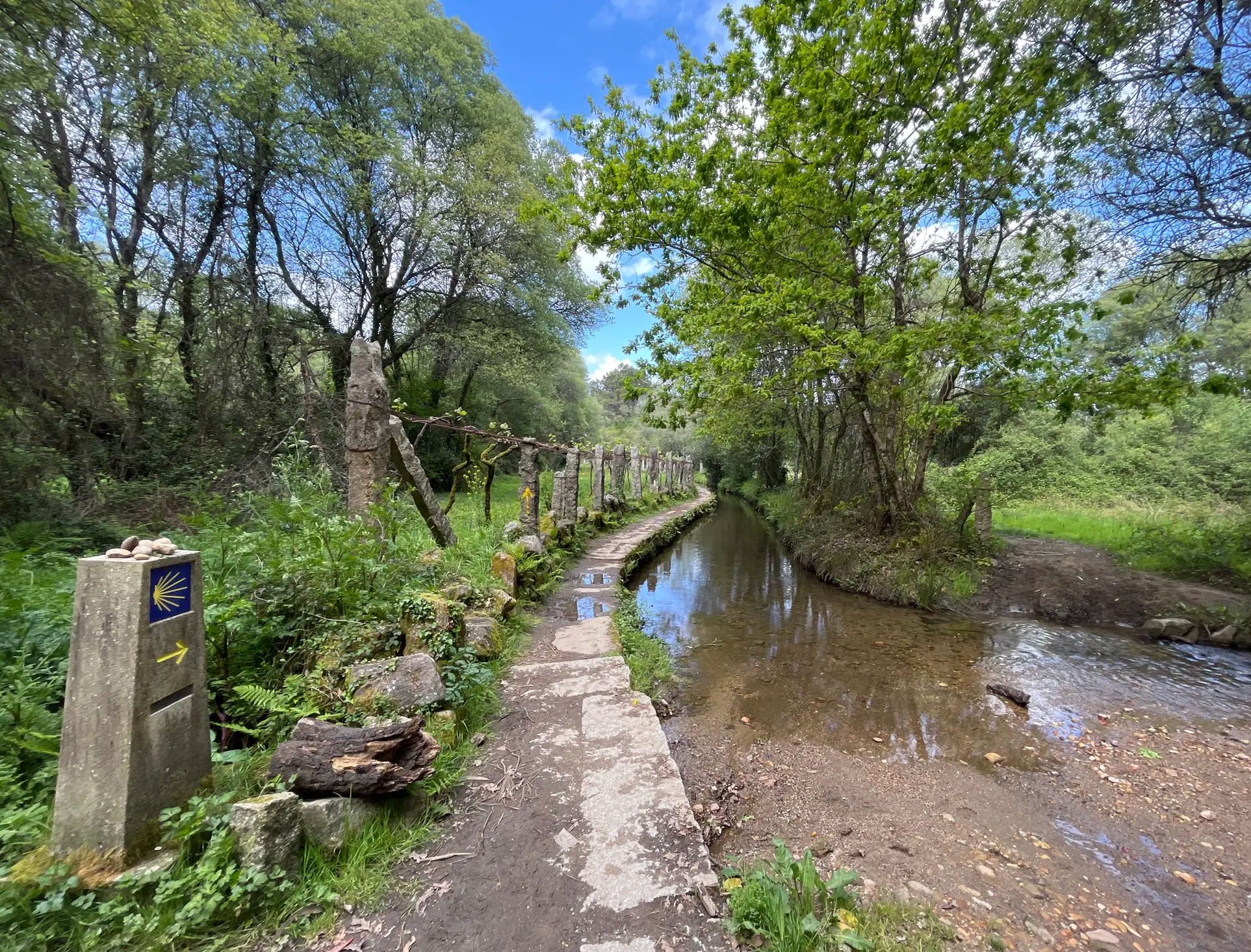
Na Rota dos Peregrinos – o Caminho Central Português
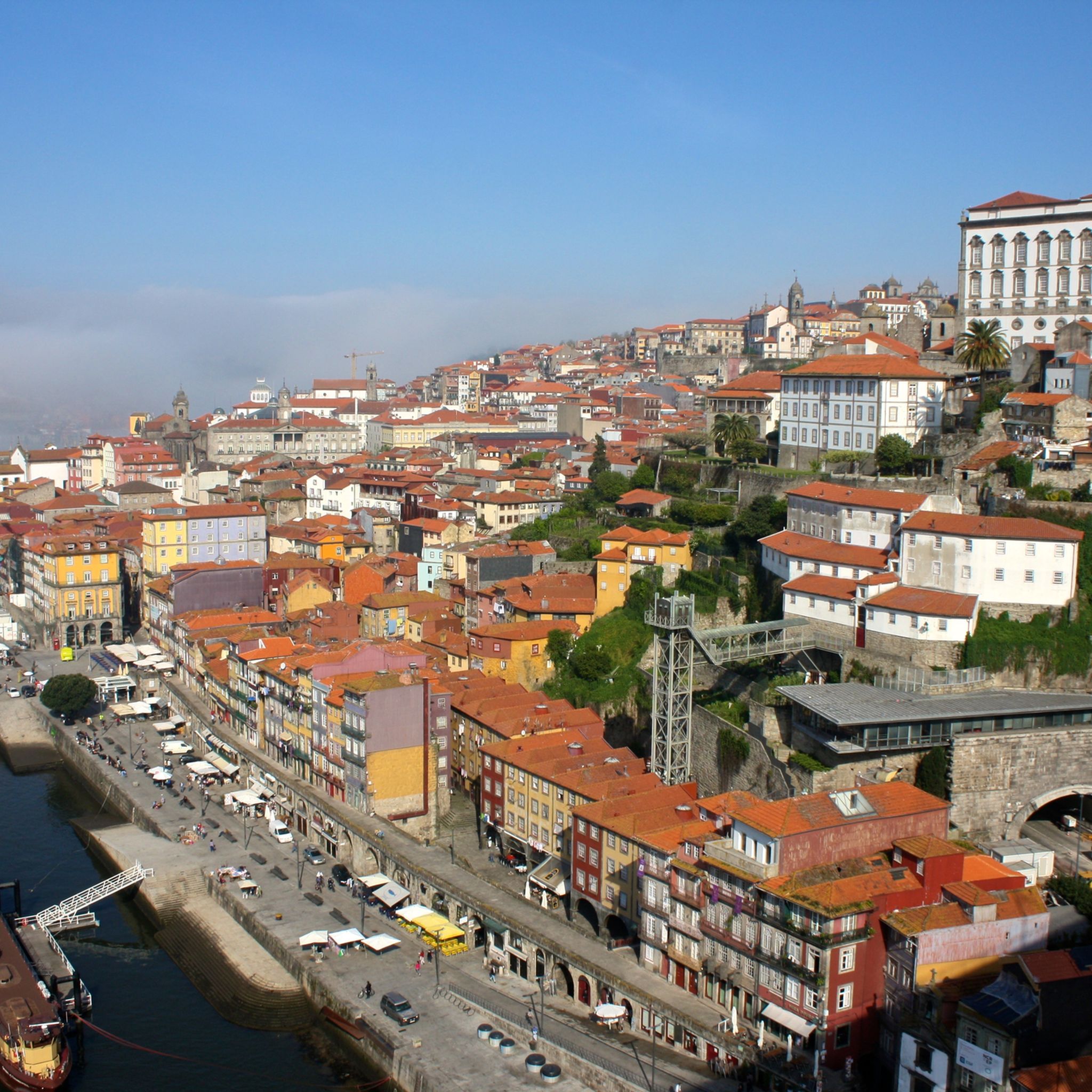
Cycling in Porto
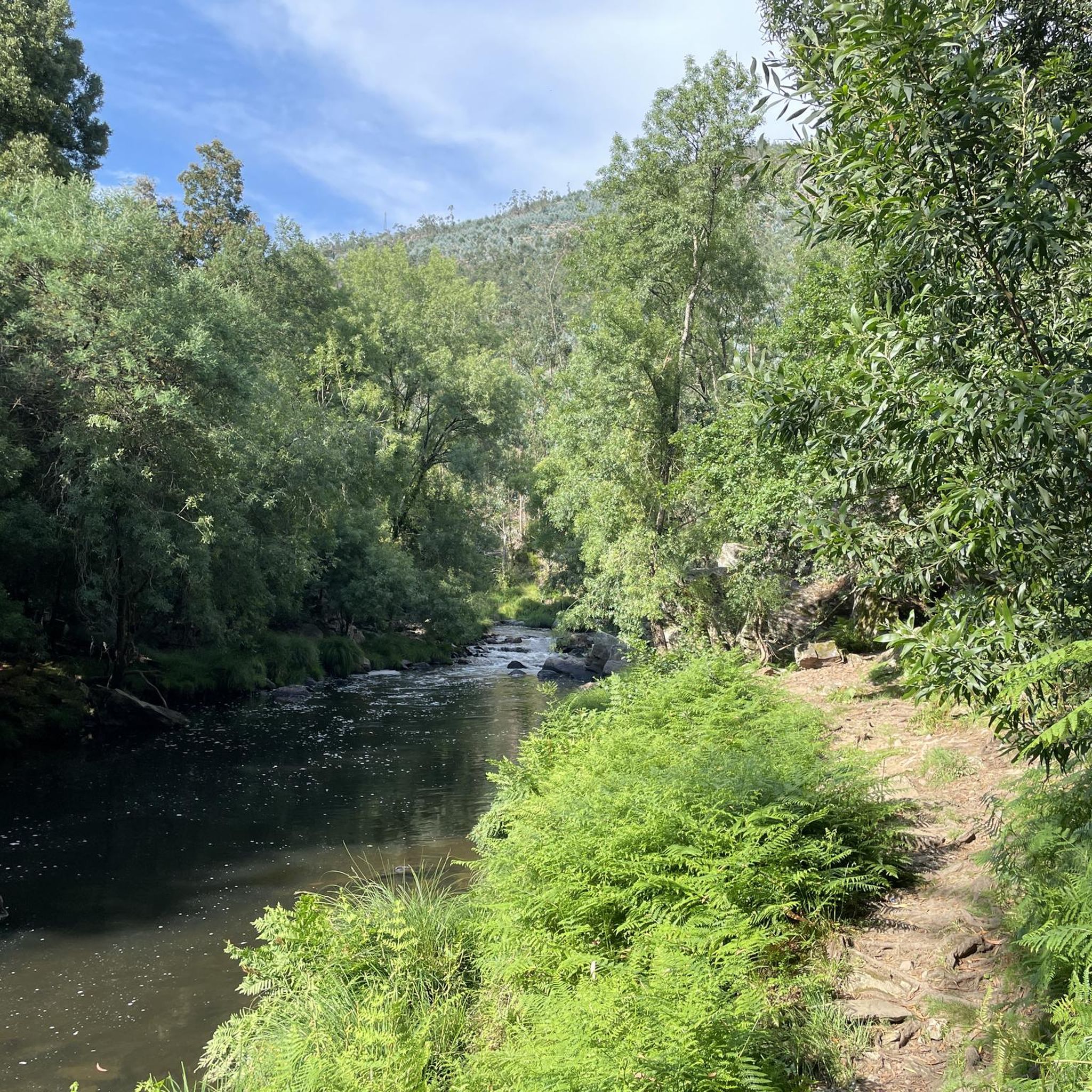
Hiking in Porto
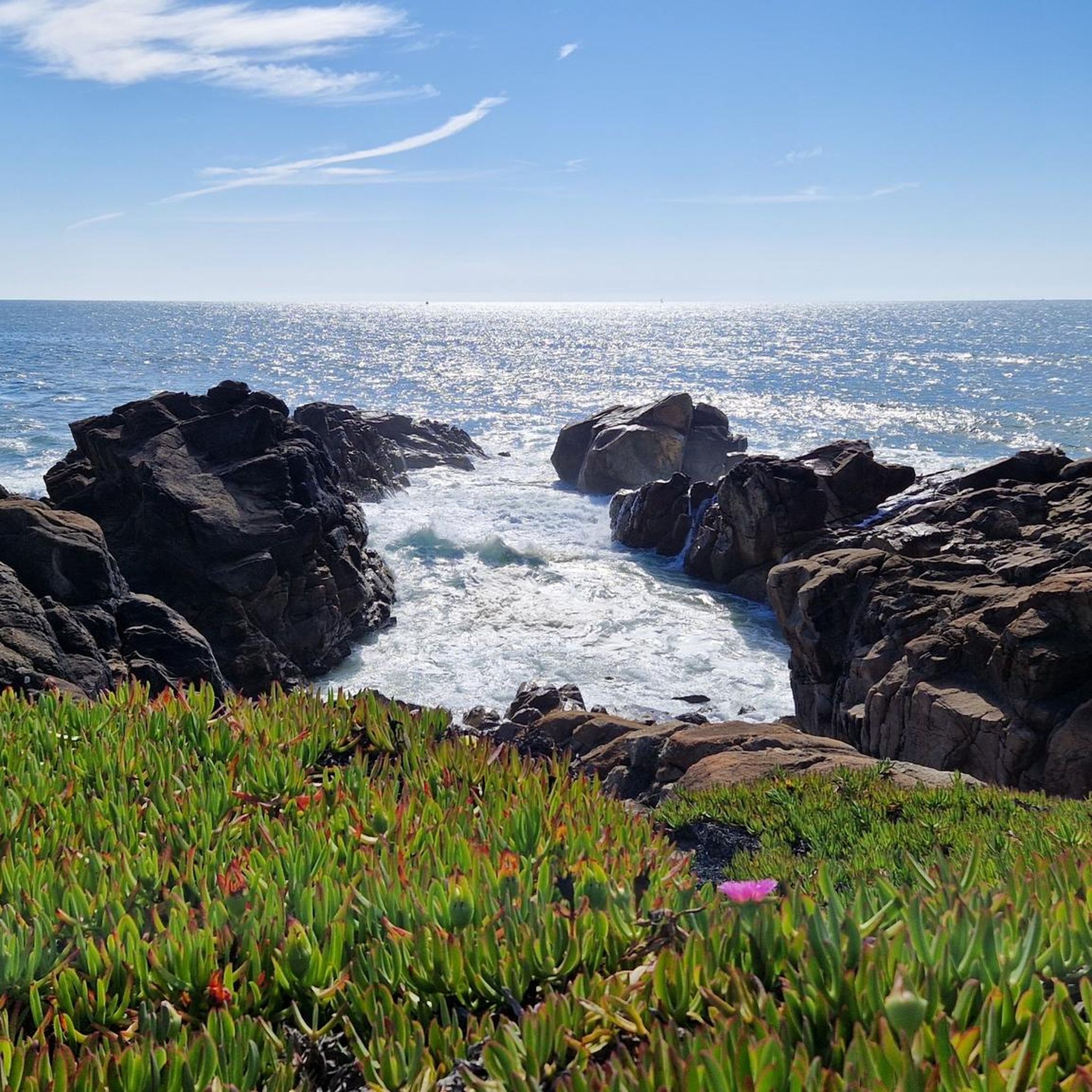
Running Trails in Porto
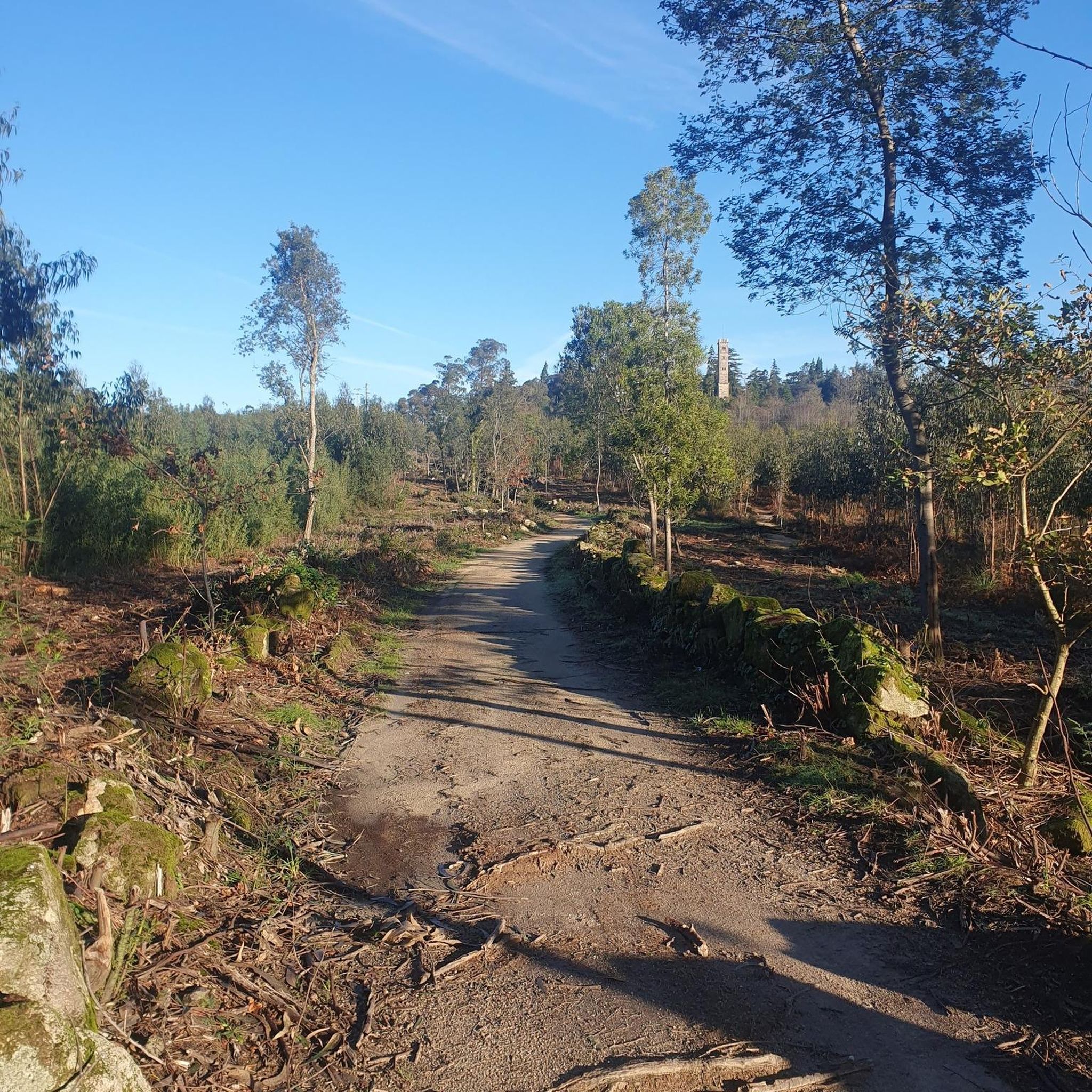
MTB Trails in Porto
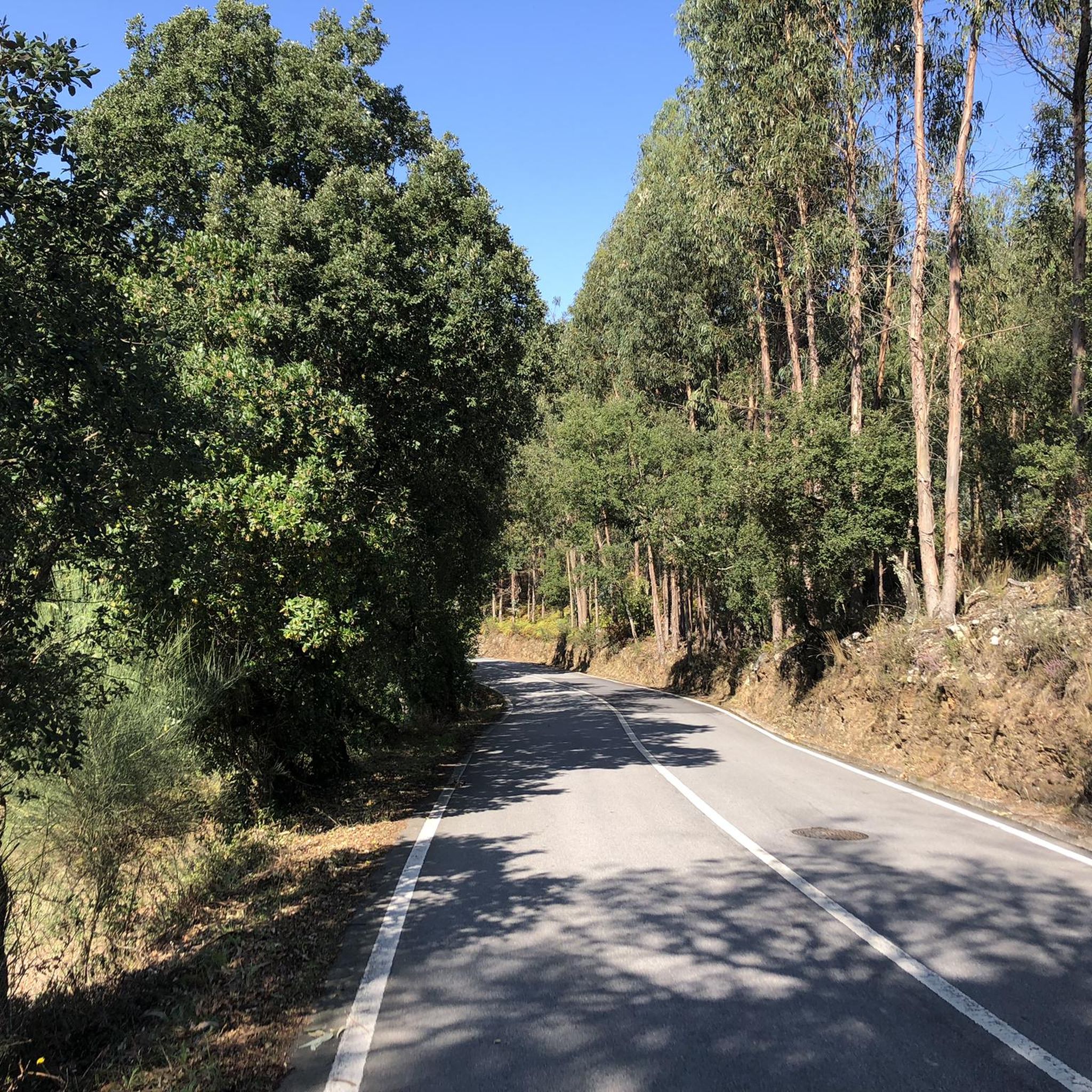
Road Cycling Routes in Porto

Gravel biking in Porto
Other adventures in Porto


Tips from the Community

The Cordoaria Garden, also known as the João Chagas Garden, is an example of how gardens represent an important nature-based solution in the urban environment. This green space, founded in 1865, combines historical elements with modern sustainable practices. Recently, a requalification was carried out that included improving the rainwater drainage system, replacing public lighting with more efficient options, and restoring and waterproofing the existing lake. In addition, the replacement of pavements with gravel and the planting of new landscaped areas reinforce support for local biodiversity and promote rainwater infiltration, reducing the risk of flooding in the area. This garden has about 160 trees, several classified as being of public interest, namely the Plane Tree Avenue, the Linden Tree Walk, American Oaks (some centuries old), Araucarias, Cedars and Sequoias, which throughout the year present its visitors with various colors and contrasts. Beyond its environmental function, it also has an important social function, being a thoroughfare for many visitors and residents, surrounded by a museum, university campuses, a hospital, and important tourist attractions in the city. It is a true green lung in the urban center of Porto. Various cultural events and activities take place in this garden, combining nature with the various needs of the population in that area. Ecological functions Improvement of quality of life; Promotion of biodiversity; Reduction of extreme weather events; Noise reduction; Regulation of air quality; Temperature regulation; Regulation of floods and inundations; Carbon sequestration
1
0

A nice place in the bay to watch birds, but not the only suitable one.
1
0

The plane trees in the Jardim da Cordoaria in Porto are one of the most striking features of this historic park. These are specimens of Platanus × hispanica (European plane), planted in the 19th century, which form two monumental rows along the garden's paths.
3
0

Cool view of a beautiful house
1
0
The Crystal Palace Gardens (Jardins do Palácio de Cristal) are one of Porto's most beautiful and iconic green spaces, ideal for strolling, relaxing, and enjoying spectacular views of the Douro River and the Atlantic Ocean.
2
0
The Crystal Palace Gardens in Porto are one of the city's most iconic and romantic green spaces, ideal for strolling, relaxing, and enjoying spectacular views of the Douro River and the Atlantic Ocean.
4
0

I recommend it very beautiful
1
0

The lower part of the trunks is massively thickened. Is this a tree disease or what's going on here?
0
1
Frequently Asked Questions
What are some of the most popular natural monuments in Porto?
Beyond the well-known spots, visitors frequently enjoy the unique coastal setting of the Chapel of Senhor da Pedra, a chapel built on rocks on a large sandy beach. Another favorite is Lavadores Beach, known for its iconic rocks and sandy coves. The Aguda Dunes Park is also highly appreciated for its extensive coastal dunes.
Are there family-friendly natural monuments in Porto?
Yes, many natural monuments in Porto are suitable for families. The Gardens of the Crystal Palace offer beautiful spaces for children to explore, complete with peacocks. The Infante Dom Henrique Garden and Jardim de João Chagas are also great for family strolls. For coastal fun, Lavadores Beach and Aguda Dunes Park provide open spaces and natural beauty.
What natural features can I expect to see in Porto's natural monuments?
Porto's natural monuments offer a diverse range of features. You'll find expansive urban parks like Parque da Cidade, which extends to the Atlantic, and coastal landscapes at Foz do Douro with sandy beaches and granite outcrops. The Aguda Dunes Park showcases significant dune systems. Inland, places like the Gardens of the Crystal Palace feature botanical specimens and panoramic river views. The Douro Estuary Nature Reserve is notable for its rich biodiversity and birdwatching opportunities.
Are there any natural monuments near Porto that are good for birdwatching?
Yes, the Douro Estuary Nature Reserve, where the Douro River meets the Atlantic, is an excellent spot for birdwatching due to its diverse wildlife. Additionally, the Parque Natural do Litoral Norte, located north of Porto, is known for various migratory birds, especially along the Cávado River estuary.
What outdoor activities can I do near these natural monuments?
Many natural monuments are close to routes for various outdoor activities. For example, you can find easy hikes in Porto, such as the 'View of Dom Luís I Bridge – Ribeira District, Porto loop' near the city's riverfront areas. If you're into cycling, there are road cycling routes like the 'Ring route from Porto, Câmara Gaia' that can take you past some natural areas. For gravel biking, consider routes like the 'Esposende Maritime Museum – View of the Atlantic Ocean loop'. You can explore more options on the Easy hikes in Porto, Road Cycling Routes in Porto, and Gravel biking in Porto guide pages.
Are there any natural monuments in Porto that are wheelchair accessible?
While many natural areas have varied terrain, the Senhor do Padrão Garden is noted as wheelchair accessible. Urban parks and well-maintained garden paths, such as those in Parque da Cidade and parts of the Gardens of the Crystal Palace, generally offer easier access, though specific accessibility can vary by area.
What is the best time of year to visit natural monuments in Porto?
The best time to visit Porto's natural monuments is generally during spring (April to June) and early autumn (September to October). During these periods, the weather is pleasant, with comfortable temperatures for walking and exploring, and the natural landscapes are vibrant. Summer can be hot, while winter offers a different, often quieter, experience, especially along the coast.
Can I find any hidden natural gems or less-known spots in Porto?
For a less-known but vibrant green space, consider Virtudes Park, which offers stunning views of the Douro River and landmarks like the Arrábida Bridge. While not entirely 'hidden,' the Plane Trees at Jardim da Cordoaria provide a serene, natural escape within the city that might be overlooked by some visitors.
Are there any natural monuments in Porto that are dog-friendly?
Many urban parks and coastal areas in Porto are generally dog-friendly, though specific rules may apply regarding leashes. Parque da Cidade is a large urban park where dogs are often seen. When visiting specific natural monuments, it's always advisable to check for local signage or regulations regarding pets.
What are the Jardins do Palácio de Cristal known for?
The Jardins do Palácio de Cristal are renowned for their romantic 19th-century design, diverse botanical collection, and breathtaking panoramic views over the Douro River and the city. They are also home to a lively population of peacocks, adding to their charm and making them a popular spot for leisurely strolls.
How can I reach natural monuments in Porto using public transport?
Porto has a comprehensive public transport network, including buses, metro, and trams, which can take you to many natural monuments. For example, Parque da Cidade is accessible by metro and bus. Foz do Douro can be reached by tram or bus along the coastline. For locations slightly outside the city center, such as Parque Natural do Litoral Norte, regional buses are available, though travel times may be longer. It's best to check local transport apps or websites for specific routes and schedules to your chosen destination.
What is unique about the Parque Natural do Litoral Norte?
The Parque Natural do Litoral Norte, a short distance north of Porto, is unique for its nearly 18 kilometers of extensive and well-preserved Atlantic dunes. These dunes act as a natural barrier against sea winds. The park also features traditional windmills, low vegetation, and offers opportunities for long walks on quiet beaches. It's also a significant area for birdwatching.
Most popular routes in Porto
Most popular attractions in Porto

Get inspired with the komoot mobile app


Didn’t find what you were looking for?
Find even more amazing natural monuments in Porto by checking out the top Highlights region by region:
Explore more
Extend your search for the best caves by checking out these guides of the top ones in Porto:
