The best gravel rides in Porto
3.4
(5)
33
riders
4
rides
Gravel biking in Porto offers diverse terrain, from coastal paths along the Atlantic to vineyard tracks in the Douro Valley. The region features a varied landscape including rolling hills, river valleys, and sections of dense forest. Surfaces for gravel riding range from packed earth and loose gravel to historic cobbled streets and dedicated ecotrails. This provides a blend of paved roads, scenic backroads, and countryside trails suitable for gravel bikes.
Best gravel bike trails in Porto
- The most popular gravel bike trail is Esposende Maritime Museum ⛵ – View of the Atlantic Ocean loop from Esposende, a 32.9 miles (53.0 km) trail that takes 3 hours 38 minutes to complete, offering coastal views and varied surfaces.
- Another top favourite among local gravel bikers is Pedroso – Perosinho loop from Valadares, a moderate 14.3 miles (23.0 km) path. This route explores rural areas and tranquil river valleys with varied terrain.
- Local gravel bikers also love the View from Monte de Santa Justa – Salamandra Downhill Track loop from Contumil, an 18.0 miles (29.0 km) trail leading through varied terrain with significant elevation gain, often completed in about 2 hours 9 minutes.
- Gravel biking in Porto is defined by coastal paths, vineyard tracks, and river ecotrails. The network offers options for different ability levels, from moderate rides to more challenging routes with significant climbs.
- The routes in Porto are highly rated by the komoot community with an average score of 3.3 stars from over 4 reviews. More than 30 gravel bikers have used komoot to explore Porto's varied terrain.
Last updated: October 19, 2026
24.9km
02:31
740m
750m
Hard gravel ride. Very good fitness required. Mostly paved surfaces. Suitable for all skill levels.
4.8
(4)
22
riders
52.7km
03:40
190m
190m
Moderate gravel ride. Good fitness required. Mostly paved surfaces. Suitable for all skill levels.

1
riders
12.6km
01:10
280m
280m
Moderate gravel ride. Good fitness required. Mostly paved surfaces. Suitable for all skill levels.
7
riders
Hard gravel ride. Very good fitness required. Mostly paved surfaces. Suitable for all skill levels.
2.0
(1)
3
riders
41.1km
03:26
810m
810m
Hard gravel ride. Very good fitness required. Mostly paved surfaces. Suitable for all skill levels.
23.0km
01:33
340m
350m
Moderate gravel ride. Good fitness required. Mostly paved surfaces. Suitable for all skill levels.
Our route recommendations are based on thousands of hikes, rides, and runs completed by other people on komoot.
Start today with a free account
Your next adventure awaits.
Popular around Porto
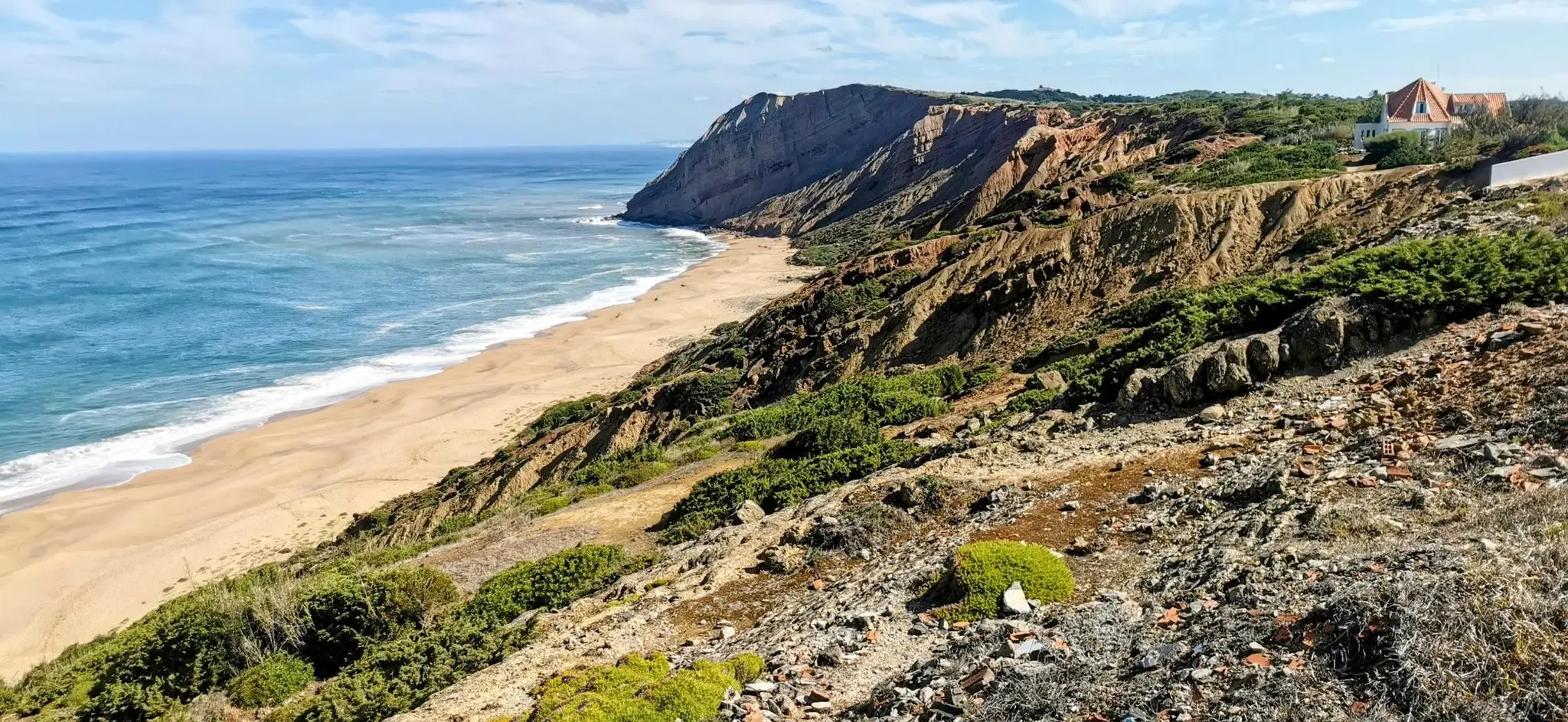
EuroVelo 1 Portugal – Cycle the Atlantic Coast
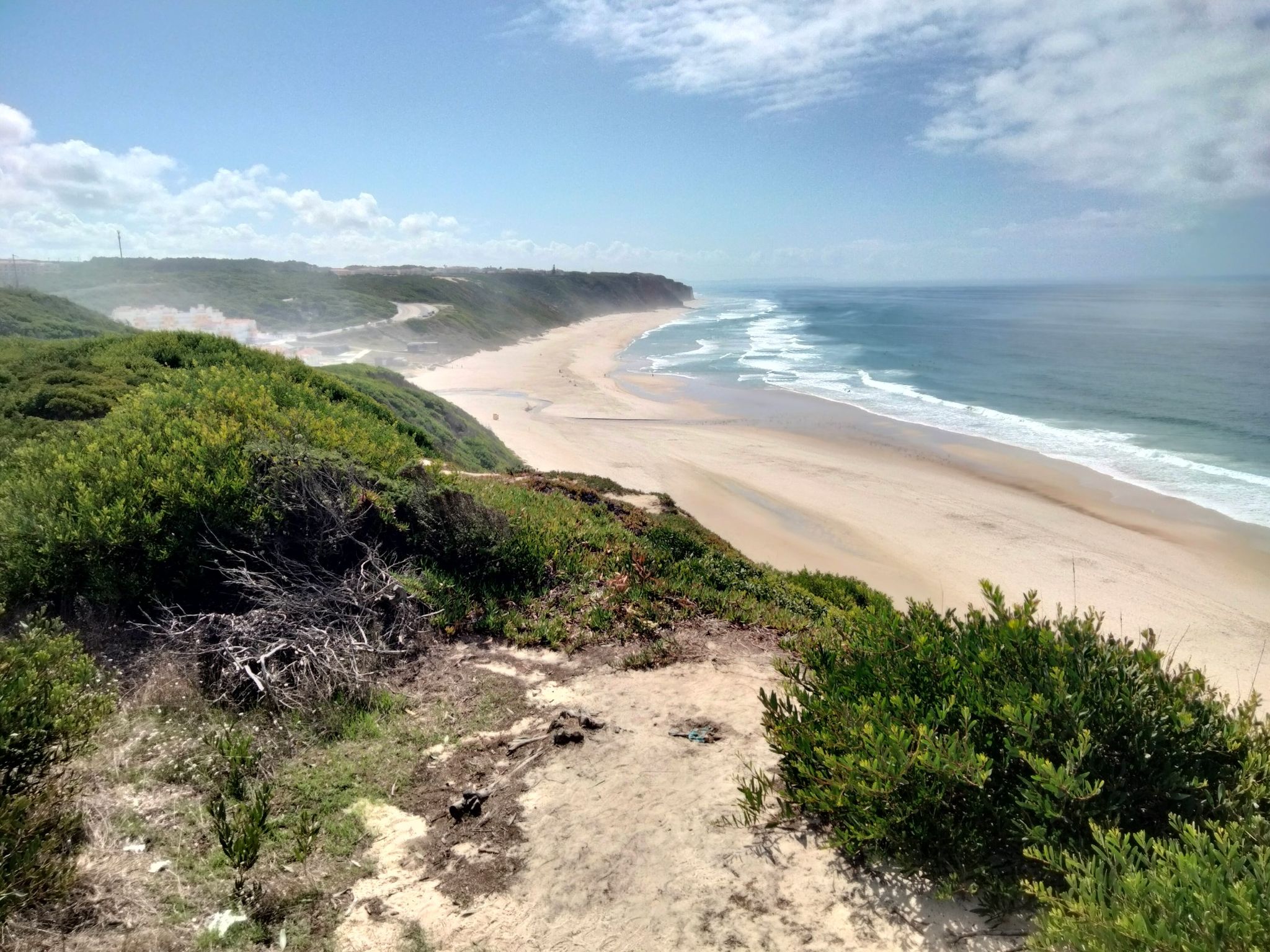
Portugal's Atlantic coast (north) – from Caminha to Lisbon
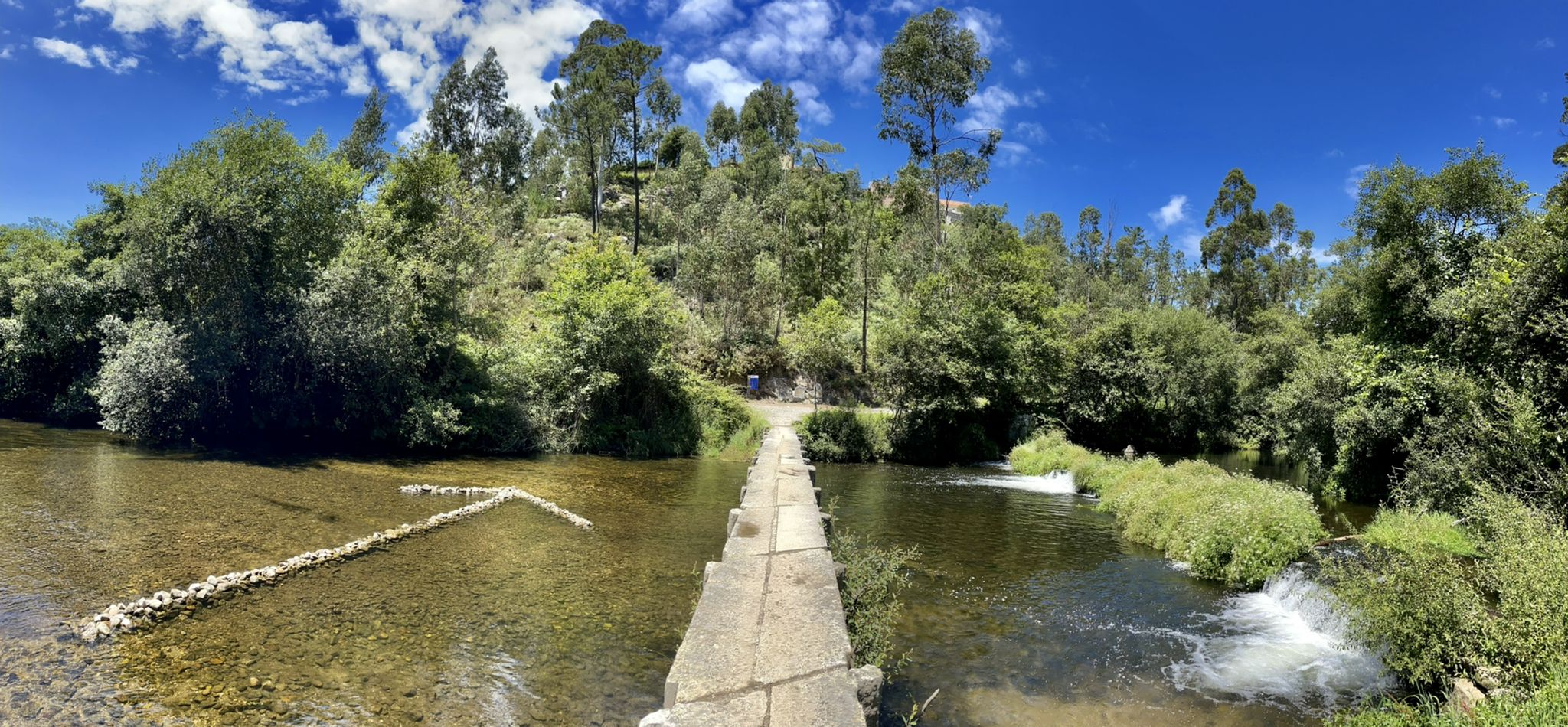
The challenge that knows no frontiers — Portuguese Coast Path
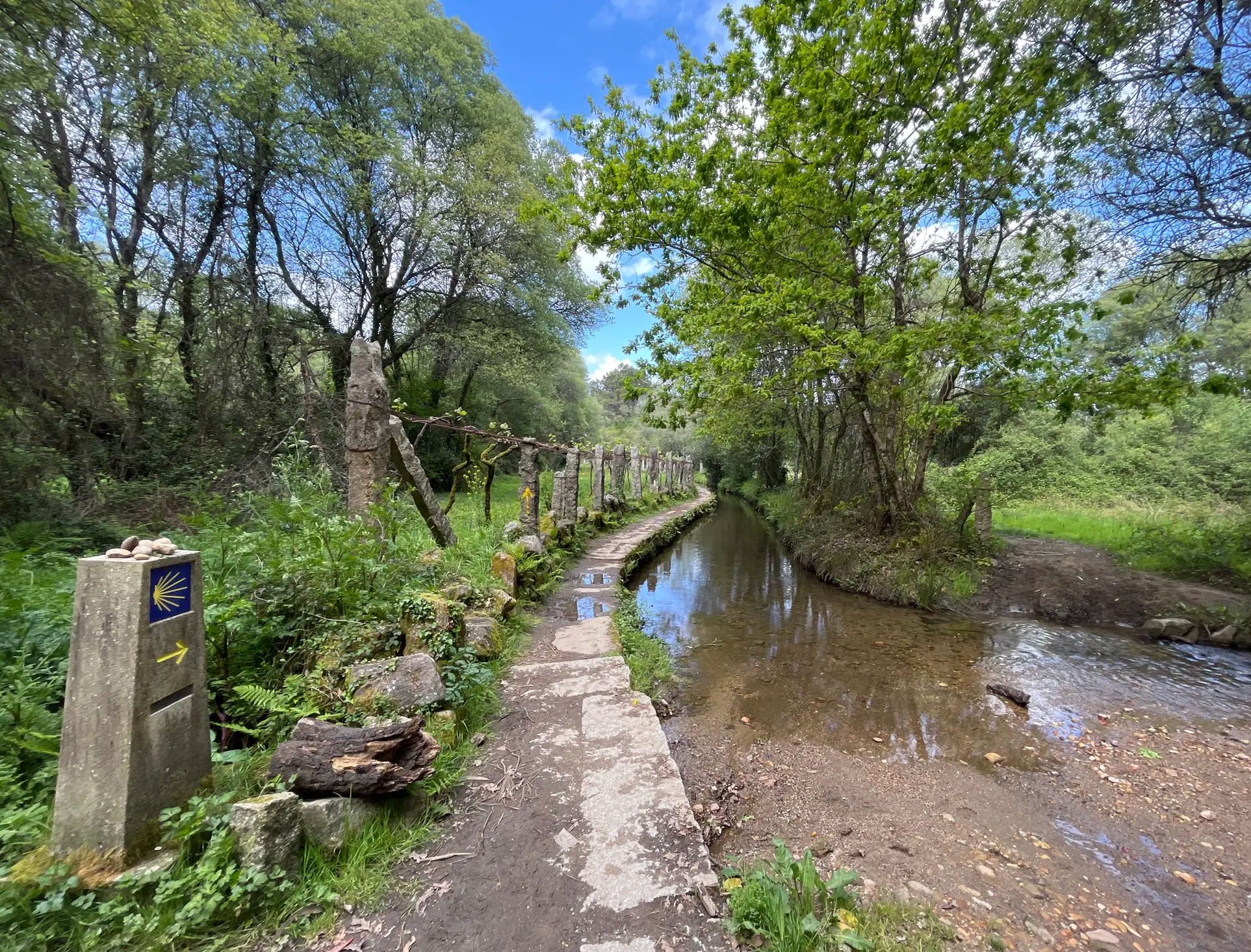
Na Rota dos Peregrinos – o Caminho Central Português
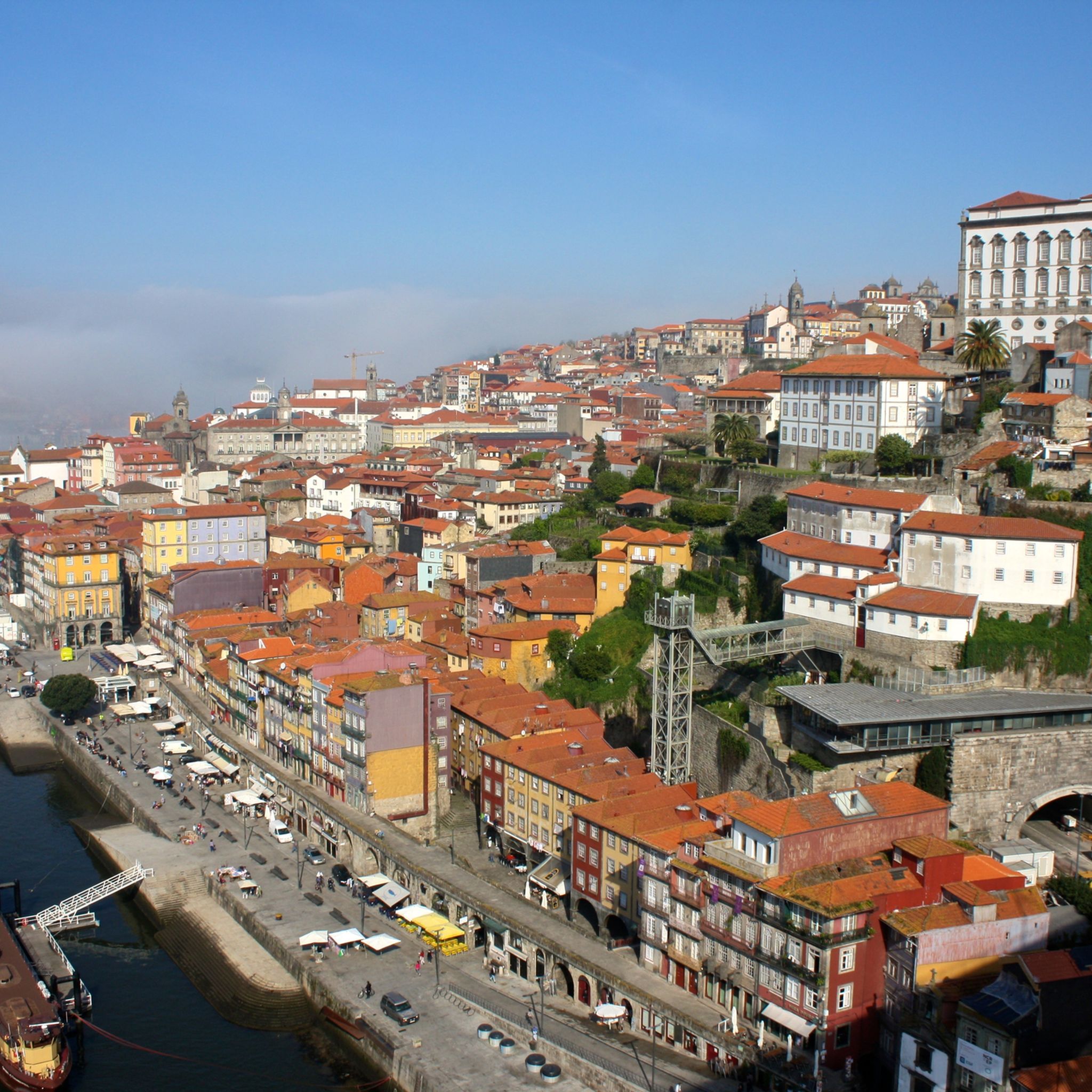
Cycling in Porto
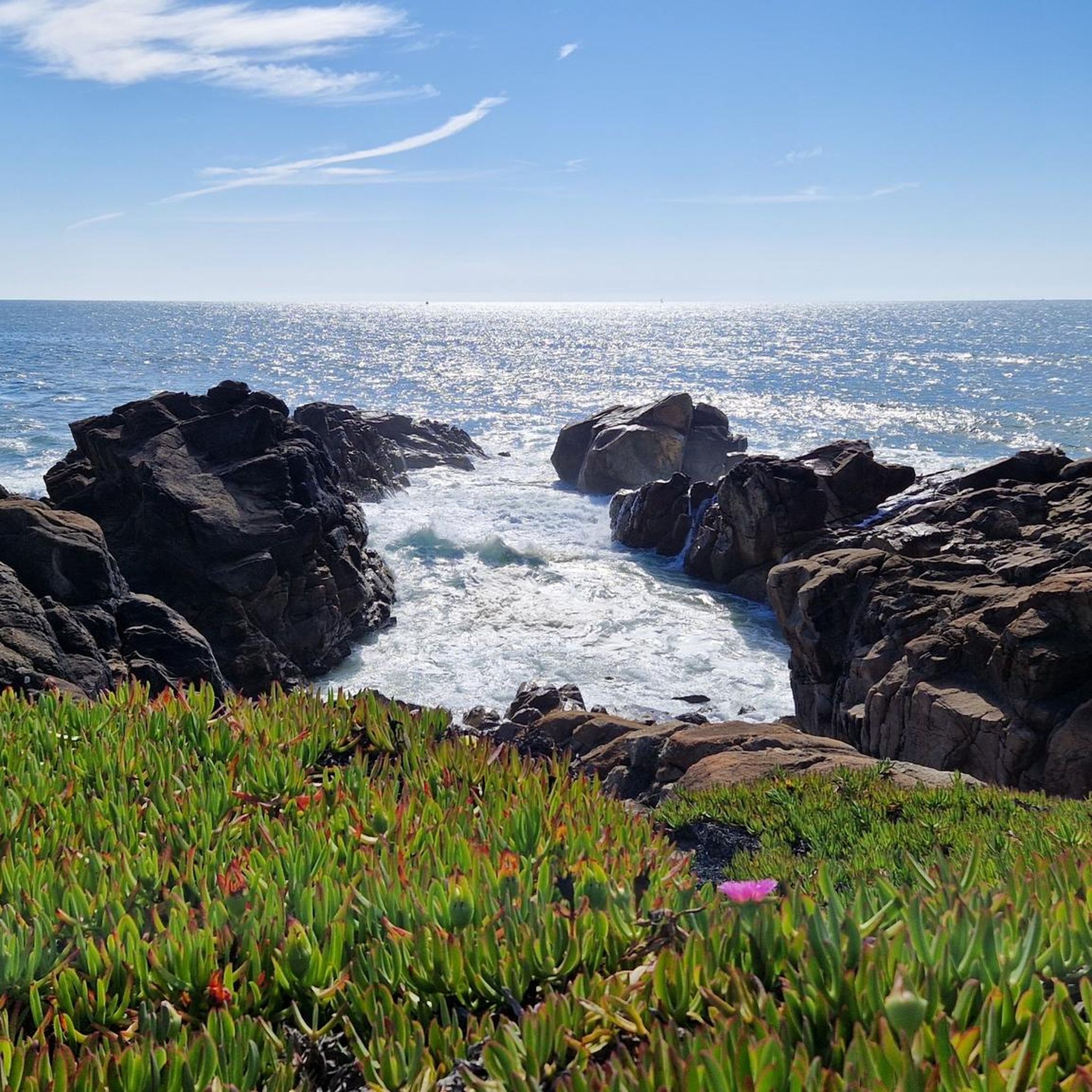
Running Trails in Porto
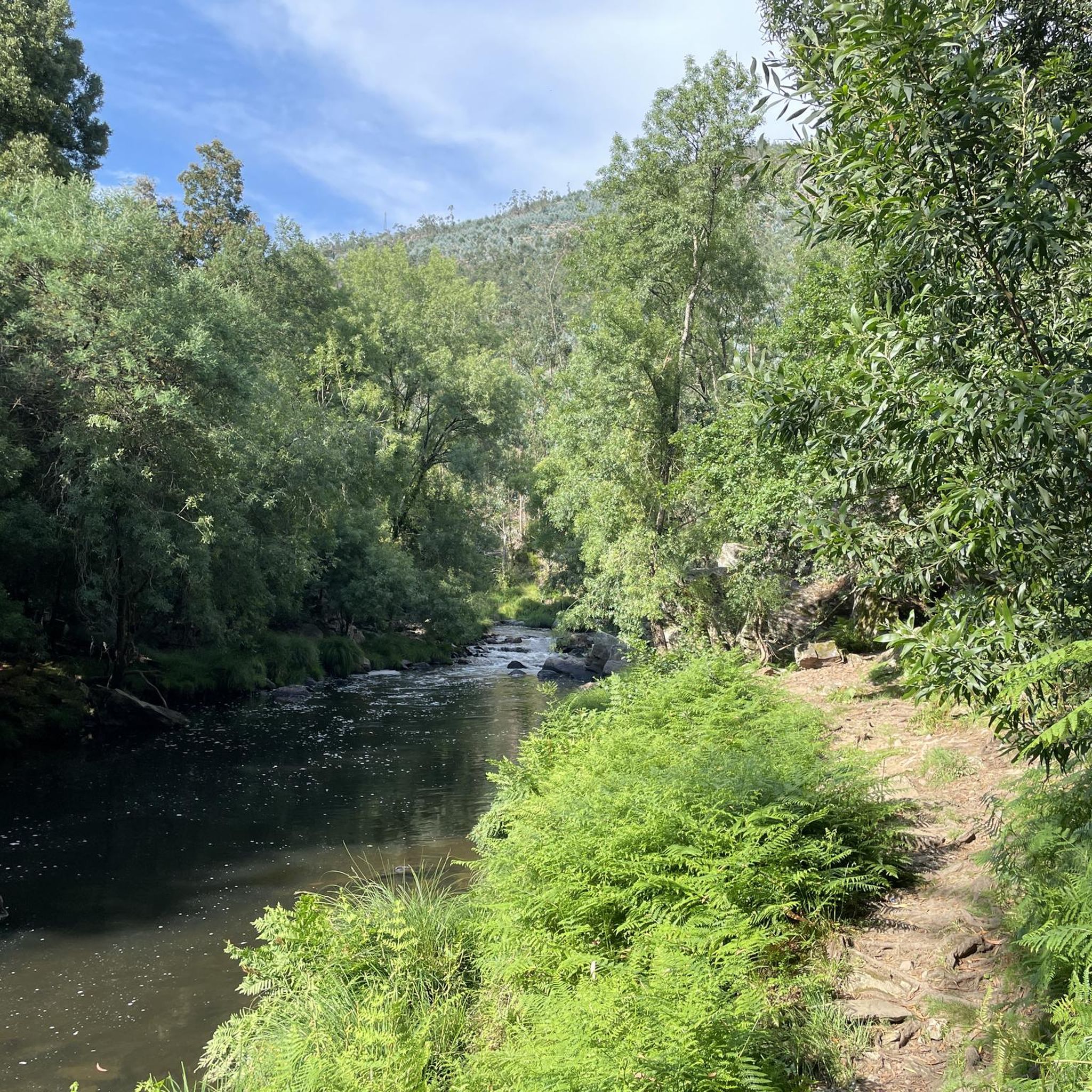
Hiking in Porto
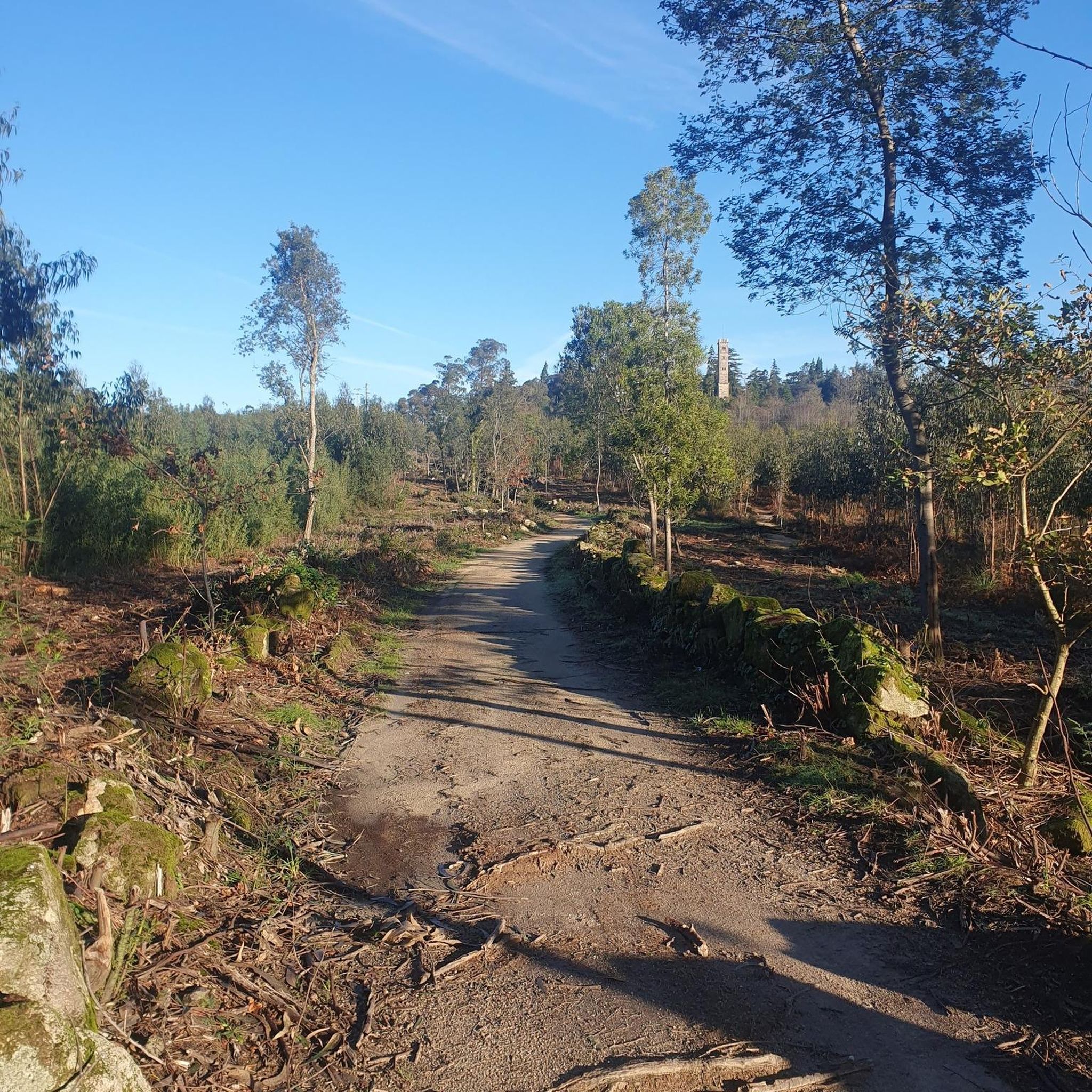
MTB Trails in Porto
Road Cycling Routes in Porto
Other adventures in Porto


Tips from the Community


What to Expect Exhibitions: The museum has an exhibition room with various models of handcrafted boats, pieces of sacred art, and costumes related to local fishing life. Temporary exhibitions are frequently updated and related to maritime themes. Historical Building: The museum originated from the restoration project of the ESN building, which in itself is an attraction, also allowing the return of the shipwreck rescue service to the ground floor. Memory Tower: Climbing the tower of the building is worthwhile for panoramic views over the Cávado River estuary and the Esposende coast.
1
0
Practical Information Location: Maritime Rescue Station, Av. Eng. Eduardo Arantes e Oliveira 54, 4740-204 Esposende, Portugal. Contact: Phone: +351 253 964 836. Opening Hours (Winter, subject to change): Monday to Friday: 09:30–12:30, 14:00–17:30. Saturday and Sunday: Closed. Price: Ticket cost varies between €1.75 and €2.50. Website: More information is available on the official website of the Esposende Maritime Museum.
1
0
The Esposende Maritime Museum is housed in a historic building, the Shipwreck Rescue Station (ESN), at Avenida Eng. Eduardo Arantes e Oliveira, 54, in Esposende, Portugal. The museum preserves the memory of the local community's connection to the sea and fishing.
1
0
Other Bridges Cávado Bridge (Planned): There is a project underway by the municipality of Esposende to build a pedestrian and cycle bridge over the Cávado River, which will connect the Cávado Ecovia to the North Coast Ecovia.
2
0
The Bridge over the Neiva River Location: The bridge is located in the parish of Antas, in the municipality of Esposende, near the mouth of the Neiva River. Characteristics: It is a pedestrian and cycle bridge with a modern design and remarkable architecture, inaugurated in 2019, which integrates perfectly into the bucolic environment of the riverbanks. Access and Use: The bridge is a crossing point on the North Coast Ecovia, accessible 24 hours a day, and invites leisurely walks or bike rides along the river. The site is wheelchair accessible and has accessible parking.
2
0
The North Coast Ecovia features a remarkable pedestrian and cycle bridge over the Neiva River, which is one of the highlights of the route. The municipality of Esposende also has plans for a new bridge on the Cávado Ecovia to connect with the North Coast Ecovia.
2
0
Mermaid Sculpture in Portugal In Portugal, there is a "Mermaid Statue" in Vila do Conde, but it is a local attraction without much prominence.
1
0
Frequently Asked Questions
What types of terrain will I encounter on gravel bike trails near Porto?
Gravel biking around Porto offers a diverse range of surfaces. You can expect smooth packed earth, loose gravel, forest paths, and even historic Roman roads and cobbled streets. The region also features dedicated ecotrails, providing varied and engaging rides.
Are there gravel routes suitable for beginners in Porto?
Yes, Porto offers several gravel routes suitable for riders new to the sport or those preferring a more relaxed pace. Many coastal paths and river ecotrails provide relatively flat and scenic options. For example, the Gravel loop from Sobrado is a moderate 12.5 km route that can be completed in about 1 hour 20 minutes.
What are some scenic highlights or landmarks I can see while gravel biking in Porto?
The region is rich in natural beauty and cultural landmarks. Along coastal routes, you might encounter the Wooden Walkway Along the Portuguese Coastal Way. Routes along the Douro River offer views of the iconic Dom Luís I Bridge and the Ribeira Promenade. Inland, you can explore traditional villages and terraced vineyards in the Douro Valley, or even ancient Roman roads in more rugged areas like Peneda-Gerês National Park.
Are there any challenging gravel bike trails for experienced riders?
Absolutely. For experienced riders seeking a challenge, the Porto region provides routes with significant elevation gain and more technical sections. The View from Monte de Santa Justa – Salamandra Downhill Track loop from Contumil is a difficult 29 km trail with substantial climbing, often completed in around 2 hours 37 minutes. The mountainous terrain of Peneda-Gerês National Park also offers rugged and adventurous gravel biking opportunities.
What is the best time of year for gravel biking in Porto?
The best time for gravel biking in Porto is generally during the spring (April to June) and autumn (September to October). During these seasons, the weather is typically mild and pleasant, with less rain and comfortable temperatures for riding. Summer can be hot, especially inland, while winter can bring more rainfall.
Are there any circular gravel bike routes available?
Yes, many gravel bike routes in Porto are designed as loops, allowing you to start and finish at the same point. Examples include the popular Esposende Maritime Museum ⛵ – View of the Atlantic Ocean loop from Esposende, which offers coastal views over 53 km, and the Ribeira district – View of the Bridges of Porto loop from Pólo Universitário, exploring urban and riverside landscapes.
What do other gravel bikers say about the trails in Porto?
The gravel biking routes in Porto are highly regarded by the komoot community, with an average rating of 3.3 stars. Riders often praise the diverse landscapes, from stunning coastal paths to tranquil vineyard tracks and challenging inland trails, offering something for every skill level.
Can I find routes that pass through traditional villages or offer cultural experiences?
Many gravel routes in the Porto region are designed to integrate cultural discovery. You can cycle through traditional villages, explore UNESCO World Heritage sites like the Douro Valley, and even stop at Quintas for wine tastings. The routes often provide insights into the region's rich heritage and gastronomy.
Are there options for family-friendly gravel biking in Porto?
While specific 'family-friendly' designations can vary, many of the flatter coastal paths and dedicated river ecotrails offer safer and more accessible options for families. These routes often avoid heavy traffic and provide scenic, less strenuous rides suitable for various ages and abilities.
What kind of elevation changes can I expect on gravel trails in Porto?
The elevation varies significantly across the region. Coastal routes tend to be relatively flat, offering gentle rides. As you move inland, you'll encounter rolling hills and more challenging climbs, particularly in areas like the Douro Valley or towards the mountainous regions, where gradients can reach up to 15% on some sections.
How many gravel bike trails are available in the Porto region?
There are several gravel bike trails available in the Porto region, catering to various skill levels. You'll find a good selection of routes, including moderate and more difficult options, to explore the diverse landscapes.
Most popular routes in Porto
Most popular attractions in Porto

Get inspired with the komoot mobile app


Explore more
Browse the best Gravel rides in other regions.
