Top 10 Caves around Saint-Julien-En-Vercors
Caves around Saint-Julien-En-Vercors are a prominent feature of the Vercors Regional Natural Park, an area recognized for its extensive subterranean networks. The region offers a diverse range of caving experiences, with more than 3,500 caves documented. This natural landscape provides opportunities for exploring geological formations and unique underground environments.
Best caves around Saint-Julien-En-Vercors
- The most popular caves is Gournier Cave, a cave that is easily visible from the outside without specific equipment. It is located near the Choranche cave…
Last updated: August 29, 2026
Choranche
Highlight • Gorge
Translated by Google •
Tip by

Corrençon Natural Icehouse
Highlight • Cave
Translated by Google •
Tip by

Sign up now to discover places like this
Get recommendations on the best single tracks, peaks, & plenty of other exciting outdoor places.
Sign up for free
Blowing Hole Cave
Highlight • Cave
Translated by Google •
Tip by

Gournier Cave
Highlight • Cave
Translated by Google •
Tip by

Grotte de Bournillon
Highlight • Cave
and well over 100 meters high entrance portal to the largest in Europe. Together with the Grotte de Luire it is a huge cave system.
Translated by Google •
Tip by

Sign up for free to discover even more caves around Saint-Julien-En-Vercors.
Sign up for free
Already have an account?
Start today with a free account
Your next adventure awaits.
Login or Signup
Popular around Saint-Julien-En-Vercors
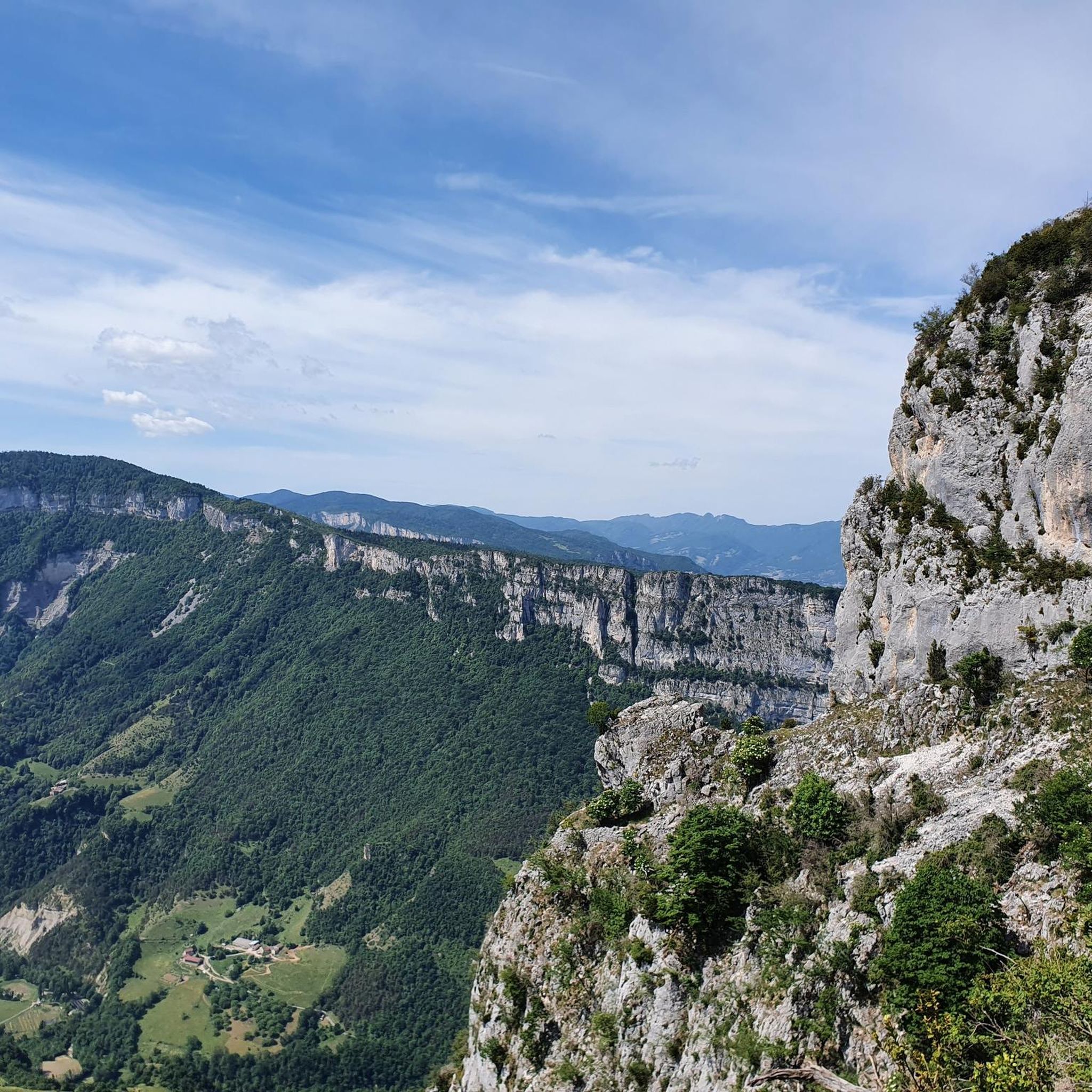
Road Cycling Routes around Saint-Julien-En-Vercors
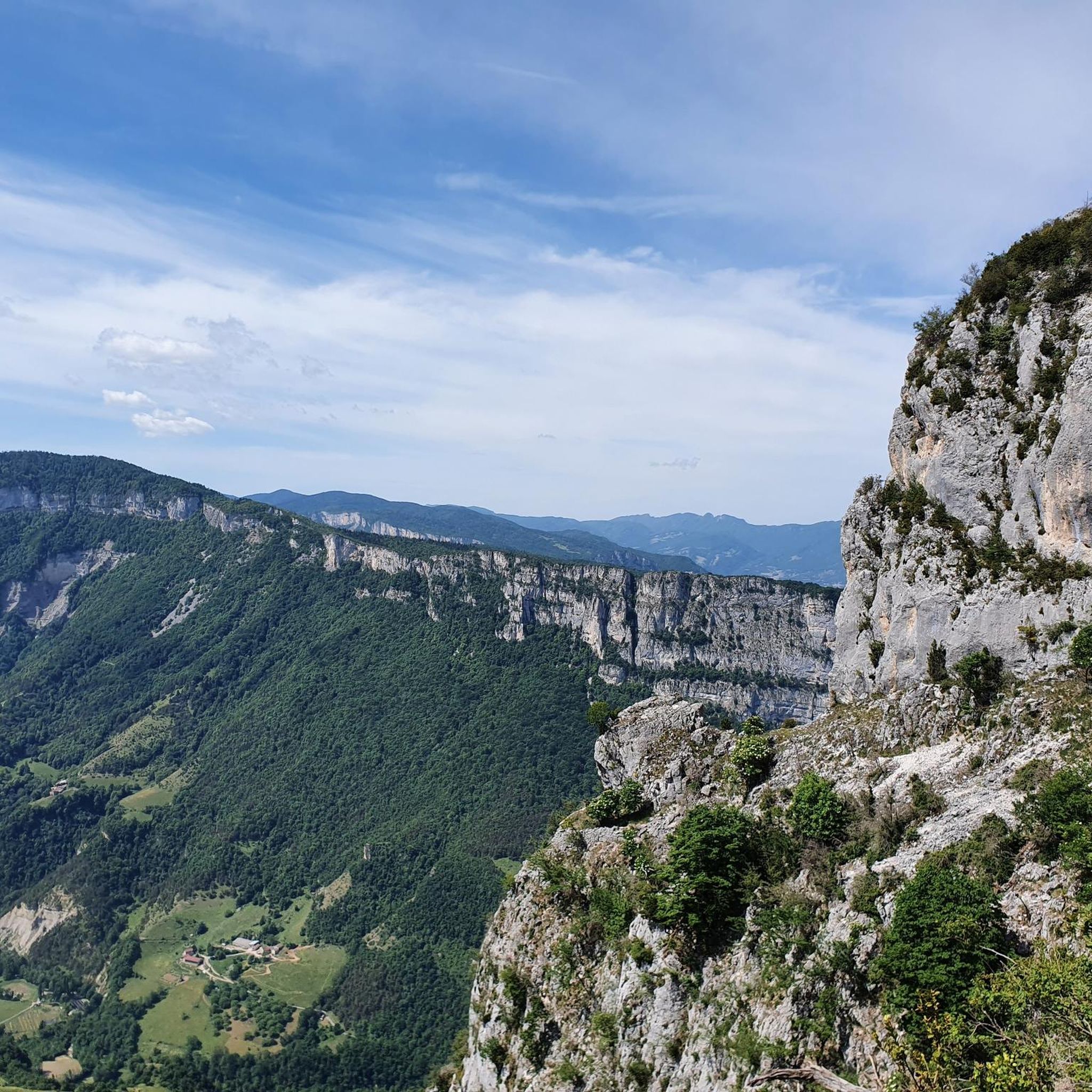
Cycling around Saint-Julien-En-Vercors
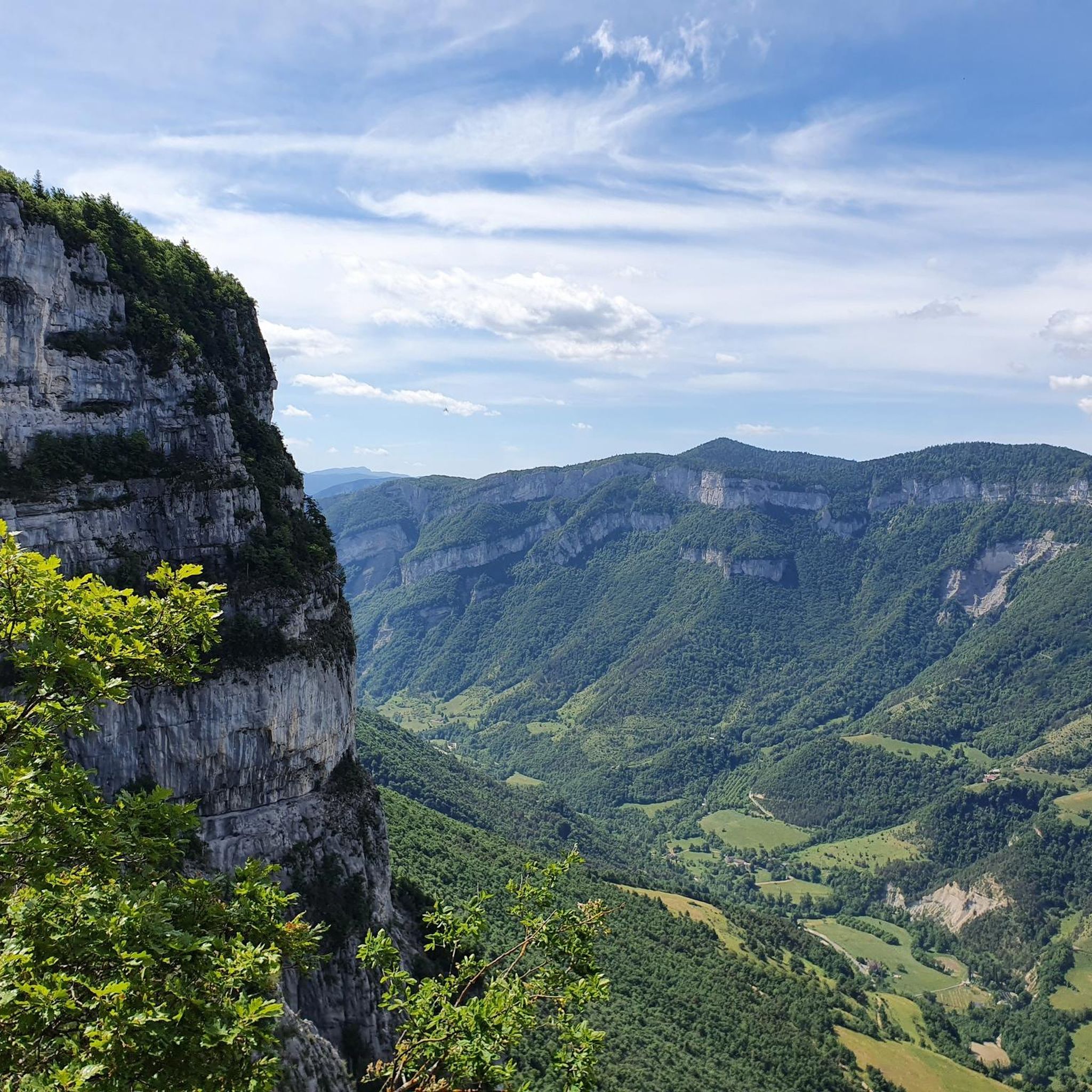
Hiking around Saint-Julien-En-Vercors
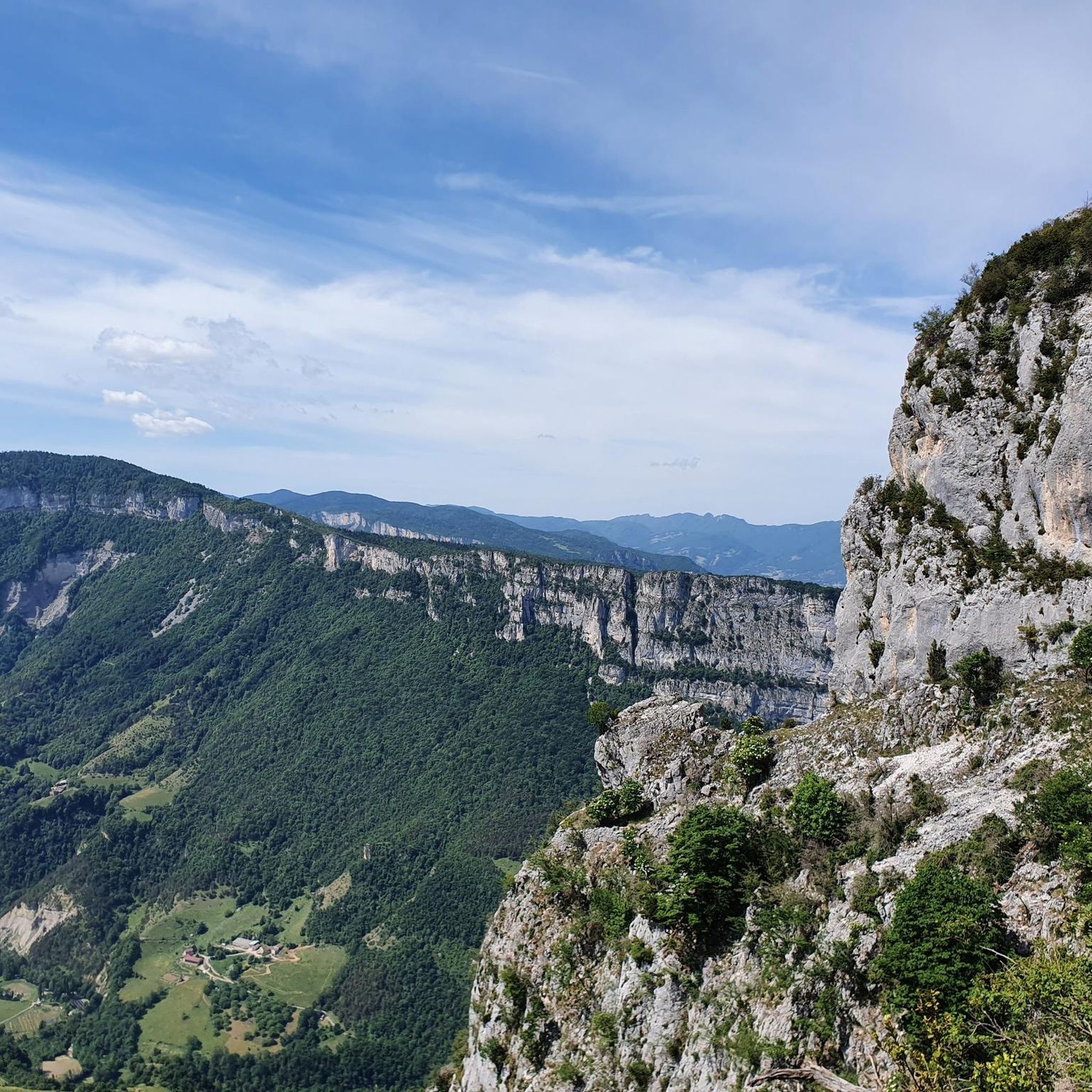
MTB Trails around Saint-Julien-En-Vercors
Gravel biking around Saint-Julien-En-Vercors
Running Trails around Saint-Julien-En-Vercors
Mountain Hikes around Saint-Julien-En-Vercors
Tips from the Community

Le Trou qui Souffle is a vast network of underground cavities and a natural curiosity located in the commune of Autrans-Méaudre en Vercors, in the Isère region. The main entrance was discovered in 1909 during road works, then explored subsequently. Its resurgence is found further down at the Pont de la Goule Noire in the Gorges de la Bourne. It is the second longest network in the Vercors massif, with nearly 50 kilometers of explored galleries and an elevation difference of 670 meters.
0
0

Nice little place, the climb up to here is still manageable. Nice views nonetheless.
0
0

Ice reserve still exploited not so long ago (until the mid-20th century). Interesting explanatory panels.
1
0

This cave, discovered in 1936, belongs to a network of underground karst cavities in the Vercors massif. In total, this complex extends over around fifty kilometers.
2
0

You have to go take a look before or after visiting the Choranche cave. It's not far at all and the trail is accessible even to children. The cave is easily visible (staying outside) without specific equipment. You can then go see the waterfall.
1
0

Easy climb, ideal for the kids, to a majestic cave!
1
0

La Glacière is a 14 m deep cave. It is the result of the dissolution and erosion of limestone by the long work of water. In the 1700s, landmarks bear witness to the presence of men who came here to exploit the ice. The latter will engrave various inscriptions on the wall. But it was at the beginning of the 20th century that this cave was mainly exploited. Indeed, the ice extracted using a sled is used by cafeterias in Grenoble and hospitals. In 1964, the cooler was 4 m thick, today it is endangered. The rockslides made access to the cooler dangerous and it was closed to the public in 1999.
0
0

Arrived in Choranche from Presle, take advantage of this stopover to refill your water. You can easily get supplies in the village or by going for a hike to the Gournier waterfall where you will also find a shop near the entrance to the Gournier cave. Choranche holds in its heart the waterfall and the cave of Gournier. Real unusual, the cave of Gournier contains an underground lake that you will have to cross to start your caving excursion. Another portion of the cave is open to guided tours. For more information on the site and the opening to visits of the cave follow these links: Caving, The cave of Gournier | Isère Tourisme (isere-tourisme.com) the Grotte de Choranche, an exceptional natural place in the heart of Vercors! (visite-nature-vercors.com)
1
0
Frequently Asked Questions
What unique geological features can I expect to see in the Vercors caves?
The Vercors region's caves are renowned for their diverse geological formations. You can expect to see stunning stalactites and stalagmites, underground rivers and lakes, and even impressive ice formations, such as those found in the Font d'Urle Ice Cave, which retains ice even in summer.
Are there any caves with historical significance in the region?
Yes, several caves in the Vercors hold historical interest. For instance, the Corrençon Natural Icehouse was historically exploited for ice until the mid-20th century, with explanatory panels detailing its past. The Chimney Grotto has yielded deer antlers from the Neolithic era, and Ours' Grotto notably hosted both a bear and later resistance fighters during WWII.
Are there family-friendly caves around Saint-Julien-En-Vercors?
Absolutely. The Gournier Cave is easily visible from the outside without specific equipment and is accessible even to children. The Chimney Grotto is also described as an ideal 'first underground experience' due to its accessible yet engaging nature, and Ture's Grotto offers an easy introduction to underground exploration.
What are some caves suitable for beginners or those new to caving?
For those new to caving, the Chimney Grotto offers an accessible and engaging introduction. Ture's Grotto is also ideal for an easy initiation into underground exploration. Ferrières Cave is considered an easy visit by speleologists, requiring no specific technical skills beyond basic rock climbing, and Ours' Grotto is suitable for beginners without requiring special skills.
What outdoor activities can I do near these caves?
The area around Saint-Julien-En-Vercors offers a variety of outdoor activities. You can find numerous running trails, cycling routes, and gravel biking paths. Some caves, like Bournillon Cave, are also near sites offering climbing and base jumping, though speleological activity there is supervised.
What is the best time to visit the caves in the Vercors region?
Many caves in the Vercors region, especially those developed for tourism like Choranche Cave, are open year-round or during extended seasons. Visiting in warmer months can offer a cool escape, while some caves, like the Font d'Urle Ice Cave, are particularly impressive in summer due to their unique ice formations. It's always advisable to check specific cave opening hours before your visit.
Are there guided tours available for exploring the Vercors caves?
Yes, the Vercors region offers opportunities for guided caving tours into 'Vertaco caves' for various skill levels. Caves like Choranche Cave are highly touristic and offer well-equipped sites with amenities and guided experiences. Grotte de la Chèvre also provides knowledgeable guides who offer insights into its geological history and ecosystems.
What should I wear for caving in the Vercors?
When caving in the Vercors, it's generally recommended to wear layers of clothing as cave temperatures are consistently cool, even in summer. Sturdy, closed-toe shoes with good grip are essential. Depending on the cave, you might also need a helmet with a headlamp, gloves, and waterproof outerwear, especially for more adventurous or wet explorations.
Are there any caves that offer a more adventurous caving experience?
For a more adventurous experience, consider the Grotte des Gaulois. Access involves climbing about twenty meters, navigating a horizontal passage, and crawling through a narrow 'chatière' (cat flap) before reaching a unique 'balcony window' thirty meters above ground. The Eymards Cave in Lans-en-Vercors is also known for its abseiling wells, offering a more technical challenge.
What makes the Bournillon Cave a significant natural wonder?
Bournillon Cave, near Châtelus, is a major geological phenomenon in Vercors. It boasts one of the largest cave entrances in Europe and is notable for the significant amount of water it collects, ranking as the third-largest resurgence in France by flow. Its sheer scale and hydrological importance make it a remarkable natural wonder.
Can I see bats in the Vercors caves?
Yes, many bat species reside in the Vercors caves. For example, Ture's Grotto is known to host many bat species, offering a chance to observe them. Speleological activity in some areas, like Bournillon Cave, is supervised to protect bat habitats, highlighting their presence and importance in the region's subterranean ecosystems.
Most popular routes around Saint-Julien-En-Vercors
Most popular attractions around Saint-Julien-En-Vercors

Get inspired with the komoot mobile app


Explore more
Extend your search for the best caves by checking out these guides of the top ones around Saint-Julien-En-Vercors:
