The 4 Most Amazing Peaks around Abbasanta
Best mountain peaks around Abbasanta are found in the surrounding regions, as Abbasanta itself is situated on a lava plateau with an average elevation of 315 meters. The area's volcanic origins, stemming from the Montiferru volcano, have shaped a landscape characterized by cork oaks, olive trees, and pastures. This geographical context provides diverse terrain for exploration, bordering the Marghine mountain range and the Montiferru massif. The region offers opportunities to experience its unique geology and vegetation.
Best mountain peaks around…
Last updated: July 2, 2026
Monte Agudu (Sa Rocca de Tiu Antoni Gana)
Highlight • Summit
Translated by Google •
Tip by

Shaded Rest Spot at Badde Urbara Summit
Highlight • Summit
(This is one of the very few trees on the top of Badde Urbara to have been saved from the …
Translated by Google •
Tip by
Sign up now to discover places like this
Get recommendations on the best single tracks, peaks, & plenty of other exciting outdoor places.
Sign up for free
Monte Sant'Antonio
Highlight • Summit
of nature submerged in the woods and in the Mediterranean scrub. Country churches and archaeological sites abound …
Translated by Google •
Tip by

Monte Urtigu Viewpoint
Highlight • Viewpoint
Showing Translation
Tip by

Monte Armiddosu
Highlight • Summit
Mount Armiddosu takes its name from this plant, which accompanies us on the climb to the plateau of the summit.
Passing by Pranos …
Translated by Google •
Tip by
Start today with a free account
Your next adventure awaits.
Login or Signup
Tips from the Community

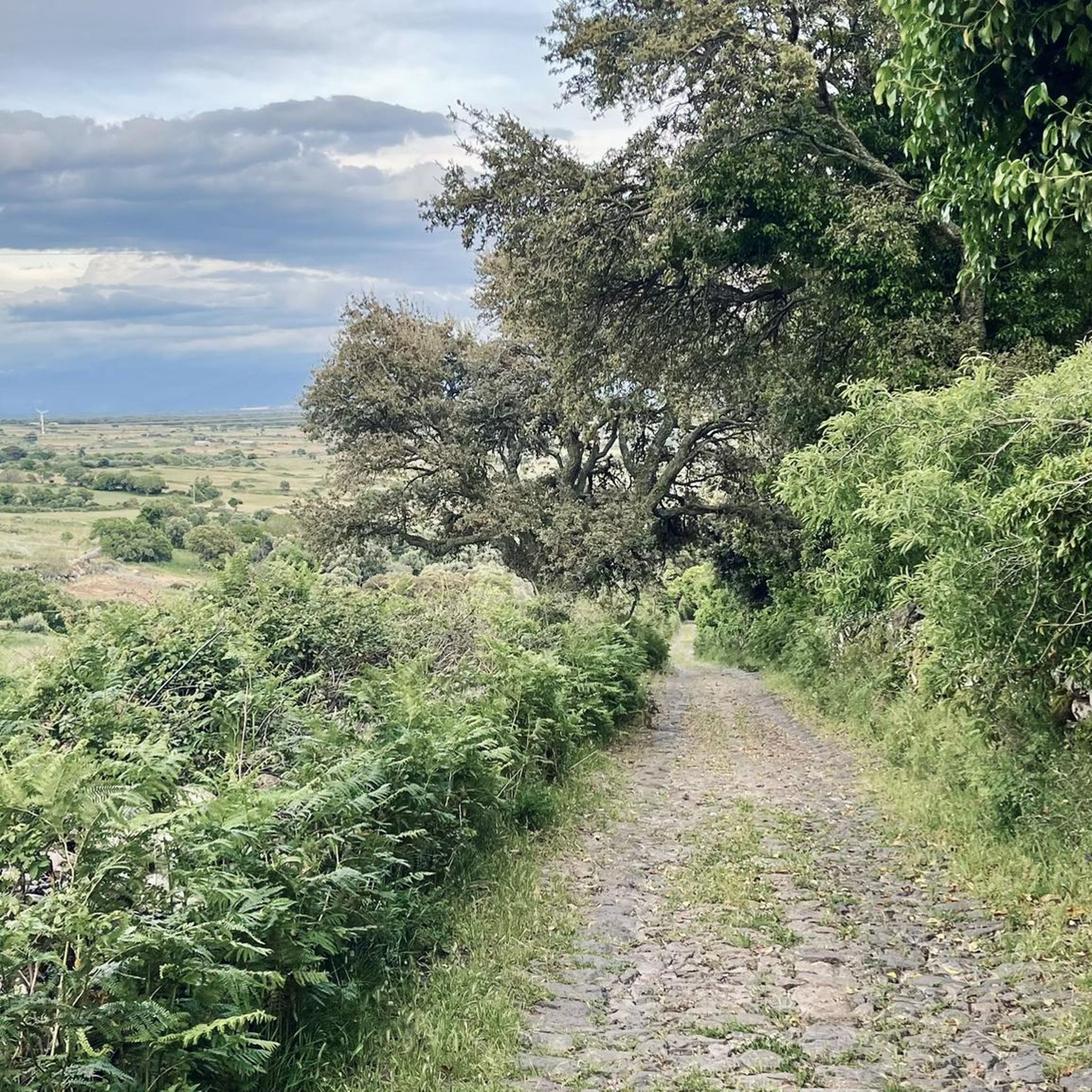
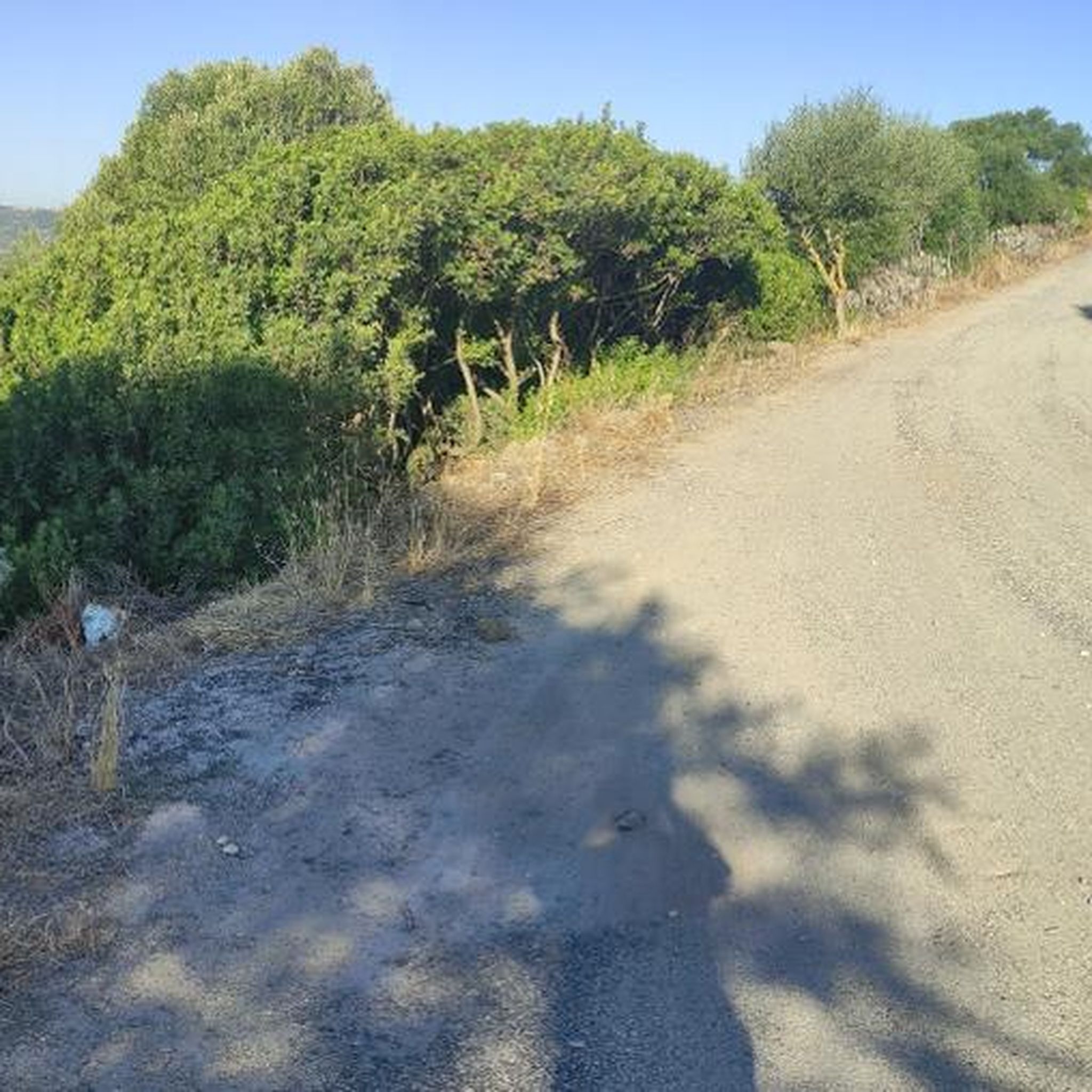
"S'Armidda" is the Sardinian name for thyme. Mount Armiddosu takes its name from this plant, which accompanies us on the climb to the plateau of the summit. Passing by Pranos and its cherry orchards, the road soars with slopes that reach over 20%. Once at the top, however, you are rewarded with beautiful views of the valley below.
0
0
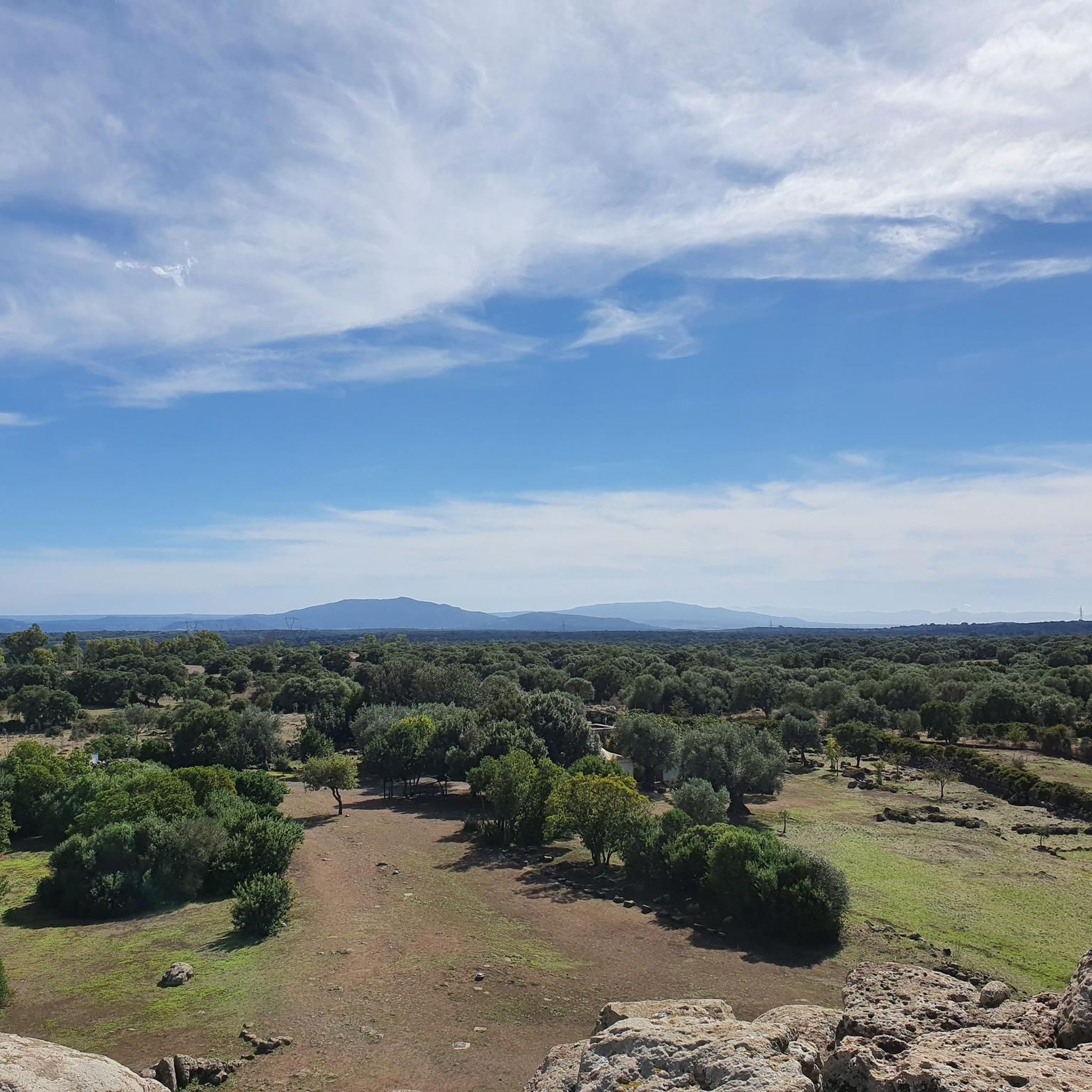
Also known as Monte Agudu, it rises imposingly reaching almost 900m in altitude. On the summit there are the remains of a probable late-Nuragic sanctuary
2
0
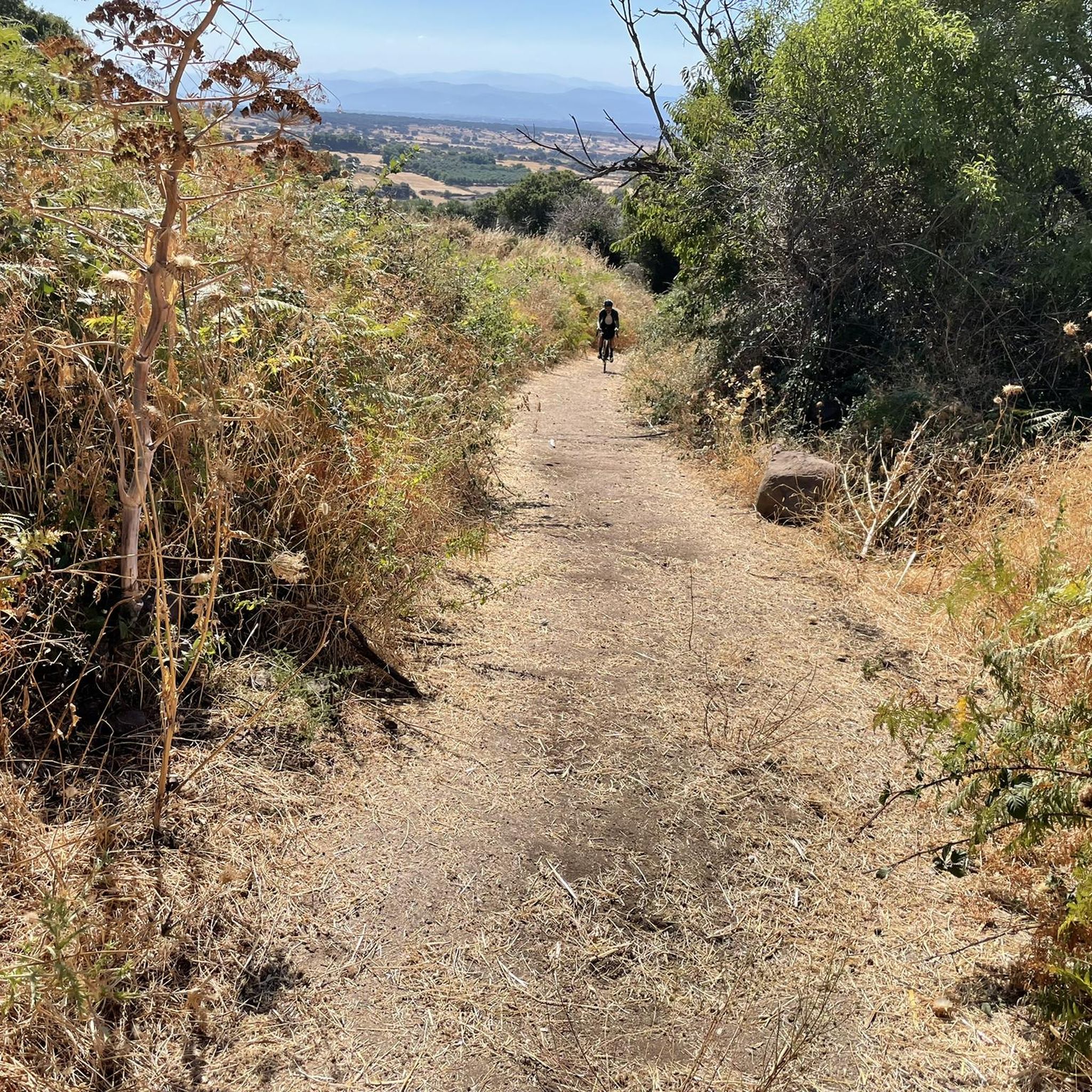
You've reached the top, take a break in the shade. (This is one of the very few trees on the top of Badde Urbara to have been saved from the 2021 fire, and remains one of the few shaded points in the area with the exception of the descent which then takes you back to the provincial road towards Cuglieri. The descent towards Elighes Uttiosos shows this fact very well, as after almost three years the charred skeletons of the trees that once populated this hill can still be found, today replaced only by shrubs).
0
0

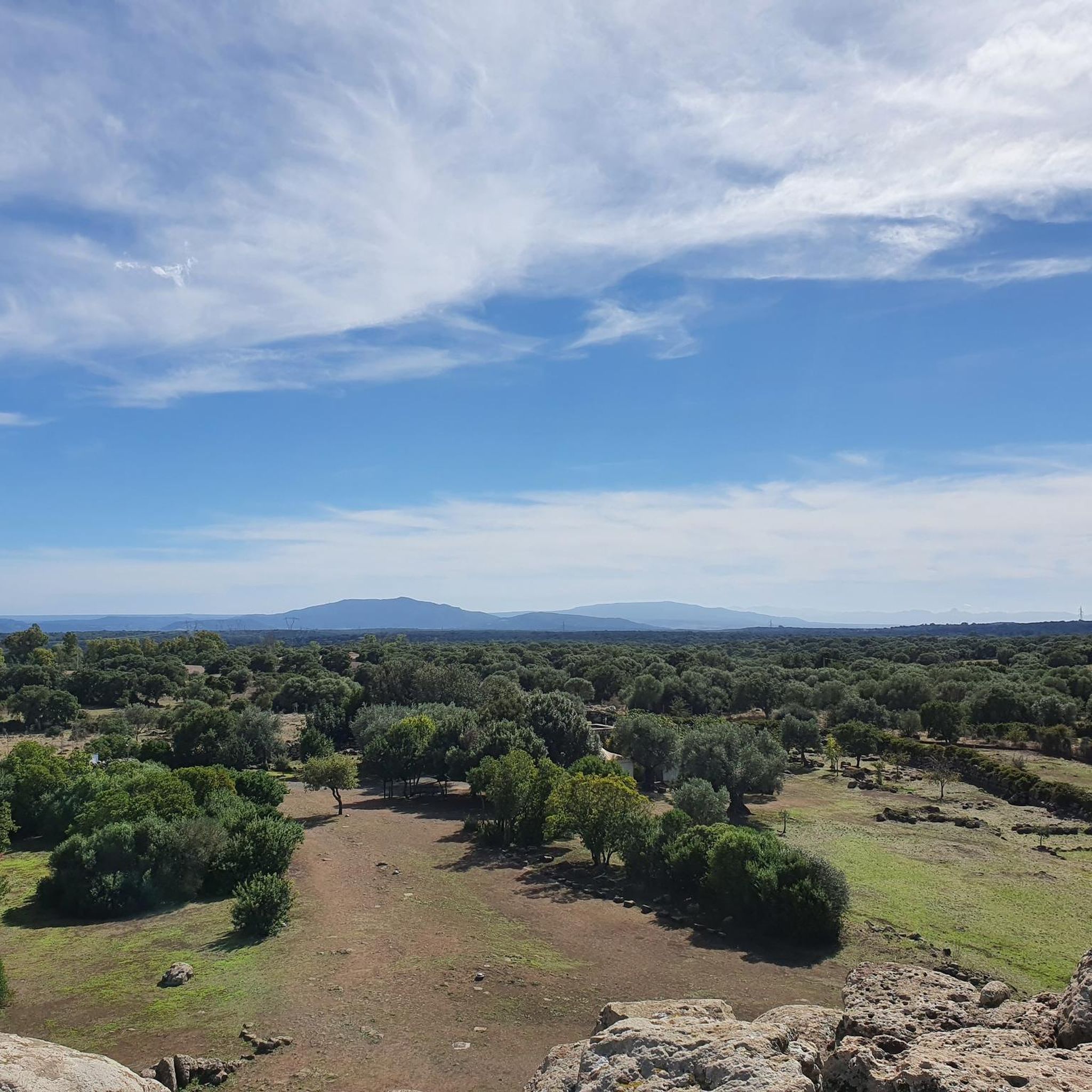
From this point, you have a splendid view of the Sardinian hinterland, especially Montiferru and the surrounding valleys.
0
1

The Monte di Sant'Antonio is a relief of volcanic origin, a suggestive corner of nature submerged in the woods and in the Mediterranean scrub. Country churches and archaeological sites abound throughout the area. Here there is also the statue of the Madonna, of Sant'Antonio di Padova, and a nuraghe is hidden in the thick vegetation.
1
0
Frequently Asked Questions
What are the most notable mountain peaks near Abbasanta?
While Abbasanta itself is on a plateau, the surrounding regions offer several significant peaks. Monte Agudu (Sa Rocca de Tiu Antoni Gana) stands out, rising almost 900m and featuring remains of a late-Nuragic sanctuary. Another is Monte Sant'Antonio, a volcanic relief rich in woods, Mediterranean scrub, and archaeological sites.
What kind of natural features can I expect to see on these peaks?
The peaks around Abbasanta, particularly in the Montiferru and Marghine ranges, are shaped by volcanic origins. You'll find diverse landscapes with cork oaks, olive trees, and pastures. Peaks like Monte Sant'Antonio are submerged in dense woods and Mediterranean scrub, offering a rich natural environment.
Are there historical or cultural sites on the mountain peaks?
Yes, several peaks combine natural beauty with historical significance. Monte Agudu hosts the remains of a probable late-Nuragic sanctuary. Monte Sant'Antonio is known for its country churches, archaeological sites, and a hidden nuraghe within its thick vegetation.
What hiking opportunities are available near Abbasanta's peaks?
The region offers various hiking trails. For example, you can explore the Sos Molinos Waterfall and Monte Pertosu Loop, a moderate trail through forests and past historical mills. Other options include trails around Su Mullone or the Santa Cristina Country Church loop.
Are there any challenging mountain trails for experienced hikers?
Yes, for those seeking a challenge, Monte Armiddosu offers a trail with slopes reaching over 20%. The climb is rewarded with beautiful views of the valley below. You can find more challenging routes in the hiking guide for Abbasanta.
What other outdoor activities can I do in the mountain areas around Abbasanta?
Beyond hiking, the area is excellent for cycling. You can find numerous road cycling routes, such as the Lake Omodeo Loop or tours on the Abbasanta plateau. For mountain biking enthusiasts, there are MTB trails like the Paulilatino loop through sacred wells and Montiferru.
Is there a good spot to rest and enjoy the views on these peaks?
Yes, the Shaded Rest Spot at Badde Urbara Summit is a notable place to take a break. It's one of the few remaining shaded points on Badde Urbara after the 2021 fire, offering a chance to relax while enjoying the summit views.
What is the best time of year to visit the mountain peaks near Abbasanta?
While specific seasonal advice isn't provided, the region's Mediterranean climate generally makes spring and autumn ideal for outdoor activities, offering milder temperatures for hiking and exploring the peaks. Summer can be quite hot, while winter might bring cooler, potentially wetter conditions.
What do visitors appreciate most about the mountain peaks around Abbasanta?
Visitors appreciate the unique blend of natural beauty and historical elements. The peaks offer stunning viewpoints, opportunities to explore ancient Nuragic sites, and a chance to experience the region's distinct volcanic landscape with its characteristic vegetation. The komoot community has shared 8 photos and given 6 upvotes to these highlights.
Are there any family-friendly options for exploring the mountains?
While specific 'family-friendly' categories aren't listed for the peaks themselves, many of the hiking routes in the area, such as the 'View of the Sea loop from S'Ena 'e s'Alinu' mentioned in the Abbasanta hiking guide, are rated as easy or moderate, making them suitable for families.
What is the geographical context of the mountain peaks around Abbasanta?
Abbasanta is situated on a lava plateau, but it's bordered by the Marghine mountain range to the north and the Montiferru massif. These ranges, shaped by the Montiferru volcano's ancient lava flows, provide the elevated terrain where the significant peaks are found, contributing to the region's diverse and rich landscape.
Most popular attractions around Abbasanta

Get inspired with the komoot mobile app


Explore more
See even more amazing summits around Abbasanta with these guides:
