The best walks and hikes around Abbasanta
4.2
(77)
223
hikers
17
hikes
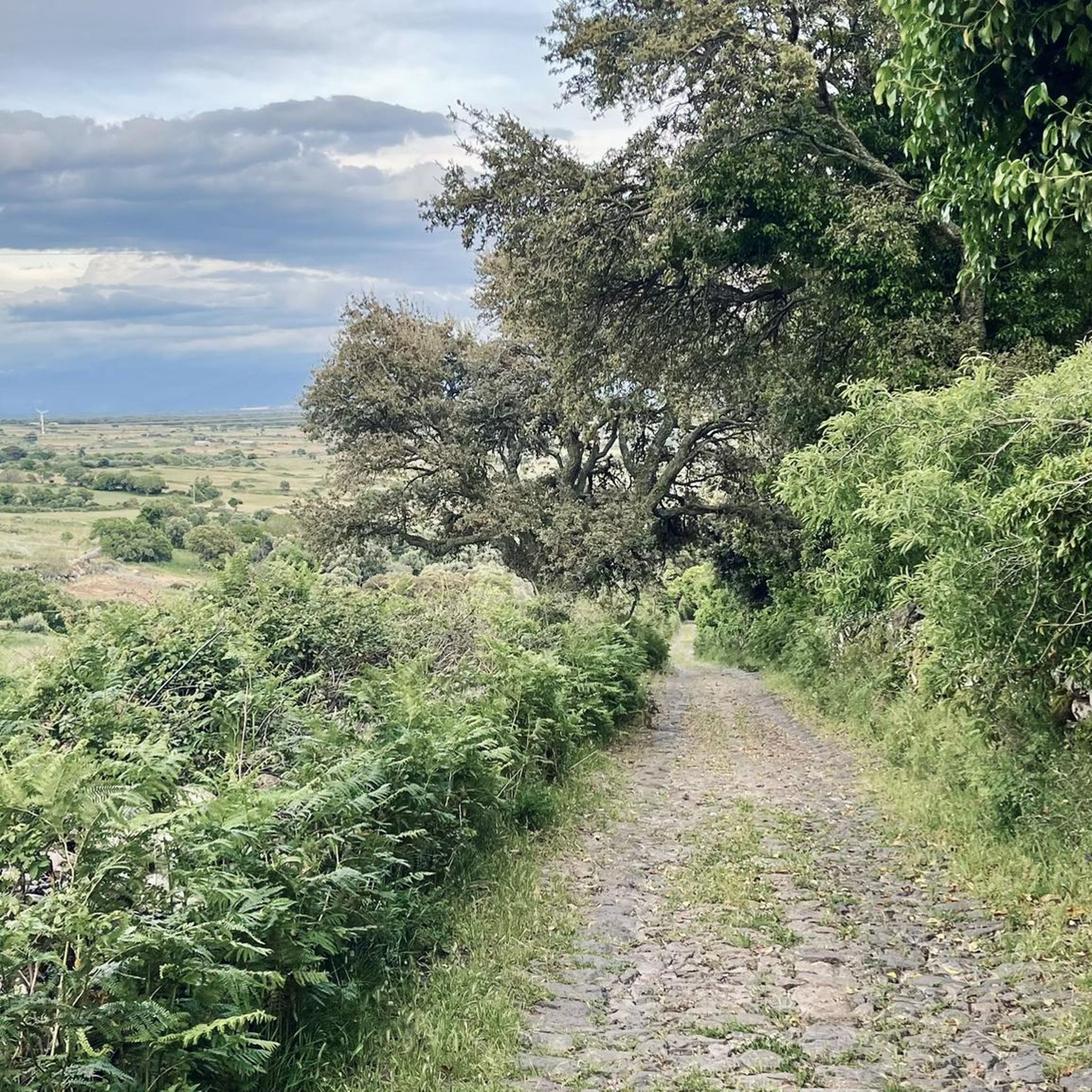
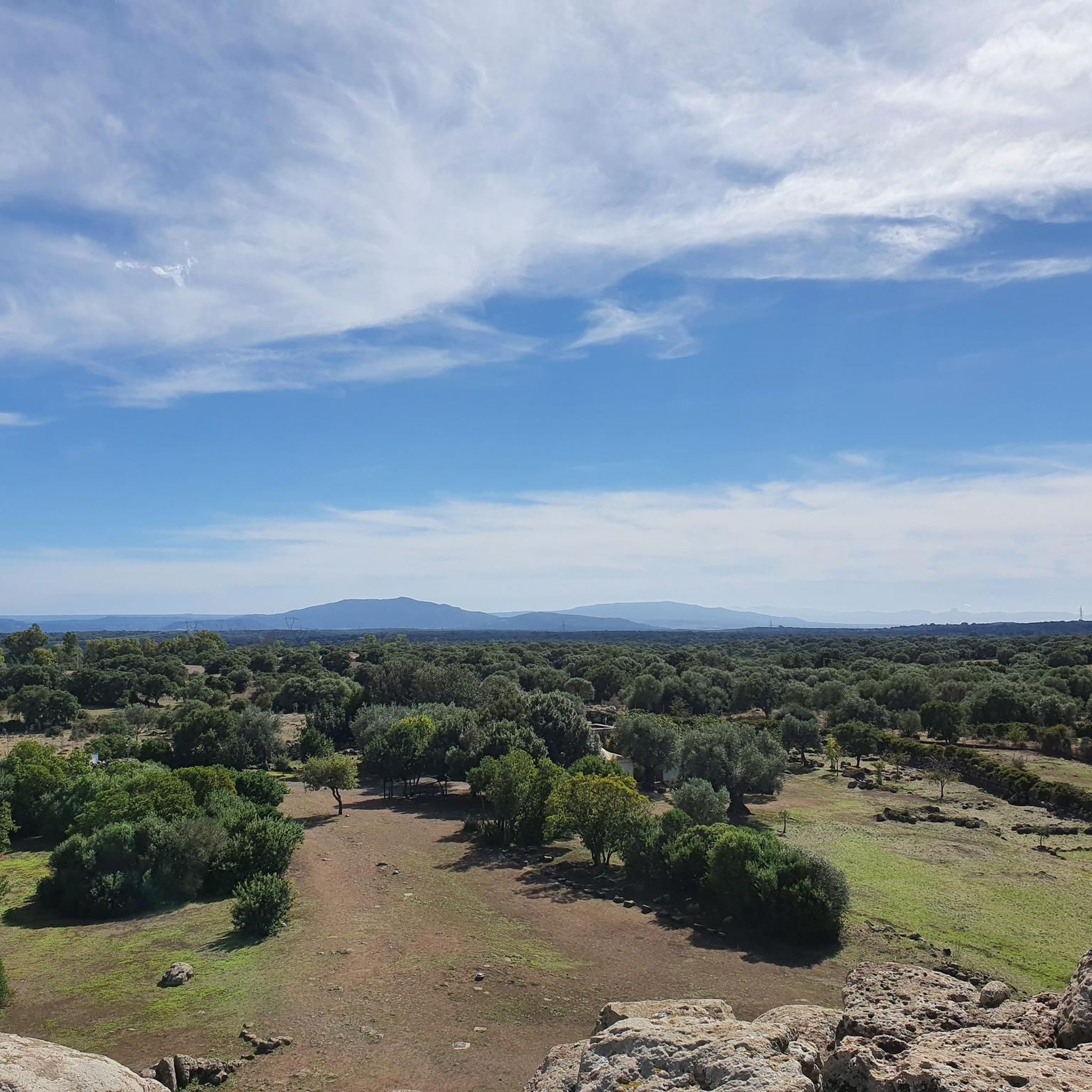
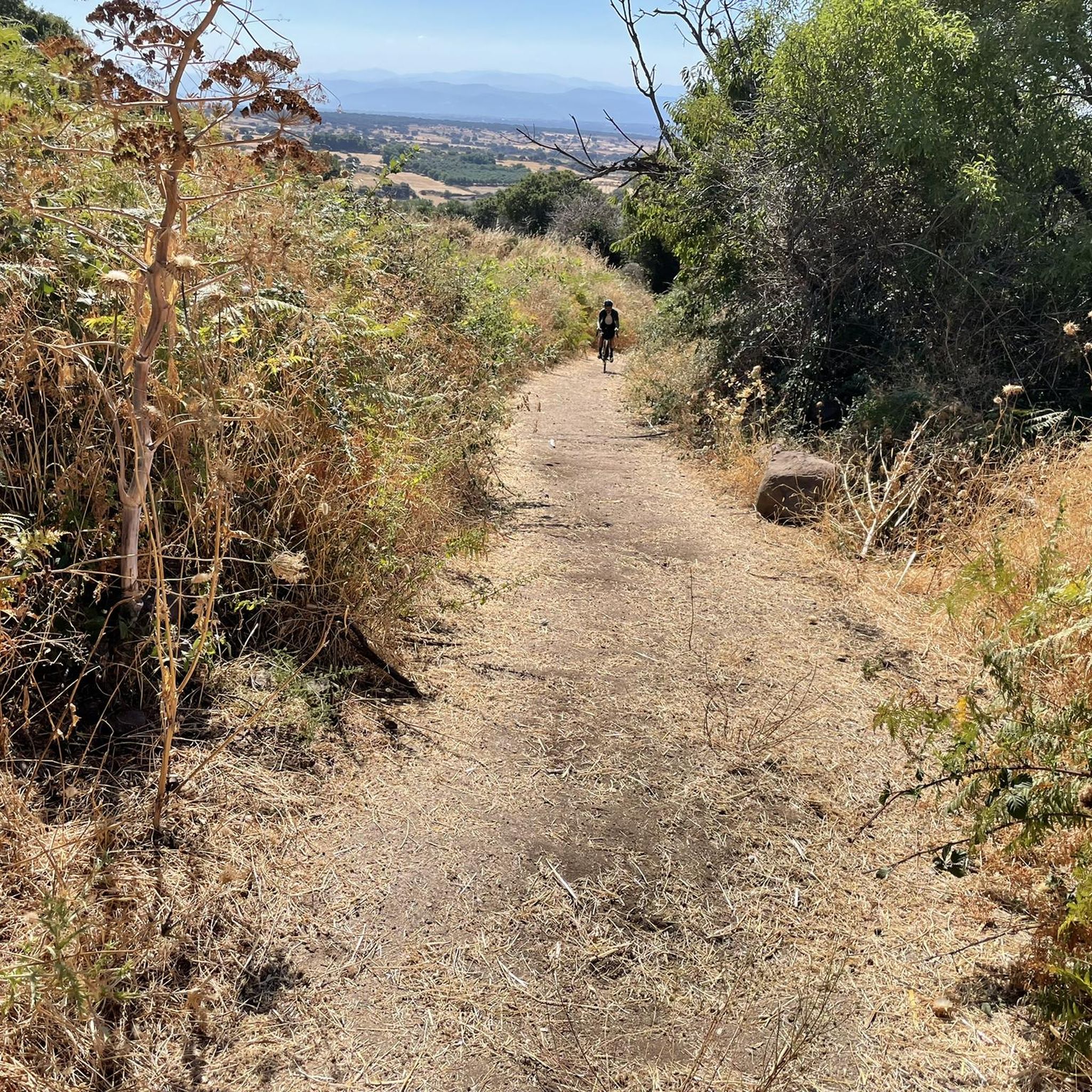
Hiking around Abbasanta offers diverse terrain on a basaltic plateau, shaped by the ancient Montiferru volcano. The landscape features cork oaks, olive trees, and dense natural forests, with pastures enclosed by traditional stone walls. Hikers can explore paths leading to natural springs and ancient shepherds' shelters, alongside numerous Nuragic archaeological sites. This region provides a blend of natural beauty and historical exploration for outdoor enthusiasts.
Best hiking trails around Abbasanta
- The most popular hiking route is Sos Molinos Waterfall and…
Last updated: June 24, 2026
3.1
(16)
34
hikers
14.5km
04:27
520m
510m
Moderate hike. Good fitness required. Mostly accessible paths. Sure-footedness required.
4.3
(4)
12
hikers
Moderate hike. Good fitness required. Easily-accessible paths. Suitable for all skill levels.

Sign up for free
4.0
(1)
3
hikers
9.37km
02:33
130m
130m
Moderate hike. Good fitness required. Easily-accessible paths. Suitable for all skill levels.
11
hikers
Moderate hike. Good fitness required. Easily-accessible paths. Suitable for all skill levels.
5.0
(3)
5
hikers
12.0km
03:21
220m
230m
Moderate hike. Good fitness required. Easily-accessible paths. Suitable for all skill levels.
Get access to more routes and recommendations from other explorers.
Sign up for free
Already have an account?
Our route recommendations are based on thousands of hikes, rides, and runs completed by other people on komoot.
Start today with a free account
Your next adventure awaits.
Login or Signup
Tips from the Community

Photo of the area inside a gate but unfortunately the nuraghe is not visible due to the dense vegetation that has grown over it...
0
0

The path to the waterfall has been closed and inaccessible for three years.
0
0


It is located in the municipality of Santu Lussurgiu (OR) A spectacular rocky peak of Montiferru that reaches an altitude of 970 meters. The west side is vertical, while the east side is inclined and climbable. On the summit there are the remains of a megalithic fortification, also known as Rocca 'e su Para, a toponym attributed, it seems, for the use of the fortress by Camaldolese friars as a place of prayer.
0
0

In 1857, Giovanni Spano published an article that included a graphic overview of the monument. The canon describes and interprets the sacred well in a rather convoluted manner: it classifies it as a nuragic structure, but is unable to identify its true function, considering it a prison due to its similarity to other findings. In 1860, La Marmora, in his Itinéraire, praised the monument and compared it "to the Treasury of Atreus at Mycenae, Greece, described and illustrated by James Stuart." In the early years of the 20th century, other sacred wells in Sardinia were investigated: Antonio Taramelli, an archaeologist of the first half of the 20th century, finally divined their function. His work is rounded out by Raffaele Pettazzoni, who, in his book on the beliefs of the ancient Proto-Sardinians, describes the cult of water, also drawing comparisons outside the island.
2
0
«The country church of St. Christina, located in the territory of Paùli-Latìno, a quarter (4 km) from this town, also belongs to this priory (of Bonarcado), while it is two hours from Bonarcado. Nearby there are some casipole for the novenanti who compete there on the first of May. The main festival falls with great frequency on the 10th of the same and a pious procession to the fountain named after the saint, which has a peculiar shape and structure. On July 24th there is a memorial day on which the glorious death of the same is commemorated.»
2
0
The Nuragic Sanctuary of Santa Cristina is an archaeological area located in the municipality of Paulilatino, in the province of Oristano, in central-western Sardinia and in the southern part of the Abbasanta plateau. The site takes its name from the country church of Santa Cristina, which is located nearby.
2
0

very beautiful and can also be visited inside, a bit abandoned to itself
0
0
Frequently Asked Questions
How many hiking trails are available around Abbasanta?
There are over 10 hiking routes around Abbasanta, offering a variety of experiences. Most of these are moderate in difficulty, with a few easier options available for a more relaxed walk.
What kind of terrain can I expect on hikes in Abbasanta?
The terrain around Abbasanta is quite unique, situated on a basaltic plateau formed by the ancient Montiferru volcano. You'll find diverse landscapes featuring cork oaks, olive trees, and dense natural forests. Many paths are enclosed by traditional stone walls, and you might encounter ancient shepherds' shelters (pinnete) along the way.
Are there any family-friendly hiking options in Abbasanta?
Yes, Abbasanta offers several easier routes suitable for families. For example, the View of the Sea loop from S'Ena 'e s'Alinu is an easy 5.8 km path that provides pleasant views without significant challenge.
What historical or archaeological sites can I see while hiking in Abbasanta?
Abbasanta is rich in archaeological sites. You can explore impressive Nuragic structures like Nuraghe Losa, a UNESCO World Heritage site, and the unique well temple at the Nuragic Sanctuary of Santa Cristina. The Santa Cristina Country Church – Nuraghe Losa loop from Pozzo di Santa Cristina is a great way to combine hiking with exploring these significant historical landmarks.
Are there any waterfalls or natural springs to discover on the trails?
Yes, the region features beautiful natural elements. The picturesque Bonorchis spring is a notable natural focal point for treks. You can also visit the Sos Molinos Waterfall, which is part of the popular Sos Molinos Waterfall and Monte Pertosu Loop.
What do other hikers enjoy most about the trails in Abbasanta?
The trails in Abbasanta are highly rated by the komoot community, with an average score of 4.4 stars. Hikers often praise the unique blend of natural beauty, such as the cork oak forests and volcanic plateaus, and the rich historical context provided by the numerous Nuragic archaeological sites.
Are there any circular hiking routes available?
Yes, many of the routes around Abbasanta are circular, offering convenient starting and ending points. Examples include the Sos Molinos Waterfall and Monte Pertosu Loop and the Trail Around Su Mullone – View of the Sea loop from S'Ena 'e s'Alinu.
Can I find trails with sea views near Abbasanta?
Absolutely. While Abbasanta is inland, some trails offer panoramic views towards the sea. The Trail Around Su Mullone – View of the Sea loop from S'Ena 'e s'Alinu is specifically known for its stunning sea vistas from Su Mullone.
What are some notable peaks or summits I can hike to in the area?
For those looking to reach higher ground, the region offers several peaks. You can explore areas around Monte Agudu (Sa Rocca de Tiu Antoni Gana), Monte Sant'Antonio, and Monte Armiddosu, which provide elevated perspectives of the landscape.
Are there any shaded areas or parks for walking?
Yes, the Parco di Sant'Agostino (Sant'Agostino Park) offers a pleasant and shaded environment for walks. It features centuries-old cork and downy oaks, centered around a rural sanctuary, providing a cooler option during warmer days.
What is the best time of year to go hiking in Abbasanta?
The region's Mediterranean climate makes spring and autumn ideal for hiking, with milder temperatures and lush landscapes. Summers can be hot, but the presence of cork oak forests and natural springs can offer some relief. Winter hiking is also possible, though some paths might be wetter.
Most popular attractions around Abbasanta

Get inspired with the komoot mobile app


Explore more
Browse the best Hikes in other regions.
