Top 5 Castles around Gottolengo
Castles around Gottolengo, located in the province of Brescia, Italy, reveal a history rich in defensive structures. The area's strategic importance led to the development of various fortifications, from prehistoric settlements to medieval strongholds. These sites offer insight into the evolution of protective architecture and historical settlement patterns. Exploring these historical sites provides a comprehensive understanding of the region's past.
Best castles around Gottolengo
- The most popular castles is Castello di Scandolara Ripa d'Oglio (Castello Gazzo), a castle that…
Last updated: July 1, 2026
Gazzo Castle - Scandalora Ripa d'Oglio (CR)
Highlight • Castle
Translated by Google •
Tip by

Ostiano Castle
Highlight • Castle
Translated by Google •
Tip by

Sign up now to discover places like this
Get recommendations on the best single tracks, peaks, & plenty of other exciting outdoor places.
Sign up for free
Castello di Scandolara Ripa d'Oglio (Castello Gazzo)
Highlight • Castle
Translated by Google •
Tip by

Gonzaga Theater of Ostiano
Highlight • Monument
Translated by Google •
Tip by

Gambara Palace and Pralboino Castle
Highlight • Castle
Translated by Google •
Tip by

Start today with a free account
Your next adventure awaits.
Login or Signup
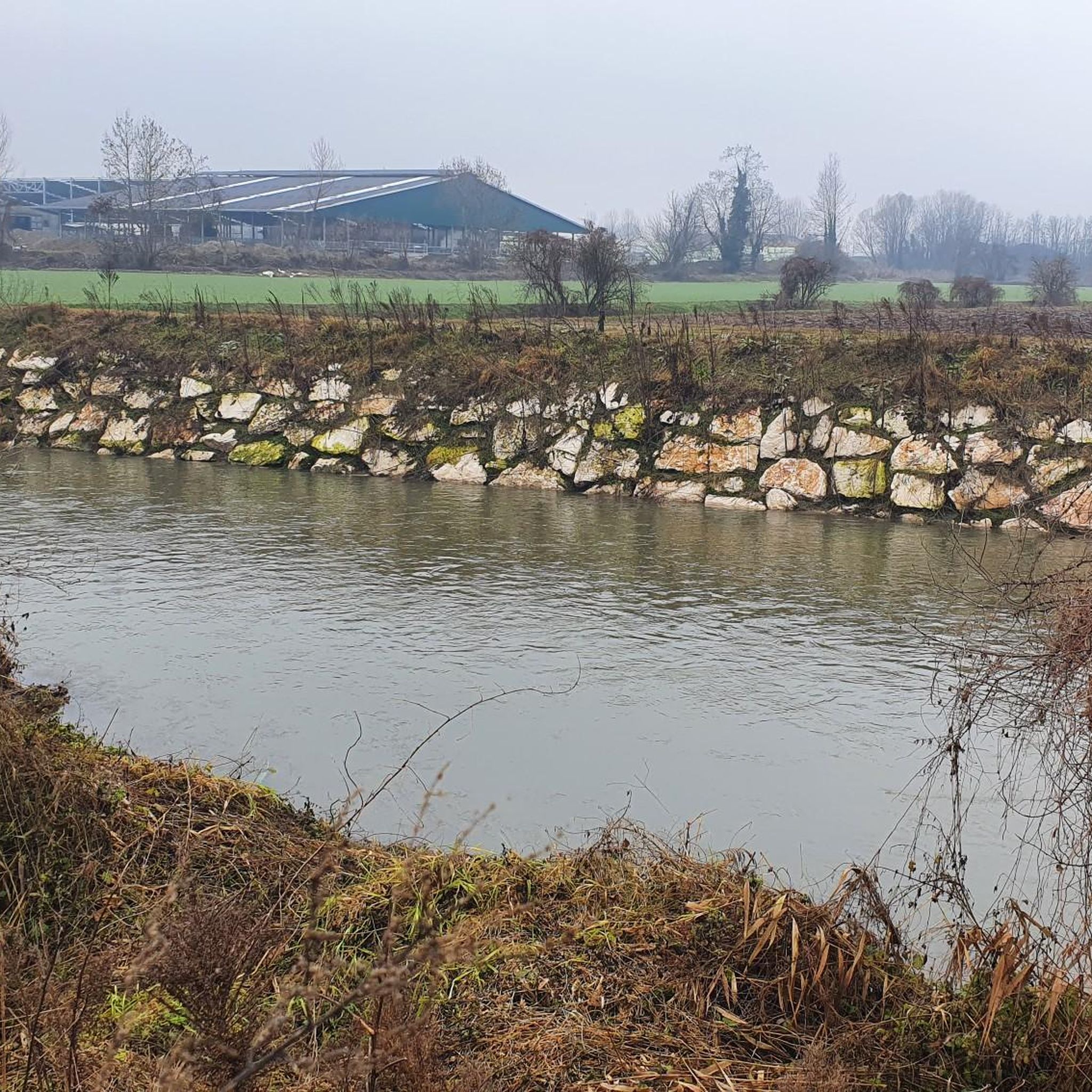
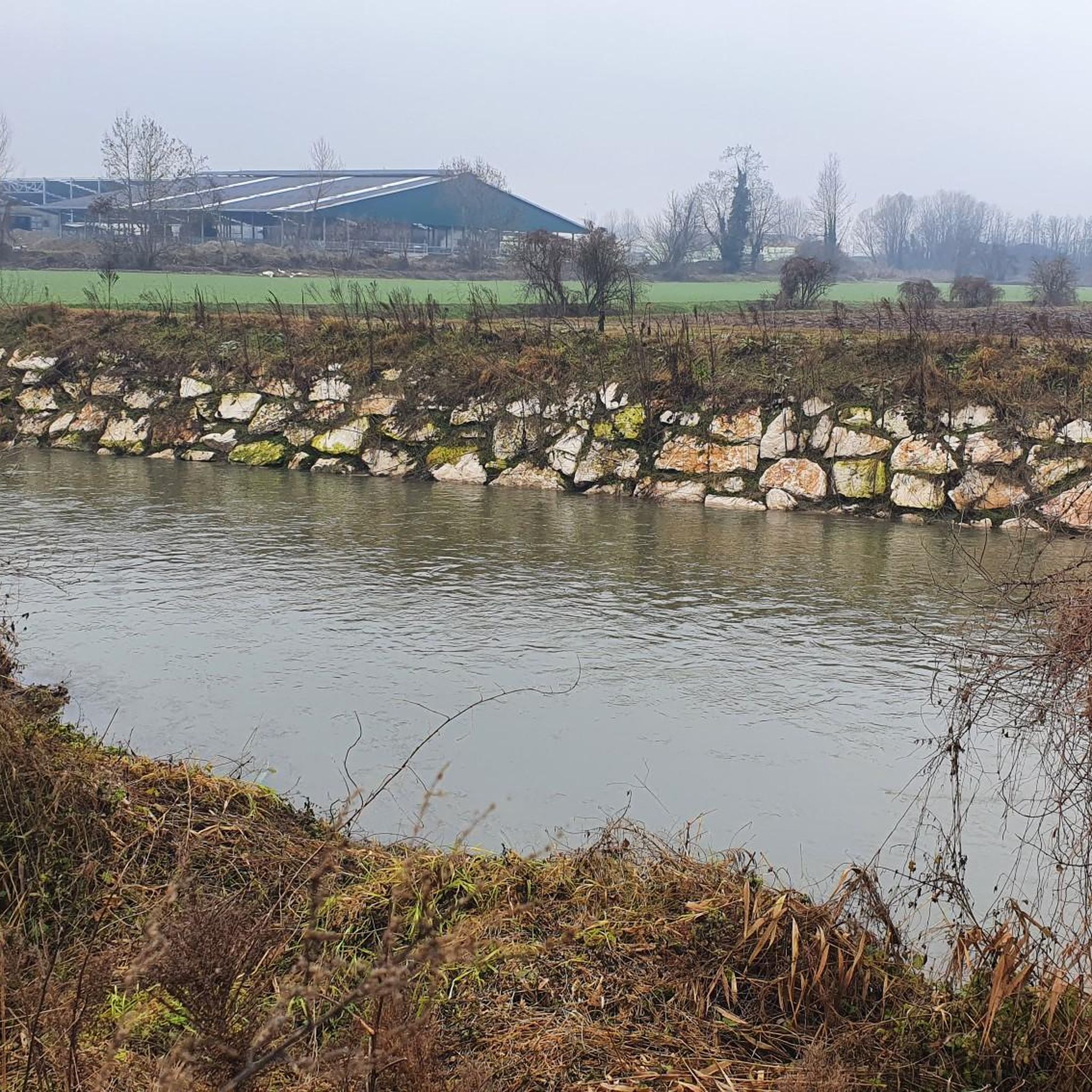
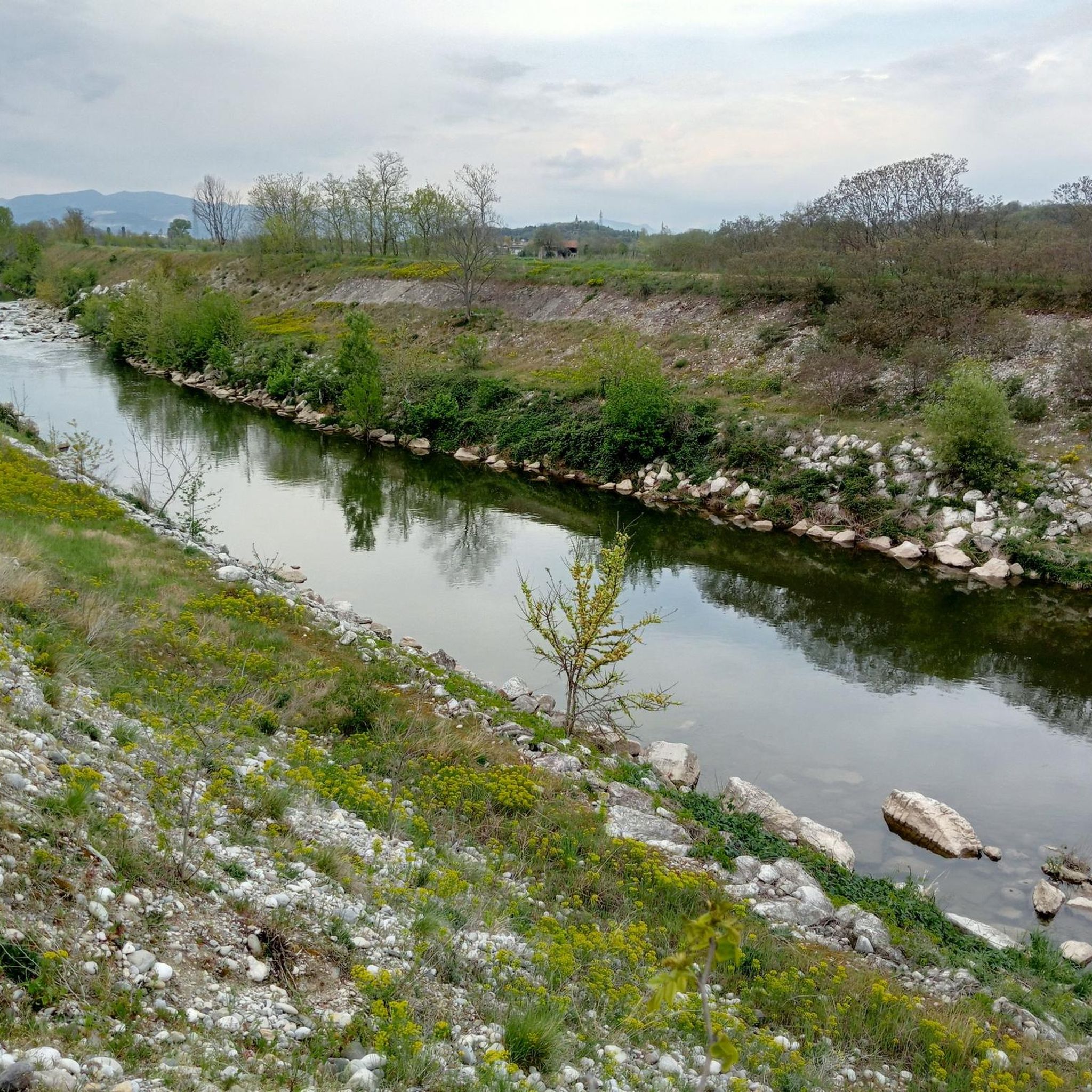
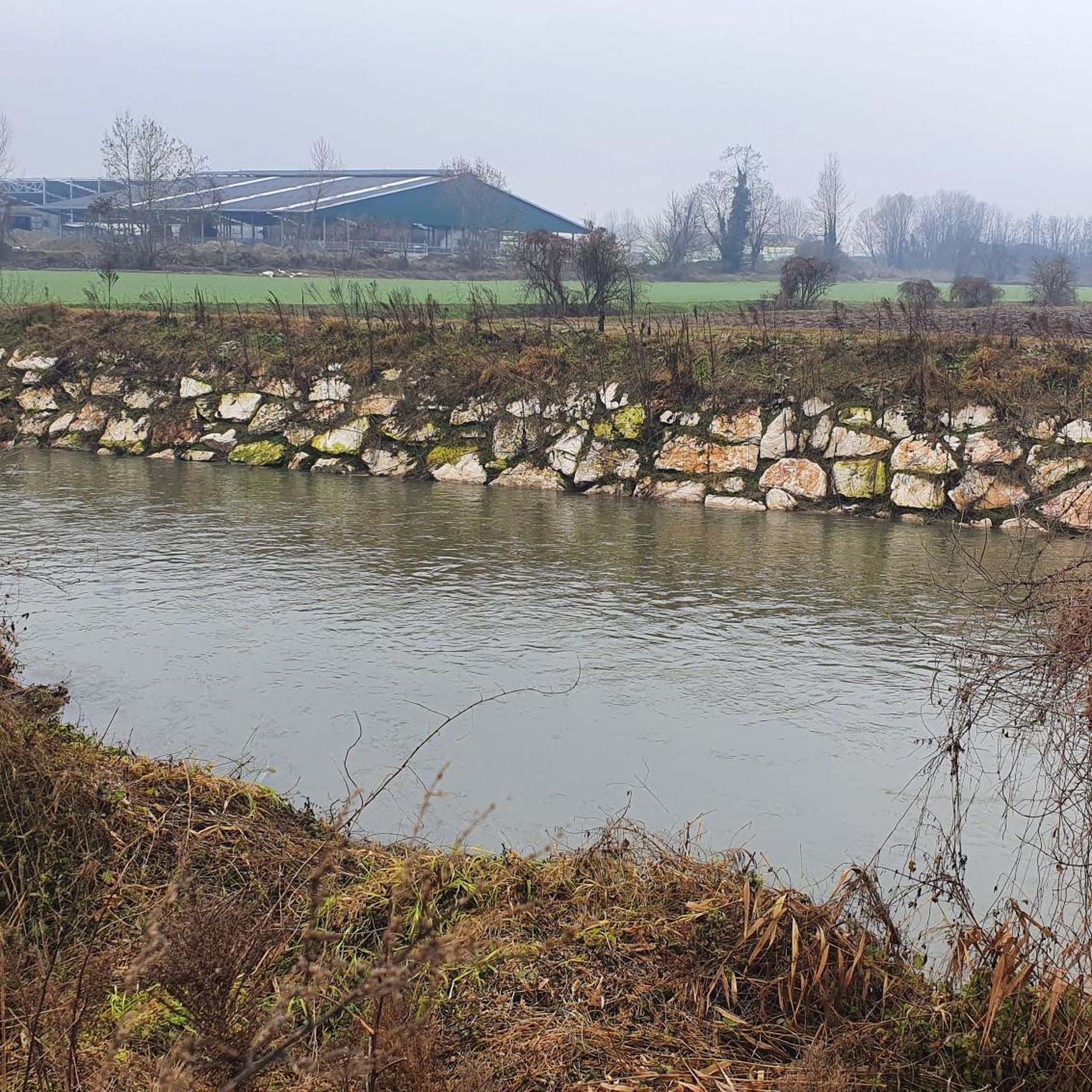

Tips from the Community

Pralboino Castle, built in the 13th century by the Gambara family, is a historical landmark in the area. Originally conceived as a military fortress, during the Serenissima period it was transformed into a summer court and cultural center, hosting an academy that contributed to the intellectual life of the area. Today, the castle is part of Palazzo Gambara, which stands on its ruins after its destruction by the troops of Frederick II. Cycling in the surrounding area, you can admire the architectural elegance of the palace and immerse yourself in the history of Pralboino, a place that has seen the passage of emperors and nobles. A cycling itinerary here allows you to explore the Brescia plain and discover the traces of a glorious past, among ancient fortifications and rural landscapes.
0
0
Nestled in the tranquility of the Lombardy plain, Ostiano Castle is an unmissable stop for lovers of cycling and gravel. Along this trail, you cross dirt roads and suggestive paths that wind through fields and small villages, offering a perfect mix of history, nature and adventure. The castle, with its medieval charm, represents a unique point of interest, ideal for a panoramic stop and an immersion in local history. There is no shortage of technical and fun sections that make the route stimulating, perfect for those looking for a complete and engaging cycling experience.
0
0

One of the smallest theaters in Italy, truly beautiful and with exceptional acoustics thanks to the wooden structure. Thanks to the presence of the Town Hall, this portion of the Castle was not destroyed, later adapted from a warehouse to a Theater, still today it presents an active use with a very busy theater season.
0
0

Cute castle, worth a stop just for the drinking fountain inside
0
0

The Scandolara Ripa d'Oglio castle, also known as the Gazzo castle, is a fortified noble residence in the town of Scandolara Ripa d'Oglio, located on the right bank of the Oglio river, it was part of a defensive system located on the then natural border between the Duchy of Milan and the Republic of Venice.
0
0

the still functioning moat makes this castle legendary. beautiful.
0
0

On the border between the provinces of Brescia and Cremona this splendid castle surrounded by a large moat.
0
0

Formerly a fortified village garrisoning the Cremonese lands on the right bank of the Oglio, Scandolara also had a castle, probably from the 14th century, with a characteristic quadrangular layout with a central courtyard. Of the fortress, originally a feudal castle and then used, in a later period, as a country residence and rural farmhouse, only the western half is preserved today: the remaining part was in fact demolished, although the sloped base was preserved, which is therefore still visible. Current use: entire property: home; entire good: agricultural Historical use: entire asset: defensive; entire asset: dwelling; entire good: agricultural Legal status: private property
0
0
Frequently Asked Questions
What are the most notable historical defensive sites around Gottolengo?
While Gottolengo is not known for traditional grand castles, the region features significant historical defensive structures. These include the prehistoric Castellaro, an ancient fortification dating back to 2000 B.C., and remnants of medieval defensive systems like a surviving "tower house" in the village center. Additionally, the Gambara Palace and Pralboino Castle, originally a 13th-century military fortress, offers insight into the area's rich past.
Are there any castles near Gottolengo that are particularly interesting for their defensive features?
Yes, Gazzo Castle - Scandalora Ripa d'Oglio (CR) is notable. This 14th-century castle was formerly a fortified village garrisoning the Cremonese lands and features a characteristic quadrangular layout with a central courtyard. Its still-functioning moat is a particularly striking defensive feature.
What kind of historical significance does the Castellaro site hold?
The Castellaro site is an archaeological treasure, dating back to approximately 2000 B.C. It was a naturally defensible plateau, strategically surrounded by water and marshes, serving as a secure settlement for early inhabitants. Excavations have unearthed numerous artifacts, providing a fascinating glimpse into prehistoric settlement patterns and the earliest known defensive structures in the locality.
Are there any family-friendly historical sites or castles to visit near Gottolengo?
Yes, Ostiano Castle is considered family-friendly and offers a unique point of interest for those exploring the area. Additionally, the Gonzaga Theater of Ostiano, located within a portion of the castle, is also noted as family-friendly and hosts an active theater season.
What outdoor activities can I do near these castles?
The area around Gottolengo offers various outdoor activities. You can explore hiking trails, such as the 'Walking along the river of Gambara' or the 'Bosco del Lusignolo loop'. For cyclists, there are gravel biking routes like the 'Bridge over the Oglio in Ostiano – Ostiano Castle loop'. There are also running trails available, including a 'Running loop from Gottolengo'.
What is the best time of year to visit the castles and historical sites around Gottolengo?
The Lombardy plain, where Gottolengo is located, generally experiences pleasant weather in spring (April-May) and autumn (September-October), making these seasons ideal for exploring historical sites and engaging in outdoor activities like cycling and hiking. Summers can be warm, while winters are cooler.
What do visitors enjoy most about the castles and historical sites in the Gottolengo region?
Visitors appreciate the blend of history, nature, and adventure. Highlights like Ostiano Castle are praised for their medieval charm and the opportunity for panoramic stops. The still-functioning moat of Gazzo Castle is often highlighted as a legendary feature, and the overall experience of discovering the region's diverse defensive structures, from prehistoric to medieval, is highly valued.
Are there any castles that were part of a larger defensive system or marked historical borders?
Yes, Castello di Scandolara Ripa d'Oglio (Castello Gazzo) served as a fortified noble residence and was an integral part of a defensive system along the Oglio river. It notably marked the historical border between the Duchy of Milan and the Republic of Venice, highlighting its strategic importance.
Can I find any fortified farmhouses or unique architectural defensive structures in the area?
Yes, the region's history includes unique defensive architecture. In the hamlet of Solaro, a frazione of Gottolengo, you can find a fortified farmhouse from 1517. This structure, in the form of a cascina a corte (a courtyard farm), still stands and offers insight into the region's historical agricultural and defensive architecture.
Are there any specific cycling routes that pass by these historical sites?
Yes, the Ostiano Castle is a popular stop on cycling and gravel routes. The 'Bridge over the Oglio in Ostiano – Ostiano Castle loop' is a moderate gravel biking route that allows you to visit this historical site. Additionally, cycling itineraries around Gambara Palace and Pralboino Castle offer a chance to explore the Brescia plain and its historical landmarks.
What kind of historical context can I learn about Gottolengo's defensive past?
Gottolengo's defensive past is rich and varied. Beyond the prehistoric Castellaro, the village was fortified by Benedictine monks in the early medieval period with palisades and earthworks to protect against raids. Later, the power to build castles was granted, leading to the development of structures like the surviving "tower house" and fortified farmhouses, showcasing the evolution of protective architecture over millennia.
Most popular routes around Gottolengo
Most popular attractions around Gottolengo

Get inspired with the komoot mobile app


Explore more
Looking for the best castles somewhere else? Discover other guides around Gottolengo:
