Top 3 Caves around Eschweiler
Best caves around Eschweiler and its surrounding areas are primarily characterized by historical industrial sites and artificial structures rather than natural geological formations. The region, known for its past coal mining operations, features landscapes shaped by both human activity and natural processes. While prominent natural cave systems are not a key feature, the area offers unique underground experiences rooted in its industrial heritage and local history. These sites offer a variety of experiences, from industrial heritage exploration to natural rock…
Last updated: June 28, 2026
Rock Walls and Cave on the Slope
Highlight • Cave
Translated by Google •
Tip by

Heinrichstollen (Zweifall Ore Mine)
Highlight • Historical Site
Showing Translation
Tip by

Sign up now to discover places like this
Get recommendations on the best single tracks, peaks, & plenty of other exciting outdoor places.
Sign up for free
Historic Beer Cellar Gey
Highlight • Historical Site
Translated by Google •
Tip by

Bierkeller Gey
Highlight • Structure
first a beer cellar, then an air raid shelter and today the home of bats
Translated by Google •
Tip by

Start today with a free account
Your next adventure awaits.
Login or Signup
Popular around Eschweiler
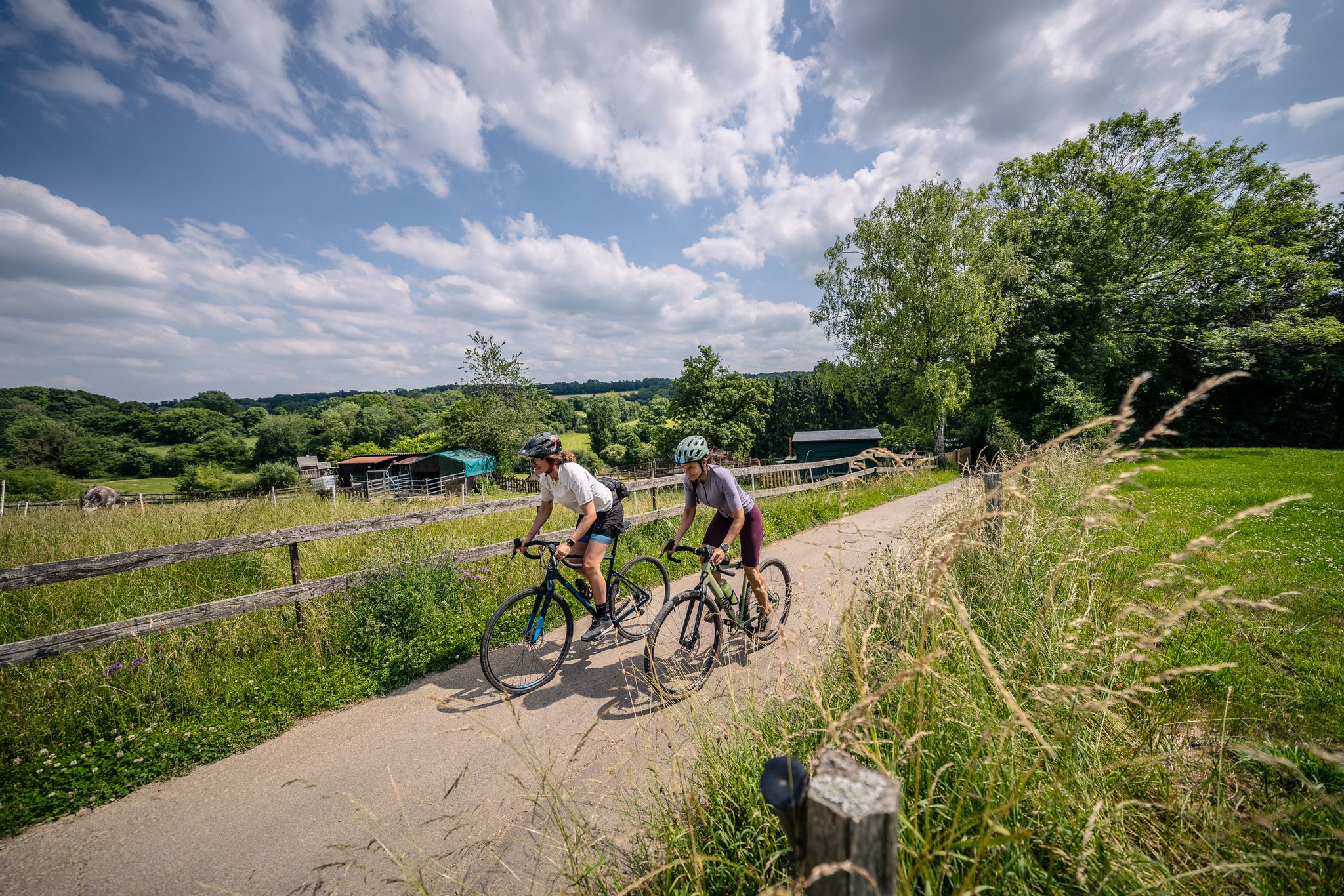
Gravel at its finest – rides around Aachen
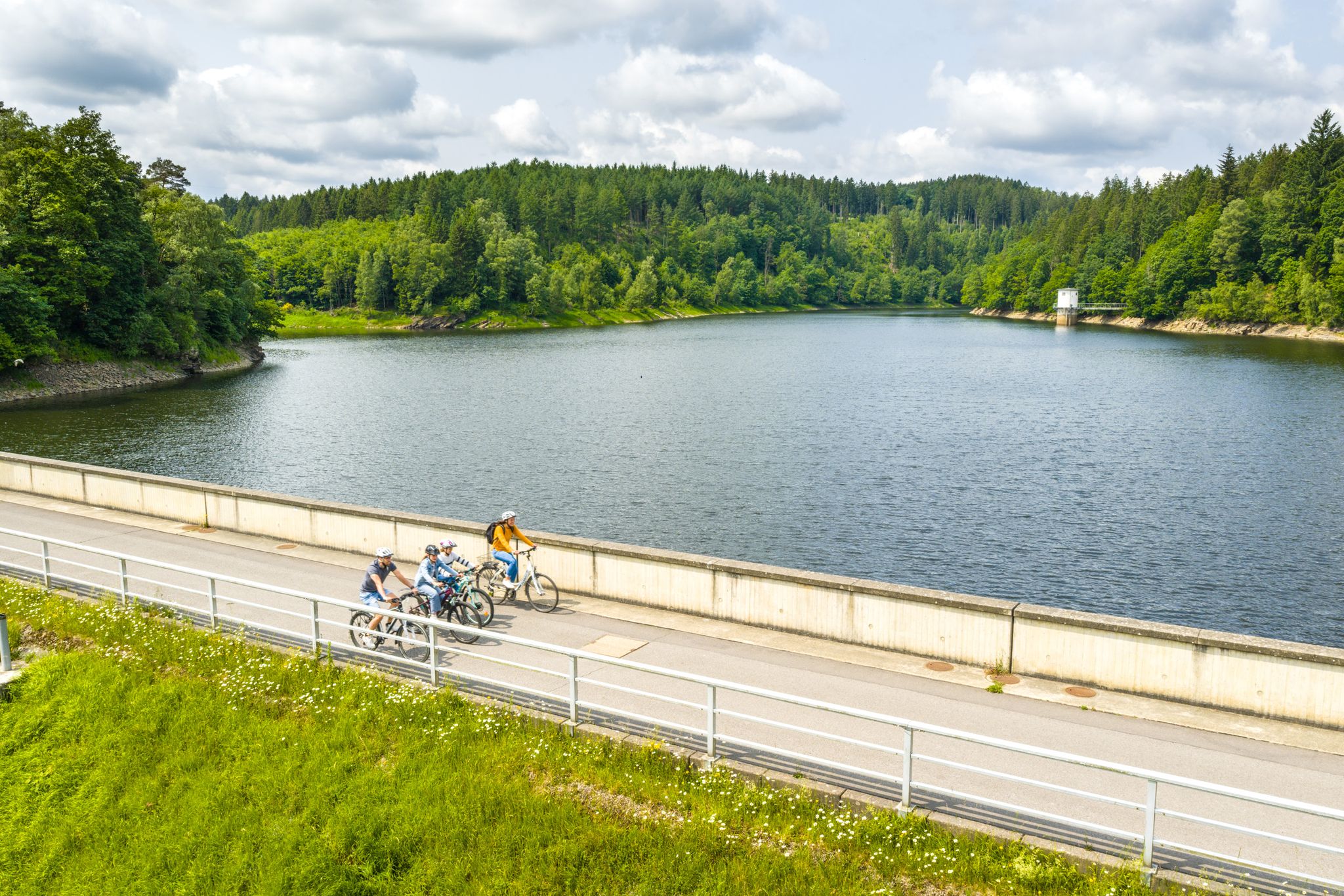
Aachen Time Loops – cycling from the past to the future
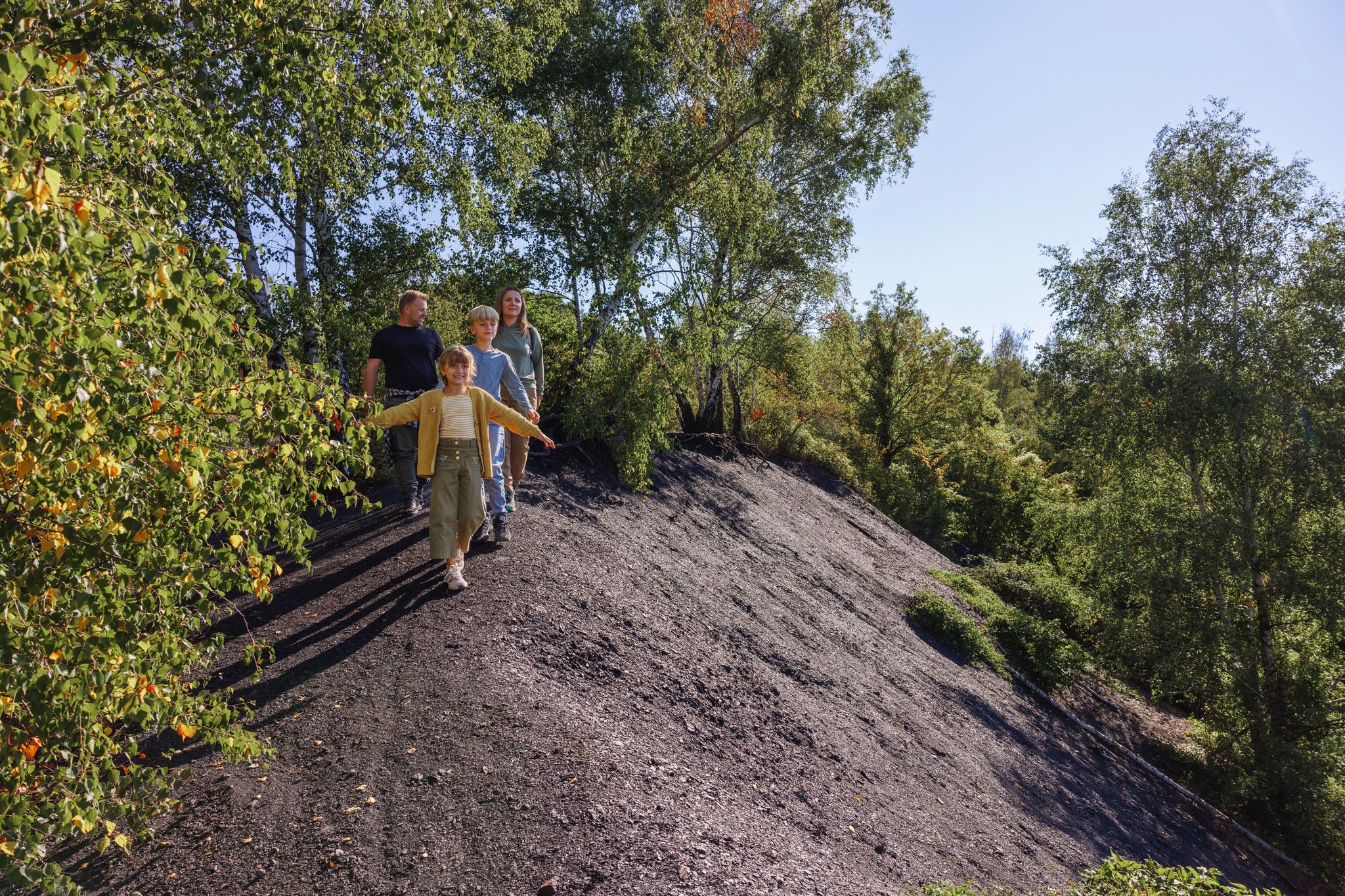
From coal to natural treasures – hiking in the Aachen Region
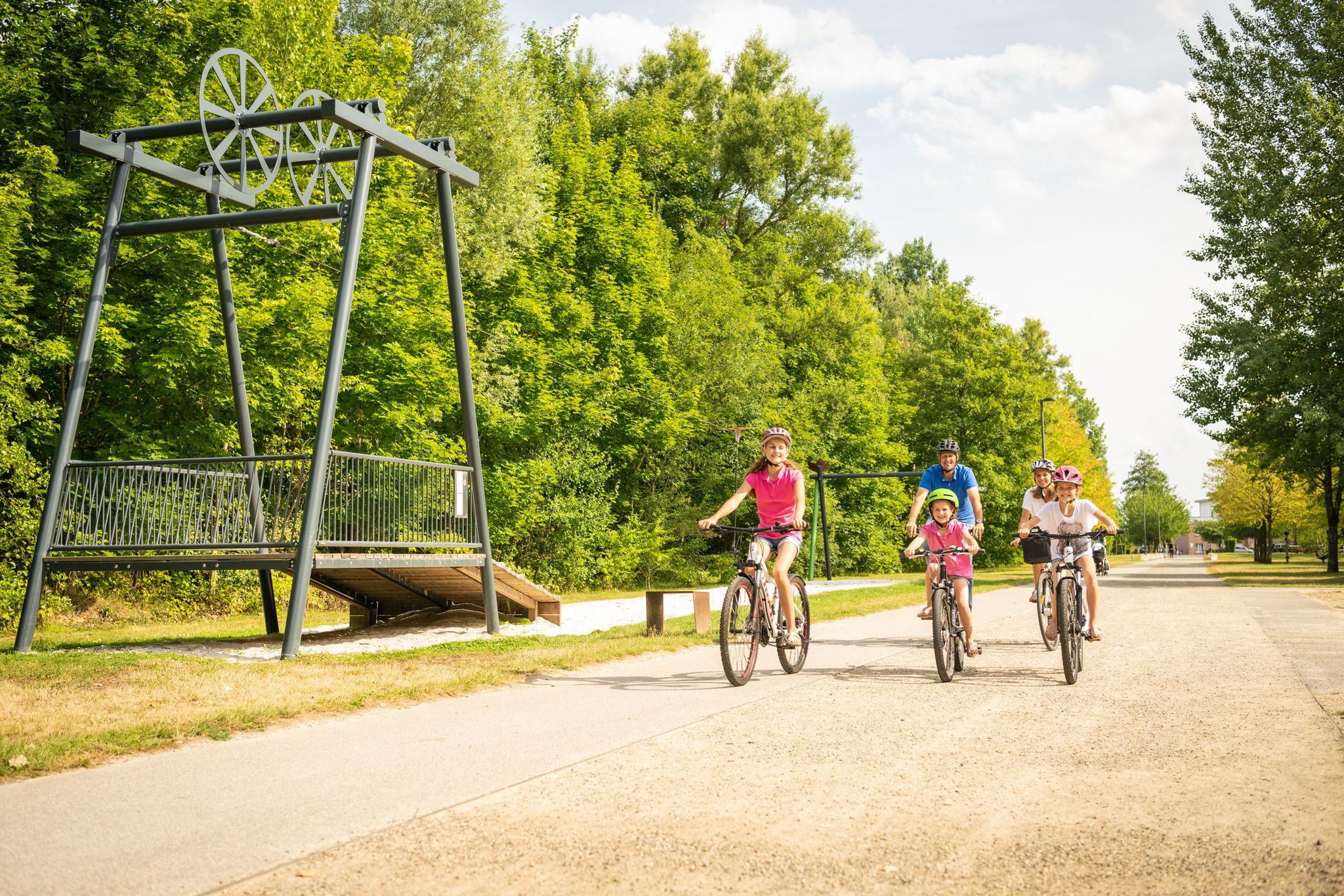
Between mining and castles – bike Tours in the Aachen region
The most beautiful swimming lakes in North Rhine-Westphalia
Cycling around Eschweiler
Road Cycling Routes around Eschweiler
Hiking around Eschweiler
Running Trails around Eschweiler
MTB Trails around Eschweiler
Other adventures around Eschweiler


Tips from the Community

Rugged rock faces and a small cave rise up along the slope, revealing the landscape's raw, untouched character. The exposed rocks tell a story that goes back far beyond human history: formed by geological processes, worn away by water and weather, and slowly exposed by erosion. The cave itself feels like a natural shelter, cool and sheltered, evoking images of a time when such places served as refuge, storage, or simple shelter.
1
0

The Heinrich-Stollen near Zweifall was operated from 1847 to 1866. The adit is located in the colourful slates with conglomerates of the Gedinnian (Lower Devonian). The rocks are red and green, fine-grained silty slates that are schistose. Iron ore was mined. A small plaque explains the ore mining and the trip hammers of the region.
3
0

In my opinion, it's more practical. If you park at the foot of the Schlangenberg, you'll have the Schlangenberg behind you at the beginning of the hike and can walk past it on the way back. Theoretically, you could walk past the Schlangenberg both times, but that's not recommended.
0
0

The path here is very overgrown in the summer and a thick tree trunk lies in the middle of the path.
0
0
Best used when going down from the Schlangenberg
1
0

The ore gallery is located a little off the main path. Once you have completed the path, you can see the ore gallery and the information board.
0
0

When exactly this underground facility was built is not known. But from the 19th century it is known that a local brewery from nearby Gey used the corridor and vault system to cool their products. Hence the name Bierkeller. Today closed to the public as a home for bats.
4
0

Somewhat hidden in the forest, you have to be careful not to drive past it. An information board explains what used to be funded here.
0
0
Frequently Asked Questions
What kind of "caves" can I expect to find around Eschweiler?
The Eschweiler region is primarily known for historical industrial sites and artificial structures rather than natural geological cave formations. You'll discover former mining tunnels, such as the Heinrichstollen (Zweifall Ore Mine), and man-made structures like the Westwall Bunker Ruins and Cave (Münsterbachtal), offering unique insights into the area's industrial heritage.
Are there any natural caves in the Eschweiler area?
While Eschweiler itself does not feature prominent natural cave systems, you can find some natural rock formations. The Rock Walls and Cave on the Slope offers rugged rock faces and a small cave, revealing the landscape's raw, untouched character formed by geological processes.
Where can I explore historical mining sites near Eschweiler?
The Heinrichstollen (Zweifall Ore Mine) is a significant historical site where iron ore was mined between 1847 and 1866. Information boards at the site explain the region's ore mining and hammer mill history, offering a glimpse into its industrial past.
Can I visit the Westwall Bunker Ruins?
Yes, the Westwall Bunker Ruins and Cave (Münsterbachtal) is a blown-up bunker that you can carefully enter and explore. It's considered a great photo opportunity, especially for families and those with dogs.
What is the Historic Beer Cellar Gey, and can I visit it?
The Historic Beer Cellar Gey is an underground facility once used by a local brewery to cool its products. While historically significant, it is now closed to the public and serves as a home for bats.
Are there family-friendly "cave" experiences around Eschweiler?
Yes, the Westwall Bunker Ruins and Cave (Münsterbachtal) is noted as family-friendly. Visitors with children should be careful inside the bunker due to sharp steel ends on the ceiling.
What outdoor activities can I combine with visiting these sites?
The area around Eschweiler offers various outdoor activities. You can find numerous hiking and cycling routes. For hiking, consider routes like the "WasserWeg Blausteinsee" or trails in the Eschweiler Forest. For cycling, options include the "Aachen Zeitschleife" or routes around the Blausteinsee. You can find more details on hiking and cycling guides for Eschweiler.
Are there hiking trails that pass by these historical sites?
Many of these historical sites, like the Heinrichstollen and the Westwall Bunker Ruins, are situated along existing hiking trails, making them excellent points of interest on a longer walk. You can explore various routes in the hiking guide for Eschweiler.
What do visitors enjoy most about these sites?
Visitors appreciate the unique historical insights offered by sites like the Heinrichstollen, where information boards detail the region's mining past. The Westwall Bunker Ruins are popular for their photo opportunities and as an interesting spot for families and pets.
How accessible are these sites by public transport or car?
Accessibility varies by site. While specific public transport details for each location are not provided, many of these sites are integrated into hiking and cycling networks, suggesting they are reachable from various starting points. Parking options are generally available near popular trailheads in the Eschweiler area.
When is the best time to visit these historical underground sites?
These sites can generally be visited year-round. However, for sites like the Westwall Bunker Ruins, which are outdoors, pleasant weather makes for a more enjoyable experience. The Historic Beer Cellar Gey is closed to the public as it serves as a bat habitat, so it's best to respect their undisturbed environment.
Can I bring my dog to these locations?
Yes, the Westwall Bunker Ruins and Cave (Münsterbachtal) is highlighted as a great spot for four-legged friends. Always ensure dogs are kept on a leash and follow local regulations when exploring.
What should I wear when exploring these sites?
As many of these sites are part of outdoor trails or involve exploring historical structures, comfortable walking shoes or hiking boots are recommended. Dress in layers suitable for the weather, and if entering structures like the bunker, a headlamp or flashlight can be useful.
Most popular routes around Eschweiler
Most popular attractions around Eschweiler

Get inspired with the komoot mobile app


Explore more
Extend your search for the best caves by checking out these guides of the top ones around Eschweiler:
