The 14 Most Amazing Peaks in Bolivia
Best mountain peaks in Bolivia are found within its diverse Andean landscape, characterized by high-altitude plateaus and towering summits. The country's geography offers a range of challenging climbs and scenic treks across its mountain ranges. These peaks are often intertwined with the rich cultural heritage of indigenous communities, serving as significant natural landmarks. Bolivia's mountains provide opportunities to explore unique ecosystems and observe diverse wildlife.
Best mountain peaks in Bolivia
- The most popular mountain peaks is Pico Austria Summit, a summit that offers panoramic views of the Cordillera Real, including Condoriri, Huayna Potosí, and turquoise lagoons. The climb is technically easy but requires acclimatization due to its height of 5327 meters.
- Another must-see spot is Cerro Calvario, a viewpoint and summit. Visitors can expect beautiful views down to Copacabana and Lake Titicaca, especially at sunset.
- Visitors also love Huayna Potosí (6,088 m), a prominent, glaciated mountain peak. It is known as an accessible 6,000-meter peak, offering stunning views over the Cordillera Real and serving as a good challenge for mountain enthusiasts.
- Bolivia is known for its high-altitude summits, volcanic peaks, and scenic mountain passes. These include challenging climbs for experienced mountaineers and viewpoints offering extensive vistas.
- The mountain peaks in Bolivia are appreciated by the komoot community, with 18 upvotes and 31 photos shared, highlighting their appeal for outdoor adventures.
Last updated: July 11, 2026
Pico Austria Summit
Highlight • Summit
Translated by Google •
Tip by

Cerro Calvario
Highlight • Viewpoint
Translated by Google •
Tip by

Sign up now to discover places like this
Get recommendations on the best single tracks, peaks, & plenty of other exciting outdoor places.
Sign up for free
Huayna Potosí (6,088 m)
Highlight • Summit
Not surprisingly, on the mountain 20 bolivianos (about 4 euros) are raised at a checkpoint.
Translated by Google •
Tip by

Paso Chacoti (5150 m)
Highlight • Mountain Pass
Translated by Google •
Tip by
Cerro Palla Khasa Summit
Highlight • Summit
Translated by Google •
Tip by

Cerro Acotango
Highlight • Summit
The view of the southern Altiplano and the neighboring mountains of the Cordillera Occidental such as the Sajama, Parinacota and Pomerape, as well as Gullatiri and much more on the Chilean side are very impressive.
Translated by Google •
Tip by
Cerro Tikani
Highlight • Summit
Translated by Google •
Tip by

Parinacota Volcano
Highlight • Volcano
The normal route from the Bolivian side starts between the two volcanoes Parinacota and Pomerape and can only be reached with off-road vehicles. The climb goes quite directly towards the summit, although the path is usually not visible because it is covered by snow or snow. However, that's not a problem, you just go straight up until you reach the highest point. You won't be confronted with any major technical difficulties, but the climb will take longer due to the high altitude and the quite a few meters in altitude that have to be covered. Acclimatization in advance is definitely recommended. Breaking into the frozen snow cover on the surface also doesn't make the climb any easier.
However, the gigantic view of the enormous crater, of the Parinacota and the Sajama, as well as the Altiplano, Acotango and much more, rewards all the effort.
Translated by Google •
Tip by
Penitentes Field on Huayna Potosí Glacier
Highlight • Natural Monument
Translated by Google •
Tip by
High Camp Parinacota-Pomerape
Highlight • Mountain Hut
Translated by Google •
Tip by
Sign up for free to discover even more peaks in Bolivia.
Sign up for free
Already have an account?
Start today with a free account
Your next adventure awaits.
Login or Signup
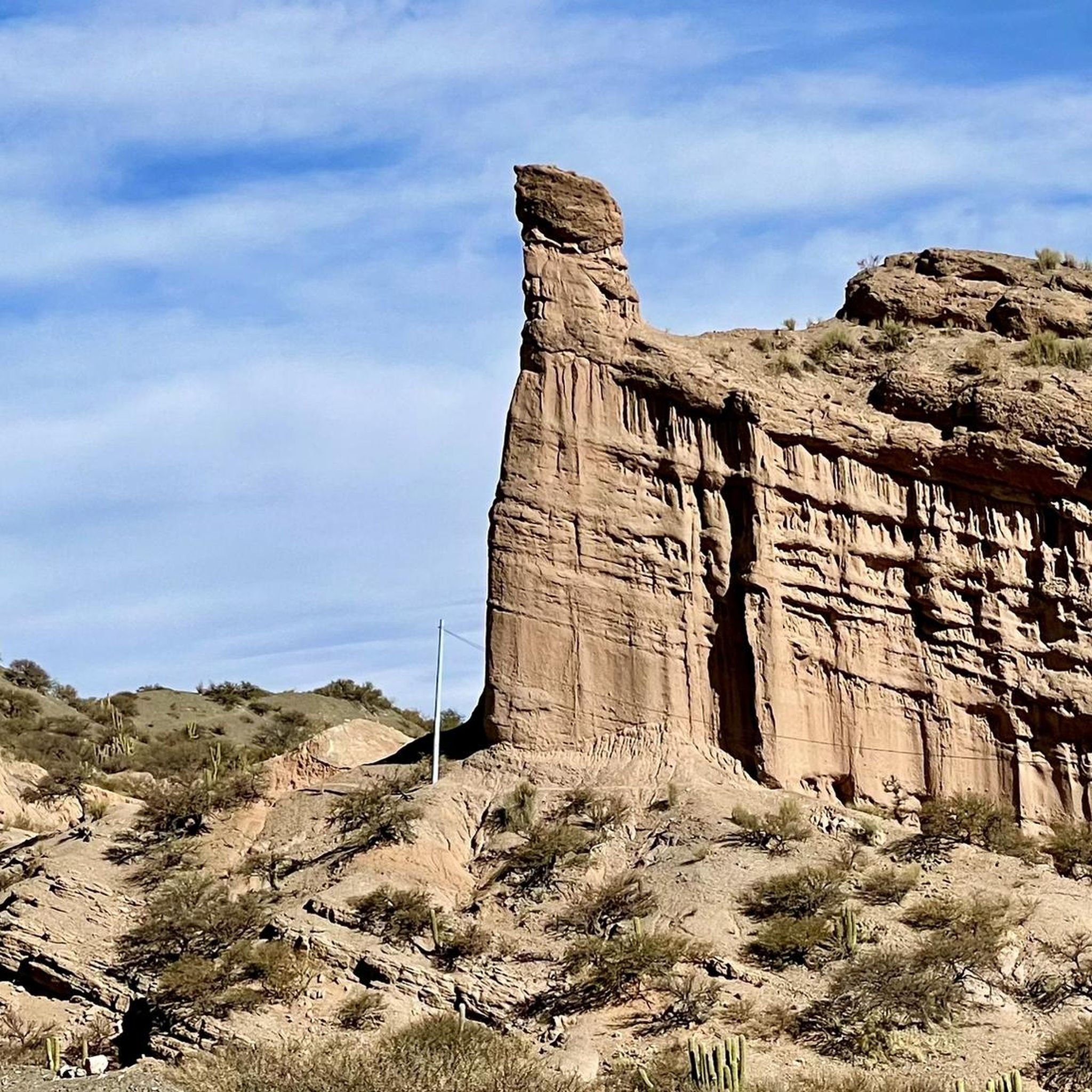

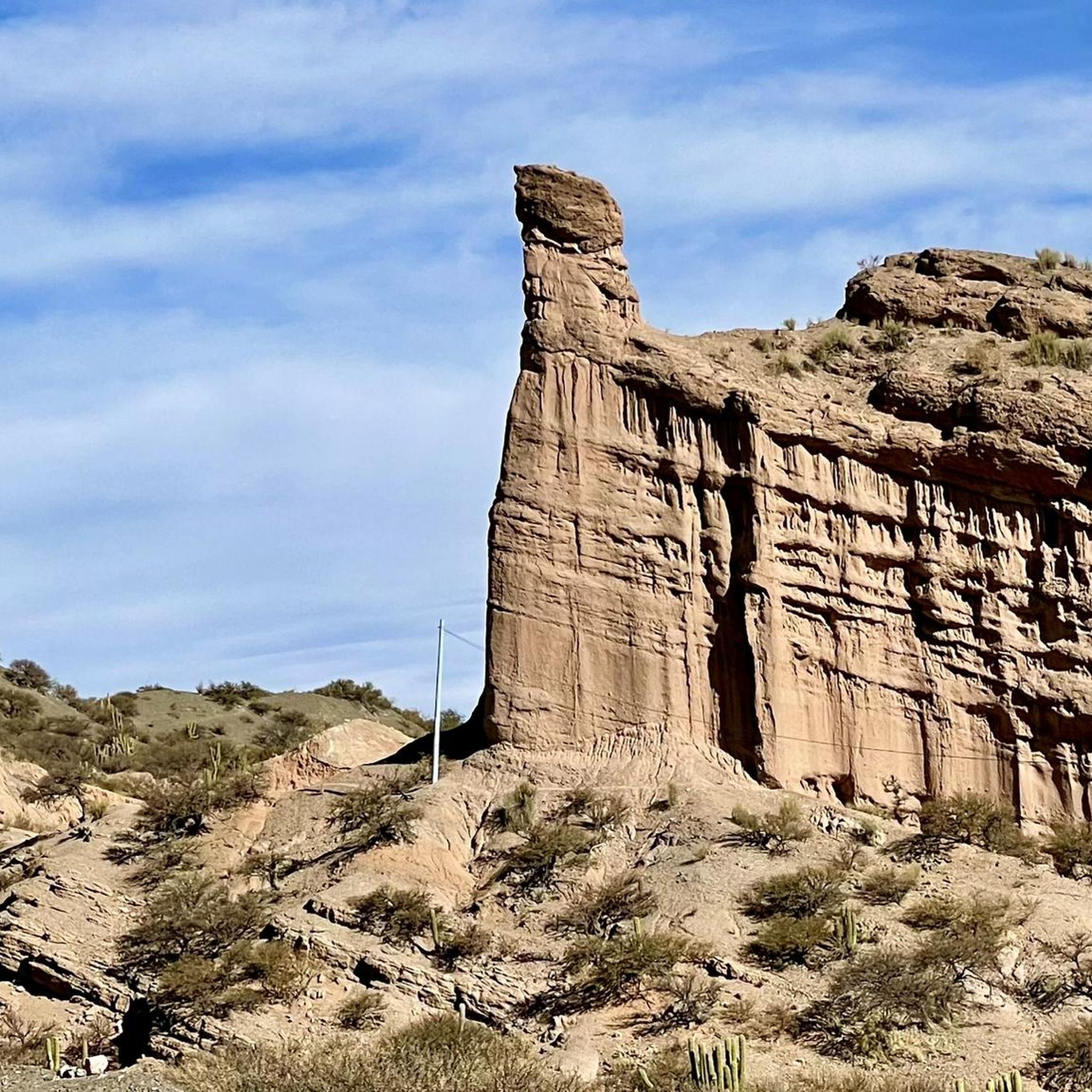
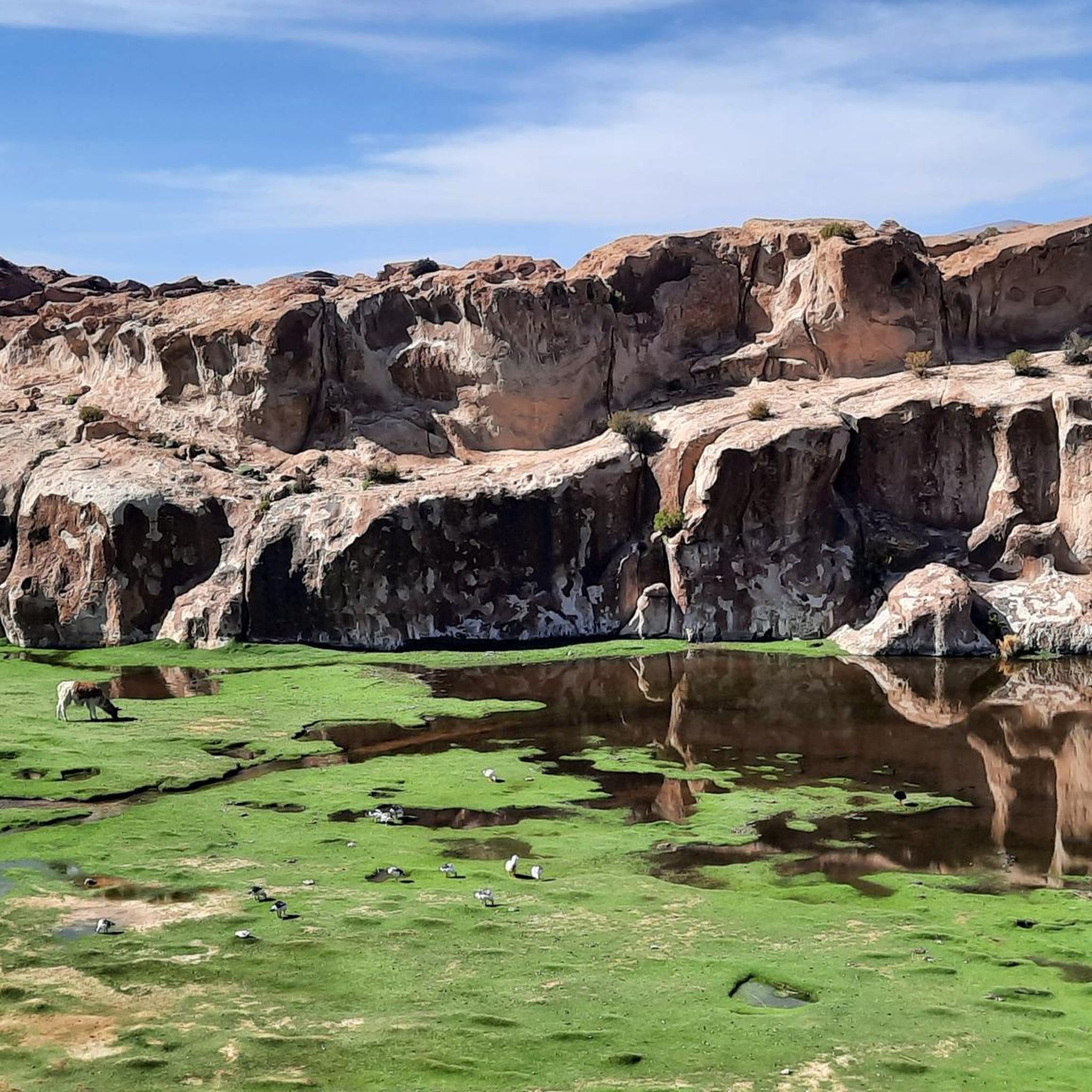


Tips from the Community

Cerro Tikani, at 3,936 meters, is the highest point in the northern part of the island. The climb is somewhat challenging due to the altitude, but the view from up here is impressive.
1
0
The Way of the Cross was built on this hill in the 1950s when the government decided that Copacabana should have more to offer its thousands of pilgrims than just the Basilica of the Virgin Mary.
2
0

The high camp of Parinacota and Pomerape is located on a plateau between the two volcanoes at just under 5200 m. There is a small stone hut on site where you can seek refuge. You can drive up here with a 4x4 car.
0
0
Parinacota is a stratovolcano with a height of 6,348 m on the border between Chile and Bolivia in the Atacama Desert area. It is located in the Lauca National Park, 145 kilometers east of Arica in the Cordillera Occidental of the central Andes. Together with the neighboring Pomerape volcano, which lies northeast of it, it forms the Payachata complex. At its feet lies Lake Chungará. His current activity is limited to fumarole activity. More general information can be found on Wikipedia. The normal route from the Bolivian side starts between the two volcanoes Parinacota and Pomerape and can only be reached with off-road vehicles. The climb goes quite directly towards the summit, although the path is usually not visible because it is covered by snow or snow. However, that's not a problem, you just go straight up until you reach the highest point. You won't be confronted with any major technical difficulties, but the climb will take longer due to the high altitude and the quite a few meters in altitude that have to be covered. Acclimatization in advance is definitely recommended. Breaking into the frozen snow cover on the surface also doesn't make the climb any easier. However, the gigantic view of the enormous crater, of the Parinacota and the Sajama, as well as the Altiplano, Acotango and much more, rewards all the effort.
2
0
At 6052, the Acotango is a fairly easy 6000m on the border of Chile and Bolivia. The normal route leads from the Bolivian side through the huge crater of the extinct volcano and offers hardly any technical difficulties, but the altitude should not be underestimated. The view of the southern Altiplano and the neighboring mountains of the Cordillera Occidental such as the Sajama, Parinacota and Pomerape, as well as Gullatiri and much more on the Chilean side are very impressive.
1
0
On the way to the summit of Huayna Potosí there is a field of penitential rice on the glacier at this point. As a rule, you can easily pass it on a well-trodden path without having direct contact with it. It looks very nice.
1
0
The 5327 m high Pico Austria is a beautiful panoramic peak in the Cordillera Real. From there, if the weather is clear, you can visit Condoriri and its wings and glaciers, Huayna Potosí and some turquoise blue lagoons. The climb is technically easy, but you should definitely acclimatise in advance as the height should not be underestimated. You have to pay 20 Bs for entry to the national park (as of 10/2023), which will be collected in the park by local rangers.
2
0
The pass, at an altitude of 5152 m, lies between the Carro Jallayco and the Pico Austria. Paths lead here from the south from the Laguna Chiar Khota and from the north-west from the Juri Khota lagoon. The further climb to Pico Austria runs towards the south-west.
2
0
Frequently Asked Questions
Which mountain peaks in Bolivia are considered most accessible for climbers?
For those seeking an accessible high-altitude climbing experience, Huayna Potosí (6,088 m) is a popular choice. Located just 25 kilometers north of La Paz, it's often called one of the most accessible 6,000-meter peaks in the world, serving as an ideal stepping stone for bigger climbs. Its proximity to La Paz also aids in acclimatization.
What are some of the most challenging mountain peaks for experienced mountaineers in Bolivia?
Illampu, known as the 'King of the Mountains' in Aymara, offers some of the most difficult and rewarding climbing in the Bolivian Andes. Its steep peak and the 'hardest normal route on any of the 6,000 meter peaks in Bolivia' (Southwest Ridge) make it a significant challenge for experienced climbers. Illimani also attracts mountaineers for its technically demanding terrain and prominent snow-covered massif, requiring excellent acclimatization and skill.
What unique natural features can I explore in Sajama National Park?
Sajama National Park, centered around Nevado Sajama, Bolivia's highest mountain, offers a unique blend of natural attractions. Visitors can explore active geysers, natural hot springs (some suitable for bathing), and high-altitude forests of Queñoa trees, which are among the highest forests globally. The park also features striking mountain landscapes within a dry puna ecoregion.
Are there opportunities to observe wildlife around Bolivia's mountain peaks?
Yes, particularly in Sajama National Park, which is home to diverse wildlife such as llamas, vicuñas, alpacas, cougars, and Andean cats. Various bird species like flamingos and condors can also be spotted. On the lower slopes of Illimani, you might encounter Andean condors and vicuñas, along with unique plant species like the Puya Raimondi.
What cultural experiences can I find near the mountain peaks in Bolivia?
Near Nevado Sajama, you can immerse yourself in the indigenous Aymara culture by visiting traditional villages like Tomarapi and observing historic burial buildings and cave paintings. Illimani is also deeply intertwined with the traditions and beliefs of the local Aymara people, who consider it a sacred site and the 'guardian of La Paz'.
What kind of views can I expect from the summits in Bolivia?
From Pico Austria Summit, you can enjoy panoramic views of the Cordillera Real, including Condoriri, Huayna Potosí, and turquoise lagoons. The summit of Illimani offers spectacular panoramic views of the surrounding Andes and the Altiplano. From Cerro Calvario, visitors get beautiful views down to Copacabana and Lake Titicaca, especially at sunset.
Are there any family-friendly hiking options around Bolivia's mountain regions?
While many of Bolivia's highest peaks are challenging, there are intermediate options like Cerro Palla Khasa Summit on Isla del Sol, which offers wonderful views and is rated as intermediate. For specific family-friendly routes, it's best to consult local guides or tour operators who can recommend suitable trails based on age and experience levels.
What outdoor activities can I do near the mountain peaks in Bolivia?
Beyond climbing and trekking, you can find various outdoor activities. For cycling enthusiasts, there are numerous routes, including those for touring bicycles and road cycling, with options ranging from easy to difficult. Running is also popular, with running trails available in various locations, such as the Chincana Ruins loop from Yumani.
What do visitors appreciate most about the mountain peaks in Bolivia?
Visitors frequently highlight the stunning panoramic views from summits like Pico Austria Summit and the challenging yet rewarding nature of climbs such as Huayna Potosí (6,088 m). The unique glacier landscapes, like the Penitentes Field on Huayna Potosí Glacier, and the sense of accomplishment from high-altitude adventures are also highly valued.
What is the best season for climbing Bolivia's peaks?
The dry season, typically from May to September, is generally considered the best time for climbing Bolivia's peaks. During these months, the weather is more stable with less precipitation and clearer skies, offering better climbing conditions and visibility for panoramic views.
Are there any notable volcanic peaks in Bolivia?
Yes, Bolivia is home to several significant volcanic peaks. Cerro Acotango and Parinacota Volcano are prominent examples, offering challenging climbs and unique landscapes. Nevado Sajama, the highest mountain in Bolivia, is also an extinct stratovolcano.
Can I find remote trekking experiences in the Bolivian Andes?
Absolutely. The region around Illampu, for instance, offers a 6 to 7-day circuit trek that journeys through remote valleys of the Bolivian Altiplano. This trek passes high passes and provides an opportunity to experience ancestral cultures in relatively preserved areas with minimal tourist traffic, offering a truly off-the-beaten-path adventure.
Most popular routes in Bolivia
Most popular attractions in Bolivia

Get inspired with the komoot mobile app


Didn’t find what you were looking for?
Discover Bolivia’s best peaks and summits by region:
Explore more
See even more amazing summits in Bolivia with these guides:
