Top 5 Gorges in Bolivia
Canyons in Bolivia showcase a diverse landscape with unique geological formations. The country features dramatic ravines, towering rock walls, and areas known for ancient geological history. These regions offer opportunities for exploration and observing varied natural features. Bolivia's canyons are characterized by their distinct rock formations and impressive scale.
Best canyons in Bolivia
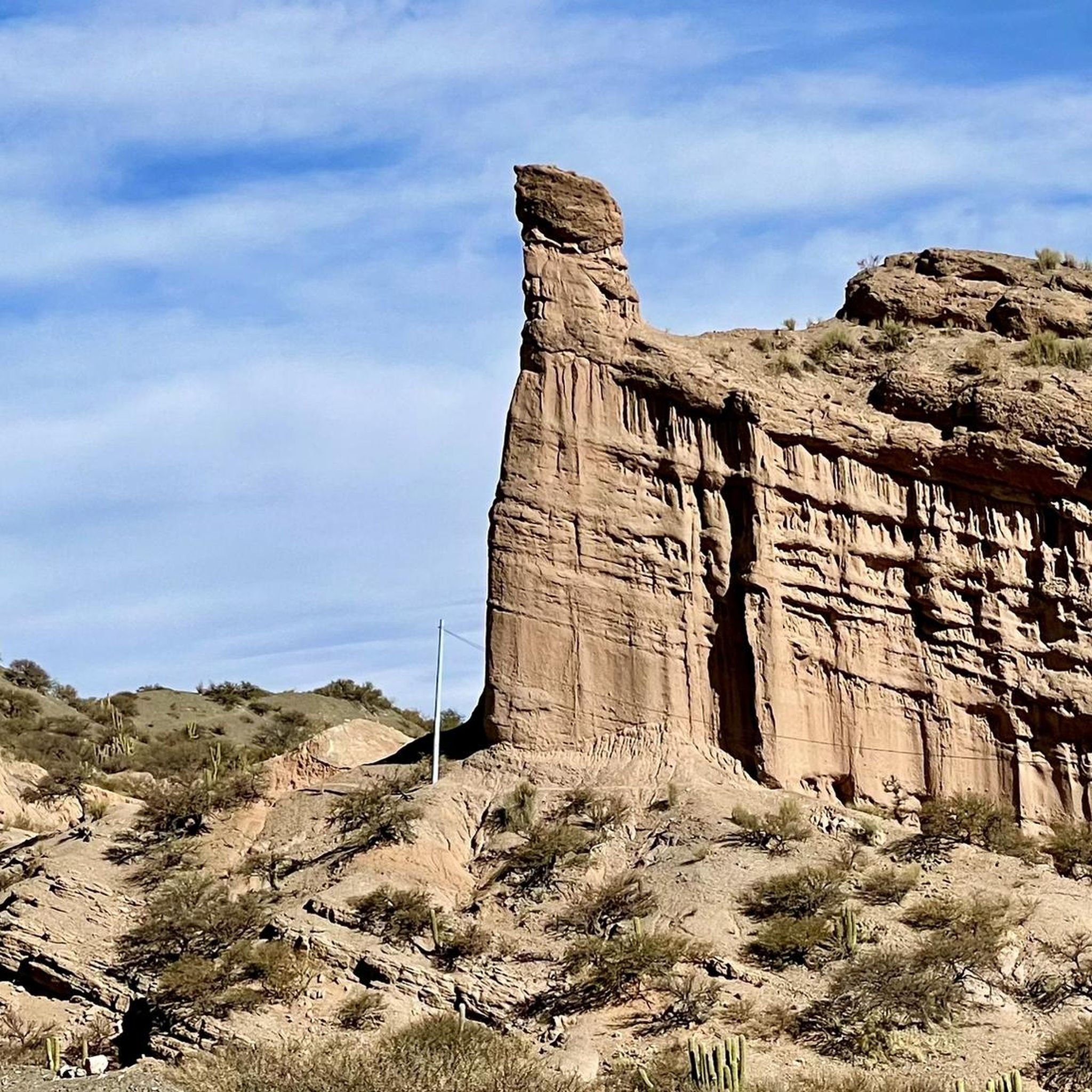
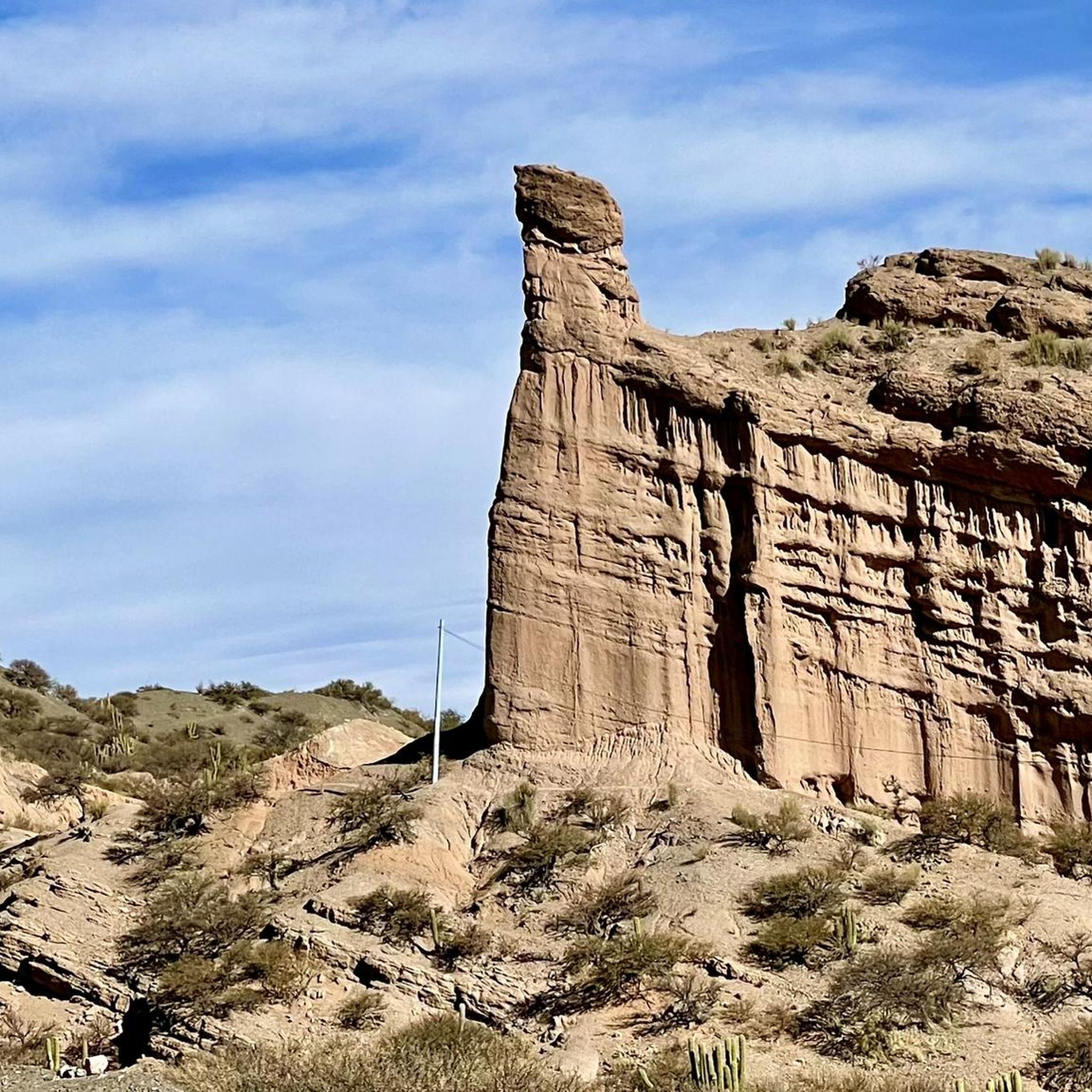
- The most popular canyons is Valley of the Souls, a gorge that features a dense forest of needle-like rock formations. Its proximity to La Paz makes it accessible for independent visits.
- Another must-see spot is Valle de la Luna, a natural monument with bizarre formations created by erosion. Visitors can explore two short hiking trails through this lunar-like landscape.
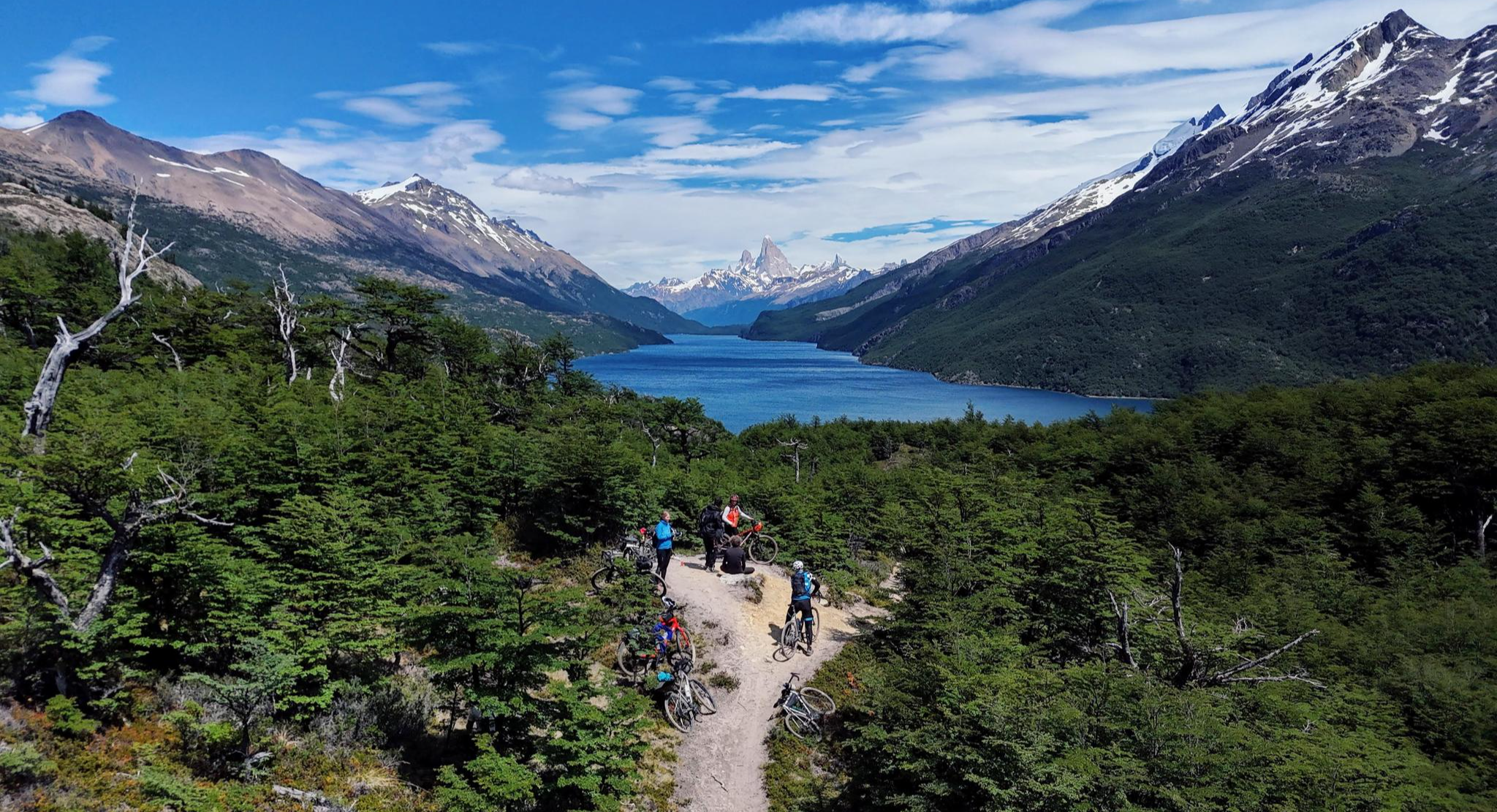
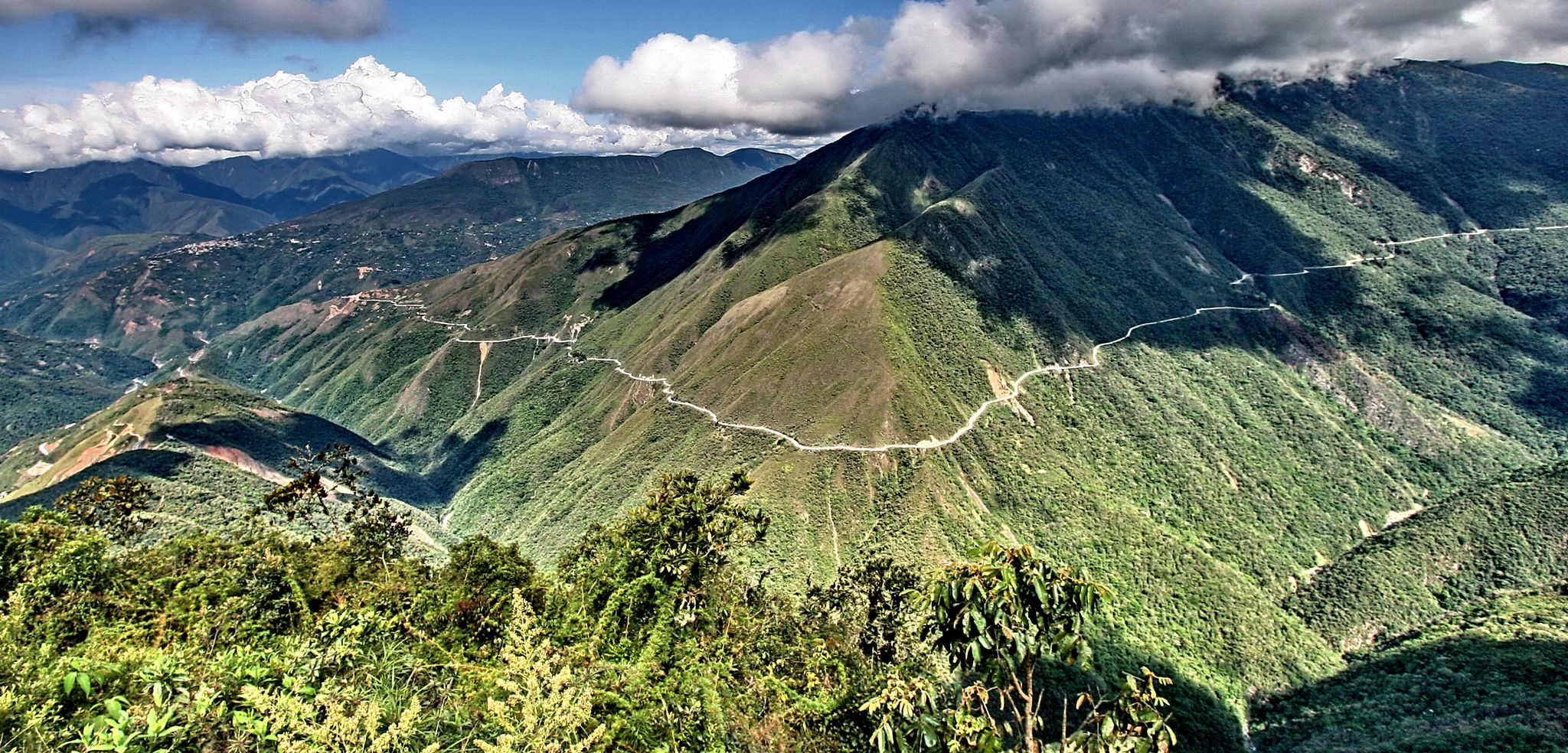
- Visitors also love Death Road Scenic Cliff View, a viewpoint offering views of a gorge. It provides an opportunity to experience the historic road with organized tours from La Paz.
- Bolivia is known for geologically diverse canyons, unique rock formations, and areas with ancient geological history. The country offers a variety of canyons to see and explore, from those with dinosaur footprints to those with towering spires.
- The canyons in Bolivia are appreciated by the komoot community, with 12 upvotes and 107 photos shared by visitors.
Last updated: July 11, 2026
Valle de la Luna
Highlight • Natural Monument
Translated by Google •
Tip by

Valley of the Souls
Highlight • Gorge
I recommend taking the Teleférico to Irpawi station, then walking a few minutes to the main road to catch a minibus to Ovejuyo.
Tip by

Sign up now to discover places like this
Get recommendations on the best single tracks, peaks, & plenty of other exciting outdoor places.
Sign up for free
Devil's Pass
Highlight • Gorge
Translated by Google •
Tip by

Death Road Scenic Cliff View
Highlight • Viewpoint
Translated by Google •
Tip by

Colorful Valley of the Rio Ollerias
Highlight (Segment) • Gorge
Translated by Google •
Tip by

Marquiri Waterfall
Highlight • Waterfall
Tip by

Start today with a free account
Your next adventure awaits.
Login or Signup



Tips from the Community

Guided tours go to the Animas Valley, but its proximity to La Paz makes it fairly easy to visit independently. I recommend taking the Teleférico to Irpawi station, then walking a few minutes to the main road to catch a minibus to Ovejuyo.
0
0

This valley is a treasure! You'll pass through many colorful mountains, small villages, and the vegetation is astonishing. The asphalt is perfect, so all you have to do is enjoy it.
0
0

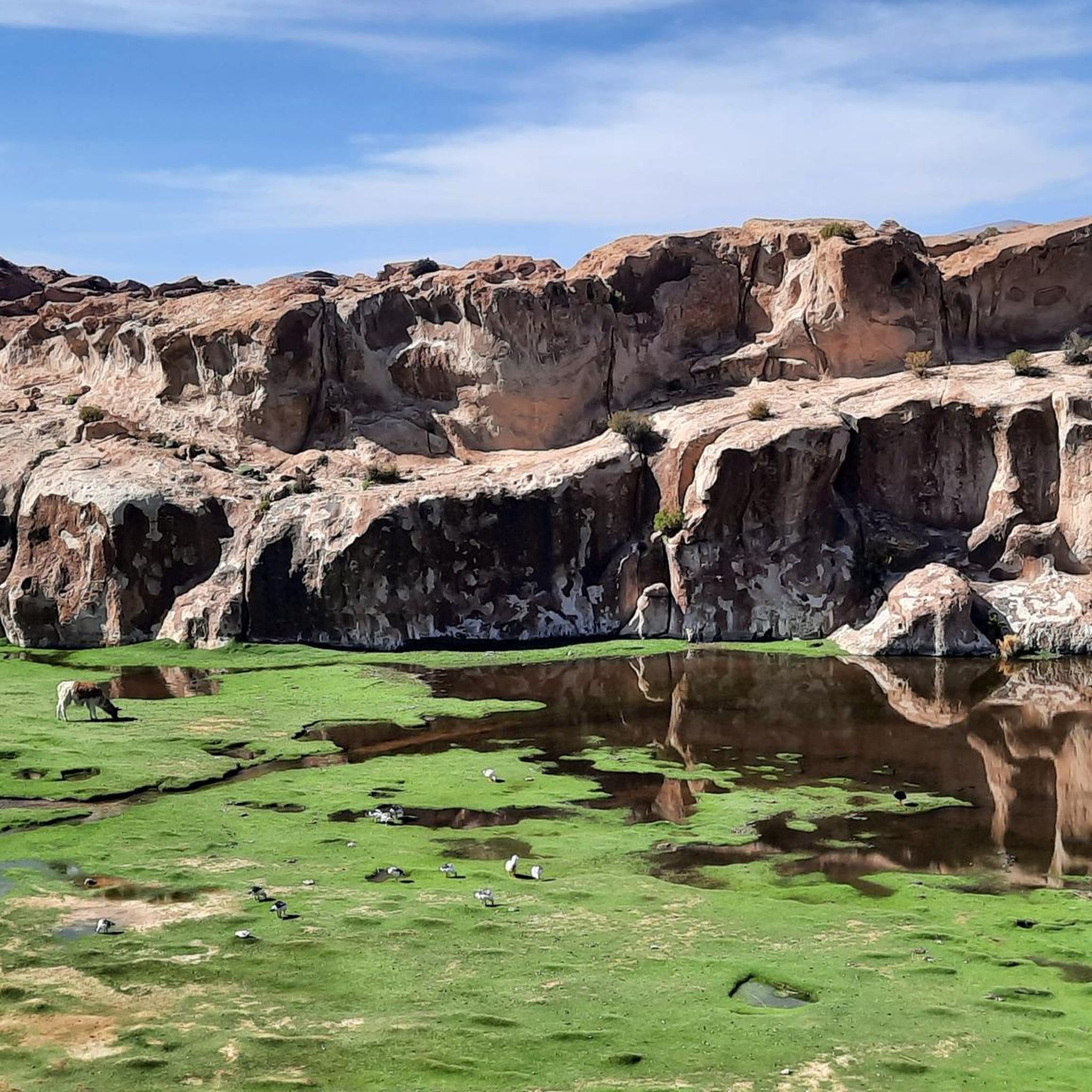
Easy hike, possibly accessible by torito from Tupiza. Horseback riding trips are also offered here.
2
0

Warm clothes and swimsuit recommended. You can get there by Trufi de Tarija to San Lorenzo. Once every hour goes a Trufi from Mercado Campesino to that place.
0
0

The Moon Valley is an impressive area! It is not made of stone, but of clay and pebbles and is therefore removed by around 1 cm per year. Jagged, bizarre formations can be viewed and climbed. You can choose between a short and a longer route (approx. 1km) via paths, stairs and wooden walkways. It goes up and down again and again and can get a bit strenuous.
3
0

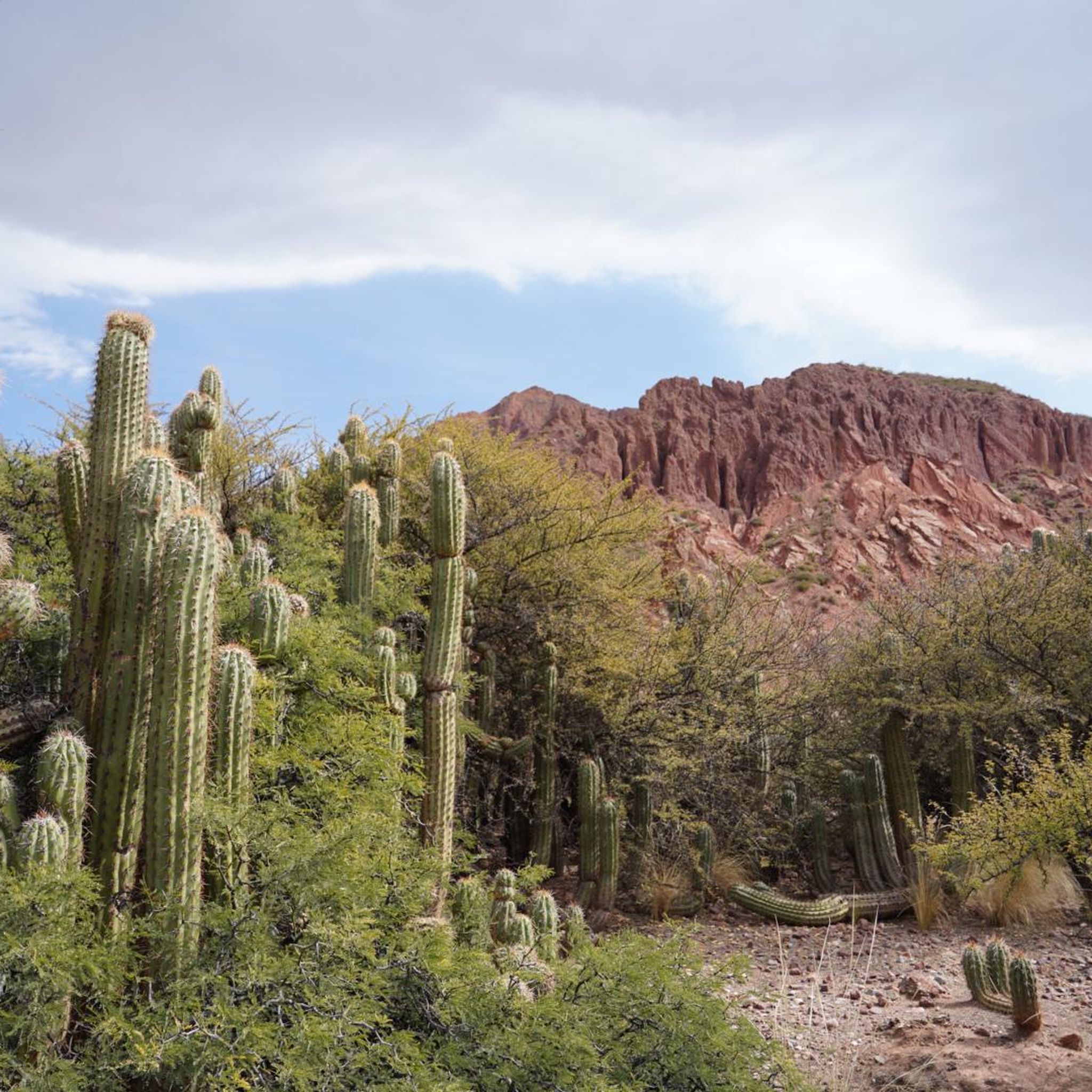
The bizarre formations created by erosion in the Valle de la Luna do not consist of rock, but mainly of reddish and gray-brown clay. They look like stalagmites. Every year they become on average one centimeter smaller due to rainfall. The area is almost devoid of vegetation, only a few cacti grow here.
4
0

A nice trip, arrived really well with the directions from the predecessors. There was a 45 min tour and a 15 min tour. Both are doable. 🤗
3
0

Entry costs 15 Bs (06/2023). Access is possible with the green cable car. Then from the Plaza Humboldt by minibus in the direction of Mallasa. The minibus stops right at the entrance.
4
0
Frequently Asked Questions
What unique geological features can I expect to see in Bolivia's canyons?
Bolivia's canyons are renowned for their diverse and striking geological formations. For instance, the Valley of the Souls near La Paz features a dense forest of needle-like rock spires, while Valle de la Luna showcases bizarre, lunar-like formations carved from clay and sandstone. Torotoro Canyon is famous for its deep ravines and numerous dinosaur footprints, and the Tupiza region offers magnificent red rock landscapes that evoke a feeling of being on another planet.
Are there canyons in Bolivia known for historical or archaeological significance?
Yes, Torotoro Canyon, located within Torotoro National Park, is particularly notable for its historical significance. It's often called a 'real-life Jurassic Park' due to the abundance of dinosaur footprints from the Cretaceous period. The park also contains pre-colonial rock paintings and the Umajalanta Cave, one of Bolivia's longest and deepest, which holds archaeological interest. Additionally, the El Palmar Integrated Management Natural Area, while known for its palm forests, also features archaeological sites alongside its deep canyons.
What kind of wildlife might I encounter in Bolivian canyons?
The canyons and surrounding areas in Bolivia are home to diverse wildlife. In Torotoro Canyon, visitors can often spot vultures soaring along the canyon walls. The El Palmar Integrated Management Natural Area, which includes deep canyons, is a crucial habitat for endangered species such as the Bolivian squirrel monkey, Andean condor, and spectacled bear, offering opportunities for wildlife observation during guided tours.
What are some popular hiking opportunities in Bolivia's canyons?
Many of Bolivia's canyons offer excellent hiking experiences. You can explore scenic trails in Valley of the Souls and Palca Canyon near La Paz, which provide serene escapes with impressive vistas. Torotoro Canyon offers treks to panoramic lookouts and a descent into the canyon itself, including a 4-mile trek to a waterfall in Vergel Canyon. The region around Tupiza is also a major draw for nature enthusiasts, with numerous hiking trails through its distinctive red rock formations.
Are there family-friendly canyons or activities suitable for children?
Yes, some canyons offer experiences suitable for families. Devil's Pass near Tupiza is noted as family-friendly and offers easy hikes, with options for horseback riding. Valle de la Luna, with its short hiking trails over steps and bridges, provides an accessible and visually engaging experience for visitors of all ages. Torotoro National Park, with its dinosaur footprints and caves, can also be an exciting destination for families.
What is the best time to visit Bolivia's canyons?
Generally, the dry season (May to October) is considered the best time to visit Bolivia's canyons. During this period, the weather is typically sunny with less rainfall, making hiking trails more accessible and enjoyable. This also reduces the risk of flash floods in narrow canyon passages. However, specific conditions can vary by region, so it's always advisable to check local weather forecasts before your trip.
Are there options for running or cycling near these canyons?
Yes, the diverse landscapes around Bolivia's canyons offer various outdoor activities. For running, you can find trails like the 'Chincana Ruins, Isla del Sol loop from Yumani' or 'Mirador de aves La Rinconada loop from Cochabamba'. If you prefer cycling, there are road cycling routes such as 'Bosquecillo Fidel Anze Soria loop from Villa Busch' and 'Río de La Paz – Laguna Pacajes loop from Universidad Mayor de San Andrès'. For general cycling, routes like 'Los Quesos – 8.8 loop from Rotonda Puente Metropolitano' are available. You can find more details on these activities in the Running Trails in Bolivia, Road Cycling Routes in Bolivia, and Cycling in Bolivia guides.
What are the accessibility options for reaching Bolivia's canyons?
Accessibility varies by canyon. For canyons near La Paz, such as Valley of the Souls and Valle de la Luna, public transport options like the Teleférico and minibuses are available. For more remote locations like Torotoro Canyon, organized tours are often recommended, though independent travel is possible. The Tupiza canyons can be explored via horseback riding trips or by 'torito' (small local vehicles). For the Death Road Scenic Cliff View, well-organized tours from La Paz are the primary way to experience it.
Are there any canyons that offer challenging routes or advanced exploration?
While specific 'canyoning' routes are not detailed, some areas present challenging terrain. The descent into Torotoro Canyon involves an 800-step staircase, and exploring the Umajalanta Cave requires guided tours due to its depth and complexity. The Death Road Scenic Cliff View is associated with a challenging trail, often experienced through organized mountain biking tours. These areas offer more demanding experiences for adventurous visitors.
What do visitors enjoy most about Bolivia's canyons?
Visitors frequently express awe at the unique geological formations and the sense of being in an otherworldly landscape. The proximity of some canyons to major cities like La Paz makes them accessible for day trips, offering a peaceful escape from urban life. The opportunity to witness ancient history, such as dinosaur footprints in Torotoro, and the vibrant, colorful mountains, like those in the Colorful Valley of the Rio Ollerias, are also highly appreciated. Many enjoy the hiking and photography opportunities, marveling at the impressive vistas and dramatic scenery.
Can I find accommodation or amenities near Bolivia's canyons?
While specific amenities vary, major canyon destinations often have nearby towns or cities that offer accommodation, dining, and other services. For example, canyons near La Paz benefit from the city's extensive infrastructure. Tupiza serves as an excellent starting point for multi-day tours to its surrounding canyons, providing various amenities for travelers. Torotoro National Park has facilities for visitors, including lodging options within or near the park. It's always recommended to research specific locations for detailed information on nearby services.
Most popular routes in Bolivia
Most popular attractions in Bolivia

Get inspired with the komoot mobile app


Explore more
Already discovered everything in this region? See additional gorges in Bolivia for your next adventure:
