The 15 Most Amazing Peaks in Santiago Metropolitan
Best mountain peaks in Santiago Metropolitan are situated within and around the city, offering diverse landscapes. The region is characterized by the towering Andes to the east and the Coastal Range to the west. This geographical setting provides a variety of natural features, from high-altitude peaks to urban hills. These mountains offer opportunities for challenging hikes and panoramic views.
Best mountain peaks in Santiago Metropolitan
- The most popular mountain peaks is Manquehuito Summit, a summit that offers a view of Santiago and the surrounding mountains. It is a popular route for locals, especially on weekends.
- Another must-see spot is San Cristobal Hill, a summit and viewpoint. Visitors can expect panoramic views of the city and the Andes, with various attractions including walking trails and viewpoints.
- Visitors also love Morro Las Papas, a summit known for its unique rock formations. It is considered an ideal climb for families and beginners due to its accessibility and gentle trekking.
- Santiago Metropolitan is known for high-altitude Andean peaks, coastal range mountains, and urban hills. The region offers a variety of mountain peaks to see and explore, catering to different levels of hiking experience.
- The mountain peaks in Santiago Metropolitan are appreciated by the komoot community, with more than 50 upvotes and 10 photos shared.
Last updated: July 6, 2026
Manquehuito Summit
Highlight • Summit
The trail to Manquehuito can be steep and slippery in places, especially on the descent. Therefore, sturdy footwear and plenty of water are essential. Many hikers also recommend using good headlamps in the dark or at night, as the trail is unlit and visibility can be limited.
The route is very popular with locals, so expect not to be alone. The summit is particularly busy on weekends, but this doesn't detract from the atmosphere. You should allow approximately 1.5 to 2 hours for the ascent.
This spot invites you to savor the tranquility and the view before beginning your descent.
Translated by Google •
Tip by

Cerro El Carbon
Highlight • Summit
Translated by Google •
Tip by

Sign up now to discover places like this
Get recommendations on the best single tracks, peaks, & plenty of other exciting outdoor places.
Sign up for free
Morro Las Papas
Highlight • Summit
The climb is ideal even for families and beginners.
Translated by Google •
Tip by
Cerro Manquehue
Highlight • Summit
It is recommended to bring water and wear good footwear to enjoy this classic Santiago climb.
Translated by Google •
Tip by
Virgin of the Immaculate Conception
Highlight • Monument
Translated by Google •
Tip by

Alto de las Vizcachas Hill
Highlight • Viewpoint
Translated by Google •
Tip by

Cerro Los Gemelos
Highlight • Summit
Translated by Google •
Tip by
Alto del Naranjo
Highlight • Summit
Translated by Google •
Tip by

Manquehue Trail
Highlight (Segment) • Trail
Translated by Google •
Tip by

Morro Guayacán
Highlight • Summit
Translated by Google •
Tip by

Sign up for free to discover even more peaks in Santiago Metropolitan.
Sign up for free
Already have an account?
Start today with a free account
Your next adventure awaits.
Login or Signup
Tips from the Community

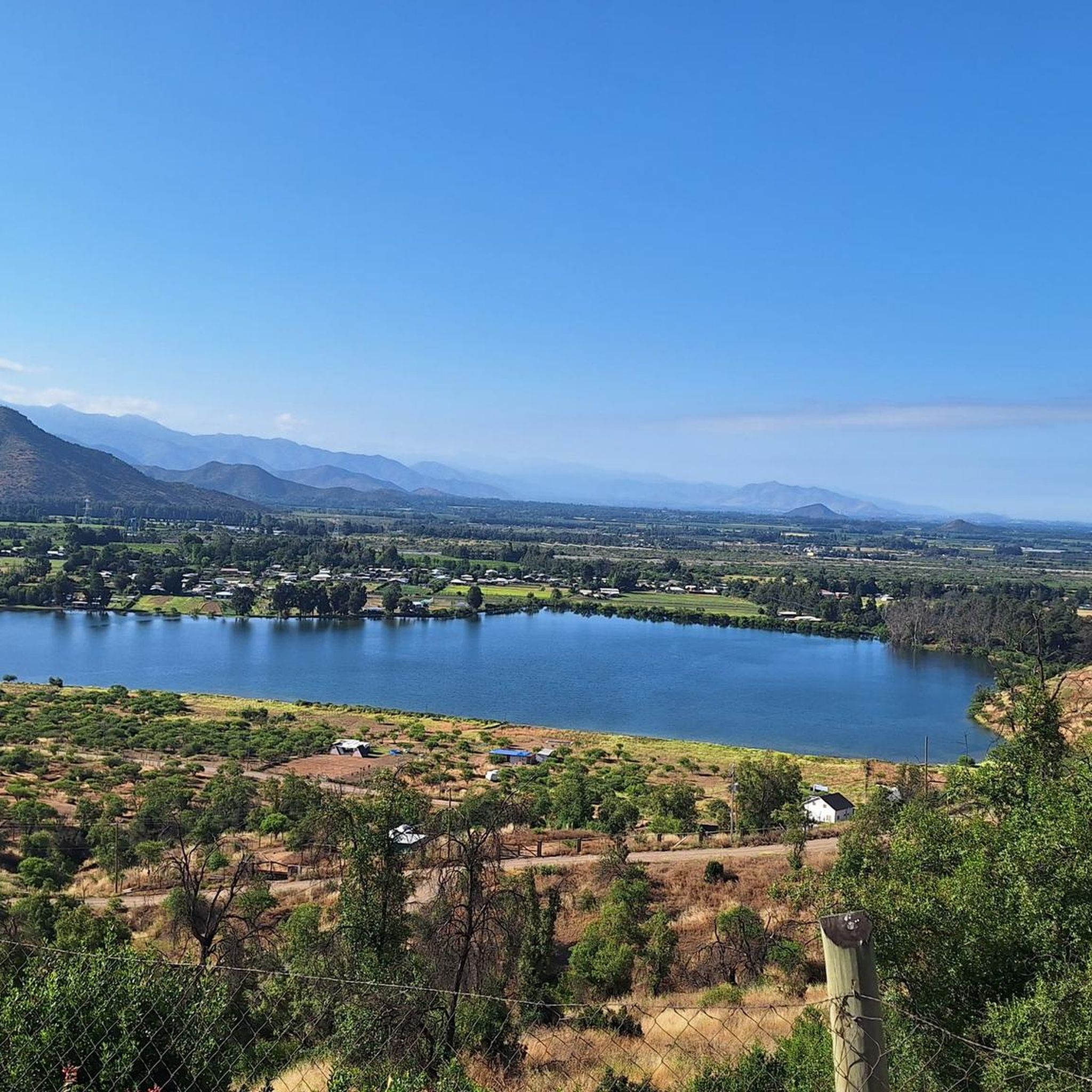
From the viewpoint, the city unfolds at your feet like a network of avenues, parks, and rooftops that fade into the horizon. Around it, the mountains rise in a vast natural amphitheater, displaying varying shades of green and gray that frame the landscape. A truly breathtaking sight.
0
0

Alto del Naranjo is a popular pre-Andean plateau in the Sierra de Ramón, known for its panoramic views, an iconic centuries-old quillay tree, and for being an intermediate point in the ascent to Cerro Provincia.
0
0
The Virgin of the Immaculate Conception symbolizes the purity and grace of Mary, conceived without original sin. She is traditionally depicted wearing white and blue robes, with her hands clasped and the moon at her feet, a symbol of light and hope. On San Cristóbal Hill, her image rises like an icon, watching over the city from its heights.
0
0

El Carbón hill offers a direct ascent with excellent views over Santiago, passing several marked viewpoints such as Las Pircas and Guayacán. The trail begins next to the La Pirámide road and climbs volcanic slopes to the summit, located at 1365 meters. It is a popular and freely accessible route, ideal for a quick outing, but it is advisable to wear footwear with good grip and sun protection, as there are exposed sections.
1
0

The views from this rock formation are incredible. It's no wonder it's such a popular destination among nature lovers living in Santiago.
1
0
Cerro Los Gemelos, at 798 meters, is one of the easier peaks in Santiago's Metropolitan Park, offering good views of the valley and the city without requiring great physical exertion. The ascent follows dirt paths through scrubland and open areas, ideal for a quick and short hike. Wear shoes with good traction, as the ground is often dry and loose in the summer.
1
0
Manquehue Hill, whose name means "place of condors" in Mapudungun, is the highest point in the Santiago Valley and one of the city's most iconic natural viewpoints. At 1,638 meters above sea level, it offers challenging but very popular hiking trails with panoramic views of the valley and the Andes Mountains. Its sclerophyllous vegetation, with quillay, peumo, and chagua trees, is home to fauna such as foxes and Andean condors. It is recommended to bring water and wear good footwear to enjoy this classic Santiago climb.
2
0
Morro Las Papas, at 1380 meters above sea level, is a popular pre-Andean hill among hikers from Santiago. Its name comes from the curious rock formations at its summit, which resemble a bunch of potatoes, and it is part of the Sierra de Ramón mountain range. The climb is ideal even for families and beginners.
1
0
Frequently Asked Questions
Which mountain peaks are most popular for visitors in Santiago Metropolitan?
Among the most popular peaks in Santiago Metropolitan are Manquehuito Summit, which offers excellent views of the city and is a favorite among locals, and San Cristobal Hill, an urban oasis with panoramic city and Andes views, accessible via various means. Morro Las Papas is also highly appreciated for its unique rock formations and accessibility.
Are there family-friendly mountain peaks or hikes near Santiago?
Yes, several peaks are suitable for families and beginners. Morro Las Papas is considered an ideal climb due to its accessibility and gentle trekking. Manquehuito Summit offers a quicker and easier hike compared to its larger neighbor, Cerro Manquehue, while still providing great views. San Cristobal Hill is also very family-friendly, featuring a funicular, cable car, zoo, and botanical gardens, alongside walking trails.
What are the most challenging mountain peaks in the Santiago Metropolitan region?
For experienced trekkers and mountaineers, Cerro El Plomo (5,424 m / 17,795 ft) presents a significant challenge, often requiring a multi-day expedition. It's the highest peak clearly visible from Santiago. Volcán Tupungato (6,570m / 21,555ft) is the highest and most prominent mountain in the region, offering a rewarding experience for serious climbers due to its extreme difficulty.
What is the best time of year to climb mountains in Santiago Metropolitan?
The best time to climb the higher Andean peaks like Cerro El Plomo is typically between January and March. During these months, the approach is generally snow-free, and the climate is more stable. For lower and more accessible peaks, hiking is possible year-round, though spring (September-November) and autumn (March-May) offer pleasant temperatures and clear skies.
What kind of views can I expect from the mountain peaks in Santiago Metropolitan?
The mountain peaks offer diverse and stunning views. From peaks like Cerro Manquehue and San Cristobal Hill, you can enjoy unparalleled 360-degree panoramic views of Santiago city and the surrounding Andes. Higher peaks like Cerro Provincia provide expansive vistas stretching from the city to the deep Andes, and on clear days, even to the Pacific Ocean from peaks in the Coastal Range like Cerro La Campana.
Are there any mountain peaks with historical or cultural significance in the region?
Yes, Cerro El Plomo holds significant archaeological importance, as it was the site where the remains of an Inca sacrifice, 'El Niño del Plomo,' were discovered. Cerro Manquehue is considered an 'apu' or sacred mountain by the local indigenous culture. Additionally, San Cristobal Hill is home to the Virgin of the Immaculate Conception statue, a prominent religious landmark overlooking the city.
What outdoor activities can I do near the mountain peaks in Santiago Metropolitan?
Beyond hiking, the region offers various outdoor activities. You can find numerous road cycling routes, such as those detailed in the Road Cycling Routes in Santiago Metropolitan guide. There are also many hiking trails, ranging from easy to challenging, including those found in the Easy hikes in Santiago Metropolitan and Hiking in Santiago Metropolitan guides.
Which peaks offer a good high-mountain experience without extreme technical climbing?
Cerro Pintor (around 4,180 m / 13,714 ft), accessible from the Farellones area, is a favorite for those seeking high-mountain experiences. It offers a 'colorful hike' at over 4000 meters and provides access to glaciers and mid-altitude landscapes without requiring extreme technical climbing skills.
What should I pack for a day hike in the Santiago mountains?
For day hikes in the Santiago mountains, especially on trails like Manquehuito Summit, sturdy footwear is essential due to steep and potentially slippery sections. Always bring plenty of water, sun protection (hat, sunscreen), and layers of clothing as temperatures can change. If hiking in the dark or at night, a good headlamp is recommended as trails are unlit.
Are there any peaks that are less crowded but still offer great views?
While popular peaks can get busy, especially on weekends, exploring options slightly further afield or during weekdays can offer a quieter experience. Cerro Provincia, while a full-day trek, might be less crowded than urban hills and offers rewarding panoramic views. Cerro Pochoco, located in the El Arrayán sector, is a popular but often less congested option than the most central peaks, providing great views and an astronomical observatory.
What is unique about Cerro La Campana in the Coastal Range?
Cerro La Campana (1,880 m / 6,168 ft), located within La Campana National Park, is unique for being one of the tallest peaks in Chile's coastal mountain range. It offers breathtaking panoramic views that can extend to the Pacific Ocean on clear days. The park is also a UNESCO Biosphere Reserve, notable for housing one of the last palm forests of the endangered Chilean Wine Palm (Jubaea chilensis). Charles Darwin famously climbed this mountain in 1834.
Can I find any peaks with unique natural features?
Yes, Morro Las Papas is known for its distinctive rock formations at the summit, which resemble potatoes and give the hill its name. The higher Andean peaks also feature glaciers and diverse high-altitude landscapes, while Cerro La Campana is home to the endangered Chilean Wine Palm forests.
Most popular routes in Santiago Metropolitan
Most popular attractions in Santiago Metropolitan

Get inspired with the komoot mobile app


Didn’t find what you were looking for?
Discover Santiago Metropolitan’s best peaks and summits by region:
Explore more
See even more amazing summits in Santiago Metropolitan with these guides:
