Top 6 Caves in Bahia
Best caves in Bahia are primarily found within the Chapada Diamantina National Park, a region known for its extensive underground water systems. The state features spectacular cave systems with unique geological formations and subterranean lakes. Over 130 caves have been mapped near Lençóis, indicating a significant network of underground environments. These natural features make Bahia a notable destination for cave exploration.
Best caves in Bahia
- The most popular caves is Gruta da Pratinha + Blue Cave, a cave and…
Last updated: July 6, 2026
Gruta da Lapa
Highlight • Cave
Translated by Google •
Tip by

Colored Sands Hall
Highlight • Natural Monument
Translated by Google •
Tip by

Sign up now to discover places like this
Get recommendations on the best single tracks, peaks, & plenty of other exciting outdoor places.
Sign up for free
Gruta da Pratinha + Blue Cave
Highlight • Cave
Translated by Google •
Tip by
Gruta do Lapão
Highlight • Cave
Translated by Google •
Tip by

Lapinha Cave
Highlight • Cave
Translated by Google •
Tip by

Poço Encantado
Highlight • Cave
Translated by Google •
Tip by
Start today with a free account
Your next adventure awaits.
Login or Signup
Tips from the Community

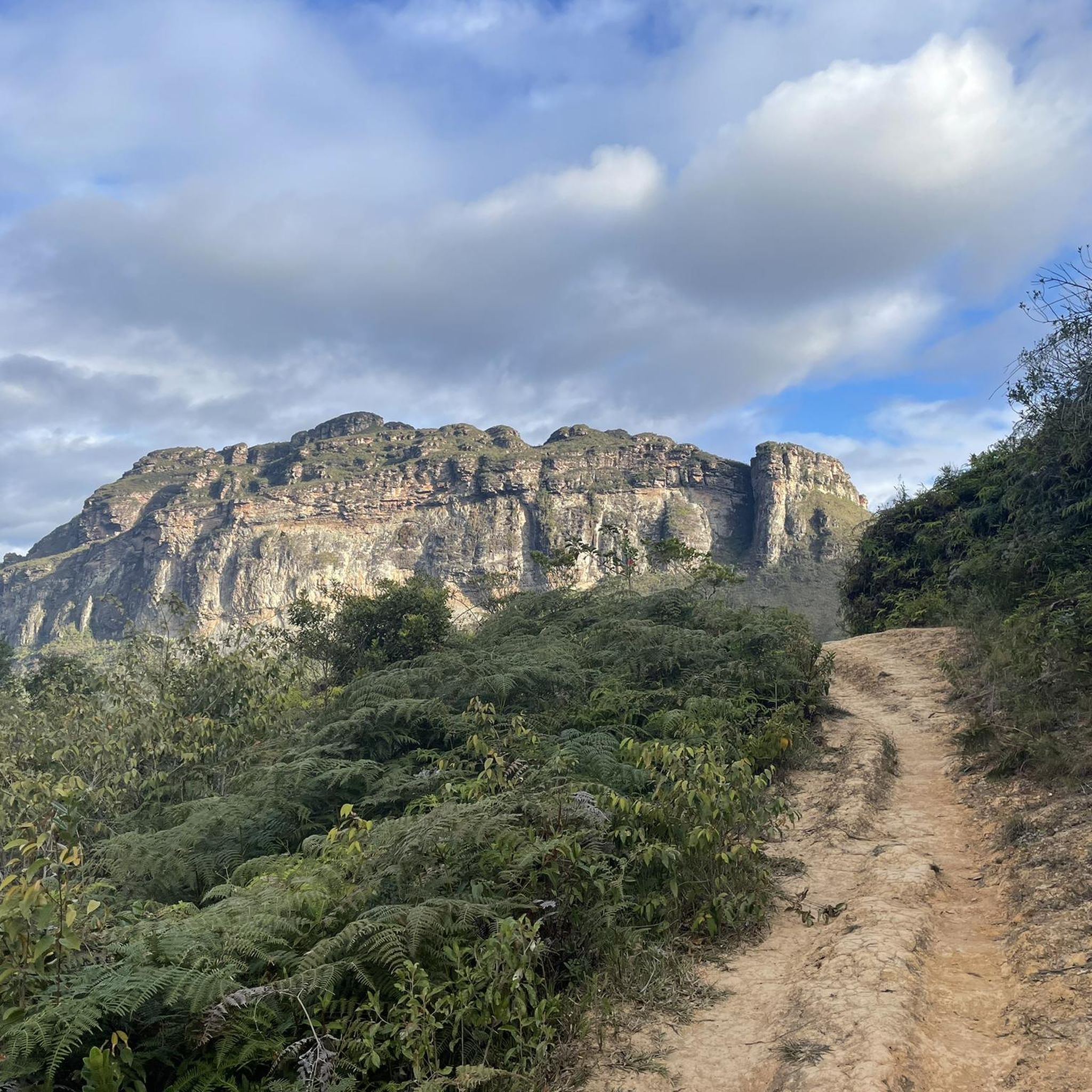
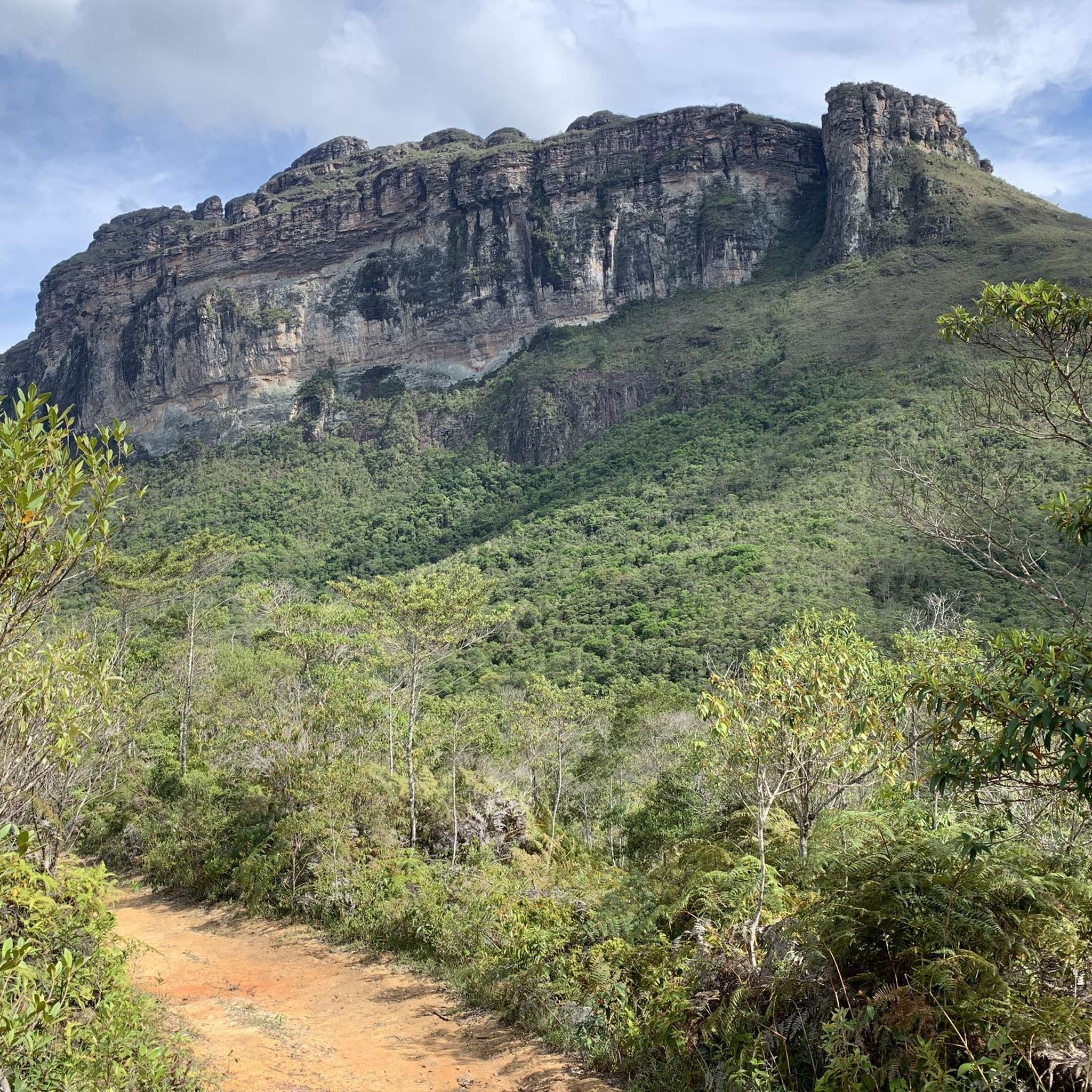
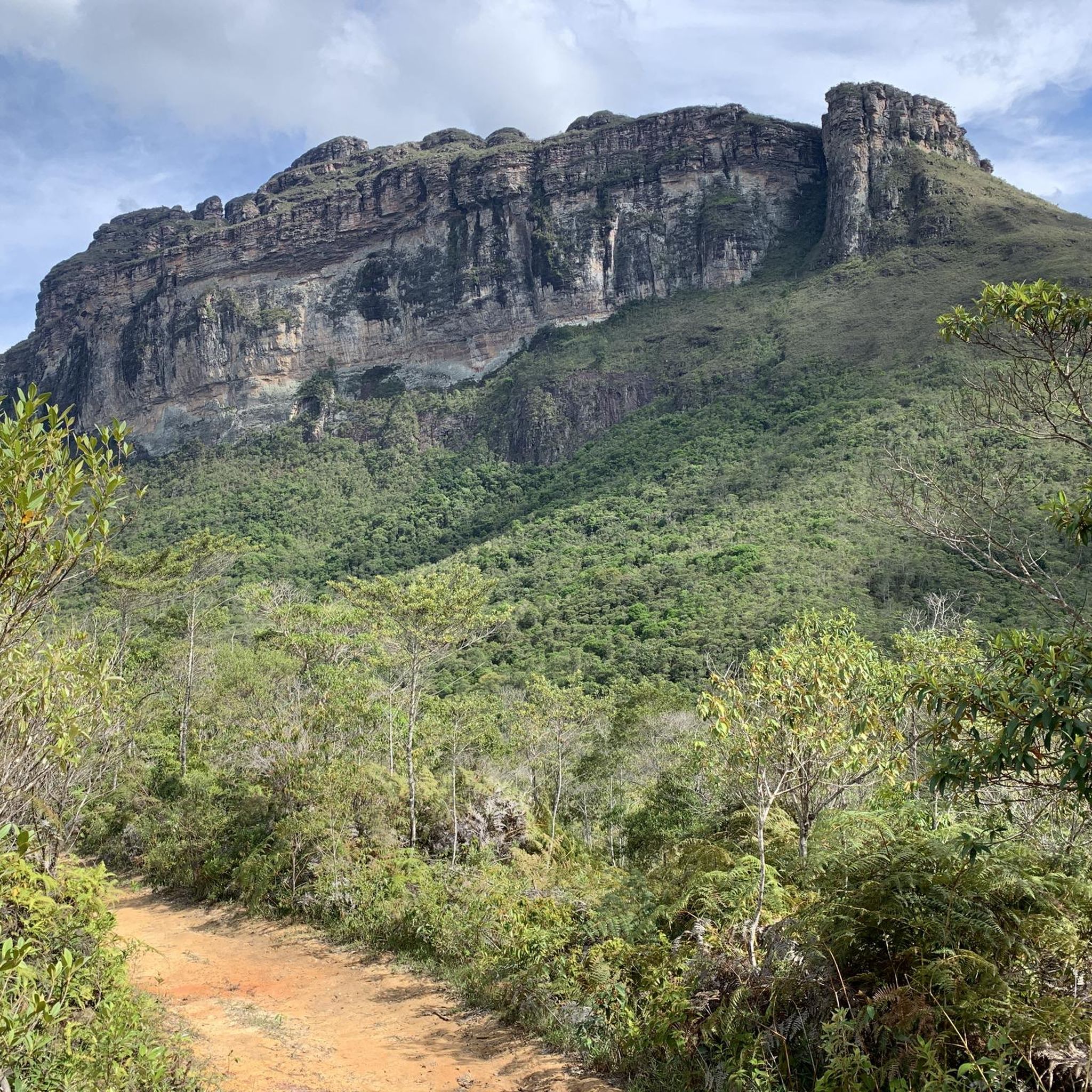
Lapinha Cave is a sandstone cave in Castelo Hill, in the heart of the Pati Valley, in Chapada Diamantina. Access requires a steep climb up the hill's trail, rewarded with a dark passage through the cave and viewpoints at the top offering expansive views of the surrounding valleys and cliffs. The humid environment, slippery sections, and narrow passages necessitate a flashlight, grippy footwear, and extra caution.
0
0

The floor of the Colored Sand Rooms (Salões de Areias Coloridas) is covered with various shades of sand. The sand is also sold there in bottles as souvenirs. It's very narrow between the rocks and stones. There are no signs or reliable GPS reception. You shouldn't go there without a guide, as you'll probably get lost.
0
0
You can't swim in Poco Encantado. There's only a 40-minute tour, during which the guide tells a bit about the history and you can have your photo taken with him in front of the blue water. Unfortunately, the guide only speaks Brazilian.
0
0

The hike from Lencois to the cave entrance takes about 1 hour 30 minutes.
0
0
Way to Gruta do Lapao. To get to the cave entrance, you have to climb down the narrow path between the rocks above the cave. After about 25 minutes you will reach an underground river in the cave. This part of the tour is not recorded as there is no GPS signal in the cave. Be sure to take a flashlight with you.
3
0

Gruta da Pratinha and the Blue Grotto are located on private property. Entrance to the Pratinha Farm costs 40 real per person. The blue cave is best visited when the sun shines in the cave to see the water turn blue.
7
0
The Gruta da Lapa is part of a 42 km long system of caves. Currently, only 850 meters of this paradise is open to visitors. A visit begins with a steep descent along a path and stairs. The route in the cave begins with a descent of 70 meters. Access is only allowed with a local guide. It is forbidden to enter the caves with sandals or slippers. Closed shoes are mandatory.
8
0
Gruta da Lapa is an 850m long cave formed by an underground river. You can see impressive stalagmites and stalactites. Can only be visited with a guide. If you do not have a flashlight with you (necessary because it is pitch dark in the cave), the guide can give you one.
8
0
Frequently Asked Questions
What makes the caves in Bahia unique?
Bahia's caves, especially within the Chapada Diamantina National Park, are known for their extensive underground water systems, unique geological formations, and crystal-clear subterranean lakes. The region near Lençóis alone has over 130 mapped caves, highlighting a vast and significant network of underground environments.
What are some of the most striking natural features found in Bahia's caves?
You can find magnificent stalactite and stalagmite formations, as seen in Gruta da Lapa. Many caves also feature incredibly clear, blue underground pools, such as Poço Encantado and Poço Azul, where sunlight creates stunning light effects.
Are there any caves in Bahia where I can swim?
Yes, you can swim and snorkel in Poço Azul, which features strikingly clear, turquoise-blue water. Another option is Gruta da Pratinha, where you can float in its crystal-clear waters with a life vest, snorkel, and flippers, always accompanied by guides.
Which caves in Bahia are known for their light effects?
Poço Encantado is famous for sunlight filtering through a natural fissure, illuminating the water with an ethereal blue glow between April and August. Similarly, Poço Azul and the Blue Cave (adjacent to Gruta da Pratinha) offer vibrant blue hues when sunlight directly penetrates the water, particularly between April and September.
What is the best time of year to visit the caves in Bahia?
For optimal light conditions and vibrant blue hues in caves like Poço Encantado and Poço Azul, the best time to visit is generally between April and September. Specifically, for Poço Azul, the ideal time is from 12:30 PM to 2:00 PM.
Are guides required for exploring caves in Bahia?
Yes, for many of the more intricate cave systems, a local guide is recommended or even mandatory. For instance, Gruta da Lapa can only be visited with a local guide. Guides ensure safety and provide flashlights if needed.
What should I wear when visiting caves in Bahia?
Closed shoes are mandatory for exploring caves like Gruta da Lapa, and sandals or slippers are forbidden. For caves with humid environments, slippery sections, or narrow passages, such as Lapinha Cave, grippy footwear is essential. A flashlight is also necessary for many dark cave sections.
Are there family-friendly caves in Bahia?
Gruta da Pratinha + Blue Cave offers opportunities for flotation in clear waters with guides, making it a suitable option for families. Gruta da Lapa Doce also has accessible sections for a wider range of visitors, offering an adventurous yet manageable exploration.
How challenging are the caves in Bahia generally?
The caves in Bahia offer a range of difficulties. Some, like Gruta da Lapa, Gruta do Lapão, and Lapinha Cave, are considered challenging due to steep descents, narrow paths, or slippery sections. Others, like Gruta da Pratinha, are more intermediate and offer guided experiences.
What outdoor activities can I do near the caves in Bahia?
The region around Bahia's caves, particularly Chapada Diamantina, is excellent for hiking. You can find various routes, from easy to difficult, including waterfall hikes. Explore more options in the Hiking in Bahia guide, or specifically for waterfalls, check out Waterfall hikes in Bahia.
What can I expect when visiting <a href="https://www.komoot.com/highlight/6436385" target="_blank" rel="noopener">Gruta do Lapão</a>?
To reach Gruta do Lapão, you'll navigate a narrow path between rocks to the cave entrance. Inside, you'll find an underground river. A flashlight is essential for exploration as there is no GPS signal and it's very dark.
What is special about <a href="https://www.komoot.com/highlight/7993408" target="_blank" rel="noopener">Colored Sands Hall</a>?
The Colored Sands Hall (Salões de Areias Coloridas) features floors covered with various shades of sand. It's a unique geological formation, and the colored sand is even sold in bottles as souvenirs. It's recommended to visit with a guide due to narrow passages and lack of signs.
Most popular attractions in Bahia

Get inspired with the komoot mobile app


Didn’t find what you were looking for?
Discover more caves in Bahia region by region:
