The 10 Most Amazing Peaks in Río Negro
Best mountain peaks in Río Negro are found within Argentina's Patagonian region, particularly around San Carlos de Bariloche. This area is characterized by towering mountains, pristine forests, and shimmering lakes, largely encompassed by Nahuel Huapi National Park. The province offers a diverse range of mountain landscapes, from extinct stratovolcanoes to granite spires. These natural attractions in Río Negro mountains provide varied opportunities for exploration.
Best mountain peaks in Río Negro
- The most popular mountain peaks is Llao Llao Viewpoint,…
Last updated: July 6, 2026
Llao Llao Viewpoint
Highlight • Viewpoint
Translated by Google •
Tip by

Cerro San Martin
Highlight • Summit
Translated by Google •
Tip by
Sign up now to discover places like this
Get recommendations on the best single tracks, peaks, & plenty of other exciting outdoor places.
Sign up for free
Panoramic views from the Cerro Lopez Trail
Highlight • Summit
Translated by Google •
Tip by

View of Nahuel Huapi Lake from Cerro Otto
Highlight • Viewpoint
Translated by Google •
Tip by

Summit of Otto Hill
Highlight • Summit
Translated by Google •
Tip by
Habsburg Rock
Highlight • Viewpoint
Translated by Google •
Tip by
View of Lake Nahuel Huapi and Mount Tronador
Highlight • Viewpoint
Translated by Google •
Tip by

Cerro Goye
Highlight • Summit
Translated by Google •
Tip by

View from Pico del Turista
Highlight • Viewpoint
Translated by Google •
Tip by

El Abuelo Emergency Camp Spot
Highlight • Rest Area
Tip by

Start today with a free account
Your next adventure awaits.
Login or Signup
Other adventures in Río Negro

Tips from the Community

The breathtaking views you can enjoy from this point are the spectacular reward that the climb to Cerro Bella Vista gives you.
0
0

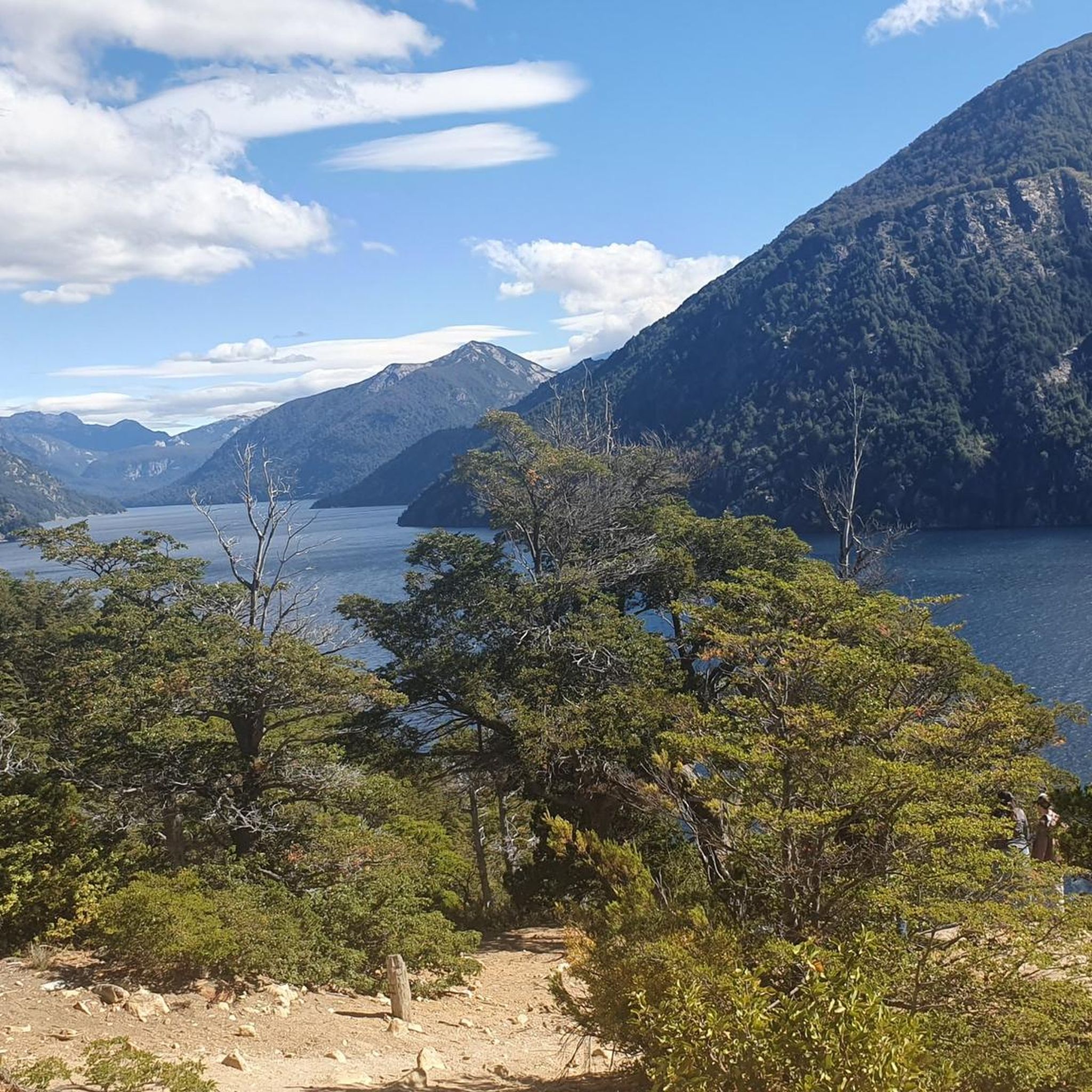
The Habsburg Stone viewpoint offers a spectacular panoramic view of Lake Nahuel Huapi and the surrounding mountains, with a perfect natural balcony for enjoying the scenery. The climb is short but steep in some sections, so it's best to take it easy and wear good shoes. It's one of the most photogenic spots in the area and an ideal reward at the end of the trail.
0
0
Cerro San Martín (1248 m), in Villa Catedral, offers a privileged panoramic view thanks to its position between Cerro Catedral and Cerro Otto, with sweeping vistas that also include Lake Gutiérrez. It's a short and very rewarding climb, ideal for those seeking a different viewpoint without venturing far from Bariloche. The terrain can be rocky in some sections, so sturdy footwear is recommended, and caution is advised on the descent.
1
0

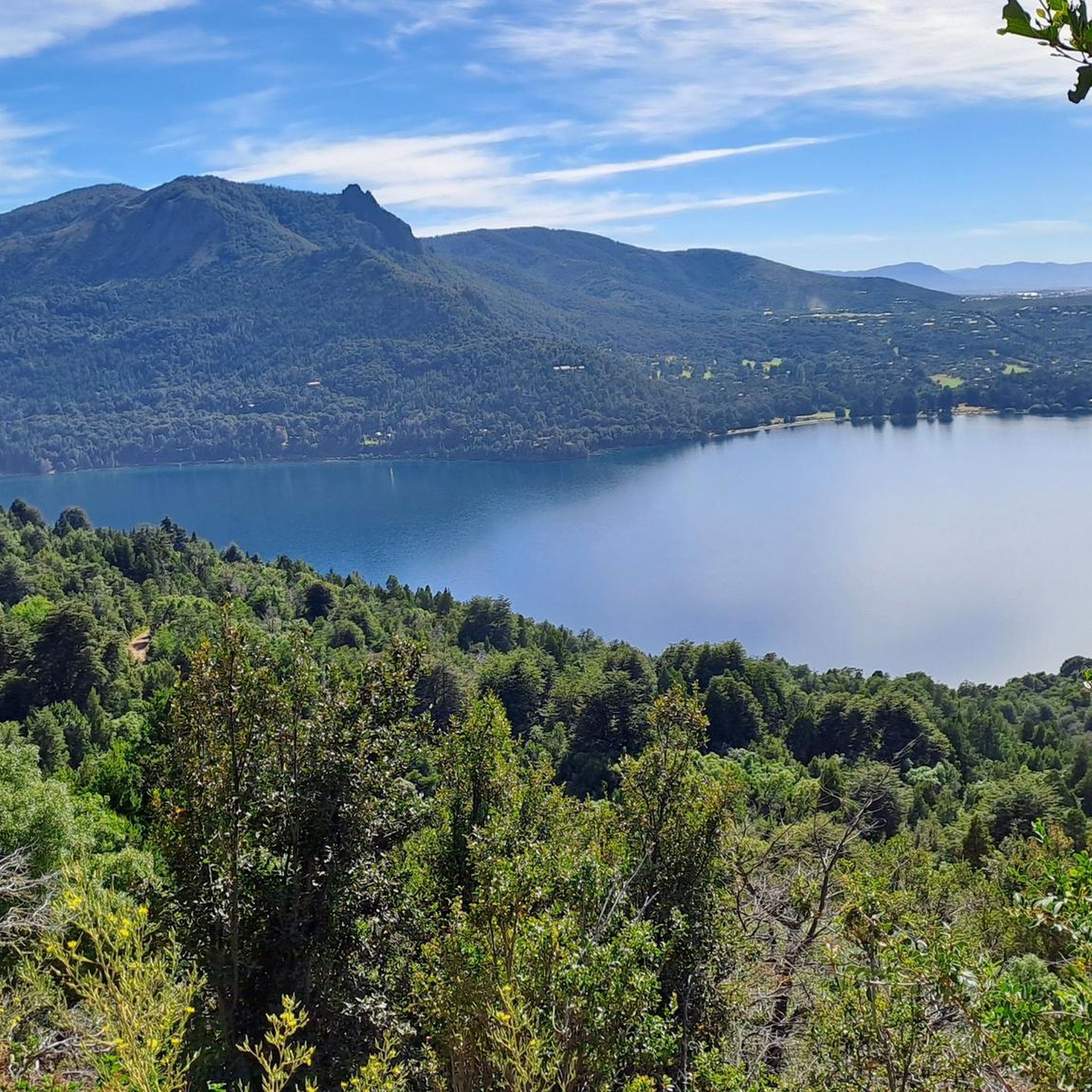
The views are simply spectacular: the lake seems to embrace the surrounding mountains, creating an unforgettable landscape. However, it's advisable to check the weather forecast in advance, as on colder days you might even encounter snow.
0
0
The Llao Llao Lookout, located 1,080 meters above sea level, offers one of the most iconic views of the "Circuito Chico" (Small Circuit). From here, you can see Lake Moreno, the López and Capilla hills, and the Brazo Tristeza (Sadness Arm) of Lake Nahuel Huapi. It's an ideal spot to stop and enjoy the Patagonian landscape, although it's advisable to stay away from the cliffs and keep a close eye on children for their safety.
1
0

The best views of Nahuel Huapi. Connecting to 4G almost all the way
0
0
The final meters of the climb demand every one of your senses and the last spark of energy you have left. But when you reach the summit, the world opens up before you: a spectacle so incredible it seems like something out of a dream. Now all that's left is to sit back and enjoy it before starting the descent.
0
0

Frequently Asked Questions
What are some of the most popular viewpoints among the mountain peaks in Río Negro?
Visitors frequently enjoy the Llao Llao Viewpoint, which offers iconic views of Lake Moreno, López and Capilla hills, and the Brazo Tristeza of Lake Nahuel Huapi. Another favorite is the View of Nahuel Huapi Lake from Cerro Otto, accessible via cable car, providing sweeping vistas of the lake and surrounding Andes.
Which mountain peaks offer the best panoramic views of the region?
For breathtaking panoramic views, Cerro Otto is highly recommended, easily accessible by cable car to its summit at 1,405 meters. It features a revolving restaurant offering 360-degree views of Bariloche and the lakes. The Panoramic views from the Cerro Lopez Trail also provide spectacular vistas where the lake appears to embrace the surrounding mountains.
What unique natural features can I expect to see on the mountain peaks of Río Negro?
Río Negro's mountain peaks showcase diverse natural features. Cerro Tronador, an extinct stratovolcano, is famous for its eight glaciers and the Ventisquero Negro (Black Glacier), which gets its dark color from volcanic sediment. The Frey area, near Cerro Catedral, is distinguished by numerous granite spires, ideal for rock climbing, alongside alpine lakes and lenga forests.
Are there family-friendly mountain peaks or trails in Río Negro?
Yes, there are several family-friendly options. Cerro San Martin offers a short and rewarding climb with privileged panoramic views, ideal for families. Cerro Otto also provides accessible options with its cable car and various activities like zip-lining and sledding in winter, suitable for all ages. For easy hikes, consider routes like the Piedra de Habsburgo Trail, which is part of the Easy hikes in Río Negro guide.
What are some challenging mountain trails for experienced hikers in Río Negro?
Experienced hikers can tackle the Cerro Lopez Trail, which offers spectacular views but can be challenging, sometimes encountering snow on colder days. Cerro Goye also presents a challenging trail with rewarding views. The Frey area provides multi-day treks connecting to a network of refuges, catering to more advanced trekkers and climbers.
Where can I find opportunities for rock climbing in Río Negro?
The Frey area, located within Nahuel Huapi National Park and influenced by Cerro Catedral, is a renowned destination for rock climbing. It boasts numerous granite spires that offer exceptional routes for climbers of all skill levels, centered around Refugio Emilio Frey near Laguna Toncek.
What kind of outdoor activities, besides hiking, can I do near the mountain peaks in Río Negro?
Beyond hiking, the region offers a wide array of outdoor activities. Cerro Catedral is famous for skiing and snowboarding in winter, and mountain biking and 4x4 tours in other seasons. Cerro Otto provides zip-lining, a climbing wall, and Nordic skiing or sledding in winter. You can also explore MTB Trails in Río Negro or discover Waterfall hikes in Río Negro.
Which mountain peaks are easily accessible for visitors seeking less strenuous options?
Cerro Otto is exceptionally accessible, located just 5 kilometers from Bariloche. Its summit can be reached by a twelve-minute cable car ride, offering stunning panoramic views without strenuous effort. It's an ideal choice for those looking for beautiful vistas with minimal physical exertion.
What is the best time of year to visit the mountain peaks in Río Negro for hiking?
The best time for hiking in Río Negro's mountain peaks is generally during the warmer months, from spring (October-November) through autumn (March-April). Summer (December-February) offers the most stable weather conditions, though it can be peak tourist season. Always check local weather forecasts, as conditions can change rapidly in the mountains, and snow can be present at higher elevations even outside of winter.
Do I need permits for trekking in Nahuel Huapi National Park or on specific mountain peaks?
Yes, for certain treks and overnight stays within Nahuel Huapi National Park, particularly those involving refuges or more remote areas, permits or registration may be required. It's advisable to check with the National Park administration or local mountain clubs like Club Andino Bariloche for the most current information on permits, trail conditions, and safety regulations before embarking on your trek.
What makes Cerro Tronador a unique mountain peak to visit?
Cerro Tronador, meaning 'Thunderer,' is unique due to its status as the tallest and most prominent peak in Río Negro, an extinct stratovolcano with eight active glaciers. Its name comes from the thunder-like sounds of its glaciers calving. A highlight is the Ventisquero Negro, a 'Black Glacier' colored by volcanic sediment. It offers opportunities for mountaineering, ice hiking, and scenic treks to viewpoints like Los Alerces Cascade.
What can I expect when visiting Cerro Catedral?
Cerro Catedral is renowned for having the largest ski center in the Southern Hemisphere, making it a prime destination for skiing and snowboarding from June to October. Beyond winter sports, it offers year-round adventure activities including climbing, hiking, mountain biking, and 4x4 tours. Its striking granite formations, often compared to Chamonix, France, provide breathtaking views.
What do visitors particularly enjoy about the mountain peaks in Río Negro?
Visitors particularly enjoy the spectacular and diverse views, with many highlighting how the lakes appear to embrace the surrounding mountains. The accessibility of some peaks like Cerro Otto for panoramic vistas, and the challenging yet rewarding trails on peaks like Cerro Lopez, are also frequently praised. The region's blend of natural beauty, from pristine forests to shimmering lakes, combined with varied outdoor activities, creates an unforgettable Patagonian experience.
Most popular attractions in Río Negro

Get inspired with the komoot mobile app


Didn’t find what you were looking for?
Discover Río Negro’s best peaks and summits by region:
Explore more
See even more amazing summits in Río Negro with these guides:
