Top 4 Lakes around Puslinch
Lakes around Puslinch are characterized by Puslinch Lake, a prominent kettle lake recognized as the largest in North America. Formed by melting glaciers, it is primarily fed by surface runoff and underwater springs. Historically, it served as a popular resort destination, offering various recreational activities. The lake features five islands and is adjacent to the provincially significant Puslinch Lake - Irish Creek Wetland.
Best lakes around Puslinch
- The most popular lakes is Crawford Lake, a lake that is a…
Last updated: October 13, 2026
Hilton Falls
Highlight • Waterfall
Tip by

Crawford Lake
Highlight • Lake
Tip by

Sign up now to discover places like this
Get recommendations on the best single tracks, peaks, & plenty of other exciting outdoor places.
Vernal Pools
Highlight • Natural
Showing Translation
Tip by

Lake view from the dam
Highlight (Segment) • Viewpoint
Enjoy and respect
Tip by
View of Waterfall and Reservoir
Highlight • Waterfall
Tip by

Sign up for free to discover even more lakes around Puslinch.
Already have an account?
Start today with a free account
Your next adventure awaits.
Tips from the Community

Crawford Lake is much more unusual than it first appears. Its upper and lower waters never fully mix, making it a rare meromictic lake, and the yearly sediment layers on the bottom preserve an incredibly detailed environmental record. A newly rebuilt boardwalk now circles the shoreline, with interpretive signs explaining the lake’s ecology, scientific importance and Indigenous history.
0
0

Between the years 1835 and 1867, three different sawmills were operated at this location on the upper reaches of Sixteen Mile Creek. The ruin of the mill next to Hiltons Falls at the foot of the rock formation gives an impression of past times. Source: Information boards (Visit on June 17, 2026)
0
0
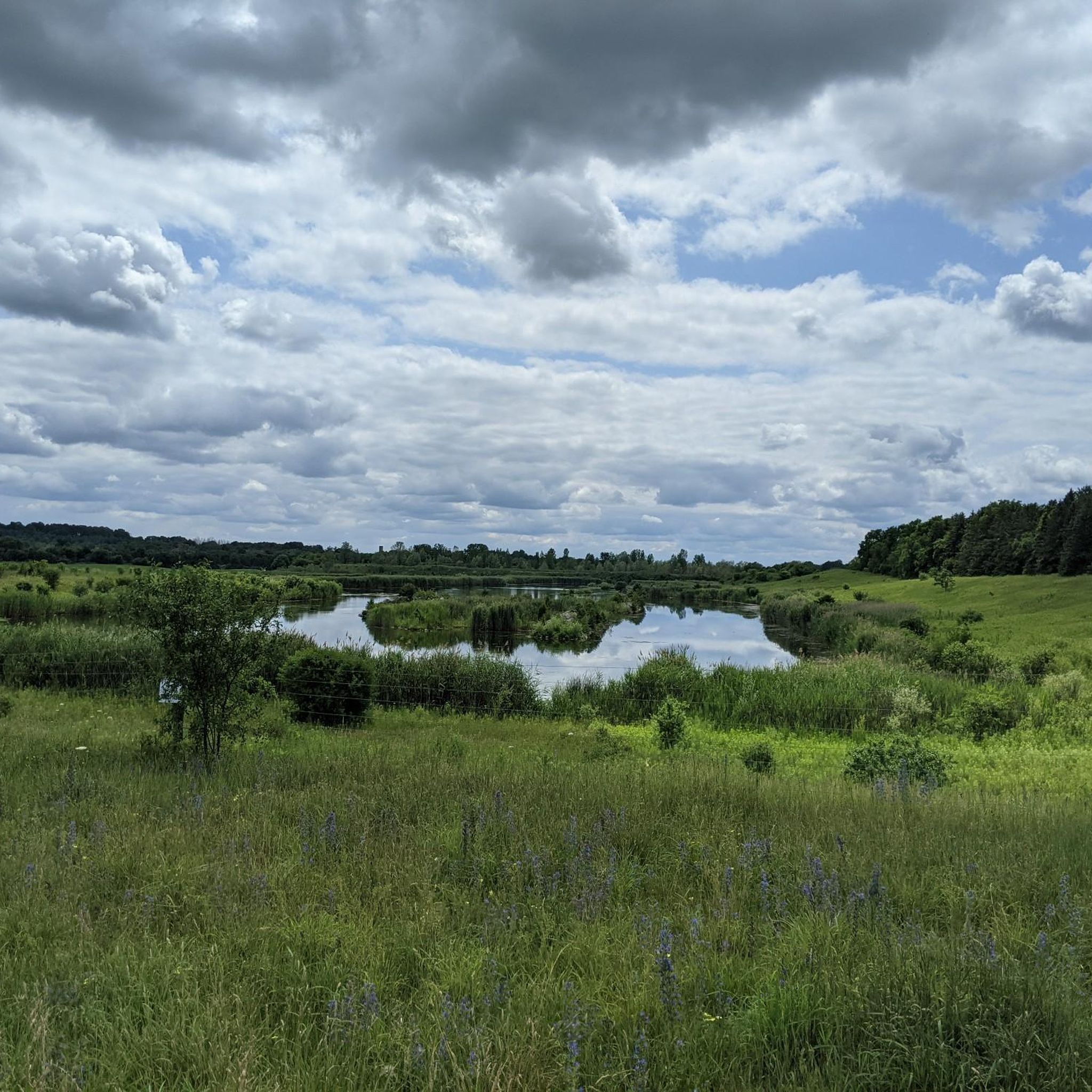
The Hilton Falls Reservoir in the Hilton Falls Conservation Area was completed in 1973, primarily for flood control on a tributary of Sixteen Mile Creek. Further west in the Conservation Area, another creek flows over Hilton Falls, a waterfall on the Niagara Escarpment rock formation into the valley. From the dam, there is a good view of the body of water to the northwest, which is nestled in a dense forest. To the southeast, the rock formation of the Kelso Conservation Area is visible. (Visit on June 17, 2026)
0
0
The water of the Sixteen Mile Creek's headwater stream cascades down the rocks of the Niagara Escarpment in a nameless waterfall and flows into the Hilton Falls Reservoir. To reach the waterfall, one leaves the Red Oak Trail north of the reservoir onto a side trail of the Bruce Trail, which leads back to the visitor centre above the Niagara Escarpment. Views of the waterfall from above are not possible in its entirety; the view of the reservoir is obscured by the dense green foliage of the trees. (Visit on June 17, 2026)
0
0
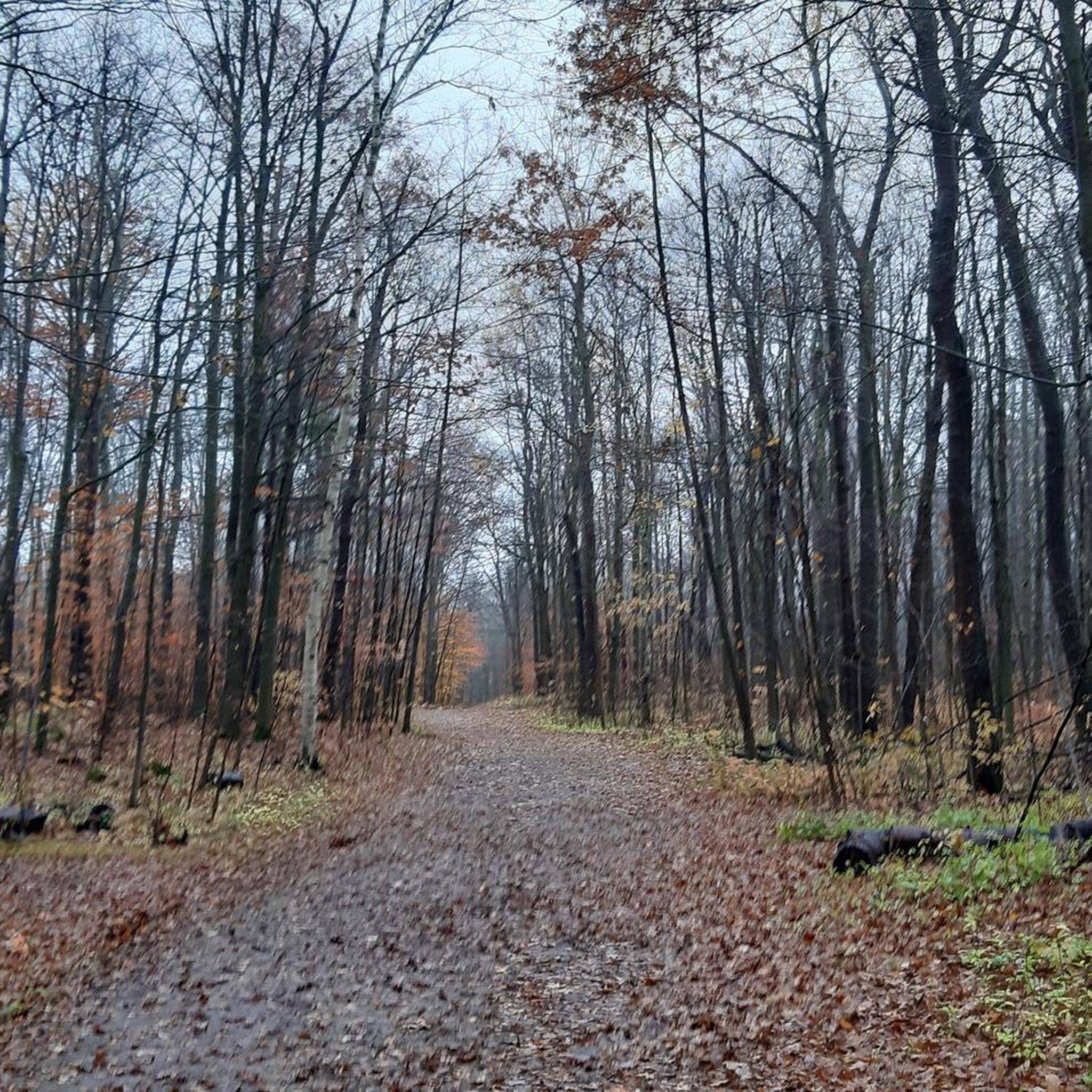
Vernal Pools - also called temporary wetlands - fill up with winter rain and spring snowmelt. These wetlands usually dry out by mid-summer. They offer a special habitat for salamanders, frogs, and invertebrates. Source: Information sign (Visit on June 17, 2026)
0
0
The Hilton Falls are the main attraction of the Hilton Falls Conservation Area. The water of a source stream of the Sixteen Mile Creek plunges ten meters over the rock formation of the Niagara Escarpment. You can view the waterfall from both above and below. https://www.gowaterfalling.com/waterfalls/hilton.shtml (Visit on June 17, 2026)
0
0

Can’t really see the waterfall other than from the top of it but it is still pretty.
0
0

Translation of the information board Crawford Lake is a unique body of water known as a meromictic lake. In a meromictic lake, the water in the lower half of the lake does not mix with the water in the upper half. This results in a condition that preserves sediments in light and dark layers at the bottom of the lake. By studying the layers, scientists can learn about changes in climate, vegetation, human settlement, and atmospheric chemistry. Crawford Lake has gained international attention as one of ten locations (including the Great Barrier Reef, the Baltic Sea, and the Antarctic ice sheet) that could be used to determine the official end of the Holocene epoch and the start date of the Anthropocene epoch. This marker of change is known as the "Golden Spike".
0
0
Frequently Asked Questions
What are the main lakes in the Puslinch area?
The primary body of water is Puslinch Lake, known as the largest kettle lake in North America. Connected to it by a channel is the smaller, quieter Little Lake. Other notable lakes and reservoirs in the broader region include Crawford Lake, Mountsberg Conservation Area Lake, and Mountsberg Reservoir.
What kind of recreational activities can I do at Puslinch Lake?
Historically, Puslinch Lake has been a popular spot for swimming, angling, cruising, motor sailing, and water skiing. Fly fishing is popular, with species like largemouth bass, northern pike, and walleye. However, public access to Puslinch Lake has been limited since July 2020 due to liability concerns, though the Township of Puslinch is actively working to re-establish it.
Are there any historical sites or natural landmarks near the lakes?
Puslinch Lake itself holds historical significance as a popular resort destination dating back to the 1870s. Nearby, Hilton Falls is a historical site with mill ruins still present. Crawford Lake is a unique meromictic lake, recognized internationally for its geological significance as a potential marker for the Anthropocene Epoch.
Are there family-friendly lakes or activities around Puslinch?
Yes, several areas offer family-friendly experiences. Crawford Lake and Mountsberg Conservation Area Lake are both noted as family-friendly. At Mountsberg, you can rent kayaks or canoes and go fishing. Hilton Falls also offers tranquil trails suitable for families, with opportunities for geocaching and roasting s'mores near the falls.
Can I go hiking or cycling near the lakes in Puslinch?
Absolutely. The region offers various trails for outdoor activities. For hiking, you can explore easy routes like the Little Tract Trail or trails within Mountsberg Conservation Area. Find more options in the Easy hikes around Puslinch guide. Cyclists can find routes like the 'Bike loop from Little Lake' or longer rides from Hespeler. Check out the Cycling around Puslinch guide for more details.
What makes Crawford Lake unique?
Crawford Lake is a rare meromictic lake, meaning its water layers do not mix. This unique condition preserves sediments at the bottom, allowing scientists to study past climate, vegetation, and human history. It's even considered a potential 'Golden Spike' site to mark the start of the Anthropocene Epoch.
Is fishing permitted in the lakes around Puslinch?
Fishing is a popular activity in the region. Puslinch Lake is known for fly fishing, with species like largemouth bass, northern pike, and walleye. You can also go fishing at Mountsberg Conservation Area Lake. Always ensure you have the necessary permits and adhere to local fishing regulations.
What wildlife can I expect to see around Puslinch Lake?
Puslinch Lake supports 16 species of fish, including a rare population of banded killifish. The adjacent Puslinch Lake - Irish Creek Wetland is a provincially significant area, providing habitat for various wildlife. Around Mountsberg Reservoir, you can often spot birds, especially herons and waterfowl. At Hilton Falls, look out for birds like the Hooded Warbler.
Are there any viewpoints to enjoy the scenery?
Yes, there are several scenic spots. The Lake view from the dam offers a nice perspective, and there's another beautiful viewing point on the north side of that lake. Mountsberg Reservoir features a wooden deck providing excellent views of the wetland and lake.
What is the current public access situation for Puslinch Lake?
Public access to Puslinch Lake became limited or closed in July 2020 due to liability concerns. However, the Township of Puslinch announced in October 2020 that it is actively working towards re-establishing public access. Visitors should check local updates for the most current information.
Are there quieter, less-frequented lakes in the area?
Little Lake, connected to Puslinch Lake by a channel, historically offered a quieter, more secluded experience compared to its larger counterpart. While less prominent, its clear waters suggest the presence of springs and it was once known for its depth and abundant fish population.
Can I find trails suitable for mountain biking near the lakes?
Yes, Hilton Falls is a popular spot for mountain biking, with three bike-only trails ranging from novice to technically challenging rock-gardens. Trails like the Wandering Lynx Backcountry or the Bent Rim offer an immersive experience in quiet forests.
When is the best time to visit the lakes around Puslinch?
The lakes offer different experiences throughout the year. Warmer months are ideal for water-based activities like swimming, kayaking, and fishing. Spring and fall provide pleasant temperatures for hiking and cycling, with beautiful foliage in autumn. Winter can offer opportunities for ice-related activities, though conditions should always be checked for safety.
Most popular attractions around Puslinch

Get inspired with the komoot mobile app


Explore more
Still not found your perfect lake around Puslinch? Check out the guides of these regions to see even more beautiful places.
