Top 5 Caves in Contra Costa County
Best caves in Contra Costa County are found within a region characterized by diverse geological formations and significant historical sites. This area, located in California, features unique sandstone caves, wind-eroded formations, and remnants of its coal mining past. The landscape offers insights into ancient Native American cultures and provides critical habitats for various wildlife species.
Best caves in Contra Costa County
- The most popular caves is Sandstone caves in Castle Rock formations, a cave formed by water, wind, and calcite erosion in pre-volcanic sandstone. These formations are notable for the geological processes that created them, where acidic rainwater dissolves calcite, leading to the formation of holes and caves.
- Another must-see spot is Devil's Hole Trail, a trail that leads along the southern edge of the Las Trampas Regional Wilderness. This trail passes by Devil's Hole, a cave formed by a folded rock formation where softer strata have eroded to create a tunnel-shaped cave with openings on both sides of a 100 meter long crawlspace.
- Visitors also love Wind Caves, unique sandstone caves and tunnels formed by wind erosion over time. These caves vary in size, providing opportunities for exploration within the sculpted rock formations.
- Contra Costa County is known for sandstone caves, wind-eroded caves, and historical mining shafts. These geological features offer a variety of cave types to see and explore, showcasing natural erosion and human history.
- The caves in Contra Costa County are appreciated by the komoot community, with 7 upvotes and 5 photos shared by visitors.
Last updated: October 13, 2026
Sandstone caves in Castle Rock formations
Highlight • Cave
Slightly acidic rainwater seeps into the sandstone during winter rains and dissolves some of the calcite. Warm and dry days cause the moisture to pull the dissolved calcium back out of the rock, causing holes and caves to form.
Watch for peregrine falcons and other birds of prey nesting high up in the Castle Rock caves.
The upper trails are closed Feb-July to avoid disturbing the nesting birds.
Tip by

Devil's Hole Trail
Highlight (Segment) • Trail
Tip by

Sign up now to discover places like this
Get recommendations on the best single tracks, peaks, & plenty of other exciting outdoor places.
Black Diamond Shaft
Highlight • Historical Site
Tip by
Wind Caves
Highlight • Cave
Tip by

Jim's Place
Highlight • Cave
Tip by
Start today with a free account
Your next adventure awaits.
Popular around Contra Costa County
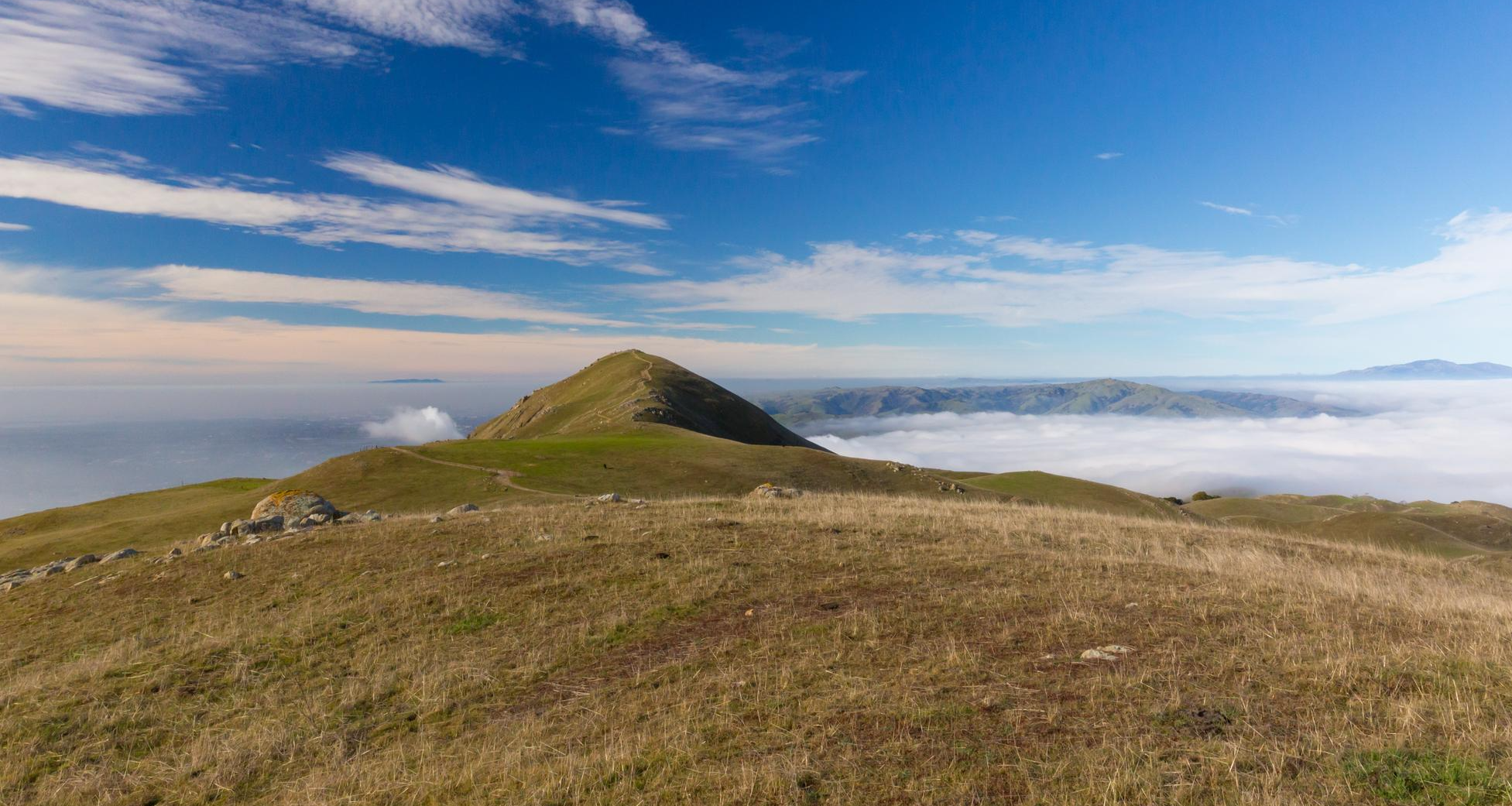
Bay Area Ridge Trail — Circumnavigating the San Francisco Bay
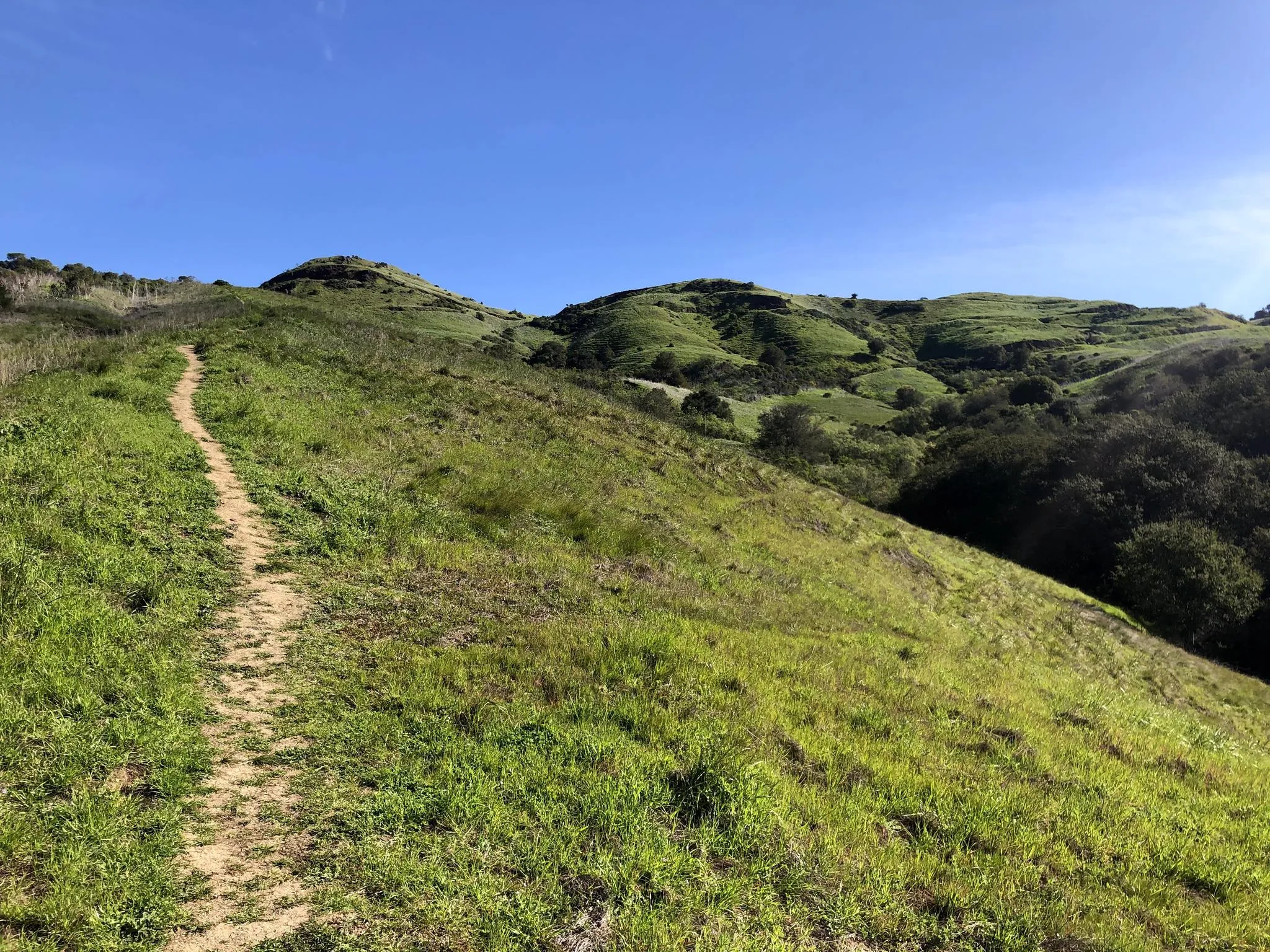
Bay Area Ridge Trail — Hiking the backbone of The Bay
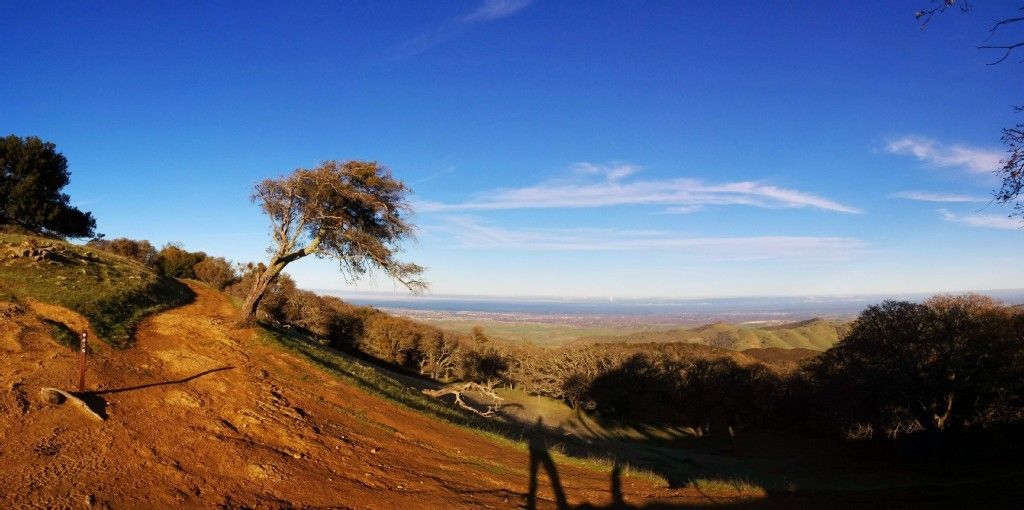
Hiking treasures in the Bay Area
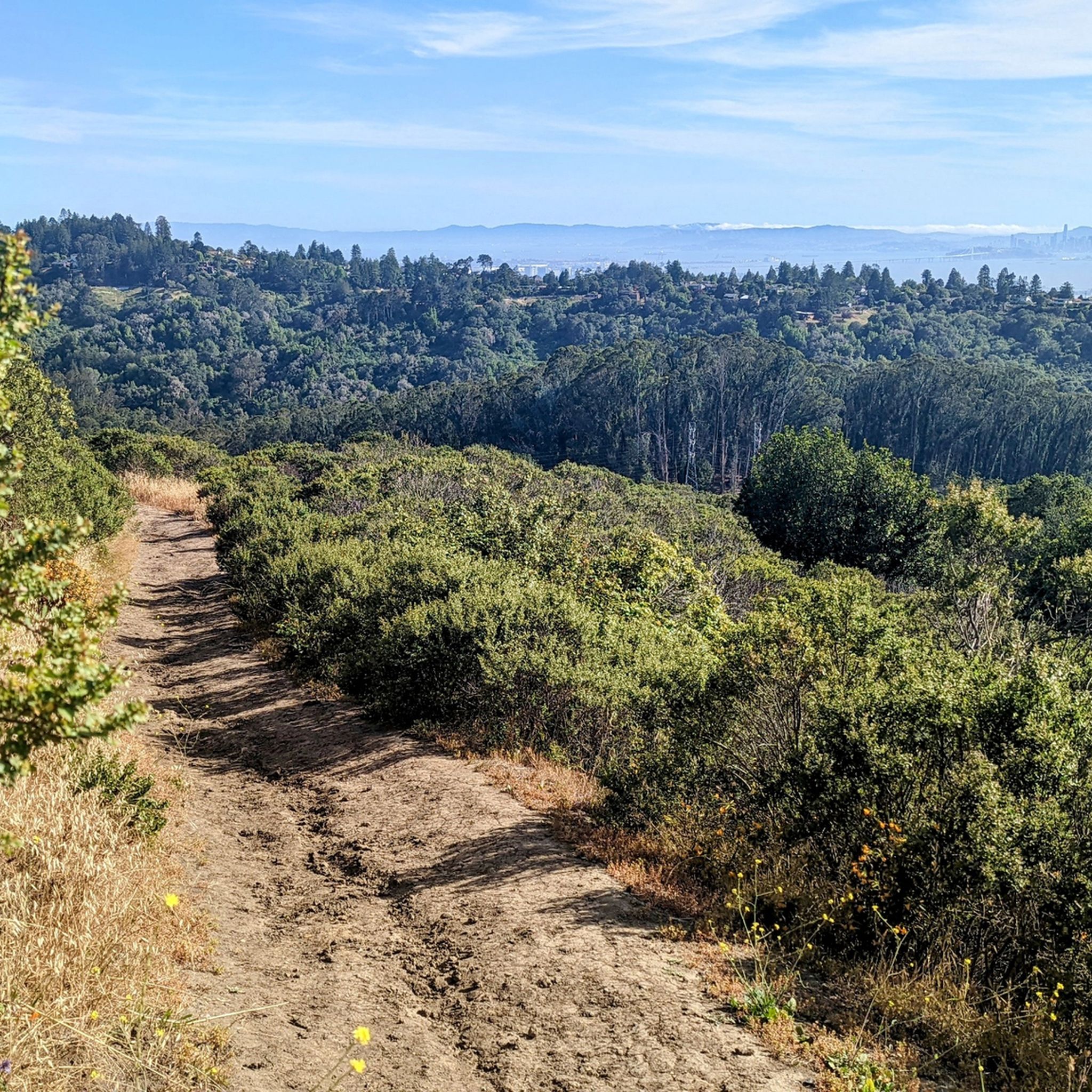
Hiking in Contra Costa County
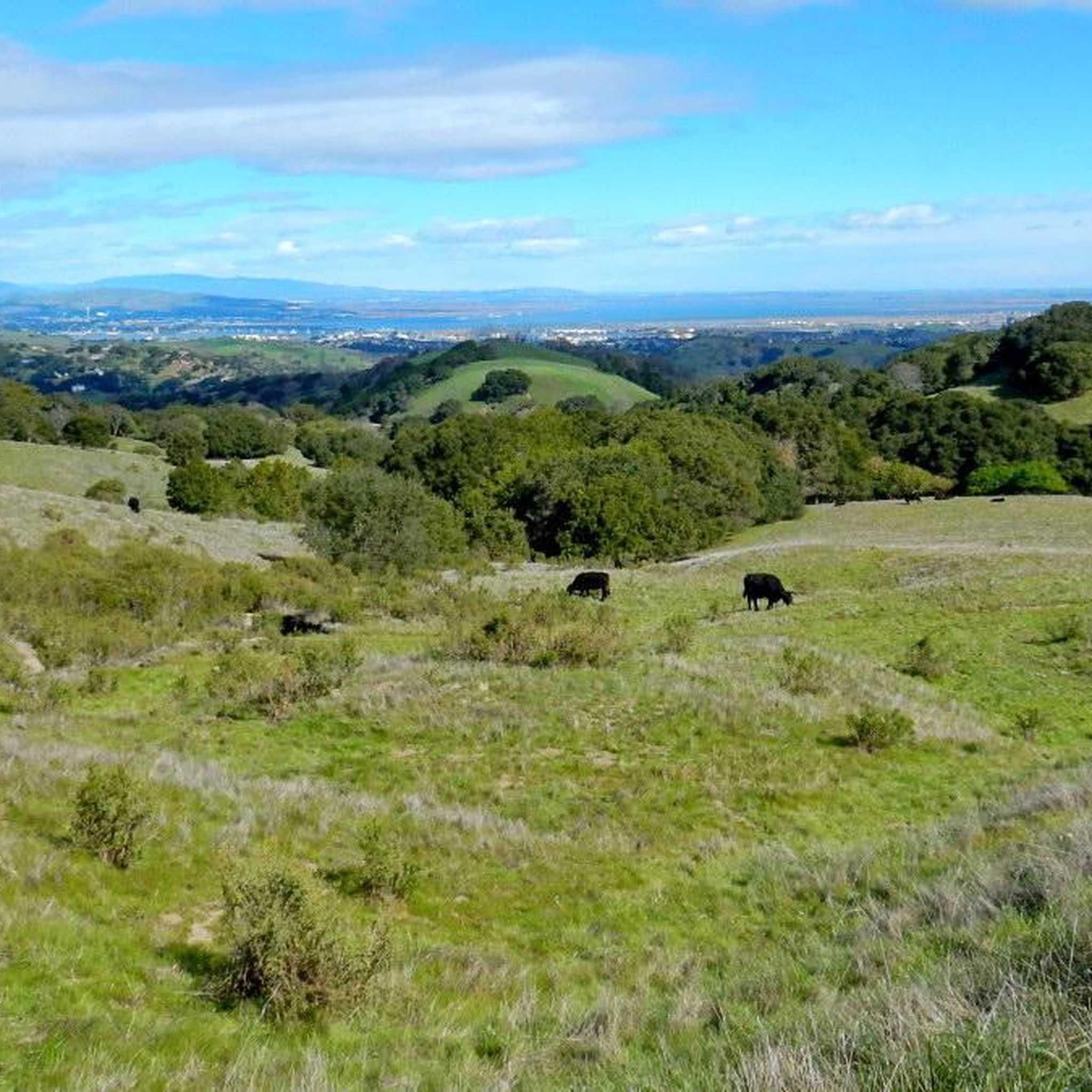
Cycling in Contra Costa County
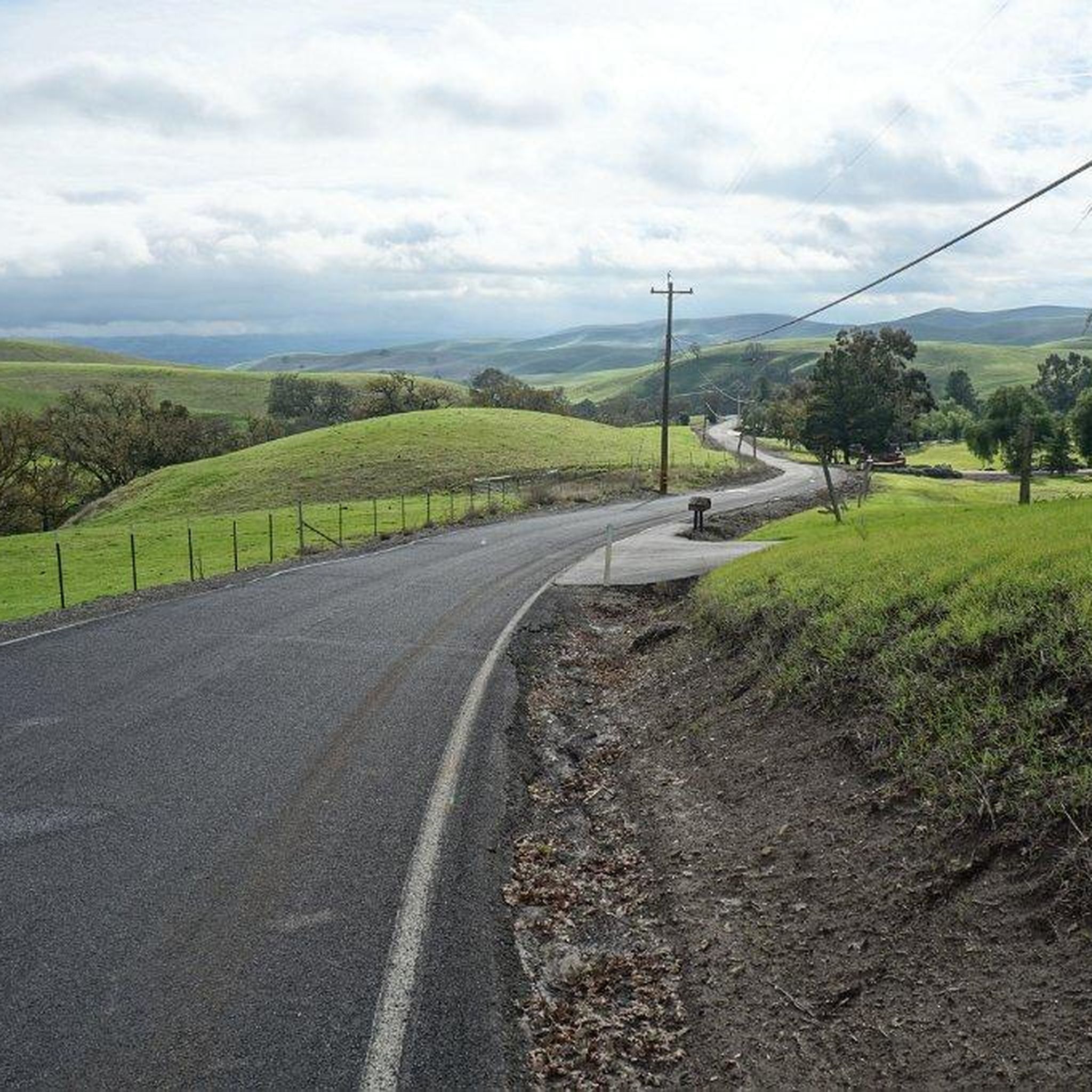
Road Cycling Routes in Contra Costa County
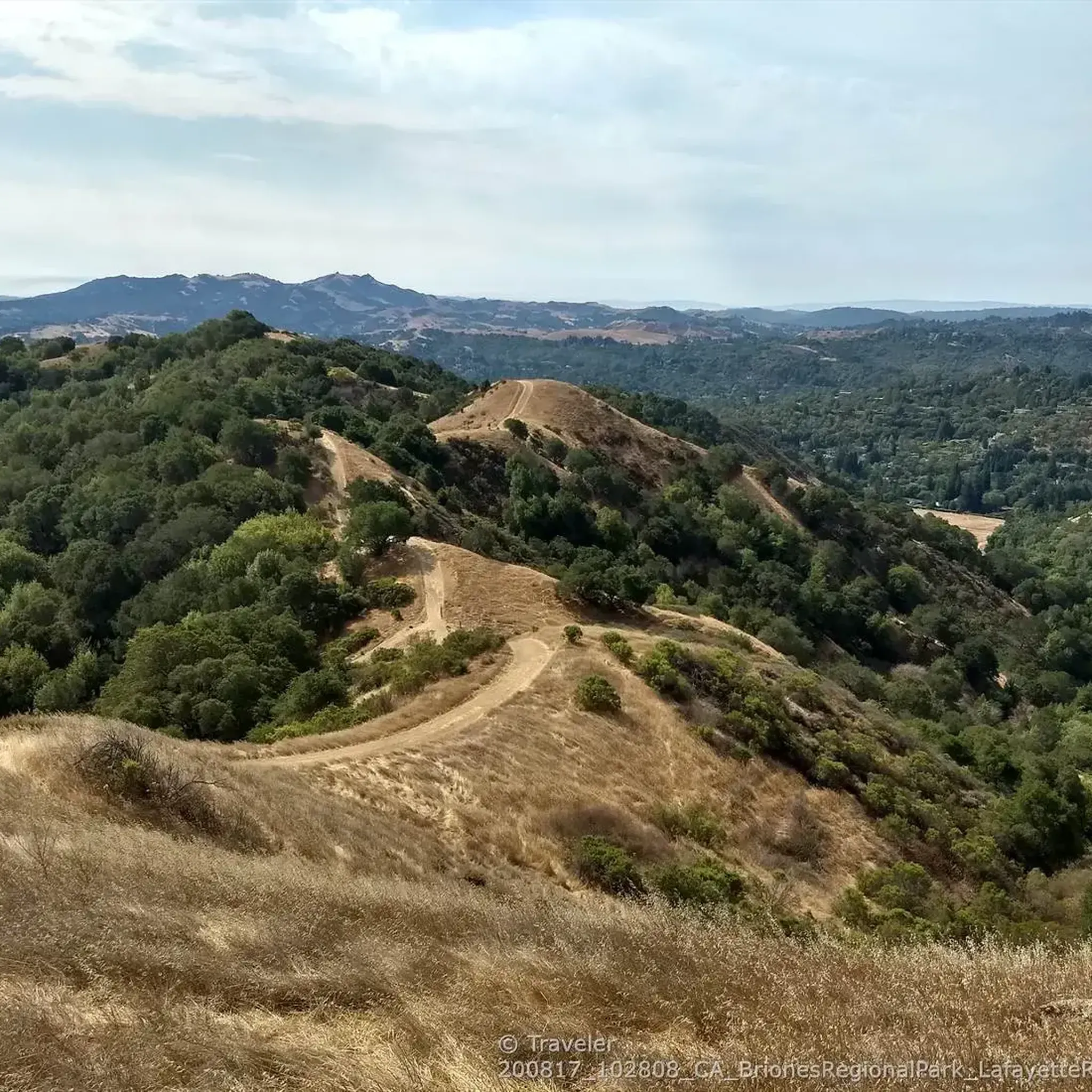
MTB Trails in Contra Costa County
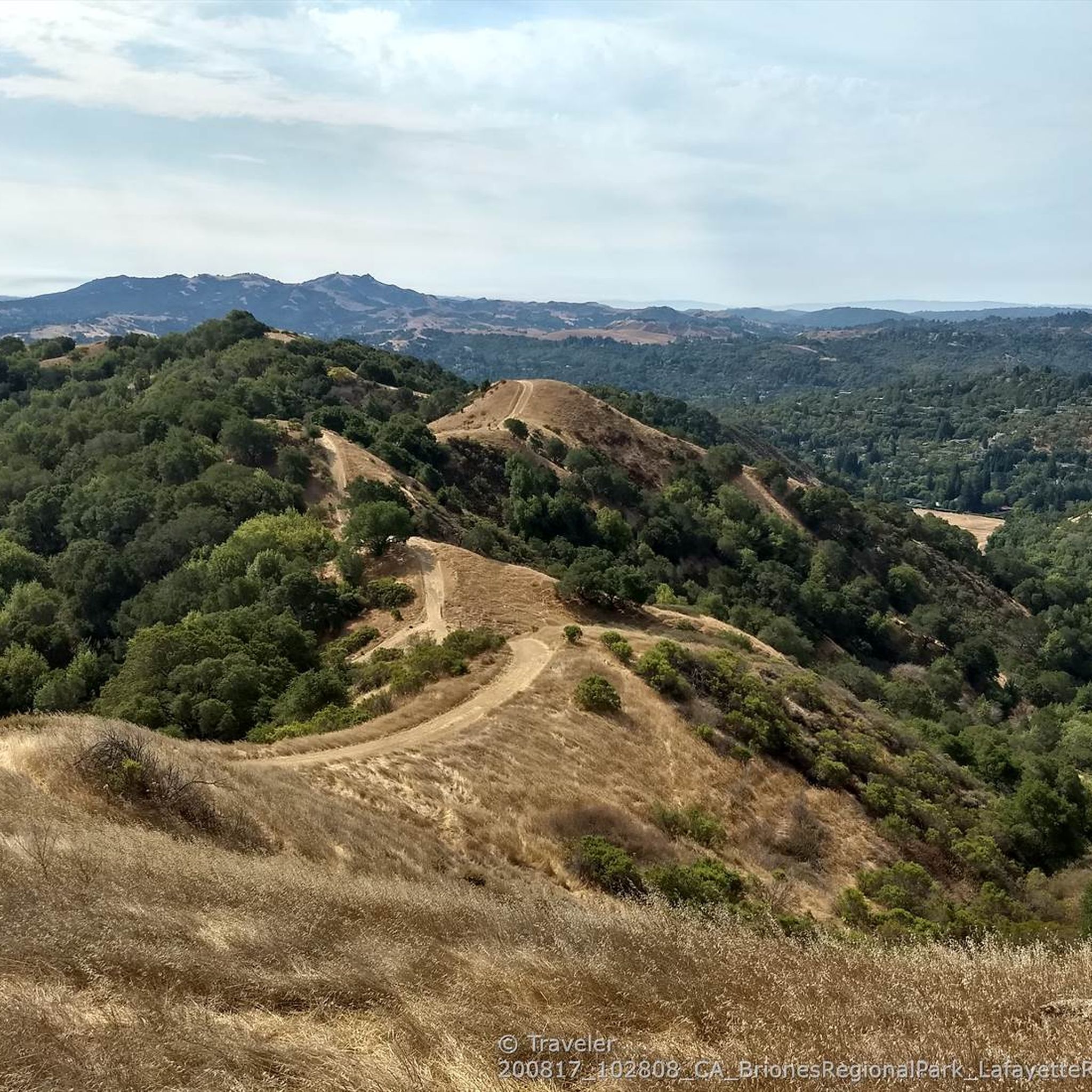
Running Trails in Contra Costa County

Gravel biking in Contra Costa County


Tips from the Community

The Wind Caves are part of an area called Rock City in the Mount Diablo State Park. The Wind Caves are unique sandstone caves and tunnels that were formed by wind erosion over time. The caves vary in size, providing opportunities for hikers to wander through and appreciate the sculpted rock.
0
0

This once 150-foot-deep air shaft was put in place to ventilate a coal mine to keep it free from dangerous gasses. There is a short tunnel to access the interior and get a closer look. On the excavation sides, there is still evidence of marks left by the picks from miners.
0
0
The origin of this unusual little underground dwelling is unknown. You can see a round stovepipe hole, a square skylight, and a shelf opening from the interior.
0
0
This well-maintained trail offers fantastic views of the San Francisco Bay, Mount Diablo, the Livermore Valley and the Sacramento River Delta. In the spring, many wildflowers bloom on the green hillsides, with lupine and golden poppies blooming as late as October. Any time of year is beautiful here, encouraging you to take a break from the steep climb and take a few gorgeous photos.
1
0
This once 150 feet deep air shaft was put in place to ventilate a coal mine to keep it free from dangerous gasses. There is a short tunnel to access the interior and get a closer look. On the excavation sides, there is still evidence of marks left by the picks from miners.
0
0
This unusual little underground dwelling's origin is unknown. From the interior, you can see a round stovepipe hole, a square skylight and a shelf opening.
0
0

Devil's Hole trail leads along the southern edge of the Las Trampas Regional Wilderness, which offers 5,342 acres of wilderness and an expanded trail system. It passes by Devil's hole, a cave formed by a folded rock formation where the softer stratas have eroded to form a tunnel-shaped cave with openings on both sides of a 100 m long crawlspace. http://www.ebparks.org/parks/las_trampas For more hiking details see http://bahiker.com/eastbayhikes/lastrampas.html or the other sections of this loop here: https://www.komoot.com/tour/7109119
1
1
Water, wind, and calcite erosion in per-volcanic sandstone formation. Slightly acidic rainwater seeps into the sandstone during winter rains and dissolves some of the calcite. Warm and dry days cause the moisture to pull the dissolved calcium back out of the rock, causing holes and caves to form. Watch for peregrine falcons and other birds of prey nesting high up in the Castle Rock caves. The upper trails are closed Feb-July to avoid disturbing the nesting birds.
1
0
Frequently Asked Questions
What types of caves can I explore in Contra Costa County?
Contra Costa County offers a diverse range of cave experiences. You can find unique sandstone caves formed by natural erosion, wind-sculpted formations like the Wind Caves, and even historical mining shafts such as the Black Diamond Shaft. The region also features naturally occurring tunnel-shaped caves like the one found along the Devil's Hole Trail.
Are there any historical or archaeological cave sites in Contra Costa County?
Yes, Contra Costa County is home to significant historical and archaeological sites. The Vasco Caves Regional Preserve, for instance, features ancient Native American rock art, some over 10,000 years old, depicting various figures including birds. This area was a vital ceremonial and trading ground for indigenous peoples. Additionally, the Black Diamond Shaft offers a glimpse into the region's coal mining past, with visible pick marks from early miners.
How can I access Vasco Caves Regional Preserve?
Access to Vasco Caves Regional Preserve is highly restricted due to the fragility of its resources and the presence of endangered wildlife. Public access is only permitted through guided, reservation-only tours offered by the East Bay Regional Park District. These tours typically run from mid-fall to late spring to avoid summer heat. Tour groups usually stage at Round Valley Regional Preserve or Brushy Peak Regional Preserve before shuttling into Vasco Caves. For more information, you can refer to Wikipedia's entry on Vasco Caves Regional Preserve.
What kind of wildlife can I expect to see near the caves in Contra Costa County?
The cave areas in Contra Costa County are important habitats for various wildlife. Vasco Caves Regional Preserve is critical for endangered species such as red-legged frogs, tiger salamanders, fairy shrimp, kit foxes, and nesting raptors. Near the Sandstone caves in Castle Rock formations, you might spot peregrine falcons and other birds of prey nesting high up in the cliffs. Note that upper trails in this area may be closed from February to July to protect nesting birds.
Are there any caves in Contra Costa County that are easy to access or family-friendly?
The Wind Caves in Mount Diablo State Park are a good option for a more accessible experience. These unique sandstone caves and tunnels, formed by wind erosion, vary in size and provide an engaging experience for hikers to wander through. While Vasco Caves are significant, their restricted, guided access makes them less spontaneous for families.
What is the best time of year to visit the caves in Contra Costa County?
The best time to visit depends on the specific cave. For Vasco Caves Regional Preserve, guided tours are typically offered from mid-fall to late spring to avoid the intense summer heat. For other natural formations like the Sandstone caves in Castle Rock formations, be aware that upper trails might be closed from February to July to protect nesting birds of prey. Generally, cooler months might be more comfortable for exploration.
Are permits or reservations required to visit any caves in Contra Costa County?
Yes, permits and reservations are required for certain cave experiences. Specifically, access to Vasco Caves Regional Preserve is only through guided, reservation-only tours offered by the East Bay Regional Park District. It's always advisable to check with the relevant park authorities for any other specific cave or trail access requirements before planning your visit.
Are there hiking trails that lead to or near caves in Contra Costa County?
Yes, several hiking opportunities exist. The Devil's Hole Trail leads along the southern edge of the Las Trampas Regional Wilderness and passes by Devil's Hole, a unique tunnel-shaped cave. The Wind Caves are also part of the 'Rock City' area within Mount Diablo State Park, offering trails that allow exploration of these sculpted rock formations.
What other outdoor activities can I do near the caves in Contra Costa County?
Contra Costa County offers a variety of outdoor activities near its cave sites. You can find numerous running trails, including the Nimitz Way and Iron Horse Regional Trail, as detailed in the Running Trails in Contra Costa County guide. For mountain biking enthusiasts, there are trails like the Crockett Hills Bay Area Ridge Trail Loop and Tilden and Wildcat loop, which you can explore in the MTB Trails in Contra Costa County guide. Road cyclists can also enjoy routes such as Mount Diablo via Summit Road and the Lamorinda Trail Loop, found in the Road Cycling Routes in Contra Costa County guide.
What are the <a href="https://www.komoot.com/highlight/6365147" target="_blank" rel="noopener">Wind Caves</a> in Mount Diablo State Park known for?
The Wind Caves, located in the 'Rock City' area of Mount Diablo State Park, are renowned for their distinctive geological formations. These unique sandstone caves and tunnels were primarily formed by centuries of wind erosion, showcasing the powerful effects of natural forces on the landscape. They offer an engaging experience for hikers who can explore their labyrinthine environment.
What is the significance of the <a href="https://www.komoot.com/highlight/153133" target="_blank" rel="noopener">Sandstone caves in Castle Rock formations</a>?
The Sandstone caves in Castle Rock formations are significant for the fascinating geological processes that created them. They are formed by a combination of water, wind, and calcite erosion in pre-volcanic sandstone. Acidic rainwater dissolves calcite, and then during warm, dry periods, the dissolved calcium is pulled out, creating holes and caves. This area is also important for wildlife, with peregrine falcons and other birds of prey nesting high up in the caves.
Most popular routes in Contra Costa County
Most popular attractions in Contra Costa County

Get inspired with the komoot mobile app


Didn’t find what you were looking for?
Discover more caves in Contra Costa County region by region:
Explore more
Extend your search for the best caves by checking out these guides of the top ones in Contra Costa County:
