Top 10 Lakes around Titicaca
Best lakes around Titicaca are centered around the world's highest navigable lake, which straddles the border between Peru and Bolivia. This expansive body of water is renowned for its unique islands, rich cultural heritage, and diverse natural landscapes. The region offers distinct areas and islands that are highly celebrated for their cultural significance and natural beauty. Visitors can explore a variety of traditional communities and historical sites.
Best lakes around Titicaca
- The most popular lakes is Isla del Sol Ruins…
Last updated: July 10, 2026
Taquile Island
Highlight • Settlement
Tip by

Puno Lighthouse
Highlight • Monument
Translated by Google •
Tip by

Sign up now to discover places like this
Get recommendations on the best single tracks, peaks, & plenty of other exciting outdoor places.
Sign up for free
Isla del Sol Ruins and Lake Titicaca View
Highlight • Historical Site
Translated by Google •
Tip by

Playa de las Sirenas
Highlight • Beach
Translated by Google •
Tip by

Uros Floating Islands
Highlight • Structure
Translated by Google •
Tip by

Sign up for free to discover even more lakes around Titicaca.
Sign up for free
Already have an account?
Start today with a free account
Your next adventure awaits.
Login or Signup
Popular around Titicaca
Tips from the Community

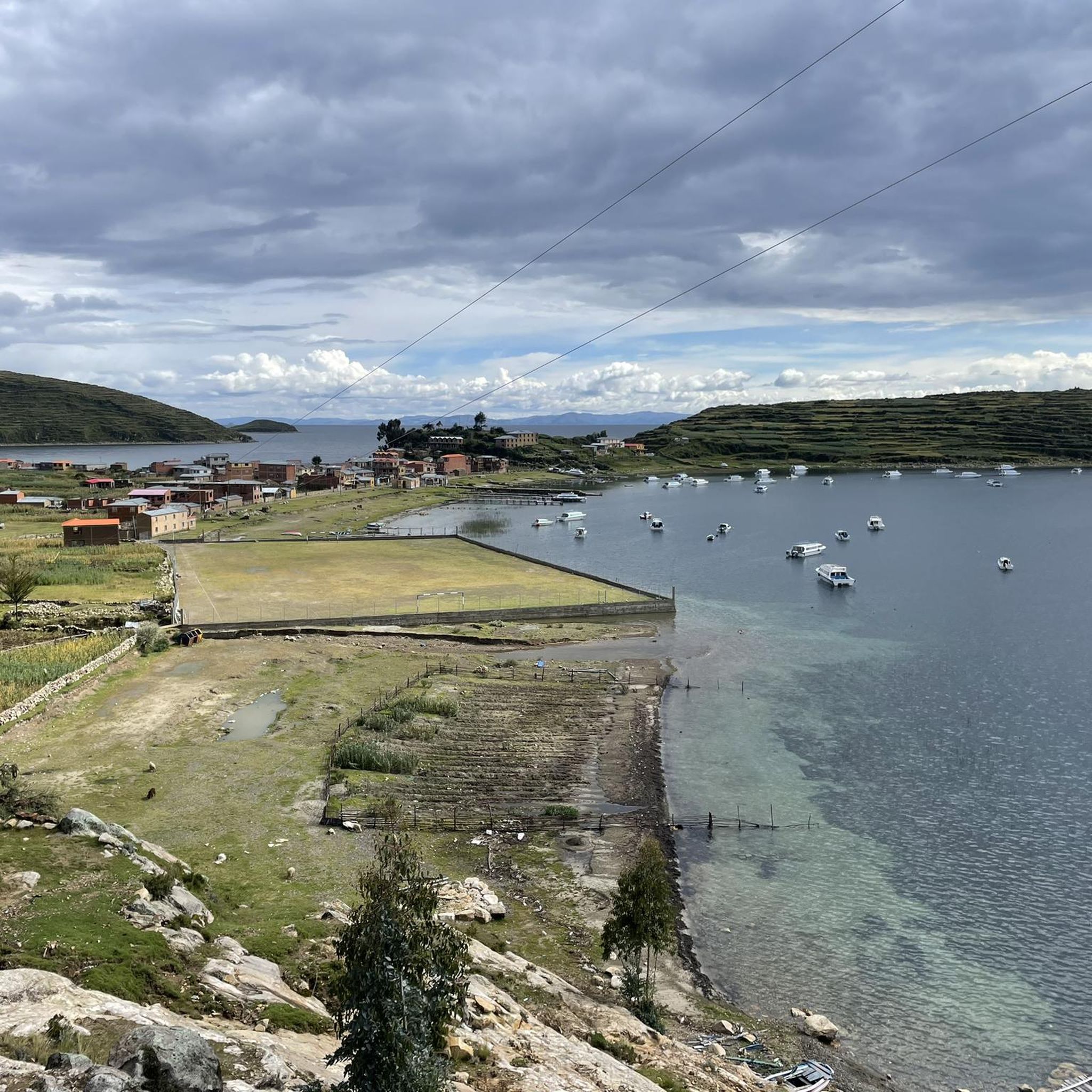
If you don't know that you are almost 4000m above sea level, you feel like you are in the Caribbean.
1
0

It is better not to go in rainy weather, as the slippery steps of the steep stairs can be dangerous, especially when going down.
0
0
The totora reed has been used for centuries to build these islands on Lake Titicaca, which are considered the home of the Uro-Aimara families. The boats are also made of totora reed and are used for small-scale fishing. Handicrafts from the cheerful inhabitants of the islands are also offered here.
0
0

At 3,812 meters above sea level, in the Peruvian highlands is the highest navigable lake in the world, Lake Titicaca, in Puno. Here you can find the Uros Floating Islands, a set of approximately 80 islands built from reeds, an aquatic plant that grows on the surface of Lake Titicaca. The reed is woven and spread over another layer of it to build the surface of each island. https://www.perurail.com/es/blog/las-islas-flotantes-de-uros-y-su-comunidad/
3
0

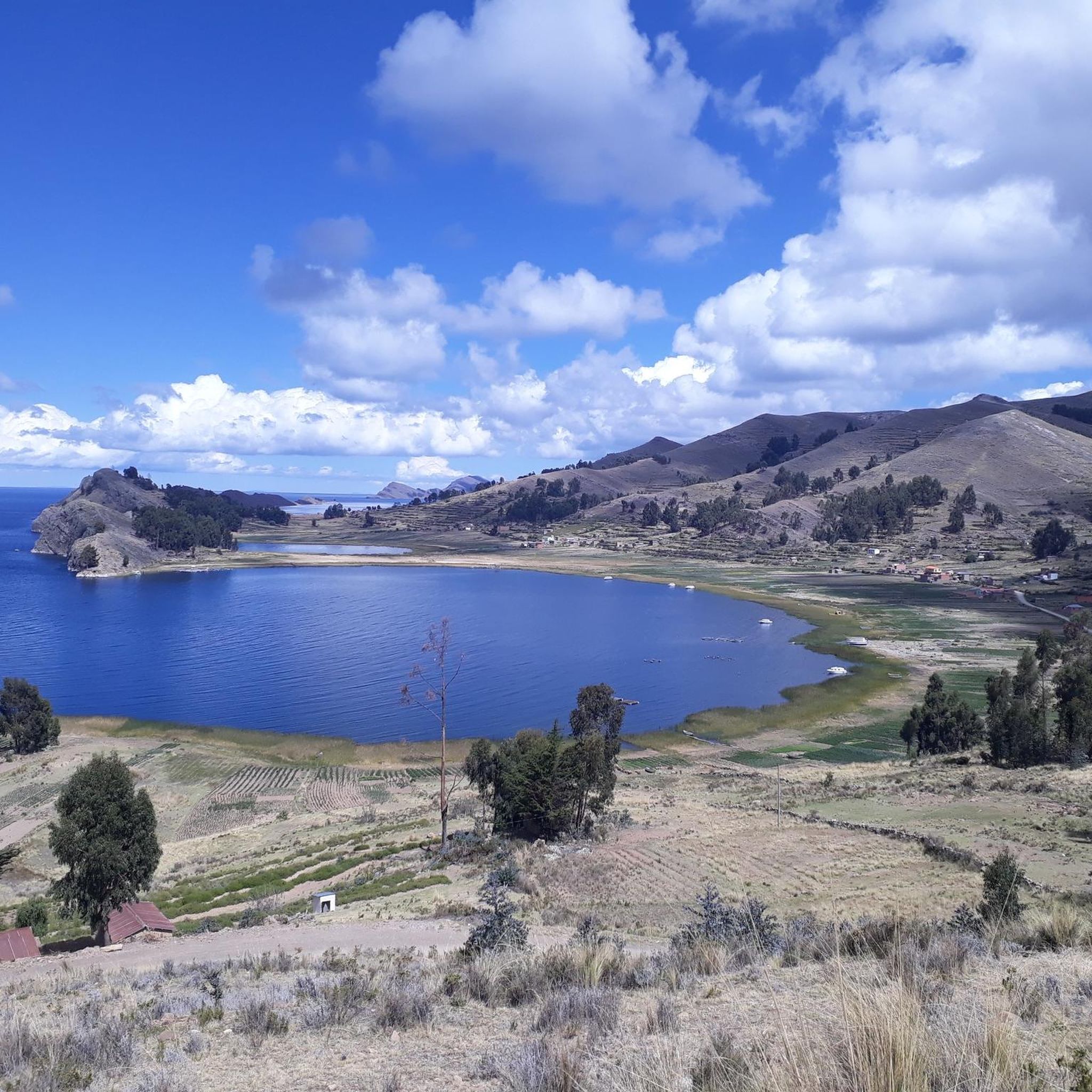
If you don't have much time but still want to get an impression of the Isla del Sol in Lake Titicaca, you can do a small hiking tour on your own. The boat takes you from Copacabana to the island. The boats leave at 1 p.m., so you can dock at Isla del Sol in 1 hour (current status). First ascending, the pretty path leads constantly along with a fantastic view above the lake. Small restaurants are on the way. The path leads down to the harbor from where you can easily take the boat back to Copacabana. Attention: Lake Titicaca is a little over 4000 meters, acclimatization is an advantage.
1
0

That's how fascinating these floating reed islands are. Families live close together on just under 40 square meters. Accessible only by boat. But there are doctors and schools here too. The tourist excursion boats are steered to the small islands in a regulated manner. Today it's the islands in the north, tomorrow in the south. The residents sell all kinds of homemade items. And they are just super nice!
2
0
Here in the port of Puno you have a great view of Lake Titicaca. The tourist boats are anchored here. You can also rent a pedal boat. What is most fascinating, however, is the old steamship. It was constructed in England and transported here in parts on llamas and mules.
0
0
A really great and interesting island. Old and traditional and yet on the way to the modern age. The mayor of the island is usually out and about on the highest points of the island in order to maintain his cell phone reception. The locals are very open to tourists and perform their traditional dances and weaving skills.
2
0
Frequently Asked Questions
What unique natural features can I explore around Lake Titicaca?
Lake Titicaca, the world's highest navigable lake, offers breathtaking landscapes. You can visit natural islands like Taquile Island, known for its terraced hills and stunning lake views. The region also features unique artificial structures like the Uros Floating Islands, meticulously constructed from totora reeds.
What historical and cultural sites can I visit on Lake Titicaca?
Lake Titicaca is rich in history and culture. On the Bolivian side, you can explore the Isla del Sol Ruins and Lake Titicaca View, believed to be the birthplace of the Inca sun god, dotted with over 180 Inca ruins. Uros Floating Islands offer a glimpse into an ancient indigenous community's way of life, while Taquile Island is recognized by UNESCO for its exquisite textile art and communal lifestyle.
Are there hiking opportunities around Lake Titicaca?
Yes, there are numerous hiking opportunities. For instance, you can take a small hiking tour on your own on Isla del Sol, offering fantastic views above the lake. The region also features trails like the 'Playa de las Sirenas – Cerro Santa Barbara Junction loop from Isla del Sol' which is a difficult 22.8 km hike, or the 'Cerro Calvario – Plaza 2 de Febrero, Copacabana loop' which is an easy 5.7 km hike. You can find more details on these and other routes in the Hiking around Titicaca guide.
What kind of outdoor activities are available near Lake Titicaca?
Beyond hiking, Lake Titicaca offers various outdoor activities. You can explore running trails, such as the 'Chincana Ruins, Isla del Sol loop' (19 km, difficult) or the 'Pachatata loop from Incatiana' (6.1 km, moderate). Kayaking to the Uros Islands is also a popular activity. For more running routes, check out the Running Trails around Titicaca guide.
What is the best time of year to visit Lake Titicaca?
The dry season, typically from May to October, is generally considered the best time to visit Lake Titicaca. During these months, you can expect sunny days, less rain, and clearer views, which are ideal for hiking and exploring the islands. However, be aware that temperatures can drop significantly at night, especially given the high altitude.
How can I get to the islands on Lake Titicaca?
The islands on Lake Titicaca are primarily accessible by boat. From Puno, Peru, you can take organized tours or public boats to islands like Uros Floating Islands, Taquile Island, and Amantani Island. From Copacabana, Bolivia, boats depart for Isla del Sol and Isla de la Luna. Many tours combine visits to multiple islands.
Are there places to eat or stay on the islands?
Yes, several islands offer dining and accommodation options. On Taquile Island and Isla del Sol, you'll find small restaurants, often serving local cuisine. Amantani Island is known for its community-run homestays, providing an authentic cultural experience where visitors can live with local families and partake in their daily life.
Do I need any special permits for hiking on the islands?
Generally, you do not need separate hiking permits for the islands themselves. However, many islands, especially those with indigenous communities like Taquile Island and Amantani Island, charge a small entrance or community fee upon arrival, which contributes to the local economy and maintenance of the sites. These fees are usually collected as part of organized tours or upon disembarking from public boats.
Are there family-friendly activities or walks around Lake Titicaca?
Yes, Lake Titicaca offers several family-friendly options. The Puno Lighthouse provides a great view of the lake and the port, and you can even rent a pedal boat there. Visiting the Uros Floating Islands is also a fascinating experience for families, allowing interaction with local communities and learning about their unique lifestyle. Easy hiking trails, such as the 'Cerro Calvario – Plaza 2 de Febrero, Copacabana loop' (5.7 km), are also suitable for families.
What makes the Uros Floating Islands unique?
The Uros Floating Islands are unique because they are artificial islands meticulously constructed from layers of totora reeds. The Uros people have lived on these buoyant islands for centuries, using the reeds for their homes, boats, and even some furniture. Visitors can learn about their construction, interact with local families, and witness demonstrations of traditional reed boat making and handicrafts, offering a fascinating glimpse into a living cultural ecosystem.
What can I expect when visiting Taquile Island?
When visiting Taquile Island, you can expect a tranquil experience focused on its rich cultural heritage. The island is famous for its exquisite textile art, recognized by UNESCO, with both men and women participating in weaving. You can hike along ancient paths, explore pre-Inca ruins, observe textile demonstrations, enjoy local cuisine, and experience the island's serene pace of life, which is car-free and governed by a strong sense of community.
What is special about Isla del Sol?
Isla del Sol, the largest island in Lake Titicaca, is special for its immense cultural and historical significance as the believed birthplace of the Inca sun god. It's a rocky, hilly island with no motor vehicles, dotted with over 180 Inca ruins and ancient terraces. Visitors can explore sites like the Pilkokaina Palace and the Inca Stairway, while hiking across the island offers spectacular 360-degree views of the lake and insights into Inca mythology.
Most popular routes around Titicaca
Most popular attractions around Titicaca

Get inspired with the komoot mobile app


Explore more
Still not found your perfect lake around Titicaca? Check out the guides of these regions to see even more beautiful places.
