Top 5 Castles around Tierras Altas Y Valle Del Tera
Best castles around Tierras Altas Y Valle Del Tera are found across the Soria and Zamora provinces in Castile y León, Spain. This region features a diverse landscape of high plains, river valleys like the Tera and Duero, and mountainous terrain. The area is historically significant, marked by its strategic location near the Portuguese border and its role in medieval conflicts. Visitors can explore a range of fortifications, from well-preserved castle-palaces to ancient ruins, offering insights into centuries of history.
…Last updated: July 10, 2026
Yanguas Historic Village
Highlight • Historical Site
Translated by Google •
Tip by

Castle of la Nava del Marqués de Magaña
Highlight • Castle
Translated by Google •
Tip by

Sign up now to discover places like this
Get recommendations on the best single tracks, peaks, & plenty of other exciting outdoor places.
Sign up for free
Hinojosa de la Sierra Castle
Highlight • Castle
The ruins are more impressive from afar but it is worth going …
Translated by Google •
Tip by

San Pedro Manrique
Highlight • Settlement
Translated by Google •
Tip by

Yanguas
Highlight • Settlement
Translated by Google •
Tip by
Start today with a free account
Your next adventure awaits.
Login or Signup
Popular around Tierras Altas Y Valle Del Tera
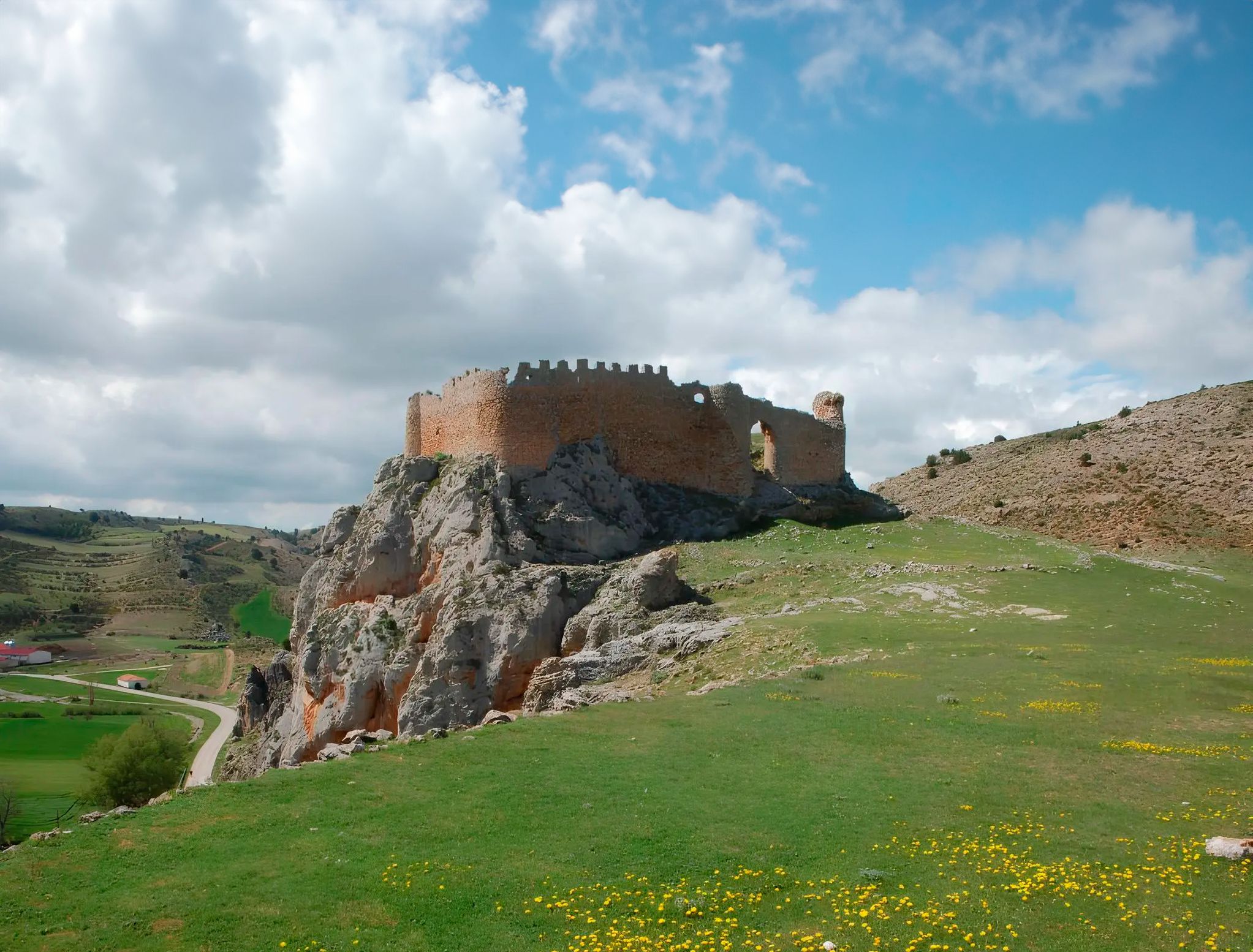
Around the Spanish province of Soria - Sendero Ibérico Soriano (GR 86)
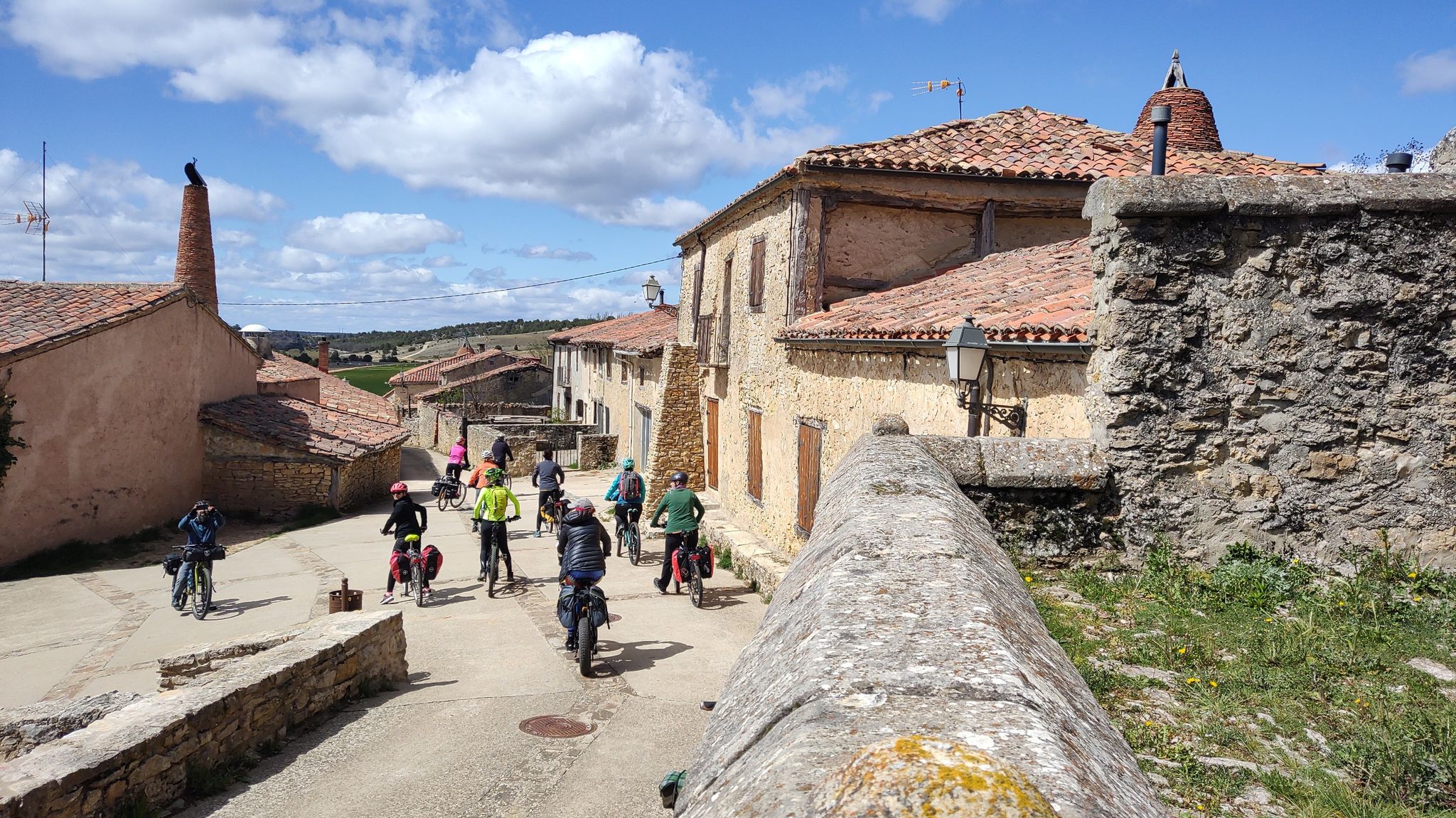
Millennial treasures on pedals – Romanesque art of Soria by MTB
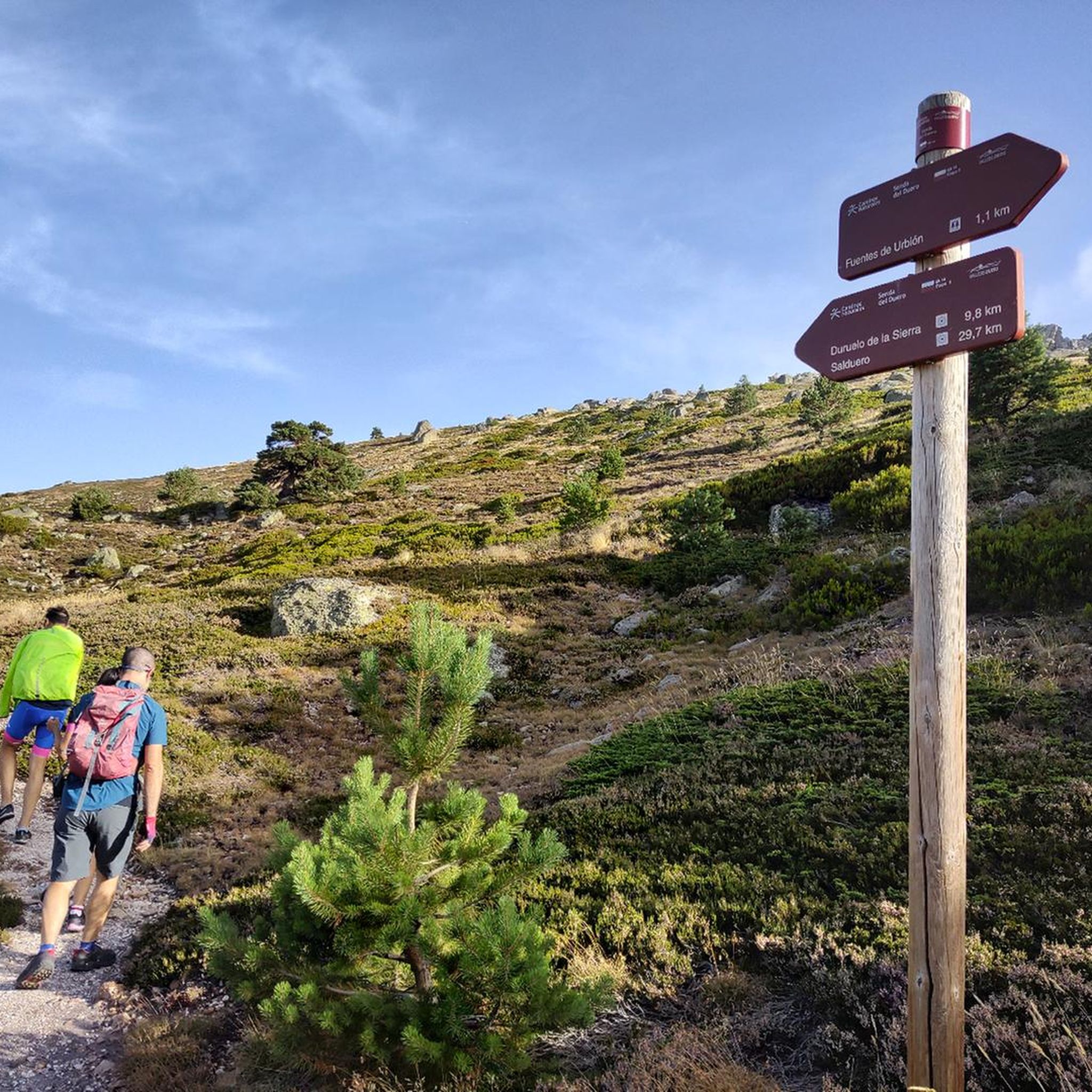
Hiking around Tierras Altas Y Valle Del Tera
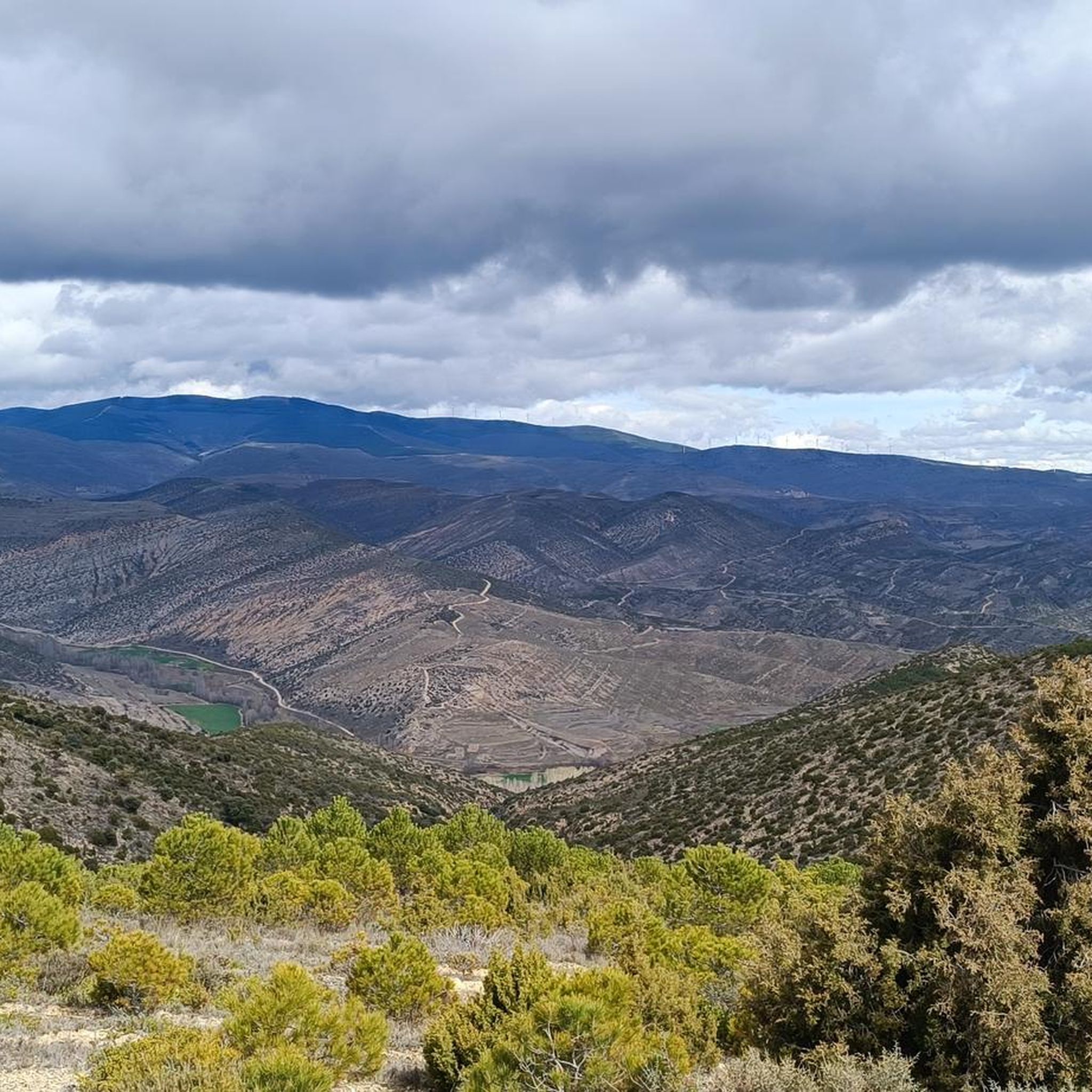
Road Cycling Routes around Tierras Altas Y Valle Del Tera
Running Trails around Tierras Altas Y Valle Del Tera
Cycling around Tierras Altas Y Valle Del Tera
MTB Trails around Tierras Altas Y Valle Del Tera

Gravel biking around Tierras Altas Y Valle Del Tera
Other adventures around Tierras Altas Y Valle Del Tera


Tips from the Community

Small and pretty town, area with lots of interesting mountain bike trails
0
0

Accommodation, shops and bar in this beautiful medieval town. They have just restored the castle
0
0

San Pedro Manrique is a municipality in Soria in the Tierras Altas region, in the community of Castilla y León. Its origin dates back to the Celts, Vascones, Iberians and Romans. With the passage of time, other neighboring towns such as Sarnago, Las Fuentes de San Pedro, Matasejún, Palacio de San Pedro, Taniñe, Valdenegrillos and Ventosa de San Pedro have been incorporated into the municipal area. San Pedro Manrique is well known for his particular way of celebrating San Juan Day. On the night of San Juan the well-known "paso del fuego" is carried out, in which the embers of a bonfire are stepped on by the town's natives, barefoot and carrying someone on their backs. Among its heritage, the hermitage of the Virgen de la Peña, the church of San Miguel, the remains of a castle on the outskirts and the ruins of the convent of San Pedro el Viejo stand out.
0
0
Yanguas is a town in Soria in the Tierras Altas region, in the community of Castilla y León. Of pre-Roman origin, it is located at the beginning of the Cidacos river gorge, on the road that linked Numancia and Calahorra. It was declared a Historical-Artistic Site in 1993 and belongs to the Most Beautiful Towns in Spain association. Of its heritage, the Romanesque tower of San Miguel stands out, in Catalan Romanesque style (unique in the province), the Yanguas castle (14th century) and the church of San Lorenzo.
2
0
Magaña Castle is a medieval fortress located on a hill overlooking the town of the same name, in the province of Soria, Tierras Altas region, community of Castilla y León. It is believed to have been built during two stages throughout the 15th century. The inner enclosure would be built in the first stage, and the outer barrier in a second. Due to its architectural characteristics, it belongs to the typology of stately castle of the Valladolid school, very common in the north of Castile in the second half of the 15th century.
2
0

Yanguas is located at the gates of a canyon on the Cidacos River that leads to La Rioja. The beauty of the town has made it enter by its own right into the association of The Most Beautiful Towns in Spain. Its historic group of stone houses, especially slate, preserves the appearance of traditional architecture. In addition, it houses centuries-old monuments such as the Romanesque churches of San Lorenzo and Santa María, among other buildings of heritage relevance.
1
0
Magaña is one of those towns that surprises you greatly the first time you go. It is located on a promontory above the Alhama River valley and at the highest part stands the Nava del Marqués castle, built in the 15th century from a 10th century Berber tower. From the castle wall you can see a beautiful panoramic view of the town, in the foreground the church of San Martín de Tours stands out, built in the 16th century on a Romanesque hermitage.
1
0

Population that is located to the south of the Sierra de San Cristrobal and that is crossed by the Río Linaris. The town, in the middle of the Iberian System, is located in the place called Tierras Altas.
0
0
Frequently Asked Questions
What kind of historical significance do the castles in Tierras Altas y Valle del Tera have?
The castles in this region are deeply rooted in history, often serving as crucial defensive outposts during the Reconquista and later playing roles in conflicts like the Peninsular War and the War of the Castilian Succession. Many, like the Yanguas Castle, showcase a blend of defensive and residential purposes, with some even featuring Berber-origin keeps, highlighting centuries of cultural and military evolution.
Which castles offer the best panoramic views?
For spectacular panoramic views, consider visiting Puebla de Sanabria Castle in Zamora, where you can ascend its enormous keep, 'El Macho,' for vistas of the town, the Tera River, and the Sierra de la Culebra. Zamora Castle also provides magnificent views of Zamora city and the Duero River valley from its elevated position. In Soria, the ruins of Hinojosa de la Sierra Castle offer views of the Duero riverbank and Laguna de la Serna.
Are there any castles with unique architectural features in the region?
Yes, several castles boast unique architectural elements. Puebla de Sanabria Castle features a distinctive keep and a cantilevered bridge. The Yanguas Castle is notable for its construction using rammed earth (tapial), a technique with Muslim origins. Benavente Castle, though mostly in ruins, preserves the striking Caracol Tower, which combines Gothic and Renaissance styles with a magnificent Mudejar paneled ceiling.
Are there family-friendly castles to visit in Tierras Altas y Valle del Tera?
Many castles in the region are suitable for family visits, offering historical exploration and outdoor enjoyment. Yanguas Historic Village, which includes the castle, is listed as family-friendly, as is San Pedro Manrique. Puebla de Sanabria Castle, with its Fortifications Visitor Centre and Ecomuseum, provides interactive exhibits that can engage children and adults alike.
What are the best times of year to visit the castles in this region?
The best times to visit are generally spring (April to June) and autumn (September to October). During these seasons, the weather is typically mild and pleasant for exploring outdoor ruins and walking around castle grounds. Summer can be hot, especially in July and August, while winters can be cold, particularly in the higher elevations of Tierras Altas.
What outdoor activities can I do near the castles in Tierras Altas y Valle del Tera?
The region offers a variety of outdoor activities. You can find numerous hiking trails, including the 'Senda del Acebal Trail' near the Acebal de Garagüeta. For more adventurous options, there are MTB trails like the 'Sierra Cebollera and Acebal de Garagüeta Loop,' and running routes such as the 'Embalse Cuerda del Pozo – running circular desde Vinuesa'.
Are there hiking trails around the castles?
Yes, there are several hiking opportunities. For example, the town of Yanguas, home to Yanguas Castle, is surrounded by a rich natural environment, including the Cidacos River with its groves. The nearby Diustes beech forest and Acebal de Garagüeta also offer beautiful trails, especially in autumn. You can explore various hiking routes in the wider Tierras Altas y Valle del Tera region.
Is there parking available at the castles?
Parking availability varies by castle. For well-preserved sites like Puebla de Sanabria Castle, you'll typically find designated parking areas within or near the town. For more ruinous or remote castles, such as Castle of la Nava del Marqués de Magaña, parking might be less formal, often available in the nearby village or at the base of the hill leading to the castle.
Can I find cafes or accommodation near the castles?
Yes, towns surrounding the castles often provide amenities. Puebla de Sanabria, Zamora, and Toro offer a range of cafes, restaurants, and accommodation options. In the Soria province, towns like Yanguas and San Pedro Manrique have local shops, bars, and various accommodations, including hotels and rural houses, making them convenient bases for exploring nearby castles.
Are there any 'hidden gem' castles worth visiting in the region?
While not entirely hidden, Villalonso Castle in Zamora province is considered one of the best-preserved castles and is a notable example of 15th-century stately architecture. Although privately owned, its exterior is highly impressive and has even featured in films. In Soria, the Castle of la Nava del Marqués de Magaña, despite its state of progressive ruin, maintains a magnificent silhouette and offers a compelling historical landscape to explore, often with free access.
Are any of the castles wheelchair accessible?
Accessibility for wheelchairs can be challenging at many medieval castles due to their historical construction, often featuring uneven terrain, stairs, and narrow passages. While some modern visitor centers or ground-level areas might be accessible, full wheelchair access to all parts of the castles, especially keeps and upper levels, is generally limited. It's advisable to check specific castle websites or contact local tourist offices for detailed accessibility information before your visit.
What do visitors enjoy most about the castles in Tierras Altas y Valle del Tera?
Visitors particularly appreciate the historical depth and the stunning views offered by these castles. The well-preserved fortifications and the opportunity to explore ancient ruins provide a tangible link to the past. Many also enjoy the picturesque towns surrounding the castles, such as Yanguas, with its traditional architecture and charming atmosphere, and the natural beauty of the surrounding landscapes.
Most popular routes around Tierras Altas Y Valle Del Tera
Most popular attractions around Tierras Altas Y Valle Del Tera

Get inspired with the komoot mobile app


Didn’t find what you were looking for?
Explore Tierras Altas Y Valle Del Tera’s best castles region by region:
Explore more
Looking for the best castles somewhere else? Discover other guides around Tierras Altas Y Valle Del Tera:
